Amsterdam 2026: The Complete Travel Guide
15 November 2026 · 22 min read

Amsterdam packs 165 canals, a UNESCO-listed ring of 17th-century merchant houses and three world-class museums into a centre you can cross on foot in 30 minutes. In 2026 it is also a city mid-reinvention: the council has pushed mass-market stag tourism out of the old core, banned new tourist shops on the main drags, and from 2026 is tightening the rules on King's Day crowds. What that means for you is a calmer, better-organised city than its old reputation suggests, where the pleasure is less about ticking off a checklist and more about getting slightly lost along a quiet canal. Here is how to do three days properly, with real prices, real opening times and the bookings you genuinely have to make in advance.
💡 Quick Answer: Amsterdam at a Glance
The essentials, if you only read one box:
- How many days? Three full days covers the museums, a canal trip and a few neighbourhoods at a walkable pace.
- Best time to visit: Mid-April to mid-May for tulips and King's Day (27 April 2026), or September for mild weather and fewer crowds.
- Book ahead: The Anne Frank House (€16.50, online only, released six weeks out) sells out; the Van Gogh Museum (€24) and Rijksmuseum (€25) use timed online entry too.
- Airport to centre: NS train Schiphol to Amsterdam Centraal, €5.50 one way, about 15 to 20 minutes, up to eight an hour.
- Getting around: Tap a contactless card (OVpay); GVB fares cap at about €10.50 a day. A single one-hour ticket is €3.40; a 24-hour pass is €10.
- Daily budget: Roughly €120 to €180 per person for a mid-range day (budget-hotel or dorm bed, one museum, two meals out); about €70 on a tight budget.
- Canal cruise: A one-hour trip starts around €15.50 with operators like Lovers or Stromma.
- Top safety note: Stay out of the red bike lanes and keep a hand on your bag near Centraal and in the Red Light District.
🏙️ The Best Things to Do in Amsterdam
These eight do the heavy lifting of a first visit. They sit close together, so you can string several into one day, but each rewards actually stopping rather than photographing and moving on.
1. The Rijksmuseum
The national museum is the one unmissable interior in Amsterdam, and not only for Rembrandt's wall-sized Night Watch, which hangs at the end of the Gallery of Honour where it was designed to be seen. The collection runs from Vermeer's quiet domestic scenes to Delftware, dolls' houses and 17th-century ship models, all inside Pierre Cuypers' 1885 building that is a work of art in itself. Budget two to three hours; the Gallery of Honour and the Night Watch alone take an hour once you factor in the crowds.

Insider tip: Enter through the passage that cuts under the building on the cycle path, not the main queue, and go for the 9am opening slot or after 3pm to dodge the tour groups that clot the Gallery of Honour mid-morning. The garden, with its fragments of demolished Dutch buildings, is free to walk through without a ticket.
Cost: €25 for adults, free for under-18s. Open daily 9am to 5pm, Museumstraat 1.
2. The Van Gogh Museum
The largest collection of Van Gogh's work anywhere, roughly 200 paintings and 500 drawings, hung chronologically so you watch the colour arrive as he moves from the muddy Potato Eaters to the sunflowers and the thick, restless strokes of his final months. Because it is told as one man's story rather than a survey, it lands harder than a bigger gallery would. Give it about two hours.

Insider tip: This is the single most time-slot-sensitive museum in the city; tickets are sold online only with a fixed entry time and regularly sell out days ahead, so book first and plan your day around the slot. The last entry is 30 minutes before closing, and the final hour is the emptiest.
Cost: €24 for adults, free for under-18s (who still need a booked timeslot). Open daily from 9am, Museumplein 6.
3. The Anne Frank House
The canal-side warehouse where Anne Frank, her family and four others hid for just over two years, behind the bookcase that still swings open at the top of the stairs. It is small, bare and deliberately unfurnished, and the effect of standing in the actual rooms, reading her words on the walls, is quietly devastating in a way no reproduction manages. The visit takes about an hour and moves one-way through the building.
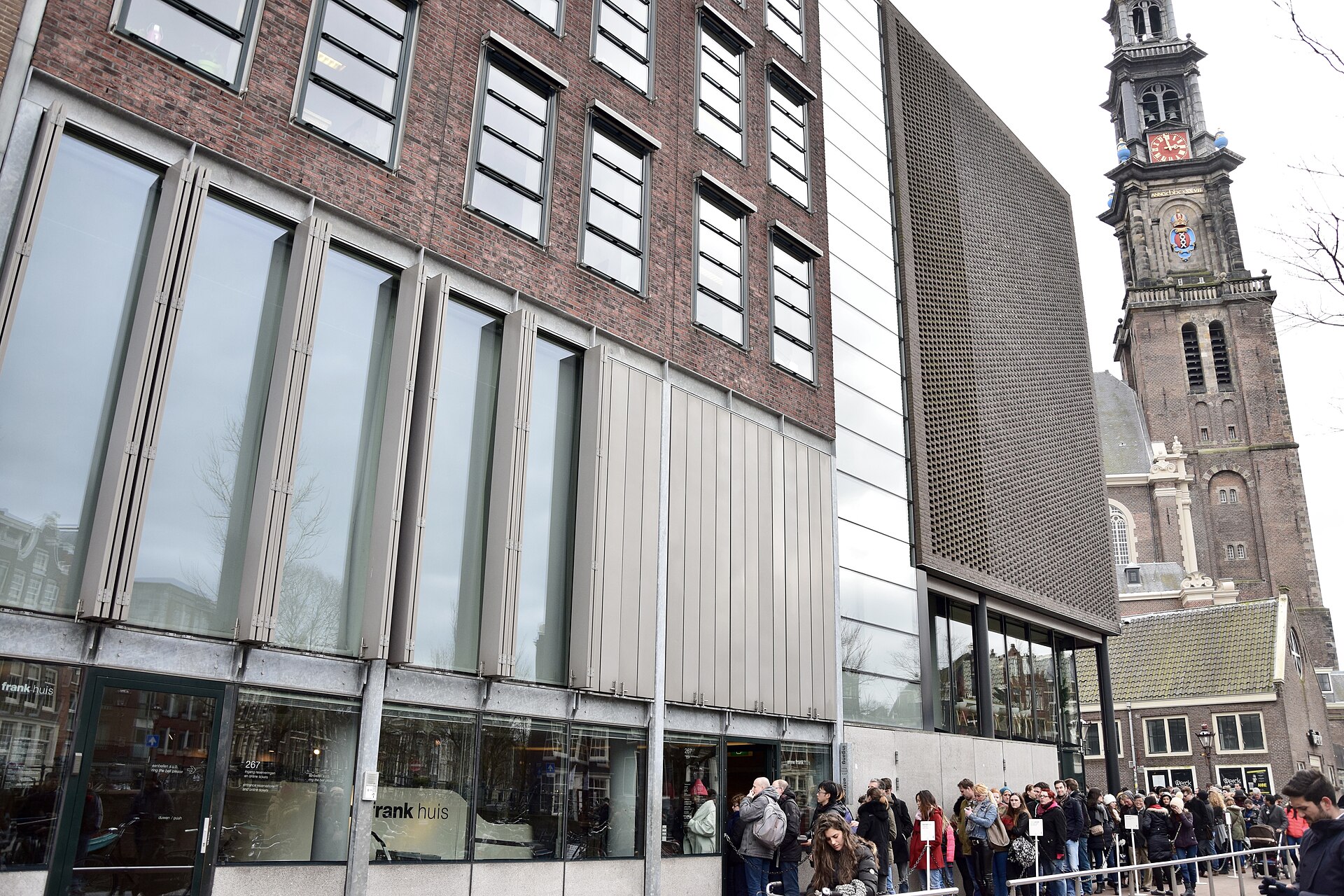
Insider tip: Tickets are the hardest to get in Amsterdam. They are sold only on the official Anne Frank House website, released in batches six weeks in advance every Tuesday at 10:00 Amsterdam time, and they vanish within minutes for peak slots. Set a reminder, log in early, and if you miss out, keep checking, as a few same-week slots are released closer to the date.
Cost: €16.50 for adults. Open daily 9am to 10pm, Westermarkt 20 (entrance on the Prinsengracht).
4. A Canal Cruise and the Grachtengordel
The ring of canals dug in the Dutch Golden Age, the Grachtengordel, is a UNESCO World Heritage Site, and the honest truth is that it looks best from the water. A one-hour cruise is the quickest way to understand how the city is laid out, slipping under low bridges past leaning gabled houses and houseboats. It is touristy and it is worth it, especially at dusk when the bridge lights come on.

Insider tip: Skip the big glass-roofed boats from directly outside Centraal if you can and take a smaller open or electric boat for a fraction more. Better still, book an evening departure, when the canal houses glow and the day-trippers have gone. Operators like Lovers and Stromma run hourly; an evening trip is the one to pick.
Cost: One-hour cruises from about €15.50 to €25 depending on operator and time of day.
5. The Jordaan and the Nine Streets
Once a working-class district, now the prettiest place in Amsterdam to do nothing in particular. The Jordaan is a grid of narrow streets and small canals (Bloemgracht, Egelantiersgracht) lined with independent galleries, brown cafés and courtyard gardens. Bolted onto its southern edge are De Negen Straatjes, the Nine Streets, nine little lanes of vintage shops, concept stores and coffee spots bridging the main canals. There is no ticket and no single sight; the point is the wander.
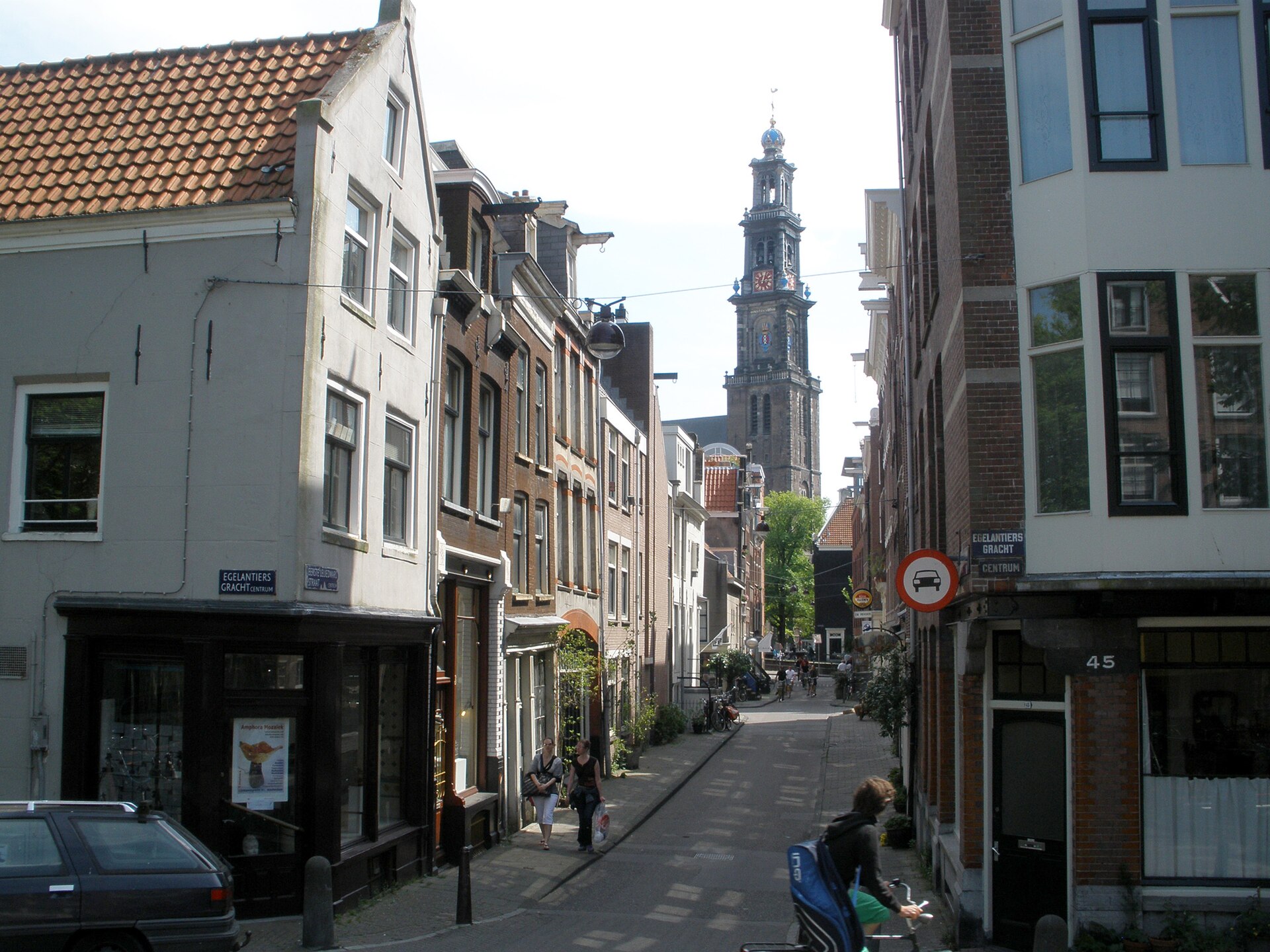
Insider tip: Come on a Saturday morning for the Noordermarkt, where an organic farmers' market and a sprawling flea market share the square by the Noorderkerk. Then duck into Café 't Smalle on the Egelantiersgracht, a brown café trading since the 18th century, for a beer and a plate of bitterballen on the waterside terrace.
Cost: Free to explore.
6. The Vondelpark
Amsterdam's biggest park and its communal back garden: 47 hectares of lawns, ponds and winding paths a two-minute walk from the Museumplein. On the first warm day of the year the entire city seems to decamp here to picnic, cycle and lie about. It is the best free thing to do in Amsterdam and the quickest way to feel like a resident rather than a visitor.

Insider tip: From roughly June to August the Openluchttheater, the park's open-air theatre, puts on free concerts, cabaret and children's shows most weekends, with a schedule posted at the entrances. Bring something from the Albert Cuyp Market, find a spot near the Blauwe Theehuis café, and you have a free evening sorted.
Cost: Free, open around the clock.
7. The Albert Cuyp Market
The Netherlands' biggest daily street market, running the length of the Albert Cuypstraat through the De Pijp neighbourhood: a few hundred stalls of fish, cheese, flowers, fabric, fruit and cheap household bits aimed at locals, not souvenir-hunters. It is loud, unpretentious and the best place in the city to eat your way along a street for under €10.

Insider tip: This is the spot for a stroopwafel made in front of you, two thin waffles pressed around warm caramel syrup, and for raw herring and a paper cone of fried fish from the viswinkel stalls. Go mid-morning when everything is fresh and before the lunch rush, and bring cash, though most stalls now take cards too.
Cost: Free to enter. Open Monday to Saturday, 9:30am to 5pm; closed Sundays.
8. The Begijnhof
A hidden medieval courtyard a few metres off the busy Spui, and most people walk straight past the low doorway that leads into it. Inside is a hushed ring of houses around a green, including Het Houten Huys, one of the two oldest houses in Amsterdam, built of timber around 1420. It was a community for the Beguines, lay religious women, and it is still residential, which is why the signs ask for quiet.
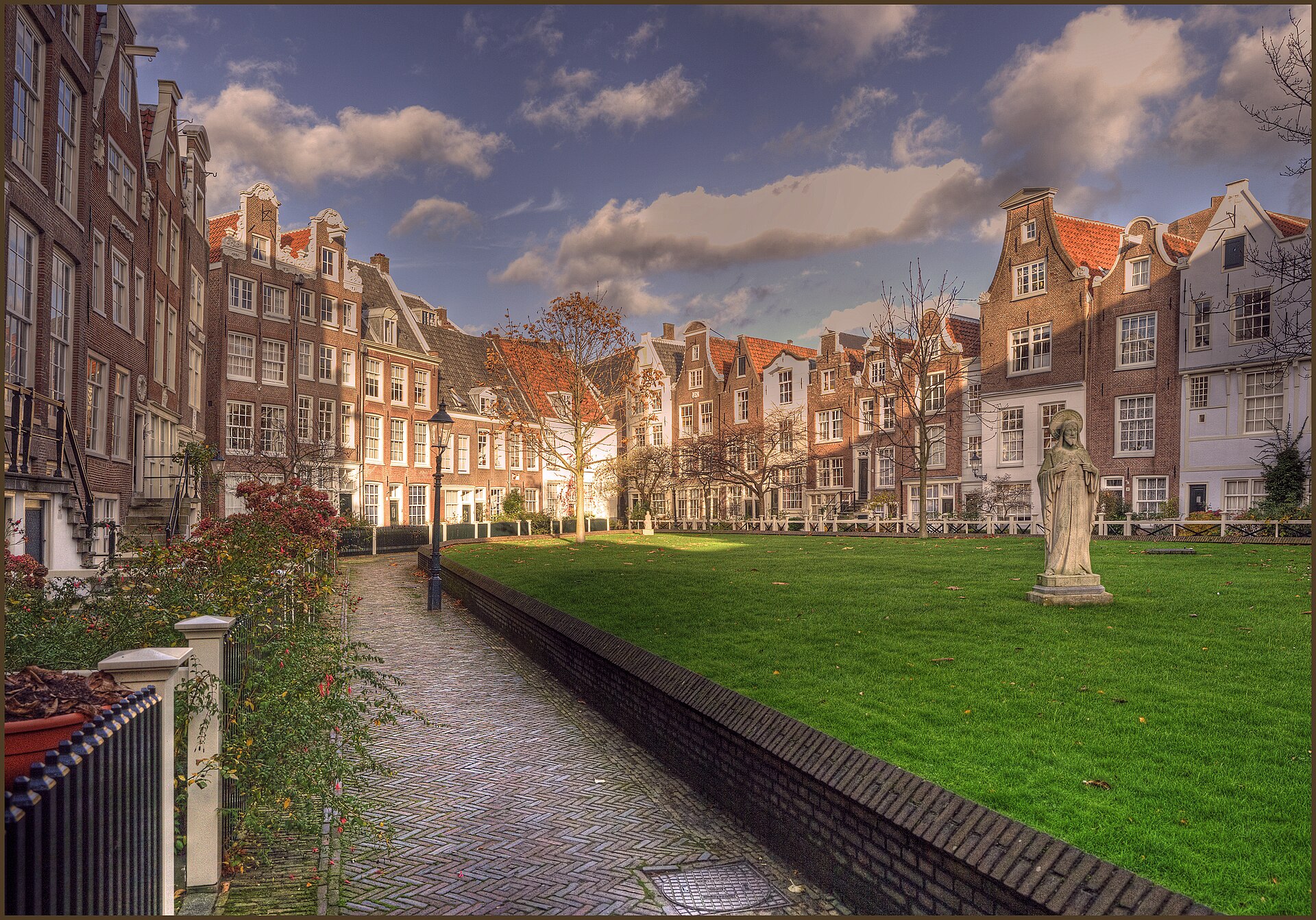
Insider tip: It is free and easy to miss, so look for the arched entrance off the Gedempte Begijnensloot or the Spui. Respect the "stilte" (silence) signs, keep your voice down and don't photograph the residents' windows. Visiting hours are limited to the daytime, roughly 9am to 5pm, as real people live here.
Cost: Free.
🗓️ How to Spend Three Days in Amsterdam
This itinerary assumes you have pre-booked the Anne Frank House and Van Gogh Museum for specific times and are staying somewhere central like the Jordaan, the Canal Ring or De Pijp. Distances are short: almost nothing below is more than 25 minutes' walk or a 10-minute tram from the centre.
Day 1: Museums and the Museumplein
Start at the Rijksmuseum for the 9am opening (about €25, two to three hours). Walk five minutes across the Museumplein, past the I amsterdam-style lawn, to the Van Gogh Museum for a late-morning or early-afternoon slot (€24). Grab lunch in the De Pijp neighbourhood a 10-minute walk south, then spend the afternoon at the Albert Cuyp Market (free) eating stroopwafels and herring. End with a drink in a De Pijp bar. Total spend on sights: about €49 plus food.
Day 2: The Old Centre, the Canals and the Jordaan
Begin with your timed Anne Frank House entry (€16.50, about an hour). From its doorstep you are already in the Jordaan, so wander the Bloemgracht and the Nine Streets, browsing shops and stopping for coffee (free). In the afternoon, take a one-hour canal cruise (from about €15.50) to see the Grachtengordel from the water. As the light drops, walk through the Dam and have dinner in the Jordaan at a brown café. Sights: around €32 plus food and dinner.
Day 3: Hidden Corners and Amsterdam Noord
Start slow with the Begijnhof and a morning in the Vondelpark (both free). After lunch, walk to the back of Centraal Station and take the free GVB ferry across the IJ to Amsterdam Noord (see "Beyond the Tourist Trail", below) for street art at NDSM, the view from the A'DAM Lookout, or a beer by the water. Head back for a final dinner in the centre. A near-free day apart from any attraction you choose in Noord.
🧠 Essential Amsterdam Travel Tips
When is the best time to visit Amsterdam?
The shoulder months, April to May and September, are the sweet spot: mild days around 14 to 20°C, long light and manageable crowds. Spring is the showpiece. Keukenhof, the tulip garden 40 minutes from the city, is open 19 March to 10 May 2026 (adult ticket around €21.50, 8am to 7:30pm), with peak bloom usually in mid-April depending on the weather. King's Day (Koningsdag) falls on Monday 27 April 2026, when the whole city turns orange, dresses up and throws a canal-side street party with a giant free market; it is enormous fun but hotels sell out and prices spike months ahead, and the council is bringing in stricter crowd rules for 2026. Summer (June to August) is warm, around 20 to 22°C, but at its most crowded and expensive. Winter is cold and often grey, but the Amsterdam Light Festival strings illuminated artworks along the canals from late November into January, best seen from a boat.
How do you get from the airport, and around the city?
From Schiphol, the NS train to Amsterdam Centraal is the clear winner: €5.50 one way in second class (add €1.60 if you buy a disposable paper ticket rather than tapping a bank card), about 15 to 20 minutes, up to eight trains an hour. The platforms are directly beneath the arrivals hall. A taxi is a flat ~€45 to €50 and rarely quicker. Once in town, you barely need transport; the centre is walkable and the tram network (run by GVB) handles the rest. Tap in and out with a contactless card or phone (OVpay) and you are charged per journey with a daily cap of about €10.50, which is simpler and usually cheaper than buying tickets. A single GVB ticket is €3.40 for one hour; a 24-hour pass is €10. The GVB ferries behind Centraal to Amsterdam Noord are completely free. Locals plan journeys with the 9292 app, which covers every train, tram, bus and ferry in the country.
Is Amsterdam safe for tourists?
Very. Serious crime against visitors is uncommon and the central districts are fine to walk at night. The genuine hazards are smaller. Pickpockets work Centraal Station, Dam Square, packed trams and the Red Light District, so keep bags zipped and phones off café tables. The bikes are the thing tourists most underestimate: the red-asphalt lanes are cycle lanes (fietspad), not pavements, cyclists have right of way and will not slow down, so never walk, stand or photograph in them. In the Red Light District, photographing the window workers is forbidden and taken seriously, and anyone on the street offering cocaine is selling something dangerous and fake, so ignore them. Emergency number is 112.
What should you eat in Amsterdam?
Dutch food is simple and good when you go to the right stall. Eat a stroopwafel fresh and warm at the Albert Cuyp Market, not pre-packed. Try haring, raw herring with chopped onion and pickle, from a fish stall like Stubbe's Haring on the Singel. Order bitterballen, crisp breadcrumbed balls of beef ragout, with a beer in a brown café such as Café 't Smalle or Café Chris in the Jordaan. Get fries with the works from Vleminckx on the Voetboogstraat, the city's most famous friet window, and save room for Dutch apple pie at Winkel 43 by the Noordermarkt, a slab that regularly tops "best in the city" lists. For dinner, book an Indonesian rijsttafel, a colonial-era spread of a dozen or more small dishes, a genuine Amsterdam institution.
🏨 Where to Stay in Amsterdam
Where you sleep shapes the whole trip, because Amsterdam's neighbourhoods have strong, distinct characters and everything central is a short walk or tram ride apart. Rates swing hard with season and with King's Day and big weekends, so the ranges below are typical rather than fixed.
Budget
Hostels are the value play, with dorm beds roughly €40 to €75 a night. ClinkNOORD sits across the IJ in Amsterdam Noord, a free four-minute ferry from behind Centraal; Generator Amsterdam overlooks the Oosterpark; and The Flying Pig has a long-running backpacker spot near the Vondelpark. For a private budget room, look to Oud-West or De Pijp, where simple hotels start around €100 to €140 and put you in a real neighbourhood rather than the tourist core.
Mid-range
For roughly €150 to €260 a night you can stay in a converted canal house in the thick of it. The Jordaan and the Canal Ring (Grachtengordel) are the most atmospheric and central; De Pijp trades a little distance for a livelier, more local scene around the Albert Cuyp Market; and Oud-West is quieter and handy for the Vondelpark and museums. Expect steep, narrow Dutch staircases and, often, no lift, which is part of the charm until you are carrying a suitcase.
Luxury
At the top end, €400 and up, the setting is usually a canal or the museum quarter. The Pulitzer Amsterdam stitches together 25 adjoining canal houses on the Prinsengracht; the Waldorf Astoria occupies six 18th-century palaces on the Herengracht's "Golden Bend"; the Conservatorium sits in a grand former bank building by the Museumplein in Oud-Zuid; and De L'Europe looks over the Amstel in the old centre. All put you within a 15-minute walk of the major sights.
🎭 Beyond the Tourist Trail
Once the museums are done, the more interesting half of Amsterdam is across the water and around the edges. The best move is also the cheapest: walk to the rear of Centraal Station and hop on a free GVB ferry across the IJ to Amsterdam Noord. The NDSM Wharf ferry (about 15 minutes) lands you at a former shipyard turned street-art district, home to STRAAT, a warehouse museum of graffiti and street art the size of a football pitch. Nearer the ferry terminal, the A'DAM Tower has an observation deck, the A'DAM Lookout, and "Over the Edge", billed as the highest swing in Europe, which launches you out over the void above the IJ. Next door, the angular white Eye Filmmuseum has a terrific café and river view even if you skip the exhibitions.
Back on the south side, skip the crowded Heineken queue and drink where locals do: Brouwerij 't IJ, the tasting room beneath the De Gooyer windmill on the Funenkade in the east, pours its own beers on an afternoon terrace under the last working corn mill in the inner city. And for the quietest green space in town, the Hortus Botanicus, one of the world's oldest botanical gardens, is a steamy glasshouse escape on a cold day. If you are here in winter, the Amsterdam Light Festival (late November into January) is best experienced on a boat gliding past the illuminated installations, mulled drink in hand.
❓ Amsterdam FAQ
How many days do you need in Amsterdam?
Three full days is the sweet spot. It covers the big three museums, a canal trip and two or three neighbourhoods on foot without a forced march. Two days works if you pre-book the Rijksmuseum and the Anne Frank House and skip any day trips. Give it four or five if you want Keukenhof, Haarlem or the windmills at Zaanse Schans as well.
What is the best time to visit Amsterdam?
Mid-April to mid-May for tulips and King's Day (Monday 27 April 2026), or September for mild days and thinner crowds. Keukenhof's tulip gardens run 19 March to 10 May 2026. July and August are warmest but busiest and priciest; winter is grey and cold but quiet, with the Amsterdam Light Festival lighting the canals from late November into January.
Do you need to book Amsterdam museum tickets in advance?
Yes, for the headline museums. The Anne Frank House (adult ticket €16.50) sells timed-entry tickets online only, released six weeks ahead every Tuesday at 10:00, and they sell out fast. The Van Gogh Museum (€24) and the Rijksmuseum (€25) also use timed online slots and get busy, so book a few days out at least.
How do you get from Schiphol Airport to central Amsterdam?
Take the NS train from the platforms directly under the terminal to Amsterdam Centraal. It costs €5.50 one way in second class, takes about 15 to 20 minutes, and runs up to eight times an hour from early morning to past midnight. A taxi is a flat fare of roughly €45 to €50 and is rarely faster.
How do you pay for trams and the metro in Amsterdam?
Just tap in and tap out with a contactless bank card or phone (the system is called OVpay). GVB fares are capped at about €10.50 a day on that card. If you prefer a ticket, a single GVB ticket is €3.40 and covers one hour of transfers; a 24-hour GVB pass is €10. Always tap out, or you are charged a penalty fare.
Is Amsterdam safe for tourists?
Yes. Violent crime against visitors is rare and the city is comfortable to walk at night in the central areas. The real risks are pickpockets around Centraal Station, Dam Square, busy trams and the Red Light District, and the bikes. Never walk or stand in the red-asphalt cycle lanes, because cyclists have priority and move fast. Dial 112 for emergencies.
What food should you try in Amsterdam?
Eat a stroopwafel pressed fresh and warm at the Albert Cuyp Market, raw herring (haring) with onion and pickle from a fish stall, and bitterballen (crisp beef-ragout balls) with a beer in a brown café. Don't leave without Dutch apple pie at Winkel 43 by the Noordermarkt, fries from Vleminckx, and an Indonesian rijsttafel, a Dutch colonial-era feast of small dishes.
What is the best area to stay in Amsterdam?
The Jordaan and the Canal Ring for charm and a central, walkable base; De Pijp for a livelier local scene around the Albert Cuyp Market; and Amsterdam Noord or Oud-West for better value a short ferry or tram ride from the middle. Avoid booking right on the Red Light District unless you want noise until 3am.
❤️ Plan Your Amsterdam Trip with VoyaBear
Amsterdam rewards a plan: the right museum slots booked at the right times, a base in a neighbourhood that fits how you travel, and a route that strings the canals, the Jordaan and a ferry to Noord into days that actually flow. That is exactly what VoyaBear builds for you. Tell it how long you have, what you are into and how you like to move, and it turns this guide into a personalised, day-by-day Amsterdam itinerary, with timings, bookings and local food stops mapped out. Start planning your Amsterdam trip with VoyaBear and spend less time organising and more time on the water.
Want this as an actual itinerary?
VoyaBear turns a guide like this into a day-by-day plan built around how you travel.
Plan my trip free