Belgrade 2026: The Complete Guide to Serbia's Capital
25 November 2026 · 21 min read

Belgrade is the only megacity in Europe where you can step off a tram without ever touching a ticket. Since 1 January 2025 the city scrapped public transport fares entirely, so buses, trams and trolleybuses are free for everyone, residents and visitors alike. That one decision tells you a lot about the place: pragmatic, a little chaotic, and far cheaper than it has any right to be for a capital perched on the meeting point of two major rivers.
That meeting point, where the green Sava pours into the wider Danube below an old fortress, is the reason Belgrade exists. It has been fought over roughly 115 times and levelled more than 40, which is why you will not find a pristine medieval old town here. What you get instead is a working city of Habsburg facades, socialist concrete, bohemian cobbled lanes and barge nightclubs bolted to the riverbank, all of it cheaper and more welcoming than the better-known capitals a short flight away. Here is how to spend three days in it in 2026, with real prices, real places and the tips that actually save you time.
💡 Quick Answer: Belgrade at a Glance
The essentials before you book, for anyone who just wants the numbers.
- How many days do you need? Three. Two if you cut Zemun or Ada Ciganlija.
- Best time to visit: Late May to June and September, with highs around 22 to 25 C and thinner crowds.
- What to book ahead: A Skadarlija kafana table on weekends and an English-language Nikola Tesla Museum tour (800 RSD, about $7). Little else needs reserving.
- Airport to centre: A1 minibus to Trg Slavija, about 35 to 45 minutes, 400 RSD (about $3.70) cash. Free city bus 72 is the budget option.
- Getting around: Buses, trams and trolleybuses are all free since January 2025, no card required. Walking covers the centre.
- Daily budget: Around 45 to 70 EUR ($50 to $75) a day for a mid-range traveller, less if you lean on free transport and bakeries.
- Currency: Serbian dinar, about 117 to the euro. Carry cash for museums, markets and kafanas.
- Top safety note: The only common scam is airport taxi overcharging. Use the arrivals kiosk or the CarGo app.
🏛️ The Best Things to Do in Belgrade
You can see the headline sights in a long day, but Belgrade rewards slowing down. These seven are the ones worth your time, with the practical details that guidebooks tend to leave vague.
1. Belgrade Fortress and Kalemegdan Park
Start here, because everything else makes more sense once you have stood on the ramparts and watched the Sava empty into the Danube. The fortress has guarded this ridge since Roman times and sprawls across a park that locals treat as their communal back garden: chess players, joggers, a dinosaur-themed amusement corner and the bronze Pobednik (the Victor), a nude male figure that has stood facing the rivers since 1928. Walking the grounds and the ramparts is completely free and they never close.

The ticketed corners are cheap and quick. The Military Museum is 350 RSD (about $3.25) and open Tuesday to Sunday, 10:00 to 17:00, with tanks and captured hardware lined up outside for free. Climbing the Nebojsa Tower, a riverside dungeon-turned-museum, costs 200 RSD, and a combined ticket for the smaller sights is 450 RSD (about $4). Insider tip: come 45 minutes before sunset. The light over the confluence is the best free show in the city, and the terrace bars just inside the gate fill up fast once the sky turns orange. Allow two to three hours.
2. The Church of Saint Sava
This is one of the largest Orthodox churches on earth, and from a distance its white marble bulk and green dome look finished. Step inside and you realise the interior has only recently been completed: the dome mosaic alone covers around 15,000 square metres of gold-backed glass, assembled with Russian help and unveiled at the end of the 2010s. Standing under it is genuinely disorienting, in the best way. Entry is free.

Do not skip the crypt downstairs, a low, heavily gilded chamber that most day-trippers miss entirely. It is quieter, cooler and arguably more impressive than the nave. Insider tip: dress modestly, with shoulders and knees covered, or you may be turned back at the door. The church sits a 10-minute walk from Trg Slavija, and the surrounding Vracar district is a pleasant place to get coffee afterwards. Allow an hour.
3. Skadarlija, the Bohemian Quarter
Belgrade's answer to Montmartre is a single sloping cobbled street, Skadarska, that has been the haunt of poets, actors and heavy drinkers since the late 19th century. The kafanas here (traditional taverns) come with live tamburica bands, long menus of grilled meat and a theatrical, slightly touristy charm that is still worth an evening. The two institutions are Tri Sesira (Three Hats) and Dva Jelena (Two Deer), both open since the 1800s.
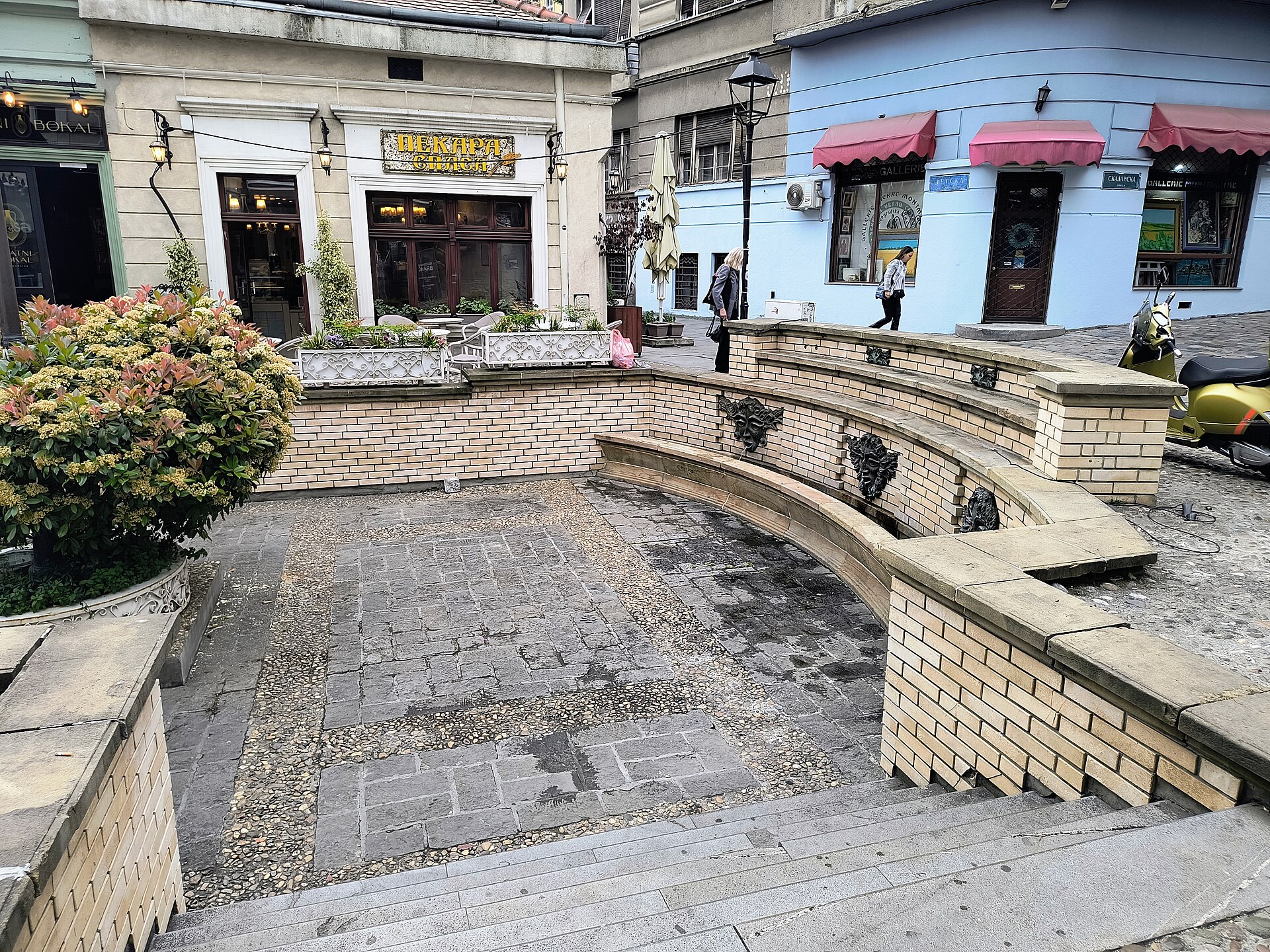
Main courses in these places run about 1,000 to 2,000 RSD ($9 to $18), which buys you a vast grilled platter you will struggle to finish. Insider tip: book ahead on Friday and Saturday, when the bands start early and tables vanish, and arrive hungry rather than at a precise time, because the pacing is deliberately slow. The entrance arch is a five-minute walk east of Republic Square.
4. Knez Mihailova Street and Republic Square
Republic Square (Trg Republike), marked by the equestrian statue of Prince Mihailo and the columned National Museum, is where Belgrade meets itself. The museum is worth an hour for the Miroslav Gospel and a strong collection of Serbian and European art. From the square, the pedestrianised Knez Mihailova runs north to the fortress, a handsome parade of 19th-century buildings now occupied by the usual high-street brands, buskers and portrait artists.
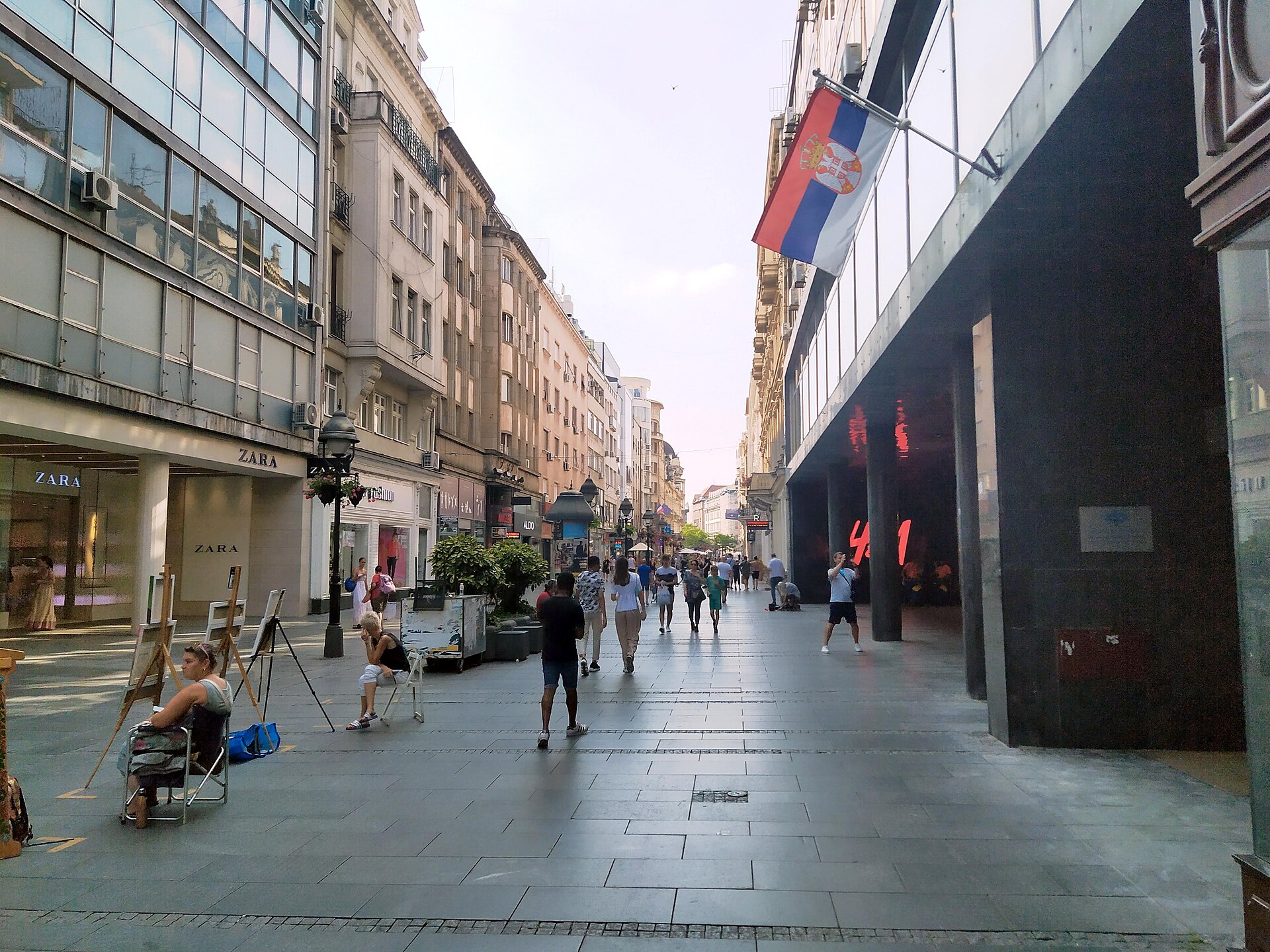
It is free, always open and the natural artery for orienting yourself. Insider tip: the real pleasure is the side streets. Duck off into the cafes of Obilicev Venac or down towards the river and you leave the chain stores behind within a block. A coffee on the street costs 200 to 400 RSD ($2 to $4), and sitting over one for an hour is a local sport, not a faux pas.
5. The Nikola Tesla Museum
Serbia claims Tesla as its own, and this compact museum in a Vracar villa holds his ashes (in a golden orb) along with thousands of his personal papers, now on UNESCO's Memory of the World register. The draw is the live demonstrations: a staff member fires up a Tesla coil and hands you a fluorescent tube that lights in your bare hand. It is showmanship, but it lands.
An English-language guided tour costs 800 RSD (about $7), with a Serbian tour at 400 RSD, and tours run roughly hourly. Opening hours are Monday 10:00 to 18:00 and Tuesday to Sunday 10:00 to 20:00, and it is cash only. Insider tip: turn up 15 minutes before the hour, because the English slots cap at a set group size and fill up on weekends, especially in summer. Allow 45 minutes to an hour.
6. Zemun and the Gardos Tower
Catch a bus across to Zemun and the mood changes completely. Until 1918 this was the Austro-Hungarian frontier town, and it still feels like a separate village of pastel houses, fishing boats and a sleepy waterfront. The climb up to the Gardos Tower (also called the Millennium Tower, built in 1896) through steep cobbled lanes is short and rewards you with the best panorama of the Danube and New Belgrade's towers beyond.
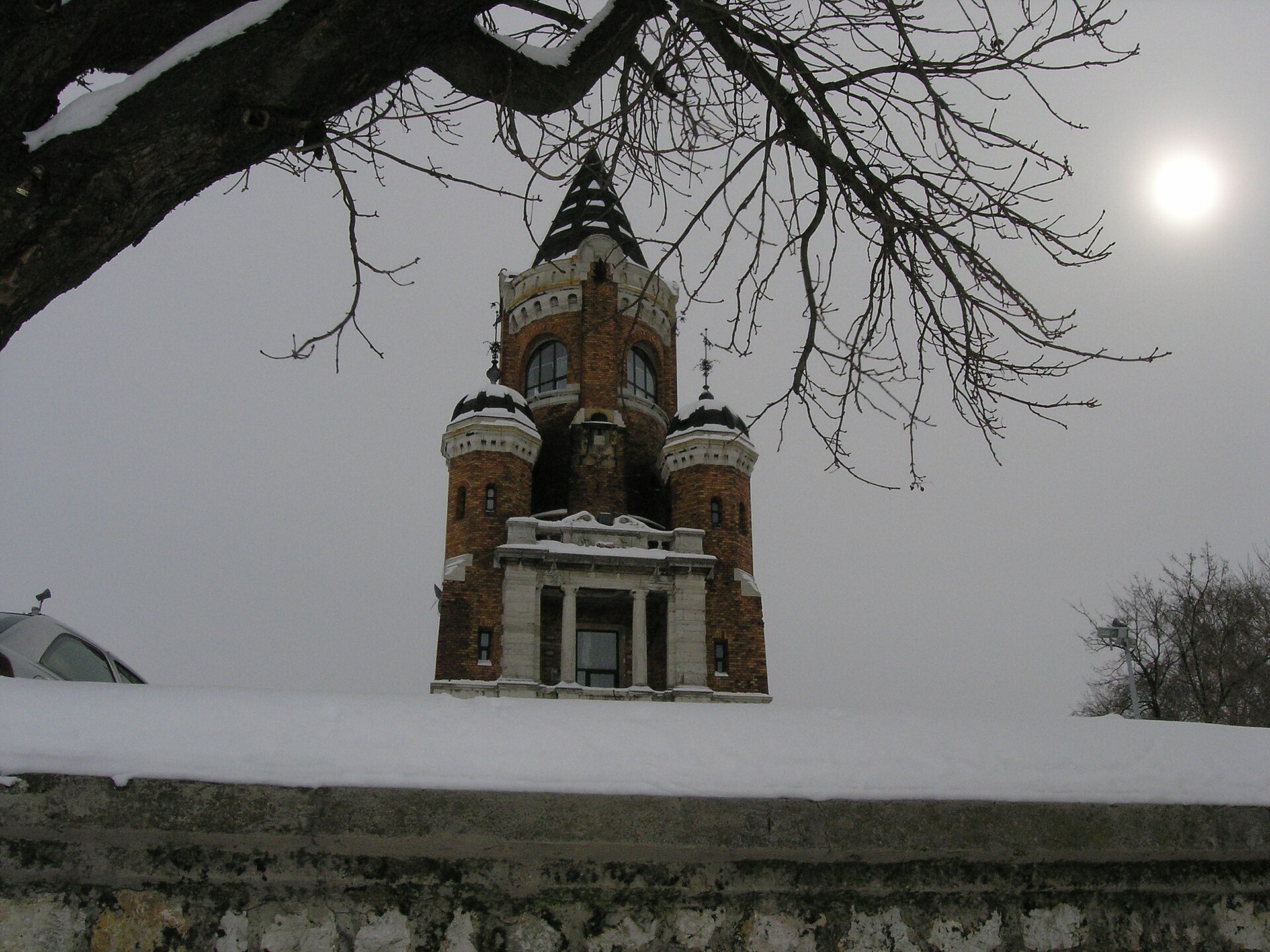
The tower charges a small entry fee of around 200 RSD (under $2). Afterwards, walk back down to the Zemun Quay and eat at one of the riverside fish restaurants, where a platter or a bowl of riblja corba (fish stew) runs about 1,500 to 2,500 RSD ($14 to $23). Insider tip: buses 15, 83 and 84 all run here from the centre, and since all three are free, there is no reason to pay for a taxi.
7. Ada Ciganlija, Belgrade's River Beach
Locals call it "the Belgrade sea": a former island on the Sava, now joined to the bank, wrapped around an artificial lake with 7 kilometres of pebble and grass beach. In summer it is where the whole city decamps to swim, row, cycle and drink beer under the trees. The lake water reaches around 26 C in July and August, and the whole park is free to enter year-round.
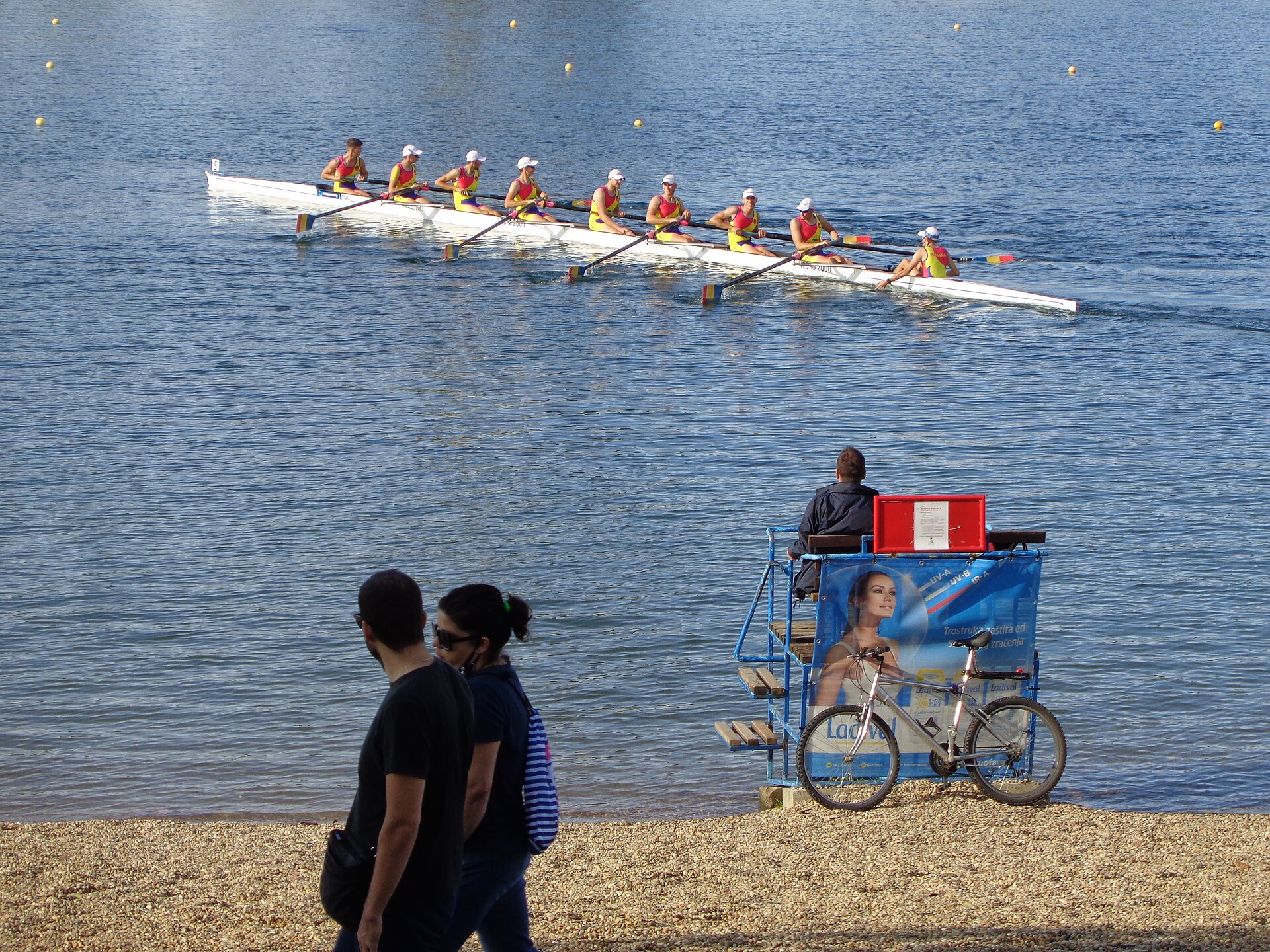
There is far more than swimming: kayak and SUP rental, a bungee jump, a zip line across the water and dozens of cafe-terraces. Insider tip: bus 53 and a few others run from Zeleni Venac for free, and weekday mornings are blissfully quiet compared with the weekend crush. Out of season it becomes a running and cycling loop rather than a beach, which is its own kind of pleasant.
🗓️ How to Spend Three Days in Belgrade
This plan assumes you are staying centrally in Stari Grad or Vracar and walking most of it. Transport is free, so the only real cost is food, drink and the handful of cheap tickets.
Day 1: The Old Core and the Rivers
Start with burek and yoghurt at a bakery (around 250 to 400 RSD, under $4), then walk Knez Mihailova up to Belgrade Fortress. Spend the morning on the ramparts and in the Military Museum (350 RSD). Lunch near the fortress gate, then wander back down through the centre to Republic Square and the National Museum in the afternoon. As the light drops, return to the fortress terrace for sunset over the confluence, then walk 10 minutes to Skadarlija for a long kafana dinner with live music (budget 1,500 to 2,500 RSD a head, $14 to $23). Total walking time, maybe 25 minutes between stops.
Day 2: Tesla, Saint Sava and the Barges
Begin at the Nikola Tesla Museum when it opens at 10:00 (English tour 800 RSD), then walk 15 minutes to the Church of Saint Sava and its crypt. Have lunch in leafy Vracar, then spend the afternoon at Ada Ciganlija (free bus 53, about 20 minutes) for a swim or a lakeside walk. In the evening, head down to Savamala and the Beton Hala waterfront for dinner, then on to one of the splavovi, the floating barge clubs moored along the Sava and Danube, which run from mellow cocktail bars to full nightclubs.
Day 3: Zemun and a Slower Pace
Take a free bus (15, 83 or 84) to Zemun for the morning. Climb the Gardos Tower (around 200 RSD), wander the old lanes, then eat fish on the Zemun Quay. Spend the afternoon on whatever you want more of: the Kalenic farmers' market in Vracar for food shopping, the bars of Dorcol, or a boat trip on the rivers. If you have energy, the Avala Tower on the city's southern edge gives a wide view over the whole region. End with a relaxed dinner back in the centre.
🧠 Essential Belgrade Tips
When is the best time to visit Belgrade?
Aim for late May to June or September. These shoulder months give you daytime highs of about 22 to 25 C, open river islands and manageable crowds. July and August are hot and humid at around 27 C, though that is also when Ada Ciganlija and the barge clubs are at full tilt and the mid-August Belgrade Beer Fest fills Usce park with free concerts. Winter is cold and grey, with January highs near 4 C, but it is cheap and the kafanas are cosy. Note that the EXIT festival, often linked with Belgrade, actually takes place in Novi Sad about 80 km away, and is moving its 2026 edition abroad, so do not plan a Belgrade trip around it.
How do you get around Belgrade?
On foot and for free. The whole central sightseeing circuit is walkable, and since 1 January 2025 every city bus, tram and trolleybus has been free, with no ticket, card or app required: you simply board. That makes Belgrade the largest city in Europe with fare-free transit. The only paid public option you are likely to use is the A1 airport minibus (400 RSD, cash). For door-to-door trips, locals use the CarGo ride-hailing app, which is cheaper and more transparent than flagging a street taxi. There is no metro yet; construction on the first line is underway with completion targeted around 2030.
Is Belgrade safe for tourists?
Very. Violent crime against visitors is rare and the centre is comfortable to walk late at night. The one scam to know is the airport taxi: drivers who approach you inside the arrivals hall can charge two to three times the going rate. Instead, get a fixed-price voucher from the official taxi kiosk in arrivals (roughly 3,000 RSD to the centre) or book a CarGo. Beyond that, keep an eye on your pockets in crowded buses and around Republic Square, and be aware that political protests have been a regular feature of Belgrade life recently; they are generally peaceful, but it is sensible to walk around any large gathering rather than through it.
What should you eat in Belgrade?
Serbian food is a carnivore's reward. The staples are cevapi (grilled minced-meat fingers, usually served with chopped onion and flatbread), pljeskavica (a large grilled patty, the Serbian burger) and karadjordjeva snicla, a rolled, breaded veal cutlet stuffed with kajmak, the region's addictive clotted-cream spread. Eat burek (flaky filled pastry) for breakfast from a bakery like Trpkovic, grab a charcoal-grilled pljeskavica sandwich from a hole-in-the-wall like Cirino Drvce, and browse the Kalenic market for ajvar, cheese and kulen sausage. For a splurge, Belgrade now has Michelin-starred dining (the Michelin Guide arrived in Serbia in 2025), but the soul of the city is still the kafana.
🏨 Where to Stay in Belgrade
Belgrade is compact, so your main decision is atmosphere rather than distance. Prices below are typical 2026 rates for a double room or dorm bed, and the whole city runs cheaper than comparable Central European capitals.
Budget
Hostels cluster in Stari Grad and Dorcol, with dorm beds around 12 to 22 EUR ($13 to $24) and private rooms a little more. This is also prime territory for cheap apartment rentals. Staying here means you can walk to the fortress, Skadarlija and Republic Square in minutes, and roll home from the barge clubs without needing a taxi.
Mid-range
Boutique hotels and smart apartments in Dorcol, Vracar and the edges of Stari Grad run about 70 to 130 EUR ($75 to $140) a night. Vracar is the pick if you want leafy residential streets near the Church of Saint Sava and good neighbourhood restaurants; Dorcol is the hip, cafe-dense choice a short walk from the centre.
Luxury
At the top end, the Square Nine Hotel in Stari Grad (a Leading Hotels of the World member near Studentski Trg) and the boutique Saint Ten in Vracar sit from around 250 EUR ($270) and up. You pay European-capital prices here, but still less than you would for the equivalent in Vienna or Prague, and both put you within walking distance of the sights.
🎭 Beyond the Tourist Trail
Once you have the headline sights, Belgrade's real character is in its neighbourhoods and its river. Savamala, the former docks district below the centre, swung from derelict to design-led over the last decade: it is where you will find street art, independent galleries, the striking Beton Hala waterfront restaurants and some of the city's best bars, even as the giant Belgrade Waterfront development reshapes the skyline next door.
For a night out that only Belgrade does properly, head to the splavovi: dozens of barges moored along the Sava and Danube that turn into bars and clubs from spring to autumn, ranging from laid-back cocktail decks to thumping summer nightclubs. The Dorcol district, just east of the centre, has become the quieter, more grown-up alternative, full of specialty coffee, wine bars and the open-air Dorcol Platz in the warm months.
If your timing lines up, the Belgrade Beer Fest takes over Usce park by the river each August with free entry and well over a hundred free concerts across several days, drawing crowds in the hundreds of thousands. For a calmer local ritual, spend a Saturday morning at the Kalenic market in Vracar, one of the oldest open-air markets in the city, where the produce, cheese and homemade rakija stalls show you how Belgraders actually shop and eat.
❓ Belgrade FAQ
How many days do you need in Belgrade?
Three days is the sweet spot. It covers Kalemegdan fortress, the Church of Saint Sava, Skadarlija, the Nikola Tesla Museum and a half-day in Zemun, with time left for coffee and a riverside dinner. Two days works if you skip Zemun or Ada Ciganlija; add a fourth day if you want a trip to Novi Sad or the Avala Tower.
What is the best time to visit Belgrade?
Late May to June and all of September. Daytime highs sit around 22 to 25 C, the river islands are open and the crowds are thinner than in July and August, when it climbs to 27 C and turns humid. Avoid December and January, when highs hover around 4 C and daylight is short.
Is public transport in Belgrade really free?
Yes. Since 1 January 2025, buses, trams and trolleybuses in Belgrade have been free for everyone, with no ticket or card needed, making it the largest European city to scrap fares. The exceptions are the A1 airport minibus (400 RSD, about $3.70) and a handful of express E-lines.
How do you get from Belgrade Airport to the city centre?
The A1 minibus runs to Trg Slavija in about 35 to 45 minutes for 400 RSD (about $3.70), paid in cash on board. City bus 72 to Zeleni Venac is free but slower at around 45 minutes. A taxi booked at the arrivals kiosk is roughly 3,000 RSD (about $28); never take a driver who approaches you inside the terminal.
Is Belgrade safe for tourists?
Belgrade is one of the safer European capitals for visitors, with low violent crime. The main risks are airport taxi overcharging and the occasional pickpocket in crowds. Book taxis through the CarGo app or an airport kiosk, keep valuables close on busy buses, and the city is comfortable to walk at night in central areas.
What food should you try in Belgrade?
Start with cevapi (grilled minced-meat fingers) and pljeskavica, the Serbian burger, then karadjordjeva snicla, a breaded veal roll stuffed with kajmak. Eat burek for breakfast, slather bread with ajvar and kajmak, and order riblja corba (fish stew) in Zemun. A kafana dinner in Skadarlija runs about 1,500 to 2,500 RSD ($14 to $23) a head.
What is the currency in Belgrade and should you use cash?
The currency is the Serbian dinar (RSD), roughly 117 to the euro and 108 to the US dollar in 2026. Cards work in most restaurants and shops, but carry cash for the Tesla Museum, fortress ticket booths, market stalls, the A1 minibus and small kafanas, which are often cash only.
Where should you stay in Belgrade?
Stari Grad (the old town) puts you within walking distance of nearly everything. Dorcol is quieter and full of cafes, Vracar is leafy and near the Church of Saint Sava, and Savamala suits night owls. Expect hostel dorms around 12 to 22 EUR, mid-range boutique doubles at 70 to 130 EUR and luxury from about 250 EUR.
❤️ Let VoyaBear Plan Your Belgrade Trip
Belgrade rewards travellers who go beyond the checklist, and that is exactly what VoyaBear is built for. Tell our AI travel planner how long you have, what you love (fortress sunsets, kafana feasts, barge-club nights or quiet riverside mornings) and your budget, and it builds a personalised day-by-day Belgrade itinerary with the free-transport routes, real opening hours and prices already worked out. Start planning your Serbia trip with VoyaBear and spend less time organising and more time on that terrace watching the rivers meet.
Want this as an actual itinerary?
VoyaBear turns a guide like this into a day-by-day plan built around how you travel.
Plan my trip free