Bucharest 2026: The Complete Travel Guide
26 November 2026 · 19 min read

Bucharest spent decades being written off as a grey stopover on the way to Transylvania. That is no longer a fair read. The city that locals half-jokingly called "Little Paris" before the war now runs on a collision of Belle Epoque villas, communist concrete, glass office towers and a cobbled Old Town packed with bars that stay open until the sun comes up. The single statistic that frames the place: the Palace of Parliament is the heaviest building on earth, and you can walk through it for about 70 lei.
Prices here are a fraction of Vienna or Rome. A proper sit-down lunch of sarmale and a beer costs less than a London sandwich, a metro ride is 5 lei, and a central hotel room can be had for under 90 euro. This guide is built on 2026 prices and real places, with the exact fees, transport fares and opening hours you need to plan a two or three-day trip that actually works.
💡 Quick Answer: Bucharest at a Glance
The essentials for planning a Bucharest trip in 2026, in one scannable block:
- How many days? Two days for the core sights, three to add the Village Museum, Therme spa or a day trip.
- Best time to visit: Late April to June and September to October for mild weather and open terraces; avoid the 35C+ heat of July and August.
- Book ahead: Palace of Parliament tickets (about 14 euro / 70 lei, passport required) and, in September of odd years, George Enescu Festival concerts.
- Airport to centre: Express bus 100 for 3 lei, or the CFR train to Gara de Nord for 6.50 lei (20-25 min). Use Bolt for taxis.
- Getting around: A rechargeable transport card (or contactless bank card). Metro single 5 lei, bus/tram/trolley single 3 lei.
- Daily budget: Roughly 50-70 euro budget, 110-150 euro mid-range, 250 euro+ for comfort.
- Top safety note: Skip street taxis at the airport, where rogue cabs charge 3.50 lei/km; use Bolt or the official TouchTaxi machines.
- Currency: Romanian leu (RON). Roughly 5 lei to the euro, 4.6 lei to the US dollar in 2026.
🏙️ The Best Things to Do in Bucharest
Bucharest rewards walking. The headline monuments cluster in the centre, within a 30-minute stroll of each other, with two worthwhile detours north to the parks. Here are the places worth your time, what to actually do at each, and how to avoid the queues and the tourist mark-ups.
1. Palace of Parliament (Palatul Parlamentului)
Ceausescu's megalomaniac masterpiece is the second-largest administrative building in the world after the Pentagon, with 1,100 rooms spread over 330,000 square metres, and it is the heaviest building ever constructed. Construction began in 1984 and swallowed an entire historic neighbourhood; the dictator was executed in 1989 before it was finished. You visit the public wing on a self-guided route through absurdly oversized halls lit by one-tonne crystal chandeliers, all built from Romanian marble, oak and crystal.

What to do: Take the standard self-guided tour (about one hour) and walk out onto the balcony for the view straight down Bulevardul Unirii, the boulevard Ceausescu deliberately built wider and longer than the Champs-Elysees. Insider tip: Book online a day or two ahead and bring your passport, you cannot get in without photo ID, and walk-ups are turned away when the daily quota fills. Hours are 9:00-17:00 March to October and 10:00-16:00 November to February, daily. Cost: about 14 euro (roughly 70 lei) for adults, 7 euro for students; Romanian citizens enter free.
2. The Romanian Athenaeum (Ateneul Roman)
Finished in 1888 and partly paid for by public subscription under the slogan "Give a leu for the Athenaeum," this domed concert hall is the most beautiful building in the city and the home of the George Enescu Philharmonic. The circular main auditorium is wrapped in a 75-metre fresco of Romanian history and dripping with gold leaf.

What to do: A short daytime visit to see the foyer and hall costs only around 10 lei, but the building is meant to be heard, not just seen. Insider tip: Check the Philharmonic's programme and buy a balcony ticket to a Thursday or Friday concert; cheaper seats can start around 50 lei and you get the acoustics the room was built for. If you are in town in September of an odd-numbered year, the George Enescu International Festival takes over the hall. It sits on Piata George Enescu, a two-minute walk from Revolution Square. Cost: tour from about 10 lei; concert tickets from roughly 50 lei.
3. Dimitrie Gusti National Village Museum
On the shore of Lake Herastrau in the north of the city, this open-air museum is a reconstructed Romania in miniature: more than 60 original farmhouses, windmills, watermills and wooden churches, dismantled in villages across the country and rebuilt here since 1936. Walking it is the fastest way to understand rural Romania without renting a car and driving into the Carpathians.
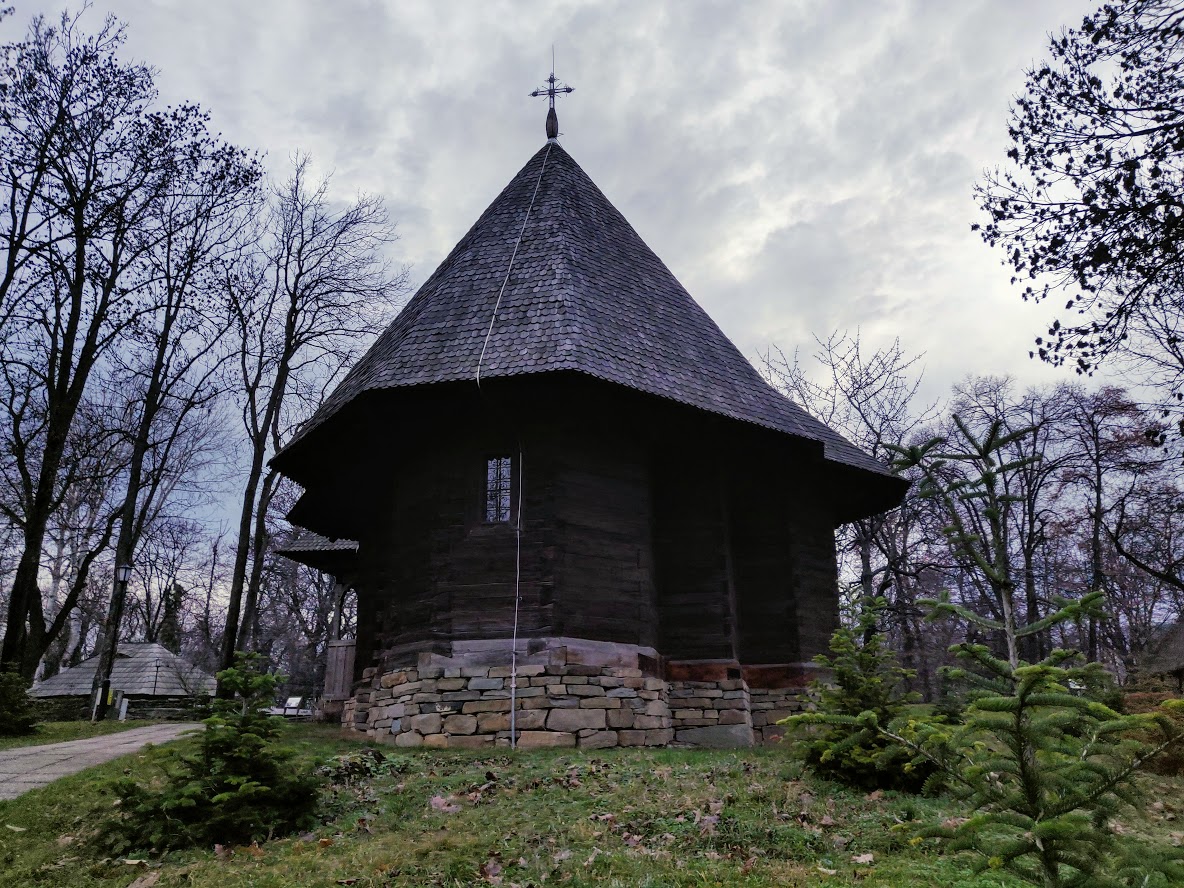
What to do: Allow 90 minutes to wander the lanes between the steep-roofed Maramures churches and the half-buried earth houses from the Danube Delta. Insider tip: Combine it with a walk in King Michael I Park (the former Herastrau Park) right next door, and go on a weekday to avoid the wedding-photo crowds. It is a short ride on metro line M2 to Aviatorilor, then a 10-minute walk. Hours are 9:00-19:00 Tuesday to Sunday and 9:00-17:00 on Mondays. Cost: around 30-40 lei for adults.
4. Stavropoleos Monastery
Hidden on a side street in the middle of the Old Town, a step from the noisiest bars, Stavropoleos is a jewel of the Brancovenesc style: a tiny 1724 church with an intricately carved stone portico and a serene inner courtyard lined with old tombstones and carved column fragments rescued from demolished churches. A small community of nuns still keeps it, and they maintain one of the best collections of Byzantine religious music in the country.
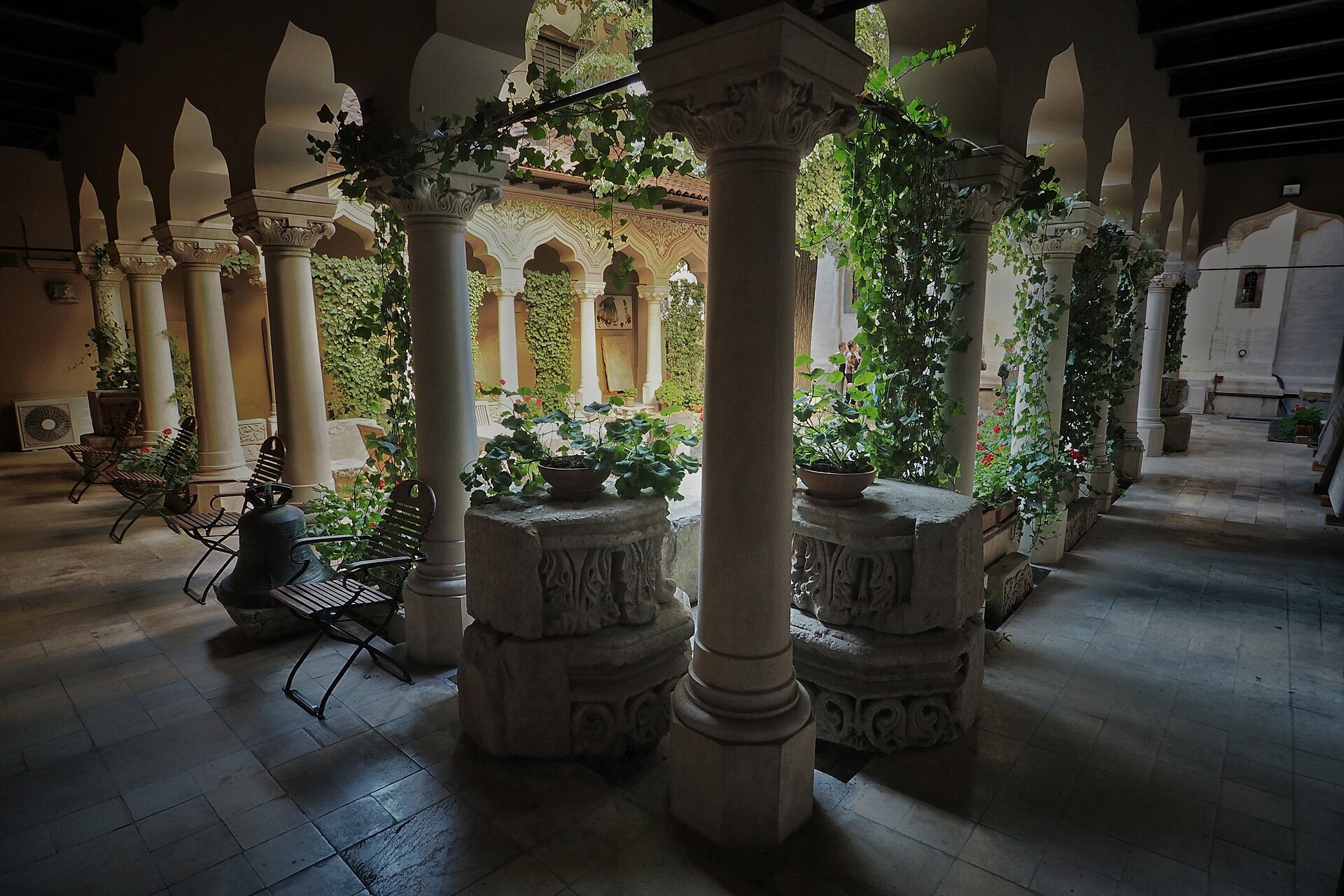
What to do: Step into the courtyard, then the candle-lit church with its frescoed interior. It is a genuine pocket of calm. Insider tip: Entry is free; dress modestly (cover shoulders) and keep your voice down, as services are held here. It is directly behind Caru' cu Bere on Strada Stavropoleos, so pair the two. Cost: free (a donation is welcome).
5. The Old Town (Lipscani)
Centuries ago Lipscani was the merchants' quarter, its streets named after the trades once practised on them. Today the restored core is a pedestrian maze of cobbles, cafe terraces, bookshops and bars that is the social heart of the city. It is touristy, loud at night and completely unavoidable, in the best way.
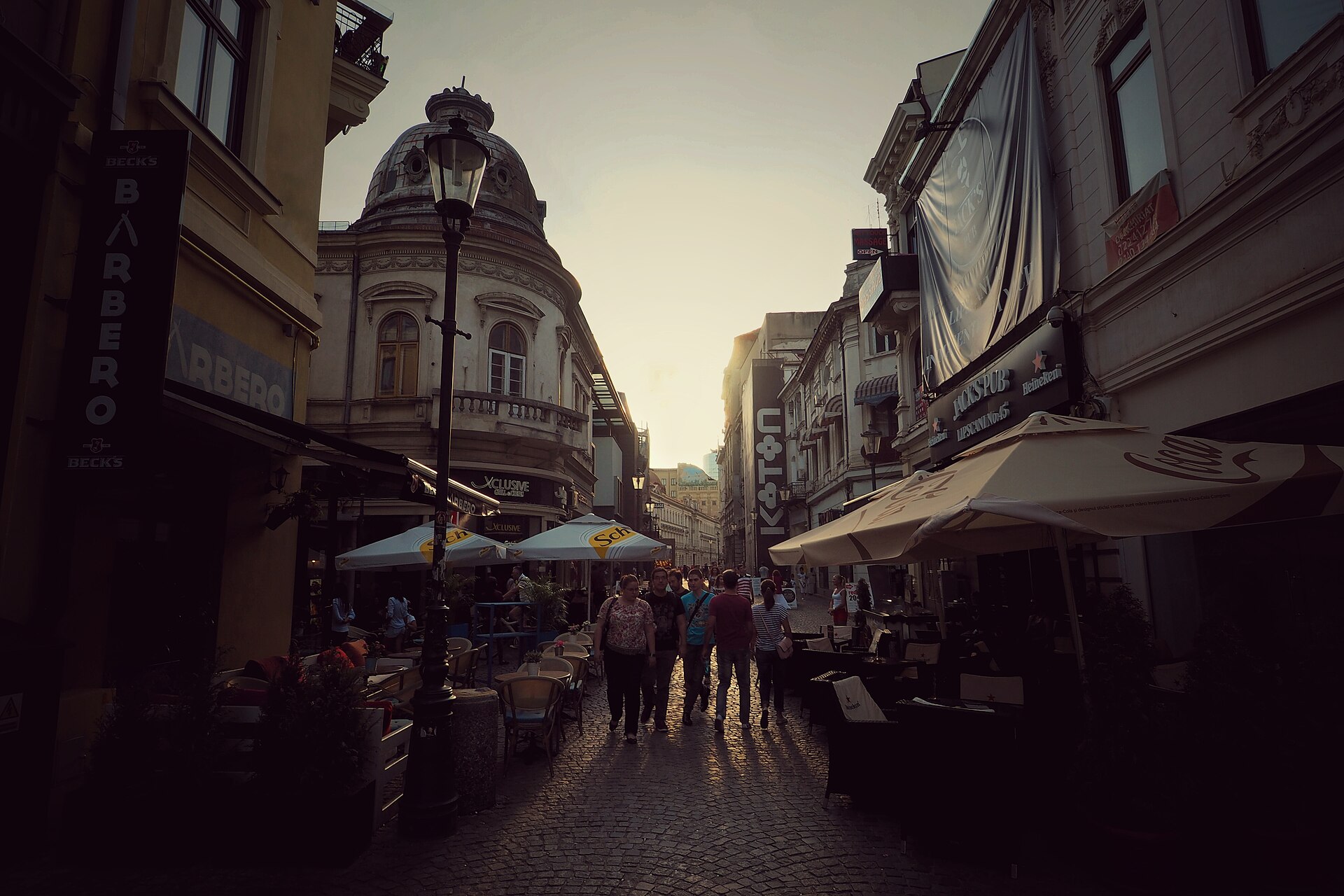
What to do: Walk Strada Lipscani, duck into the Pasajul Macca-Vilacrosse, a yellow-glass-roofed arcade off Calea Victoriei, and visit Carturesti Carusel at Strada Lipscani 55, a six-floor white bookshop in a restored 19th-century building that is worth entering even if you buy nothing. Insider tip: Eat and drink one street back from the main drag, where prices drop noticeably, and always confirm the price of drinks before ordering in the club-style bars, where some venues inflate bills. Cost: free to wander.
6. Cismigiu Gardens
Laid out in 1847, Cismigiu is the oldest public park in Bucharest and still the most loved: a formal English-style garden of winding paths, flower beds and a central lake, five minutes from the chaos of University Square. It is where the city comes to slow down.
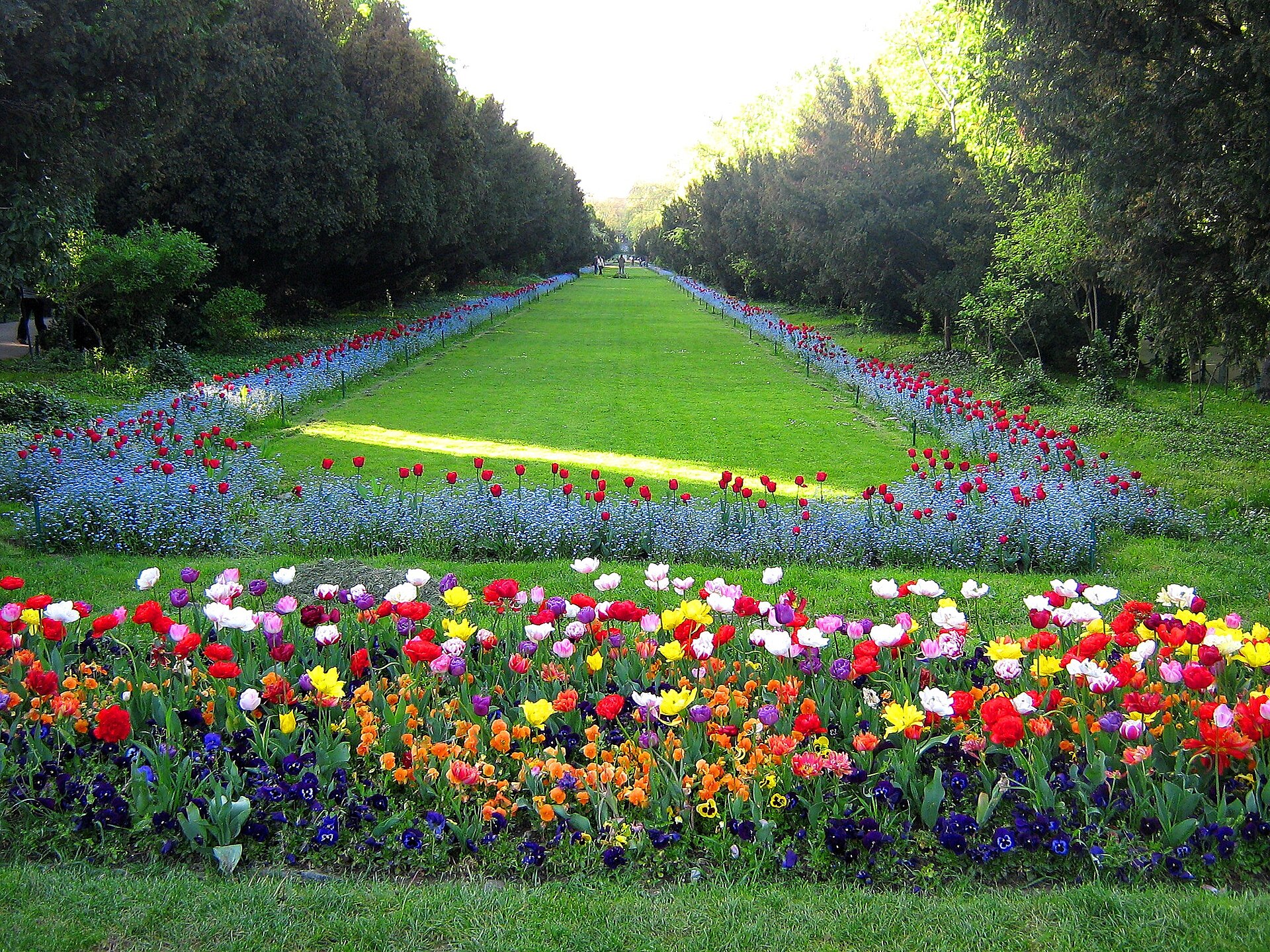
What to do: Rent a rowing boat on the lake in summer (around 20-30 lei for half an hour) or lace up skates on the same water when it freezes over into a rink in winter. Insider tip: Enter from the Bulevardul Regina Elisabeta side and head for the Rotonda, the ring of writers' busts, then grab a coffee at the lakeside terrace. Cost: free; boat or skate hire extra.
🗺️ How to Spend Three Days in Bucharest
This itinerary keeps walking to a minimum between sights and groups them by area, with the Palace booked for a morning slot to beat the crowds.
Day 1: The grand centre
Start with your pre-booked Palace of Parliament tour at 9:00 (about 70 lei, one hour). Walk 15 minutes north to Piata Unirii, then up Calea Victoriei to Revolution Square for the National Museum of Art of Romania inside the former Royal Palace (entry around 30-45 lei; closed Mondays), which holds El Greco and Romanian masters and overlooks the square where the 1989 revolution unfolded. Five minutes away, see the Romanian Athenaeum. Finish in the Old Town: dinner at Caru' cu Bere (expect 90-130 lei a head with a drink) and a nightcap on Lipscani. Total transit cost: a few lei, mostly on foot.
Day 2: Parks, spa and markets
Take metro M2 north (5 lei) to the Dimitrie Gusti National Village Museum (about 30-40 lei) and walk it off in King Michael I Park. In the afternoon, either continue north to Therme Bucuresti for the thermal pools and palm houses (entry from about 150 lei / 30 euro) or return to the centre for Cismigiu Gardens and a lakeside coffee. Evening: craft beer and small plates in the Old Town, one street off Lipscani.
Day 3: Slow mornings and a day trip
Spend the morning on the things you skipped: Stavropoleos Monastery, the Pasajul Macca-Vilacrosse arcade, and Carturesti Carusel. If you have a full day, take a train or organised tour to Peles Castle in Sinaia (about two hours by rail, roughly 50-70 lei return on a slower train) for one of Europe's most lavish fairy-tale castles in the Carpathian foothills. Back in the city, close the trip with a concert at the Athenaeum if the programme allows.
ℹ️ Essential Bucharest Travel Tips
When is the best time to visit Bucharest?
Aim for late April to June or September to October. Spring brings blossom to Cismigiu and Herastrau and daytime highs around 18-24C; early autumn keeps the terraces open and the light long, with highs in the low 20s. July and August are hot and sticky, frequently above 35C, and many locals leave the city. Winter is cold (often below freezing) but atmospheric, with Christmas markets in Piata Constitutiei and Piata George Enescu through December. The George Enescu Festival dominates September in odd-numbered years, so book rooms early if you visit then.
How do you get around Bucharest?
The four-line metro (Metrorex) is fast, cheap and the easiest way to cover distance: a single ride is 5 lei and a 10-trip card is 40 lei, bought from machines at any station. Surface transport (STB buses, trams and trolleybuses) runs on a separate ticket: 3 lei for a single 90-minute journey on a rechargeable travel card, which you tap on the validator inside the vehicle. Many modern vehicles and metro gates now accept a contactless bank card directly. Download Info TB for live surface-transport times. For door-to-door trips, Bolt is the ride-hail app locals use, and rides across the centre are cheap.
Is Bucharest safe for tourists?
Yes, violent crime against visitors is rare, but a few specific traps are worth knowing. The classic one is at Henri Coanda airport, where freelance "Class Taxi" cars wait outside arrivals and charge 3.50 lei per kilometre, several times the normal rate; order a Bolt or use the official TouchTaxi self-service machines in the terminal instead, and never accept a ride from a driver who approaches you inside. In the Old Town, watch your bag on crowded bars and confirm drink prices before ordering in the louder clubs. Pickpockets work busy buses and trams, including the airport bus 100. Tap water is treated and safe to drink, though many locals prefer bottled.
What should you eat in Bucharest?
Romanian food is hearty and cheap. The dishes to seek out: sarmale, minced-pork-and-rice rolls wrapped in cabbage or vine leaves and served with mamaliga (polenta) and sour cream; mici (also called mititei), skinless grilled meat rolls eaten with mustard and bread, best from a street grill; ciorba de burta, a sour, garlicky tripe soup that is better than it sounds; and papanasi, warm fried-dough dumplings topped with soft cheese, sour cream and sour-cherry jam. Wash it down with tuica, a fierce plum brandy, or a local craft beer. The grand old Caru' cu Bere at Strada Stavropoleos 5, open since the 19th century and famous for its painted neo-Gothic hall, is the obvious first stop; book ahead and go for the sarmale.
🏨 Where to Stay in Bucharest
Bucharest is compact, so the main decision is atmosphere versus quiet. Here are the areas and some reliable names across three budgets, with typical 2026 nightly rates.
Budget (around 35-55 euro a night)
Stay in apartment-style rentals or boutique three-stars around the Old Town and University Square. Rembrandt Hotel, a well-run boutique three-star on the edge of Lipscani, is a long-standing favourite in this range. Hostels such as T5 Social cluster near the centre, with dorm beds well under 25 euro. Piata Unirii and the streets around Universitate offer the best value with easy metro access.
Mid-range (around 80-120 euro a night)
This is the sweet spot in Bucharest, where international mid-range brands and smart local boutiques sit in the centre. The Hilton Garden Inn Bucharest Old Town puts you a walk from the bars; Hotel Cismigiu, a restored 1912 landmark on Bulevardul Regina Elisabeta, overlooks the park. Piata Victoriei and Piata Romana suit travellers who want calm evenings and quick transport to the museums.
Luxury (around 150-280 euro a night)
For grandeur, book the Athenee Palace Hilton on Revolution Square, a 1914 institution that was the city's diplomatic and spy hub between the wars, or The Marmorosch, Autograph Collection, a former bank in the Old Town with a spa. Families often prefer the JW Marriott Bucharest Grand Hotel near the Palace of Parliament. For the upscale-neighbourhood feel, look at Dorobanti and Primaverii, where the city's best fine dining sits among leafy villas.
❤️ Beyond the Tourist Trail
When you have done the monuments, Bucharest's real character shows up in a few specific places. Therme Bucuresti, 10 kilometres north near the airport, bills itself as the largest wellness centre in Europe: a glass complex of thermal pools, water slides and more than 800,000 plants, split into the family Galaxy zone, the relaxed The Palm, and the adults-only sauna world of Elysium. Entry starts around 150 lei (about 30 euro) and a shuttle runs from the centre.
For a different side of the city, wander the faded-grand Cotroceni district west of the centre, a quiet grid of Art Nouveau villas, or head to Dorobanti for the dense cluster of independent restaurants and wine bars where young Bucharest actually eats. Design-minded travellers should look up the former industrial zones that now host galleries and natural-wine bars, a scene that has grown fast since the pandemic. And if your timing lines up with early December, the Christmas market in Piata Constitutiei, right under the Palace of Parliament, is the most atmospheric in the city.
❓ Bucharest FAQ
How many days do you need in Bucharest?
Two full days cover the headline sights: the Palace of Parliament, the Old Town, Stavropoleos Monastery, Revolution Square and Cismigiu Gardens. Add a third day for the open-air Village Museum, Therme spa or a day trip, and most visitors feel they have seen the city properly in three days.
What is the best time to visit Bucharest?
Late April to June and September to October. Temperatures sit around 18-26C, cafe terraces are open and crowds are thinner than in high summer, when July and August regularly push past 35C. September also brings the George Enescu Festival in odd-numbered years (next in 2027).
How do you get from Bucharest airport to the city centre?
Express bus 100 runs from Henri Coanda (Otopeni) airport into the city for 3 lei (about 0.60 euro), and the CFR train to Gara de Nord costs 6.50 lei (about 1.30 euro) and takes 20-25 minutes. For a door-to-door ride, use the Bolt app rather than a street taxi.
Do you need to book Palace of Parliament tickets in advance?
Yes, book online a day or two ahead, especially in summer. A standard self-guided adult ticket is about 14 euro (roughly 70 lei), students pay about 7 euro, and you must bring your passport or ID card because it is a working government building with airport-style security.
Is Bucharest safe for tourists?
Bucharest is generally safe, with the usual big-city caveats. The most common problem is taxi overcharging at the airport, where rogue cabs quote 3.50 lei per km; use Bolt or the official TouchTaxi machines instead. Watch for pickpockets on crowded buses and in the Old Town at night.
What food should you try in Bucharest?
Order sarmale (pork-and-rice cabbage rolls) with mamaliga, mici (grilled skinless meat rolls) with mustard, ciorba de burta (sour tripe soup) and papanasi (fried doughnuts with cream and sour-cherry jam). Caru' cu Bere on Strada Stavropoleos is the classic place to try them.
What is the best area to stay in Bucharest?
First-time visitors should stay in or beside the Old Town (Lipscani) to walk to the bars, restaurants and main sights. For a quieter base with good metro links, choose Piata Romana or Universitate; for upscale dining, Dorobanti and Primaverii.
Is Bucharest cheap to visit?
Yes, by Western European standards. A sit-down meal with a drink runs about 60-90 lei (12-18 euro), a metro ride is 5 lei, and a mid-range hotel averages around 90 euro a night. Budget travellers can manage on 50-70 euro a day, mid-range visitors on 110-150 euro.
✈️ Plan Your Bucharest Trip with VoyaBear
Bucharest rewards a plan that matches your pace, your budget and the time of year you are travelling. That is exactly what VoyaBear builds. Tell our AI travel planner how many days you have, what you want from the trip, whether that is Belle Epoque architecture, late-night Old Town bars, thermal spas or a Carpathian day trip, and it will turn this guide into a personalised day-by-day itinerary, with routes, timings and real prices. Start planning your Bucharest trip with VoyaBear and spend less time researching and more time travelling.
Want this as an actual itinerary?
VoyaBear turns a guide like this into a day-by-day plan built around how you travel.
Plan my trip free