Buenos Aires 2026: The Complete Guide to Argentina's Capital
2 August 2026 · 10 min read
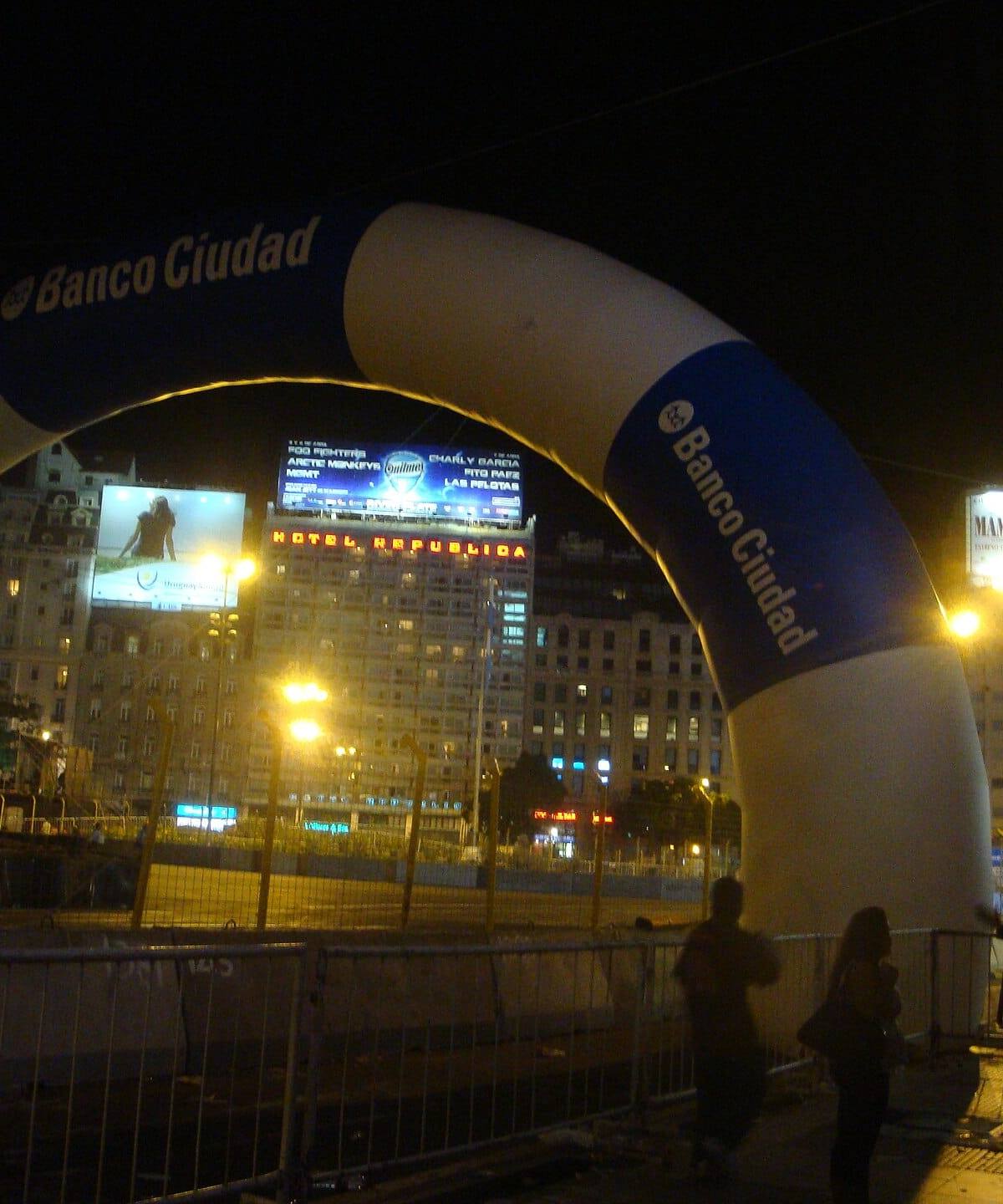
For a decade, visiting Buenos Aires meant arriving with a brick of crisp US hundred-dollar bills to trade on the black market for the "dólar blue," because the official exchange rate robbed you blind. That era is over. After Argentina lifted its currency controls in April 2025, the official and parallel rates converged to within a few percent — in early August 2026 the official dollar sits around ARS 1,486 and the blue around ARS 1,540. Your foreign credit card now settles at a near-market rate, so you can leave the cash brick at home and just tap to pay.
What that buys you is one of the great value cities on the planet right now. A steak dinner at Don Julio — ranked number 10 on the World's 50 Best Restaurants 2025 and holder of a Michelin star — runs about $50 to $70 a head, a fraction of what a comparably ranked restaurant costs in New York or Tokyo. A ride on the Subte costs roughly a dollar. This is a European-feeling capital of wide boulevards, French-Beaux Arts palaces, and 24-hour café culture, priced like a South American one. Here's how to do it properly in 2026.
🏙️ Essential Experiences
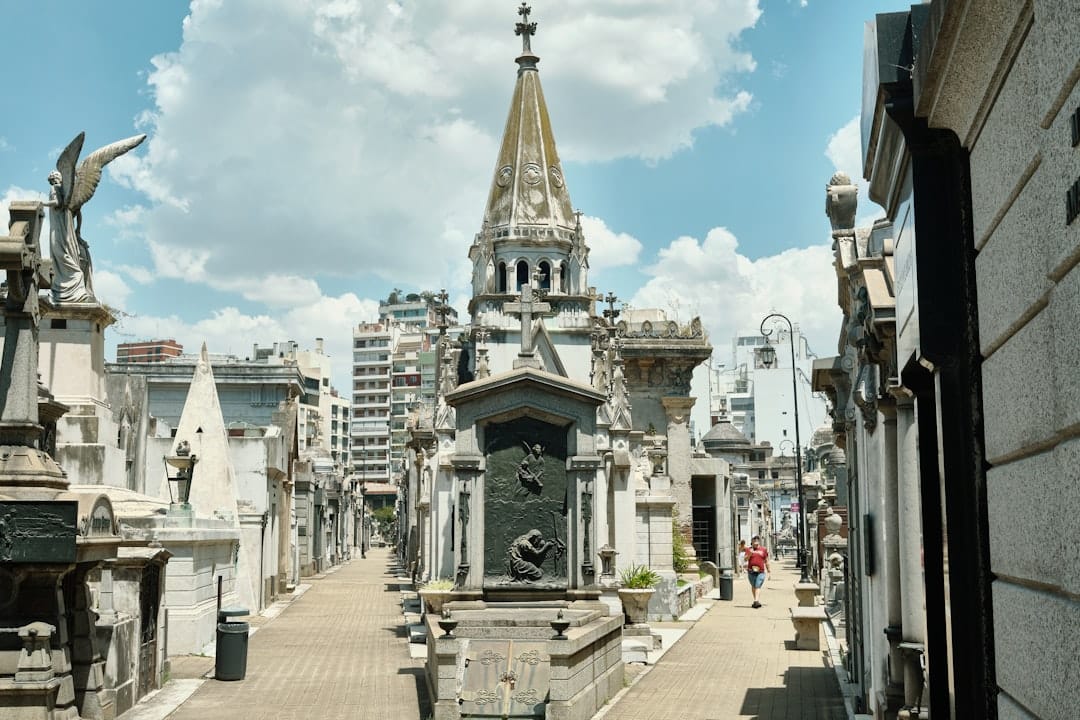
Recoleta Cemetery
This is a walled city of the dead covering 14 acres in the wealthiest neighborhood in Buenos Aires, packed with more than 4,600 mausoleums built in marble, granite, and bronze. The reason everyone comes is the vault of the Familia Duarte, where Eva Perón is buried — but the real draw is the architecture, an open-air museum of Art Nouveau, Art Deco, and neo-Gothic tombs stacked shoulder to shoulder along narrow stone alleys. Look for the tomb of the boxer Luis Ángel Firpo, standing in his robe, and the presidents scattered throughout.
Insider tip: Evita's vault sits down a cramped side lane that bottlenecks the moment a tour group arrives. Come right at the 9 AM opening on a Tuesday, Wednesday, or Thursday and you'll have the alleys to yourself with soft morning light. Entry is ARS 24,030 (about $16 / €14) for non-residents, and the ticket office takes card only, no cash. Open daily 9 AM to 5 PM.
Teatro Colón
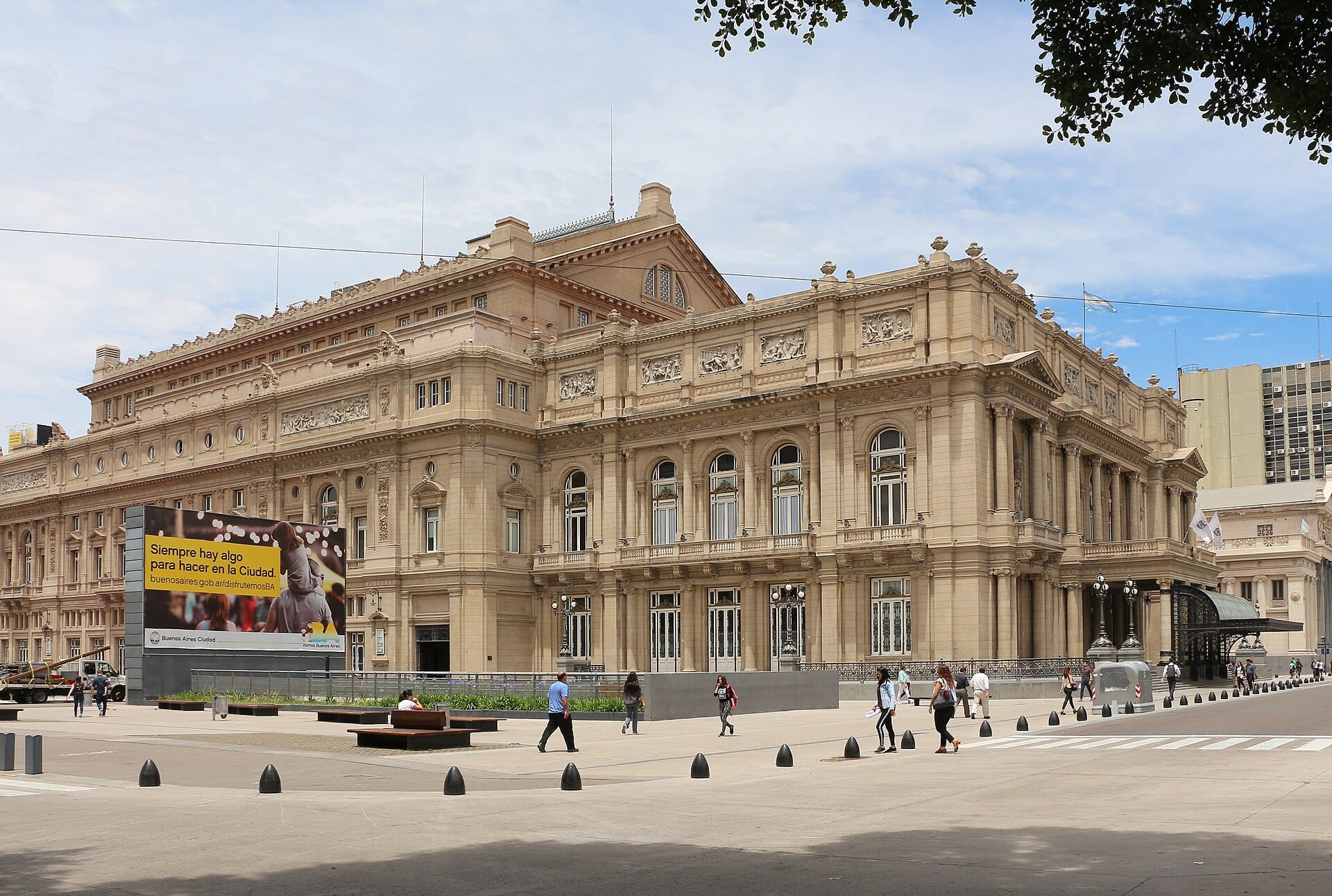
Buenos Aires' opera house is regularly ranked among the five best-sounding concert venues in the world, and the acoustics are not marketing — the horseshoe auditorium, the seven-story Golden Hall, and the main foyer are the payoff of the 50-minute guided tour. If your dates line up, buy a cheap seat in the upper tiers for an actual performance; you'll pay a fraction of what you'd spend at La Scala for a comparable room.
Insider tip: The English-language tours run at set times through the day and cap at 40 people, and the midday slots fill first, so book online in advance rather than showing up. Tours depart roughly every 15 minutes, daily from about 10 AM to 4:45 PM. The foreigner tour price is ARS 34,000 (about $23 / €20).
MALBA
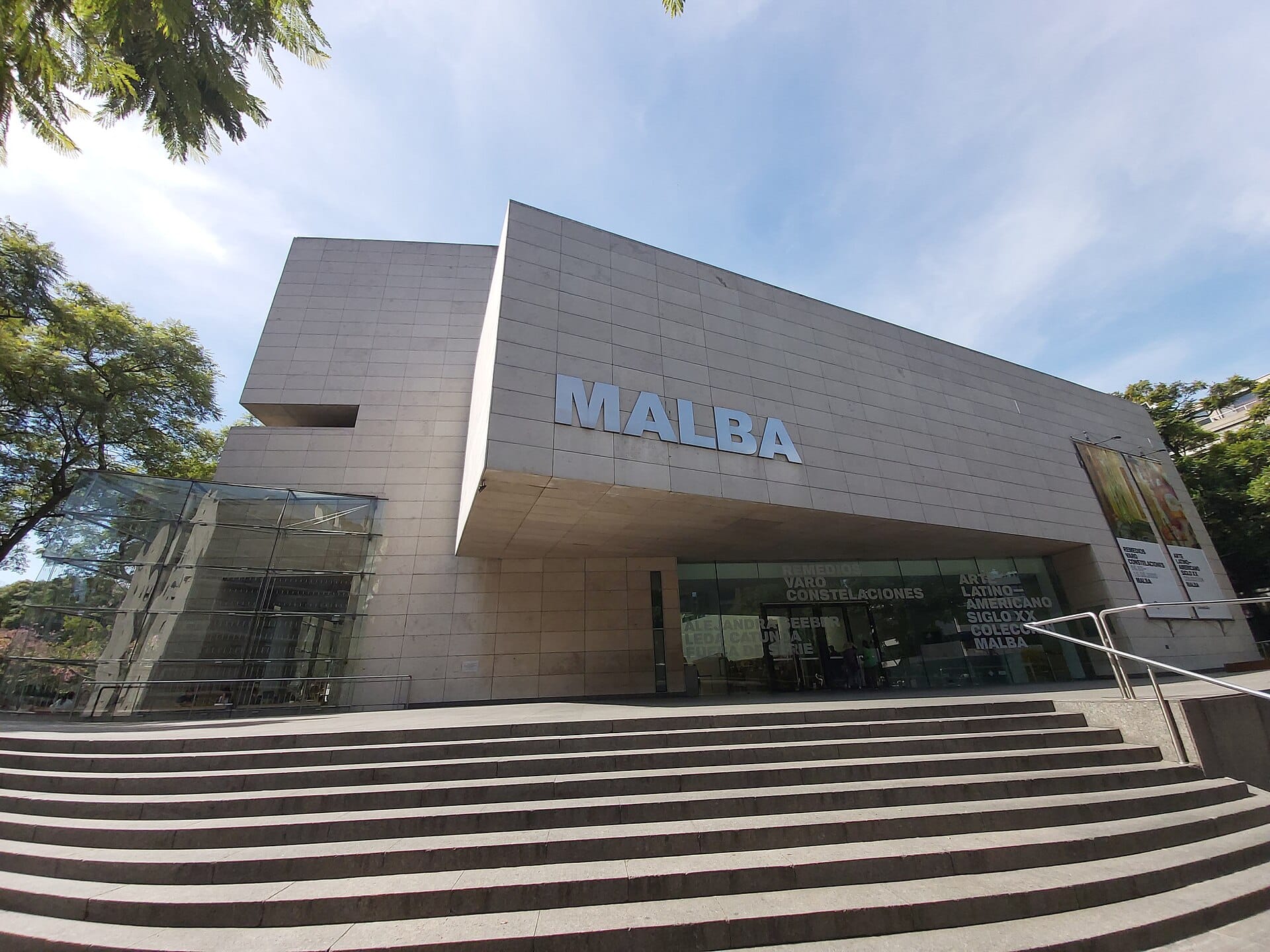
The Museo de Arte Latinoamericano de Buenos Aires holds the best collection of 20th-century Latin American art anywhere — Frida Kahlo, Diego Rivera, the Argentine surrealist Xul Solar, and Antonio Berni's massive social-realist collages — inside a sharp modern building in Palermo. It's compact enough to see properly in two hours, and it has a genuinely good café and an arthouse cinema attached.
Insider tip: Go on a Wednesday, when admission drops to half price (ARS 6,000) and the museum opens an hour earlier at 11 AM. It's closed Tuesdays, which catches out a lot of visitors. Standard admission is ARS 12,000 (about $8 / €7); general hours are noon to 8 PM Monday and Thursday through Sunday.
El Ateneo Grand Splendid
This is a 1919 opera house and cinema converted into a bookstore, and it earns the "most beautiful bookshop in the world" label it gets thrown around — a frescoed dome overhead by Nazareno Orlandi, the old theatre boxes turned into reading nooks, and a café set on what used to be the stage. You come, you look up, you sit on the stage with a coffee and look back across the auditorium at the readers.
Insider tip: Come on a weekday morning to experience it as an actual bookstore rather than a wall-to-wall photo scrum. It's on Avenida Santa Fe, which attracts distraction thieves, so keep your bag zipped and in front of you. Entry is free; open roughly 9 AM to 9 PM Monday through Saturday, from noon on Sundays.
Plaza de Mayo & Casa Rosada
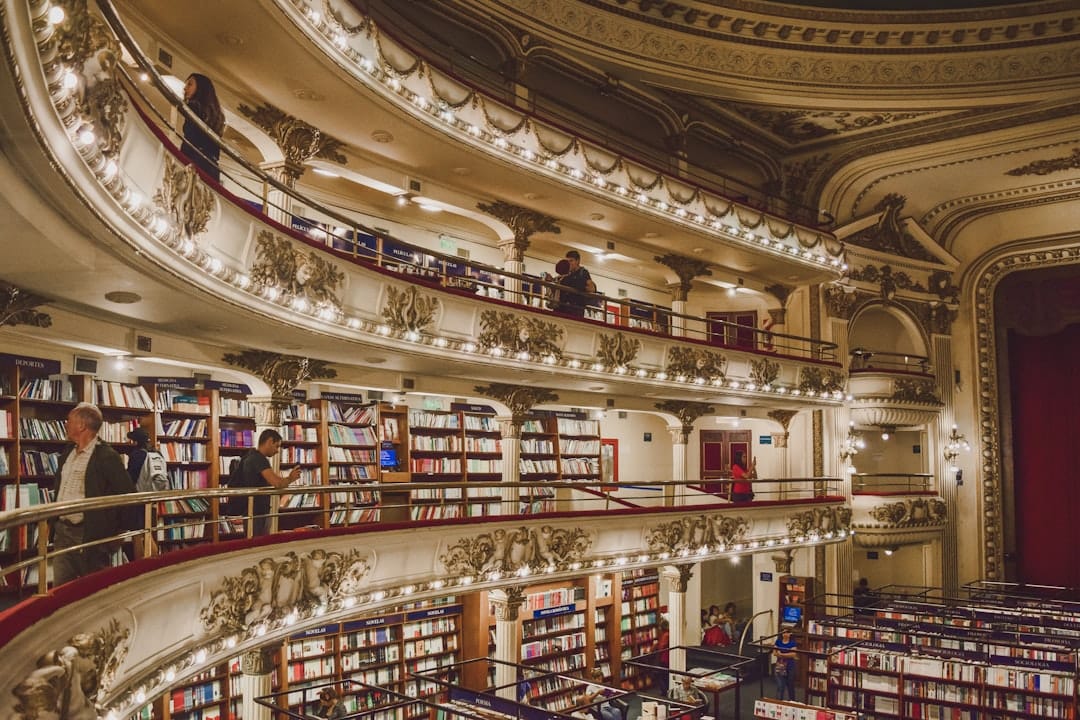
This is the political heart of Argentina and has been since 1810: the pink presidential palace with the balcony Eva Perón spoke from, the colonial Cabildo, the Metropolitan Cathedral where Pope Francis served as archbishop, and the white headscarves painted on the plaza floor to mark the Madres de Plaza de Mayo. Free guided tours of the Casa Rosada run on weekends and need to be reserved online in advance; the on-site museum is also free.
Insider tip: The Madres de Plaza de Mayo still march around the central pyramid every Thursday at 3:30 PM, as they have since 1977 — a living piece of history that most tourists walk straight past. Entry to the plaza and palace tours is free, but the weekend palace tour must be booked ahead online.
Feria de San Telmo
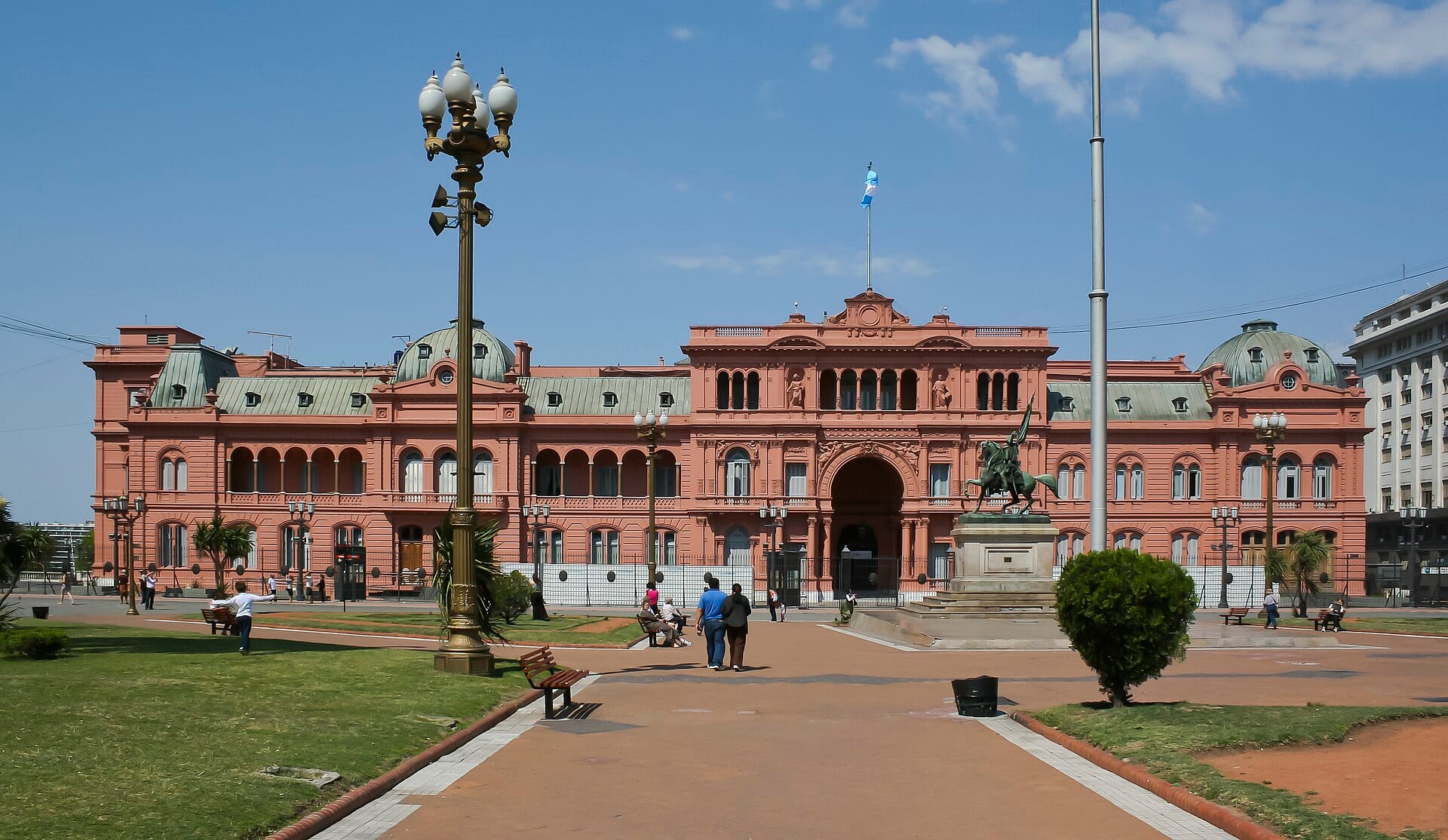
Every Sunday, an antiques-and-crafts market unrolls for 13 blocks straight down the cobblestones of Defensa Street, anchored on Plaza Dorrego and pulling in more than 10,000 people. You'll find genuine antique soda siphons and mate gourds around the plaza, leatherwork and crafts down the side stalls, and street tango breaking out on the plaza in the afternoon. It's the best single day to feel the old, bohemian side of the city.
Insider tip: Go early, before 11 AM, for the antiques and thinner crowds — by mid-afternoon Defensa is shoulder-to-shoulder and prime pickpocket territory, so keep your phone zipped away rather than out for photos. The fair is free and runs Sundays from roughly 9 AM to 6 PM.
Jardín Japonés
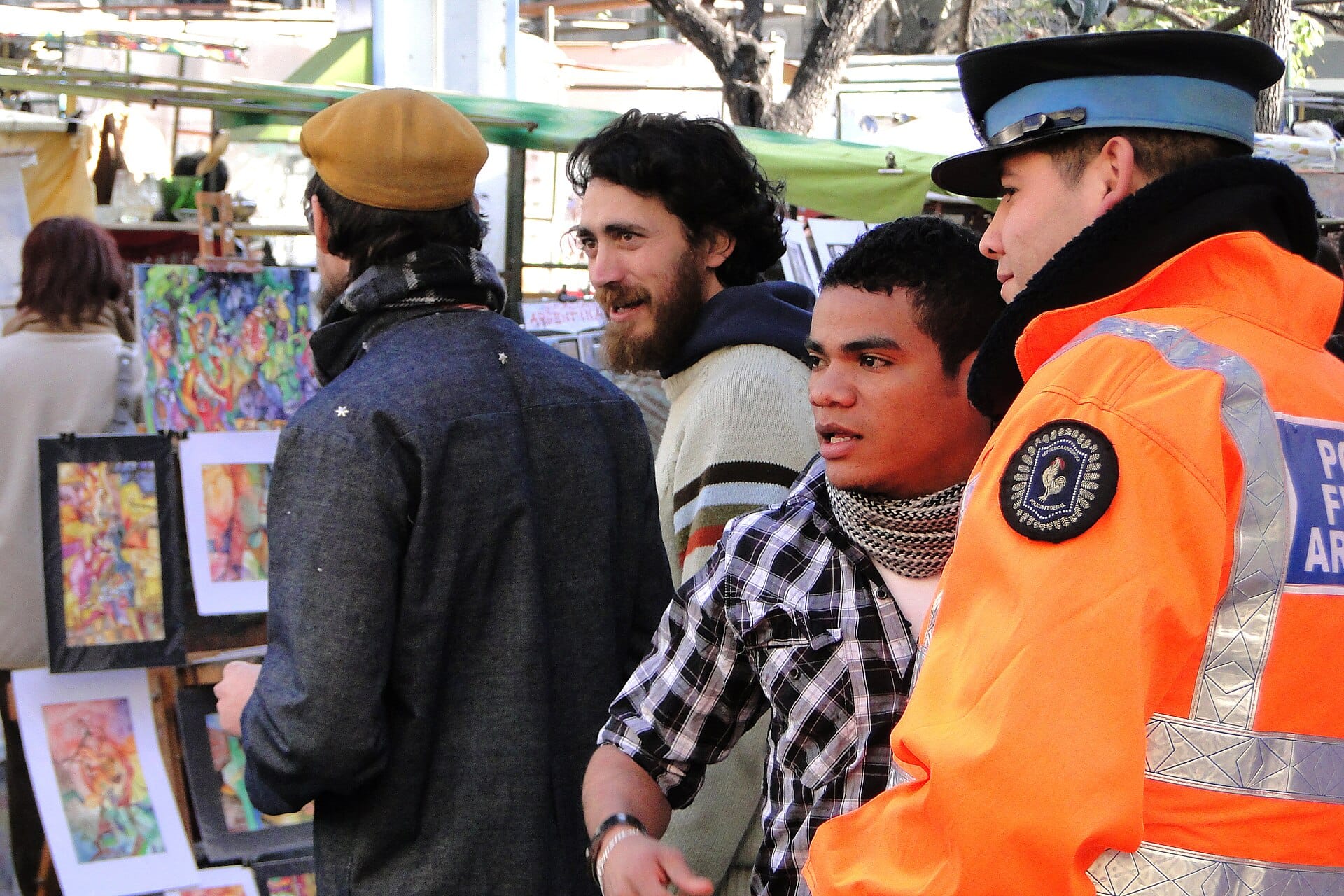
Tucked into Palermo's park belt is one of the largest Japanese gardens outside Japan — koi ponds crossed by red bridges, a serious bonsai collection, a tea house, and a well-regarded restaurant. After a few days of steak, tango, and traffic, it's a genuinely useful reset, and it pairs naturally with the green space right next door.
Insider tip: Combine it with the adjacent Bosques de Palermo and the Rosedal rose garden — both free — into a single Palermo park morning; children under 12 enter the Japanese garden free. Non-resident admission is ARS 24,000 (about $16 / €14), open daily 10 AM to 6:30 PM.
🗓️ A 3-Day Itinerary
Day 1 — The historic core & San Telmo
Time this day for a Sunday if you possibly can, because that's when the San Telmo fair runs. Start at Plaza de Mayo and the Casa Rosada (free), then walk ten minutes to Café Tortoni on Avenida de Mayo — the city's most famous café, open since 1858 — for medialunas and coffee, budget $5 to $8. From there it's a 15-minute walk south into San Telmo, where you spend the middle of the day working down the Sunday feria on Defensa and stopping at the Mercado de San Telmo for a choripán or empanadas, roughly $4 to $8. In the evening, catch a tango show or drop into a milonga in the neighborhood. Reckon on $25 to $40 for food and coffee, plus about a dollar of Subte if you ride back.
Day 2 — Recoleta & Palermo
Open at Recoleta Cemetery at 9 AM (ARS 24,030 / ~$16), then walk five minutes to El Ateneo Grand Splendid (free). Take the Subte or a short taxi over to Palermo for MALBA (ARS 12,000 / ~$8, or ARS 6,000 on a Wednesday) and lunch nearby, $15 to $25. Spend the afternoon at the Jardín Japonés (ARS 24,000 / ~$16) and the free Bosques de Palermo and Rosedal a ten-minute walk apart. For dinner, either splurge at Don Julio (reserve weeks ahead; $50 to $70 a head) or hit a neighborhood parrilla for $25 to $35. Budget $120 to $170 with the Don Julio dinner, closer to $80 without.
Day 3 — Culture, La Boca & the river
Start with the 50-minute Teatro Colón guided tour (ARS 34,000 / ~$23), then taxi about 15 minutes to La Boca to walk the painted Caminito and the Fundación PROA gallery, with lunch nearby for $15 to $25 — and stay strictly on the marked tourist blocks (more on that below). In the afternoon, ride 20 minutes to Puerto Madero for a walk along the docks and across the Puente de la Mujer, then dinner there or back in Palermo. With the tour, meals, and two or three ride-hailing trips at $4 to $6 each, this day runs about $70 to $100.
🧠 Essential Tips
When to go
Buenos Aires is in the Southern Hemisphere, so the seasons are flipped. Spring (September to November) is the best overall window, with average highs around 22–23°C, and in November the jacaranda trees bloom and turn whole avenues purple. Autumn (March to May) is nearly as good — mild, with highs around 23°C and thinner crowds. Summer (December to February) is hot and humid, highs near 29°C, and many porteños clear out of the city. Winter (June to August) is cool but rarely freezing, highs around 16–17°C, and it's the cheapest season. If you can pick, aim for October–November for the jacarandas or March–April for the autumn calm. One event worth building a trip around: the Tango BA Festival y Mundial runs from around August 20 into early September 2026, citywide, and every event is free (you reserve seats in advance through tangoba.org) — it's the world tango championship plus dozens of shows.
Getting around
Buy a SUBE card — a rechargeable contactless card that works on the Subte (metro), the colectivo buses, and the commuter trains. You get it at kiosks and Subte stations and top it up ("recargar") with cash at kiosks or station machines. As of August 2026 a Subte ride is ARS 1,684 (about $1.12 / €0.99) for your first 20 trips of the month, dropping after that, and the minimum city bus fare is ARS 820.99 (about $0.55). The Subte has six lettered lines — A, B, C, D, E, and H — radiating from downtown; lines A and D cover most of the tourist stops.
From Ezeiza (EZE), the international airport about 35 km south, an Uber or Cabify runs roughly $25 to $30, an official taxi or remis from the arrivals booth around $40 to $45, and the airport shuttle bus (long run under the Tienda León / NEO brand) about $9. From Aeroparque (AEP), the domestic airport on the riverfront, it's only 15 to 20 minutes to Recoleta or Palermo, roughly $8 to $15 by taxi or Uber. For getting around town, the apps locals actually use are Cabify, Uber, and DiDi, plus the official BA Taxi app; if you flag a street cab, use only the black-and-yellow registered radio taxis.
Staying safe
Buenos Aires is not dangerous by big-city standards, but a handful of specific scams recur. Watch for counterfeit bills: a vendor or driver palms your real note, says it's fake or that they have no change, and hands back a counterfeit — pay with small denominations and learn what the real notes' security strip looks like. The mustard or bird-poop distraction — someone "accidentally" sprays you, then a helpful stranger dabs you clean while an accomplice lifts your bag — is common near the Obelisco and outside Recoleta Cemetery; if it happens, keep your bag on you and walk away. Phone snatching is the real risk, especially in La Boca once you step off the marked Caminito blocks, so keep your phone put away on the street. Use ATMs inside banks during business hours, avoid wandering into the informal settlements such as Villa 31 near Retiro station, and stick to registered radio taxis or apps to sidestep the long-route overcharge.
What to eat
The headline is parrilla, Argentine grilled beef: Don Julio in Palermo is the world-famous one (reserve well ahead, $50 to $70 a head), but neighborhood parrillas do the same cuts for $25 to $35. Beyond steak, eat a choripán (grilled chorizo with chimichurri, $3 to $5) at the San Telmo fair, order thick pan pizza — the muzzarella or the onion-and-cheese fugazzeta — at Pizzería Güerrin on Avenida Corrientes, going since 1932, and work through a plate of empanadas (under $1.50 each) and a milanesa at any bodegón. For sweets, buy alfajores from Havanna or the artisanal Rapa Nui, get dulce-de-leche helado at Rapa Nui or Freddo, and don't leave without a bottle of Mendoza Malbec, which starts around $8 to $20 on restaurant lists.
🏨 Accommodation Guide
Budget ($12–70/night): Hostel dorms run $12 to $25, private hostel rooms $35 to $55, and simple hotels $40 to $70. The best areas for this are Palermo Soho, for cafés and nightlife, and San Telmo, for the historic, bohemian streets.
Mid-range ($80–150/night): Three-star and boutique hotels with breakfast included, concentrated in Palermo and Recoleta — the sweet spot for walkability and safety.
Luxury ($200–500+/night): Best in Recoleta, Puerto Madero, and Retiro. The Alvear Palace Hotel in Recoleta, a Leading Hotels of the World grande dame, starts around $300 for a room with doubles well above that; the Philippe Starck-designed Faena Hotel in Puerto Madero opens around the high $200s and climbs steeply for the theatrical suites.
🎭 Beyond the Tourist Trail
The neighborhood to know in 2026 is Chacarita, just west of Palermo — residential, un-touristy, and quietly home to one of the city's best new food-and-drink scenes. Argentina is in the middle of a vermouth revival, and La Fuerza is the distillery-bar leading it, serving house vermouth with traditional snacks. Obrador does contemporary Argentine cooking on a leafy patio with live indie bands, La Falena is a bookstore-café with a European-terrace feel, and the cocktail crowd packs Sede Central de Whiskey on weekends. Walk it off in the Cementerio de la Chacarita — far bigger than Recoleta and free — where the tango legend Carlos Gardel and Juan Perón are both buried.
❤️ Let VoyaBear Plan Your Buenos Aires Trip
Timing Recoleta before the tour buses, landing a Don Julio reservation, and threading La Boca, Palermo, and San Telmo into days that actually make sense on a map — that's the difference between a good trip and a great one, and it's exactly what we do. VoyaBear builds personalized, day-by-day itineraries tuned to your dates, your budget, and the things you actually care about, whether that's tango, steak, or bookshops with frescoed ceilings. Tell us when you're going and let us handle the rest.
Want this as an actual itinerary?
VoyaBear turns a guide like this into a day-by-day plan built around how you travel.
Plan my trip free