Cartagena 2026: The Complete Guide to Colombia's Walled Caribbean City
9 August 2026 · 11 min read
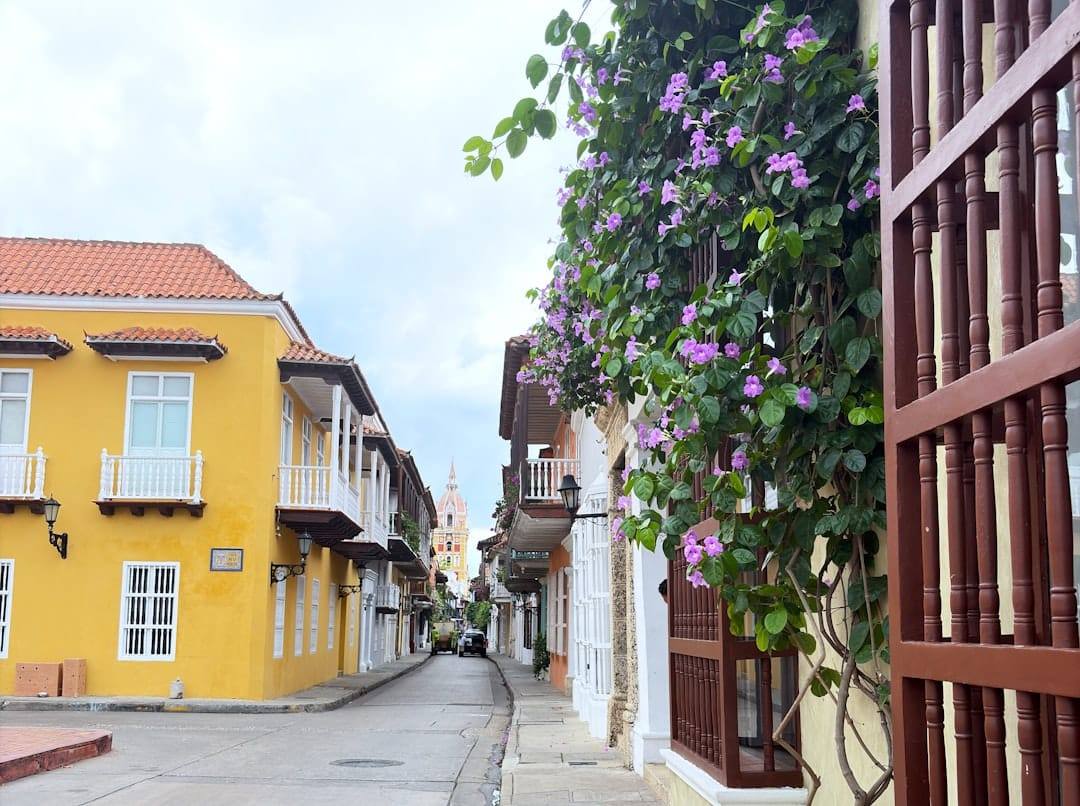
Cartagena is the rare walled colonial city where the fortifications weren't a museum afterthought — Spain spent roughly two centuries and a fortune building them because the port kept getting sacked, and you can still walk long stretches of the ramparts for free. Founded in 1533 on Colombia's Caribbean coast, the old town packs balconied mansions, bougainvillea-draped alleys, and thick stone sea walls into a grid you can cross on foot in twenty minutes. It's hot — expect 88°F and humidity most of the year — but that's the deal you make for a place where the palenqueras still sell coconut sweets in the plazas and the sunset light on the yellow Torre del Reloj is genuinely worth setting an alarm for. Here's how to spend three days here in 2026 without overpaying, overheating, or wasting time on the tourist traps.
🏙️ Essential Experiences
Walk the Walled City (Ciudad Amurallada) and its ramparts
The UNESCO-listed old town is the reason you're here, and the single best thing you can do is climb onto the murallas — the sea walls — and walk them. Access is free and there are stairways up at Baluarte de Santo Domingo, near the Torre del Reloj, and by Las Bóvedas. Start inside the walls at dawn: by 6:30 AM the streets around Plaza de los Coches and Calle del Arsenal are empty, the light is soft, and you can photograph the colonial facades without a single tour group in frame. Use the yellow Torre del Reloj (Clock Tower) as your orientation point — it's the main gate into the walled city and every taxi driver knows it. By 10 AM the heat and the cruise-ship crowds arrive, so front-load your wandering.
Castillo San Felipe de Barajas
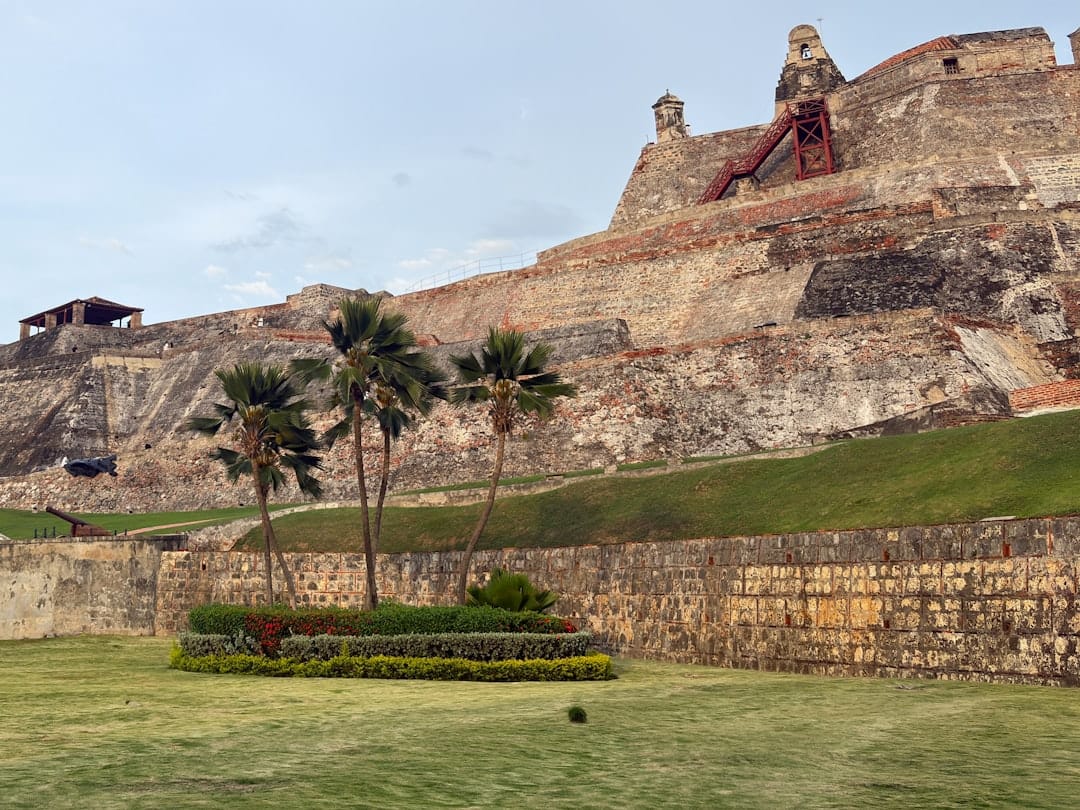
This is the largest Spanish fortress ever built in the Americas, constructed and expanded across the 17th and 18th centuries into the hill-hugging complex you see today, riddled with a defensive tunnel network that let soldiers move unseen. Skip the myth that the tunnels connect to the old city — they don't — but do walk the ramps to the top for the best panorama of the walled city and the bay. Insider tip: be at the gate when it opens at 8 AM. There's almost no shade up here, and by 10 AM the stone radiates heat like a skillet; early also means you beat the tour buses. Foreign-visitor tickets run about 25,000–36,000 COP (roughly $8–11 / €7–10); Colombians pay less, and children under 6 and seniors 62+ enter free. Open daily 8 AM–6 PM. Budget 1.5–2 hours and bring water.
Getsemaní and Plaza de la Trinidad
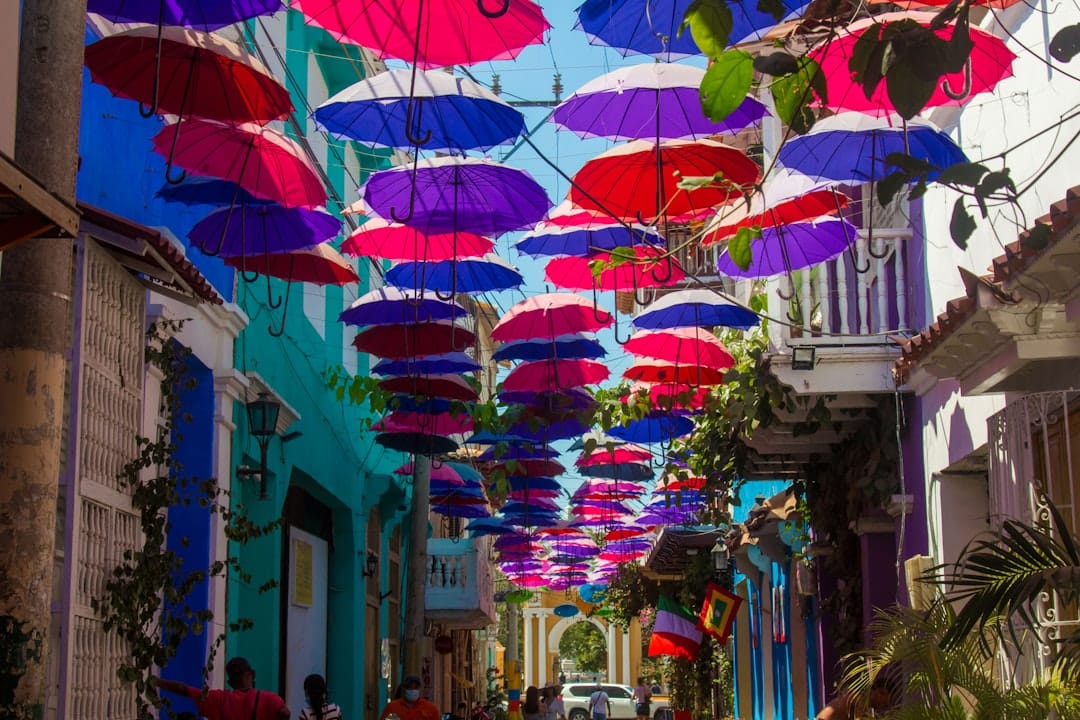
The neighborhood just outside the walls was working-class and rough two decades ago; it's now the most alive part of Cartagena after dark — and still cheaper than inside the walls. Come around 6 PM when the heat breaks and locals fill Plaza de la Trinidad in front of the church: street-food carts, beer from a cooler, and impromptu salsa and breakdance circles. Wander Calle de la Sierpe and Callejón Angosto for the umbrella canopies and the constantly-changing street art — much of it commissioned murals of local characters, not random graffiti. It's free to walk. For live music, Café Havana on the corner of Calle del Guerrero and Media Luna is the classic salsa spot (cover around 40,000 COP / $12 on weekends, cash only, no photos of the band).
Plaza Santo Domingo and Botero's "Gertrudis"
The prettiest square in the old town sits beside the 16th-century Iglesia de Santo Domingo, and its centerpiece is "Gertrudis," a voluptuous reclining bronze nude donated by Colombian artist Fernando Botero. Locals swear rubbing her hand or chest brings luck, so the bronze is polished bright in those spots. The plaza is free and ringed with cafés — but those café tables carry a serious tourist markup, so treat it as a photo-and-people-watching stop rather than a dinner venue. Come at 6:30 AM for the empty-square shot, or after 7 PM when buskers play and the stone glows under the lamps.
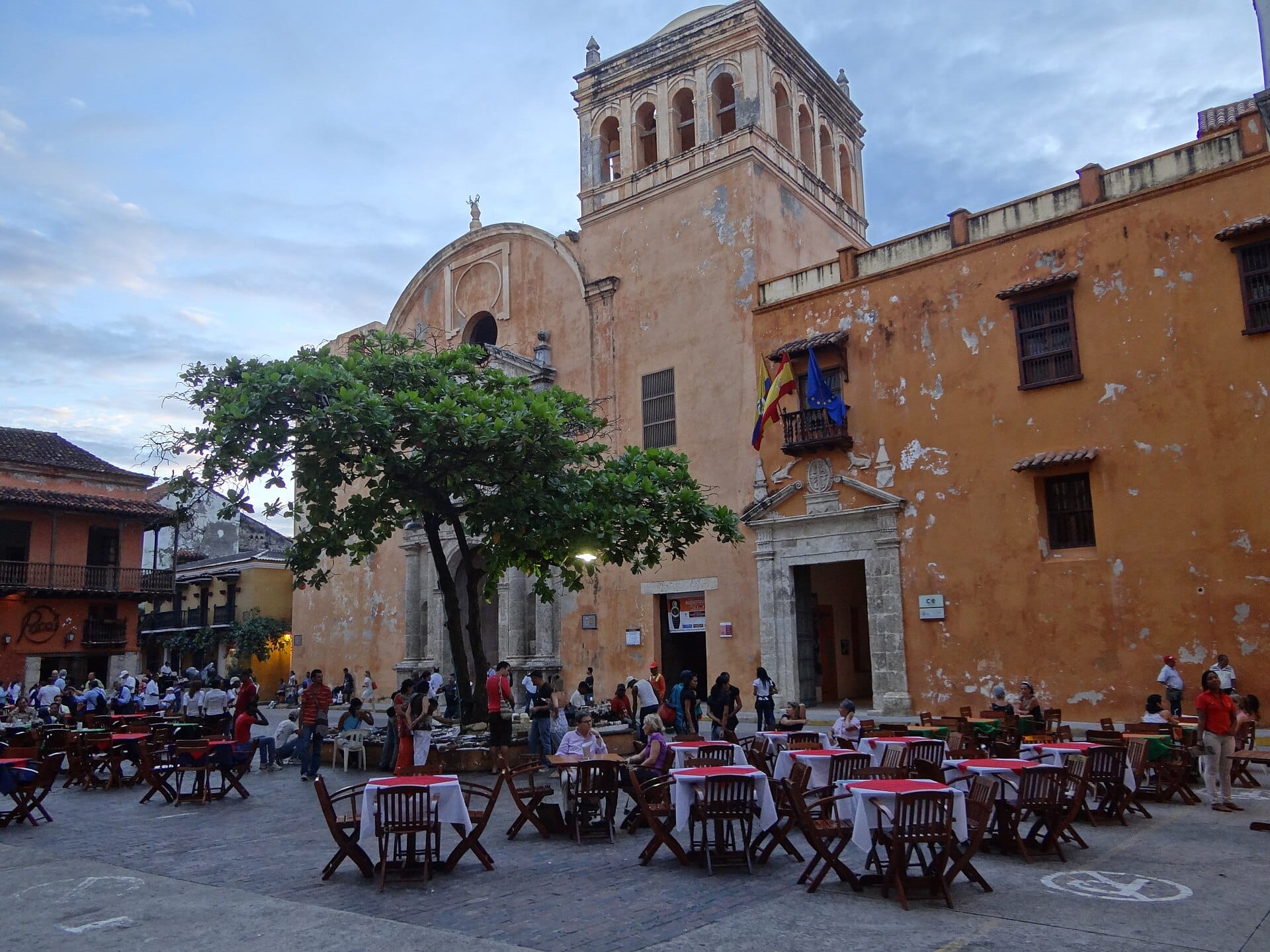
Las Bóvedas and the walls at sunset
At the old town's northeast corner, Las Bóvedas is a row of 23 vaulted chambers built into the walls in the 1790s — once munitions stores and dungeons, now craft and souvenir shops. It's worth ten minutes for the architecture and a browse for hammocks and mochila bags (haggle: opening prices are inflated for cruise arrivals). More importantly, this stretch of rampart is where Cartagena watches the sun drop into the Caribbean. Walk the wall toward Café del Mar around 5:30 PM; you don't have to buy the café's pricey cocktails (expect 30,000–45,000 COP / $9–14 for a drink) — the public wall right beside it has the same view for free. Bring a cold beer from a street vendor and claim a spot on the stone.
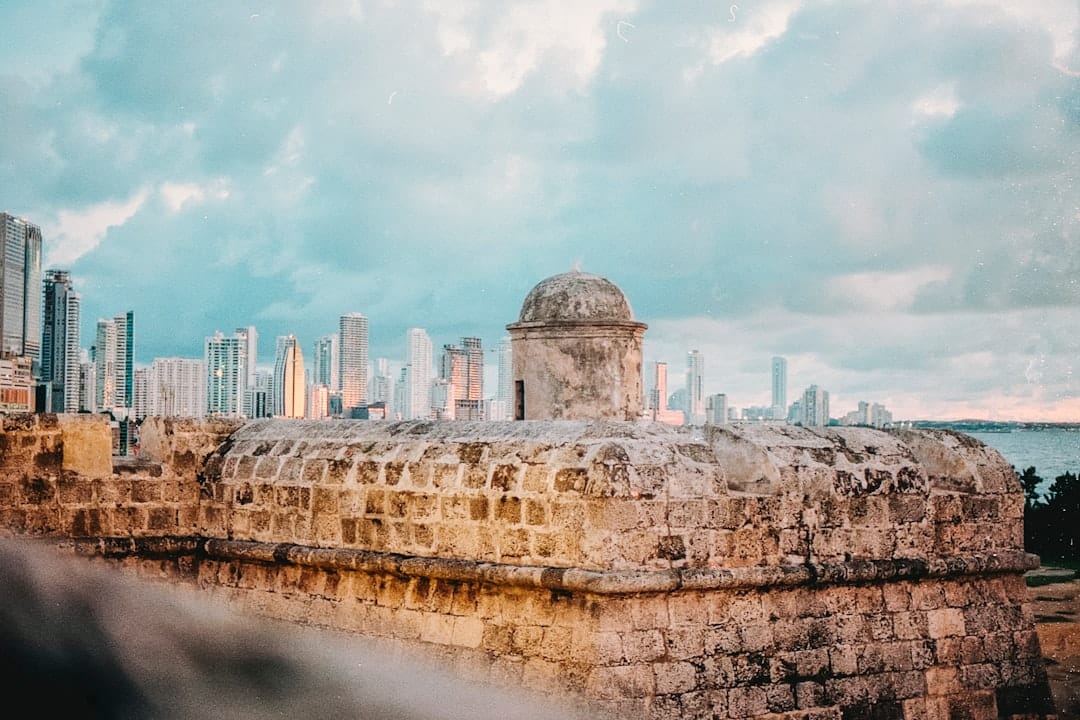
Convento de la Popa
The 17th-century Augustinian monastery crowns the 150-meter Cerro de la Popa, the highest point in the city, and delivers the widest view you'll get of Cartagena — the walled city, Getsemaní, Bocagrande's high-rises, and the bay laid out below. Inside is a serene flower-filled patio and the shrine to La Virgen de la Candelaria, the city's patron. Insider tip: take a taxi to the top (roughly 40,000–50,000 COP round trip with the driver waiting, or negotiate as part of a half-day). The road up passes through neighborhoods that aren't safe to walk, so don't try to hike it. Entry is about 12,000 COP (~$4 / €3.50); open daily 8:30 AM–5:30 PM. Go mid-morning before the haze builds.
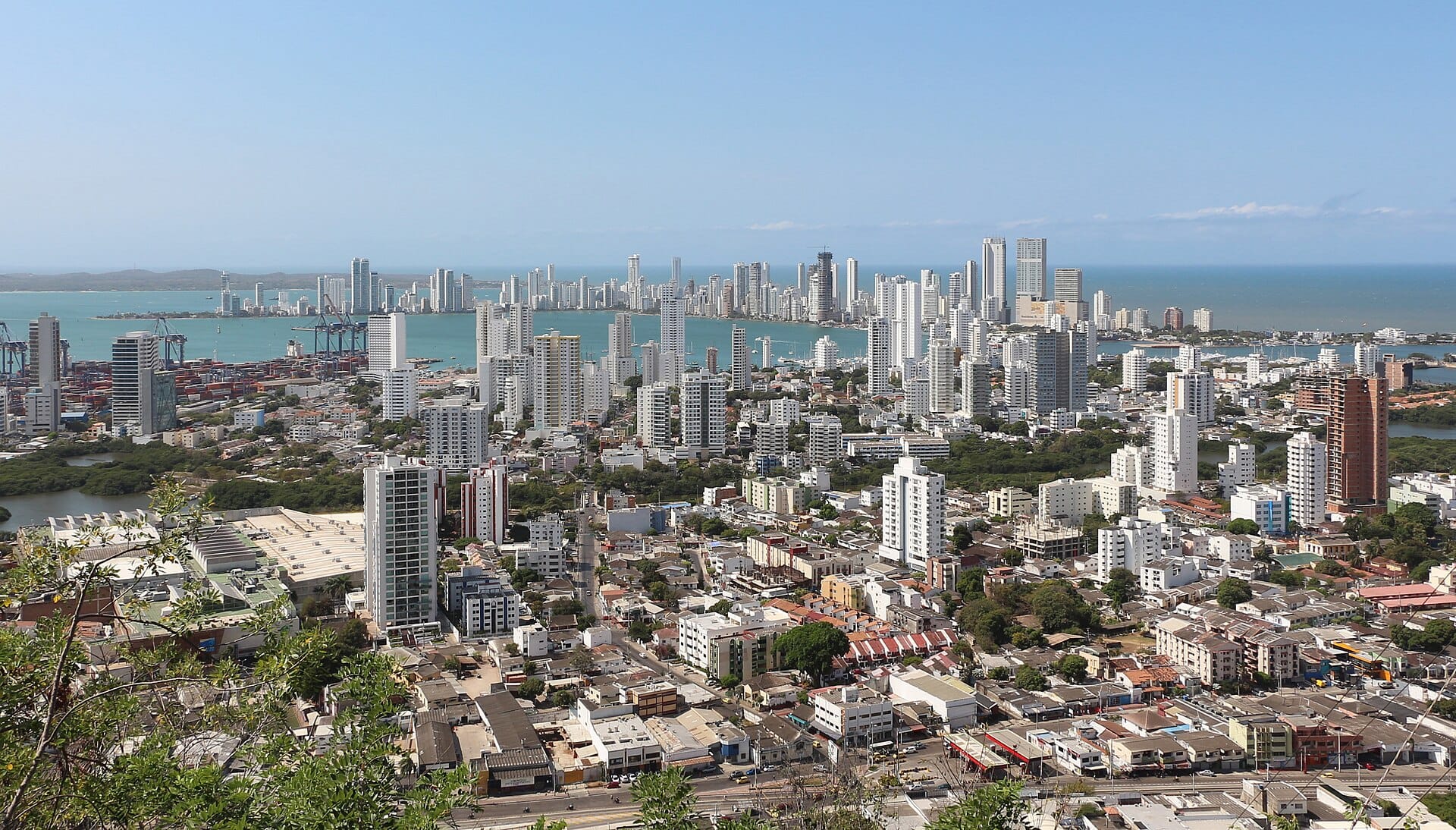
Palacio de la Inquisición
Behind one of the finest carved baroque doorways in the city, this 18th-century palace was the seat of the Holy Inquisition's tribunal for the entire Caribbean, and the museum inside doesn't sugarcoat it — you'll see the instruments used to extract confessions alongside good exhibits on Cartagena's colonial and independence history. It's grim in places, so weigh it before bringing young kids. Entry is about 24,000 COP (~$7.50 / €7); it's free to everyone on the last Sunday of the month, worth timing if your dates line up. Open Monday–Saturday 9 AM–6 PM, Sunday 10 AM–4 PM. Tickets are sold only at the door, and you won't need to pre-book.
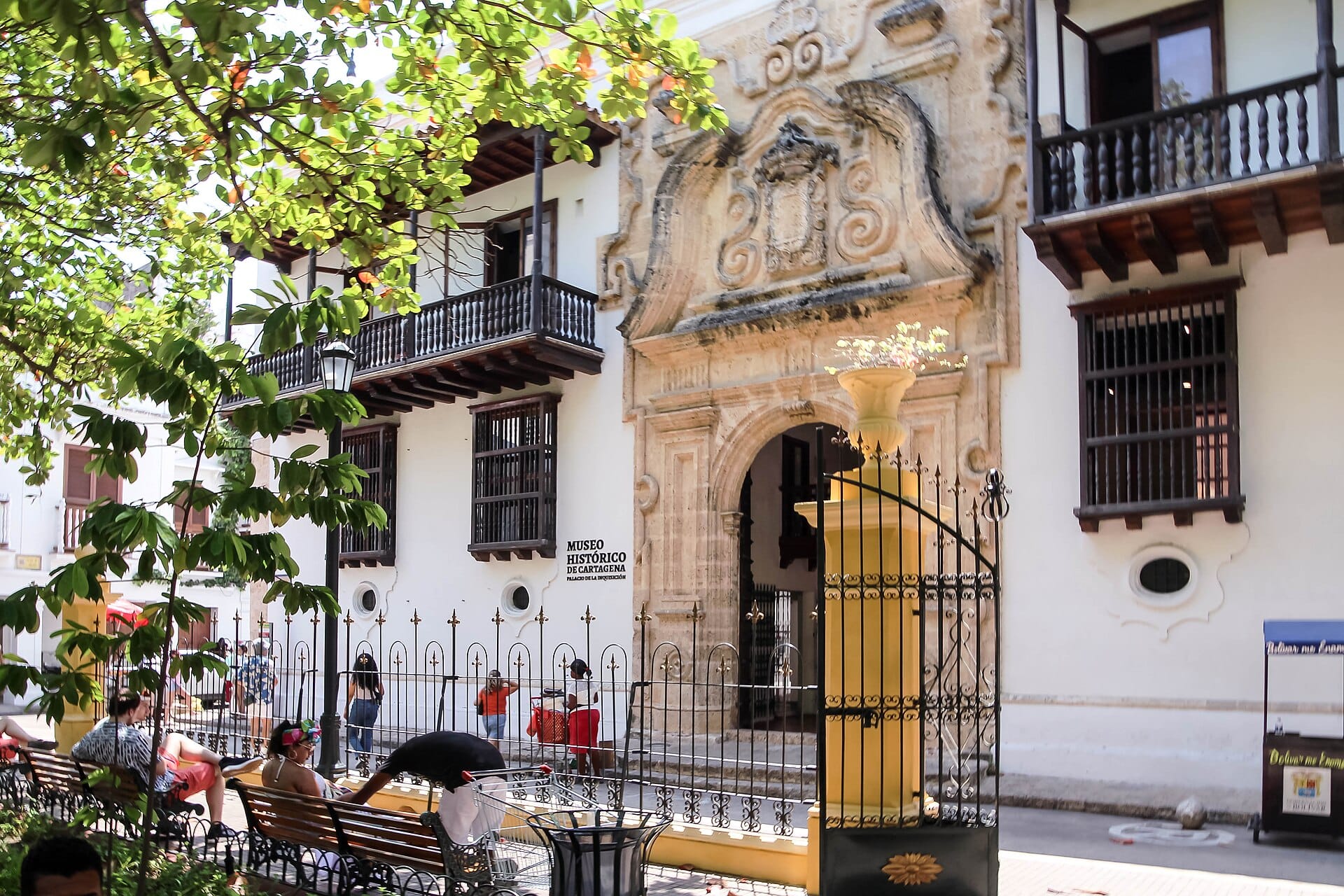
Rosario Islands day trip
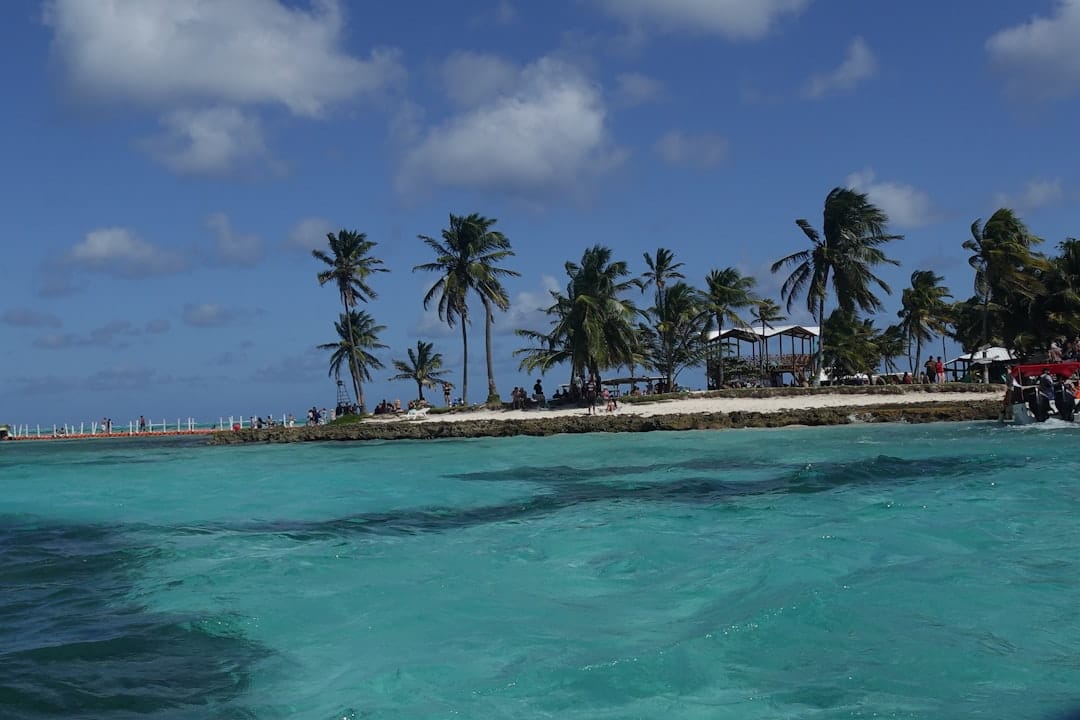
An hour offshore by speedboat, the Islas del Rosario are the turquoise-water, palm-fringed Caribbean postcard the mainland beaches can't match — coral reefs, snorkeling, and beach clubs on small private islets. Boats leave from Muelle de La Bodeguita between 7:50 and 8:30 AM and return around 3–4 PM. A beach-club day pass typically runs $72–125 (€65–115) including the round-trip boat, a welcome drink, and lunch. Budget extra cash for the national park fee (about 31,500 COP / $10) and a small maritime-insurance charge; card machines are unreliable on the islands, so pull pesos from a Bancolombia or Davivienda ATM in town first. Skip the cheapest Playa Blanca "included" boat tours if you want calm — that beach is crowded and the vendor hassle is relentless. Pick a specific island club (Bora Bora, Isla Bela, and Gente de Mar are common picks) and book direct.
🗓️ A 3-Day Itinerary
Day 1 — The Walled City on foot
Start at 6:30 AM in Plaza Santo Domingo for empty streets and Botero's Gertrudis, then wander north through the old town — Plaza de Bolívar, Plaza de San Diego — before the heat. Duck into the Museo del Oro Zenú on Plaza de Bolívar (free entry; Tue–Sat 9 AM–5 PM, closed Monday) for pre-Columbian goldwork and air-conditioning. Late morning, tour the Palacio de la Inquisición (24,000 COP). Have lunch and a siesta through the 12–3 PM peak heat. At 5 PM, climb onto the murallas near the Torre del Reloj and walk the walls northeast to Las Bóvedas, timing the last stretch for sunset by Café del Mar. Dinner in San Diego. Day cost: roughly $15–25 / €14–23 in entries, plus food.
Day 2 — Forts, views, and Getsemaní nights
Be at Castillo San Felipe for the 8 AM opening (about 25,000–36,000 COP) while it's still bearable. Taxi onward to Convento de la Popa (12,000 COP entry; ~40,000–50,000 COP taxi round trip) for the panorama by mid-morning. Back down for lunch and a rest. Spend the late afternoon in Getsemaní: street art along Calle de la Sierpe, then Plaza de la Trinidad as it fills up after 6 PM. Grab arepas and beer from the plaza carts, then finish with salsa at Café Havana (cover ~40,000 COP). Day cost: roughly $30–45 / €27–41 with transport and entries, plus food and drinks.
Day 3 — Caribbean water
Catch the 8 AM boat from Muelle de La Bodeguita to the Rosario Islands for a beach-club day ($72–125 / €65–115, plus ~$12 cash in fees). Snorkel the reef, eat fish and coconut rice on the sand, and take the 3–4 PM boat back. If you'd rather stay on land, swap in a morning food crawl through Mercado Bazurto with a local guide (the market is chaotic and best not navigated solo). Back in town, use the last evening for anything you missed inside the walls. Day cost: roughly $85–140 / €77–127 all-in for the island day.
🧠 Essential Tips
When to go
The sweet spot is mid-February to mid-March: it's the dry season, the trade winds keep the humidity in check, the seas are calm for island trips, and the December-holiday crowds have gone home. Avoid December 16–31, when hotel rates can triple and cruise passengers flood the old town, and steer clear of October, the wettest month with the roughest seas and frequent island-tour cancellations. The rainy season (May–November) isn't a write-off — showers are usually short bursts between about 2 and 4 PM, mornings stay clear, and hotels run 30–50% cheaper. Two dates to plan around: the Hay Festival in late January (a major literary festival that fills hotels) and Independence Day festivities around November 11 (the Fiestas de la Independencia bring street parades and packed hotels).
Getting around
From Rafael Núñez Airport (CTG), use the official yellow fixed-fare kiosk in arrivals: it prints a ticket with the set price — about 20,200 COP (~$6) to the Old City and 34,400 COP (~$11) to Bocagrande. The airport is only 10–15 minutes from the walled city. In town, the old center is small enough to cross on foot in 20 minutes. Cartagena has no metro; the Transcaribe bus-rapid-transit line covers longer hauls but isn't much use for the tourist core. For taxis, locals prefer the InDrive app (you name your price) over hailing on the street, where meters don't exist and you must agree the fare before getting in. Uber also operates.
Staying safe (and un-scammed)
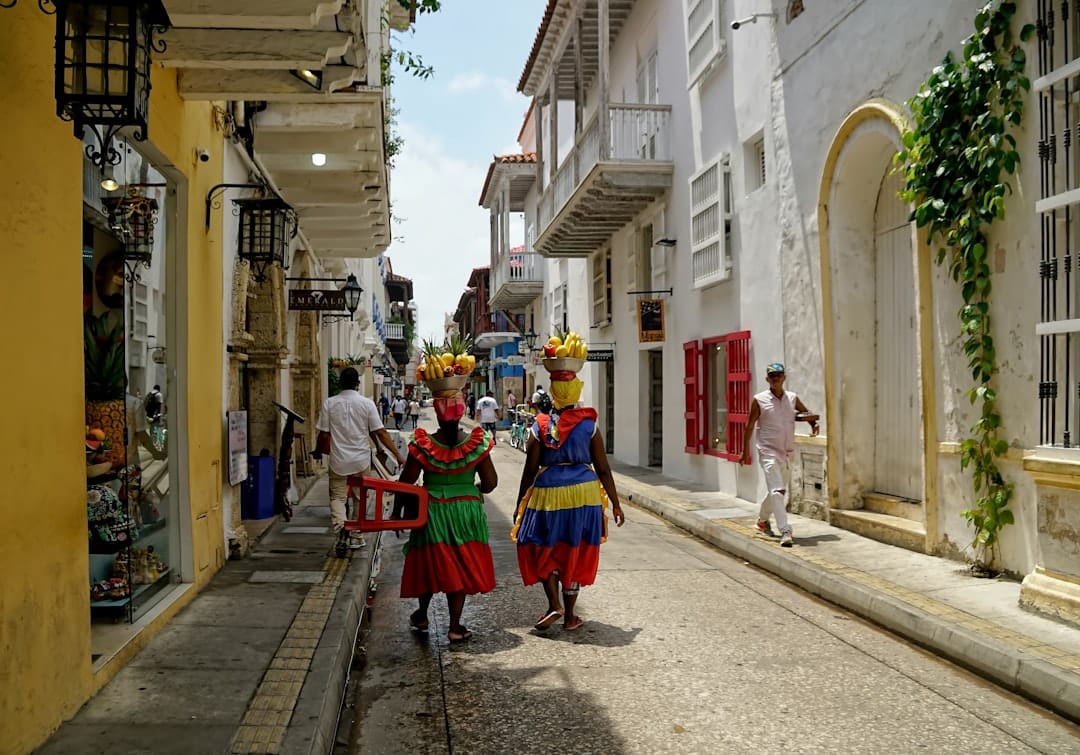
The walled city and Getsemaní's tourist core are fine to walk in the evening, but keep your phone pocketed on quiet streets late at night and don't flash valuables — Colombians call the principle "no dar papaya," don't give anyone an easy opening. The most common tourist traps aren't dangerous, just annoying: the palenqueras (women in bright dresses with fruit bowls on their heads) will happily pose for photos, then ask for 20,000–50,000 COP — agree a price first or politely decline. At Playa Blanca and on the islands, beach vendors selling massages, oysters, and bracelets are persistent; settle every price before you accept anything. Ignore the men near the Clock Tower pushing emeralds, cocaine, or "special" tours. And always use the airport kiosk fare or InDrive to sidestep taxi overcharging.
What and where to eat
Breakfast like a local on an arepa de huevo — a corn cake fried, split, filled with a whole egg, and fried again — for 4,000–9,000 COP (~$1.50) from any street cart. The signature sit-down dishes are ceviche and cazuela de mariscos (a coconut-seafood stew), 25,000–60,000 COP; pescado frito con arroz con coco (whole fried red snapper with coconut rice and patacones), 35,000–70,000 COP; and posta negra cartagenera, beef braised in a dark sweet-savory sauce, 30,000–55,000 COP. For ceviche, La Cevichería in San Diego is the famous one (Anthony Bourdain ate here; expect a line and old-town prices). For the real, unpolished version of how the city eats, do a guided morning at Mercado Bazurto. Grab cocadas (coconut candies, 2,000–6,000 COP) from the palenqueras, and cool off with fresh fruit sliced to order.
🏨 Accommodation Guide
Budget — Getsemaní. The old working-class barrio is backpacker central and the best value in the city. Hostel dorm beds run about $15–25 (€14–23) a night and simple private rooms $40–80 at places like Viajero Cartagena and Life is Good; you're a five-minute walk from the walls and in the middle of the nightlife.
Mid-range — San Diego / inside the walls. The quieter northern corner of the old town, San Diego, puts boutique colonial hotels on cobblestone streets for roughly $120–260 (€110–235) a night, breakfast usually included. You pay a premium to sleep inside the walls, but you wake up in the middle of everything.
Luxury — the walled city. Cartagena does colonial-grand extremely well. The Sofitel Legend Santa Clara, a converted 17th-century convent, runs about $280–550 (€250–500) a night and climbs higher over Christmas; Casa San Agustín is the other benchmark, a restored mansion with a plunge pool built around an old aqueduct. Both sit steps from Plaza Santo Domingo.
🎭 Beyond the Tourist Trail
Most visitors never leave the walls, which is exactly why it's worth going a little further. La Boquilla, a Afro-Caribbean fishing village about 20 minutes north past the airport, runs community-led mangrove canoe tours — you paddle silent channels through the roots with local fishermen, a genuine counterpoint to the colonial-city crowds, and the money stays in the village. Back in Getsemaní, skip the Instagram-famous umbrella street for ten minutes and sit in Plaza de la Trinidad on a weeknight around 8 PM, when it's locals rather than tour groups: kids playing football, families out for the cool air, and someone always selling cold Águila beer from a cooler. And if your trip lands in early-to-mid November, the Fiestas de la Independencia take over the streets with parades, drums, and the buttoned-down old town letting its hair down — the most local Cartagena gets all year.
❤️ Let VoyaBear Plan Your Cartagena Trip
Cartagena rewards good timing — the right month, the 8 AM fort visit, the sunset wall over the overpriced café — and that's exactly the kind of detail that's hard to juggle from a guidebook. VoyaBear builds personalized, day-by-day itineraries around how you actually want to travel: your dates, your pace, your budget, and whether you'd rather chase ceviche and salsa or snorkel the Rosario reefs. Tell us what you're into, and we'll map the whole trip — flights, neighborhoods, restaurants, and the timing that keeps you a step ahead of the crowds and the heat. Start planning your Cartagena adventure with VoyaBear today.
Want this as an actual itinerary?
VoyaBear turns a guide like this into a day-by-day plan built around how you travel.
Plan my trip free