Chiang Mai 2026: The Complete Guide to Thailand's Lanna Capital
8 August 2026 · 11 min read
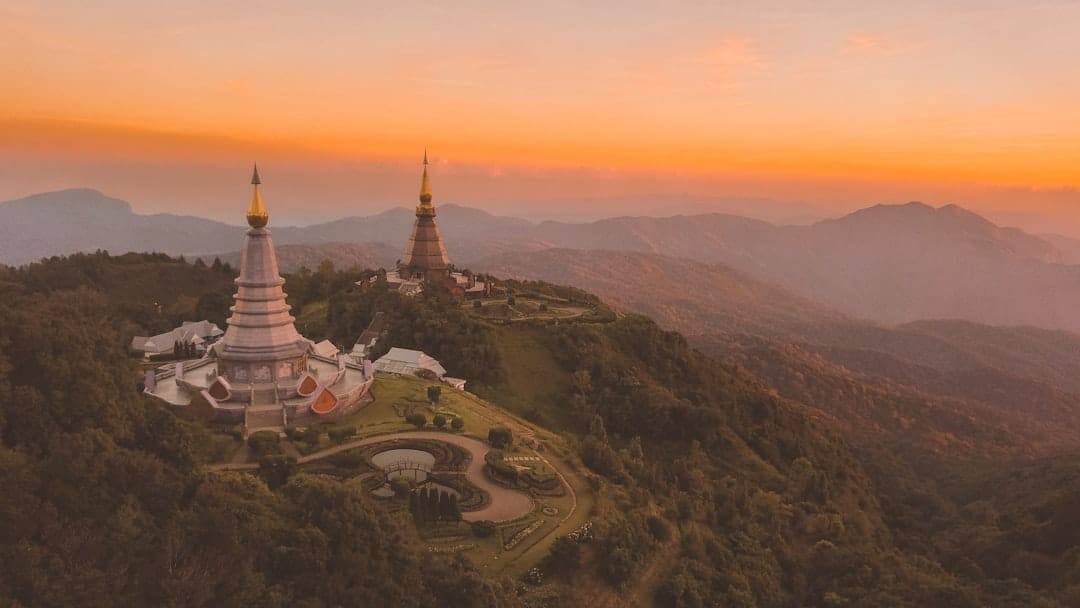
Chiang Mai fits inside a 1.6-kilometre square moat built in 1296, and that square still sets the pace of the whole city. Inside the old walls you can walk from a 14th-century ruined stupa to a flat white and a bowl of khao soi in ten minutes. Founded as the Lanna kingdom's capital, the city holds more than 300 temples and sits at the foot of Doi Suthep, the mountain you'll see glowing gold from almost anywhere in town. In 2026 it's also Thailand's unofficial remote-work capital, which means world-class coffee and 300-baht guesthouse rooms exist on the same block. This guide is built on checked prices and real place names — what to see, what to skip, and what a day actually costs.
🎭 Essential Experiences
Wat Phra That Doi Suthep
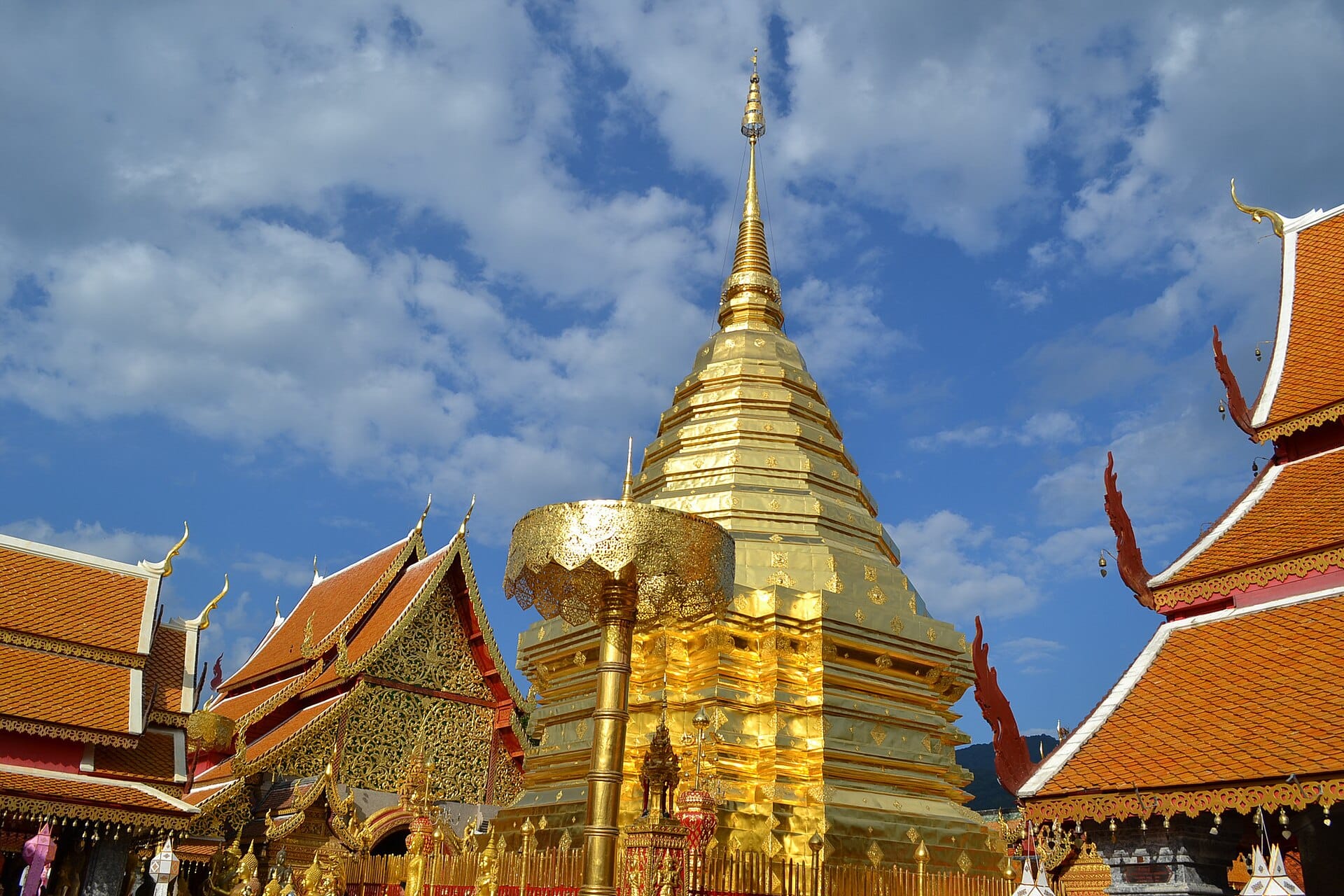
The one temple you don't skip. Built in 1383, it sits 15 km up the mountain that shares its name, and the golden central chedi holds a Buddha relic that, per legend, a white elephant chose by climbing here and trumpeting three times. The 306-step naga staircase — a pair of serpents whose scaled bodies run the full climb — is the classic entrance; if the steps are too much, a funicular runs up the side for around 50 baht. From the terrace you get the clearest view over the whole Chiang Mai valley. Entry is 30 baht (about $0.90 / €0.80) for foreigners, and the temple is open 6am–5pm.
Insider tip: Get here by 7:30am. The songthaews and tour vans start disgorging crowds around 9, and the morning light on the chedi before then is worth the early alarm. A shared red songthaew from near Chiang Mai Zoo runs a minimum of 40 baht per person each way, though drivers usually want the truck fuller before leaving — or fixed at 50–60 baht for the return.
Wat Chedi Luang
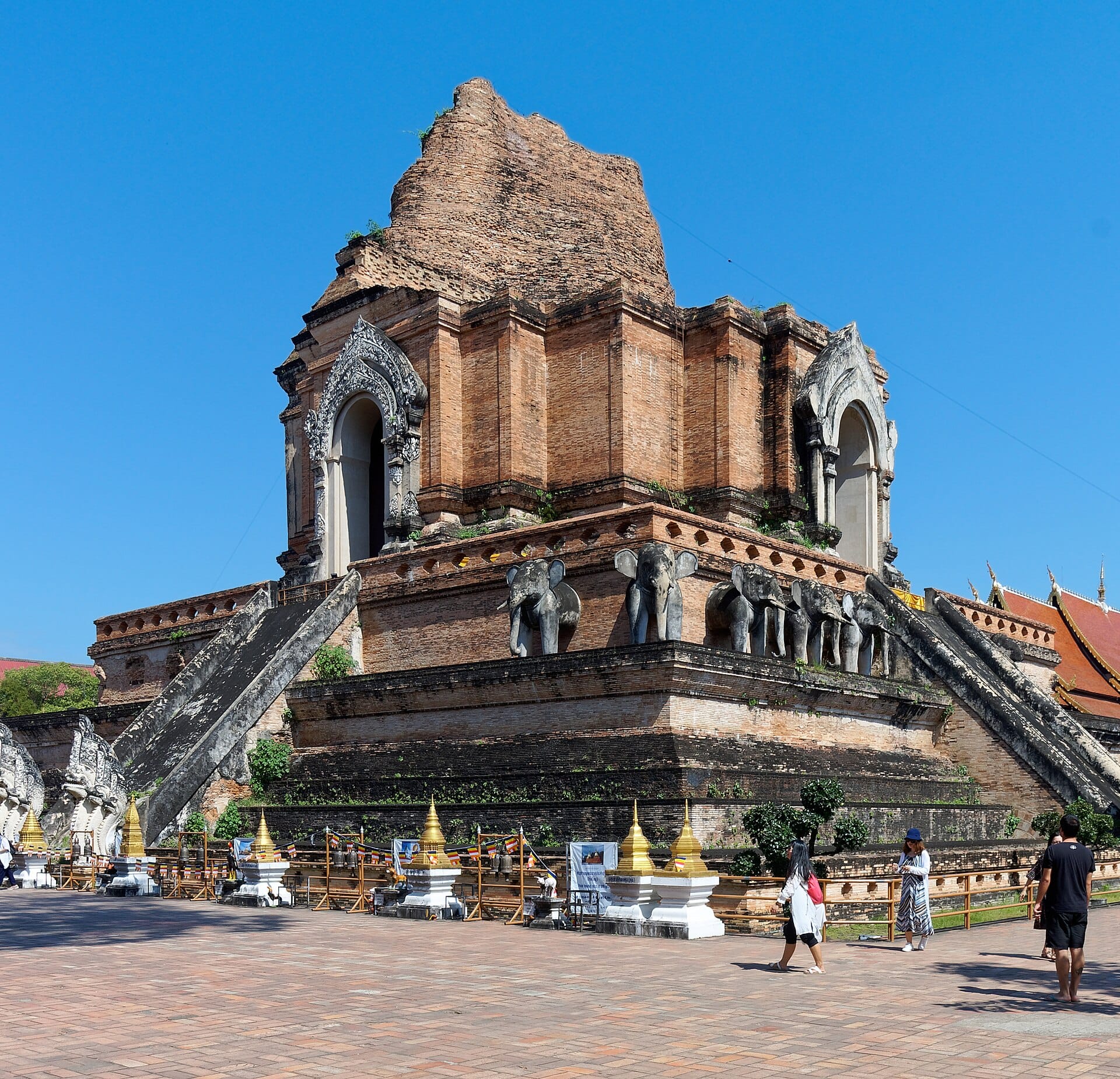
Right in the middle of the Old City, this is the ruin that stops you mid-stride. The brick chedi was begun in the late 1300s and once rose to roughly 82 metres — the tallest structure in the ancient kingdom — until an earthquake in 1545 knocked off the top 30 metres. The Emerald Buddha (now Thailand's most sacred image, in Bangkok) lived here until 1551. What's left is a massive, weathered, elephant-flanked base you can circle slowly. Entry is 40 baht ($1.20 / €1.05), open 6am–6:30pm.
Insider tip: Come in the last hour before closing, when low sun turns the brick orange and the day-trippers have gone. Use the free "Monk Chat" tables in the grounds most afternoons to actually talk with novice monks practising English — it's genuine, not a performance. Then step next door to Wat Phan Tao, a dark-teak Lanna temple that's free and takes five minutes.
Wat Phra Singh
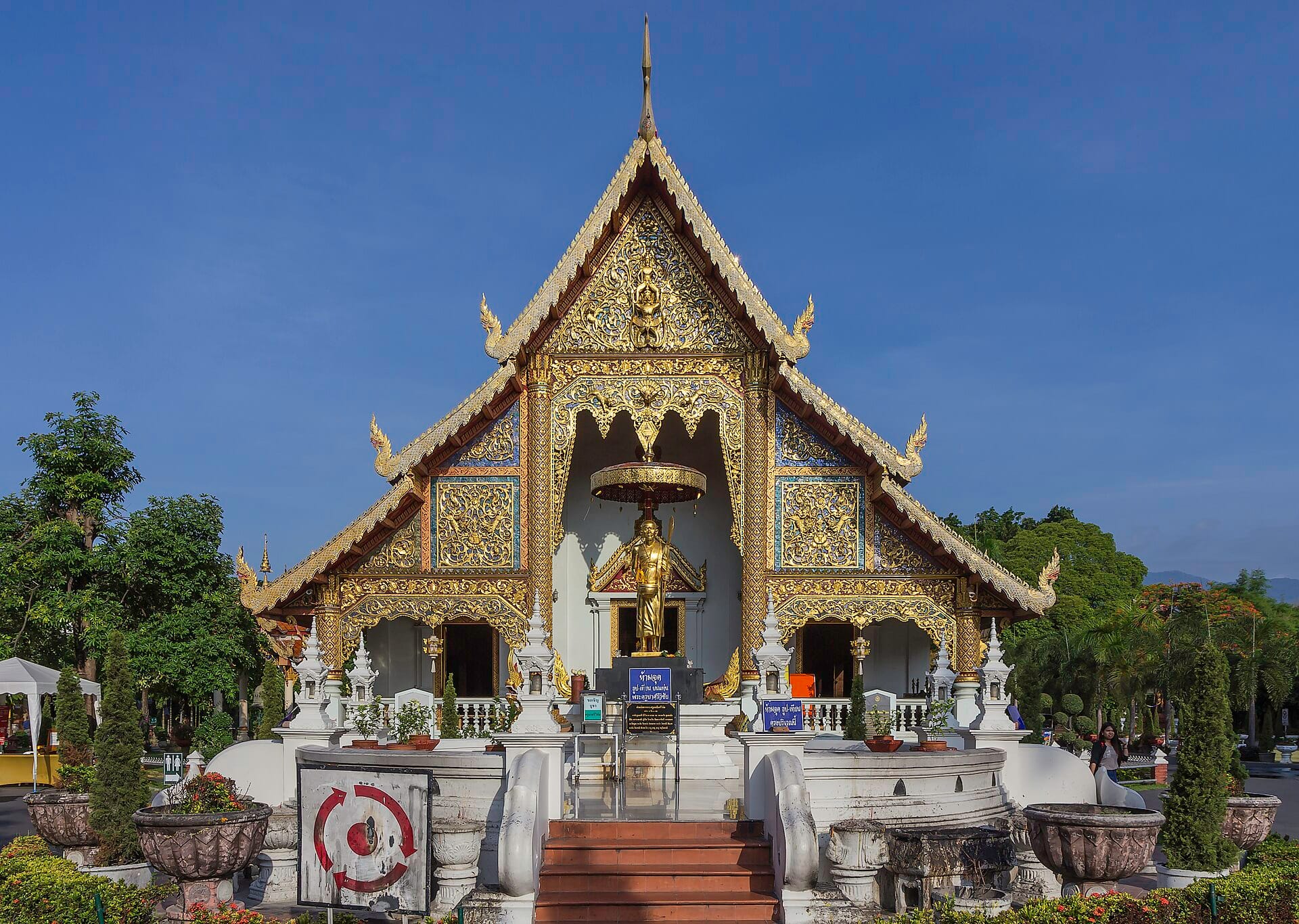
At the western end of Ratchadamnoen Road, this is the Old City's most revered working temple and the reason the Sunday market ends where it does. The prize is the Wihan Lai Kham, a small assembly hall whose interior walls carry 19th-century Lanna murals showing everyday northern life — market scenes, tattoos, textiles — alongside the Phra Buddha Sihing image. Walking the grounds is free; the main halls cost a 40-baht ($1.20 / €1.05) foreigner fee, open roughly 8am–5pm.
Insider tip: Go straight to the Lai Kham hall on the left rather than the big modern one — the murals are the actual reason to visit and most people miss them. Shoulders and knees covered, shoes off inside; there are sarongs to borrow at the entrance if you turn up in shorts.
Elephant Nature Park
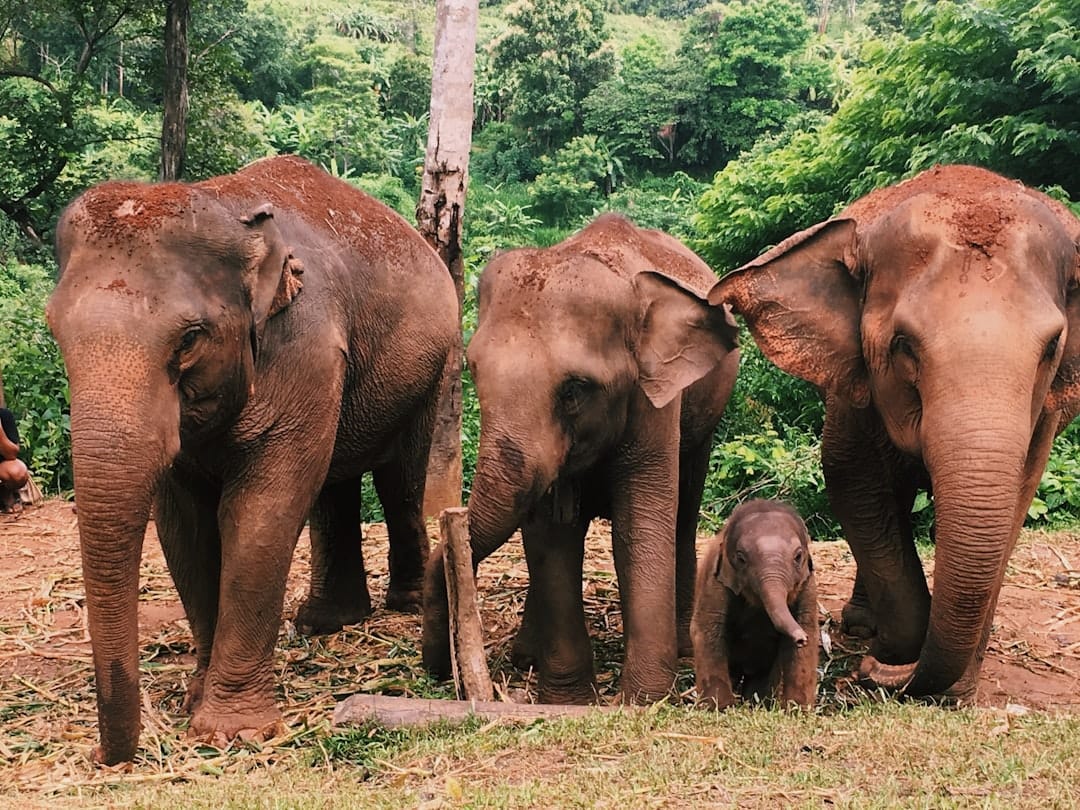
If you see elephants in Chiang Mai, do it here or somewhere like it — and never ride. Founded by Lek Chailert through the Save Elephant Foundation, this Mae Taeng valley sanctuary (about 60 km north, a 90-minute drive with hotel pickup included) rescues elephants from logging and trekking camps and keeps a strict no-riding, no-performance policy. A single-day visit is 2,500 baht ($76 / €66) for adults and 1,250 baht for children; you observe, feed, and watch the herds in open pasture rather than steering them around.
Insider tip: Book two to three weeks ahead — the day programmes fill, especially in high season. If ENP is full, its ethics have spawned imitators of wildly varying honesty; look specifically for "no riding, no bathing-on-command, no chains," and be sceptical of any camp promising elephant-back rides.
Doi Inthanon National Park
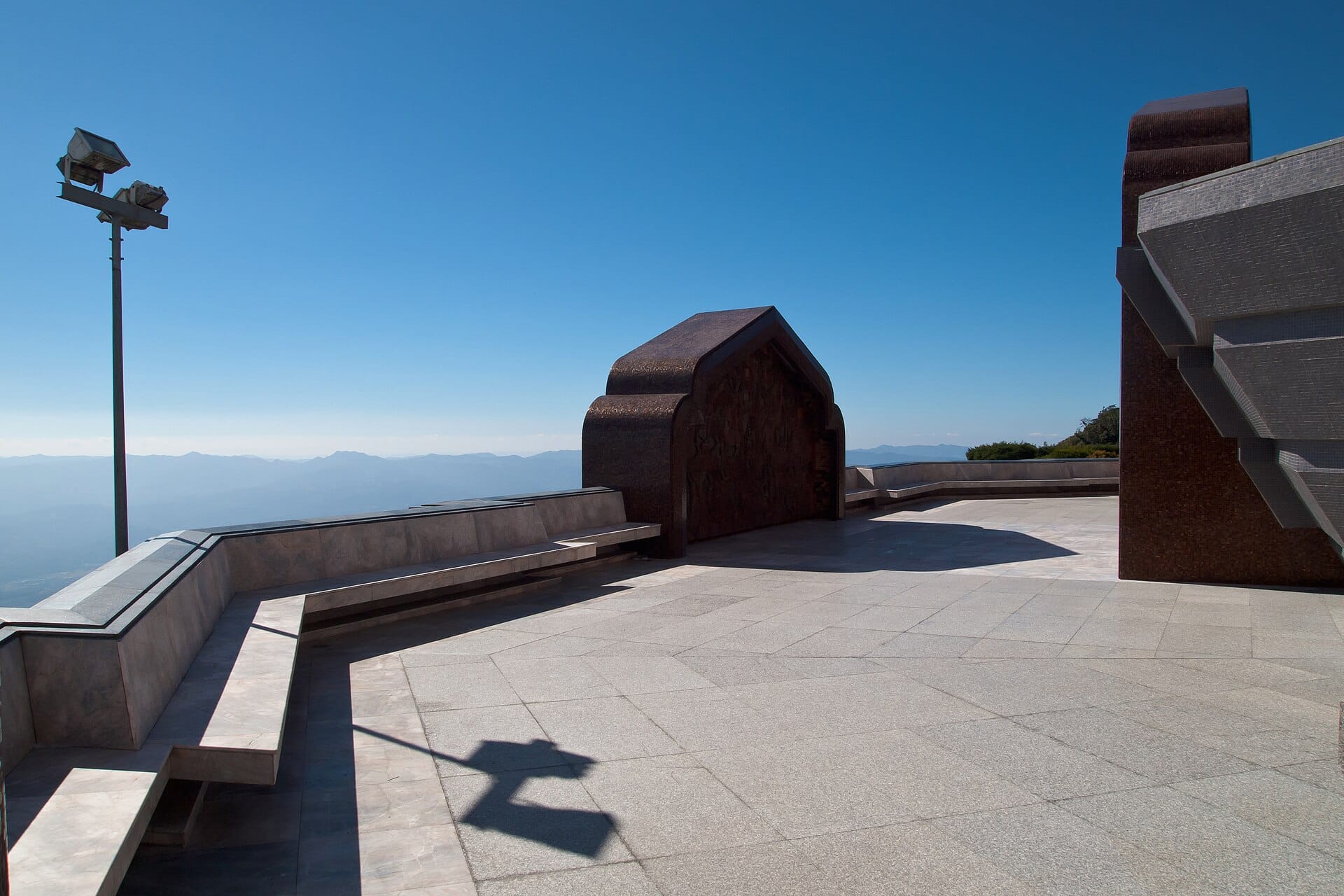
Thailand's highest point, 2,565 metres, sits about two hours southwest of the city — high enough that the summit can hover near freezing at dawn in the cool season. The two royal pagodas, Naphamethinidon and Naphaphonphumisiri, were built for King Bhumibol's and Queen Sirikit's 60th birthdays and stand on a ridge wrapped in cultivated gardens. Park entry is 300 baht ($9 / €8) per adult, 150 baht per child, plus 30 baht for a car.
Insider tip: The Kew Mae Pan nature trail — a 2.5 km loop along a cloud-forest ridge — is the best walk in the park, but it requires a local Hmong guide (220 baht per group of up to 10, hired at the trailhead) and is closed June–October, reopening 1 November. Pair it with Wachirathan waterfall on the way down, and bring a fleece; people arrive in shorts and regret it.
Bua Tong "Sticky" Waterfalls
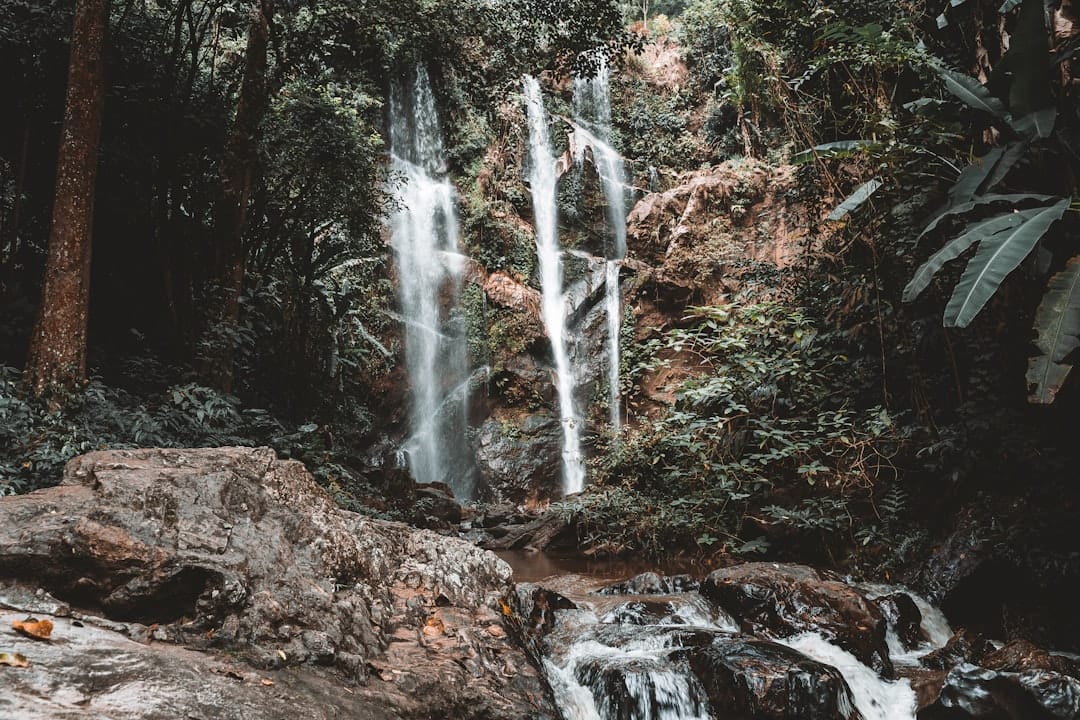
The gimmick is real: the rock here is coated in a porous mineral crust that grips your bare feet, so instead of admiring the falls from below, you climb straight up them. It's about 60 km north of the Old City (roughly 90 minutes) and, unusually for Thailand, entirely free. There's a spring-fed pool at the top and shaded picnic tables, and it stays refreshingly uncrowded compared to anything in town.
Insider tip: There's no public bus; chartering a red songthaew for the round trip with a couple of hours' wait runs around 1,000 baht ($30 / €26), best split between four or five people from a hostel noticeboard or Facebook group. Go on a weekday — Thai families pack it on weekends. Barefoot beats water shoes; the grip works skin-to-rock.
The Sunday Walking Street
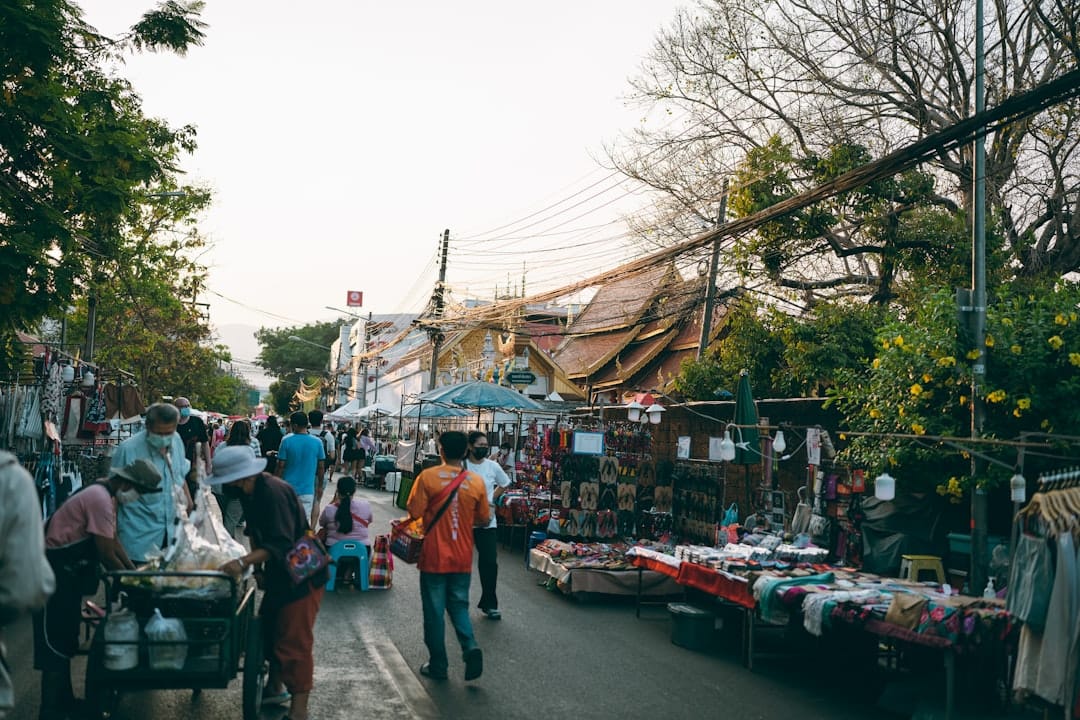
Every Sunday from 4pm to around midnight, Ratchadamnoen Road closes to traffic and fills end to end — from Tha Phae Gate to Wat Phra Singh — with craft stalls, buskers, and food that spills into the temple courtyards. It's free to wander, and it's where you buy hand-dyed indigo, silver, and lacquerware direct from northern makers rather than in a mall. The Saturday version runs on Wualai Road (roughly 4–11pm), the silversmiths' street beside Wat Sri Suphan, and is smaller and calmer.
Insider tip: Arrive by 5pm. By 7 the crowd is shoulder-to-shoulder and moving one direction only. Duck into the temple grounds along the way — Wat Phan Tao and others set up cheap food courts where you sit on mats and eat khao soi and grilled skewers for a fraction of a restaurant bill.
The Nimman café scene & a cooking class
West of the moat, Nimmanhaemin ("Nimman") is where the coffee and the remote workers cluster — One Nimman's brick plaza and the Maya mall anchor a grid of specialty roasters and design shops. It's also the base for the city's best-known food class: the Thai Farm Cooking School runs a half-day for 1,200 baht ($36 / €32) and a full day for 1,500 baht ($45 / €40), including hotel pickup, a market walk, and cooking five dishes at an organic farm outside town.
Insider tip: For khao soi — the curry-noodle dish Chiang Mai is famous for — skip the tourist spots and go to Khao Soi Mae Sai near Maya (a Michelin Bib listing, 40–50 baht a bowl) or Khao Soi Khun Yai in the Old City (around 50 baht, but midday only and closed Sundays). Both do the crispy-noodle-topped bowl properly.
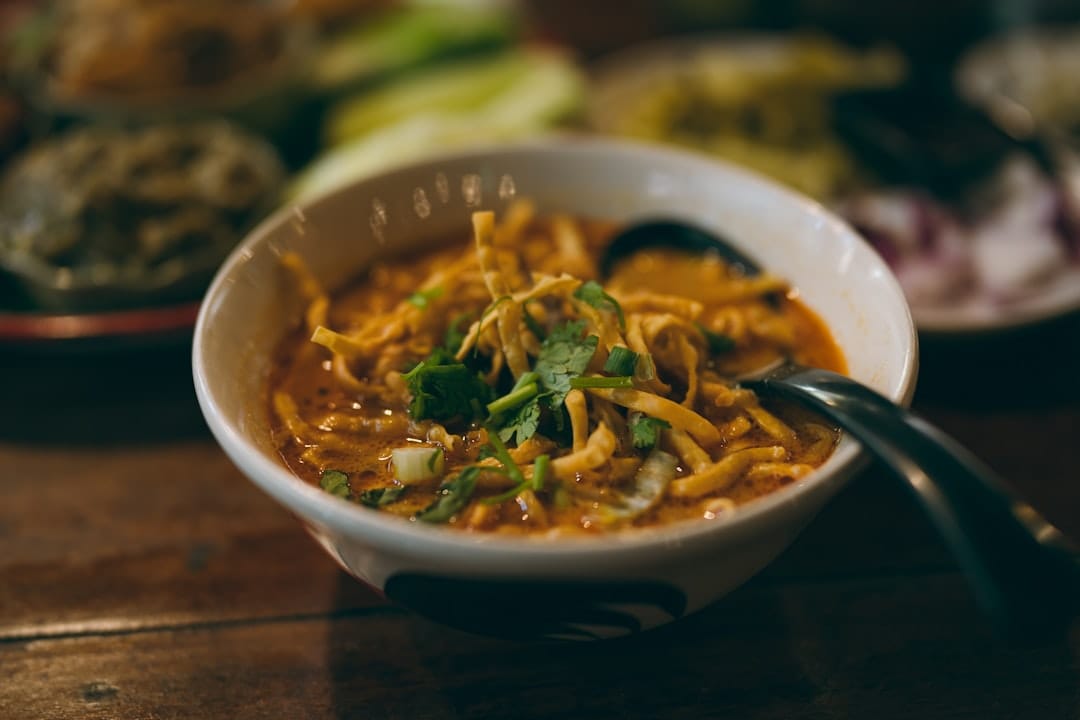
🗓️ A 3-Day Itinerary
Day 1 — The Old City on foot
Start early at Wat Chedi Luang (40 baht) while it's cool, then walk ten minutes west to Wat Phra Singh (40 baht) for the Lai Kham murals. Lunch on khao soi at Khao Soi Khun Yai (around 50 baht / $1.50). Spend the hot mid-afternoon in a Nimman café or over a book, then — if it's a Sunday — hit the Walking Street from 5pm; otherwise, the Chang Khlan Night Bazaar runs nightly. Dinner from temple-courtyard food stalls, roughly 150 baht ($4.50 / €4) for a full plate-and-drink spread. Day cost, ex-accommodation: about 400–500 baht ($12–15 / €11–13).
Day 2 — Mountain and relic
Take a red songthaew from near the zoo up to Wat Phra That Doi Suthep (40 baht each way, 30-baht entry), arriving by 7:30am for the empty terrace and the valley view. Back in town by late morning; spend the afternoon on a Thai Farm cooking class (1,200 baht / $36 half-day, pickup included) and eat what you cook for dinner. Day cost: about 1,350 baht ($41 / €36).
Day 3 — Into the hills
Pick one big day trip. Either Doi Inthanon (300-baht entry plus the Kew Mae Pan guided ridge walk, 220 baht per group — reckon 1,800–2,500 baht / $55–75 all-in with shared transport), or a single-day visit to Elephant Nature Park (2,500 baht / $76, pickup included), or the free Bua Tong sticky falls (roughly 250 baht / $8 per head in a shared chartered songthaew). Back for a final dinner at Warorot Market's food stalls. Day cost: 250–2,500 baht depending on your choice.
🧠 Essential Tips
When to go
The clear winner is the cool dry season, November to February, when days sit around 20–30°C, evenings actually need a light layer, and the air is clean. Late November is special: Yi Peng and Loy Krathong fall on 24–25 November in 2026, when the city floats candlelit krathong on the Ping River and releases thousands of paper lanterns — the free public spots around Tha Phae Gate and the moat are as good as the ticketed mass-releases that cost 2,500 baht and up. Avoid the burning season, roughly late February through April: farmers clear fields across the north and smoke settles into the valley, pushing air quality into unhealthy-to-hazardous territory for weeks. April is also the hottest month and home to the Songkran water festival (13–15 April). June to October is green, cheaper, and quieter, with short afternoon downpours rather than all-day rain.
Getting around
There's no metro or train system in the city. The workhorses are red songthaews — shared pickup trucks with bench seating that you flag down, tell your destination, and pay about 30 baht for a short hop across town. For door-to-door, Grab is the app locals and visitors use; it shows the fare upfront (Uber left Thailand years ago, and Bolt coverage here is thin). From Chiang Mai International Airport (CNX), the Old City is only 4–5 km away — a Grab or metered taxi runs 150–200 baht ($4.50–6 / €4–5.30). Many visitors rent a scooter (around 200–250 baht a day), which is genuinely useful for the hills but comes with real risk and police checkpoints that fine unlicensed riders.
Staying safe and un-scammed
Chiang Mai is very safe by any measure; the hazards are wallet-sized, not violent. The classic is the gem scam near Tha Phae Gate — a friendly stranger mentions a "tax-free government gem sale" and steers you to a shop selling near-worthless stones at a markup. Related is the tuk-tuk "cheap temple tour," where a suspiciously low fare comes with mandatory stops at tailors and jewellers who pay the driver commission; use Grab for a fixed price instead. If you rent a scooter, film a slow walk-around of every scratch before you ride off to defeat fake damage claims, and never hand over your passport as a deposit — leave a cash deposit or a photocopy. For chartered songthaew trips out of town, agree the price before you get in.
What to eat
Northern Thai food is milder and earthier than the south. Beyond khao soi, look for sai ua (a herby grilled pork sausage packed with lemongrass and kaffir lime), nam prik noom (a smoky roasted-green-chilli dip eaten with sticky rice and vegetables), and khanom jeen nam ngiaw (a tomato-and-pork rice-noodle soup). The best hunting ground is Warorot Market (Kad Luang) near the river, where stalls sell sai ua by the coil and every kind of chilli dip in a bag.
🏨 Accommodation Guide
Budget — the Old City and Santitham. Staying inside the moat means walking to every temple and the Sunday market. Hostel dorm beds run roughly $5–12 (170–400 baht) a night, and simple private guesthouse rooms $15–35. Santitham, just northwest, is a scruffier local neighbourhood with the same low prices and better street food.
Mid-range — Nimman and the Old City. Nimman suits café-and-coworking travellers; U Nimman sits opposite the Maya mall and G Nimman is a design-forward boutique nearby, both usually $80–160. In the Old City, Tamarind Village wraps around a courtyard of bamboo and lawns off Ratchadamnoen, and U Chiang Mai puts you steps from Wat Chedi Luang, typically $90–160.
Luxury — the Riverside and the hills. Along the Ping in the Wat Ket district, 137 Pillars House is an all-suite heritage property built around a 19th-century teak house, generally $350–700. Anantara Chiang Mai sits riverside near the Night Bazaar ($300–600), and for full escape the Four Seasons Resort overlooks working rice terraces in the Mae Rim hills north of town, from around $700 and climbing steeply.
❤️ Beyond the Tourist Trail
Two temples on the southwest edge, near Chiang Mai University, reward the trip out. Wat Umong is a roughly 700-year-old forest temple built around brick meditation tunnels, with a fasting-Buddha statue and a lake full of turtles and catfish; it's free (a donation is normal) and utterly quiet. A short walk away, Baan Kang Wat is a small artists' village of wooden studios — ceramicists, printmakers, weavers — with cafés and a Sunday-morning craft market that feels a decade removed from the tourist grid.
For a local weekend ritual, the Jing Jai Market (still called JJ by everyone) in the north hosts the "Rustic Market" on Saturday and Sunday mornings — organic farmers, northern-Thai breakfast stalls, and makers selling before the heat sets in. And if your dates land in late November, plan the whole trip around Yi Peng on 24–25 November 2026: watching lanterns lift off the moat at Tha Phae Gate is the single most Chiang Mai thing you can do, and it costs nothing.
Plan Chiang Mai the smart way with VoyaBear
Chiang Mai rewards a plan: the right temple at 7am, the right day trip on a weekday, and a stay booked before burning season or Yi Peng sends prices climbing. VoyaBear builds personalized, day-by-day itineraries around your dates, your budget, and how you actually like to travel — matching sanctuaries to your ethics, hotels to your neighbourhood, and food stops to your taste. Tell us when you're going and let VoyaBear handle the sequencing, the bookings, and the timing. Start planning your Chiang Mai trip with VoyaBear →
Want this as an actual itinerary?
VoyaBear turns a guide like this into a day-by-day plan built around how you travel.
Plan my trip free