Cusco 2026: The Complete Guide to Peru's Inca Capital
6 August 2026 · 12 min read
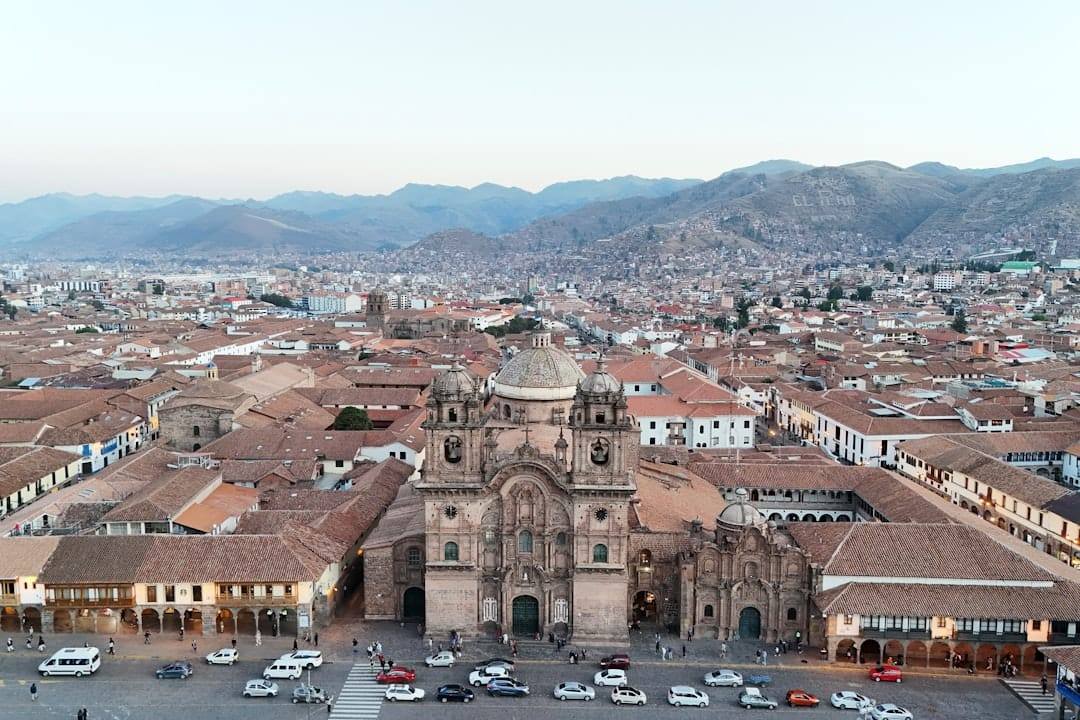
Cusco sits at 3,400 metres (11,150 feet), high enough that walking uphill to your hotel on the first afternoon will leave you winded and wondering what you signed up for. It was the capital of the Inca empire, the navel of a realm that stretched from Colombia to Chile, and the Spanish did their best to erase it in 1533 by building churches directly on top of the temples. They mostly failed. The Inca foundations are still there, holding up the colonial city: when earthquakes flattened Spanish arches in 1650 and again in 1950, the mortarless Inca walls underneath didn't move a stone. That is the whole experience of Cusco in one image — a baroque cathedral standing on masonry that predates it by centuries, both still in use.
In 2026 there is one thing to sort out before anything else: Machu Picchu tickets are timed, capped, and released on fixed circuits, and in the June-to-August high season they sell out weeks ahead. Book those first, build the rest of the trip around them, and give yourself at least two full days in Cusco to acclimatise before you attempt anything strenuous. This guide covers what's worth your time, what it actually costs, and how to avoid spending your first day flat on your back with a headache.
🗿 Essential Experiences
Sacsayhuamán
The Inca fortress on the hill above the city is built from limestone blocks so large — some over 100 tonnes — that the joints between them still can't be explained to everyone's satisfaction. You can't slide a credit card into the seams. Walk the three tiers of zigzag walls, then climb to the flat esplanade for the best free view over Cusco's terracotta roofs. This is also where Inti Raymi, the Festival of the Sun, is staged every June 24 with hundreds of costumed performers; if you're here that week, book a seat months ahead or watch from the surrounding hillside for free.
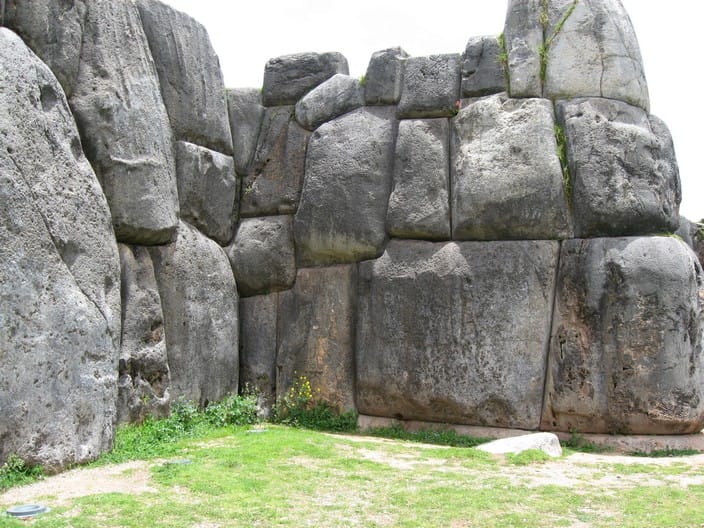
Insider tip: Arrive at opening, 7:00 AM, when the light is golden and the tour buses haven't left the Plaza yet — by 9:30 it's crowded. It's a 30-to-45-minute uphill walk from the Plaza de Armas (about 2 km, and at this altitude that walk counts as exercise) or a S/10–15 taxi. Cost: Entry is only via the Boleto Turístico — the S/130 (~$35 / €32) full ticket or the S/70 (~$19 / €17) Circuit I partial, which also covers Q'enqo, Puka Pukara and Tambomachay nearby. Open daily 7:00 AM–6:00 PM. Cash only, and bring soles.
Qorikancha, the Temple of the Sun
Before the conquest, Qorikancha was the richest temple in the Inca world, its walls reportedly sheeted in gold and its courtyard filled with life-sized golden corn. The Spanish stripped the gold, melted it, and dropped the church and convent of Santo Domingo on top. What survives is the point: the Inca curved wall and perfectly fitted trapezoidal niches are visibly better built than the colonial structure bolted onto them. Stand in the interior courtyard and you can see both eras in one glance, the seam running right through the building.
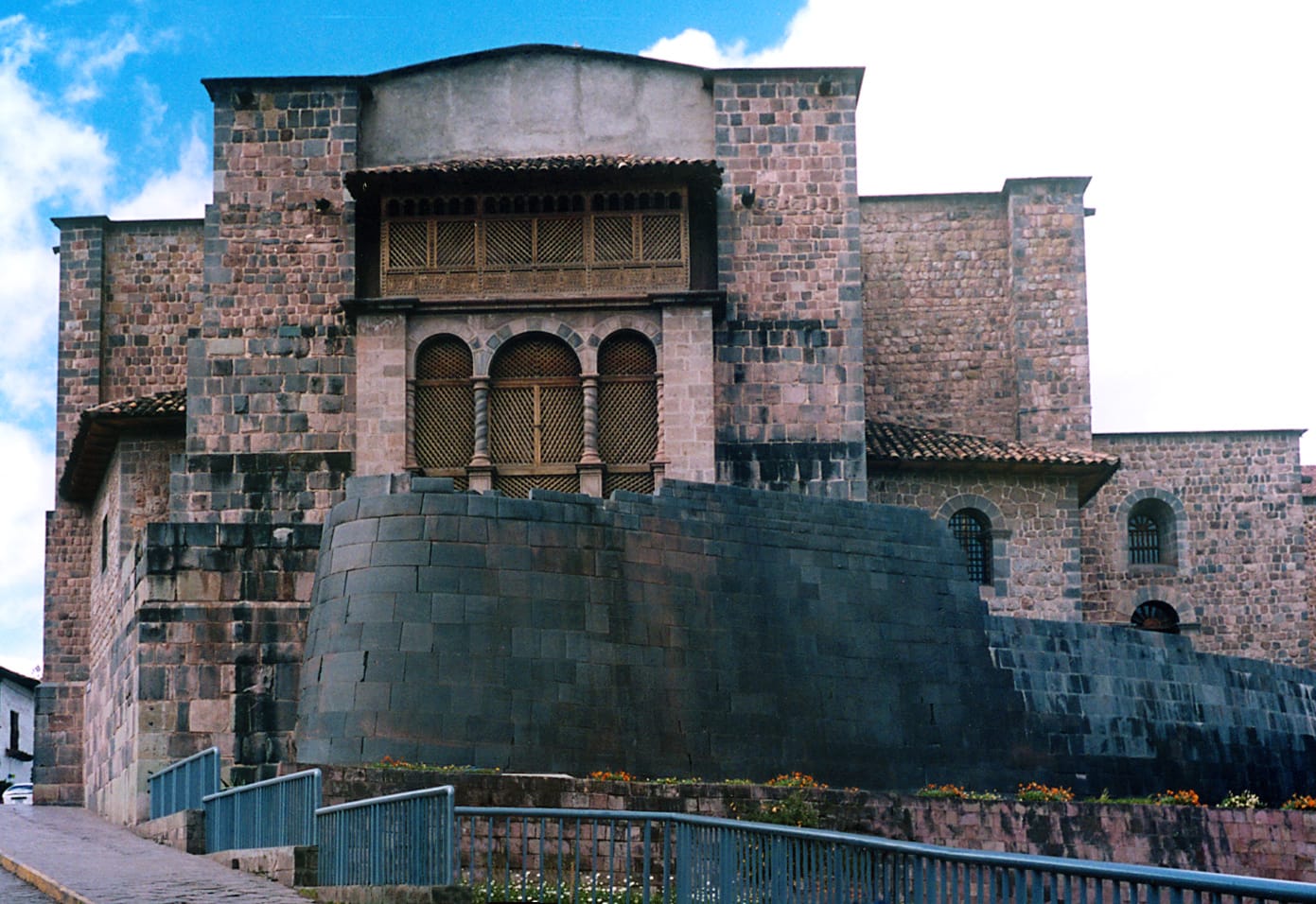
Insider tip: The best-preserved curved wall is around the back on Avenida El Sol, visible from the street for free, but the interior is where the fitted stonework really lands — go inside. Cost: S/15 (~$4 / €3.70) for foreign adults; this is a separate ticket, not part of the Boleto Turístico. Open Monday to Saturday 8:30 AM–5:30 PM, closed Sundays — a common trip-up, so don't save it for your Sunday.
Cusco Cathedral & the Plaza de Armas
The main square is the obvious centre of town and worth an hour even though it's wall-to-wall with restaurants and people selling paintings and finger puppets. The Cathedral, finished in 1654 on the site of an Inca palace, holds a strange and wonderful piece of colonial art: Marcos Zapata's 18th-century Last Supper, in which the dish in front of Christ and the apostles is a roasted cuy — guinea pig — a native painter quietly inserting Andean life into a European scene. Also inside: the blackened Señor de los Temblores (Lord of the Earthquakes), Cusco's patron, credited with stopping the 1650 quake.
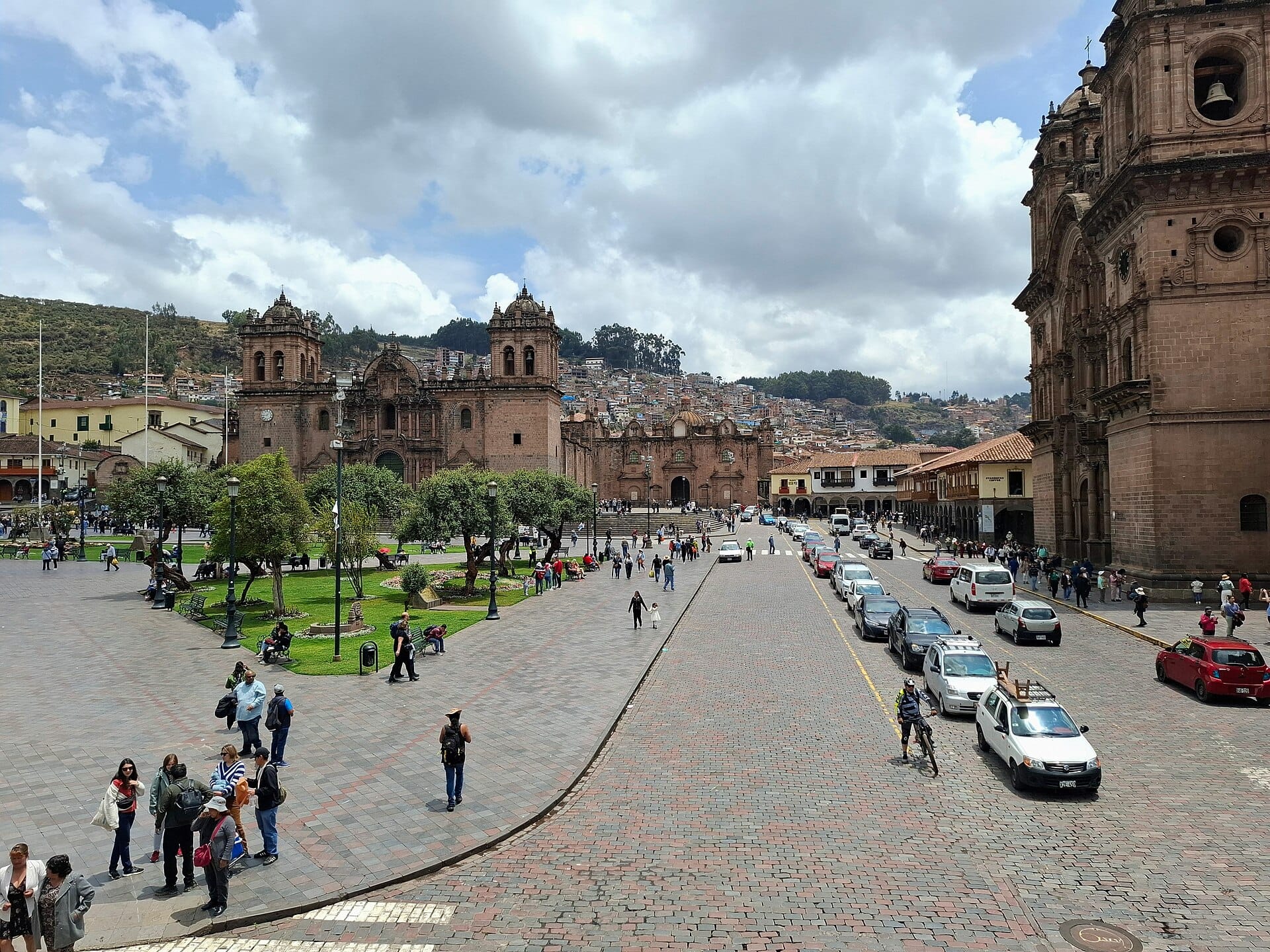
Insider tip: Skip the individual S/40 (~$11 / €10) cathedral ticket and buy the S/30 (~$8 / €7.50) Boleto Religioso, which also gets you into the San Blas church, the Archbishop's Palace and the church of San Cristóbal. Open daily 10:00 AM–6:00 PM. The Plaza is at its best just after dark when the surrounding arcades and the Cathedral are lit and the day-trippers have thinned out.
San Blas & the Twelve-Angled Stone
The San Blas neighbourhood is the steep artisan quarter northeast of the Plaza — narrow cobbled lanes, workshops, small galleries, and the best sunset view over the city from the little Plazoleta de San Blas. On the way up, on Hatunrumiyoc street, is the famous Twelve-Angled Stone, a single Inca block cut to lock into its neighbours on twelve faces, set into what's now the Archbishop's Palace wall. It's free, it's on the street, and there's usually a small crowd photographing it, so you'll know when you've found it.
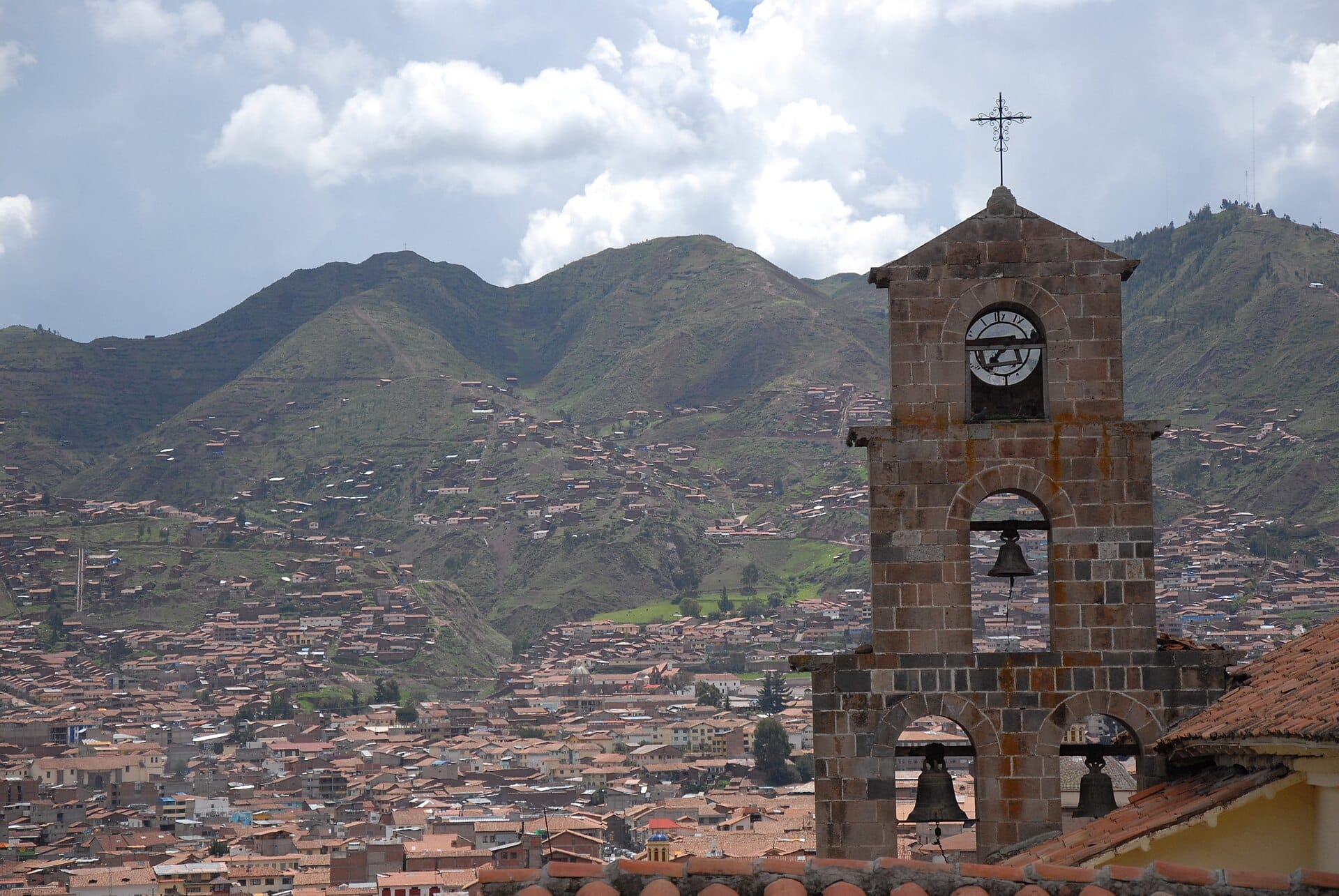
Insider tip: Climb San Blas in the late afternoon, buy nothing until you've compared a few workshops (the Mendívil and Merida family studios are the historic names here), and reward the climb with a coffee on the plazoleta. The stone itself takes two minutes — the reason to be here is the neighbourhood around it. Cost: Free to wander.
Mercado Central de San Pedro
The 1925 covered market designed under the influence of Gustave Eiffel's workshop is where Cusco actually shops and eats, four blocks from the Plaza. Come for a proper cheap breakfast: chicharrón (crispy fried pork with hominy and mint-like huacatay) for around S/18–25 (~$5–7 / €4.50–6.50), or a fresh fruit juice from the rows of juice stalls for a couple of soles. The fruit, cheese, chocolate and textile sections are all genuinely useful, not staged for tourists.
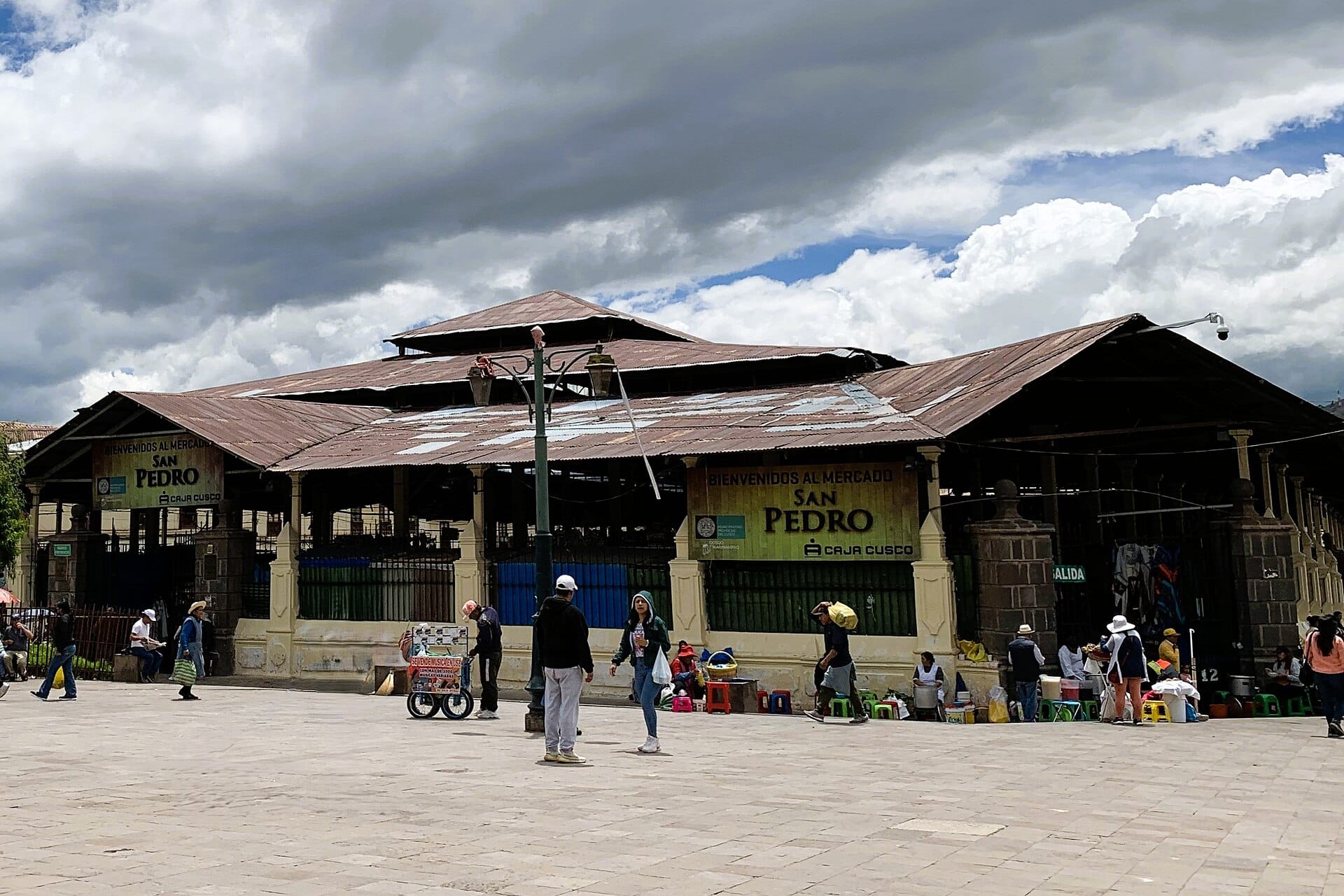
Insider tip: Go before 10:00 AM for the food, keep your bag in front of you (the market is crowded and pickpockets work it), and eat where the local office workers are queuing rather than at the first stall that has an English menu. A full market meal runs S/8–20 (~$2–6 / €2–5.50). Cost: Free to enter.
Machu Picchu
The reason most people fly into Cusco in the first place. The 15th-century Inca citadel sits on a ridge at 2,430 m above the Urubamba river, lower and warmer than Cusco itself. In 2026 entry is by timed ticket on fixed circuits, with a daily cap of 4,500 visitors rising to 5,600 on peak-season dates, so it's less of a free-for-all than it was a decade ago. Most people want Circuit 2, the "classic" route that includes the postcard terrace view and the urban core — S/152 (~$41 / €38) for foreign adults. Adding the steep Huayna Picchu peak (200 spots a day, book far ahead) or Machu Picchu Mountain costs S/200 (~$54 / €50).
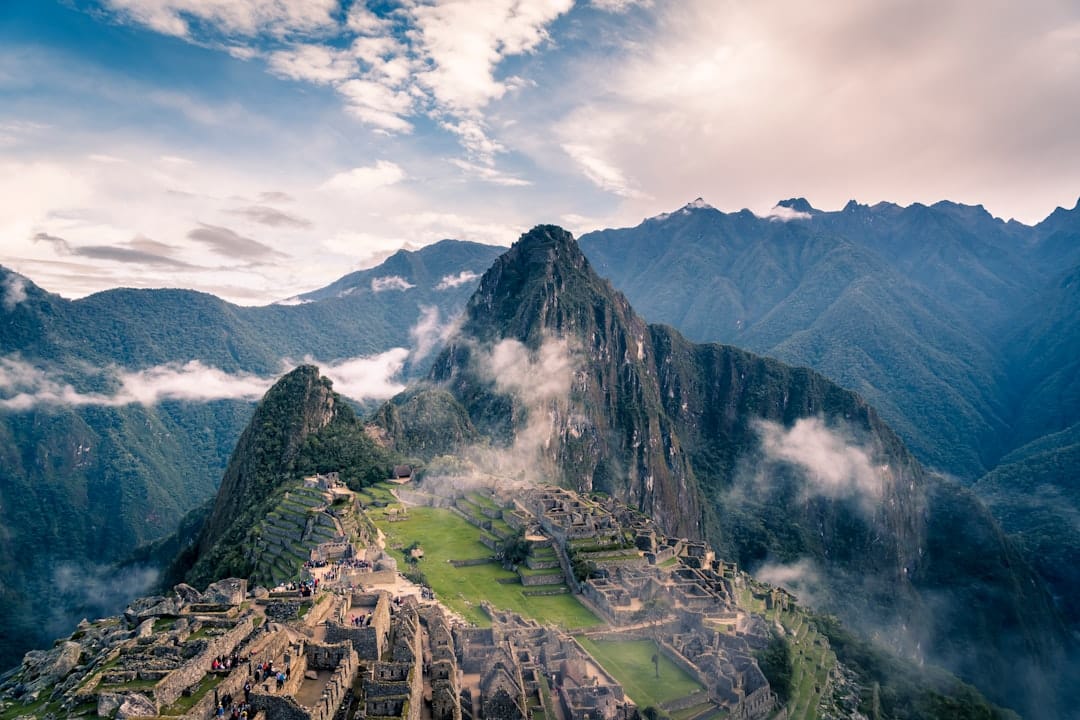
Insider tip: Getting there is a chain of bookings. Take the train from Ollantaytambo to Aguas Calientes — PeruRail Expedition or Inca Rail Voyager run about $80–95 (€74–87) round trip, the panoramic Vistadome or Inca Rail 360° $140–180 (€130–165) — then the Consettur bus up the switchbacks, $24 (€22) round trip, 25–30 minutes. Book train, entry ticket and bus together and at least a month out in high season. First morning entry (6:00 AM) gives you the site in mist before the day-trippers arrive.
Rainbow Mountain (Vinicunca)
The striped mineral ridge three hours southeast of Cusco became famous only in the last decade, after the snow that used to cover it melted. It photographs like it's been filtered, but understand what you're signing up for: the viewpoint is at 5,030 m (16,500 ft), higher than any Alpine summit, and the final climb is a genuine grind on thin air. Group day tours run $39–49 (€36–45) including transport, breakfast, lunch, guide and the entrance fee, with pickups at an ugly 3:00–3:30 AM.
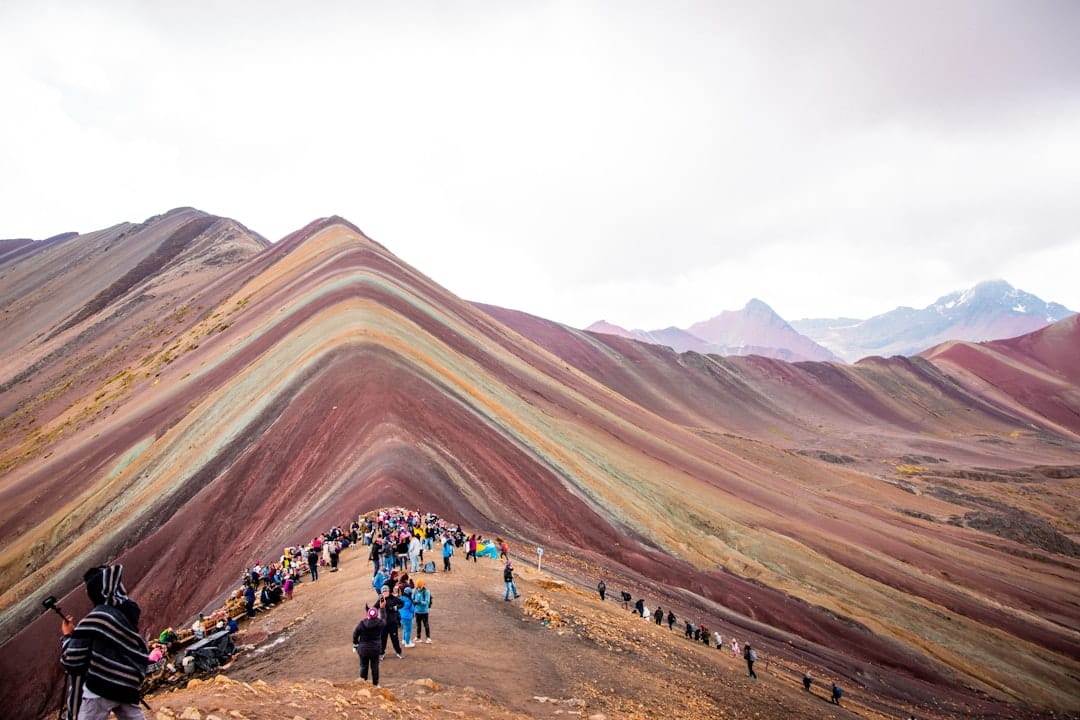
Insider tip: Do this near the end of your trip, not the start — you want a solid 48 hours of acclimatising in Cusco behind you before standing at 5,000 m. Horses are available for much of the trail (arranged on the spot, around S/80–100) if the altitude beats you. Add the quieter Red Valley next door for S/30 (~$8 / €7.50) if your legs have anything left. Go in the dry season; rain and cloud kill the colours.
🗓️ A 3-Day Cusco Itinerary
This assumes you've already booked Machu Picchu. Day one is deliberately gentle because altitude is real and rushing it is how people lose a day to a headache.
Day 1 — Acclimatise in the city
Sleep in, then take it slow. Spend the morning on the Plaza de Armas and inside the Cathedral (find the guinea-pig Last Supper), then walk five flat minutes to Qorikancha (S/15) — remember it's closed Sundays. Lunch light; quinoa soup (S/8–15) sits better than a heavy plate on day one. In the afternoon, wander uphill into San Blas, tick off the Twelve-Angled Stone, and watch the sunset from the plazoleta. Drink coca tea, drink water, and don't drink much alcohol tonight — it hits hard up here. Total spend beyond meals: about S/15–30 (~$4–8 / €4–7.50).
Day 2 — Sacsayhuamán and the Sacred Valley
Start early at Sacsayhuamán (7:00 AM, Boleto Turístico) while it's quiet, then continue into the Sacred Valley — either on an organised day tour ($20–45 / €18–41) or by colectivo. Hit the Pisac ruins and its market, then the fortress-town of Ollantaytambo, whose terraces you'll climb for a warm-up on real Inca stairs. Both are covered by the S/130 Boleto Turístico, which by now is paying for itself. If you have time and a car, add Moray's concentric agricultural terraces and the Maras salt pans (separate small fees, about S/10 each). Sleep in Ollantaytambo if your train to Machu Picchu leaves from there the next morning — it saves a 5:00 AM drive.
Day 3 — Machu Picchu
Train from Ollantaytambo to Aguas Calientes (1.5 hours), then the Consettur bus up to the citadel. Do Circuit 2 with a guide for the first pass (guides wait at the entrance, roughly S/60–100 for a small group), then walk it again on your own if your ticket time allows. Back down to Aguas Calientes for lunch, and the afternoon train to Ollantaytambo, where a pre-booked transfer or colectivo returns you to Cusco (about 1.5–2 hours). Budget for the day: entry S/152, bus $24, train roughly $80–180 depending on class — this is the expensive day, and worth it.
🧠 Essential Tips
When to go
The dry season runs May to October: clear skies, daytime highs around 20–21°C, and nights that drop below freezing in June and July, so pack layers. The trade-off is crowds and price — July is the single busiest month, and Machu Picchu tickets, trains and hotels should be booked three to four months ahead. May and September are the sweet spot: same dry weather, noticeably thinner crowds (September can see 30–40% fewer visitors than July) and lower prices. The rainy season (November–March) is 20–40% cheaper and green, with clear mornings and afternoon showers — just avoid February, when the classic Inca Trail closes for maintenance. If you can only come once, aim for June 24 and Inti Raymi, but book everything early.
Altitude
Cusco is higher than most people have ever slept. The fix is boring and it works: arrive, do nothing strenuous for 48 hours, drink water constantly, go easy on alcohol and big meals, and consider descending to sleep in the Sacred Valley (Ollantaytambo is ~600 m lower) if you feel rough. Coca tea and coca leaves are legal, everywhere, and help a little. Pharmacies sell soroche (altitude) pills over the counter. If you have a serious heart or lung condition, talk to a doctor before booking.
Getting around and transport
The historic centre is walkable — steep, but walkable. From Alejandro Velasco Astete airport (CUZ), only 4–5 km out, an official desk taxi runs S/35–55 (~$9–15 / €8–14); ride-hailing is cheaper at S/12–25. inDrive is the app locals use most, with Uber and Cabify also operating. Agree the fare before you get in a street taxi, and be aware of the standard scams: the "broken meter," the driver who insists your hotel is closed and steers you to one that pays commission, and counterfeit bills slipped into your change — carry small notes and check them. Within town you rarely need a car at all.
Food
Beyond the market breakfasts, the dish to try is cuy (roasted guinea pig) — best in the picantería villages like Tipón, 45 minutes out, for S/40–60, or in town at Pachapapa in San Blas for S/70–100 with a 24-hour reservation. Cusco's signature festival plate is chiri uchu, a cold platter of guinea pig, dried meat, seaweed and cheese, declared cultural heritage in 2024. For a proper sit-down dinner, Chicha por Gastón Acurio on the Plaza Regocijo does refined regional cooking, and Cicciolina in San Blas is the long-standing favourite for tapas and mains. Don't leave without an adobo cusqueño (pork slow-cooked in chicha, a Sunday breakfast, S/10–20).
🏨 Where to Stay
Where you sleep in Cusco is mostly a question of how many stairs you're willing to climb at altitude. The Centro Histórico around the Plaza de Armas is the most convenient and the flattest; San Blas is prettier and quieter but steep; San Cristóbal sits above it with the views to match.
Budget: Hostels cluster in San Blas and near the Plaza. Bear Packer near the centre runs about $16 (€15) for a dorm bed and $51 (€47) for a private double; Backpacker La Bo'M in San Blas is around $18 (€17) a dorm, $37 (€34) a double. Expect $15–25 (€14–23) for a dorm across the good hostels.
Mid-range: Boutique hotels in converted colonial houses are Cusco's strength. MOAF Boutique Hotel near the Plaza is around $95 (€87) a night; El Ave Azul in San Blas about $66 (€61). Reckon on $70–150 (€65–140) for a comfortable double with heating — which matters, because Cusco has no central heating and nights are cold.
Luxury: The top end is genuinely special. Belmond Palacio Nazarenas, a former convent a block from the Plaza, runs upwards of $1,150 (€1,050) a night for a junior suite with oxygen piped into the rooms. Palacio Manco Capac in San Cristóbal (around $250 / €230) is a more attainable splurge with big views.
❤️ Beyond the Tourist Trail
Almost everyone points north to the Sacred Valley and forgets the South Valley (Valle Sur), which is where you go for the ruins without the crowds. Tipón is a masterpiece of Inca hydraulic engineering — terraces fed by stone channels that still run — and doubles as cuy country, with picanterías serving guinea pig to Cusqueño families on weekends. Nearby Pikillaqta is a pre-Inca Wari city, walls two storeys high and hardly a tour bus in sight. Both are on the Boleto Turístico's Circuit II.
Fifteen minutes further sits the small church of San Pedro Apóstol de Andahuaylillas, so densely covered in gold leaf and painted ceilings that it's nicknamed the "Sistine Chapel of the Americas." It's a fraction of the size and a fraction of the crowd of anything in central Cusco, and the detour costs a S/15 combined ticket with two neighbouring Andean churches. For a local half-day that most visitors skip entirely, the South Valley is the answer.
For dated events worth planning around: Inti Raymi on 24 June is the big one, but Corpus Christi (moveable, usually June) fills the Plaza with processions of saints carried on silver litters and stalls selling chiri uchu, and Señor de los Temblores on Easter Monday brings the blackened Christ out of the Cathedral through streets showered in red ñucchu flowers. These are the days the city belongs to Cusqueños, not tour groups.
Plan Your Cusco Trip with VoyaBear
Cusco rewards planning more than almost any city — the Machu Picchu tickets, the train classes, the acclimatisation days, and the question of when to go all have to line up months in advance. VoyaBear builds personalised, day-by-day itineraries around exactly this: your dates, your budget, your tolerance for 3:00 AM pickups, and how much altitude buffer you want before the big hikes. Tell us when you're going and we'll handle the sequencing — tickets, trains, neighbourhoods and all — so you spend your time on the terraces instead of in the booking queues. Start planning your Cusco trip with VoyaBear →
Want this as an actual itinerary?
VoyaBear turns a guide like this into a day-by-day plan built around how you travel.
Plan my trip free