Da Nang 2026: The Complete Guide to Vietnam's Central Coast City
19 September 2026 · 13 min read
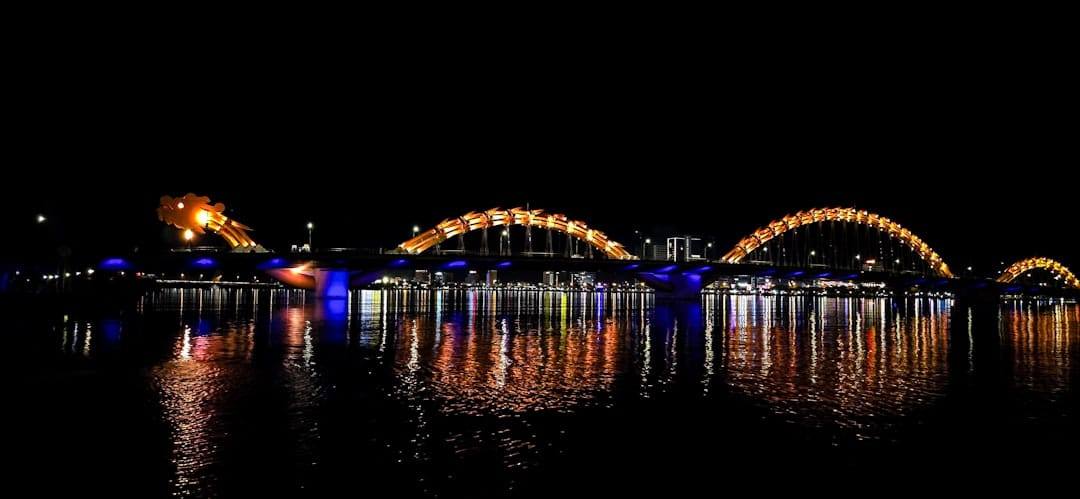
Da Nang used to be the place travelers changed buses. You landed, then bolted 30 minutes south to Hoi An or north to Hue, treating Vietnam's third-largest city as a transit lounge with a beach attached. That math has flipped. The airport now sits three kilometres from downtown, so you can be swimming at My Khe Beach within twenty minutes of clearing customs. A dragon-shaped bridge breathes real fire over the Han River every weekend. And an hour up the mountain, a 150-metre walkway floats between two enormous stone hands that has been photographed roughly a billion times since it opened in 2018. Da Nang is no longer the connector between the good stuff. It is the good stuff, with the connector conveniently built in.
Here is the honest case for staying put in 2026: you get a real, working Vietnamese city of a million-plus people, a genuinely swimmable coastline, some of central Vietnam's best noodles, and day-trip range to two UNESCO sites (Hoi An's old town and the My Son ruins) without the day-trip prices. This guide covers exactly what to do, what it costs in 2026, how to get around, and where to sleep — with real names, real fees, and the timing that keeps you out of the crowds.
🏙️ Essential Experiences
Da Nang's attractions split cleanly into two camps: the natural stuff (mountains, a peninsula, a beach, a legendary mountain pass) and the built stuff (a Cham museum, a French cathedral, and Vietnam's most Instagrammed bridge). You can cover the best of both in three days. Here are the eight worth your time, roughly in order of how much they'll surprise you.
Marble Mountains (Ngũ Hành Sơn)
Five limestone-and-marble hills named for the five elements, rising straight out of the flat coastal plain about 8 km southeast of downtown (a 15–20 minute Grab ride, roughly $5). Only one peak, Thủy Sơn (Water Mountain), is developed for visitors, and it's the one you want: a network of nine caves and Buddhist grottoes reached by stone staircases. The showpiece is Huyền Không Cave, a vast chamber with a natural skylight where, mid-morning, shafts of sun drop through the roof onto the shrines below. Entry is 40,000 VND (~$1.60 / €1.40), and a one-way elevator up the first climb is 15,000 VND (~$0.60), or 30,000 return. The separate Âm Phủ Cave ("Hell Cave"), with its heaven-and-hell tableaux, costs an extra 20,000 VND.
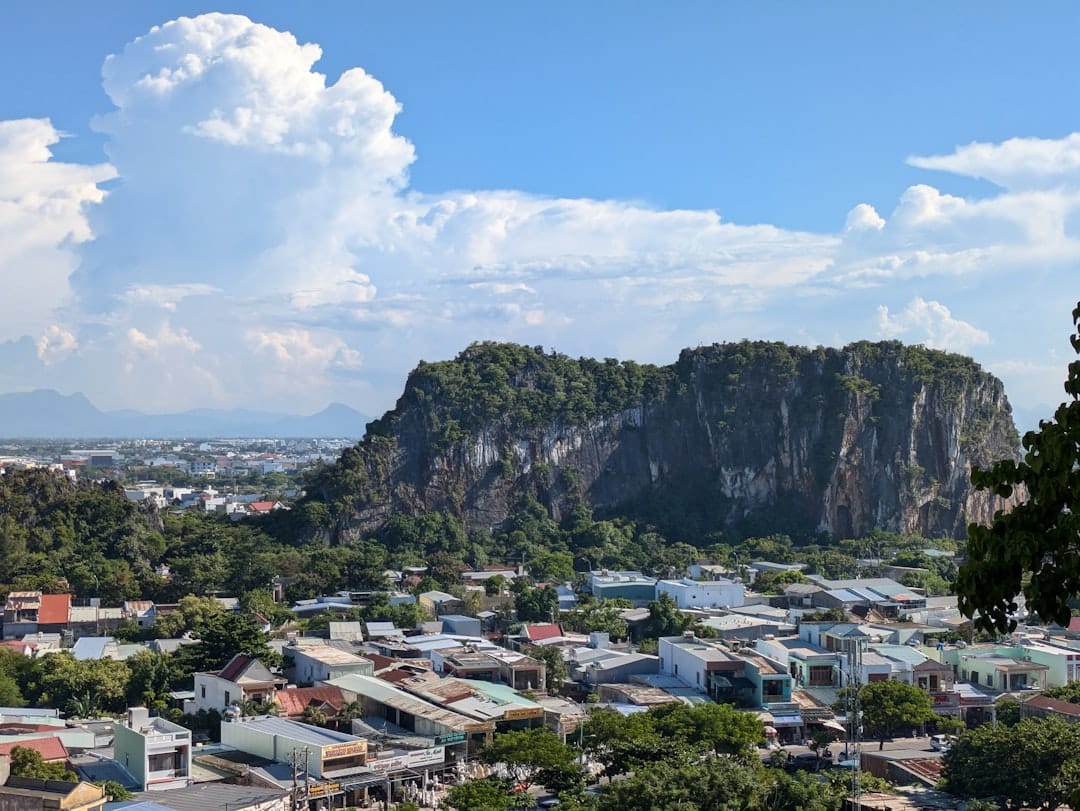
Insider tip: Arrive at opening (7:00 AM; the site runs until about 5:30 PM) and skip the elevator on the way up — the stairs on the left are shaded and get you moving before the tour buses arrive around 9:30. Time Huyền Không Cave for 9–11 AM, when the light beams are at their most dramatic. Wear proper shoes; the marble steps are polished slick by decades of feet.
Ba Na Hills & the Golden Bridge
Yes, it's a French-themed hilltop resort complex with a fake medieval village, and yes, it is unapologetically a theme park. It's also home to the Golden Bridge — that 150-metre curve of walkway apparently held aloft by two weathered giant stone hands, 1,400 metres above sea level — and the views on a clear day genuinely earn the trip. Getting up there is half the appeal: the site holds several Guinness records for its cable car system, and the ride climbs through cloud layers to the top. The complex sits about 35 km west of the city; the ticket, at 950,000 VND (~$37 / €33) for out-of-town adults (750,000 for children 1–1.4 m), covers the round-trip cable car plus access to the bridge, the French Village, the flower gardens, and the Fantasy Park arcade. It's open daily 8:00 AM–10:00 PM, with cable cars running until about 7:00 PM.
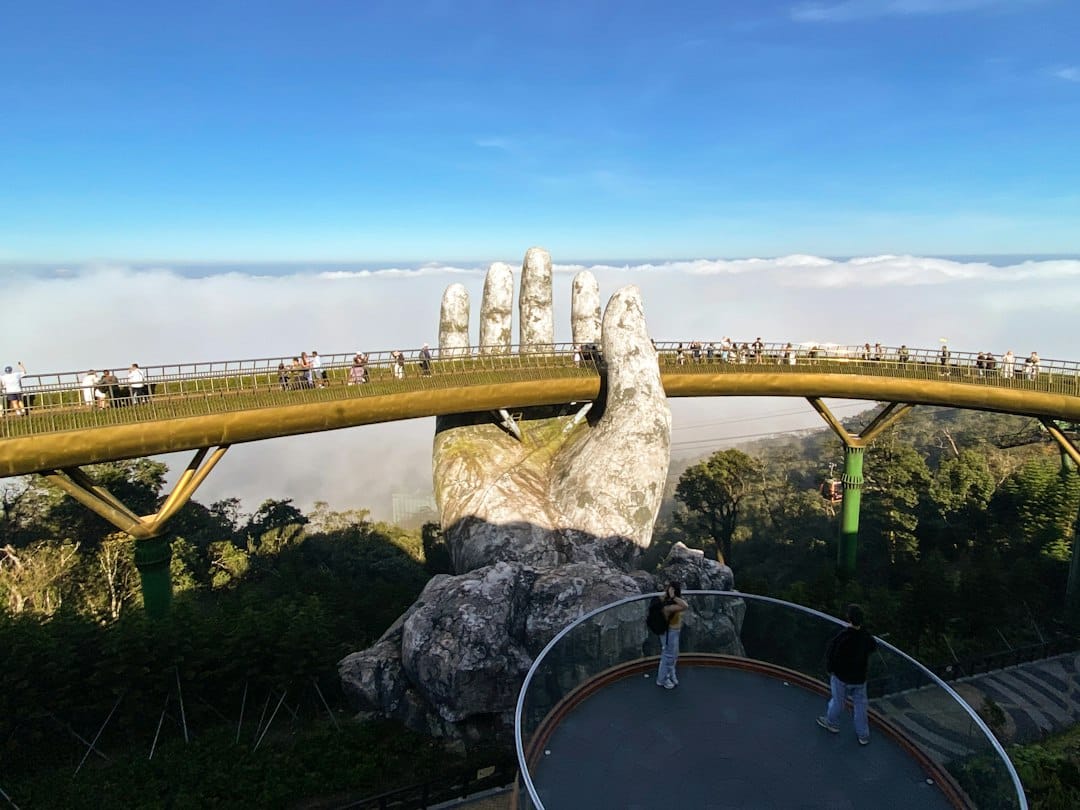
Insider tip: Take the first cable car up at 8:00 AM. The Golden Bridge is narrow and it clogs solid by 10:30, and the summit tends to cloud over by early afternoon — clear photos are a morning game. Budget a full day and bring a light layer; it can be 10°C cooler at the top than at the beach.
Dragon Bridge (Cầu Rồng)
A 666-metre steel dragon arcing over the Han River, and the single best free show in the city. On Friday, Saturday, and Sunday at 9:00 PM, the dragon's head breathes actual fire — several bursts over a couple of minutes — then follows it with jets of water. The whole thing runs about 15 minutes and it's completely free; the bridge itself is open around the clock.
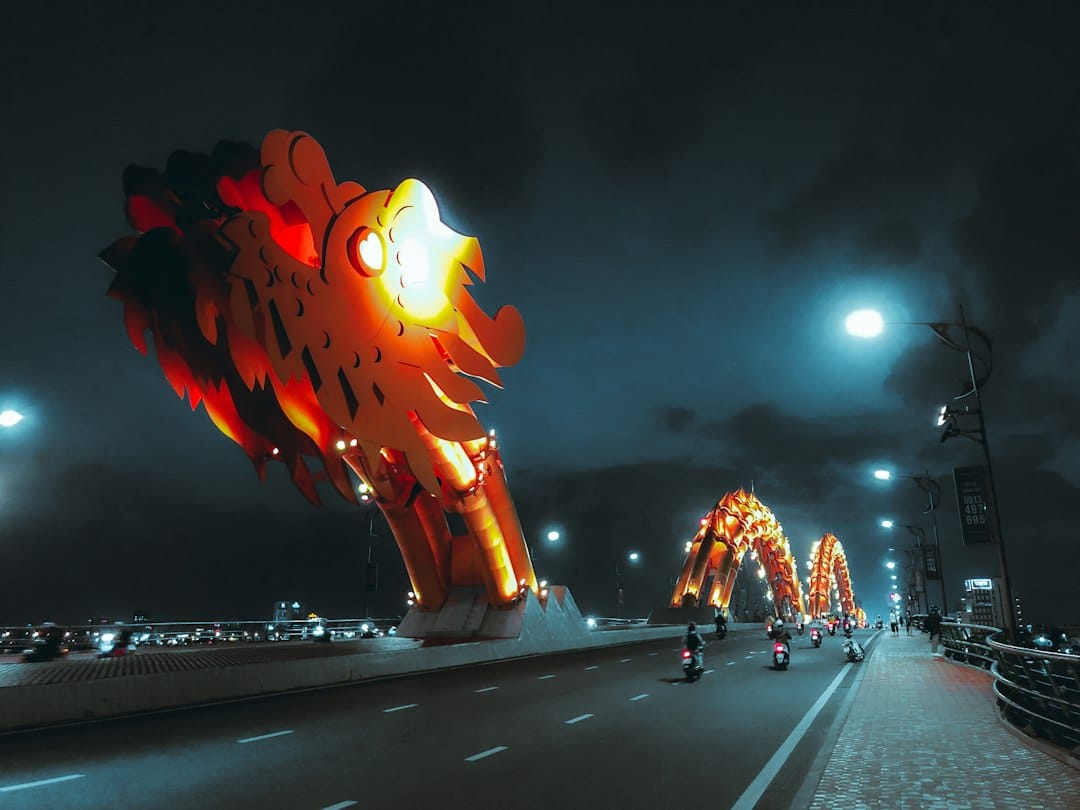
Insider tip: Stake out the Bạch Đằng Street riverside promenade on the west bank for a front-on view of the dragon's head, and get there by 8:30 to claim a spot. If you hate crowds, go on a Friday — it's noticeably calmer than the Saturday crush. Stand back from the head unless you want a free (warm) shower during the water phase.
Son Tra Peninsula & the Lady Buddha
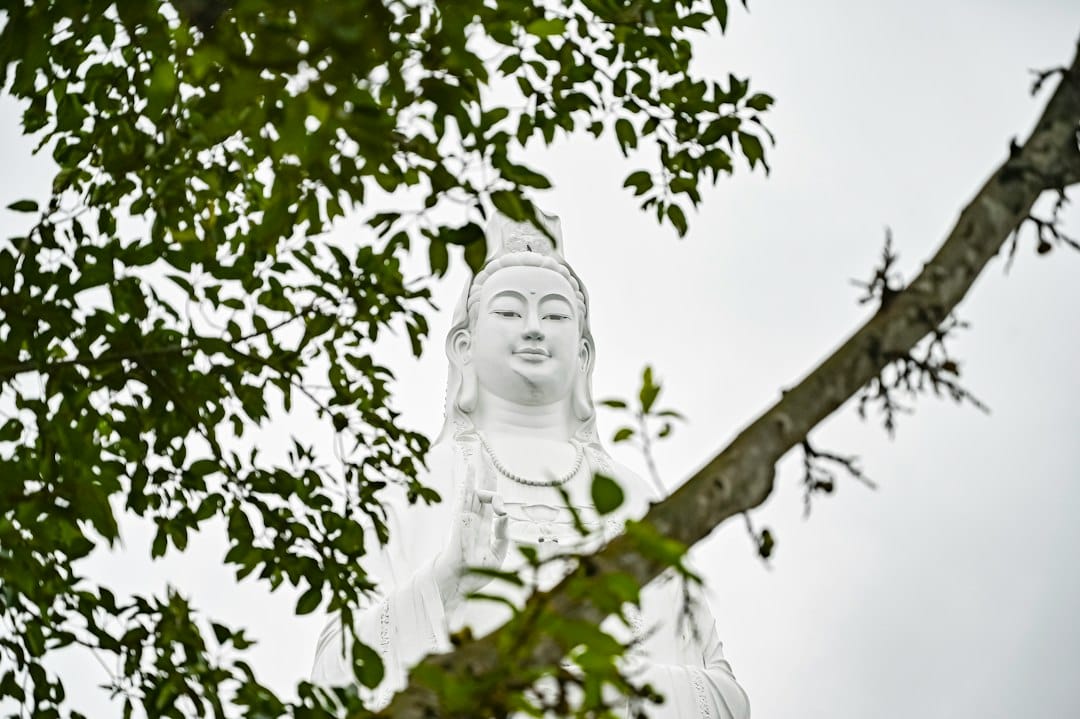
The green headland northeast of the city — nicknamed Monkey Mountain for the rare langurs that live in its forest — is where locals ride out for sunset. Its landmark is the Lady Buddha at Linh Ứng Pagoda: a 67-metre white statue of Quan Thế Âm (the tallest in Vietnam, about the height of a 30-storey building), standing on a lotus base and facing the sea. The pagoda grounds are free and open 6:00 AM–9:00 PM, roughly 10 km from the center. From the terrace you get the full sweep of Da Nang's coastline, with Cù Lao Chàm island off to one side and the Hải Vân headland on the other.
Insider tip: Rent a scooter and ride the peninsula's coastal loop in the late afternoon — the higher viewpoints past the pagoda are where the real payoff is. Dress modestly for the pagoda (shoulders and knees covered), and don't feed or crowd the monkeys near the road; they're wild and they bite.
My Khe Beach
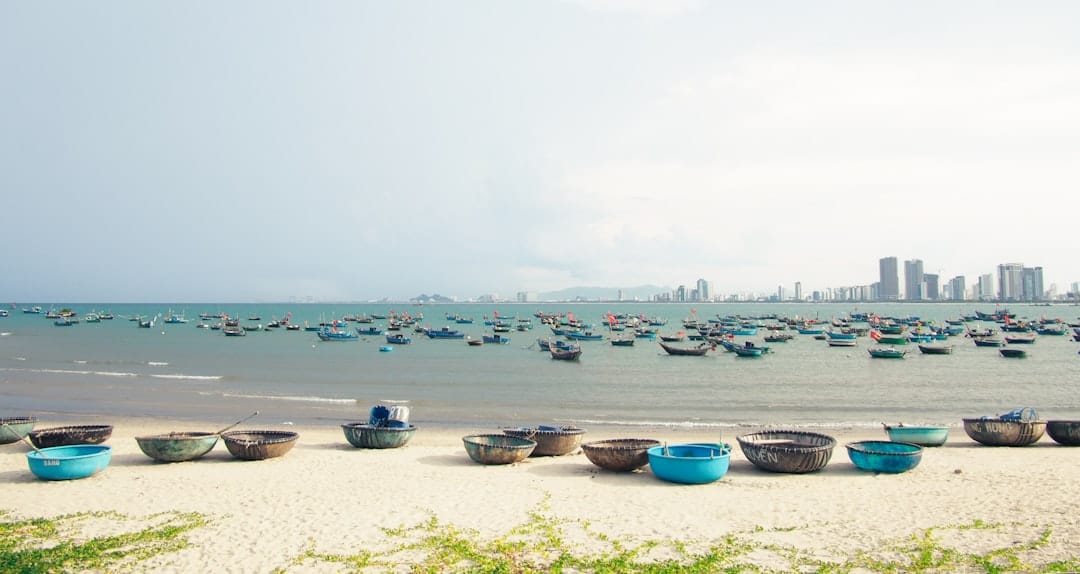
A long, wide arc of pale sand running south from the Son Tra headland — the stretch US troops nicknamed "China Beach" in the 1960s, now the everyday beach for the whole city. It's free, the sand is clean, and the water is warm and calm enough for actual swimming from roughly March through August. Lifeguard flags are posted, sun-lounger rentals run a few dollars, and the promenade behind it fills with joggers and families at dawn and dusk.
Insider tip: Locals swim early — 5:30–7:00 AM — to beat both the heat and the afternoon crowds, and it's genuinely the nicest time to be there. Swim between the flags; the same surf that makes this a decent bodyboarding beach also produces rip currents, and they're strongest in the shoulder months.
Museum of Cham Sculpture
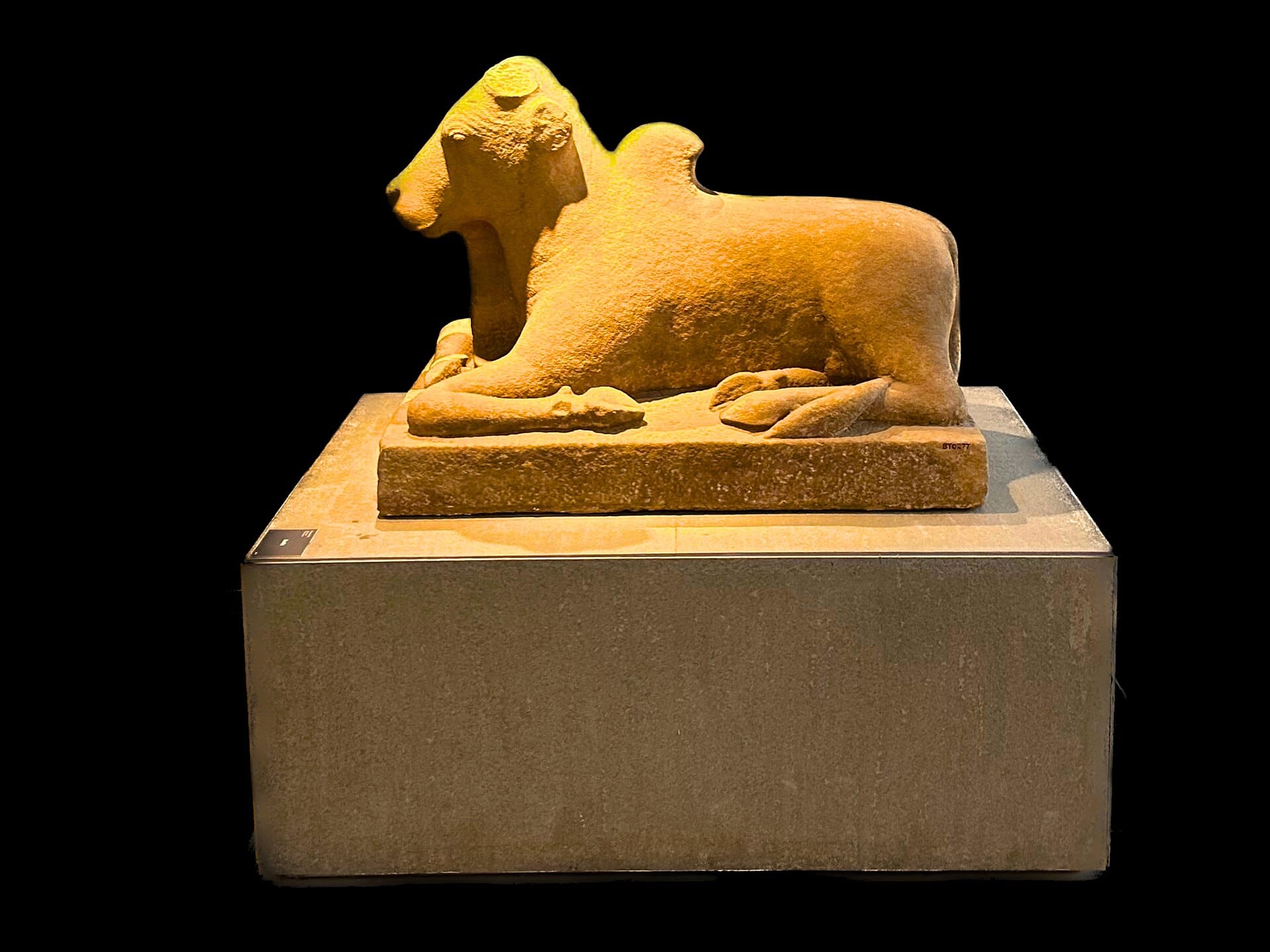
Small, air-conditioned, and the best hour of history in the city. Housed in an early-20th-century French colonial building near the river (opened in 1919), it holds the world's largest collection of Cham art — over 400 sandstone pieces from the Hindu Champa civilization that ruled central Vietnam from the 4th to the 15th centuries. The galleries are organized by the sites the works came from: My Son, Trà Kiệu, Đồng Dương, Tháp Mắm. Entry is 60,000 VND (~$2.35 / €2), open daily 7:30 AM–5:00 PM.
Insider tip: Go before a My Son day trip, not after — the museum's altar reliefs and dancing-Shiva pedestals give you the context that turns My Son's weathered brick towers from "old ruins" into something you can actually read. Grab the free audio guide via the QR codes at the entrance; the labels alone are thin.
Hải Vân Pass
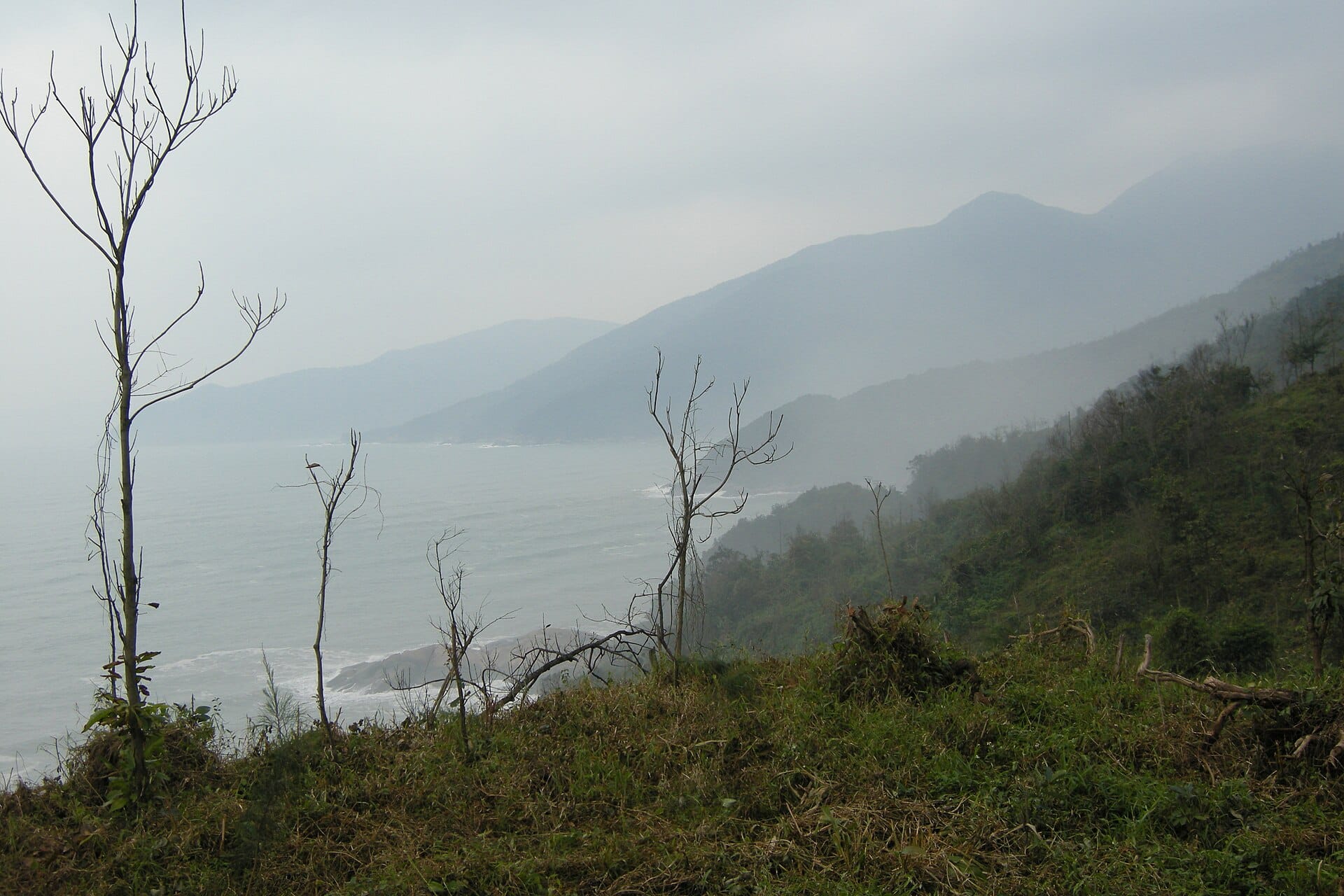
The 21-km mountain road that climbs to about 500 metres over the headland separating Da Nang from Lang Co and Hue — the one Top Gear famously called one of the best coast roads in the world. The switchbacks deliver serial ocean panoramas, and there's an old French-and-American-era fort at the summit (the Hải Vân Quan gate) to stop and climb. The pass itself is free; it sits about 20 km north of downtown.
Insider tip: If you're not a confident rider, don't self-drive the pass — book an "easy rider" tour where a local drives and you sit on the back (roughly $25–40 for a half-day). The traffic on the bends is unforgiving, and the fog the pass is named for ("Sea of Clouds") can drop visibility fast. Cars and buses now take the tunnel underneath, so the old road is refreshingly quiet.
Da Nang Cathedral (the Pink Church)
A candy-pink French Gothic church on Trần Phú Street, built in 1923–24 and topped with a rooster weathervane that earned it the local nickname Nhà thờ Con Gà — "Rooster Church." It's a five-minute walk from the Cham Museum and Hàn Market, entry is free, and it's a quick, photogenic stop rather than a long visit.
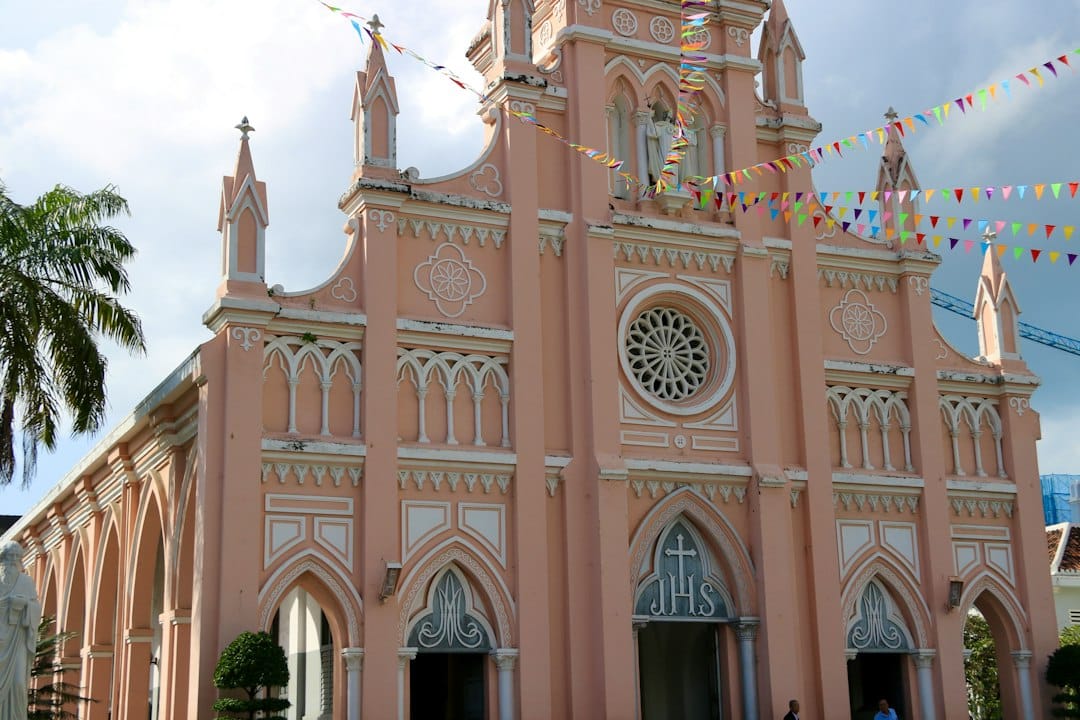
Insider tip: Visit on a weekday morning (8:00–11:30 AM or 1:30–4:30 PM) — the interior is closed to tourists on Sundays, when it's reserved for Mass. The best exterior photo is from across Trần Phú Street, where you can fit the whole tower and the rooster in frame.
🗓️ A 3-Day Itinerary
This plan keeps driving to a minimum by grouping attractions geographically. Adjust Day 1's evening to land on a Friday, Saturday, or Sunday if you can, so you catch the Dragon Bridge fire show.
Day 1 — River, culture, and the fire show
Start at the Museum of Cham Sculpture right at 7:30 AM opening (60,000 VND, ~90 minutes) while it's cool and empty. Walk five minutes to the Pink Church, then continue to Hàn Market for a browse. Lunch: a bowl of bún chả cá (fish-cake noodle soup) at Bún Chả Cá Bà Phiến — about 35,000 VND (~$1.40). Spend the hot early afternoon at My Khe Beach, then shower and head to the Bạch Đằng promenade by 8:30 PM for the Dragon Bridge show at 9:00. Dinner afterward in the An Thượng quarter behind the beach, where the walkable grid of restaurants and bars is at its best after dark. Estimated spend: ~$15–25 per person including food.
Day 2 — Marble Mountains and the peninsula
Grab a car to the Marble Mountains for 7:00 AM opening (~$5, 20 minutes; 40,000 VND entry plus optional elevator). Give it 2–3 hours, finishing before the buses. Head back toward the coast for a mid-morning coffee, then a seafood lunch on the My Khe strip. In the afternoon, rent a scooter (or take a Grab) out to Son Tra Peninsula: the Lady Buddha at Linh Ứng Pagoda first, then ride the higher coastal viewpoints for sunset. Back in town, dinner is grilled seafood or nem lụi (lemongrass pork skewers) — around 8,000 VND per skewer. Estimated spend: ~$20–35 per person including scooter and food.
Day 3 — Ba Na Hills (or the Hải Vân Pass)
Dedicate the day to Ba Na Hills and the Golden Bridge: leave by 7:30 AM for the roughly 45-minute drive, catch the first cable car at 8:00, and beat the crowds onto the bridge before 10:00 (950,000 VND, ~$37). You'll be back in the city by mid-afternoon for a final beach swim. Prefer scenery over theme parks? Swap in the Hải Vân Pass instead — a half-day easy-rider tour (~$25–40) that can loop in the Lang Co lagoon and the summit fort. Either way, close the trip with bánh xèo at Bánh Xèo Bà Dưỡng (280/23 Hoàng Diệu, a Michelin Guide listing) and a bowl of durian chè at Chè Liên, 189 Hoàng Diệu, for about 25,000 VND. Estimated spend: ~$40–55 per person for the Ba Na day.
🧠 Essential Tips
When to go
The sweet spot is March to May: warm, dry, temperatures climbing from the low 20s to around 30°C, calm seas, and the beach at its best before the summer heat and prices peak. June to August is high season — hotter (28–35°C), busier, and pricier, with brief afternoon downpours. Avoid September to November if you can: this is central Vietnam's rainy and typhoon season, with heavy downpours, rough seas, and the real chance of a washed-out day. One date to watch: the Da Nang International Fireworks Festival (DIFF) runs across roughly April to June, and while the shows over the Han River are spectacular, hotel prices in that window can jump 60–100%.
Getting around
Da Nang International Airport (DAD) is only about 3 km from the center, so transfers are quick and cheap. Skip the freelance "taxi" touts at the exit — they charge three to four times the going rate — and instead order a car through an app or use the official rank. Locals rely on Grab (the default, with an English app), Xanh SM (VinFast's electric taxis, clean and metered fairly), and Be as a backup. A GrabCar from the airport to a beach hotel runs about 50,000–70,000 VND plus a 30,000 VND airport fee (~$3–4 all-in); a GrabBike is 30,000–50,000. For freedom, rent a scooter: a semi-automatic Honda Wave is about 120,000–150,000 VND/day (~$5–6), a bigger automatic PCX 300,000–400,000 (~$12–16). You need an appropriate license and a helmet, and traffic is faster and looser than it looks.
Staying safe
Da Nang is one of Vietnam's safest cities for visitors, and violent crime against tourists is rare. The realistic risks are small: the airport taxi overcharge above, occasional bag-snatching from a passing motorbike (keep phones off the table at riverside cafés and bags on the inland shoulder when walking), and the water itself. My Khe's rip currents are the genuine hazard here — swim between the lifeguard flags and get out if you feel dragged sideways, especially in the shoulder-season swell. On scooters, ride defensively and don't drink and ride; police checks are routine and foreign riders are an easy target for fines.
Eating well
Da Nang's signature dish is mì Quảng — turmeric-yellow flat rice noodles in just a splash of rich broth, topped with shrimp, pork or chicken, peanuts, and a shard of grilled rice cracker. Beyond that, work through bánh xèo (crackling turmeric pancakes) at Bánh Xèo Bà Dưỡng, bún chả cá (fish-cake noodle soup) at Bà Phiến, cơm gà (chicken rice, around 80,000 VND at spots like Cơm Gà Gia Vinh), and gỏi cá Nam Ô (a punchy raw-fish salad from the fishing village on the city's northern edge, best at Quán Cô Hồng). Finish with chè (sweet soup) at Chè Liên. Fresh seafood is everywhere along the My Khe strip — pick by the tank and pay by weight.
🏨 Accommodation Guide
Where you sleep in Da Nang comes down to a simple trade: beach access versus city life, and the two main zones are only a bridge apart.
Budget (roughly $12–35/night): Base yourself in Hải Châu, the riverside city center, where guesthouses and hostels are cheapest and you're walking distance from the markets, the cathedral, and the Dragon Bridge. The An Thượng quarter just behind My Khe also has dorm beds and budget guesthouses, with the bonus of being able to walk to the beach and to dozens of restaurants.
Mid-range (roughly $40–120/night): The My Khe / My An beachfront strip is the obvious pick — dozens of modern hotels a short walk from the sand, many with rooftop pools and sea-view rooms at prices that would be a fantasy on most beaches this good. An Thượng mid-range apartment-style stays are ideal if you want a kitchen and nightlife on your doorstep.
Luxury (roughly $200–500+/night): The five-star resorts cluster on the quieter beaches — the Son Tra Peninsula and the Non Nước beaches south of the Marble Mountains. The standout is the InterContinental Danang Sun Peninsula Resort, a Bill Bensley-designed hillside property on Son Tra with its own funicular down to a private cove. The long-established Furama Resort and the all-villa TIA Wellness Resort anchor the southern beach strip.
🎭 Beyond the Tourist Trail
Once you've done the headline sights, the city rewards a little wandering. The An Thượng quarter is Da Nang's genuine expat-and-nomad hub — a grid of lanes behind My Khe packed with specialty-coffee roasters, co-working spaces, craft-beer bars, and small kitchens serving everything from Vietnamese to Korean to Neapolitan pizza. It's where you'll find the city's actual evening scene, minus the tour groups.
For a slower morning, ride out to Nam Ô, a working fishing village on the northern edge of the city where the raw-fish salad (gỏi cá) was invented; there's a quiet forest and a small reef nearby, and it feels a world away from the beach hotels. And if your visit lands in the April–June window, the Da Nang International Fireworks Festival turns the Han River into a competition arena, with teams from different countries staging elaborate synchronized shows on successive weekend nights — book a riverside table early, because the promenade fills fast.
Serious day-trippers should remember what makes Da Nang's location unbeatable: Hội An's lantern-lit old town is 45 minutes south, and the My Son Cham ruins (the ones the Cham Museum contextualizes) are about 90 minutes southwest. Both are UNESCO World Heritage Sites, and both are easy self-contained day trips from a Da Nang base.
❤️ Plan Your Da Nang Trip with VoyaBear
Da Nang packs a lot into a small footprint — a swimmable coastline, mountain caves, a fire-breathing bridge, world-class noodles, and two UNESCO sites within arm's reach — but stitching the timing together (which day for Ba Na Hills, when the Dragon Bridge actually breathes fire, how to dodge the typhoon season) is where a good plan pays off. VoyaBear builds personalized, day-by-day itineraries tuned to your dates, your pace, and your budget, with the bookable details already sorted. Tell us when you're going and what you're into, and we'll map out your Da Nang trip — beaches, mountains, noodles, and all. Start planning with VoyaBear today.
Want this as an actual itinerary?
VoyaBear turns a guide like this into a day-by-day plan built around how you travel.
Plan my trip free