Dubrovnik 2026: The Complete Guide to Croatia's Walled City
19 October 2026 · 15 min read

Dubrovnik packs a UNESCO-listed walled city, a 1,940-metre circuit of medieval ramparts, and swimmable Adriatic water into a peninsula you can cross on foot in ten minutes. The catch is that roughly 1.3 million other people have the same idea each year, and on a bad summer morning three or four cruise ships can dump 5,000 to 8,000 day-trippers onto the limestone Stradun between 9am and 4pm. The city rewards anyone willing to work around that: walk the walls at 8am before the groups land, come in late May or late September instead of August, and sleep outside the Old Town where a bed costs a third of what it does inside the gates. This guide is built around those trade-offs — real prices in 2026 euros and US dollars, the exact fares, and the hours that matter.
🏙️ Essential Experiences
Walk the City Walls — the one thing you cannot skip
The walls run roughly 1,940 metres around the Old Town, up to 25 metres high and six metres thick in places, and the full anticlockwise loop takes 1.5 to 2 hours with photo stops. The adult ticket is €40 (about $43) in high season, dropping to €15 (about $16) from November to February — steep, but it also covers Fort Lovrijenac and the western outer wall, and the same ticket stays valid for three days. Start at the Pile Gate entrance so the long climb up to the Minčeta Tower, the circuit's highest point, comes near the end rather than the beginning. There is almost no shade up there, so midday in July is a slow-roast.
Insider tip: Be at the gate for the 8am opening (summer hours run to about 7:30pm) or go in the last two hours before closing — tour groups flood in from around 10am. If the Pile queue is long, walk to the quieter Chapel of St Luke entrance near the Old Port instead. Check how many cruise ships are in port that morning before you commit to a time.

Ride the cable car up Mount Srđ
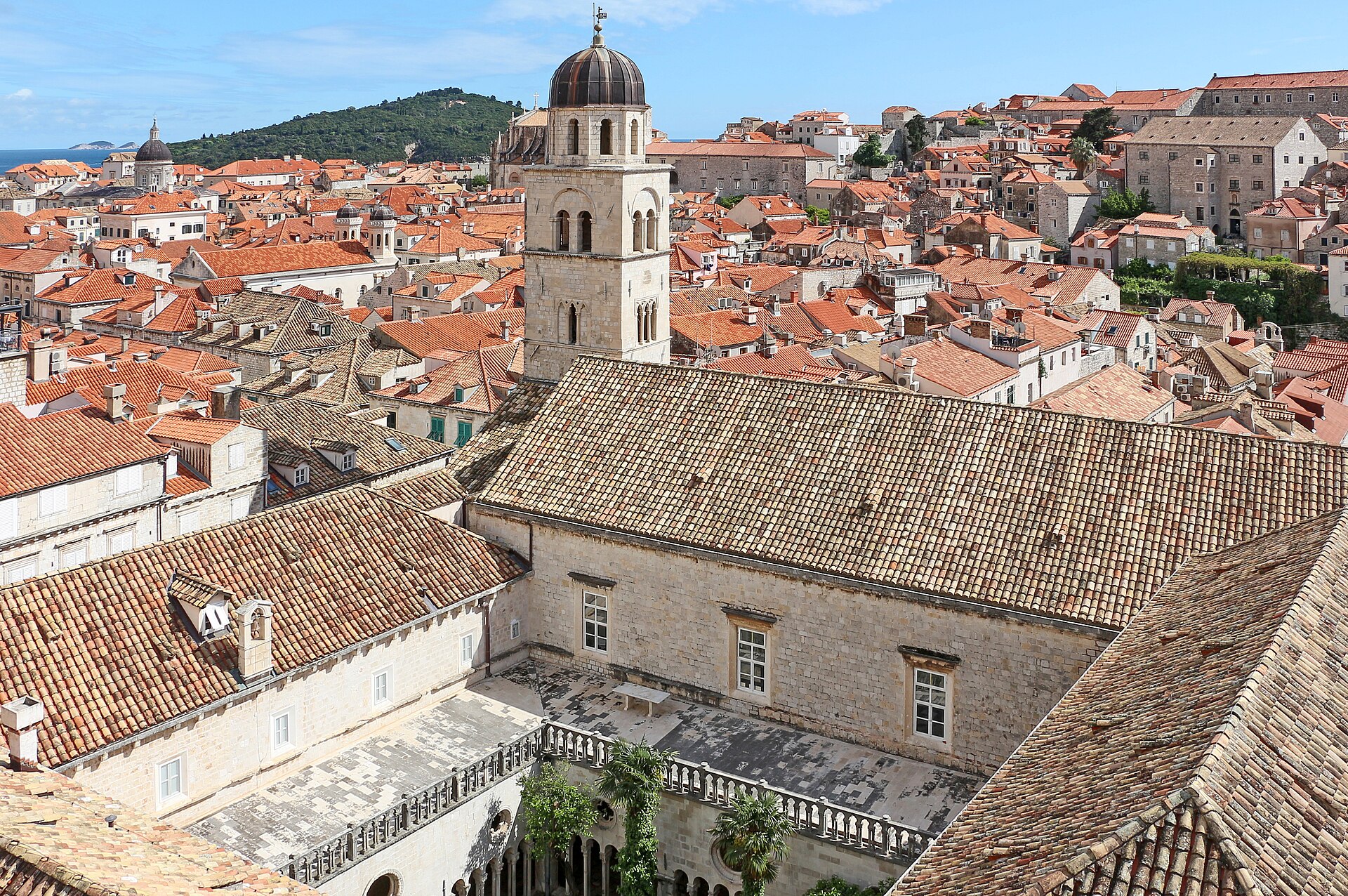
The cable car climbs 405 metres to the top of Mount Srđ in about four minutes, and the view down over the red-tiled Old Town with Lokrum island floating behind it is the one on every Dubrovnik postcard. A return ticket is around €27 (about $29) for adults; one-way is roughly €20 (about $22) if you plan to hike down the switchback trail. In summer it runs 9am to 11pm, so going up for sunset and riding down in the dark is entirely doable.
Insider tip: At the top, skip the overpriced Panorama restaurant for a drink and walk instead to Fort Imperijal, the Napoleonic-era fort from 1810 that now houses the "Dubrovnik in the Homeland War" museum — it's a sober, concrete account of the 1991–92 siege that most visitors miss entirely. Come up around 6pm in summer to beat the sunset crowd at the viewing terrace.

Stroll the Stradun and the Old Town core
The Stradun (officially Placa) is the 300-metre limestone main street running from the Pile Gate to the Old Port, polished to a shine by five centuries of feet. It's free, it's the spine you'll cross a dozen times, and the stone genuinely glows at dawn and after rain. At the Pile end stands the Large Onofrio's Fountain, a 16-sided domed cistern finished in 1438 that still runs drinkable water — fill your bottle here. At the far end sit Luža Square, Orlando's Column, the Sponza Palace, and the Baroque St Blaise Church, named for the city's patron saint.
Insider tip: Walk the Stradun at 7am or after 9pm and you'll have near-empty stone to yourself. For a morning errand that doubles as sightseeing, head one block south to Gundulić Square, where a small open-air market sells Konavle oranges, dried figs, lavender, and candied orange peel most mornings until early afternoon.

See the Franciscan Monastery and one of the world's oldest pharmacies
Just inside the Pile Gate, the Franciscan Monastery holds a working pharmacy founded in 1317 — one of the oldest continuously operating pharmacies anywhere, still dispensing today behind a small museum of antique majolica jars, mortars, and hand-written ledgers. Entry to the monastery complex and its museum is €10 (about $11) for adults. The real prize is the 14th-century cloister: a double colonnade of slender columns, each capital carved differently, around a quiet garden — a genuine pocket of silence a few metres off the busiest street in the city.
Insider tip: Hours are roughly 9am–6pm in the warm months and 9am–2pm in winter, with last entry 30 minutes before close. Go first thing; by late morning the cloister fills with tour groups being herded through in five minutes flat. It's closed on Christmas Day, New Year's Day, and St Blaise Day (3 February).
Step inside the Rector's Palace
For four centuries the elected Rector of the Dubrovnik Republic ran the city from this Gothic-Renaissance palace off Luža Square — and by law could not leave the building during his one-month term. The arcaded courtyard with its carved capitals is one of the finest pieces of architecture in the city, and the rooms upstairs are now the Cultural History Museum, furnished with period pieces, portraits, and the original keys to the city gates. Adult entry is €15 (about $16).
Insider tip: If you plan to visit more than one museum, buy the combined 10-museum ticket for €20 (about $22) instead — it covers the Rector's Palace plus nine other sites including the Maritime Museum and the Ethnographic Museum Rupe, and pays for itself on the second stop. The palace runs 9am–6pm April to October.

Take the boat to Lokrum Island
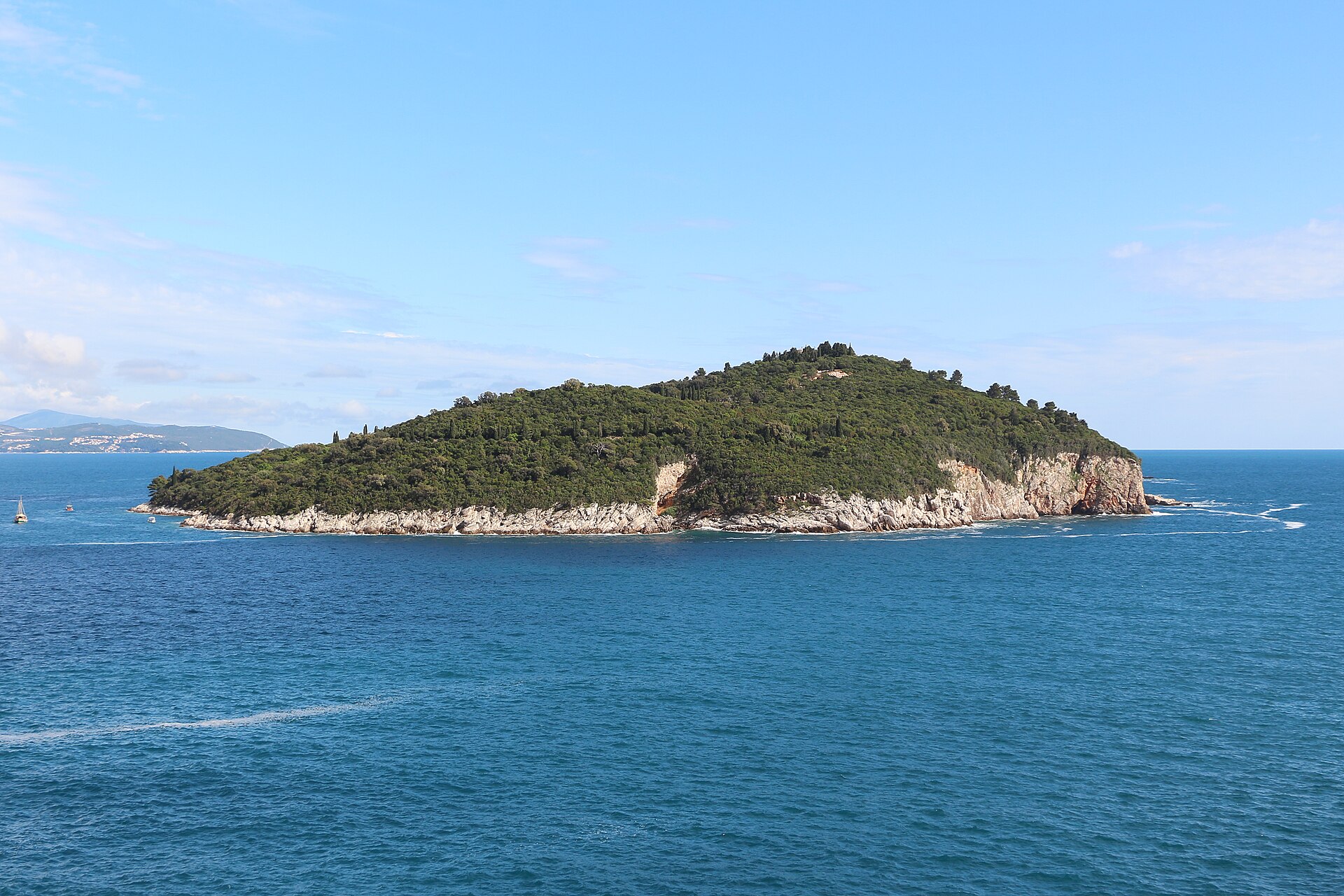
Lokrum is a forested nature reserve 600 metres off the Old Port — close enough to see from the walls, far enough to feel like an escape. The round-trip boat from the Luža pier costs €30 (about $32) for adults, which bundles the 15-minute crossing with the reserve entry fee; in summer boats leave every 15 to 30 minutes from 9am to 7pm. On the island you'll find a botanical garden planted by Austria's Archduke Maximilian in the 1860s, free-roaming peacocks descended from his original pair, the ruins of a Benedictine monastery founded in 1023, and a small, warm saltwater lake called the Dead Sea (Mrtvo More) that's calm enough for a lazy swim.
Insider tip: There's a replica of the Game of Thrones Iron Throne tucked inside the monastery complex — Lokrum doubled as the city of Qarth in Season 2 — and the queue for a photo is shortest if you head there straight off the first morning boat. Bring water and a picnic; the island's handful of cafés are pricey and slow.
Climb to Fort Lovrijenac — the "Gibraltar of Dubrovnik"
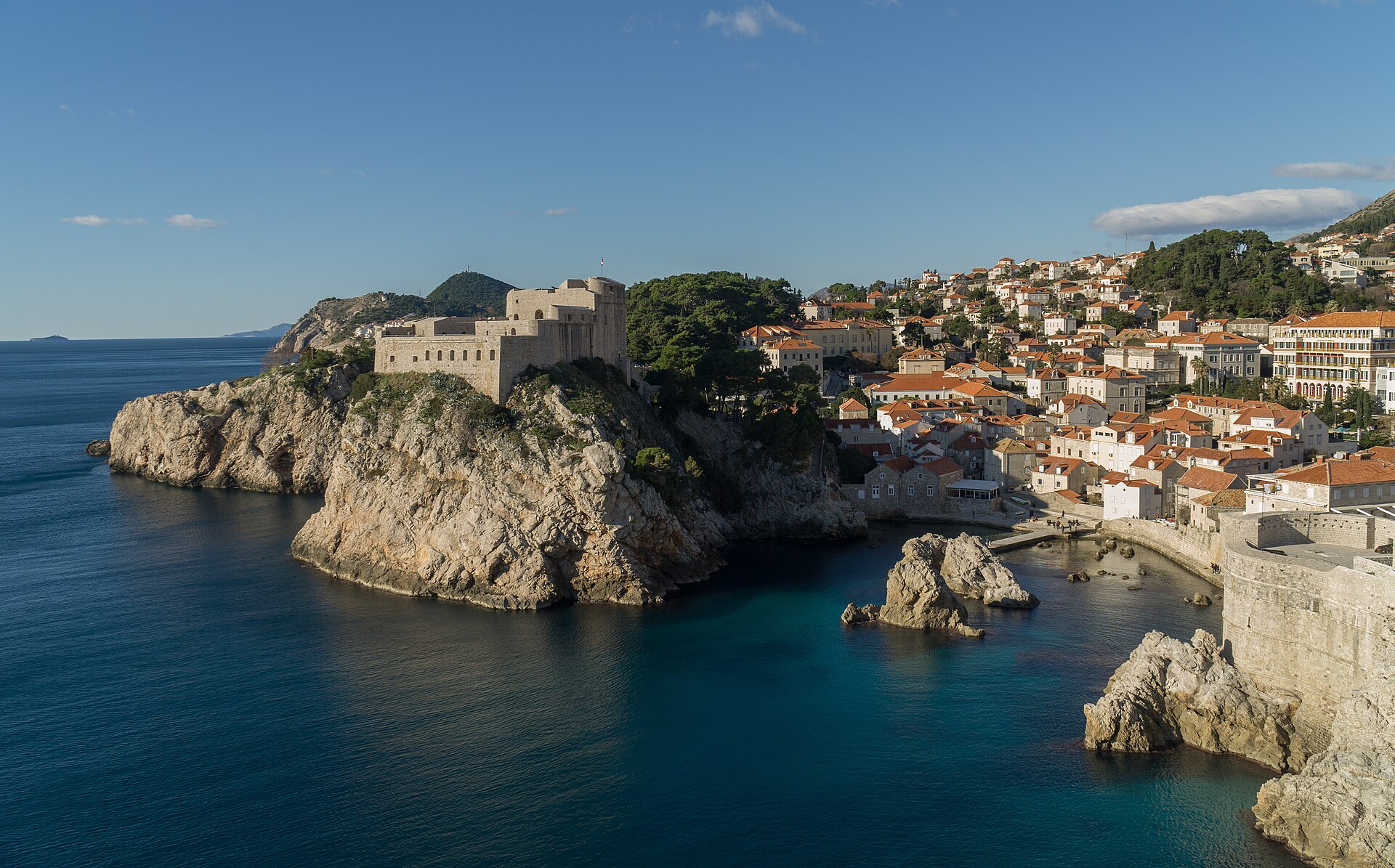
Perched on a sheer 37-metre rock just west of the Pile Gate, Fort Lovrijenac guarded the city's landward and sea approaches and carries the inscription "Non bene pro toto libertas venditur auro" — liberty is not sold for all the gold in the world. Game of Thrones fans will recognise it instantly: it stood in for the Red Keep, including Joffrey's name-day tourney and Cersei's "power is power" scene. Your €40 City Walls ticket already includes entry, so there's no reason to skip the steep staircase up.
Insider tip: The views back at the city walls from Lovrijenac's ramparts are better than most of the views from the walls themselves, and the fort is almost always quieter. In July and August it also hosts open-air theatre — Shakespeare's Hamlet has been staged here for decades during the summer festival. Go late afternoon for soft light on the stone.
Confront the siege at War Photo Limited
Hidden on Antuninska 6, a narrow lane off the Stradun, this is the most serious thing you can do indoors in Dubrovnik. The permanent second-floor collection documents the 1990s Yugoslav Wars through the lenses of photographers like Ron Haviv and the late Yannis Behrakis; the ground floor rotates exhibitions on conflicts elsewhere. Entry is around €10 (about $11). It's open roughly 10am–10pm May to September and closed entirely from November to March. The content is graphic — not for young children — but it's the clearest counterweight to the city's holiday gloss.
🗓️ A Three-Day Itinerary
Day 1 — The Old Town on foot
Start at the 8am City Walls opening (€40 / $43) and do the full loop before the heat and the groups arrive — budget two hours. Drop back down and refill your bottle at Onofrio's Fountain, then walk the length of the Stradun to Luža Square (free). Duck into the Franciscan Monastery and pharmacy (€10 / $11, five minutes' walk) while it's still quiet, then the Rector's Palace (€15 / $16, two minutes away). Lunch on grilled fish at Lady Pi-Pi in the upper town. In the late afternoon, find Buža Bar through the hole in the southern wall for a drink on the rocks as the light drops. Day's sightseeing cost: about €65 / $70.
Day 2 — Sea and heights
Catch an early boat to Lokrum from the Old Port (€30 / $32 round trip, 15 minutes) and spend the morning among the peacocks, the Benedictine ruins, and a swim in the Dead Sea lake. Back by early afternoon, grab a late lunch of black risotto or buzara shellfish near the port. In the evening, ride the cable car up Mount Srđ (€27 / $29 return, four minutes) for sunset, with a stop at the Homeland War museum in Fort Imperijal. Day's cost: about €57 / $61 plus food and drinks.
Day 3 — Forts, photos, and a day trip
Spend the morning at Fort Lovrijenac (already on your walls ticket) and then War Photo Limited (€10 / $11) for contrast. In the afternoon, take a bus or drive up the coast to Ston (about 55 km, one hour via the Pelješac Bridge) to walk a stretch of Europe's second-longest defensive walls (€5 / $5 entry) and eat Mali Ston oysters straight from the bay at €1.50–3 each. If you'd rather stay put, the pebble Banje Beach just east of the Ploče Gate has the classic view back at the walled city.
🧠 Essential Tips
When to go
The sweet spots are late May, early June, September, and early October. May averages 22°C with an 18°C sea and accommodation running 25–35% cheaper than the July–August peak. September is the pick for swimmers: air around 27°C and the sea at its warmest, roughly 24°C, with crowds thinning noticeably from the third week. July and August bring the biggest crowds, highest prices, and relentless sun on the shadeless walls. Cruise ships cluster Tuesday to Thursday in peak season, so a Saturday or Sunday can be quieter than a midweek day. If you can only come in summer, book beds and sunset-view restaurant tables two to seven days ahead.
Getting in from the airport
Dubrovnik Airport (DBV) sits about 20 km southeast of the city at Čilipi. The Platanus airport shuttle is the cheap, simple option: €10 (about $11) one-way, €15 (about $16) for an open return, 30–40 minutes to the Pile Gate (add 15–20 minutes in peak-summer traffic). A fixed-tariff taxi runs €35–55 (about $38–59) and takes 25–35 minutes; Uber and Bolt both operate here and are often cheaper than a street taxi.
Getting around
The Old Town is car-free and walkable end to end in ten minutes, so you'll mostly be on foot. For everything outside the walls, the orange Libertas city buses are the move: a single ticket is €1.73 (about $1.87) from a Tisak kiosk or Libertas booth, but €2.50 (about $2.70) if you buy from the driver, so stock up at a kiosk. Lines 1A, 1B, and 3 connect the Pile Gate with the Gruž ferry and bus terminal; line 4 runs out to Lapad; line 6 continues to Babin Kuk. Bolt and Uber fill the gaps late at night.
Safety and the real scams
Dubrovnik is very safe for violent crime — the genuine risks are to your wallet and your ankles. The polished Stradun and wall steps get slippery after rain, so wear grippy shoes. Watch for restaurants near the Stradun with no prices on the menu or a vague "fish by the kilo" line — ask the exact weight and price before you order, or you'll get a shock when a "small" sea bass arrives billed at 900 grams. Confirm the taxi fare or make sure the meter is running before you pull away from the airport or Gruž. And drink the tap water: it's piped from the Dubrovnik hinterland and perfectly good, so skip the €3 bottles.
Food worth seeking out
Dalmatian cooking here leans on the sea and the Pelješac vineyards. Order crni rižot (black cuttlefish-ink risotto), buzara (mussels or prawns in garlic, white wine, and parsley), and Ston oysters from Mali Ston Bay. Finish with rožata, the local caramel custard flavoured with rose liqueur. For splurges, Restaurant 360 holds the city's Michelin star and looks out over the Old Port; Nautika does classic waterfront seafood by Fort Lovrijenac; and Proto is the old-school address for salt-baked fish. For oysters without the ceremony, Oyster & Sushi Bar Bota near the cathedral and the no-frills Kamenice on Gundulić Square both do the job.
🏨 Accommodation Guide
Budget (€60–120 / $65–130 a night): Sleep in Gruž, the working port district where the ferries and buses run. It's the least atmospheric corner but the cheapest and best-connected — beds from around €60, and a 10-minute bus to the Pile Gate. Backpackers also find dorms and guesthouses up in the hillside streets above the Old Town.
Mid-range (€100–250 / $110–270 a night): Lapad is the value sweet spot — a resort-style peninsula with pebble beaches, a car-free seaside promenade, and solid three- and four-star hotels from about €80–200, a 15–20 minute bus from the walls. Babin Kuk next door is quieter and family-oriented, with Copacabana Beach and bigger resort hotels at €100–250. Pile, five minutes' walk west of the Old Town, puts you near the action without Old Town prices (around €120–300); the Hilton Imperial anchors this strip.
Luxury (€250–600+ / $270–650+ a night): Ploče, the headland just east of the Old Town, is where the grand hotels and their sea-view terraces sit — Villa Dubrovnik, Hotel Excelsior, and the Grand Villa Argentina — with Banje Beach at the foot of the hill. To actually sleep inside the walls, the few Old Town boutique hotels (such as the Stari Grad) run €150 to well over €500; you trade easy car access and quiet nights for waking up on the Stradun.
🎭 Beyond the Tourist Trail
Most visitors never leave the peninsula, which is exactly why you should. Gruž, the port the budget crowd sleeps in, has quietly become the city's most interesting eating-and-drinking quarter: the morning fish-and-produce market along the waterfront is where locals actually shop, and the old Lazareti — the Republic's 17th-century quarantine complex just east of the Ploče Gate — now runs as an arts and nightlife space with studios, gigs, and club nights.
For a proper day out, the Pelješac Peninsula an hour north rewards a rental car: walk the 5.5-km Ston walls (built by the Ragusan Republic between 1333 and 1506 to guard its salt pans), slurp oysters at Mali Ston for a couple of euros each, and taste the big reds — Plavac Mali, Dingač, Postup — at small wineries like Matuško in Potomje, where €10–20 buys a flight of three to five pours. Book tastings ahead; these are family cellars, not visitor centres.
Time your visit to mid-July through late August and you'll catch the Dubrovnik Summer Festival (10 July–25 August in 2026), a 70-year-old program of theatre, classical music, dance, and opera staged against the actual city walls, in Baroque palace courtyards, and on the ramparts of Fort Lovrijenac — Hamlet performed where Cersei once schemed, under the open sky.
❤️ Plan Your Dubrovnik Trip with VoyaBear
Dubrovnik rewards good timing more than almost any city in Europe — the difference between an 8am wall walk and an 11am one, or a late-May bed and an August one, is the difference between loving the place and merely surviving it. That's exactly the kind of thing VoyaBear is built to get right. Tell us how many days you have, whether you're here for the forts, the swimming, the Game of Thrones trail, or the oysters, and we'll build you a day-by-day plan with the real opening hours, the ferry times, and the quiet windows already worked in. Start planning your Dubrovnik trip with VoyaBear today — and spend your mornings on the walls instead of in a queue.
Want this as an actual itinerary?
VoyaBear turns a guide like this into a day-by-day plan built around how you travel.
Plan my trip free