Edinburgh 2026: The Complete Travel Guide
13 November 2026 · 19 min read

Edinburgh is a city built on an extinct volcano, which tells you most of what you need to know: the geography does half the work. A castle sits on a plug of 340-million-year-old rock, a medieval Old Town tumbles down the ridge behind it in a tangle of stone tenements and narrow closes, and a precise Georgian New Town spreads out below in grids and crescents. The two halves are a ten-minute walk apart and a few centuries apart in character. Add a 251-metre hill you can climb from the city centre and a whisky distillery on almost every corner, and you have a capital that rewards wandering more than planning. This guide keeps the planning tight so you can get on with the wandering.
💡 Quick Answer: Edinburgh at a Glance
The essentials for planning an Edinburgh trip in 2026, with verified 2026 prices.
- How many days do you need? Three. Two for the Old Town and castle, one for Arthur's Seat, Dean Village and Leith.
- Best time to visit? Late May to early June or September for mild weather, long days and lower prices; August for the festivals if you can handle crowds.
- Book ahead: Edinburgh Castle (£23.50 online), the Royal Yacht Britannia (£23 online) and The Real Mary's King Close (from £28.50) all sell timed slots that fill in summer.
- Airport to centre: Tram to St Andrew Square, ~35 min, £7.50; or Airlink 100 bus to Waverley Bridge, ~30 min, £5.50, running 24 hours.
- Getting around: Walk. For longer hops, a Lothian bus single is £2.20, a DAYticket £5.50; tap contactless and the daily fare caps itself.
- Daily budget: Around £120 to £180 a day mid-range (dorm bed from £30, mid-range double £120 to £220, meals and two or three paid sights).
- Top safety note: Watch for pickpockets in festival crowds on the Royal Mile and wear grippy shoes for wet cobbles and Arthur's Seat.
🏰 The Best Things to Do in Edinburgh
Edinburgh Castle
You cannot avoid it and you shouldn't try. The castle dominates the skyline from almost everywhere in the centre, and up close it delivers more than a view. Inside are the Honours of Scotland (the oldest crown jewels in Britain), the Stone of Destiny on which Scottish and English monarchs were crowned, and St Margaret's Chapel, built around 1130 and the oldest surviving building in the city. Time your visit for the One O'Clock Gun, fired from the Mills Mount Battery at 1pm every day except Sunday, Good Friday and Christmas Day; the crowd flinches every time. An adult ticket is £23.50 online, £26 at the gate (about $31.50 / €27). Book the earliest slot after the 9.30am opening and you'll have the Crown Jewels nearly to yourself before the tour buses arrive.

The Royal Mile and The Real Mary's King Close
The Royal Mile runs downhill from the castle to Holyrood, and it is both the spine of the Old Town and its biggest tourist trap, so treat the main drag as a corridor and dive into the closes (the narrow alleys) off either side. The best of them is below ground: The Real Mary's King Close is a warren of 17th-century streets sealed up and built over, now open as a guided tour through rooms where people actually lived and died during the plague. Tours run from £28.50 for an adult (about $38 / €33), last an hour, and sell out, so book a slot rather than turning up. Above ground, duck down Victoria Street, the curved, candy-coloured row widely cited as an inspiration for Harry Potter's Diagon Alley.

Arthur's Seat
The best view in Edinburgh is free and you have to earn it. Arthur's Seat is the 251-metre summit of an extinct volcano inside Holyrood Park, a 20-minute walk from the Royal Mile, and from the top you get the whole city, the Firth of Forth and, on a clear day, the hills of Fife. The straightforward route from the Holyrood car park takes about 45 minutes up; the longer loop past Salisbury Crags is better scenery. Wear real shoes, not trainers with worn soles, because the grass is slick when wet and it is almost always wet. Go at sunrise or sunset if you can, and check the forecast, as the wind up there is a different animal from the street below.

The Palace of Holyroodhouse
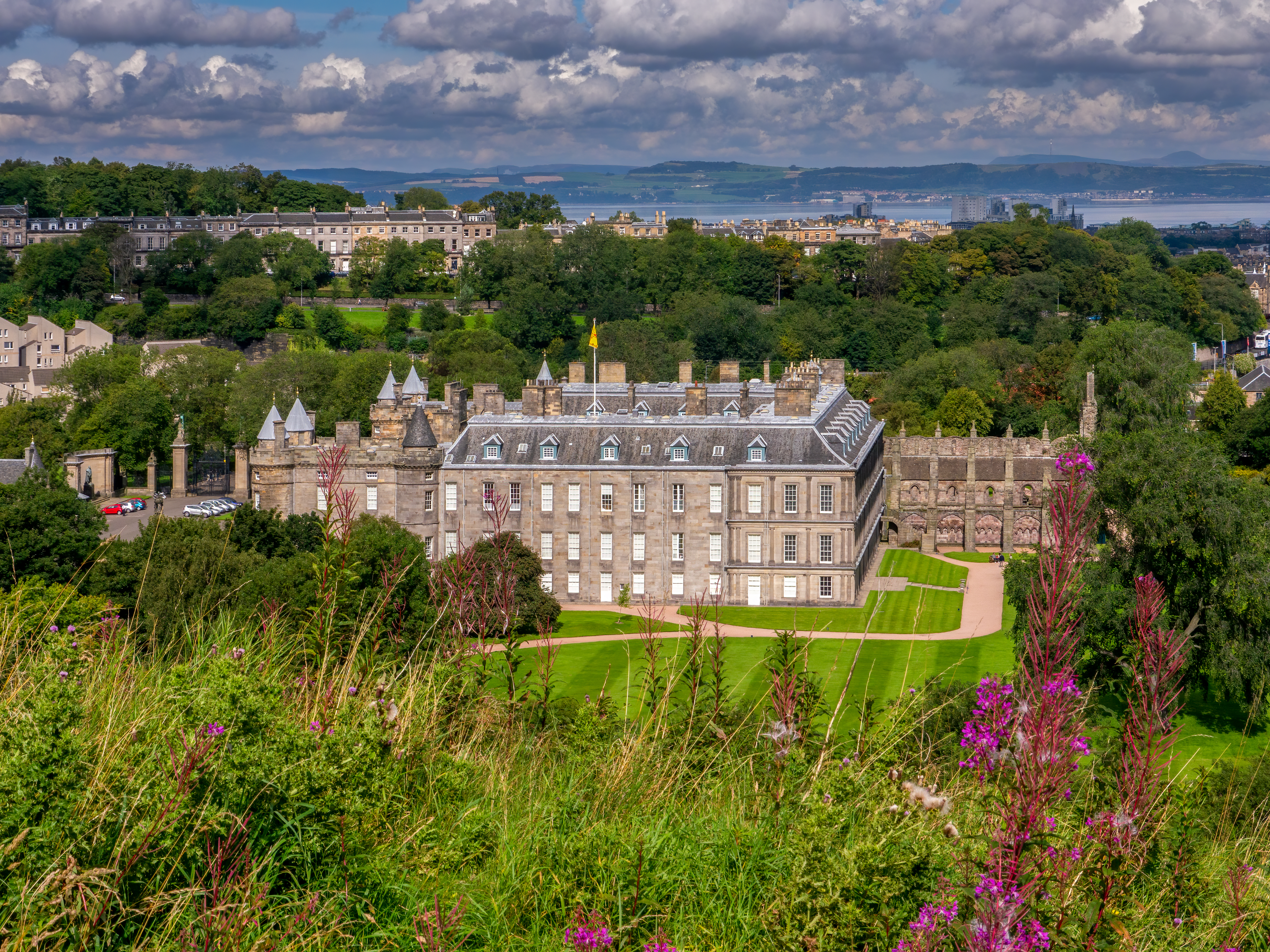
At the foot of the Royal Mile sits the King's official residence in Scotland, and when the royals aren't in, you can walk the 14 State Apartments, the throne room and the chambers where Mary, Queen of Scots lived and watched her secretary David Rizzio get murdered in 1566. The free multimedia guide comes in 11 languages and the ruined Holyrood Abbey in the grounds is worth the walk. An adult ticket is £22 in advance, £26 on the door (about $29.50 / €25.50), and it converts free to a one-year pass on arrival. Check the Royal Collection Trust site before you go, as the palace closes at short notice for state functions.
The National Museum of Scotland
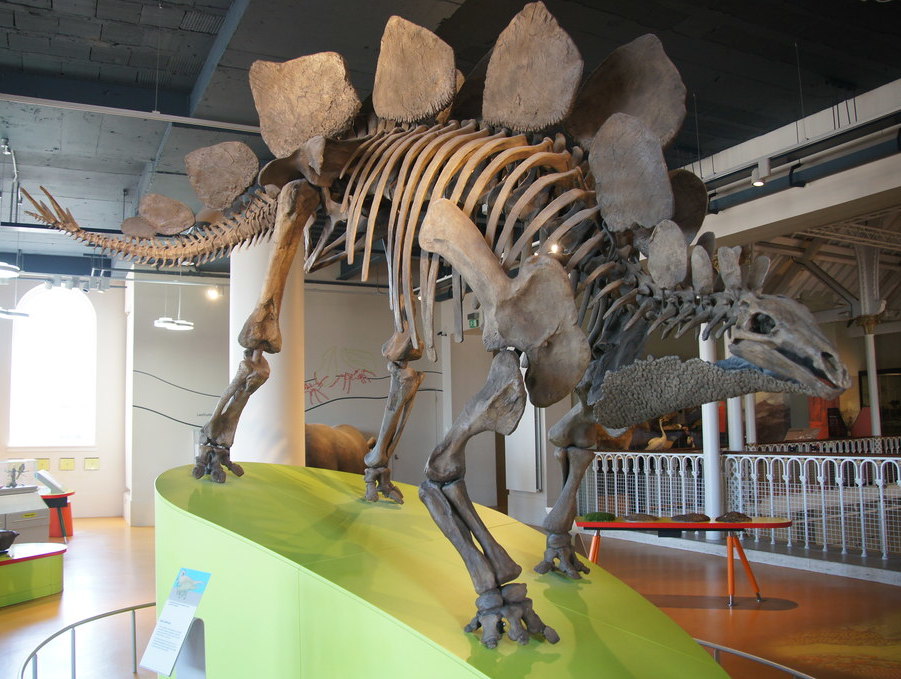
Free, enormous and genuinely one of the best museums in the UK, this is where to go when the weather turns, which it will. The Victorian Grand Gallery is a cathedral of iron and glass; elsewhere you'll find Dolly the Sheep (stuffed, the first cloned mammal), the 12th-century Lewis Chessmen, and a full-size T. rex. Entry is free, though special exhibitions carry a charge. Two insider moves: the rooftop terrace has one of the best free castle views in the city, and the museum is a lifesaver with kids on a rainy afternoon. Allow at least two hours; you could spend a day.
The Royal Yacht Britannia
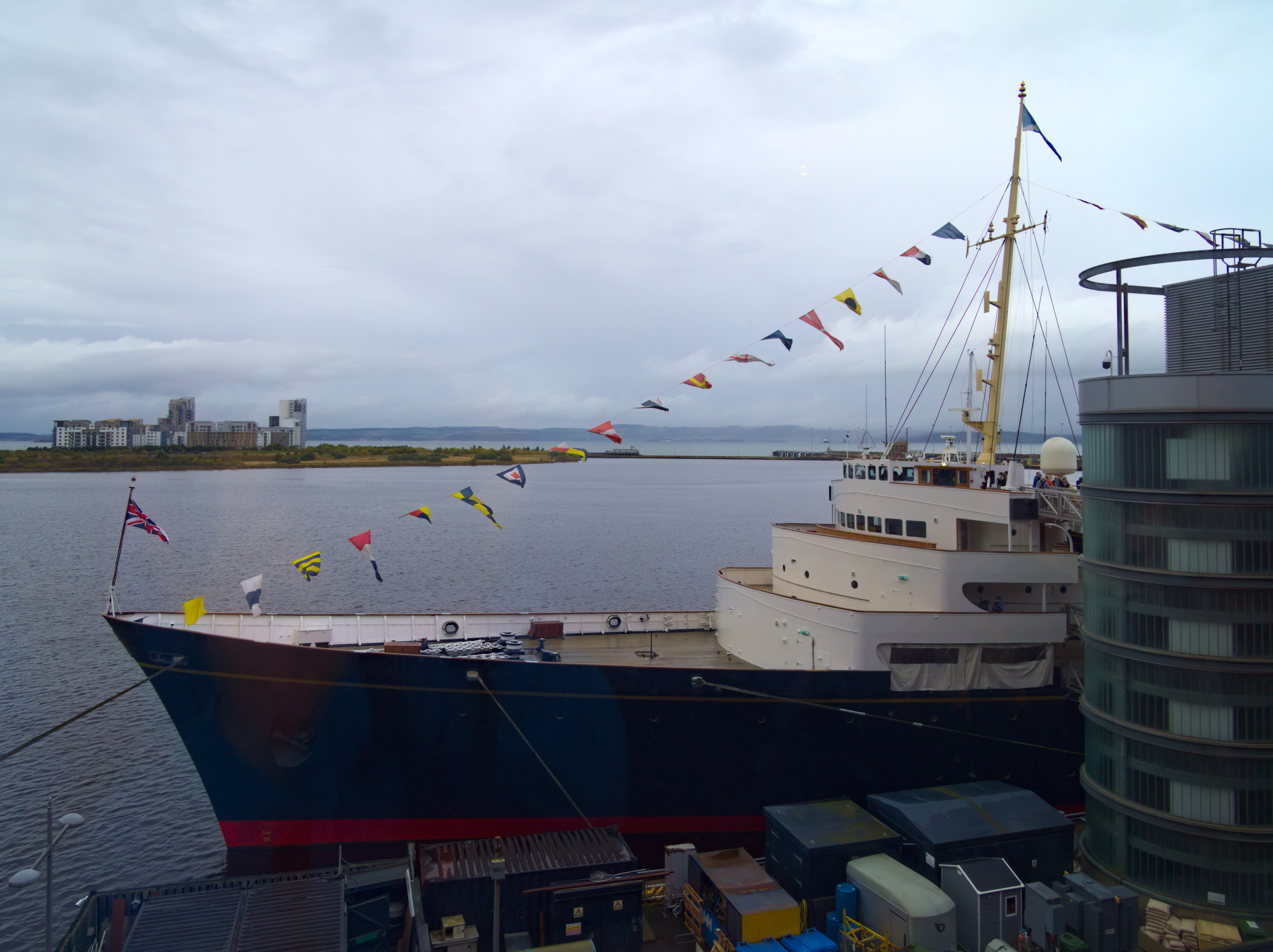
Down in Leith, berthed beside the Ocean Terminal shopping centre, sits the ship that served the Queen for 44 years and sailed over a million nautical miles. The self-guided audio tour takes you from the sleek state apartments to the surprisingly modest royal bedrooms to the engine room, and the detail (the Queen approved the exact height of the bridge windscreen) is the fun of it. Finish with afternoon tea in the Royal Deck Tea Room looking over the water. An adult ticket is £23 online, £25 on the door (about $31 / €27). Reach it on the tram to Ocean Terminal or a 15-minute bus from the centre, and combine it with lunch in Leith.
Dean Village and the Water of Leith
A five-minute walk from the shops of the West End drops you into what looks like a different century. Dean Village was a milling settlement on the Water of Leith for 800 years, and its red-sandstone buildings and the river weir make it the most photographed quiet corner of the city. It is residential, so keep the noise down, but the Water of Leith Walkway that runs through it is a proper escape: follow it 20 minutes downstream to Stockbridge, or upstream toward the Scottish National Gallery of Modern Art. Free, uncrowded if you come early, and a genuine break from the Old Town stone.

Calton Hill
If you only have the legs for one hill, Arthur's Seat wins, but Calton Hill wins on effort-to-reward: ten minutes up a set of steps from the east end of Princes Street and you're among a cluster of monuments with the classic postcard view back to the castle and the Old Town ridge. The columned National Monument, a half-built copy of the Parthenon abandoned in 1829 when the money ran out, is locally nicknamed "Scotland's Disgrace." The Dugald Stewart Monument is the little round temple in every Edinburgh sunset photo. It's free, floodlit at night, and the best spot in the city to watch the sun go down.

🗓️ How to Spend Three Days in Edinburgh
Day 1: The Old Town, top to bottom
Start at Edinburgh Castle for the 9.30am opening (pre-booked, about 2 hours). Walk out and down the Royal Mile, detouring onto Victoria Street and grabbing a hog-roast roll from Oink (around £5 / $6.70) for lunch on the move. Mid-afternoon, drop underground for your booked Real Mary's King Close tour (£28.50, 1 hour). Keep going downhill to the Palace of Holyroodhouse (£22, last entry mid-afternoon, so check times). Finish with dinner on the Royal Mile and a dram somewhere small. Walking total is under 3 km, all downhill, but the cobbles will find your feet.
Day 2: The hill, the New Town and the coast
Climb Arthur's Seat early while it's quiet (free, 1.5 to 2 hours round trip from Holyrood). Clean up, then cross to the New Town for a flat, civilised afternoon: Princes Street Gardens, the shops of George Street, and the climb up the Scott Monument (about £8 / $11) if your legs have recovered. Late afternoon, take the tram or a 15-minute bus to Leith for the Royal Yacht Britannia (£23) and stay for dinner on The Shore, the city's best eating street. Mix of walking and a short transit hop; budget one bus or tram fare.
Day 3: Villages, museums and the long view
Spend the morning in Dean Village and along the Water of Leith, walking out to Stockbridge for brunch and a browse (Sunday brings its weekly market). After lunch, duck into the National Museum of Scotland (free) for a couple of hours, ideally when the weather turns. End on Calton Hill for sunset and the definitive photo of the city you've just spent three days in. Almost entirely on foot, and a gentle finish after two busy days.
ℹ️ Essential Edinburgh Tips
When is the best time to visit Edinburgh?
Edinburgh's weather is cool and changeable all year, with summer highs around 18 to 19°C and a stiff wind most days, so pack layers and a waterproof whatever the month. The clear winners are late May to early June and September: mild, long daylight and noticeably cheaper than peak. August is festival season (the Fringe runs 7 to 31 August 2026, the International Festival 7 to 30 August, and the Royal Edinburgh Military Tattoo 7 to 29 August) when the city's population roughly doubles and prices follow. Winter is atmospheric, with Edinburgh's Hogmanay running 29 December 2026 to 1 January 2027, but daylight shrinks to about seven hours and it is properly cold.
How do you get around Edinburgh?
The centre is small enough that walking beats everything, but it is also steep, so factor the hills in. For longer trips, Lothian Buses charge a flat £2.20 single or £5.50 for an all-day DAYticket; drivers take exact change only or you tap a contactless card. Edinburgh Trams cost £2.40 for a city-zone single and run along Princes Street out to the airport and down to Newhaven. The smart move is TapTapCap: tap any contactless card on bus or tram and the system caps your daily spend automatically, no ticket needed. The Transport for Edinburgh app has live arrivals.
Is Edinburgh safe for tourists?
Very, by big-city standards, but a few specifics are worth knowing. Pickpockets work the Royal Mile and crowded bars during August; keep your phone and wallet zipped away. The cobbles and closes get genuinely slippery in the rain, and Edinburgh rains a lot, so decent footwear matters more here than in most cities. On Arthur's Seat and Salisbury Crags, stick to the paths, keep back from cliff edges, and don't underestimate how fast the weather turns at the top. The usual taxi sense applies: use black cabs or a booked ride rather than anything unlicensed late at night.
What should you eat in Edinburgh?
Start with haggis, neeps and tatties, the spiced-offal, turnip and potato plate that is better than it sounds; sit-down spots like The Albanach and Arcade Bar on the Royal Mile do a proper version. For cheap and excellent, the hog-roast rolls at Oink (Victoria Street and the Grassmarket) and the gelato at Mary's Milk Bar in the Grassmarket are Edinburgh institutions. Try cullen skink (a thick smoked-haddock soup) and cranachan (cream, raspberries, toasted oats and whisky) for dessert. For a special night, Leith is the serious food neighbourhood, home to Michelin-starred The Kitchin.
🏨 Where to Stay in Edinburgh
Pick your neighbourhood before your hotel, because in Edinburgh location decides your trip. Budget: dorm beds run roughly £30 to £45 a night and basic private doubles from around £80, concentrated in Old Town hostels and in Leith, Bruntsfield and Marchmont; the Grassmarket hostels put you in the thick of it for very little. Mid-range: expect £120 to £220 for a double, with the Old Town at the top of that band (£140 to £260, atmospheric but busy and hilly), the New Town flatter and calmer (£130 to £240), and Leith the best value (£100 to £180, 15 to 20 minutes out by tram). Luxury: the grandes dames start around £300 and cluster in the Old Town, along George Street and around Charlotte Square. One hard rule: during the August festivals and Hogmanay, prices double or triple and the best rooms go months ahead, so book early or shift your dates.
🎭 Beyond the Tourist Trail
Most visitors never leave the ridge between the castle and Holyrood, which means the rest of Edinburgh is yours. Stockbridge, a 15-minute walk north of the centre, feels like a village: independent shops, the flower-hung Circus Lane, and a Sunday market by the Water of Leith. Leith, beyond the Britannia, has gone from rough docks to the city's dining heart, centred on The Shore. For sea air, the tram and bus both reach Portobello, a proper sandy beach with a Victorian promenade about 20 minutes from the centre, where locals swim in summer and walk the prom year-round. And for a only-in-Edinburgh night, the Beltane Fire Festival lights up Calton Hill every 30 April, a torch-lit revival of the ancient Gaelic start-of-summer rite that is as strange and brilliant as the city that keeps it going.
❓ Edinburgh FAQ
How many days do you need in Edinburgh?
Three days is the sweet spot. Two days covers the Old Town, the castle and the Royal Mile; a third day lets you climb Arthur's Seat, walk out to Dean Village, and get down to Leith for the Royal Yacht Britannia without rushing. The centre is compact and walkable, so you can see a lot on foot.
What is the best time to visit Edinburgh?
Late May to early June and September are the best months: daylight is long, the weather is at its mildest, and prices sit well below the August peak. August is the Fringe and the Tattoo, which is spectacular but packed, with accommodation running two to three times the normal rate. December brings Christmas markets and Hogmanay but short, cold days.
How do you get from Edinburgh Airport to the city centre?
The tram runs from the airport to St Andrew Square in the New Town in about 35 minutes for £7.50 one way (£7.90 if you buy on board). The Airlink 100 bus reaches Waverley Bridge in roughly 30 minutes for £5.50 one way and runs 24 hours. A taxi is about £25 to £35.
How do you get around Edinburgh?
On foot, mostly, as the centre is small and steep. For longer hops, a Lothian Buses single is £2.20 and a DAYticket is £5.50 covering buses all day; a city-zone tram single is £2.40. Tap a contactless card with TapTapCap and the daily fare is capped automatically. Download the Transport for Edinburgh app for live times.
Do you need to book Edinburgh Castle in advance?
Yes. Edinburgh Castle costs £23.50 for an adult online versus £26 at the gate, and timed slots sell out days ahead in summer. Book online for the lower price and a guaranteed entry time. The castle opens at 9.30am; the first slot of the day is the quietest.
Is Edinburgh safe for tourists?
Edinburgh is one of the safer European capitals, and violent crime against visitors is rare. The real hazards are practical: pickpockets working the Royal Mile and bar crowds during the August festivals, slippery cobbles and steep closes in the wet, and fast-changing weather on Arthur's Seat. Keep bags zipped in festival crowds and wear grippy shoes.
What food should you try in Edinburgh?
Haggis, neeps and tatties is the classic, best tried at a sit-down spot like Arcade Bar or The Albanach on the Royal Mile. Grab a hog-roast roll from Oink on Victoria Street for a few pounds, gelato from Mary's Milk Bar in the Grassmarket, and cullen skink (smoked haddock soup) anywhere that does it well. For a blowout, Leith has Michelin stars at The Kitchin.
Where should you stay in Edinburgh?
The Old Town puts you beside the castle and Royal Mile but it is busy and hilly. The New Town is flatter, calmer and good for shopping. Leith is cheaper and the best area for food, 15 to 20 minutes out by tram or bus. Expect mid-range doubles around £120 to £220 a night, doubling or tripling during the August festivals and Hogmanay.
❤️ Plan Your Edinburgh Trip with VoyaBear
Edinburgh packs a castle, a volcano, a royal yacht and the world's biggest arts festival into a city you can cross on foot, which is exactly why it rewards a plan that fits how you travel. VoyaBear builds personalised Edinburgh itineraries around your dates, your pace and your budget, booking slots at the castle before they sell out, routing you up Arthur's Seat on the one dry morning, and steering you to the Leith table you'd never have found. Start planning your Edinburgh trip with VoyaBear and spend less time organising and more time wandering.
Want this as an actual itinerary?
VoyaBear turns a guide like this into a day-by-day plan built around how you travel.
Plan my trip free