Galle 2026: The Complete Guide to Sri Lanka's Dutch Fort City
25 September 2026 · 12 min read
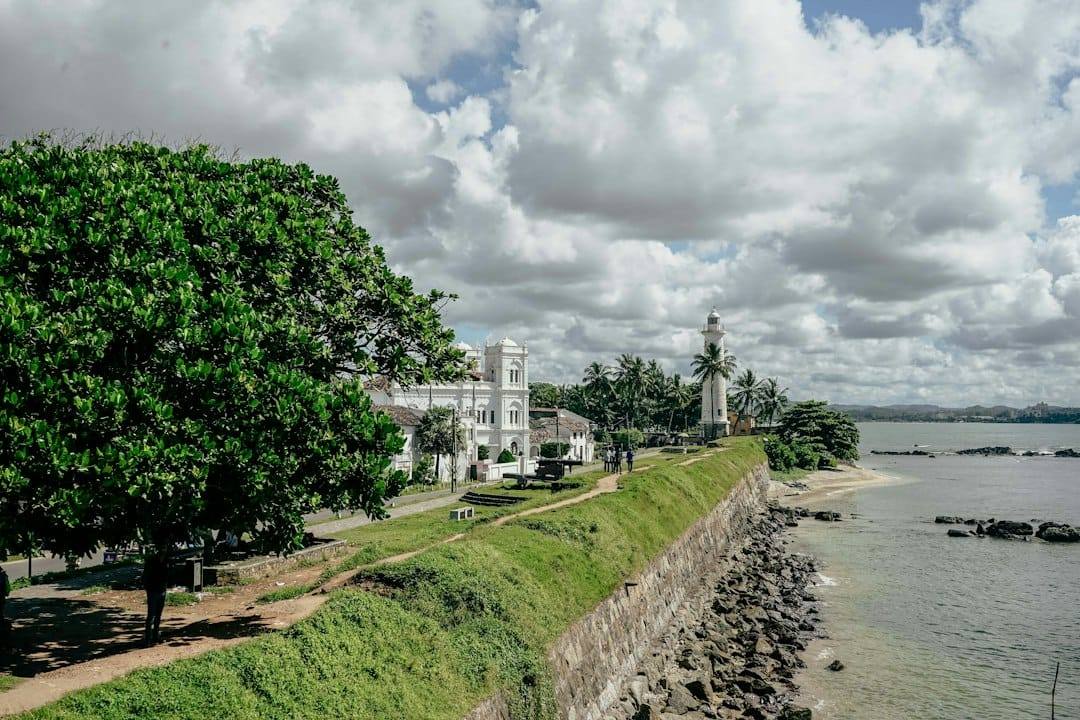
Galle sits at the end of Sri Lanka's Southern Expressway, two hours from Colombo, and it has one thing almost no other Asian city can match: a 52-hectare Dutch fort, its main walls raised in 1663 on Portuguese foundations, that people still live and work inside. The ramparts have held back the Indian Ocean for 360 years, including the 2004 tsunami that flattened the coast on either side but left the Fort largely intact. Today the walls enclose a grid of coral-and-lime merchant houses now filled with cafés, gem shops and guesthouses, and you can walk the entire circuit in about 90 minutes. This is a place you visit for slow mornings on the walls, rice and curry in a colonnaded courtyard, and a sunset from the same bastion the Dutch used to watch for ships.
This guide is built on prices and opening hours checked in 2026, with real place names, real fares, and specific tips on where to eat and when to show up. Here's how to do Galle properly.
🏛️ Essential Experiences
1. Walk the Fort Ramparts
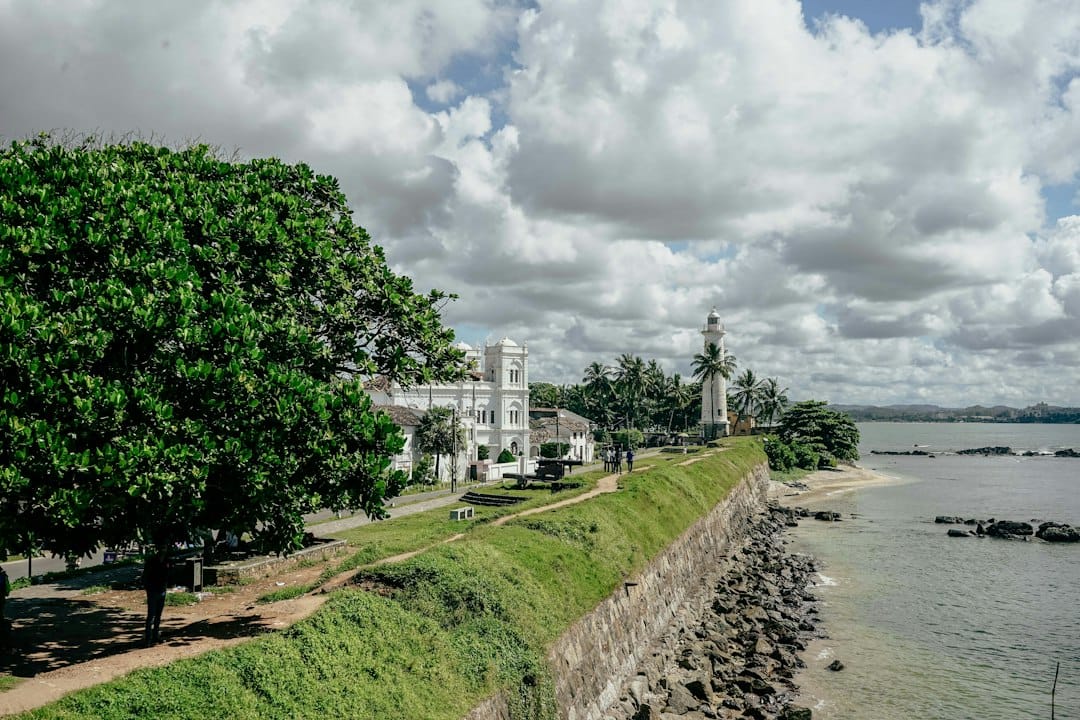
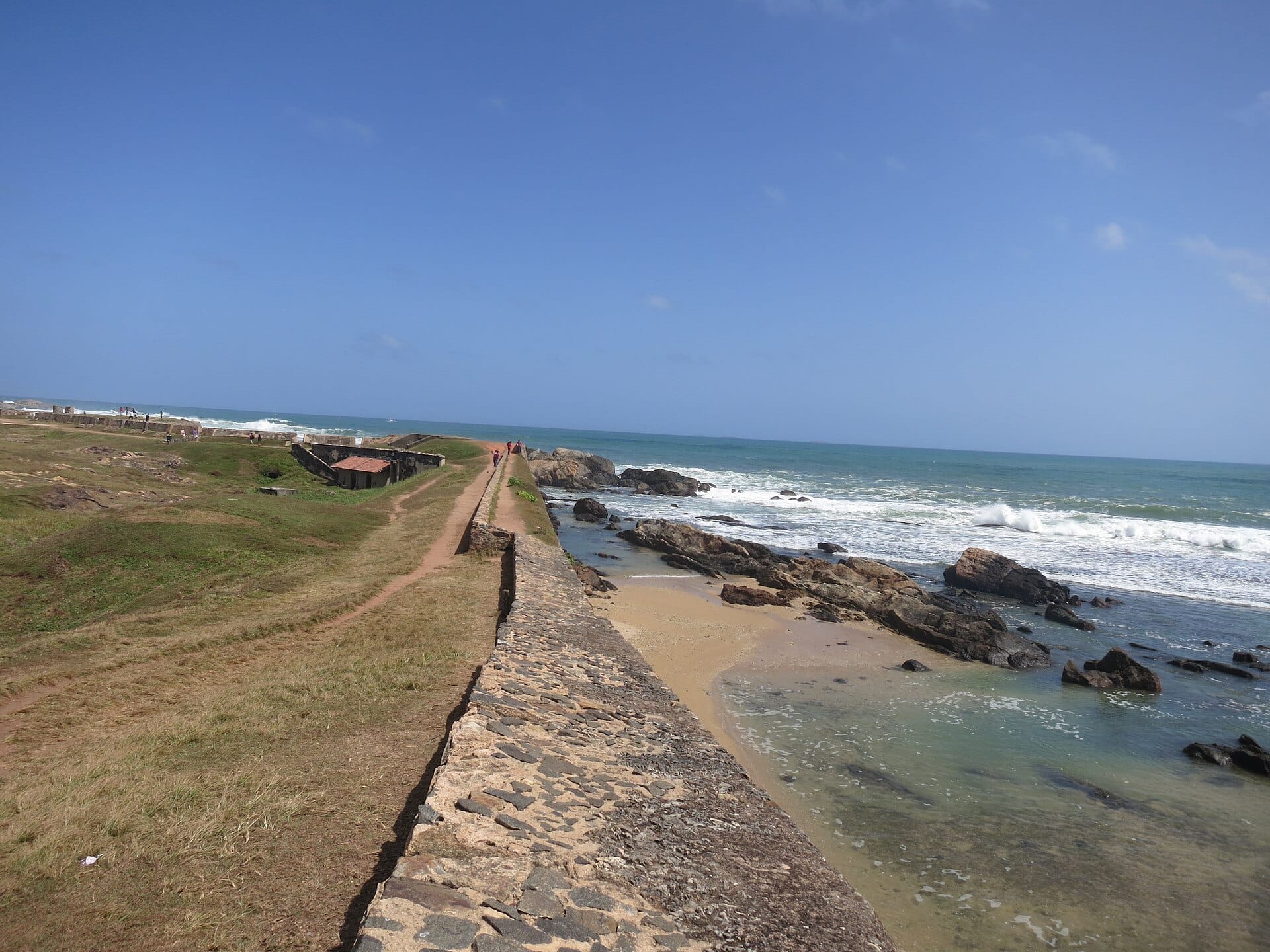
The ramparts are the single best thing to do in Galle, and they're free. The circuit runs roughly 3 km around the whole peninsula and takes 90 minutes to two hours at a stroll. Start at the Clock Tower (built 1883) on the landward wall and go clockwise: you'll pass the Main Gate, the Star and Moon Bastions, the lighthouse, Flag Rock at the southern tip, and Triton Bastion on the western wall where locals gather for sunset. The wall is wide enough to walk on top of for most of the route.
Insider tip: Do this at 7–8 am or in the last two hours before sunset. The midday sun on the exposed stone is punishing and there is almost no shade. Early morning also gets you the walls to yourself before the tour groups arrive around 10 am. At Flag Rock you'll see local teenagers cliff-jumping into the sea below; watch, but don't be talked into paying them for a "show" unless you want to.
2. Galle Lighthouse and Point Utrecht Bastion
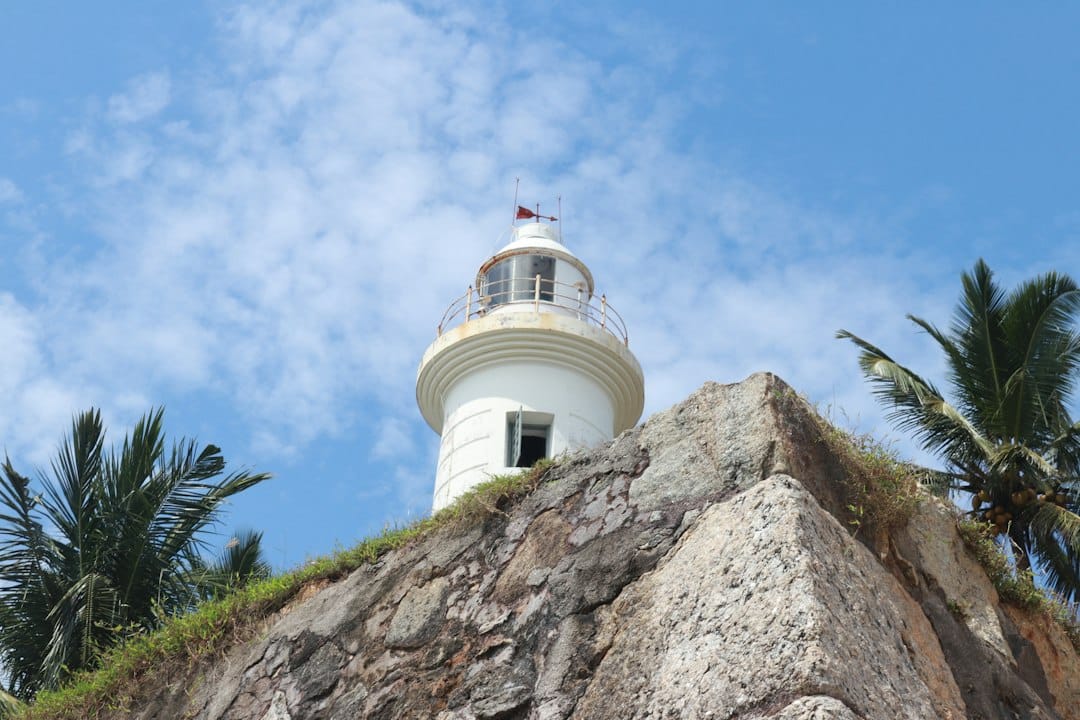
Sri Lanka's oldest lighthouse stands on the southeastern corner of the Fort, on Point Utrecht Bastion. The original dates to 1848; the current 26.5-metre white tower was rebuilt in 1939 after a fire. You can't climb it, but the base, framed by a leaning coconut palm, is the most photographed spot inside the walls. It's free to visit.
Insider tip: Come at first light. By mid-morning the narrow stretch of wall by the lighthouse is a queue of people waiting for the same photo. There's a small sandy swimming spot just below the bastion where locals bathe in the morning, off Lighthouse Street.
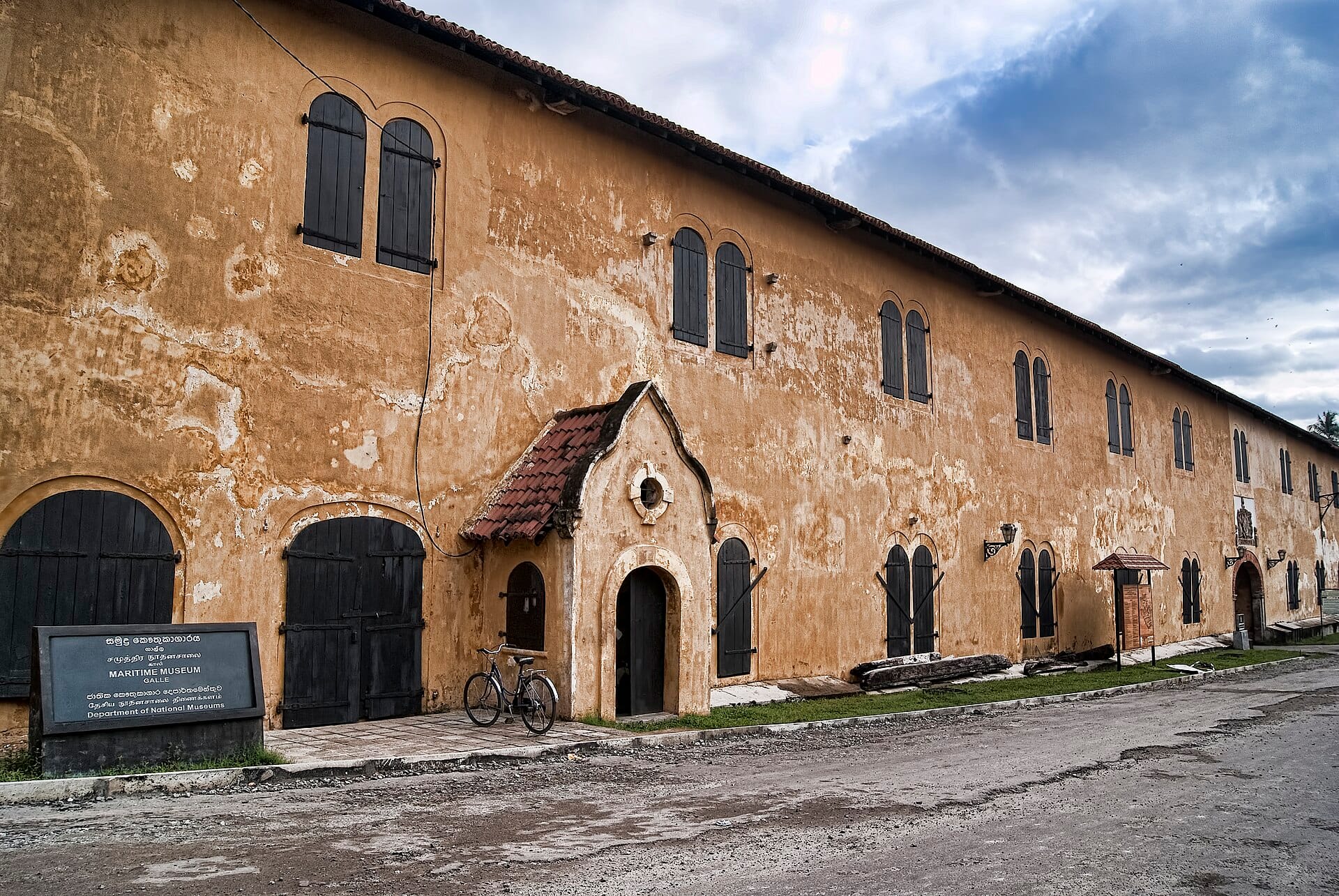
3. Maritime Archaeology Museum
Housed in a Dutch warehouse from 1671 above the Old Gate, this is the Fort's most substantial museum. It holds ceramics, VOC-era anchors, cannon and artefacts recovered from around 20 shipwreck sites off Galle. The building was gutted by the 2004 tsunami, which destroyed roughly 80% of the collection, and reopened in 2010 after a Dutch-funded restoration. Allow 45–60 minutes.
Insider tip: The thick warehouse walls keep it cool and it's air-conditioned, which makes it the ideal midday stop when the ramparts are too hot. Entry is LKR 300 (about $1 / €0.95) for foreign adults. Look for the carved VOC company insignia above the Old Gate on your way in.
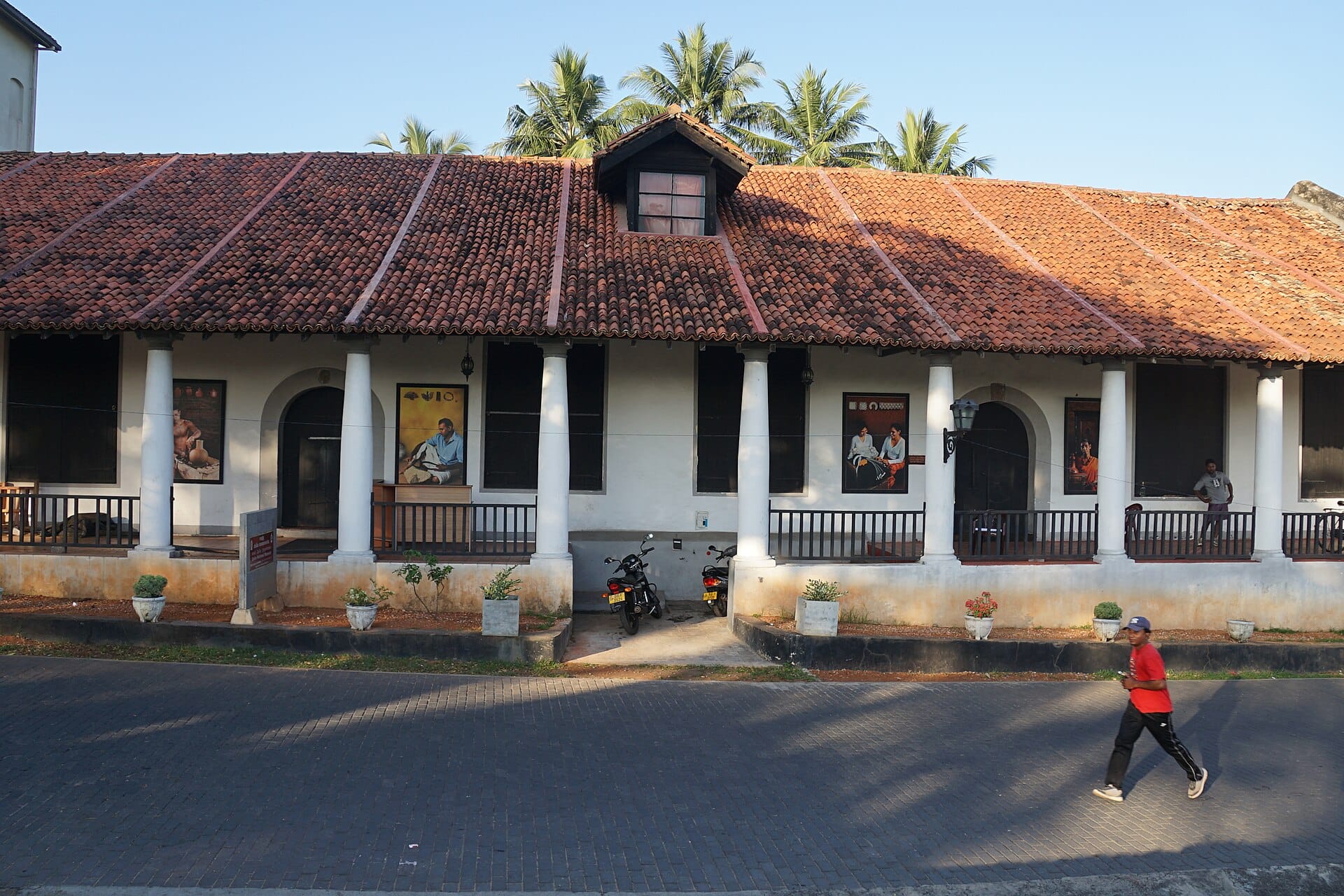
4. National Museum of Galle
Set in the oldest surviving Dutch building in the Fort — a single-storey colonnaded structure built in 1656 as the garrison commissariat — this small museum covers the region's history, from traditional masks and lacework to colonial-era furniture and beeralu (Portuguese-derived bobbin lace) that women in Galle still make. It won't take more than 45 minutes, but it's a cool, quiet counterpoint to the shops.
Insider tip: Entry is LKR 300 (about $1 / €0.95) for foreign adults, and the museum is open 9 am to 5 pm but closed Sundays, Mondays and public holidays — the single most common way visitors get caught out, so don't save it for a lazy Sunday.
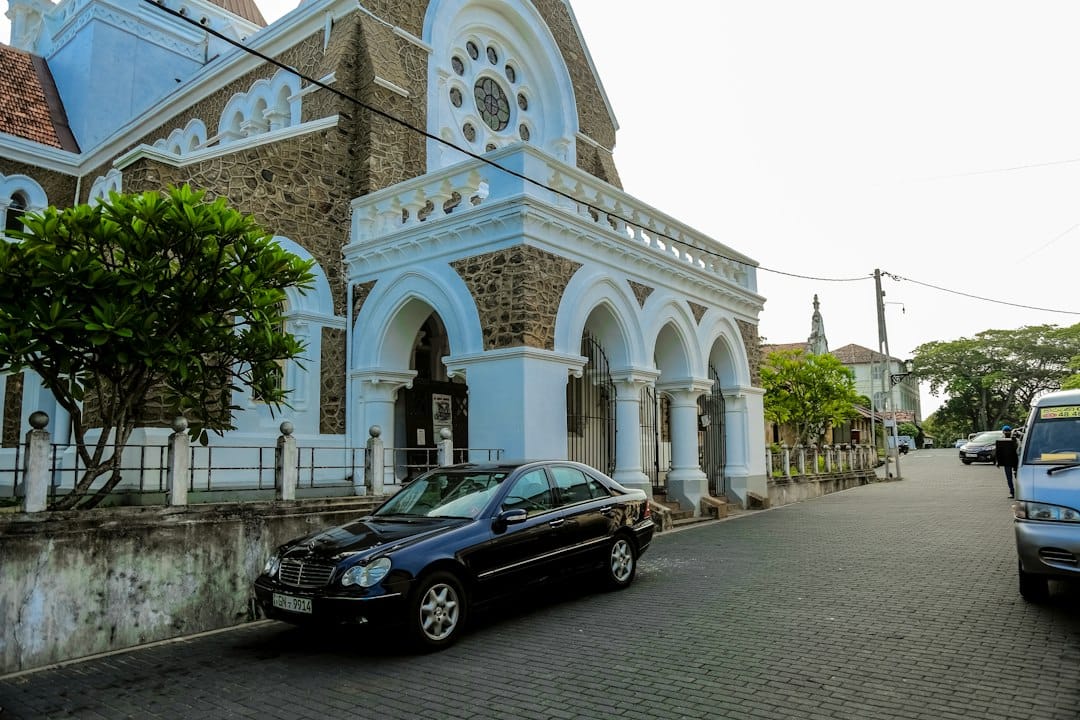
5. Dutch Reformed Church (Groote Kerk)
On Church Street, the Groote Kerk was completed in 1755 and is one of the oldest Protestant churches still in use in Sri Lanka. The floor is paved with gravestones moved from an older Dutch cemetery, some from the 17th and 18th centuries, and there's an old pipe organ and a carved wooden pulpit. Entry is free, though a donation is expected.
Insider tip: It's directly across from the Amangalla hotel (a 1684 Dutch officers' building that ran as the New Oriental Hotel from 1865). Step in for a look, then walk 30 seconds to All Saints' Anglican Church, a Gothic-revival building from 1871 with good stained glass — the two together take 20 minutes and are the architectural heart of the Fort.
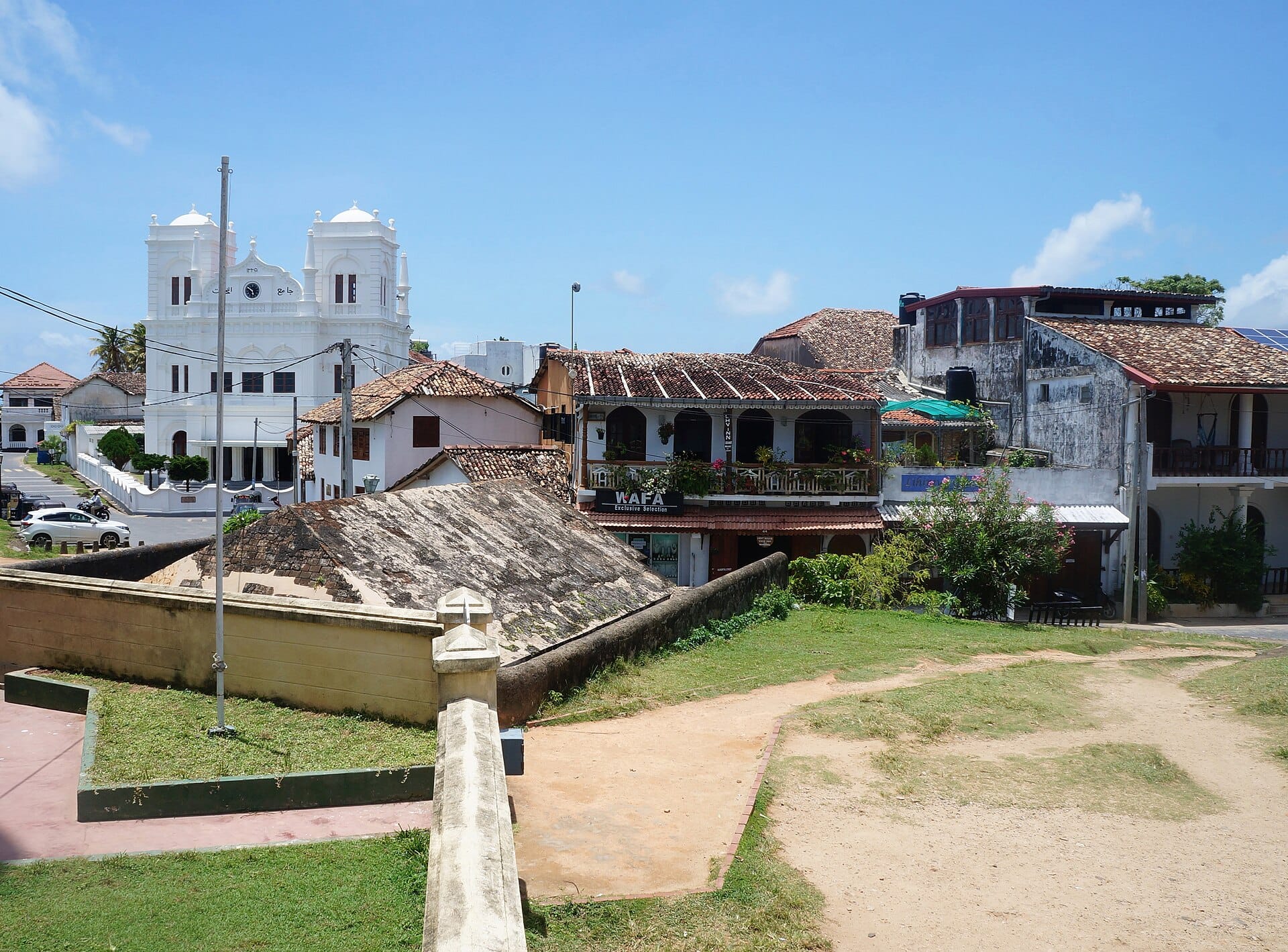
6. Meeran Jumma Mosque
At the southern end near the lighthouse stands the Meeran Jumma Mosque, a white building with twin minarets that, from a distance, looks more like a Baroque church than a mosque — which is roughly the point, as it was completed in 1904, blending Victorian and Baroque lines with Islamic detail, on the site of an older prayer space. It anchors the Fort's Muslim quarter, a reminder that this has always been a trading town of Dutch, Malay, Moor and Sinhalese communities living wall to wall.
Insider tip: It's an active mosque, so it's generally open to visitors only outside the five daily prayer times, and closed to non-worshippers around Friday midday prayers. Dress modestly, cover shoulders and knees, and remove your shoes. The lane beside it has some of the best light in the Fort in late afternoon.
7. Galle International Cricket Stadium
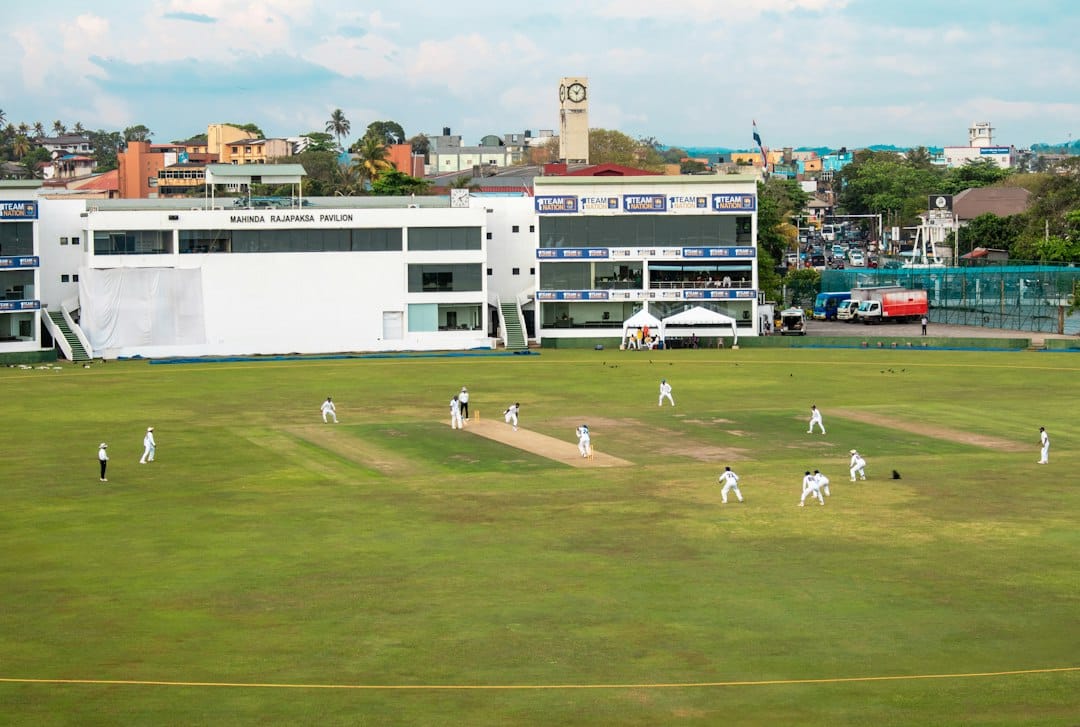
Right outside the Fort's landward wall sits one of the most scenic cricket grounds on earth, hemmed in by the ramparts on one side and the sea on the other. Sri Lanka plays Test matches here, and it's a genuinely local experience — but you don't even need a ticket. On a match day you can watch for free from the top of the ramparts by the Clock Tower, alongside dozens of locals who do exactly that.
Insider tip: Check the schedule at srilankacricket.lk before you travel; Tests here usually fall between roughly November and March. No cricket on? The outfield and the fort-wall backdrop are still worth the five-minute walk from the Main Gate.
8. Sunset at Flag Rock and Triton Bastion
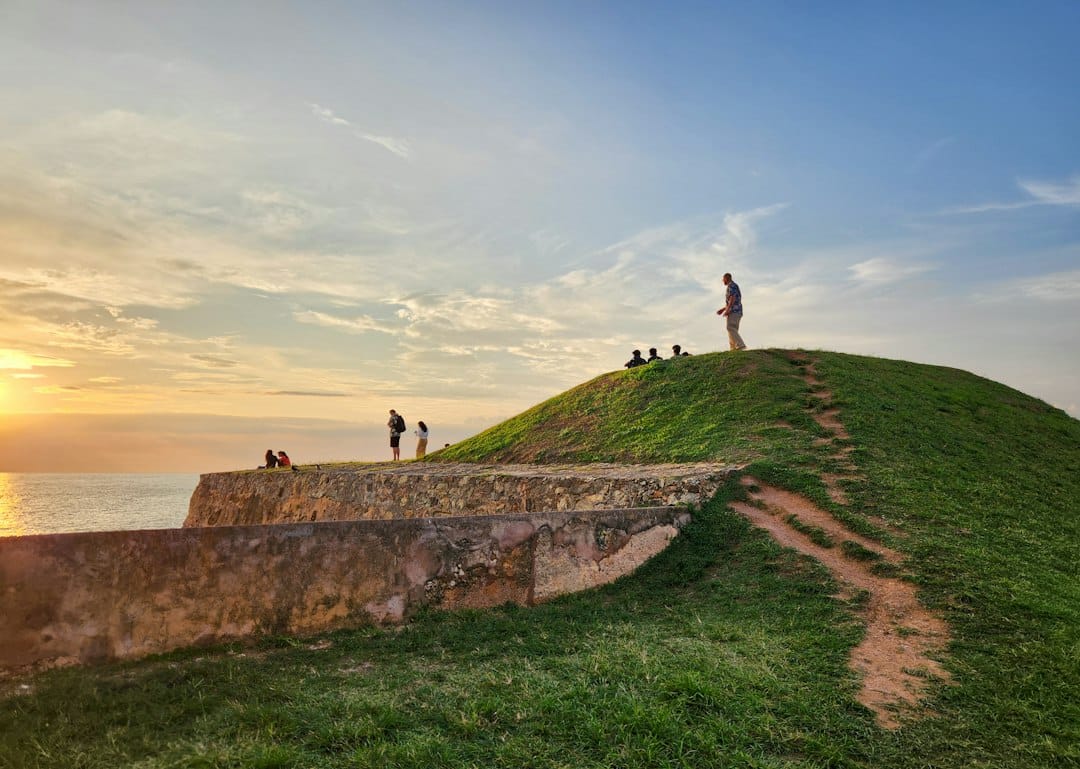
The southwestern corner of the ramparts is where Galle ends each day. Flag Rock, the southernmost bastion, and Triton Bastion just up the western wall both catch the sun going down straight into the Indian Ocean. Crowds start forming around 5:30 pm; vendors sell king coconut and roasted peanuts along the wall.
Insider tip: Triton Bastion is usually less packed than Flag Rock and gives you the lighthouse in silhouette against the afterglow. Get there by 5:15 to claim a spot on the wall. Sunset in Galle runs around 6:00–6:15 pm most of the year, since Sri Lanka is close to the equator and day length barely changes.
🗓️ A 3-Day Itinerary
Day 1 — The Fort, wall to wall
Start early: walk the full rampart circuit from the Clock Tower before 8 am while it's cool and empty (free, ~90 min). Breakfast at Pedlar's Inn Café on Pedlar Street or a proper Sri Lankan spread — string hoppers and pol sambol — at a local rice-and-curry spot. Mid-morning, when the sun turns fierce, duck into the air-conditioned Maritime Archaeology Museum (LKR 300 / ~$1) and the National Museum (LKR 300 / ~$1, closed Sun/Mon). Lunch at A Minute by Tuk Tuk in the Old Dutch Hospital precinct, where the terrace looks over the bay; try the eggplant moju. Spend the afternoon browsing Church and Pedlar Streets — Stick No Bills for Ceylon-era travel posters, Barefoot for textiles — then take sunset from Triton Bastion. Dinner at The Fort Printers or Church Street Social for cocktails in a 17th-century merchant's house. Cost for the day, excluding hotel: roughly $30–50 / €28–46 per person with a sit-down dinner.
Day 2 — Beaches and the headland
Take a tuk-tuk to Unawatuna, 6 km east, about 15 minutes and LKR 800–1,000 (~$3 / €2.80) — agree the fare first or book on the PickMe app. Swim in Unawatuna's sheltered bay in the morning, then walk or tuk-tuk over the Rumassala headland to Jungle Beach, a quieter cove reached through forest. Above it sits the Japanese Peace Pagoda, a white stupa built by the Nipponzan-Myōhōji order with sweeping views back toward the Fort (free). Have lunch at a beach shack on the sand — grilled fish and a Lion lager. In the afternoon, continue to Dalawella Beach for the famous palm-tree rope swing at Dream Cabanas (LKR 500 / ~$1.70 to use it). Back in the Fort for dinner — The Tuna & The Crab for sashimi, or The Bungalow for crab curry. Cost: roughly $35–55 / €32–51 with tuk-tuks and a seafood dinner.
Day 3 — Whales, tea or surf (pick one)
If you're visiting between December and April, do a whale-watching trip from Mirissa, about an hour southeast. Boats leave the harbour around 6:30–7:00 am and run 3–5 hours; expect $50–80 / €46–74 per person, with blue whales, sperm whales and spinner dolphins the main draw (sightings are strong for dolphins and other whales; blue-whale numbers have thinned in recent years, so treat a sighting as a bonus). Outside whale season, swap in a morning at the Handunugoda Tea Estate near Tittagalla — home of "Virgin White" tea, with free-to-cheap guided tastings — or a surf lesson at Weligama Bay, where the gentle beach break is where most of Sri Lanka learns. Back in Galle by afternoon for a last walk on the walls and gelato at Isle of Gelato (try the jackfruit sorbet). Cost: $55–90 / €51–83 including the whale trip and transport.
🧠 Essential Tips
Best time to visit
Galle is on the southwest coast, so it follows the southwest monsoon: the dry season runs December to April, and that's when to come. February to April are the driest, calmest months, with the best sea conditions for beaches and boats. Whale-watching season off Mirissa also runs December to April. The southwest monsoon brings heavy rain and rough seas from roughly May to September — hotels are cheaper and the Fort is still walkable, but beach days are a gamble. Late January is worth targeting for the Galle Literary Festival (the 2026 edition, its 13th, ran January 22–25), which fills the Fort's courtyards with authors and pop-up events.
Getting there and around
From Colombo, the coastal train is the classic approach: services leave Colombo Fort station and reach Galle in about 2 to 2.5 hours. Second-class unreserved is LKR 500 (about $1.70 / €1.55); a reserved first-class seat runs around LKR 4,100 (about $14 / €13). Sit on the right-hand side heading south for the ocean views. Faster but duller is the expressway bus EX01 from Makumbura Multimodal Centre on Colombo's southern edge — around LKR 870 (about $2.90 / €2.70), roughly 1.5 hours, departing every 30 minutes from 05:30. From Bandaranaike International Airport (CMB), a private transfer via the E01 Southern Expressway takes 2 to 2.5 hours for the 120 km and costs $40–60 / €37–56; an Uber to Galle runs around LKR 13,200 (~$40 / €37).
Inside and around Galle you'll use tuk-tuks. Download PickMe, Sri Lanka's home-grown ride app — it meters the fare so you skip the haggling, and it's what locals use. Uber also operates. The Fort itself is entirely walkable; you won't need a vehicle within the walls.
Safety and scams
Galle is safe and low-key by the standards of tourist towns, but a few specifics: gem shops on and around Church Street are legitimate businesses, but be wary of any stranger who strikes up a friendly conversation and steers you toward a "special deal" or a gem "investment" — that's the oldest hustle in the Fort. Agree tuk-tuk fares before you get in, or use PickMe, since Fort drivers quote tourist prices. At the beaches, respect the flags: Unawatuna and the south-coast beaches develop strong rip currents, especially at the monsoon's edges, and there are drownings most years. On the ramparts, the cliff-jumpers at Flag Rock will sometimes ask for money after you photograph them — decide before, not after.
Food to seek out
Eat rice and curry at least once — a plate of rice ringed by five or six vegetable and dhal curries, with coconut sambol and a papadum, is the national meal and costs a few dollars at a local spot. Order kottu (chopped roti stir-fried with egg and vegetables, made to a rhythmic clang on the griddle), hoppers (bowl-shaped fermented pancakes; get an egg hopper for breakfast) and lamprais (rice and curry baked in a banana leaf, a Dutch-Burgher dish — Sugar Bistro does a good one). For seafood, The Bungalow on Church Cross Street does a well-regarded crab curry, and The Tuna & The Crab handles sashimi and black-pepper crab. Finish with watalappan, a jaggery-and-coconut custard, or gelato at Isle of Gelato. For cheap fruit — mangosteen, rambutan, king coconut — the Galle fruit market on Sea Street outside the walls charges a fraction of Fort boutique prices.
🏨 Accommodation Guide
Budget ($15–40 / €14–37 a night): Guesthouses and small family-run places inside the Fort and out in Unawatuna. Staying in the Fort means you wake up inside the walls; Unawatuna puts you on the beach for less. Expect a clean room, fan or basic AC, and a home-cooked breakfast. Pedlar's Inn Hostel is a reliable dorm-and-private option on Pedlar Street.
Mid-range ($150–350 / €140–325 a night): This is where the Fort shines — restored Dutch merchant houses turned boutique hotels. Fort Bazaar (by Teardrop Hotels) on Church Street runs from around $237 / €220 with a courtyard and spa; The Galle Fort Hotel occupies a 17th-century mansion with a colonnaded pool; Jetwing Lighthouse, just outside the walls on the coast, is a Geoffrey Bawa-designed landmark if you'd rather be beachside.
Luxury ($700+ / €650+ a night): Amangalla, the Aman group's hotel inside the Fort in a 1684 Dutch building that ran as the New Oriental Hotel from 1865, is the top address — rates start around $1,100 / €1,020 a night — with soaring colonial rooms, a garden spa and the best position in the Fort, directly on Church Street opposite the Groote Kerk.
🎭 Beyond the Tourist Trail
Most visitors never leave the Fort, which means the everyday town — Galle proper, just across the cricket ground — is refreshingly un-touristed. Wander the bus-station bustle around Main Street and the covered market for the version of Sri Lankan urban life the Fort has priced out. The Handunugoda Tea Estate near Tittagalla, 15 minutes north, is a working low-country tea garden that produces "Virgin White" tea, hand-picked so it never touches skin; the tour and tasting are a low-key alternative to the crowded hill-country estates. Cinnamon has been Galle's other export for centuries — several family plantations south of town run hands-on tours showing how the bark is peeled and rolled.
For a specific day on the calendar, the Galle Literary Festival takes over the Fort each January (its 13th edition ran January 22–25, 2026), turning courtyards and hotel verandahs into venues for readings and talks — book accommodation months ahead if you want to be inside the walls for it. And for a quiet sunset away from the rampart crowds, climb to the Japanese Peace Pagoda on Rumassala hill above Jungle Beach: the white stupa, the forest, and a view back over the whole peninsula, usually with only a handful of people around.
❤️ Plan Your Galle Trip with VoyaBear
Galle rewards a plan: which museum is closed on Mondays, which train seat has the ocean, whether it's whale season, and how to string the Fort, the beaches and a tea estate into three days that actually flow. That's exactly what VoyaBear does. Tell us how long you have, what you're into and your budget, and we'll build you a personalized Galle itinerary — down to the tuk-tuk fares, the restaurant bookings and the right time to be on the ramparts. Start planning your Sri Lanka trip with VoyaBear today, and spend your time on the walls instead of in the spreadsheets.
Want this as an actual itinerary?
VoyaBear turns a guide like this into a day-by-day plan built around how you travel.
Plan my trip free