Ghent 2026: The Complete Guide to Belgium's Best-Kept City
27 September 2026 · 12 min read
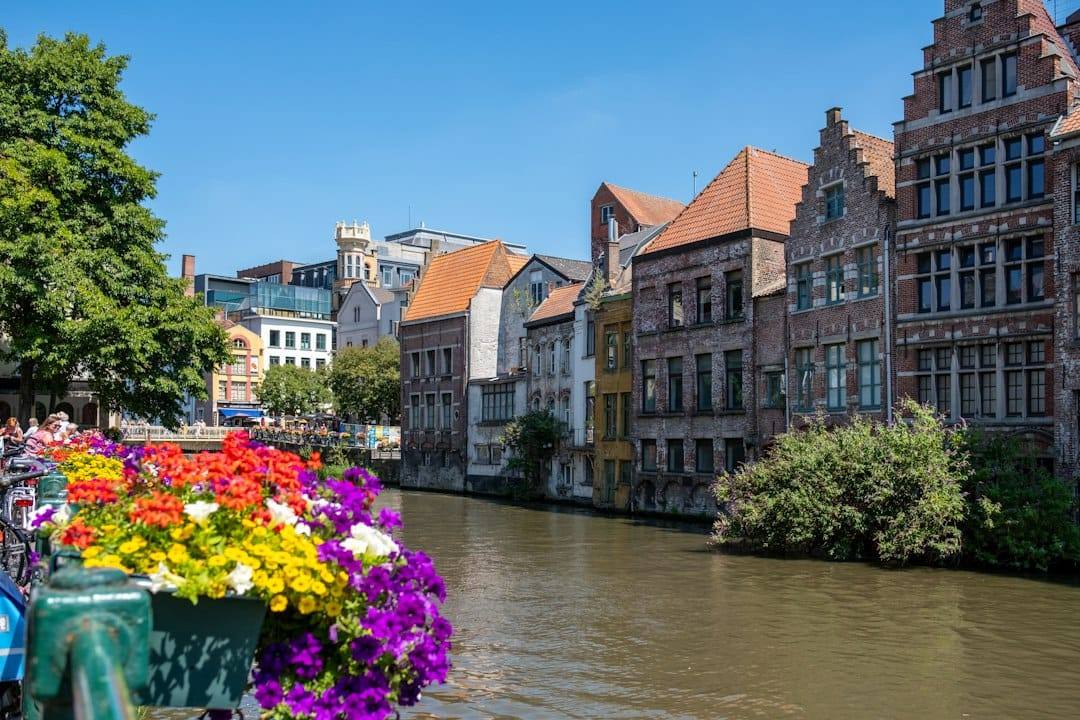
Ghent is the Belgian city that Bruges tourists drive past and shouldn't. It has the same crow-stepped guild houses reflected in the same green canals, but tens of thousands of university students keep the bars open past midnight and the prices honest. This is a working city with a medieval skeleton: three towers — St Bavo's Cathedral, the Belfry, and St Nicholas' Church — line up in a row you can photograph from St Michael's Bridge, and behind them sits a 12th-century stone castle with a working drawbridge. You can see the essentials in a long weekend, eat extremely well for under €20 a meal, and never queue the way you do up the line in Bruges.
The single reason to come in 2026: Jan van Eyck's Adoration of the Mystic Lamb, the 1432 altarpiece that art historians routinely call the most influential painting in Western history, sits in a purpose-built visitor centre inside St Bavo's Cathedral — and you can now walk the cathedral crypt in augmented-reality glasses that rebuild the church as it looked six centuries ago. Below is exactly what to see, what it costs, and how to do it without wasting a day.
🎨 Essential Experiences
1. The Ghent Altarpiece at St Bavo's Cathedral
The Adoration of the Mystic Lamb is the whole trip in one frame: 12 panels, painted by Jan van Eyck (and his brother Hubert) in 1432, and arguably the first great oil painting in Europe. It has been stolen, dismantled, hidden in an Austrian salt mine by the Nazis, and is missing one panel to this day — stolen in 1934 and never recovered. Entry to the cathedral itself is free; the altarpiece lives in a climate-controlled visitor centre where you see it up close after a decade-long restoration stripped away centuries of overpainting (the results are unsettling — look up the restored lamb's face).
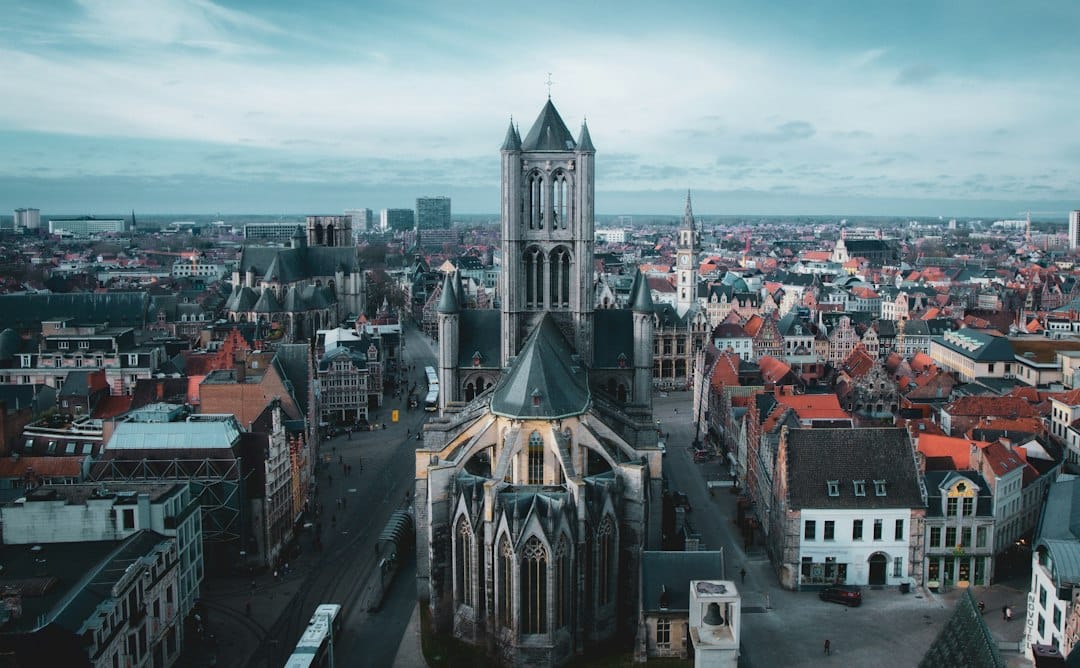
Do this: Pay the extra for the augmented-reality tour. You put on AR glasses and walk down into the crypt while the software rebuilds the medieval cathedral and tells the altarpiece's story around you — it's the rare museum tech that actually works, offered in English among eight languages. Note that the upper inner panels are currently away being restored and can be watched under glass at the Museum of Fine Arts (MSK) on weekdays.
Insider tip: Book the timed online ticket for the first slot of the day; the room is small and tour groups pile in mid-morning. CityCard holders get €10 off if they book online in advance.
Cost: Altarpiece only €12.50 (about $13.50); with the AR tour €16 (about $17); AR under 12 €8. Cathedral entry free.
2. Gravensteen — the Castle of the Counts
Most European "castles" are country manors with a moat. Gravensteen is the real thing: a squat, grey, moated fortress built in 1180 by Count Philip of Alsace, sitting bang in the middle of the city with a working drawbridge and battlements you can walk. Inside there's a genuinely grim collection — a guillotine, thumbscrews, and an oubliette — plus ramparts that give you the best free-standing view over Ghent's rooftops.
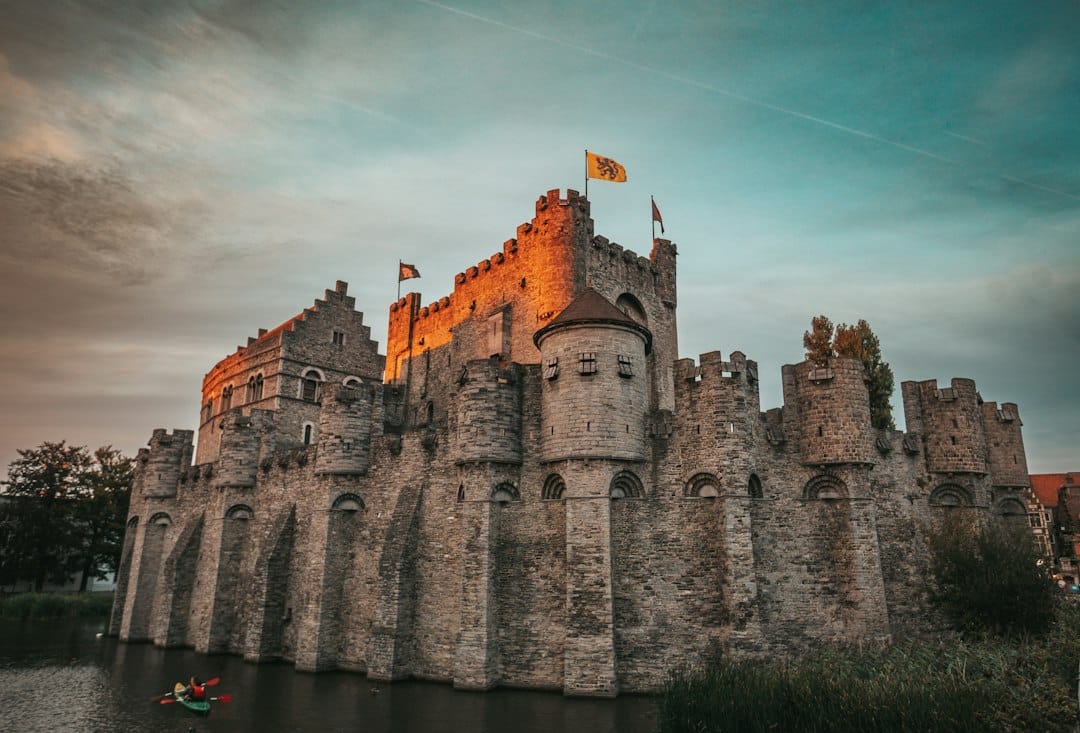
Do this: Take the audioguide — it's included in the ticket, and the version narrated in the style of a comedian (a Ghent tradition) is genuinely funny rather than the usual dead-eyed history lecture. Climb to the top of the keep for the panorama.
Insider tip: Arrive at 10am when the doors open. Last admission is 4:40pm, but by early afternoon the narrow spiral staircases become one-way human traffic jams. Under-12s are free.
Cost: €15 adult (about $16), €7.50 ages 19–25, €3 ages 13–18, free under 12. Open daily 10am–6pm.
3. The Belfry (Belfort)
Ghent's 91-metre belfry is a UNESCO World Heritage site and has guarded the city's charters since the 14th century — the tower literally held the documents that gave Ghent its independence from feudal lords. A gilded dragon has sat on top since 1377. The climb ends at a viewing gallery level with the carillon of 54 bells, and if you time it right you'll be up there when they play.
Do this: There's an elevator that covers part of the 254-step climb after the first ~100 steps, so this one's manageable even if the Gravensteen staircase broke you. Aim for a whole-hour or half-hour arrival to catch the automated carillon.
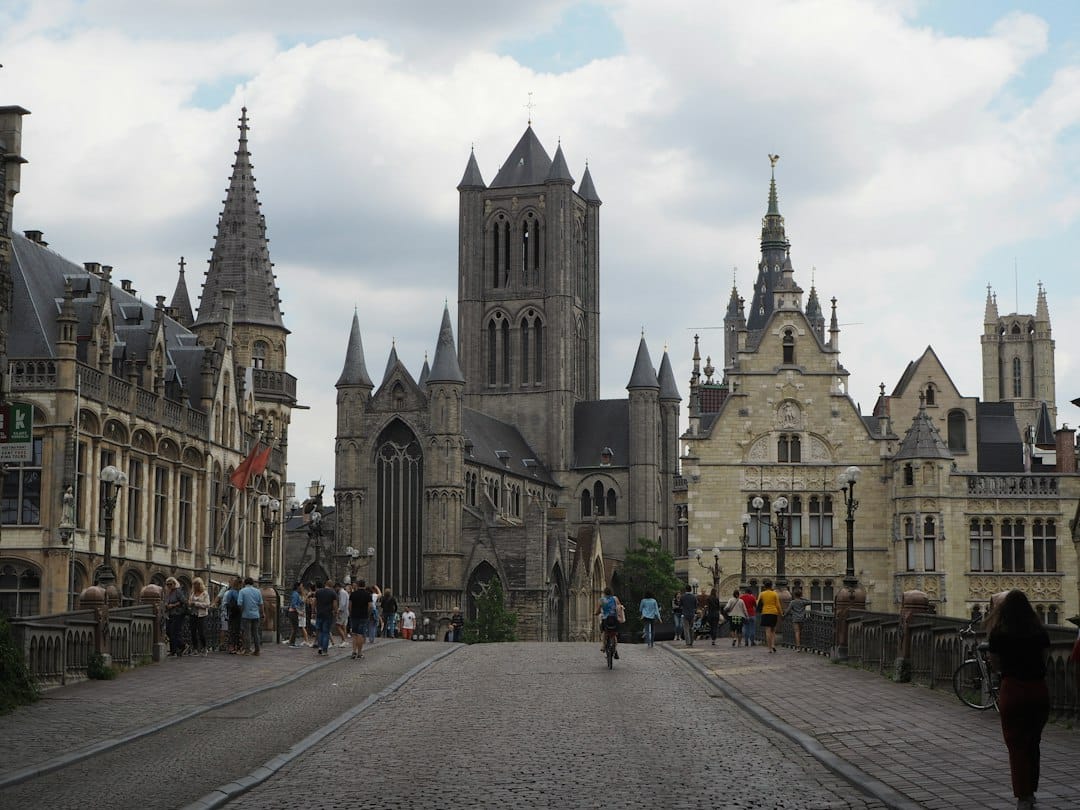
Insider tip: The belfry, cathedral tower, and St Nicholas' Church line up along the same axis. Shoot all three from St Michael's Bridge (Sint-Michielsbrug) — it's the postcard shot and it's free.
Cost: €13 (about $14). Open daily 10am–6pm, last entry 5:30pm. Free with the CityCard.
4. Graslei and Korenlei
These are the two quays facing each other across the River Leie, and they were Ghent's commercial harbour from the Middle Ages until the 19th century. The guild houses lining Graslei — the grain measurers' house, the free boatmen's house, the old customs post — span Romanesque through Baroque, so you're looking at 500 years of architecture stacked side by side. It costs nothing and it's the heart of the city.
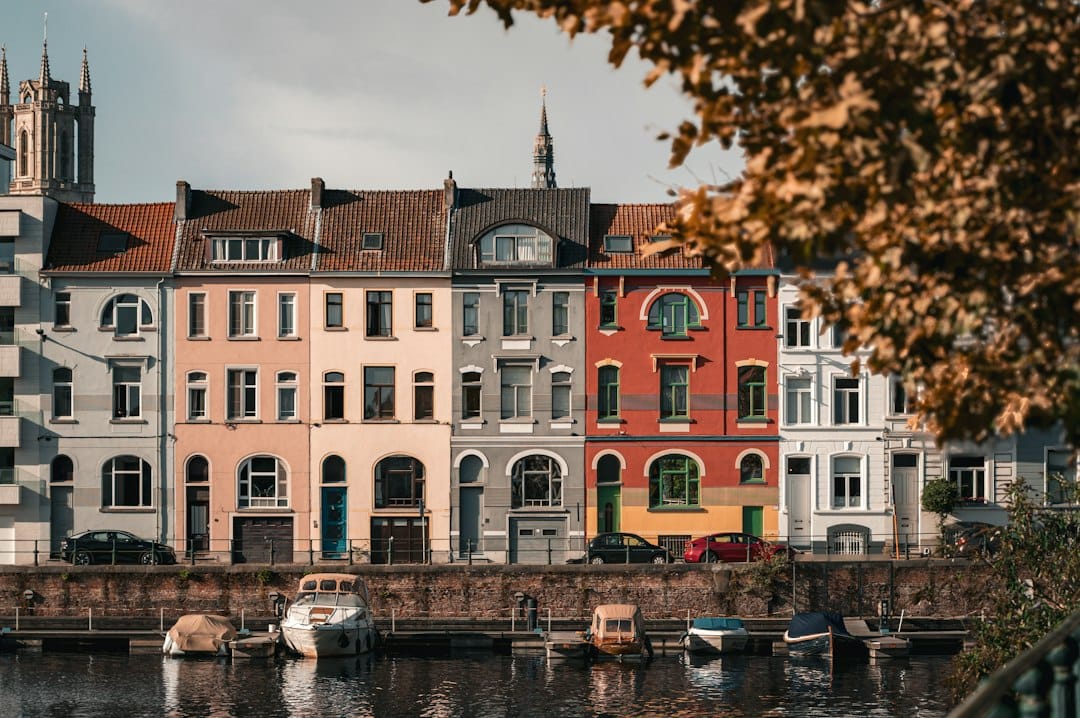
Do this: Take the 40-minute open-boat canal tour that leaves from the Graslei jetty. It runs along the Leie and the older Lieve canal out to the medieval Rabot water gate, and it's the fastest way to understand how the city's water shaped it.
Insider tip: Come back at sunset with a takeaway beer and sit on the Graslei steps — locals do, the light hits the guild houses head-on, and it's free entertainment. Skip it at midday when the sun is behind the houses and every photo is a silhouette.
Cost: Free to walk. Canal boat tour about €11 (about $12) for 40 minutes; one tour is included with the CityCard.
5. St Nicholas' Church (Sint-Niklaaskerk)
The oldest of the three towers, begun around 1200 and built in the local blue-grey Tournai stone that gives it its severe, almost battleship colour. It was the merchants' church, funded by the guilds, and the central tower doubled as the city's watchtower before the belfry took over. Inside, a colossal Baroque high altar sits under bare Scheldt-Gothic stone — an odd but striking clash.
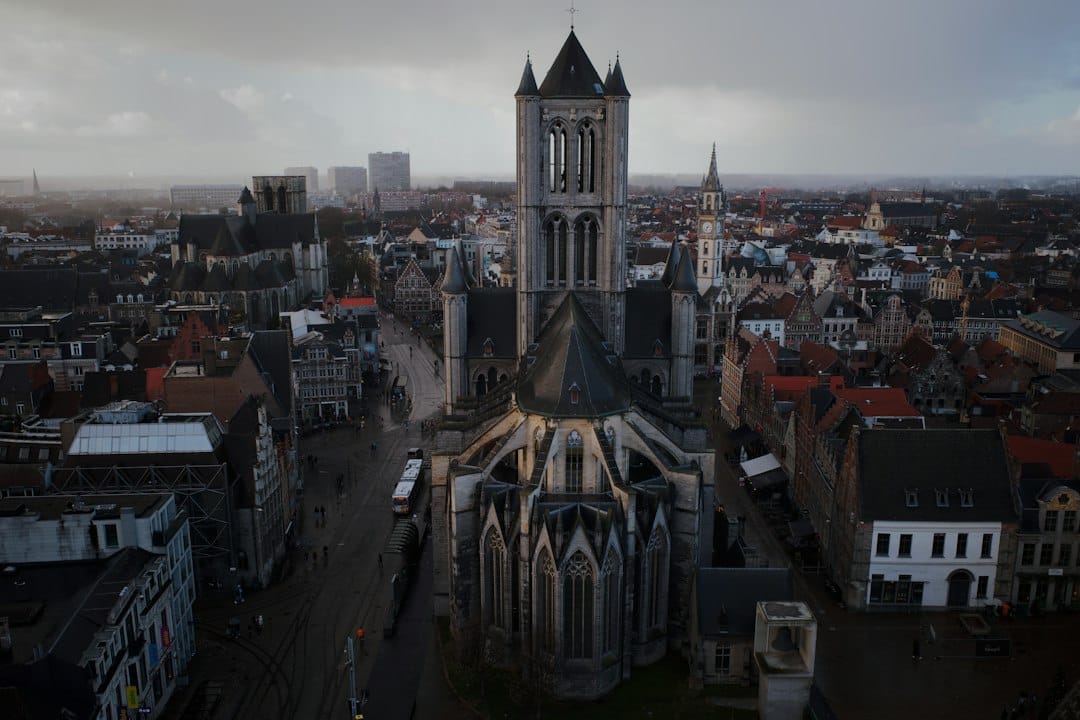
Do this: Step inside for ten minutes — it's free and usually near-empty compared to the cathedral. The stone interior is a good cool-down between the castle and the belfry, which are a two-minute walk on either side.
Insider tip: This is the church at the centre of the three-tower alignment, so it's your foreground landmark from St Michael's Bridge. Photograph it from the bridge, then visit on your way between the belfry and Graslei — it's directly on the route.
Cost: Free.
6. Werregarenstraat — the Graffiti Alley
A narrow lane between Hoogpoort and Onderstraat where the city legalised street art — it's the one place in Ghent you're allowed to spray a wall, so it's repainted constantly. What you see today will be gone next month, which is the point. It's a genuine local institution, not a sanitised photo-op, and it's a 90-second walk from the Belfry.
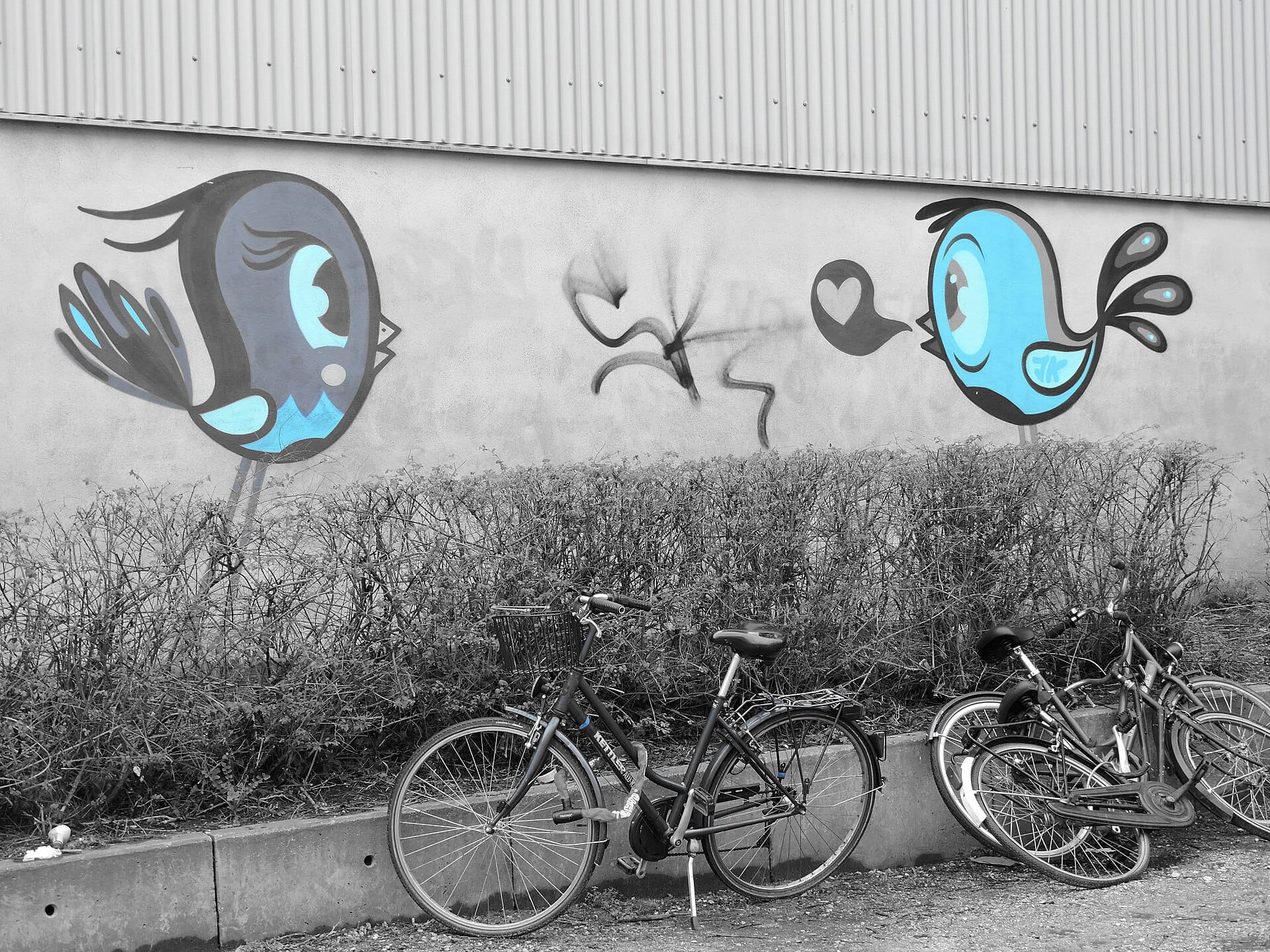
Do this: Walk the full length — it's short — and look down; artists tag the drainpipes and the ground too. If you catch someone mid-piece, they're doing it legally, so it's fine to watch.
Insider tip: Go in the morning. By afternoon it's a bottleneck of people filming the same wall, and the alley is barely two people wide.
Cost: Free.
7. Patershol — the medieval quarter
Behind Gravensteen sits Patershol, a knot of narrow cobbled lanes that is the oldest surviving part of Ghent — this was the tanners' and craftsmen's district in the 1200s. It fell into slum territory by the 20th century, was nearly bulldozed, and instead got protected and gentrified into the city's best restaurant quarter. The medieval street plan survived intact, so it's a rare walkable stretch of genuinely old Ghent with no through-traffic.
Do this: Book dinner here rather than on the tourist-facing Korenmarkt. The lanes are packed with small restaurants doing Flemish classics and there's no view tax on the food.
Insider tip: Walk it after dark. The lanes are lit, quiet, and about 90 seconds from Gravensteen, which is floodlit at night — combine the two.
Cost: Free to wander.
🗓️ A 3-Day Itinerary
Day 1 — The three towers and the water
Start at St Bavo's Cathedral at opening for the Ghent Altarpiece and the AR crypt tour (allow 75 minutes). Walk five minutes to the Belfry, take the elevator-assisted climb, and time the carillon. Cross to St Nicholas' Church (free, ten minutes), then out onto St Michael's Bridge for the three-tower shot. Lunch on the Korenmarkt or grab a stall snack. Afternoon: the Graslei and Korenlei quays, then the 40-minute canal boat tour (€11) from the Graslei jetty. Finish with a beer on the Graslei steps at sunset. Rough spend: altarpiece + AR €16, belfry €13, boat €11 — about €40 ($43) in admissions, plus food.
Day 2 — Castle, quarter, and museums
Open Gravensteen at 10am with the comic audioguide (€15, budget 90 minutes) and climb the keep before the crowds. Walk straight into Patershol behind the castle for lunch. Afternoon: pick your museum — STAM, the city museum in a former abbey, lays out 1,000 years of Ghent's growth on a giant walk-on aerial photo (about €12); the Design Museum Gent reopened with a major new wing and is strong on Art Nouveau and contemporary design (about €12). Late afternoon, walk Werregarenstraat graffiti alley. Dinner back in Patershol. Rough spend: castle €15, one museum ~€12 ($13).
Day 3 — Slow Ghent and the university side
Morning coffee and market browsing on the Groentenmarkt (the old Vegetable Market), where you buy cuberdons and Tierenteyn mustard from the source (details below). Cross the river to the Sint-Pietersnieuwstraat student quarter and Citadelpark, home to the Museum of Fine Arts (MSK) and the contemporary-art S.M.A.K. Rent a bike (a day is free with the CityCard) and follow the Leie south out of the centre — the towpaths are flat and quiet. Save the afternoon for whatever you underrated on Day 1. Note: many Ghent city museums are free on the first Sunday of the month, so shuffle days if your visit includes one.
🧠 Essential Tips
Best time to visit
Late April to May and September are the sweet spot: mild days, long light on the canals, and thinner crowds than midsummer. Ghent's headline event is the Gentse Feesten, a ten-day free street festival that in 2026 runs 17–26 July — the whole centre becomes stages, buskers, and beer, and it's a genuinely great party, but book accommodation months ahead and expect the historic core to be rammed. The Ghent Light Festival, when artists light up the city with installations, runs only every three years; the last was in 2024, so the next is expected around 2027, not 2026. Ghent gets rain in every season — pack a layer regardless of month.
Getting in and getting around
Most visitors fly into Brussels Airport (Zaventem). From there, a direct train to Gent-Sint-Pieters runs roughly every half hour and takes about an hour; you pay the standard fare plus a fixed Brussels Airport (Diabolo) supplement that's added automatically, landing you around €15 ($16) one way. Buy at the machine or the SNCB app — no need to pre-book. From Gent-Sint-Pieters station, tram 1 (also 2 and 4) runs straight into the centre; a single De Lijn ride is €3, and the app locals use is the De Lijn app, which sells m-tickets and tells you when to get off. The historic core is compact and almost entirely walkable — you'll use the tram mainly for the station run.
If you're doing three or more paid sights, the CityCard Gent pays for itself fast: €49 for 48 hours or €55 for 72 hours, covering Gravensteen, the belfry, the city museums, unlimited trams and buses, one canal boat tour, and a day's bike rental. Run the maths — castle + belfry + boat + two museums already clears €50.
Safety and the small stuff
Ghent is a low-crime university city and you can walk it at night without much thought. The realistic risks are pickpockets in the peak-season crush around the Korenmarkt and Graslei and during Gentse Feesten — standard crowd hygiene handles it. The genuine hazard is the cyclists: bikes have priority and move fast, so look before you step off a kerb or wander into a bike lane to frame a photo, which is how most tourists nearly get flattened. Restaurants on the Korenmarkt and around the Graslei charge a location premium; walk two streets back into Patershol or toward Vrijdagmarkt for the same food at local prices. Tap water is fine to drink.
What to eat
Ghent's signature dish is waterzooi, a creamy stew of chicken (originally fish) with leeks, carrots, and potato — comfort food built for the weather. The other classic is Gentse stoverij, beef slow-cooked in dark beer, usually served with fries and mustard. That mustard should be Tierenteyn: buy it fresh-scooped from the ceramic crock at Tierenteyn-Verlent, the tiny 1790s shop on the Groentenmarkt, and it will clear your sinuses. For a sweet, hunt down cuberdons — locally called neuzekes ("little noses"), purple cone-shaped raspberry gums with a syrupy centre, sold from stalls on the same Groentenmarkt. Wash it all down with Gruut, a Ghent beer brewed with a medieval herb blend instead of hops at the Gruut brewery, or a shot of local jenever (O'de Flander). Ganda ham, dried at least ten months, is the local charcuterie.
🏨 Accommodation Guide
Budget (roughly €30–70 / $32–75 a night): Hostel Uppelink sits on Sint-Michielsplein in the historic heart, a stone's throw from the three-tower view, with dorm beds and canal-facing rooms. The Boatel is a small hotel on a moored 1950s barge just outside the centre if you want cheap and characterful. Both put you within a ten-minute walk of everything on Day 1.
Mid-range (roughly €110–190 / $120–205): Aim for the historic centre or Prinsenhof, the quieter residential pocket just west of Gravensteen along the old Lieve canal — you get calm streets and a five-minute walk to the action. Aparthotels and small boutique hotels around Sint-Pietersnieuwstraat near the station are cheaper again and put you next to the MSK and S.M.A.K. museums.
Luxury (roughly €220+ / $240+): 1898 The Post is the standout — a converted neo-Gothic post office right on the Graslei with a rooftop bar over the canal; you cannot beat the location. In Prinsenhof, the Pillows Grand Hotel Reylof occupies an 18th-century mansion and has the city's best hotel spa. Both book out during Gentse Feesten and film-festival season.
🎭 Beyond the Tourist Trail
Cross the water north of the centre to Dok Noord and the old docklands, where a decommissioned industrial harbour has turned into food halls, a summer urban beach, flea markets, and event spaces — this is where Ghent's students and creatives actually spend weekends, and it's a 15-minute walk or short tram ride from the Korenmarkt. For a different angle on the city, walk south along the Leie to the Bijloke, a medieval abbey-turned-music-campus with a park that most day-trippers never reach.
If your visit is flexible, aim it at the Vrijdagmarkt on a Friday or Saturday morning, when the big square hosts a market as it has since the Middle Ages — it was Ghent's political and rebellious heart, the spot where counts were proclaimed and guilds rioted. And watch for the next edition, expected around 2027: the triennial Ghent Light Festival transforms the entire old town into a free open-air gallery of light installations for a handful of winter nights, and it's the single best time to see the city's architecture.
❤️ Plan Your Ghent Trip with VoyaBear
Ghent rewards a plan: the altarpiece slot booked for opening, the CityCard maths run before you arrive, dinner reserved in Patershol rather than paid for on the Korenmarkt. That's exactly what we do. VoyaBear builds personalised, day-by-day itineraries around how you actually travel — your pace, your budget, whether you'd rather climb every tower or sit on the Graslei steps with a Gruut and watch the light move. Tell us when you're going and what you're into, and we'll hand you a Ghent trip that skips the queues and the tourist-tax restaurants. Start planning your Ghent trip with VoyaBear today.
Want this as an actual itinerary?
VoyaBear turns a guide like this into a day-by-day plan built around how you travel.
Plan my trip free