Guadalajara 2026: The Complete Travel Guide to Mexico's Second City
26 September 2026 · 11 min read
Guadalajara spent the summer of 2026 hosting four World Cup matches at Estadio Akron in neighboring Zapopan, and by late September the crowds have thinned, the hotel rates have dropped back to earth, and the city is heading into its best stretch of the year. October and November bring the Fiestas de Octubre, the million-strong pilgrimage to the Basílica de Zapopan on the 12th, and the FIL book fair in the last ten days of November. This is where mariachi was born, where tequila is legally required to come from, and where the drowned-sandwich-in-tomato-sauce is a legitimate breakfast. Mexico's second-largest city is flatter, cheaper, and considerably less crowded than the capital, and it wears its traditions without irony. Here is how to spend three days in it without wasting a peso or a meal.
🎭 Essential Experiences
Hospicio Cabañas and Orozco's Man of Fire
This is the one non-negotiable stop. The Hospicio Cabañas is a neoclassical former orphanage that ran from 1810 to 1997, and in 1997 UNESCO put it on the World Heritage list — largely for what José Clemente Orozco painted on its walls in 1938 and 1939. There are 57 fresco panels, and the centerpiece is El Hombre en Llamas (The Man of Fire) in the dome of the main chapel: a figure consumed and reborn in flame, best appreciated flat on your back.
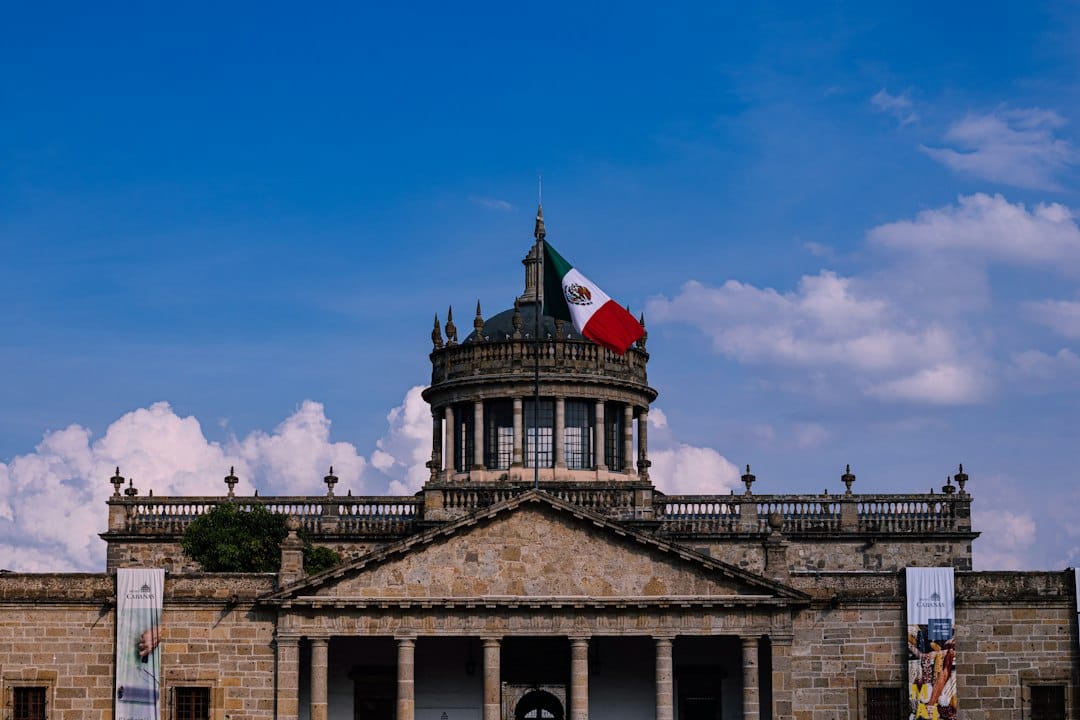
Insider tip: The chapel provides wooden benches directly under the dome for exactly this reason — lie down and look straight up rather than craning your neck. Admission is around 90 pesos (roughly $5 / €4.50), and entry is free on Tuesdays. It's open Tuesday to Sunday, 10am to 6pm, and closed Mondays, which is the single most common way visitors get burned. Budget 90 minutes.
Guadalajara Cathedral and the Rotonda
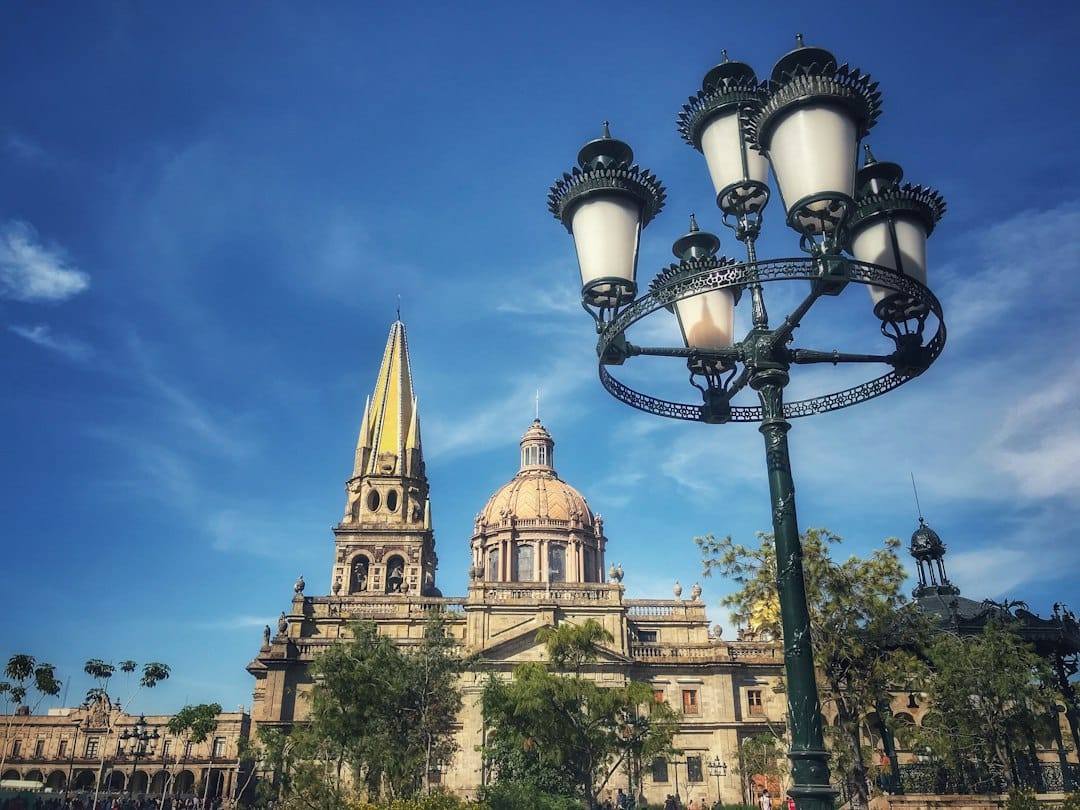
The cathedral on Plaza de Armas was built between 1561 and 1618, but the two yellow-tiled neo-Gothic spires that put it on every postcard are younger — the originals collapsed in an 1818 earthquake and were rebuilt in the pointed style you see now. Inside hangs a painting attributed to the Spanish master Bartolomé Esteban Murillo. Entry is free.
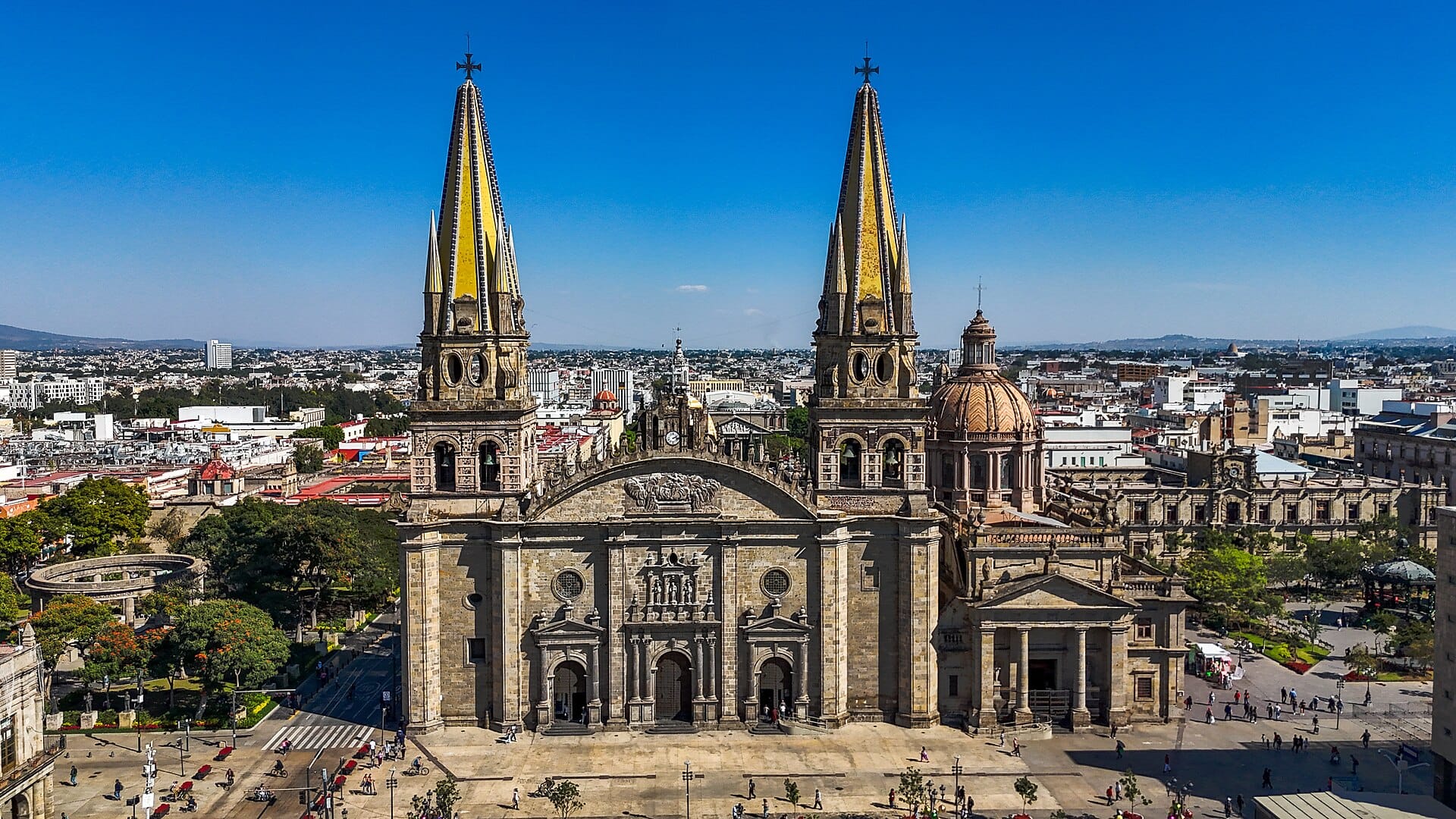
Insider tip: Step around to the north side to the Rotonda de los Jaliscienses Ilustres, a ring of 17 columns shading the tombs of Jalisco's notable dead — writers, painters, composers. It takes ten minutes and almost nobody bothers, which is precisely why it's worth doing. The four plazas around the cathedral form a cross when seen from above; walking the full loop covers most of the historic center's monuments in under an hour.
Teatro Degollado
The Teatro Degollado opened in 1866 and is still the working home of the Orquesta Filarmónica de Jalisco. The neoclassical facade carries a marble frieze of Apollo and the nine muses; the interior is a red-and-gold horseshoe with a ceiling fresco based on Dante's Divine Comedy.
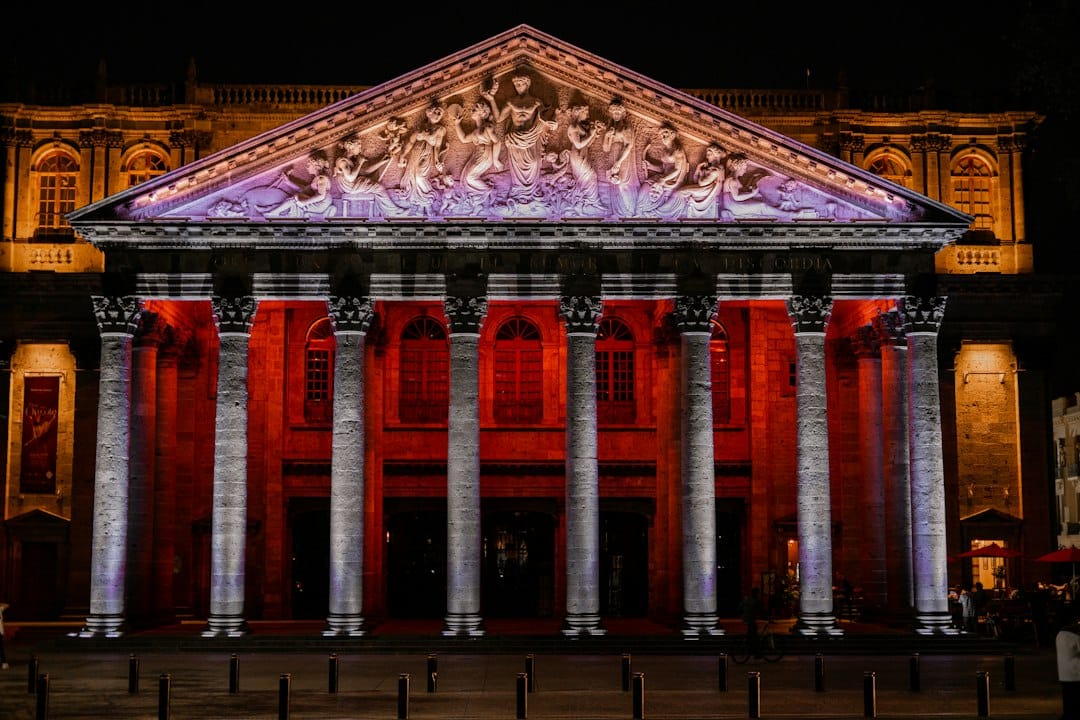
Insider tip: Don't just photograph the outside. Check the box office (it faces the plaza behind the cathedral) for a Philharmonic concert during your stay — tickets are a fraction of what you'd pay for a comparable orchestra in Europe or the US, and it's the only way to actually see the auditorium. If nothing's scheduled, daytime tours let you into the hall for a small fee.
Palacio de Gobierno and the second Orozco
Facing Plaza de Armas, the Palacio de Gobierno is where the state of Jalisco is run, and admission is free. Climb the main staircase for Orozco's 1937 mural of Miguel Hidalgo — the independence priest rendered as a giant with a torch raised over a churning mass of struggle. Whether or not you saw the Cabañas frescoes, this one lands.
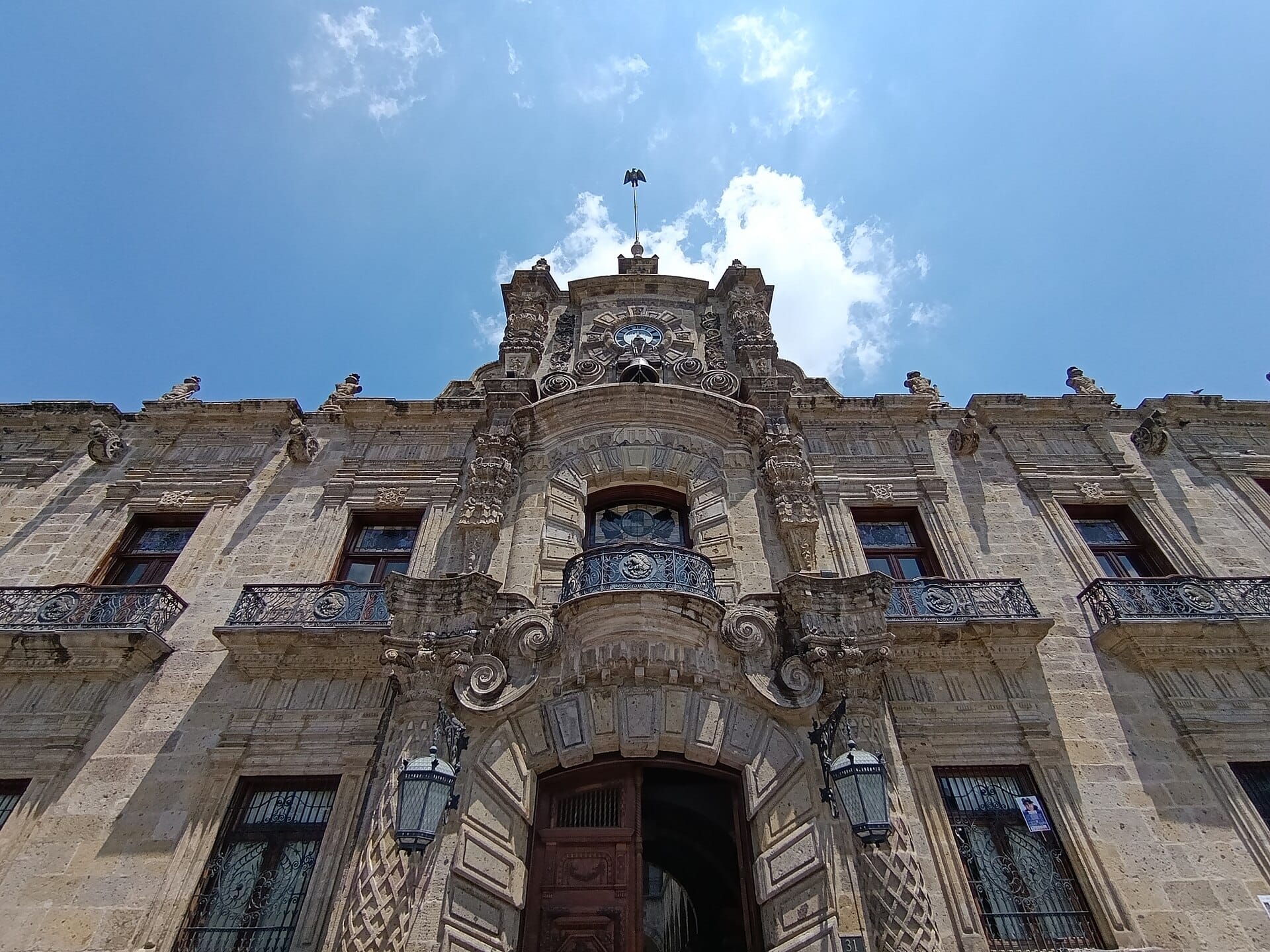
Insider tip: There's a second Orozco mural upstairs in the former state congress chamber that most people miss entirely because they leave after the staircase. Ask a guard for the "sala del Congreso." Go in the morning; the building closes to visitors when official business requires it, and mornings are the safest bet.
Mercado San Juan de Dios (Mercado Libertad)
Officially the Mercado Libertad, universally called San Juan de Dios, this is billed as the largest indoor market in Latin America — three floors of everything from pirated boots and leather goods to caged birds. The reason to come is the upstairs food court, where dozens of stalls fire out tortas ahogadas and birria to people who are not tourists.
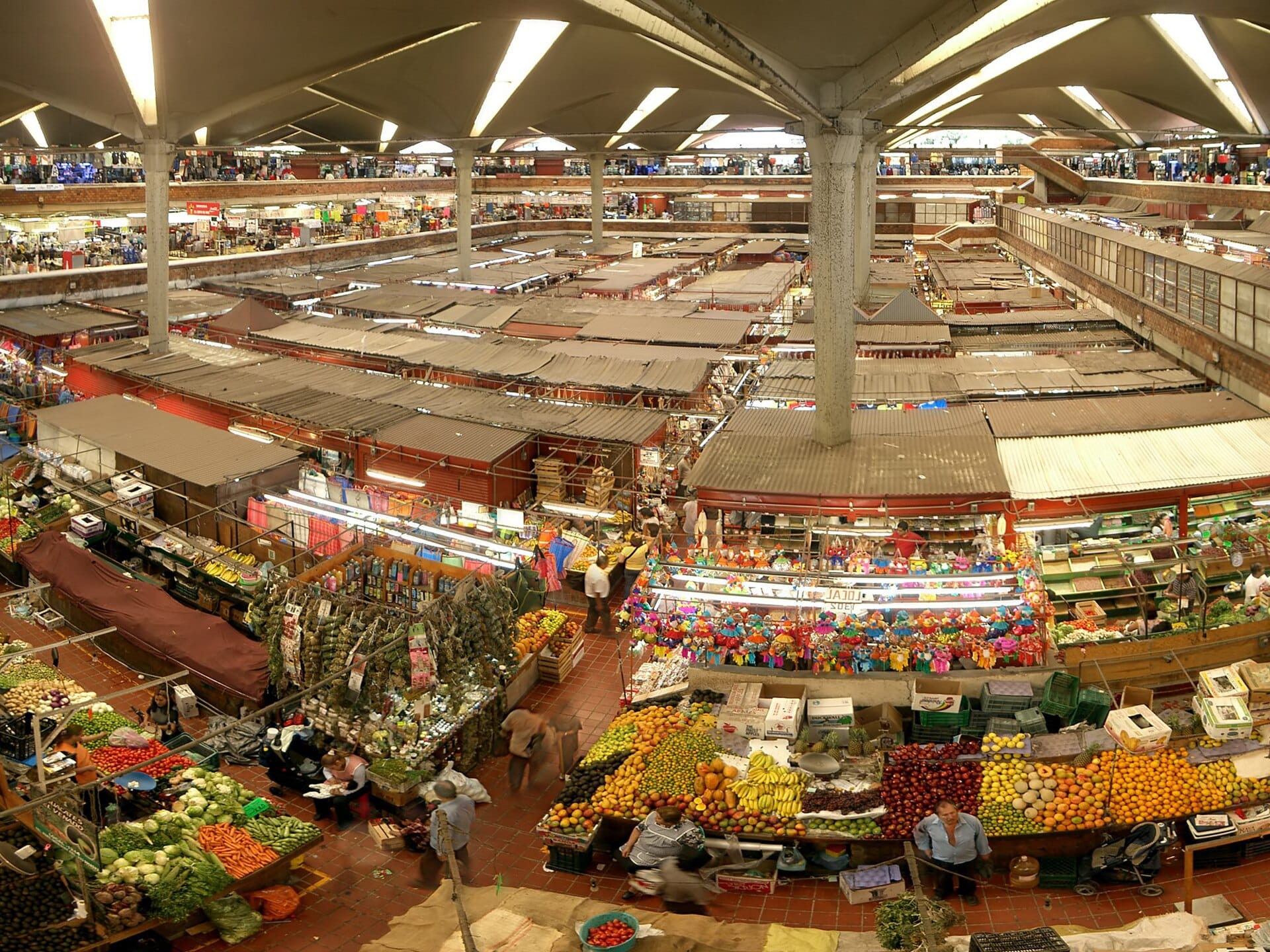
Insider tip: Go for an early lunch and be gone before sunset. The streets immediately around the market get dodgy after dark and pickpocketing is a real problem in the crowds — keep your phone in a front pocket and your bag zipped and in front of you. Eat upstairs, where the volume of turnover means the food is fresh, rather than at the tempting-looking stalls right by the entrance.
Tlaquepaque
Tlaquepaque is a Pueblo Mágico that Guadalajara has swallowed — about 20 minutes and $3–4 (€3–4) by Uber from the center. Calle Independencia is a pedestrianized run of ceramics workshops, blown-glass studios, and courtyard restaurants. This is where you buy the Talavera pottery you'll regret not buying.
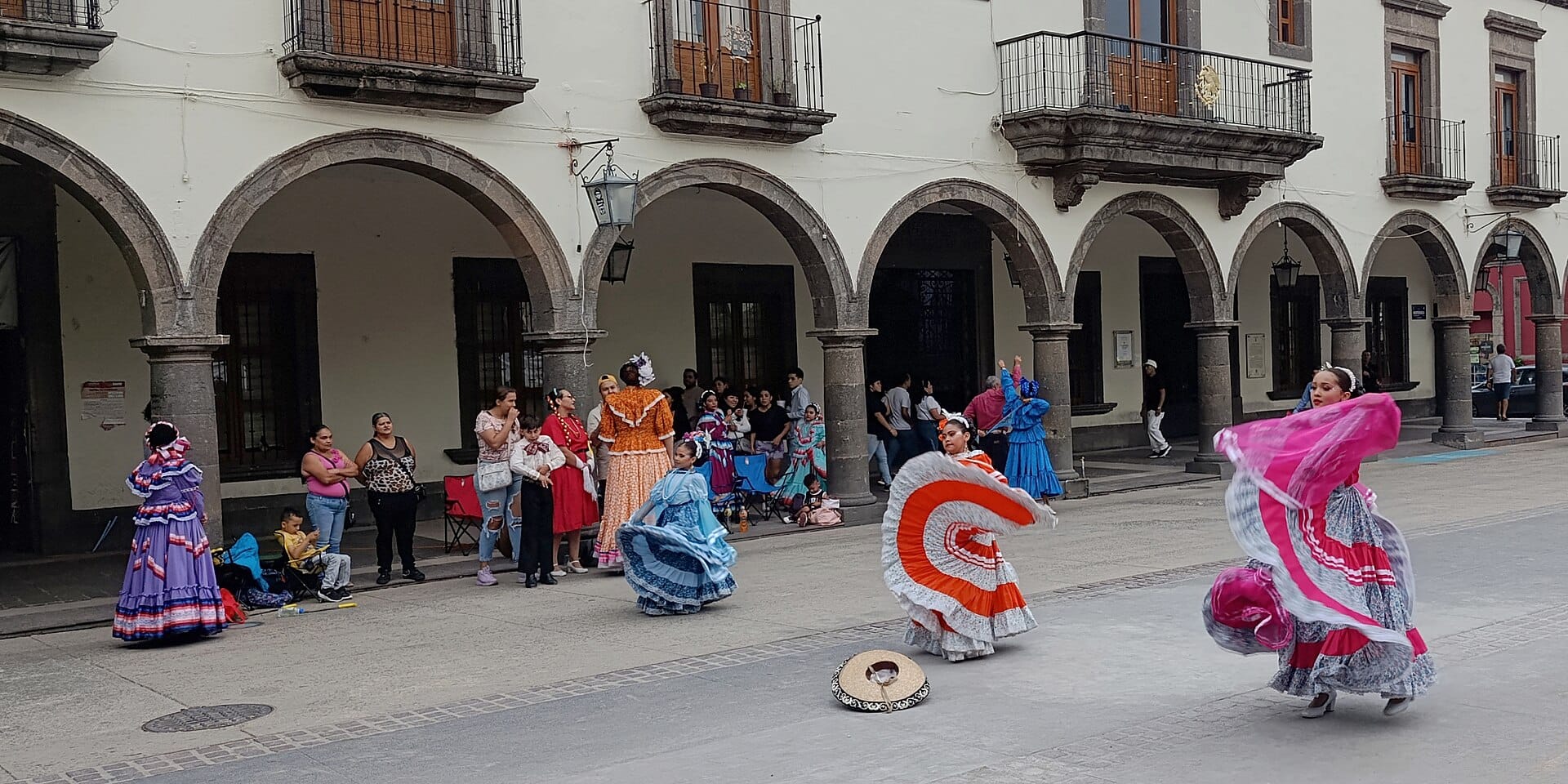
Insider tip: Head to El Parián, a covered plaza ringed by cantinas, in the early evening when the mariachis are working the tables. Order a cantarito — tequila, grapefruit, lime, and orange over ice in a clay cup — which is the local drink and travels better than a margarita. Mariachi will play requests at your table for a per-song fee; agree the price before they start, not after.
Basílica de Zapopan
Out in the municipality of Zapopan sits an 18th-century basilica that houses La Generala, the small Virgin of Zapopan figure that is the object of Mexico's largest annual religious pilgrimage. Every October 12, roughly two million people accompany the image on foot from the Guadalajara cathedral back to Zapopan — a walking, dancing, all-day procession called the Romería.
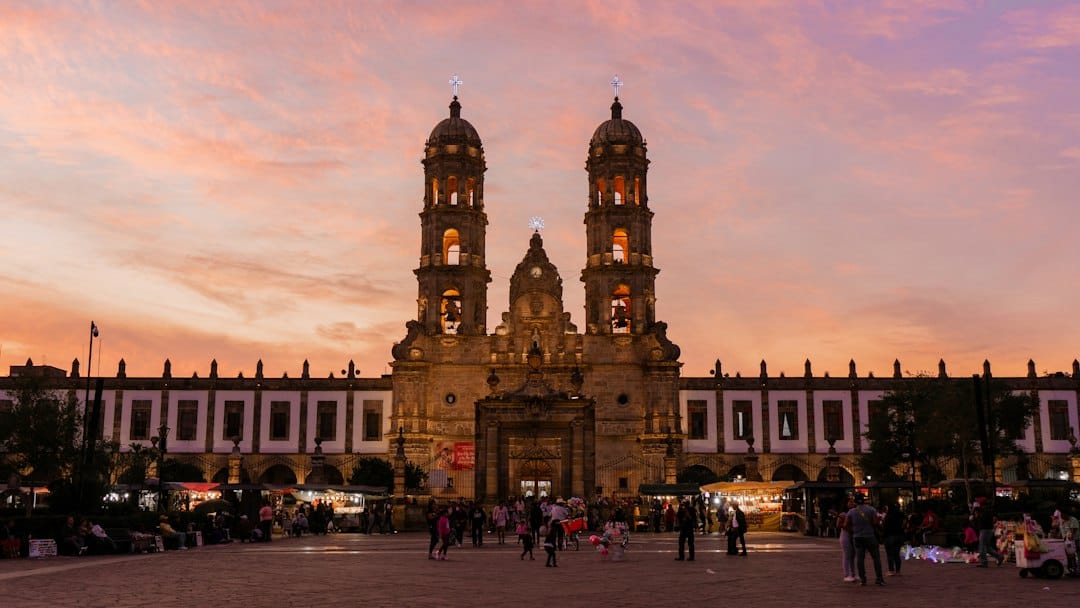
Insider tip: If you're here in mid-October, the Romería is a genuine spectacle worth rearranging your day for — but stake out a spot along the route by mid-morning, because two million people is not an exaggeration. Any other time of year, the basilica plaza and the adjacent Huichol art museum are a calm, uncrowded half-day, and the surrounding Zapopan center has become a good restaurant district in its own right.
A day in Tequila
The town of Tequila is 65 km northwest, surrounded by the blue-agave fields that UNESCO listed as a World Heritage cultural landscape in 2006. The scenic way to get there is the José Cuervo Express, a tourist train that runs on Saturdays (and some Sundays) from the González Gallo station, with tastings on board and a distillery tour on arrival. Round-trip packages run roughly 1,200–2,500 pesos ($60–125 / €55–115) depending on the class and how much tequila is included.
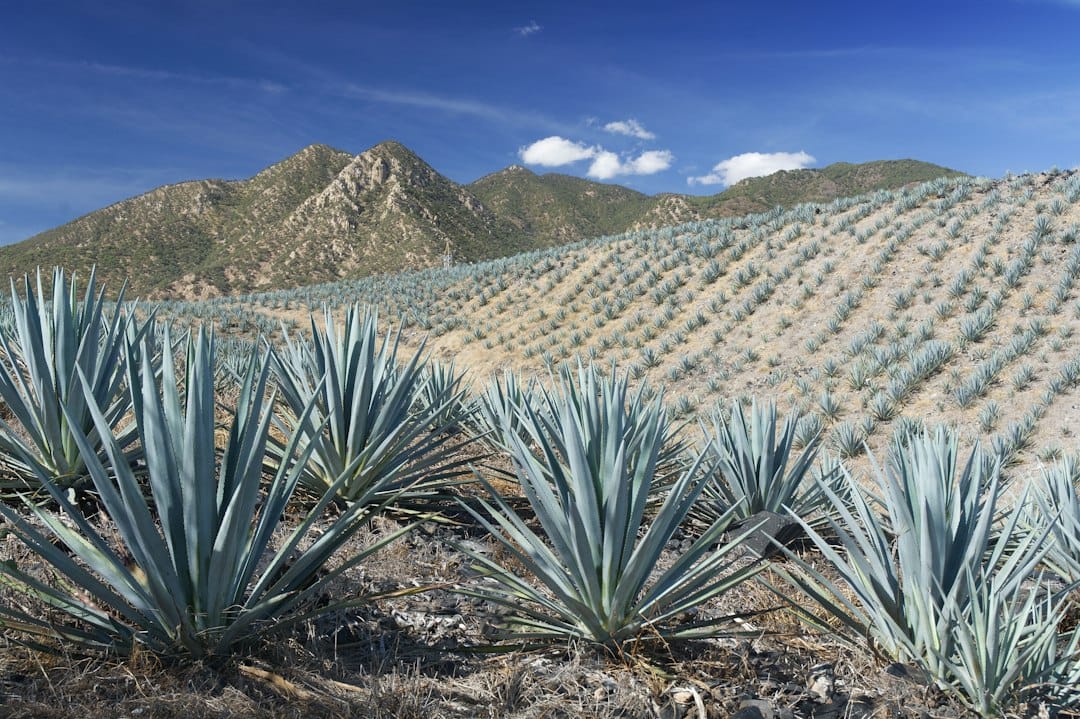
Insider tip: The train is a fun splurge but not the only option — regular buses from the old central bus station reach Tequila for a fraction of the price if you'd rather tour Mundo Cuervo or Casa Herradura independently and skip the packaged group. Either way, don't drive yourself; the whole point is that you'll be sampling, and Jalisco's roadside checkpoints are not sympathetic.
🗓️ A Three-Day Itinerary
Day 1 — The historic center on foot
Start at the cathedral on Plaza de Armas when it opens, then walk the four connected plazas: the Rotonda de los Jaliscienses Ilustres, past the Palacio de Gobierno for the Hidalgo staircase mural (free), and around to the Teatro Degollado. From there it's a straight ten-minute walk down the Plaza Tapatía to the Hospicio Cabañas (90 pesos / ~$5 / €4.50; closed Mondays, so plan Day 1 for any day but Monday) — give the Orozco frescoes a full 90 minutes. Lunch upstairs at Mercado San Juan de Dios, a five-minute walk away: a torta ahogada runs about 40–60 pesos ($2–3). Spend the afternoon back among the plazas, and finish the day early enough to be clear of the market district before dark. Total spend beyond meals: under $10 / €9.
Day 2 — Tlaquepaque and the food that made the city
Take an Uber to Tlaquepaque ($3–4 / €3–4, about 20 minutes) mid-morning and work Calle Independencia's galleries and ceramics shops. For lunch, this is the day to eat carne en su jugo — thin beef simmered in its own broth with bacon and beans — at Karnes Garibaldi, the restaurant that invented the dish in 1958 and holds a Guinness record for fastest service (around 13 seconds from order to table); a bowl is 120–150 pesos ($6–8 / €6–7). Return to Tlaquepaque's El Parián in the early evening for a cantarito and table-side mariachi. If you've got energy left, an Uber to the Colonia Americana puts you in the bar district for a nightcap.
Day 3 — Zapopan, or a day trip to Tequila
If you want a slower day in the city, head to the Basílica de Zapopan in the morning, see the Huichol art museum, and eat lunch in the Zapopan center. If you'd rather go big, book the José Cuervo Express to Tequila (Saturdays; 1,200–2,500 pesos / $60–125 / €55–115) — it's a full day and you'll be back by evening. Cap the trip with lucha libre if it's a Tuesday or Sunday: Arena Coliseo in the center runs masked-wrestling cards for 150–300 pesos ($8–16 / €7–15), and it is exactly as ridiculous and enjoyable as it sounds.
🧠 Essential Tips
When to go
The dry season runs roughly November through April, with mild days around 20–25°C and cool evenings — this is the comfortable window. October and November are the standouts for events: the Fiestas de Octubre fill the month with concerts and a fairground, the Romería pilgrimage lands on October 12, and the FIL Guadalajara book fair — one of the largest in the Spanish-speaking world, drawing north of 800,000 visitors — takes over the last ten days of November. April and May are the hottest, pushing 28–32°C. June through September is the rainy season, when afternoon and evening downpours are near-daily but usually short; mornings stay clear. The jacaranda trees bloom purple across the city in March.
Getting around
Guadalajara's Mi Tren light rail has four lines and a flat fare of 11 pesos (about $0.60 / €0.55); Line 3 connects the historic centers of Guadalajara, Zapopan, and Tlaquepaque, and Line 4 opened in December 2025. You'll need a rechargeable Mi Movilidad card (30 pesos empty) to ride. The Mi Macro bus rapid-transit corridors use the same card and fare. In practice, most visitors lean on Uber, which is cheap, ubiquitous, and the standard local advice for staying out of trouble — a short trip in the center is 50–80 pesos ($3–4 / €3–4). From Miguel Hidalgo y Costilla International Airport (GDL), an Uber into the center is 200–350 pesos ($11–19 / €10–17) and takes 30–40 minutes. Don't rent a car for the city; save it for independent day trips if at all.
Staying safe
The US State Department rates the state of Jalisco Level 3 ("Reconsider Travel"), but that's a statewide figure driven by cartel activity in rural areas, and the tourist zones of Guadalajara behave much more like a normal big city. The concrete rules: use Uber rather than flagging unmarked taxis; treat the streets around Mercado San Juan de Dios as a daytime-only zone and leave before dark; use ATMs inside banks or malls rather than street machines to avoid skimmers; and expect timeshare touts near the hotel districts — a firm "no" ends it. Plaza de los Mariachis, the old downtown square, has declined and is better skipped after dark in favor of the mariachis at Tlaquepaque's El Parián. The Colonia Americana, Providencia, and Zapopan are all comfortable to walk day and evening.
What to eat
The signature dish is the torta ahogada — carnitas packed into a crusty local birote roll and drowned in a thin tomato-chile sauce; order it media if you want it only half-spicy, bien ahogada if you want it swimming. Tortas Ahogadas José "El de la Bicicleta" is a long-running go-to. Birria here is traditionally goat or lamb slow-cooked in a chile paste, served as a stew with onion, lime, and oregano — not the beef quesabirria that went viral abroad. Wash it down with tejuino, a cold fermented-corn drink with lime and salt sold from street carts for 15–25 pesos ($1). For dessert, find jericalla, a burnt-top vanilla custard that was, by local account, invented by the nuns at the Cabañas orphanage.
🏨 Accommodation Guide
Budget (roughly $23–41 / €21–37 a night, less for dorms): The Colonia Americana is the smart base for backpackers — Hostal Hospedarte sits near the Chapultepec bar corridor, so you're walking distance from the nightlife. In the historic center, Hotel San Francisco offers clean, air-conditioned, no-frills rooms at the low end, steps from the plazas.
Mid-range (roughly $87–205 / €80–190 a night): Hotel Morales is a restored 19th-century property a block from the cathedral, and Hotel de Mendoza puts you directly beside the Teatro Degollado — both hard to beat if you want to walk to everything on Day 1's route. For something more design-driven, Casa Fayette is a converted early-20th-century house of about 20 rooms in the Colonia Americana.
Luxury (roughly $233–583 / €215–540 a night): Hotel Demetria in the Colonia Americana runs 37 individually designed rooms in a converted 1900s building; the Quinta Real Guadalajara is built into a former bullring in Colonia Arcos. Both are a genuine sense-of-place stay rather than an international chain. Note that rates spike whenever the Estadio Akron has a major fixture or FIL is on, so book those dates early.
🌆 Beyond the Tourist Trail
The Colonia Americana isn't exactly a secret — Time Out named it the coolest neighborhood in the world in 2022 — but it still rewards a slow evening. The stretch along Avenida Chapultepec and the surrounding Lafayette streets is where Guadalajara's specialty-coffee, natural-wine, and mezcal scene actually lives, set among the early-20th-century mansions that survived the city's development. It's residential enough to feel lived-in rather than staged.
For a half-day out of the city with almost no other foreign visitors, Lake Chapala is 45 minutes south — Mexico's largest freshwater lake, ringed by towns like Ajijic that have drawn artists and retirees for decades. Walk the malecón, hire a boat, and eat pescado blanco, the small white fish endemic to the lake. It's the kind of unhurried afternoon that the World-Heritage-checklist version of a trip never leaves room for.
❤️ Plan Your Guadalajara Trip with VoyaBear
Guadalajara rewards a plan: the right day for the Cabañas frescoes (never Monday), the Saturday train to Tequila, the market lunch timed to be out before dark, the concert night at the Degollado. That's a lot of moving parts to line up on your own. VoyaBear builds personalized, day-by-day itineraries around your dates, your budget, and how you actually like to travel — from which neighborhood to book to which mariachi plaza to hit and when. Tell us when you're going, and we'll handle the timing. Start planning your Guadalajara trip with VoyaBear today.
Want this as an actual itinerary?
VoyaBear turns a guide like this into a day-by-day plan built around how you travel.
Plan my trip free