Hanoi 2026: The Complete Guide to Vietnam's Thousand-Year-Old Capital
3 August 2026 · 12 min read
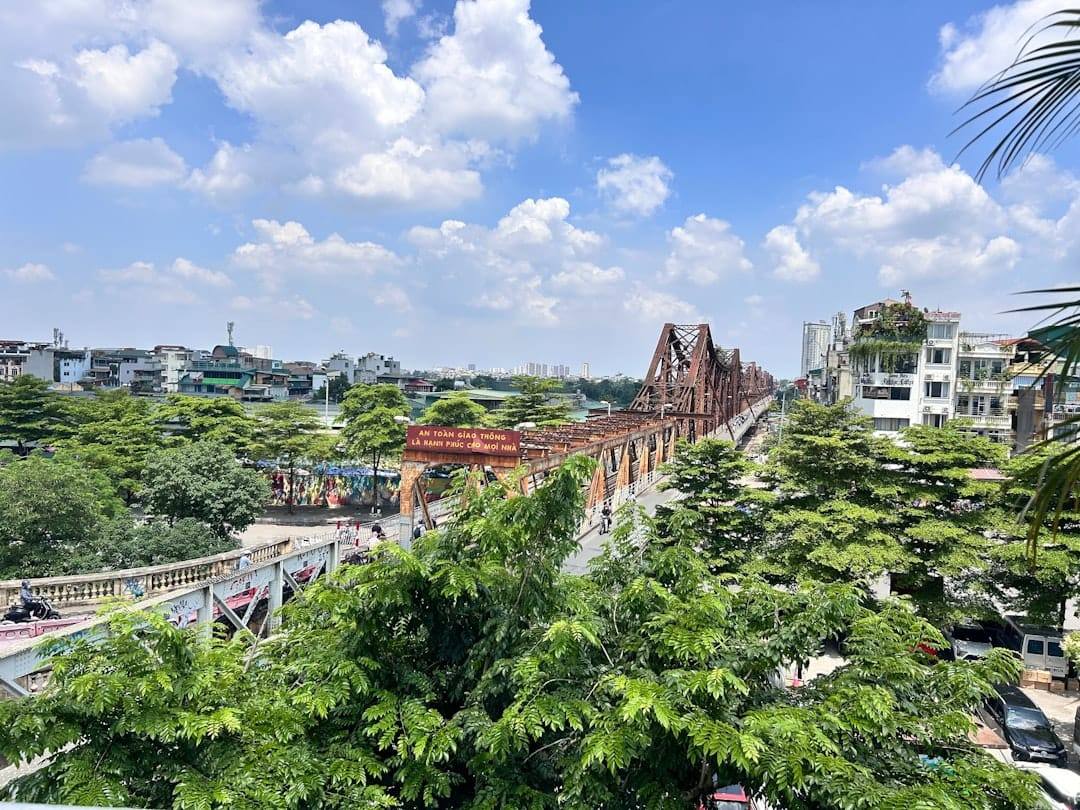
Hanoi is a thousand-year-old capital where the fastest way across the Old Quarter is still on foot, dodging motorbikes that treat the sidewalk as a second lane. In 2026 the city runs on a strange but functional blend of the ancient and the just-arrived: you can ride a driverless-feeling elevated metro that opened in 2021, then walk ten minutes to a 36-street medieval grid where blacksmiths and silk merchants have kept the same corners for centuries. It is cheaper than almost anywhere you'd compare it to — a bowl of the country's best beef pho runs about $2, a strong egg coffee under $2 — and the food alone justifies the flight. This guide is built on checked prices, real opening hours, and specific addresses, so you can spend your time eating rather than second-guessing whether a place is worth it.
🏙️ Essential Experiences
Hanoi's headline sights cluster in two walkable zones — the Hoan Kiem/Old Quarter core and the Ba Dinh government district a couple of kilometres west — with West Lake to the north. Here are the eight worth building your days around, with what to actually do at each and how to skip the worst of the crowds.
Hoan Kiem Lake & Ngoc Son Temple
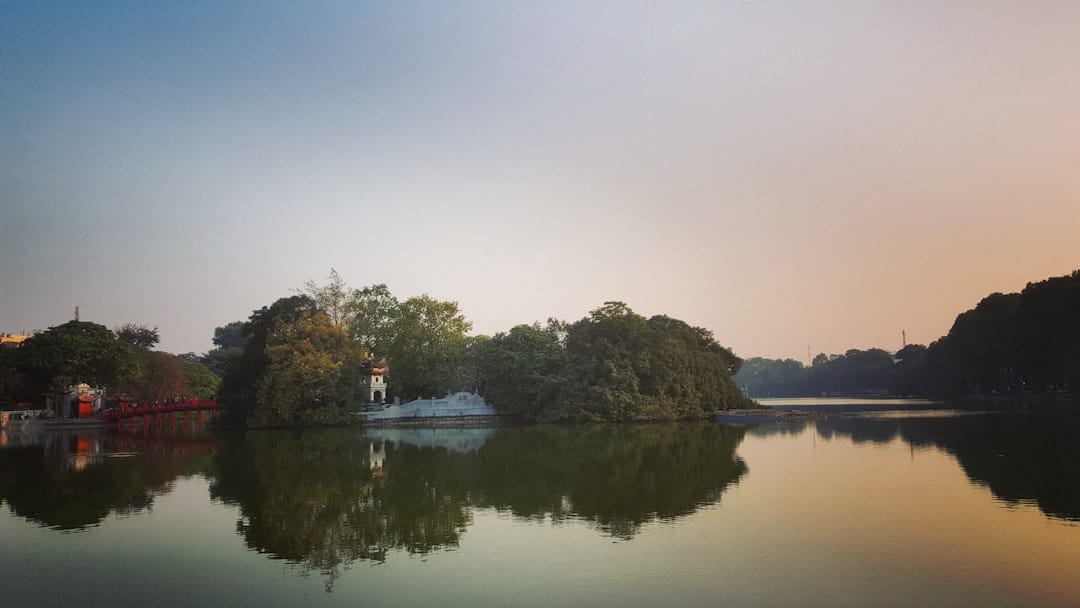
This is the pin at the centre of Hanoi's map, and the one spot every itinerary passes through. The lake itself is free and best at 6am, when locals do tai chi and badminton before the heat lands. The reason to pay is Ngoc Son Temple, on a small island reached by the scarlet The Huc Bridge; the temple honours the 13th-century general Tran Hung Dao and displays a preserved giant softshell turtle, one of which weighed 250kg before it died in 2016 — the animal tied to the lake's founding legend. Entry is 30,000 VND (about $1.15 / €1), free for under-15s. It opens 08:00–18:00 on weekdays and stays open to 21:00 on weekends. Insider tip: come on a weekday morning; on Friday and Saturday nights the streets around the lake close to traffic and the walking crowd is shoulder-to-shoulder.
Temple of Literature (Van Mieu)
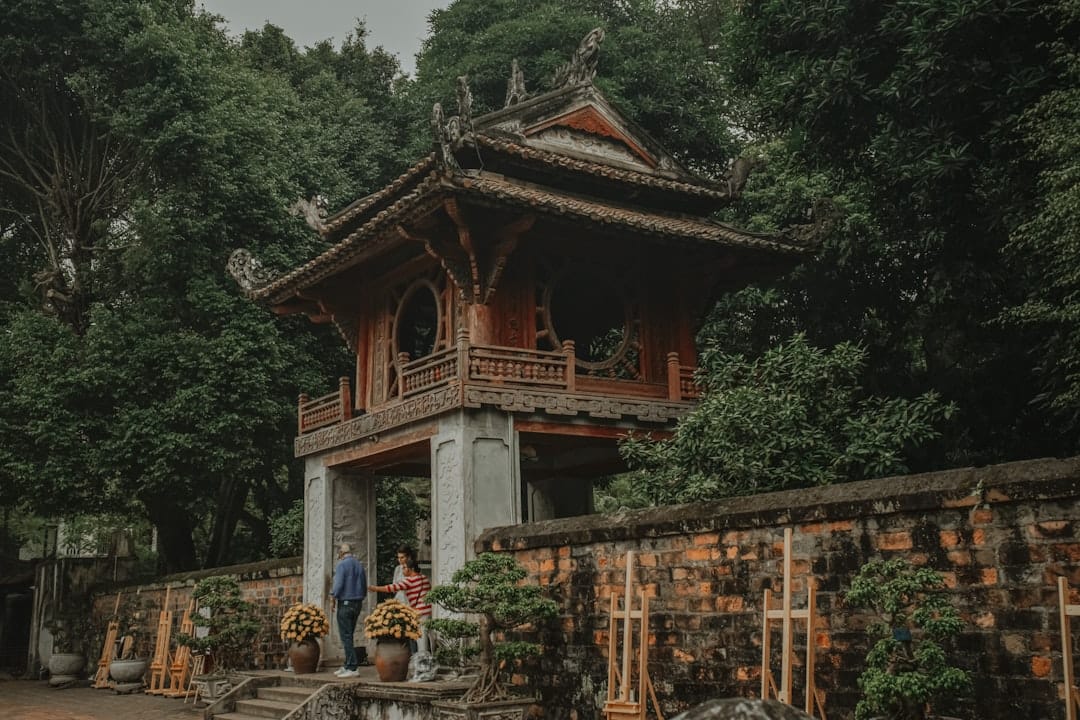
Founded in 1070 and home to Vietnam's first national university, this is the most complete piece of pre-colonial architecture in the city: five walled courtyards, a lotus pond, and 82 stone stelae mounted on carved turtles, each engraved with the names of doctoral graduates going back to 1442. It's genuinely calm compared to the Old Quarter, and the layout rewards a slow 60–90 minutes. Entry is 70,000 VND ($2.70 / €2.30), half-price for students and over-60s, free under 16; open daily 08:00–17:00. There's now a night experience with 3D projection mapping on Wednesday, Saturday and Sunday evenings (18:30–22:30, 199,000 VND). Insider tip: arrive right at opening or after 3pm — midday tour buses fill the courtyards, and the graduation-season crowds of Vietnamese students in May and June are heaviest around the stelae.
Ho Chi Minh Mausoleum Complex
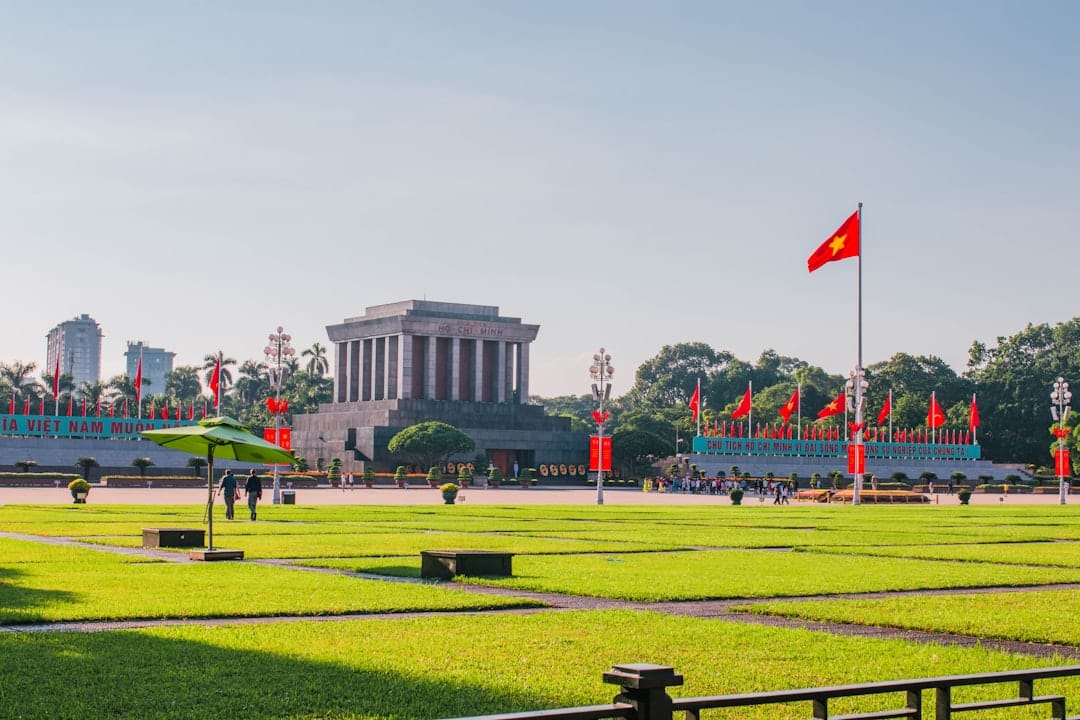
Whatever your politics, the mausoleum is the ceremonial heart of the country, and watching the goose-stepping guard change in front of a queue of Vietnamese families is worth the early alarm. Ho Chi Minh's embalmed body lies in a granite hall in Ba Dinh Square; entry is free, but the hours are short and strict: open Tuesday, Wednesday, Thursday, Saturday and Sunday only (closed Monday and Friday), 07:30–10:30 from April through October and 08:00–11:00 November through March. The dress code is enforced — no shorts, no sleeveless tops — and you must check phones, cameras and bags before entering; keep silent inside. In the same complex sit the stilt house where Ho lived and the tiny One Pillar Pagoda, built in 1049 to resemble a lotus rising from its pond (also free). Insider tip: join the queue by 7:15; the line closes well before the posted end time once it's long enough, and by 9am you'll be standing in full sun for over an hour.
Hoa Lo Prison
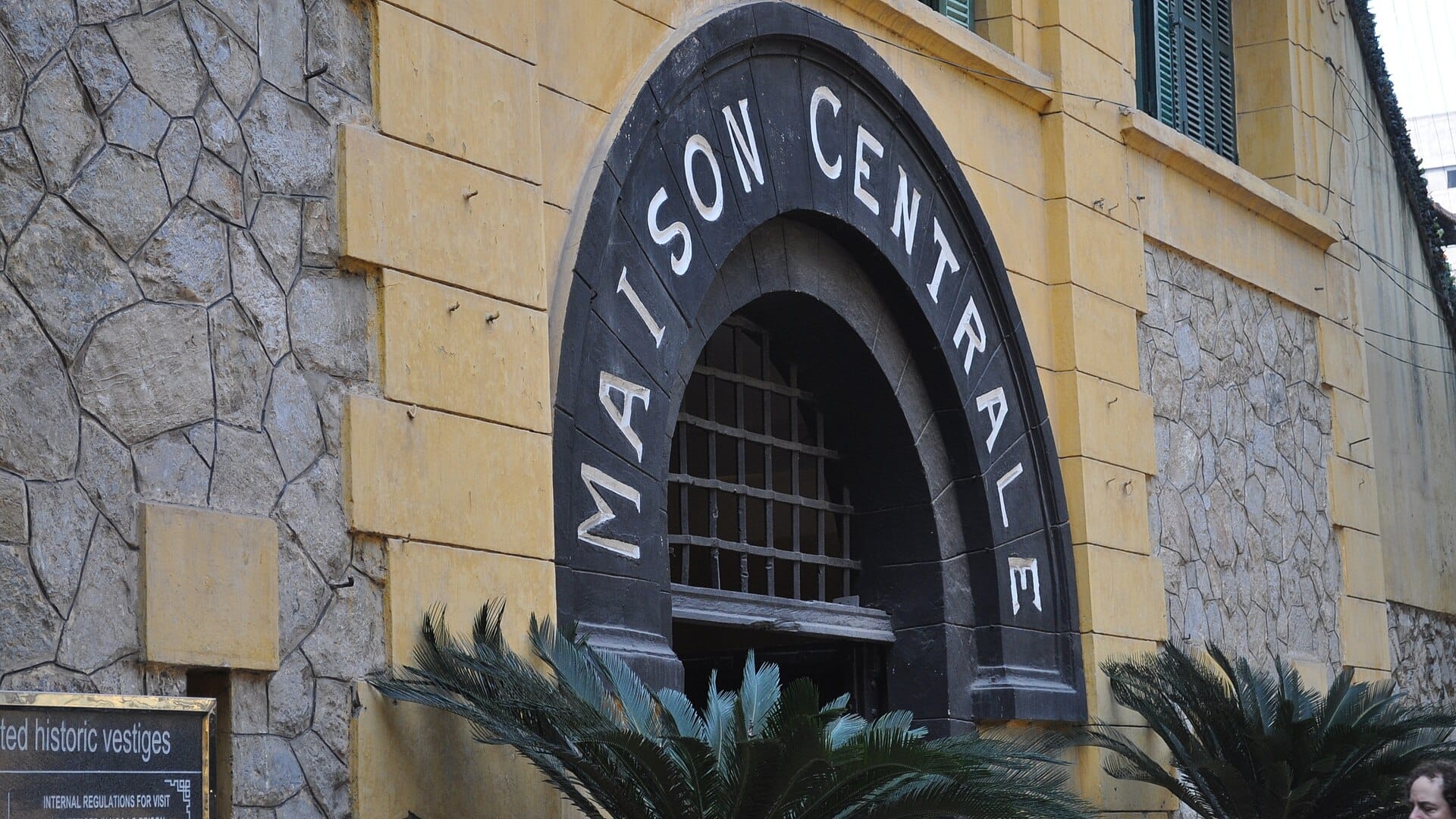
Built by the French in the 1890s and later nicknamed the "Hanoi Hilton" by the American POWs held here, Hoa Lo is the most affecting museum in the city. The bulk of the exhibits document French colonial brutality against Vietnamese political prisoners — the original guillotine is on display — with a smaller, pointedly upbeat section on the captured US pilots, including John McCain's flight suit. Budget 1.5–2 hours. Entry is 50,000 VND ($1.90 / €1.65), half-price for students and over-60s, free under 16; the audio guide (100,000 VND) is genuinely worth it here, as the printed captions are thin. Open daily 08:00–17:00, with a ticketed "Sacred Night" evening tour Friday to Sunday at 19:00 that needs booking ahead. It's about a 15-minute walk southwest of Hoan Kiem Lake.
The Old Quarter & Train Street
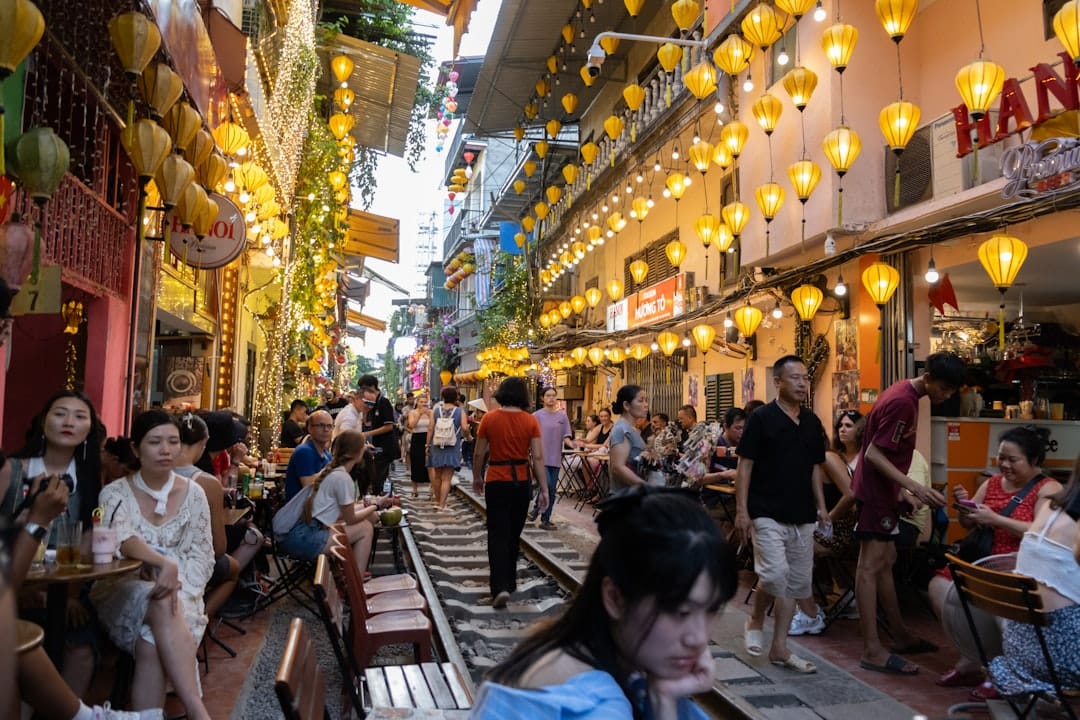
The Old Quarter is the reason to come: 36 streets historically named for the guild that worked them, so Hang Bac is still silversmiths, Hang Ma still sells paper votives and festival decorations. Get lost on purpose for an afternoon, then aim for Train Street, the residential rail corridor where a working train squeezes within arm's reach of café tables. It's free to look, but you can only watch from inside a café — police set up checkpoints and the alley is regularly closed for safety, so it can be shut without notice. On the Phung Hung (5 Tran Phu) section, weekday trains pass at roughly 08:30, 09:30, 11:50, 15:15, 19:50 and later in the evening; times drift by ±15 minutes, so arrive 30 minutes early, order an egg coffee (around 50,000 VND), and let the staff wave you back from the rail when it's due. Insider tip: the evening passes are more atmospheric and less mobbed than the morning ones.
Thang Long Water Puppet Theatre
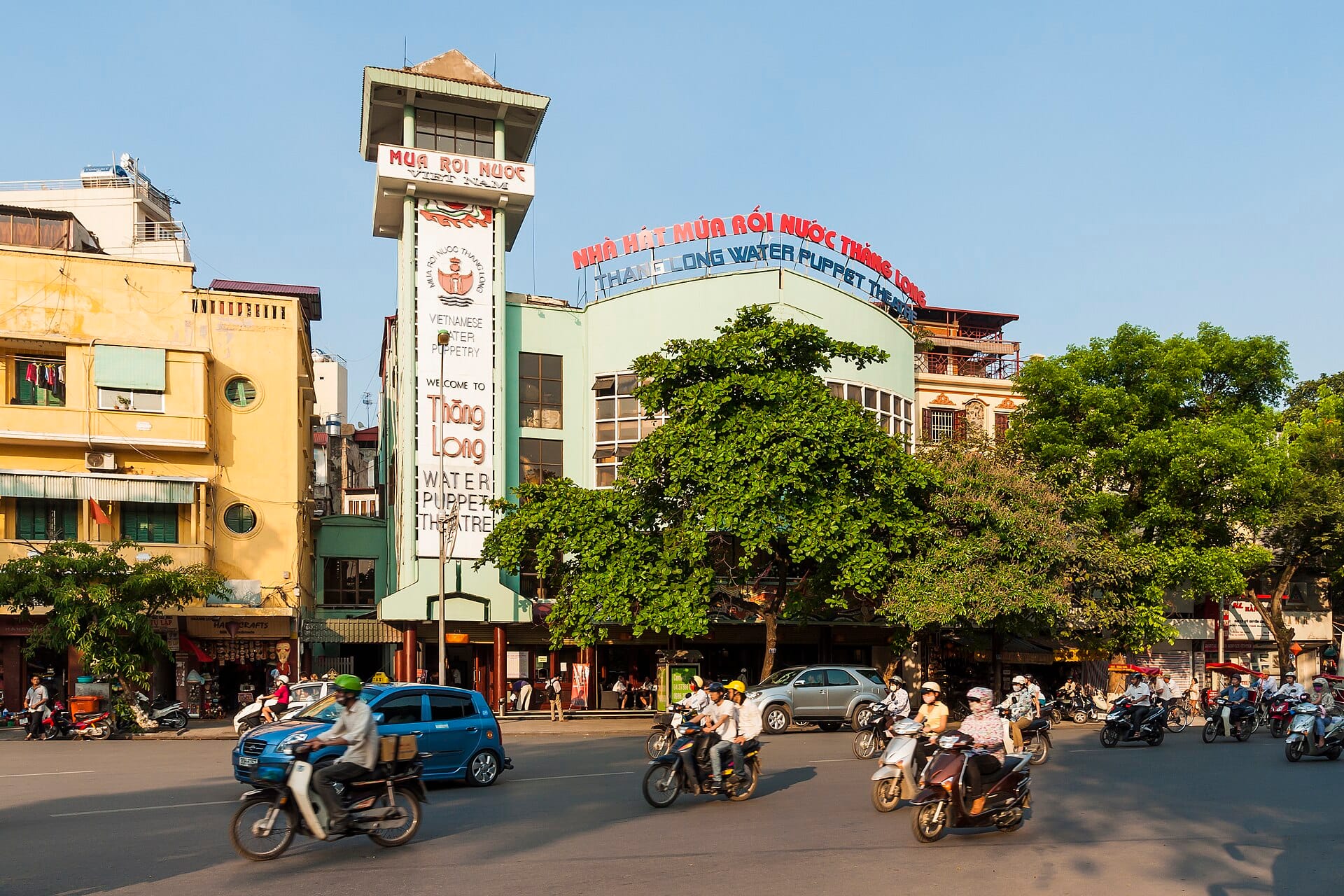
Water puppetry is a Red River Delta art form roughly a thousand years old — lacquered wooden puppets worked on underwater rods by puppeteers hidden waist-deep behind a bamboo screen, backed by a live traditional orchestra. The Thang Long Water Puppet Theatre at 57B Dinh Tien Hoang, right by Hoan Kiem Lake, is the one to book. Shows run about 50 minutes and there are five most days — 15:00, 16:10, 17:20, 18:30 and 20:00 — with tickets from 100,000 VND for standard seats up to 200,000 VND ($3.80–7.60 / €3.30–6.60) for the front row. Insider tip: the front rows get splashed and give you a clear view of the water, but book a day or two ahead in high season; evening shows sell out. The 50-minute run time is deliberate — it's the right length before the novelty fades.
Imperial Citadel of Thang Long
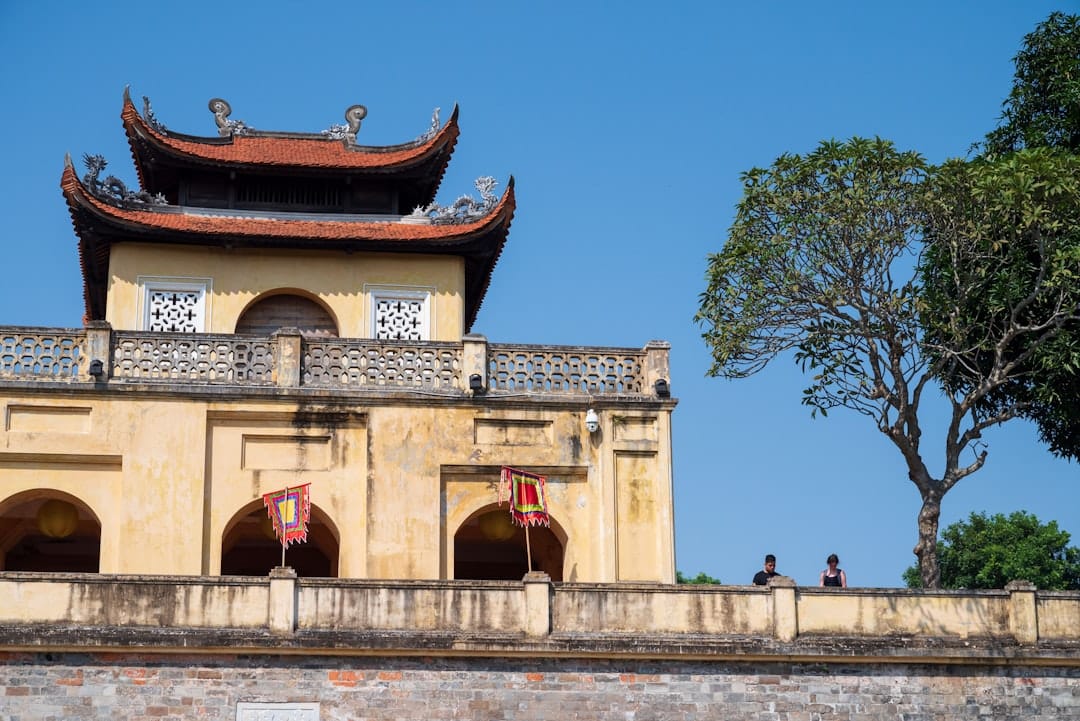
This UNESCO-listed site, about 2km west of the Old Quarter at 19C Hoang Dieu, was the seat of Vietnamese power for 13 centuries, and the layered ruins show it — from the Ly-dynasty foundations excavated across the road to the concrete D67 bunker where North Vietnamese generals ran the war, its 1960s maps and rotary phones left in place. It's usually quiet, which makes it one of the better-value tickets in the city at 30,000 VND ($1.15 / €1), free under 15; open 08:00–17:00. Insider tip: pair it with the mausoleum complex a short walk away rather than making a separate trip, and don't skip the underground command bunker — most day-trippers miss it entirely.
Tran Quoc Pagoda & West Lake
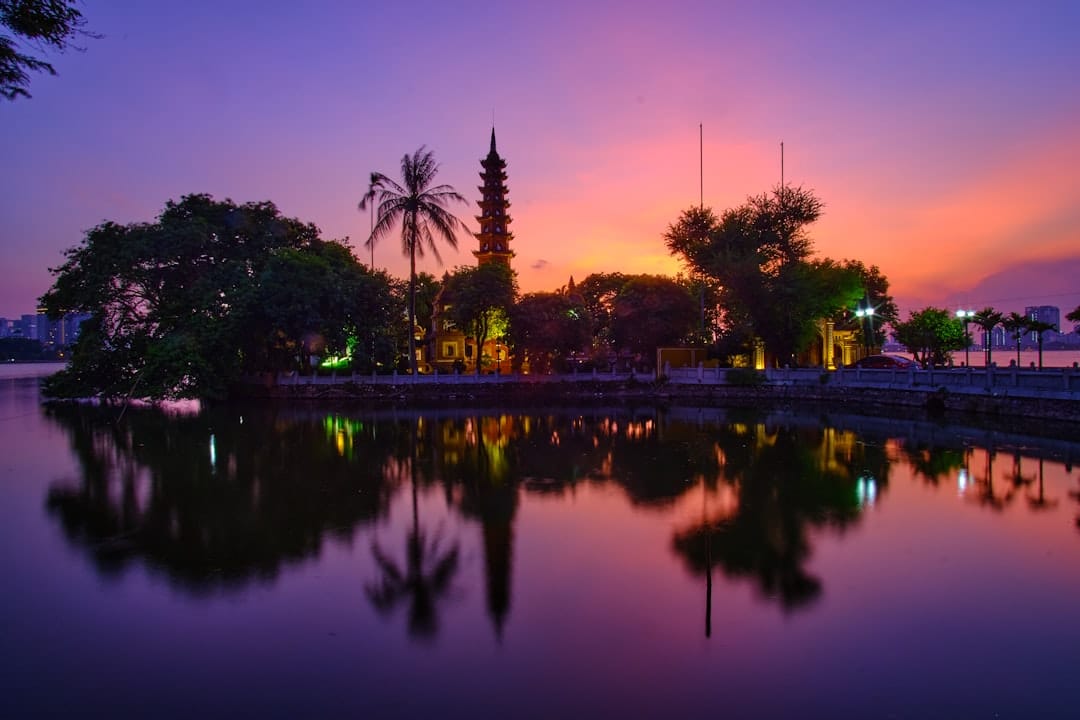
Tran Quoc is the oldest Buddhist pagoda in Hanoi, founded in 541 AD and moved to its current islet on West Lake (Tay Ho) in the 17th century; its red 11-tier stupa, built in 1998 and standing 15 metres, is the postcard shot, especially at sunset when the tower lights up against the water. Entry is free (08:00–16:00), with the same modest dress code as any temple — cover shoulders and knees. It sits on Thanh Nien Road, the causeway dividing West Lake from Truc Bach Lake, about 5km from the centre. Insider tip: come late afternoon, tour the pagoda, then walk the Tay Ho lakeshore for dinner — this is the city's café-and-craft-beer district, a calmer counterweight to the Old Quarter scrum.
🗓️ A 3-Day Itinerary
Day 1 — The Old Quarter core
Start at Pho Gia Truyen, 49 Bat Dan Street, by 7:30am for a bowl of traditional beef pho (50,000–60,000 VND / about $2); the queue is part of it, and they sell out. Walk 10 minutes to Hoan Kiem Lake, cross The Huc Bridge to Ngoc Son Temple (30,000 VND), then spend the late morning wandering the guild streets north of the lake. Grab a banh mi for lunch — sandwiches run just 15,000–25,000 VND. In the afternoon walk 15 minutes to Hoa Lo Prison (50,000 VND, +100,000 for the audio guide), then rest before the 20:00 water puppet show (from 100,000 VND) back by the lake. Finish with an egg coffee at Cafe Giang, 39 Nguyen Huu Huan, where the drink was invented. Total for the day, sights plus food: roughly 350,000–450,000 VND ($13–17 / €12–15).
Day 2 — Ba Dinh & history
Set an alarm: be in the Ho Chi Minh Mausoleum queue by 7:15 (free, closed Monday and Friday). Afterwards see the stilt house and One Pillar Pagoda in the same complex, then walk 10 minutes to the Imperial Citadel of Thang Long (30,000 VND) for the ruins and the D67 war bunker. Taxi or Grab back toward the centre (a short ride is about 40,000–60,000 VND) and have lunch at Bun Cha Huong Lien, 24 Le Van Huu — the "Obama combo" of grilled pork, noodles and a nem crab roll. Spend the afternoon at the Temple of Literature (70,000 VND), then an early dinner of garlicky beef pho at Pho Thin, 13 Lo Duc (70,000–90,000 VND). Day total: about 300,000–400,000 VND ($11–15 / €10–13).
Day 3 — West Lake & slower Hanoi
Take the metro or a Grab north to Tay Ho. Mid-morning coffee along Xuan Dieu, then Tran Quoc Pagoda (free) on the Thanh Nien causeway. Have bun cha at a charcoal-grill spot like Bun Cha 74 Hang Quat back in the Old Quarter for lunch, then use the afternoon for whatever you skipped — Train Street for the 15:15 or 19:50 pass, or the Vietnamese Women's Museum (a genuinely good, underrated stop). Close the trip with sunset over West Lake and craft beer in Tay Ho. Because half of today is free or cheap, expect to spend most of your money on food — 200,000–300,000 VND ($8–11 / €7–10) covers it comfortably.
🧠 Essential Tips
When to go
October and November are the best months, full stop: 20–28°C, low humidity, minimal rain, and the clear "autumn in Hanoi" light locals write songs about. The trade-off is peak hotel prices. March and April are the value pick with similar comfort (18–27°C), though April can throw the odd 32–35°C heat wave. Avoid May to September if you can — this is the monsoon, with July and August the hottest and wettest (frequently 30°C-plus, 250–310mm of rain a month). December to February is cool and grey (Hanoi's January averages 14–20°C) and damper-feeling than the numbers suggest; pack a layer.
Getting in and getting around
From Noi Bai Airport, the orange Bus 86 runs to the Old Quarter for 45,000 VND (about $1.70) in 45–60 minutes — the easy budget option. A Grab or metered taxi to the centre runs roughly 300,000–400,000 VND ($11–15); agree the app fare before you get in and ignore drivers who approach you in the terminal. In the city, Grab is the app locals use for both cars and motorbike taxis, and it removes all haggling. The Hanoi Metro now has two elevated lines — 2A (Cat Linh–Ha Dong, open since 2021) and 3 (Nhon–Cau Giay, open since 2024) — running 05:30 to about 22:00; single rides are roughly 8,000–19,000 VND and a day pass is about 24,000 VND, cheapest bought cashless through the "Hanoi Metro" app. It's useful but doesn't yet reach the Old Quarter core, so you'll still walk and Grab most days.
Staying safe and unscammed
Hanoi is low on violent crime but high on small hustles. The classic ones: taxi meters that run fast (stick to Grab, or the reputable Mai Linh and G7 firms), the friendly shoe-shiner who "repairs" your sandal then demands a large fee, and women carrying a shoulder-pole of fruit who plonk it on you for a photo and charge for it — a firm no works. Around the lake at night, keep your phone in your hand, not loose, as drive-by grabs happen. The real daily hazard is simply crossing the street: walk at a slow, steady pace and let the motorbikes flow around you — stopping suddenly is what causes accidents.
Eating well
Hanoi is a street-food city, and the best food is on plastic stools, not in restaurants. Beyond the pho spots above, chase egg coffee (ca phe trung) — the Giang family invented it, and Cafe Dinh at 13 Dinh Tien Hoang is the quieter, lake-view alternative to the tourist-packed original. For bun cha, the smoky charcoal versions in Old Quarter alleys (try 74 Hang Quat) beat the famous "Obama" spot. And don't leave without banh mi — the red-wine beef-stew version, banh mi sot vang, is a Hanoi specialty and costs about a dollar. A full day of excellent eating here lands around 250,000–300,000 VND ($10–11).
🏨 Accommodation Guide
Budget — the Old Quarter
For a first visit, base yourself in the Old Quarter: you can walk to almost everything, and hostels are plentiful. Dorm beds run $6–12 and private budget rooms $18–35 a night. The one caveat is noise — motorbikes fire up around 5:30am and the bars near Ta Hien Street ("Beer Street") run late. Ask for a high-floor or rear-facing room and you'll sleep fine.
Mid-range — Old Quarter boutiques & Tay Ho
Mid-range boutique hotels in and just around the Old Quarter run roughly $25–90, with the nicer boutiques up to about $150. If you'd rather trade central location for calm, Tay Ho (West Lake) is the expat district — laptop cafés, brunch and craft beer along Xuan Dieu and Quang An — with rooms around $40–120. The trade-off is a 15–25 minute Grab to the main sights.
Luxury — the French Quarter
For a splurge, the French Quarter south of Hoan Kiem Lake has the colonial grandes dames, led by the Sofitel Legend Metropole, open since 1901 and still the address in Hanoi. Expect wide, quiet boulevards and rates from about $150 to $400-plus. It's the calmest central base and the best pick if you want heritage architecture and a pool without the Old Quarter's clamour.
🎭 Beyond the Tourist Trail
Two neighbourhoods reward stepping out of the Old Quarter loop. Tay Ho (West Lake) has quietly become Hanoi's creative-and-coffee district: independent roasters, natural-wine bars and lakeside restaurants along Xuan Dieu, plus the Quang An flower market that runs through the small hours — locals arrive around 2–4am to buy blooms by the armful, and it's a genuinely photogenic reason to be up before dawn. South of the centre, the Hai Ba Trung district around the old Hanoi Creative City and the emerging cafés near Truong Dinh show you a working, un-touristed city. For a specific dated event, aim for the Mid-Autumn Festival (Tet Trung Thu, falling in September or early October depending on the lunar calendar), when Hang Ma street in the Old Quarter turns into a glowing corridor of lanterns and star-shaped toys — the single most atmospheric night of Hanoi's year.
❤️ Plan Your Hanoi Trip with VoyaBear
Hanoi rewards travellers who know which pho counter opens at dawn, which temple to hit before the buses arrive, and which nights the streets close to traffic — the specifics that turn a good trip into a great one. That's exactly what VoyaBear builds for you. Tell us your dates, your budget, and whether you're here for the food, the history, or the coffee, and we'll turn this guide into a day-by-day plan tailored to you — reservations, timing, and the West Lake sunset built right in. Start planning your personalized Hanoi itinerary with VoyaBear today.
Want this as an actual itinerary?
VoyaBear turns a guide like this into a day-by-day plan built around how you travel.
Plan my trip free