Kotor 2026: The Complete Guide to Montenegro's Walled Bay City
5 October 2026 · 13 min read
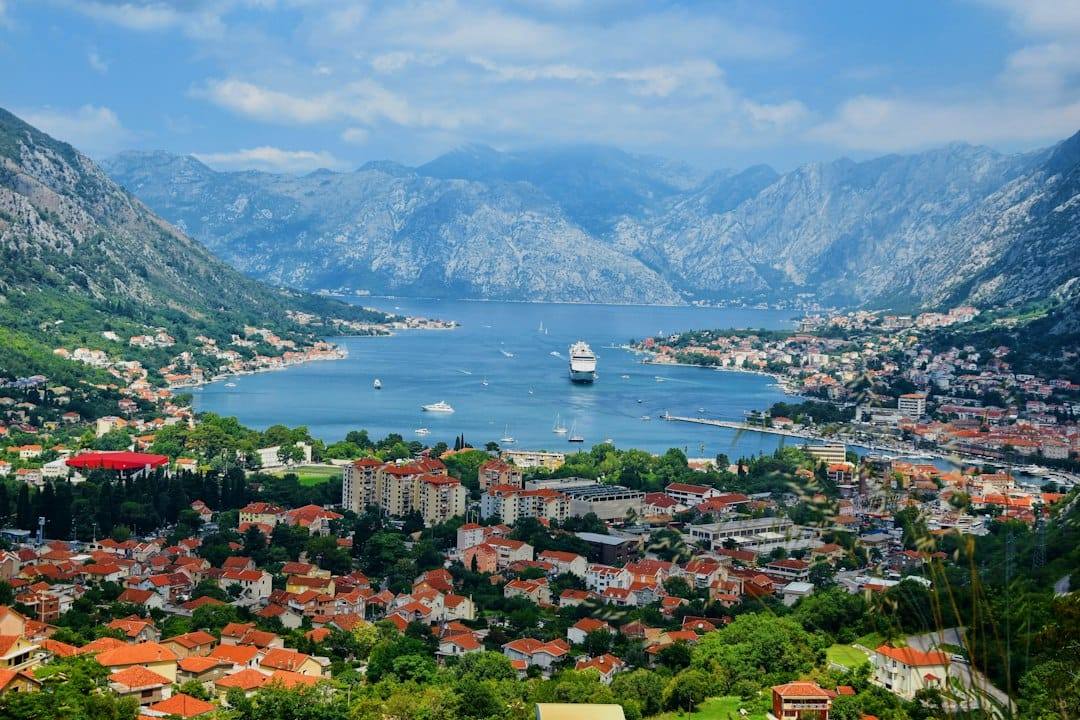
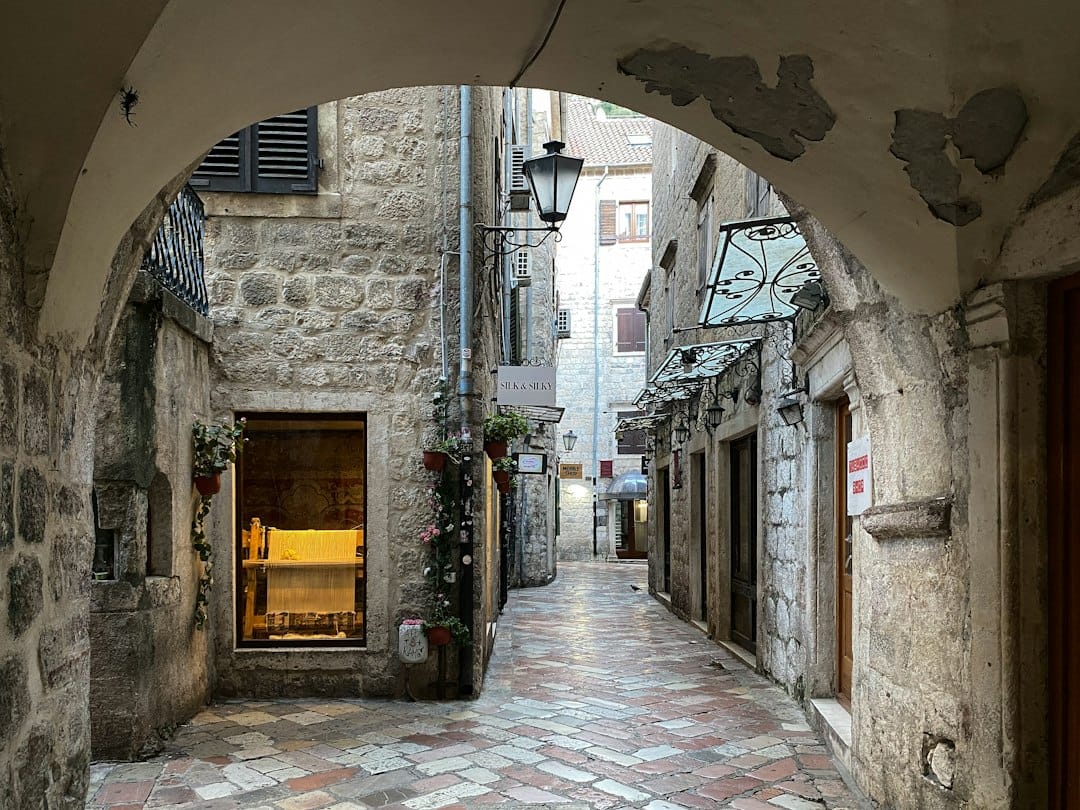
Kotor is a town of about 13,000 people wrapped in 4.5 kilometres of medieval stone wall, folded into the back corner of a 28-kilometre bay that cruise brochures insist on calling "Europe's southernmost fjord." It isn't a fjord — it's a ria, a drowned river canyon, and the limestone cliffs behind the Old Town rise more than 1,000 metres almost straight from the water, which is the only statistic that matters once you're standing under them. Montenegro quietly adopted the euro in 2002 despite never joining the EU, so your money works the moment you land, and the whole walled town is small enough to cross on foot in eight minutes. The catch, and the reason this guide exists, is that up to five cruise ships dock on a single summer day and funnel 5,000 to 10,000 passengers through a single gate between 9am and 5pm. Time your visit right and Kotor is one of the Adriatic's great walled cities. Time it wrong and you'll queue behind a tour flag to see a cat. This guide is about getting the timing, the costs, and the climbs right.
🏙️ Essential Experiences
1. The City Walls & San Giovanni Fortress
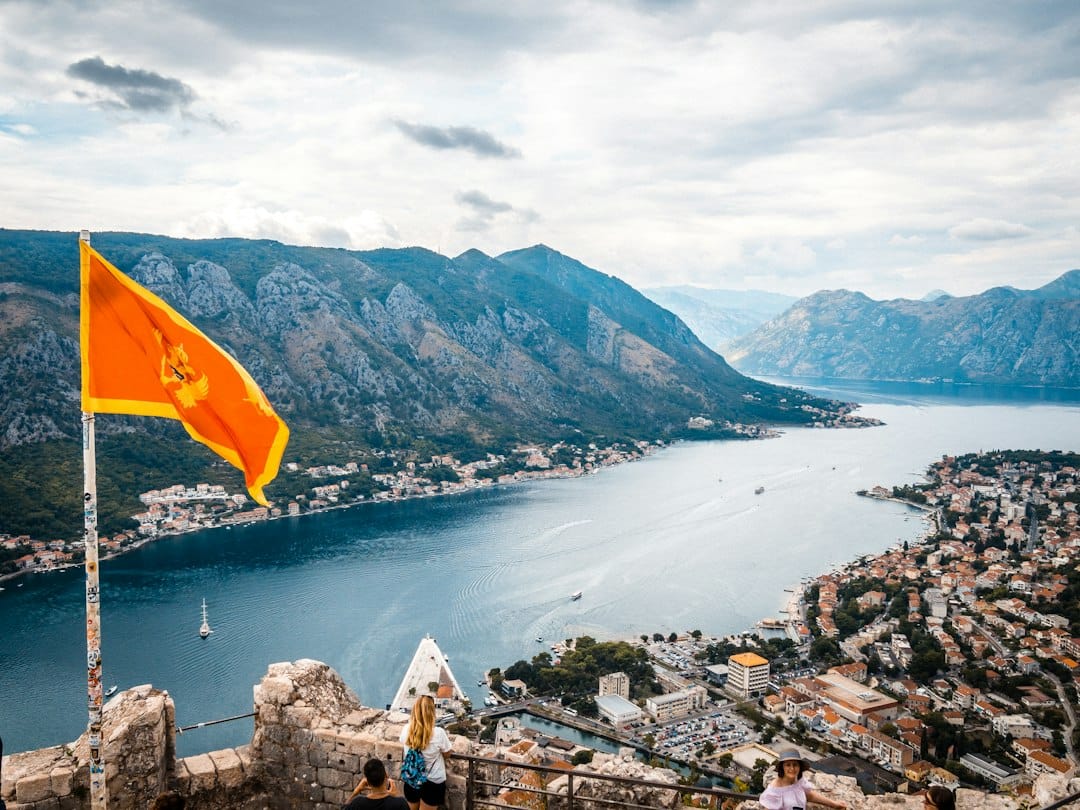
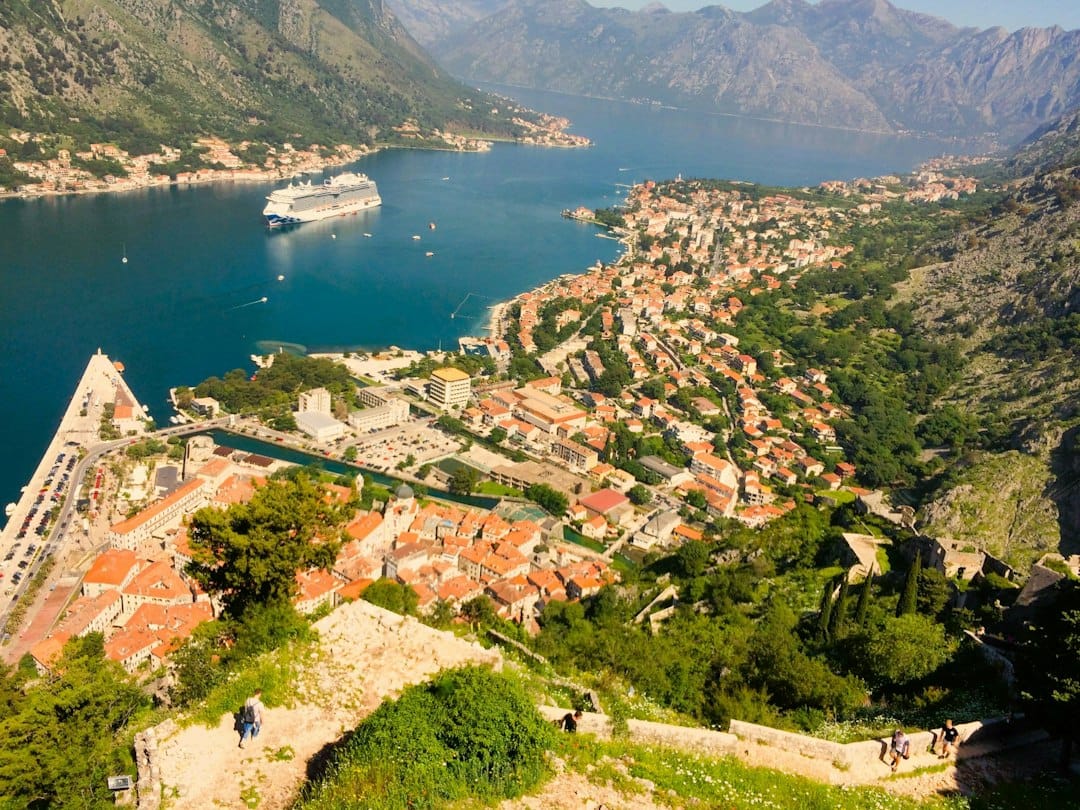
This is the climb everyone comes for: 1,350 stone steps zigzagging up the cliff behind the Old Town to the San Giovanni (Sv. Ivan) fortress at 280 metres, with the whole bay unspooling beneath you. It takes most people 45 to 60 minutes up and about two hours round-trip with photo stops. Entry is €15 (about $16) in high season, dropping to roughly €8 in winter, and the ticket booths operate from 7:00am to 8:00pm, roughly May through September. Outside those hours and months no fee is collected, which is simply how the system works, not a loophole.
Insider tip: Start at 7:00am when the booths open, or begin the climb about an hour before sunset — the midday sun turns the unshaded limestone into a griddle and the steps genuinely get slippery underfoot. The Church of Our Lady of Remedy sits at roughly the 650-step halfway mark, a reasonable turnaround point if your knees file a complaint. If you want the view without the fee, the Ladder of Kotor is a separate, older switchback trade route that climbs the mountain just outside the walls and rejoins the path near the top — it's free, longer, and emptier. Bring at least 1.5 litres of water; there is no shade, no tap, and no toilet on the way up.
2. St Tryphon Cathedral
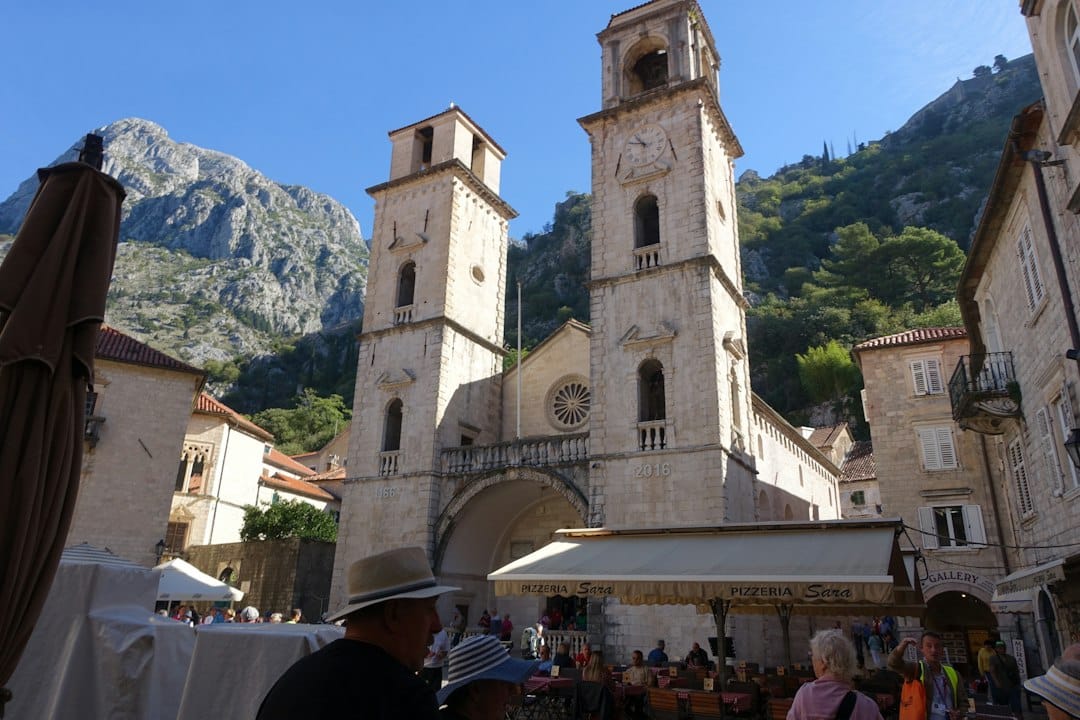
Consecrated in 1166, the Cathedral of St Tryphon (Katedrala Svetog Tripuna) is one of the oldest and most important Romanesque buildings on the eastern Adriatic. Its two bell towers are visibly mismatched — the northern one is about two metres shorter — because the money ran out during reconstruction after the catastrophic 1667 earthquake, and nobody ever finished it. Inside, the 14th-century silver-and-gold altar screen and the upstairs reliquary chapel, with its collection of saints' relics in silver caskets, are the reason to go in rather than just photograph the facade.
Insider tip: Entry is €4 (about $4.30) and includes both the reliquary chapel and the small cathedral museum upstairs — go up the stairs, which many visitors skip. Opening hours run roughly 9:00am to 6:00pm with seasonal variation, and the dress code is enforced: shoulders and knees covered for both the cathedral and the upper galleries. The carved relief above the main portal showing St Tryphon holding a model of Kotor is worth finding before you go in.
3. The Sea Gate, Square of Arms & Clock Tower
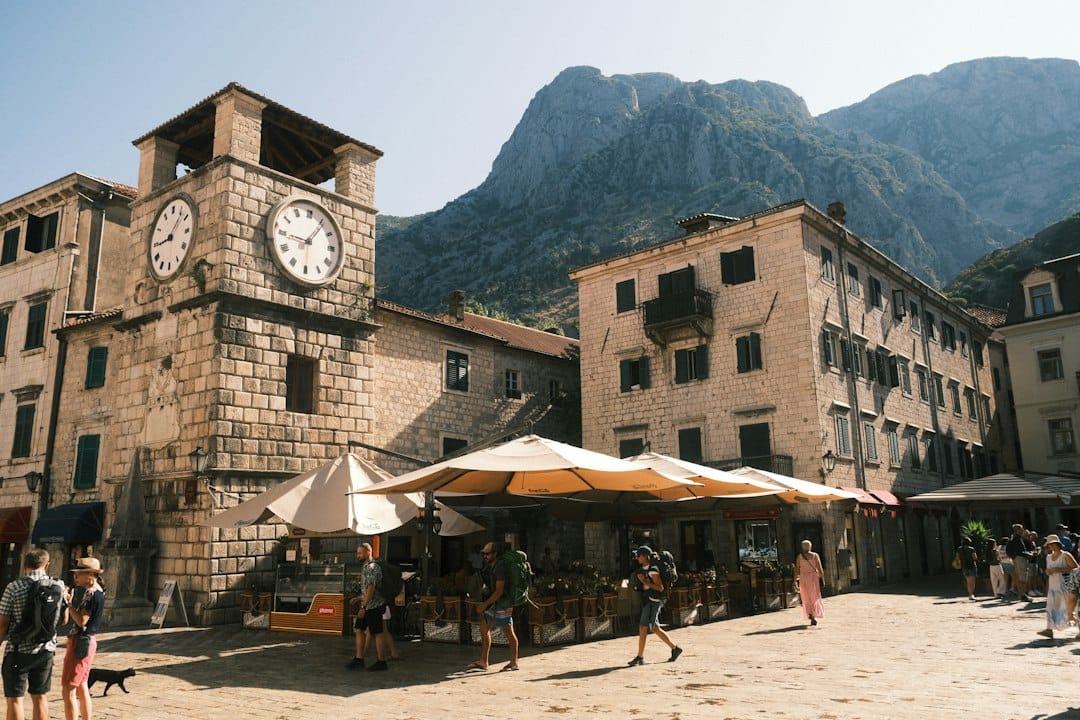
You enter the Old Town through the Sea Gate (Vrata od mora), built in 1555 when Kotor was under Venetian rule, and step straight into the Square of Arms (Trg od oružja), the largest of the town's interconnected squares and once the place where weapons were stored and repaired. The stone Clock Tower from 1602 leans noticeably — another souvenir of the 1667 quake — and beside it stands the old pillar of shame, where the Venetians publicly humiliated wrongdoers. Wandering here costs nothing, which is the point.
Insider tip: Kotor's lanes have no street names and no house numbers — navigation is by landmark and instinct, so budget time to get lost, ideally before 9am or after 6pm when the cruise crowds thin and the cats reclaim the warm stones. The town's cat obsession is real: there's a small Cats Museum near the Square of Arms, and a cat-welfare shop by the main square where proceeds fund the resident strays.
4. Maritime Museum of Montenegro
Housed in the Baroque Grgurina Palace, which the noble Grgurina family built in the early 18th century, this museum tells the story that explains the whole bay: for centuries Kotor and neighbouring Perast ran one of the Adriatic's most powerful merchant fleets, and the town had its own navy and maritime guild. Three floors hold model ships, navigational instruments, weapons, ornate captains' uniforms, and portraits of the sea-captain families who grew rich enough to build the palaces you've been walking past.
Insider tip: Admission is €6 (about $6.50) for adults, €2 for students, and the ticket includes an audio-guide handset — take it, because the labelling alone is thin. Opening hours are daily 9:00am to 6:00pm, with shorter hours (9:00am to 1:00pm) on Saturdays and holidays. It's a genuinely good rainy-day or peak-heat option, since it's one of the few indoor, air-conditioned attractions in the walls.
5. The Kotor–Lovćen Cable Car
Opened in 2023, this gondola hauls you from the edge of town up the mountain in 11 minutes, climbing toward the Kuk plateau at roughly 1,350 metres on the edge of Lovćen National Park. The view from the top — the entire serpentine bay, the Old Town shrunk to a patch of red roofs — is the one you've seen on postcards, minus the 1,350 steps. There's a restaurant and an alpine coaster at the summit station for anyone wanting to make an afternoon of it.
Insider tip: A round-trip adult ticket is €20 (about $22), or €12 one-way if you'd rather hike down. The cable car runs seasonally — the 2026 season opens around 21 May — so it's useless in deep winter. Book online to skip the queue, and go in the morning: afternoon cloud frequently rolls over the ridge and swallows the view entirely. Buying one-way up and walking down to the old Austro-Hungarian serpentine road is a popular move for the fit.
6. Perast & Our Lady of the Rocks
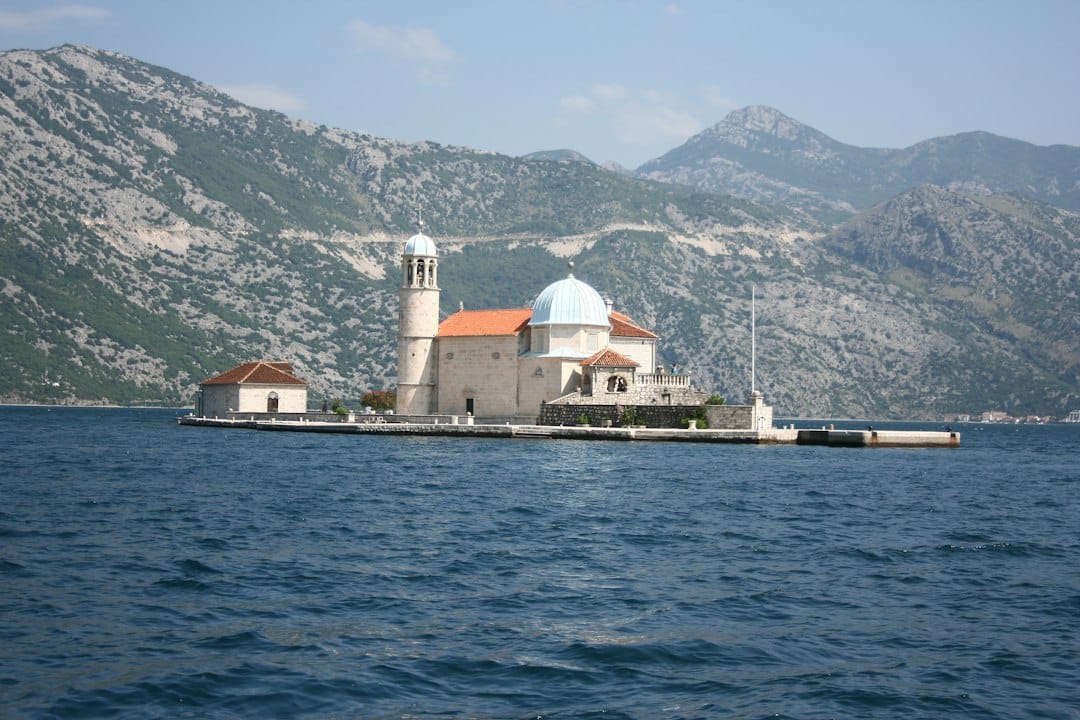
Twelve kilometres up the bay, Perast is a car-free single street of Venetian Baroque palaces and churches built on the wealth of its sea captains. Offshore sit two islands: St George, a natural island with a Benedictine monastery (closed to visitors), and Our Lady of the Rocks, a man-made islet that locals have been building up with rocks and scuttled ships since the 15th century, topped by a church whose interior is lined with 68 Baroque paintings and thousands of silver votive tablets.
Insider tip: Take the Blue Line bus from Kotor — it costs about €1.50–€2 (roughly $2) and takes 20–30 minutes, versus €15–€25 for a taxi. From Perast's waterfront, a short boat taxi to Our Lady of the Rocks runs about €5 return; the church and its small museum charge a modest entry fee. Catch the first morning bus: by late morning the cruise excursions arrive en masse and the tiny island gets shoulder-to-shoulder. Climb the bell tower of St Nicholas on Perast's square (a couple of euros) for the best overhead shot of the two islands.
7. Church of St Luke
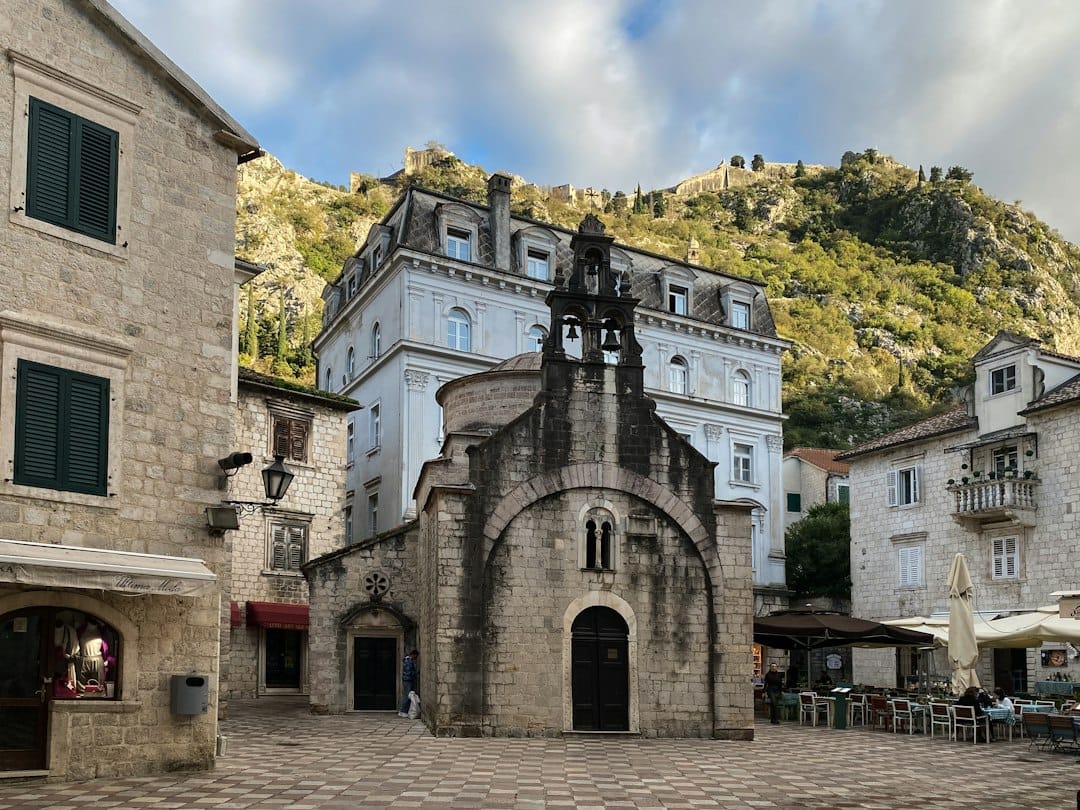
Small, dark, and over 800 years old, the Church of St Luke (Crkva Svetog Luke) was built in 1195 and is the quiet highlight of the Old Town's religious buildings. For most of its life it served two congregations at once — it held both a Catholic and an Orthodox altar, with services for each faith held side by side, a rare arrangement that says a lot about how this trading town actually functioned. The floor is paved with the gravestones of the townspeople once buried beneath it.
Insider tip: Entry is free (a donation is appropriate), and it sits on its own little square, St Luke's Square, a short walk north of the cathedral. Pair it with the larger St Nicholas Orthodox Church next door, built in 1909, whose dim interior and silver iconostasis make an interesting contrast with the medieval simplicity of St Luke's. Both take ten minutes and neither draws the cathedral's crowds.
🗓️ A 3-Day Itinerary
Day 1 — Inside the Walls
Beat the ships by starting in the Old Town before 9am. Enter through the Sea Gate, cross the Square of Arms, and photograph the leaning Clock Tower while the stones are still empty. Spend the mid-morning on the two museums-of-sorts: St Tryphon Cathedral (€4, about $4.30 — don't skip the upstairs reliquary) and the Maritime Museum (€6, about $6.50, with the audio guide). Lunch at Konoba Scala Santa, tucked in a quiet lane, where a mixed starter of pršut, cheese and olives plus mussel buzara runs about €20–€35 per person. In the afternoon duck into the Church of St Luke and St Nicholas (free). Save the big climb for an hour before sunset: up the City Walls to San Giovanni (€15, about $16) for golden light over the bay. Come down ravenous and eat at Bastion, where black risotto or charcoal octopus runs €28–€45 per person. Day total excluding dinner and hotel: roughly €25 / $27 in entry fees.
Day 2 — Perast & the Bay
Catch the first Blue Line bus to Perast (about €2 / $2, 25 minutes) and take the boat taxi to Our Lady of the Rocks (about €5 return) before the excursion boats arrive. Walk Perast's single waterfront street, climb the St Nicholas bell tower (a couple of euros) for the island view, and have lunch at a konoba on the quay — grilled fish or octopus salad, roughly €20–€32 per person. Bus back to Kotor in the early afternoon. In the evening, ride the Kotor–Lovćen cable car (€20 return, about $22) up for sunset, when the whole serpentine bay glows beneath you. Day total in transport and entries: roughly €30 / $33 per person.
Day 3 — Above the Bay
Trade the crowds for a hike. Drive or take a water taxi across to Donji Stoliv, then climb the old chestnut-shaded mule path about 40 minutes up to Gornji Stoliv, an abandoned 14th-century village of roughly 100 roofless stone houses and the still-standing Church of St Anne, with views across to Perast and the islands. Descend for a late swim off the Dobrota promenade, the flat seaside walk just north of the Old Town where locals actually bathe. For a farewell dinner, head to Stari Mlini in Dobrota, set in an old mill by the water, where baked sea bass with local vegetables runs €30–€50 per person — or Galion on the Kotor waterfront, with fortress views and a whole grilled fish for €35–€60 with wine.
🧠 Essential Tips
When to go
Aim for late May to early June, or September. Those shoulder windows give you 22–28°C days, a sea warm enough to swim (21–24°C), and noticeably thinner crowds and lower prices than the July–August peak, when temperatures hit 27–35°C and the cruise-ship congestion is at its worst. October is quieter still and cheaper, though the cable car and some boat services start winding down. If your trip is flexible, two dates are worth planning around: Boka Night (Bokeljska noć) on 22 August 2026, when decorated and illuminated boats parade across the bay in front of the Old Town and the night ends in fireworks; and the Kotor Winter Carnival in February, two-plus weeks of masked parades through the Old Town squares. For flowers, the Camellia Days celebration happens across the water around Tivat and Stoliv in late March.
Getting there and around
Kotor has no train and no metro — it doesn't need one; the Old Town is entirely pedestrian and you'll walk everywhere inside it. The nearest airport is Tivat (TIV), just 8 km away. A taxi should cost €15–€25 (about $16–$27) and take 15–25 minutes, but agree the fare before you get in, because meters aren't always used. The cheap option is Blue Line Bus 15 from the road outside the terminal: about €1.50 and 30–40 minutes. Podgorica airport is around 90 km (1.5 hours) and Dubrovnik airport in Croatia is about two hours away including a land border that can back up badly in summer. Montenegro has no Uber; use a metered local taxi company (Red Taxi, City Taxi) at roughly €0.80–€1 per kilometre, or pre-book a transfer through your hotel. Between bay towns, the Blue Line buses are frequent and cheap.
Staying safe and avoiding the usual traps
Violent crime is rare and Kotor feels very safe to walk at night. The real risks are to your wallet. Unlicensed airport taxis are the biggest one — drivers who quote €50–€70 for the short Tivat run that legitimately costs €20–€25; use the official rank, insist on the meter, or pre-book. In the Old Town restaurants near the main square, watch for menus with no printed prices and fish sold "per kilo" without the portion weight disclosed; ask for a printed, priced menu before you sit, and note that equivalent meals cost 20–30% less a few lanes off the square. At shops, ATMs and card machines, always choose to be charged in euros, not your home currency, to dodge the dynamic-conversion markup. And buy your Vranac wine at a Voli or Idea supermarket for €5–€10 rather than €15–€25 in a tourist shop.
What to eat
Montenegrin food on the coast is Adriatic seafood married to mountain smoke. Start with Njeguški pršut, the air-dried, smoke-cured ham from the village of Njeguši up on Lovćen, usually served with njeguški sir, a sharp mountain cheese. The signature main is crni rižot — black risotto stained with cuttlefish ink — and buzara, mussels or shrimp cooked in white wine, garlic and olive oil, best mopped up with bread. For something slow-cooked, order lamb or veal ispod sača (under an iron bell covered in embers), though some konobas want a few hours' notice. Finish with priganice, little fried dough balls with honey and cheese, and a shot of rakija. The Kotor food market just outside the Sea Gate is the place to graze on cheese, olives, figs and prosciutto.
🏨 Accommodation Guide
Inside the Old Town you're surrounded by stone, cafés and church bells, and you'll never need a car — but rooms above bars get loud on Friday and Saturday, so ask about the location before booking if you're noise-sensitive. Dobrota, the long seaside settlement just north, puts you a 7–15 minute walk from the gate along a swimmable promenade and is the pick for families. Muo, directly across the water, trades a 15–35 minute walk for quiet and head-on views of Lovćen. Prčanj is more remote (4.5 km, you'll want a car) and Perast suits a romantic night or two.
Budget (roughly €20–€55 / $22–$60 a night): The Old Town Youth Hostel and similar hostels inside the walls offer dorm beds and a social scene; guesthouses and small apartments in Škaljari and Muo, like the well-reviewed Nikola Lux apartments, give you a private room near the action for less.
Mid-range (roughly €90–€150 / $100–$165 a night in shoulder season): In the Old Town, apartment stays such as Palazzo Sindik or the renovated Katareo Apartments put you inside the walls with a kitchenette; in Dobrota, Apartman Castello is a top-rated pick a seven-minute walk from the gate.
Luxury (roughly €180+ / $195+ a night, more at peak): Hotel Hippocampus, a boutique hotel in a 17th-century Old Town building with a roof terrace, and Hotel Astoria, set in a 13th-century palace, are the in-the-walls choices. For a seafront resort, Hotel Forza Terra in Dobrota has a pool and spa right on the water, and Heritage Grand Perast is the finest address in Perast.
🎭 Beyond the Tourist Trail
Most day-trippers never climb higher than the fortress ticket booth, which leaves the mountains above the bay almost entirely to you. The standout is Gornji Stoliv, an abandoned cliff village on the western slope of Mount Vrmac at about 240 metres. There's no road up — you leave the car at Donji Stoliv on the shore and climb a stepped, graded mule path for roughly 40 minutes through dense chestnut forest, emerging among the roofless stone shells of some 100 houses, carved date-stones still set in the lintels. The Church of St Anne (Sveta Ana) is still standing and still occasionally used, and the view over Perast and the two islands is the reward.
For a longer leg-stretch, the Vrmac ridge trail runs the spine of the peninsula between Kotor and Tivat bays, passing a derelict Austro-Hungarian fort from the 1890s with uninterrupted views both ways. Down at sea level, the Dobrota promenade is where locals swim and drink their evening coffee, far from the cruise crowds, and the Baroque Church of the Birth of Our Lady in Prčanj — a vast stone basilica fronting a tiny village — is one of the most disproportionate buildings on the whole coast. If your dates line up with 22 August, do not miss Boka Night: the illuminated boat parade and bay-wide fireworks are the one night the locals own the water back.
❤️ Let VoyaBear Plan Your Kotor Trip
Kotor rewards precise timing — the right hour on the walls, the first bus to Perast, the shoulder-season week when the ships thin out — and that's exactly the kind of detail that's tedious to assemble on your own. VoyaBear builds personalized, day-by-day itineraries around how you travel: your pace, your budget, your appetite for 1,350 steps at dawn. Tell us when you're going and what you're into, and we'll handle the sequencing, the bookings, and the local shortcuts so you spend your time on the bay instead of in a spreadsheet. Start planning your Montenegro trip with VoyaBear today.
Want this as an actual itinerary?
VoyaBear turns a guide like this into a day-by-day plan built around how you travel.
Plan my trip free