Lyon 2026: The Complete Guide to France's Food Capital
29 September 2026 · 12 min read
🏙️ Why Lyon in 2026
Lyon is where French people go to eat when they want to remind themselves how good France is at eating. This is the city that produced Paul Bocuse, that named its central covered market after him, and that packs roughly 20 bouchons — snug, wood-panelled restaurants serving offal, pork, and quenelles — into a few square kilometres of old town. It is also a genuine two-thousand-year-old Roman capital: the ancients called it Lugdunum, capital of the Three Gauls, and you can still sit in the stone theatre they carved into the Fourvière hillside.
What makes Lyon worth a trip in 2026 rather than a day-stop between Paris and Provence is the scale. It is France's third-largest city, but the historic core is small, walkable, and stacked between two rivers — the Saône and the Rhône — with a UNESCO-listed Renaissance quarter, secret passageways called traboules that thread through apartment blocks, and a hilltop basilica you reach by a 19th-century funicular. Prices sit noticeably below Paris: a single transit ticket is €2.10, most of the best sights are free, and a proper bouchon lunch runs €20–30 rather than double that. If you time it for the first week of December, the whole city turns into a light installation for the Fête des Lumières. The rest of the year, it is simply one of the best-value food cities in Europe.
🎭 Essential Experiences
Basilica of Notre-Dame de Fourvière
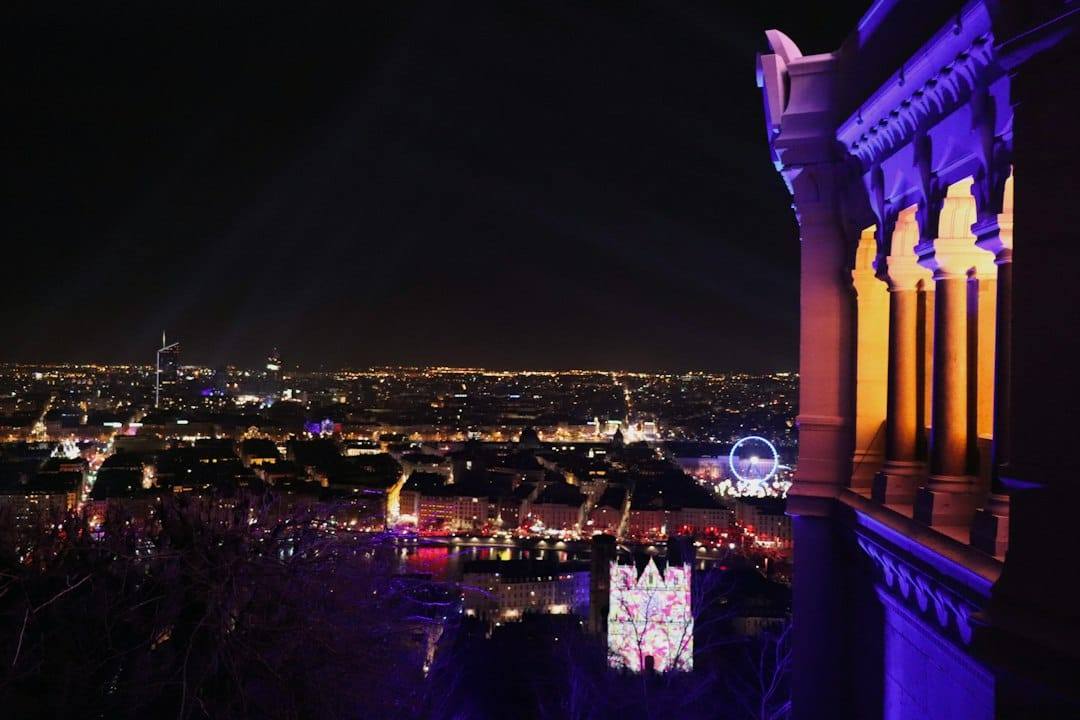
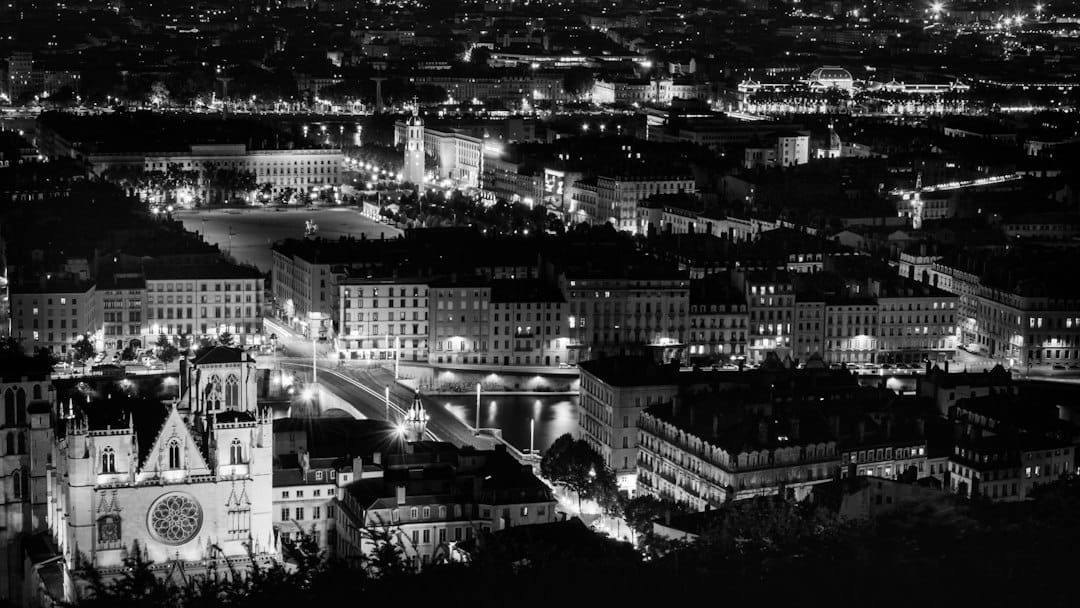
The white basilica crowning the Fourvière hill is Lyon's landmark, built between 1872 and 1884 in a defiantly over-the-top mix of Byzantine and Gothic — locals nicknamed it "the upside-down elephant" for its four corner towers. The interior is wall-to-wall gold mosaic and worth ten minutes even if you're not the church-visiting type. The real reason to come up is the esplanade beside it, which gives you the entire city laid out below, the two rivers, and on clear days Mont Blanc on the horizon. Entry to the basilica and the crypt below is free; it's open daily 7am–7pm (April–October) and 7am–6pm the rest of the year.
Insider tip: Skip the walk up the hill and take the funicular — locals call it la Ficelle — from the Vieux Lyon metro station (line D). It's covered by a standard €2.10 TCL ticket and takes about three minutes. Come up for late afternoon so you catch the view in daylight and then the city lighting up at dusk. If you want to climb the towers for the higher rooftop panorama, the guided Fourvière rooftop tour costs about €7 and books out in summer, so reserve ahead.
Vieux Lyon and the traboules
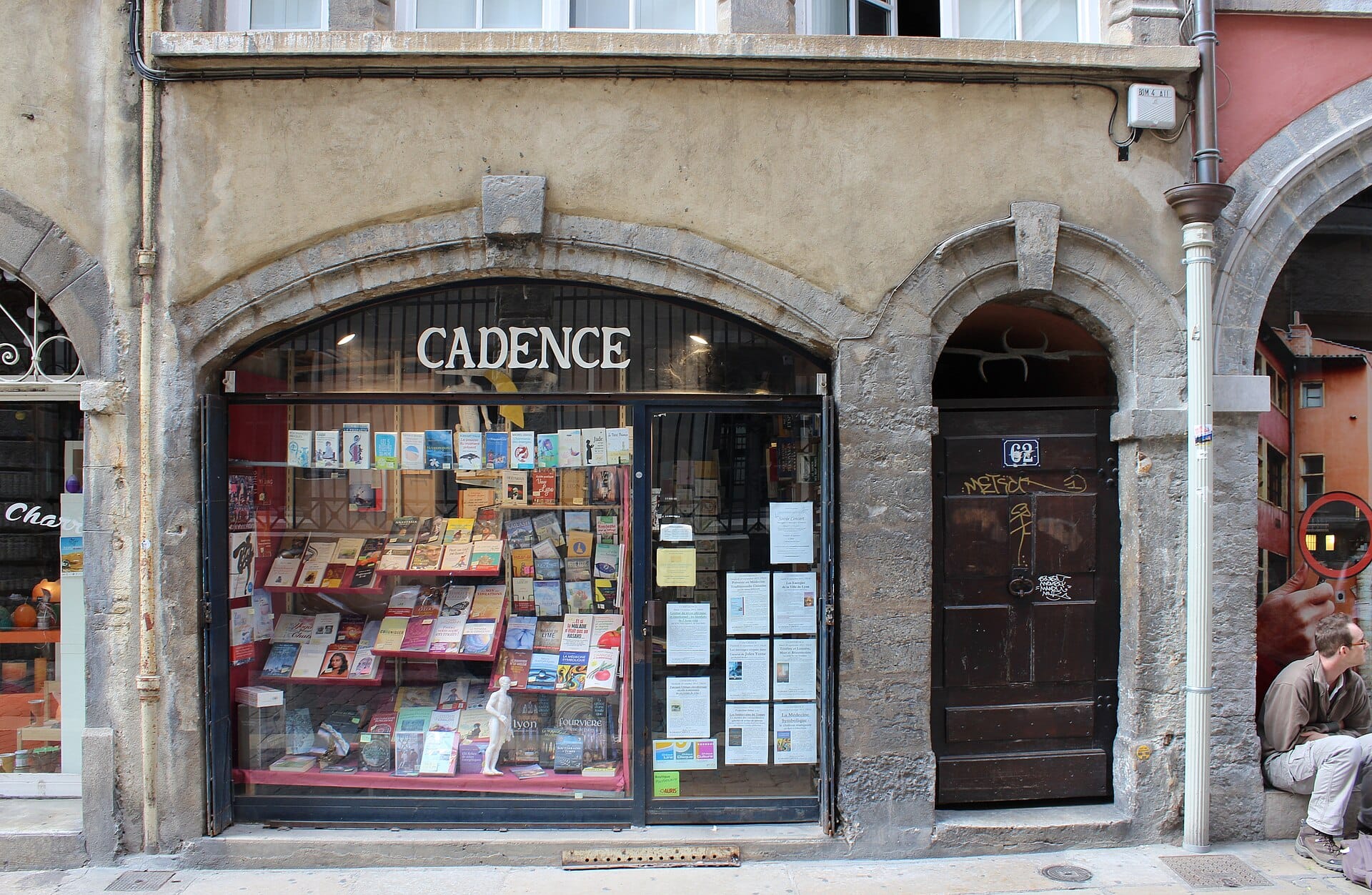
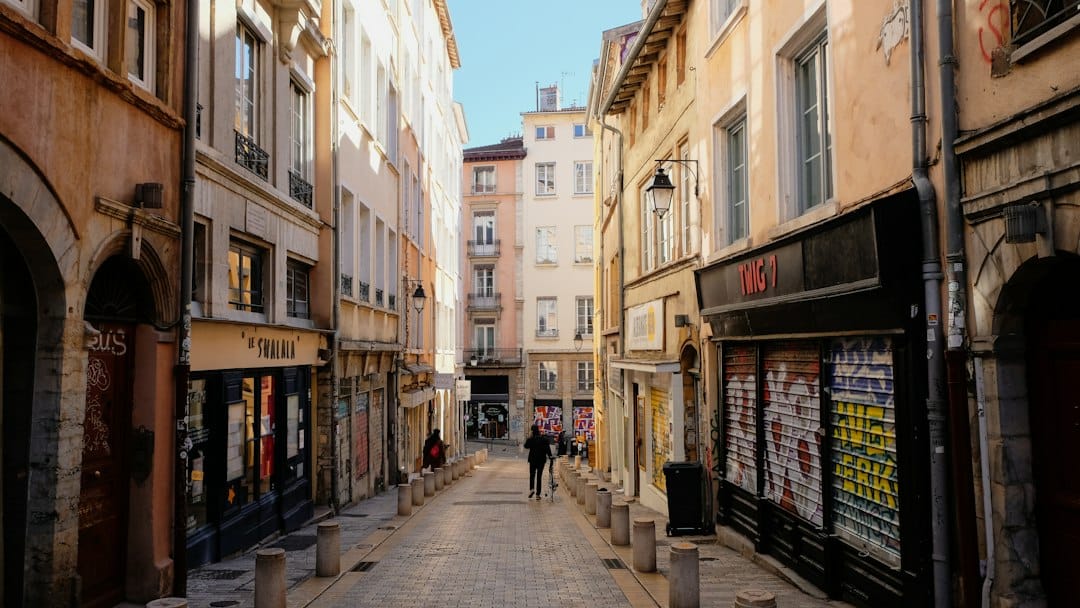
Vieux Lyon is the largest Renaissance quarter in France and one of the largest in Europe, a tangle of pastel five-storey houses along cobbled streets like rue Saint-Jean and rue du Bœuf. But the thing that makes it unique is hidden: the traboules, covered passageways that cut straight through the buildings from one street to the next. Silk workers used them to move bolts of fabric under cover; the Resistance used them to slip away from the Gestapo. There are around 500 across the city and roughly 80 open to the public.
Insider tip: The traboules are free and accessible 7am–7pm, but they run through people's actual homes, so keep your voice down and don't prop the doors. The famous long one starts at 54 rue Saint-Jean and threads through four courtyards to emerge at 27 rue du Bœuf — look for the small round lion's-head plaques that mark public traboules. Go in the morning before the tour groups, and while you're on rue du Bœuf, find the pink Tour Rose tower in its hidden courtyard.
Lugdunum and the Roman theatres
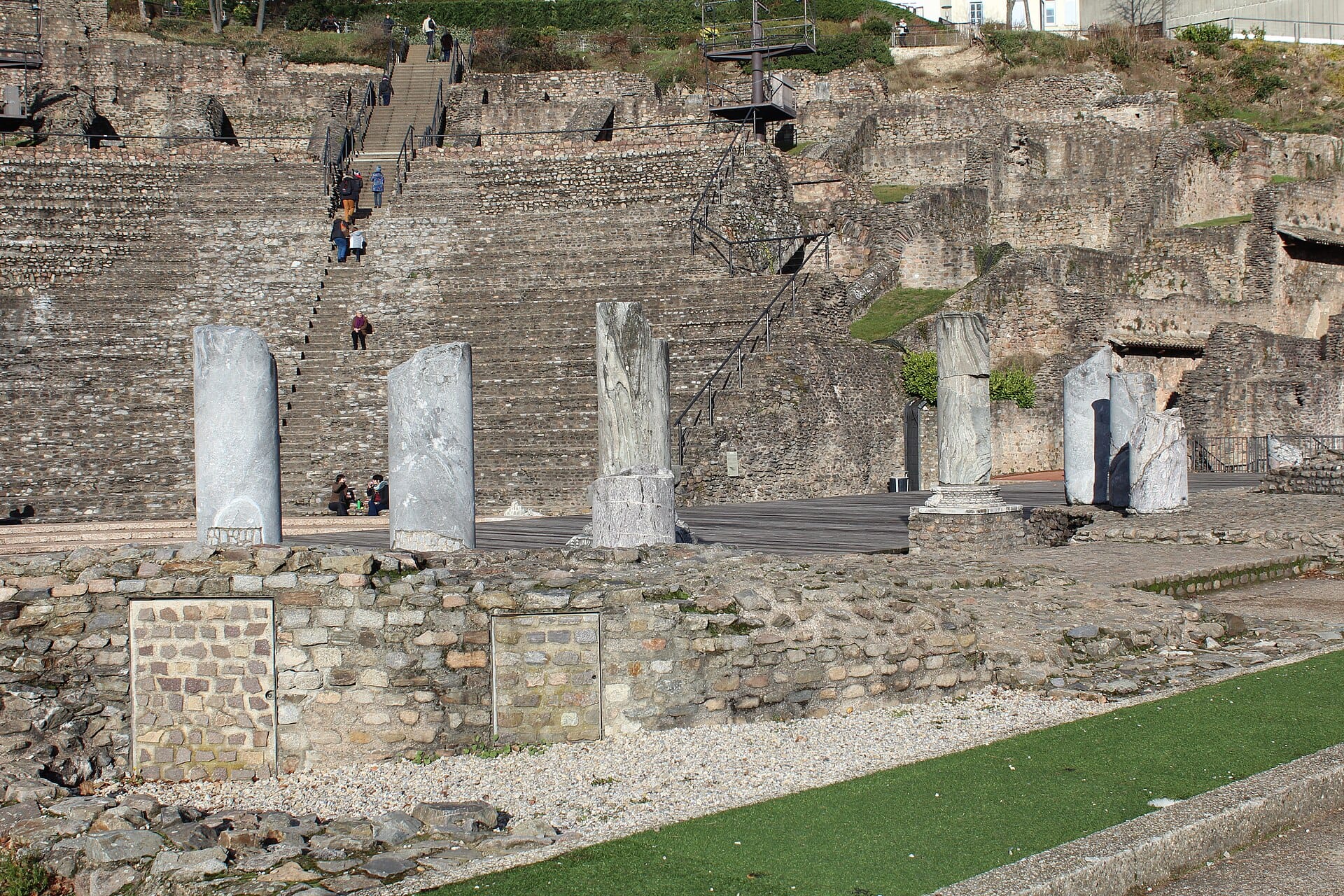
Halfway down the Fourvière hill sit two Roman theatres carved into the slope: the Grand Théâtre, built around 15 BC and one of the oldest in France, seating some 10,000 people, and the smaller Odéon beside it. They're not roped-off ruins — you can walk down through the stone tiers and sit where Roman audiences sat. Every summer they host the Nuits de Fourvière festival with concerts and theatre in the ancient seats. The adjacent Lugdunum museum, built discreetly into the hillside, holds mosaics, the bronze Claudian Tablet, and finds from when this was the capital of Roman Gaul.
Insider tip: The theatres are free to walk into (open 7am–9pm May–September, 7am–7pm the rest of the year). The museum costs €7 full price and is closed Mondays. If you've taken the funicular to the basilica, walk down through the theatres afterwards — it's downhill and drops you back toward Vieux Lyon, so you see both Fourvière sights on one ticket.
Musée des Confluences
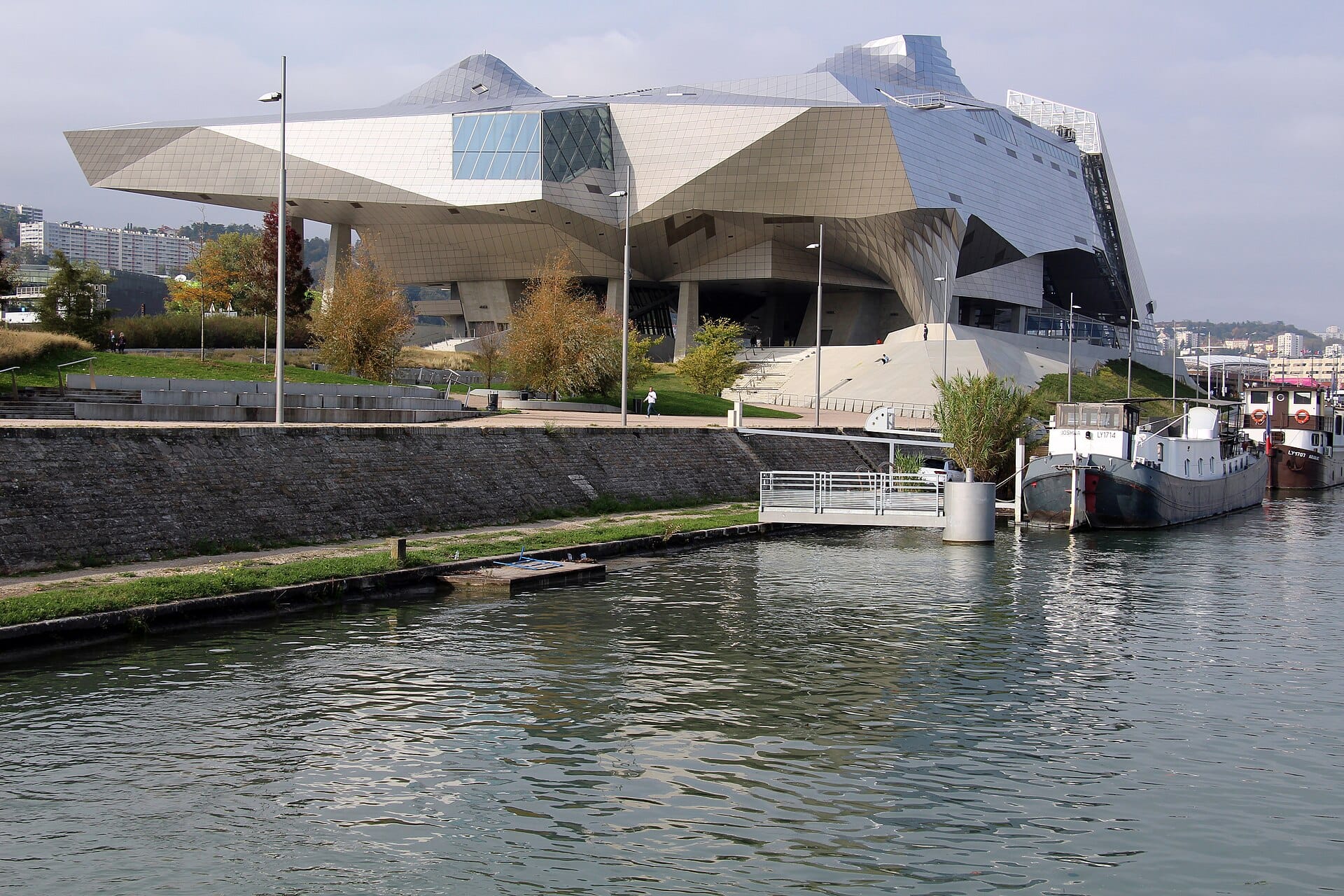
At the southern tip of the peninsula, where the Saône meets the Rhône, sits a building that looks like a crashed steel-and-glass spaceship — the Musée des Confluences, opened in 2014. It's a natural-history-meets-anthropology museum that refuses to be boring: a mammoth skeleton, meteorites, Egyptian mummies, and Indigenous artefacts arranged around big questions about origins and death rather than dusty display cases. The architecture alone, all cantilevers and reflecting pools, justifies the trip south.
Insider tip: Entry is €12 full price, €7 for ages 18–25, and free for under-18s; it's closed Mondays. Take tram T1 to the Musée des Confluences terminus. Combine it with a wander through the Confluence district next door — a former industrial dockland rebuilt with wild contemporary architecture, an orange cube (the "Cube Orange"), and a waterfront mall with a rooftop bar.
Les Halles de Lyon Paul Bocuse
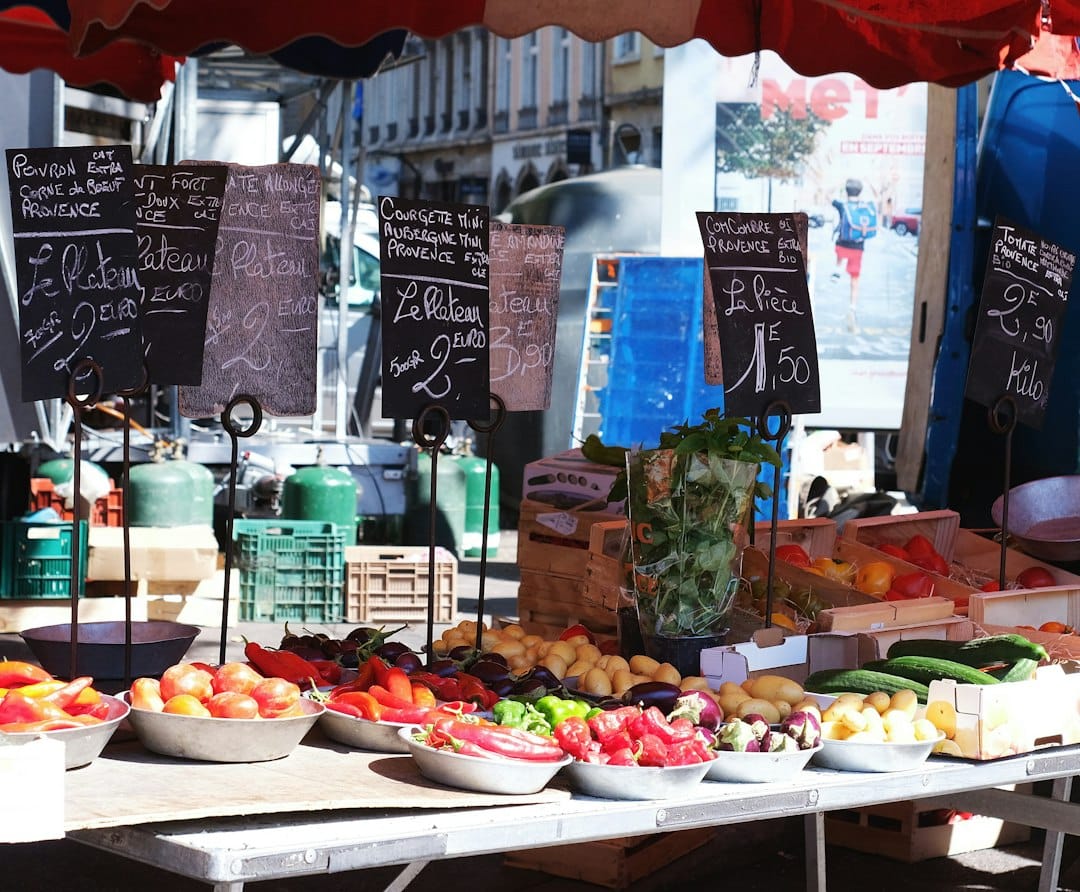
This indoor food market in the Part-Dieu district is where Lyon's chefs and serious home cooks shop, named for the late three-Michelin-star chef who was the city's culinary godfather. Under one roof you'll find some 50 vendors: the famous Saint-Marcellin cheese aged by Mère Richard, cured meats, oysters shucked to order, and the pink praline tarte aux pralines that turns up in every Lyon bakery window. It's a market, but half of it functions as counters where you can sit and eat what you just pointed at.
Insider tip: Go for an early lunch, not a big food shop. Grab a plate of oysters and a glass of white at one of the counters, then a slice of pink praline tart to finish. It's busiest and best on weekend mornings; many stalls wind down by mid-afternoon and it's closed Monday. Entry is free — you only pay for what you eat.
Croix-Rousse and the Mur des Canuts
The Croix-Rousse hill was the engine room of 19th-century Lyon, packed with canuts — silk weavers — working the tall Jacquard looms that needed the high-ceilinged apartments you still see here. It's now the city's bohemian quarter: steep stairways, a daily produce market along Boulevard de la Croix-Rousse, independent shops, and its own set of traboules, including the dramatic Cour des Voraces with its towering staircase. The Mur des Canuts is the payoff: one of Europe's largest trompe-l'œil murals, an entire building painted to look like a slice of the neighbourhood, complete with painted stairs and shops that fool you from across the street.
Insider tip: The mural is on Boulevard des Canuts — take metro line C (the funicular-style rack line) to Hénon and walk down. It's free and outdoors, so any time works, but morning light hits it best. Line C is worth riding on its own: it's one of the few rack railways in a European metro system.
Parc de la Tête d'Or
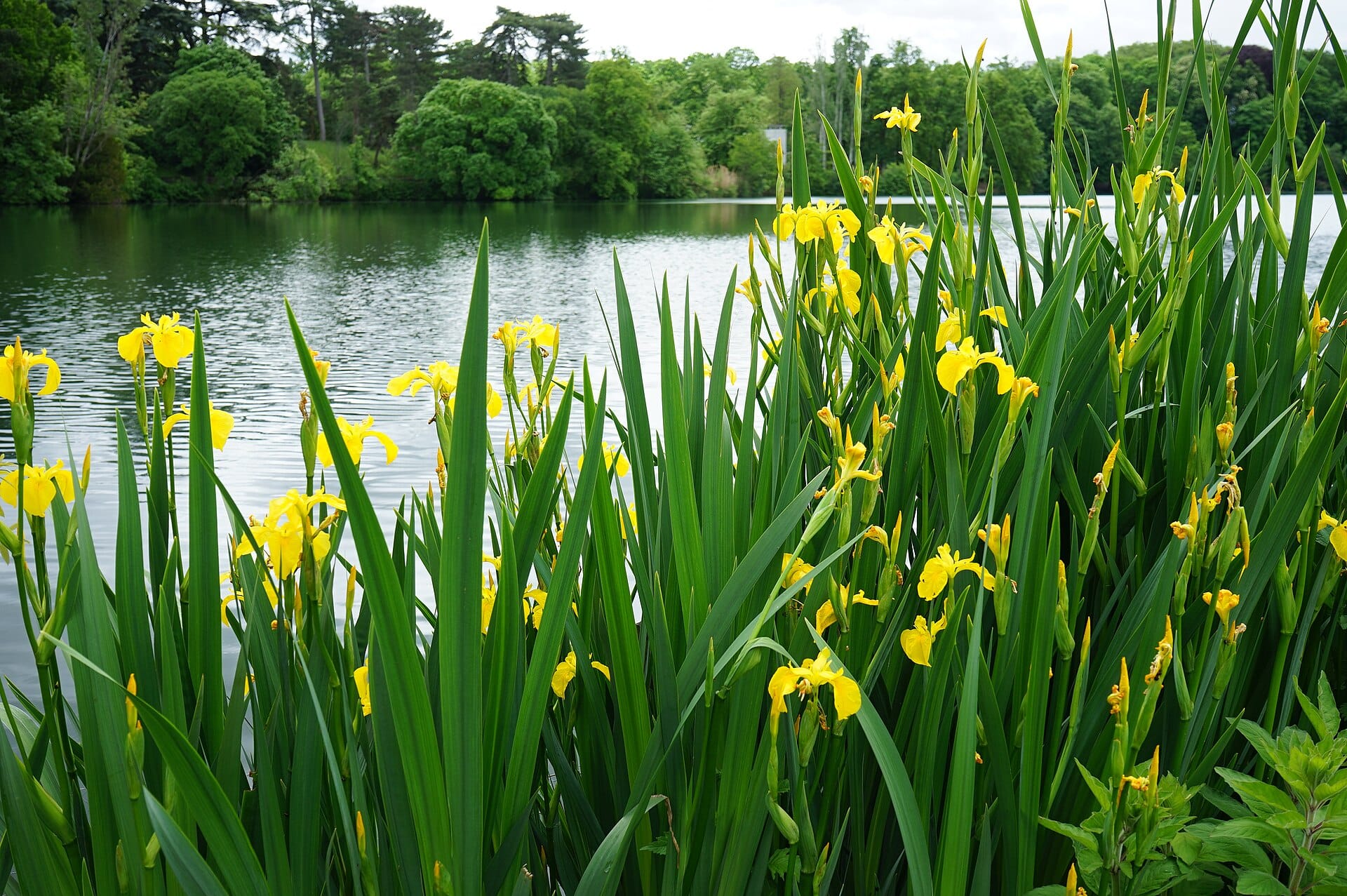
Lyon's great green lung is a 117-hectare park on the east bank of the Rhône, laid out in the 1850s around a large boat-able lake. What sets it apart from most city parks is that it comes with a free zoo — giraffes, big cats, and a plains area with antelope and zebra — and large free botanical greenhouses, the biggest such complex in France. It's where Lyon comes to run, row, picnic, and push prams on Sunday.
Insider tip: Both the park and the zoo are free. The park opens early and closes at dusk (roughly 6:30am–10:30pm in summer, shorter in winter); the greenhouses run 9am–6pm in the warm months. Rent a rowing boat on the lake in summer, or just bring a market picnic from Les Halles. It's an easy stroll or a short metro ride (line A to Masséna, then a few minutes' walk) from the Brotteaux and Part-Dieu hotels.
Place Bellecour and the Presqu'île
The Presqu'île — literally "almost-island" — is the flat spine of the city between the two rivers, and its heart is Place Bellecour, one of the largest pedestrian squares in Europe, all reddish gravel with an equestrian statue of Louis XIV in the middle. From here rue de la République runs north as the main shopping street, and the smaller streets around it hide the best of Lyon's bouchons, cafés, and the ornate 19th-century Opéra with its black glass barrel roof. This is where you'll likely stay and where the city feels most alive after dark.
Insider tip: Bellecour is the reference point for the whole city — it has the main tourist office and sits on metro lines A and D. There's a Ferris wheel on the square for a cheap high view. Walk one block west to the Saône riverbank at dusk for the classic postcard shot of Vieux Lyon and the floodlit basilica reflected in the water.
🗓️ A 3-Day Itinerary
Day 1 — Fourvière and Vieux Lyon
Start at Place Bellecour and walk five minutes to the Saône, crossing into Vieux Lyon. Spend the morning in the Renaissance streets and duck through a traboule or two — the long one from 54 rue Saint-Jean is the classic. From Vieux Lyon station, take la Ficelle funicular up to the Basilica of Notre-Dame de Fourvière (about 3 minutes, €2.10 ticket). See the basilica (free) and the panorama, then walk downhill through the free Roman theatres, stopping at the Lugdunum museum (€7) if ruins are your thing. Back down in Vieux Lyon, have dinner at a bouchon — expect €25–35 per person for three courses with a pot of Beaujolais. Day cost: roughly €10 transit + €7 museum + €30 dinner ≈ €47 / $52.
Day 2 — Presqu'île, food, and Croix-Rousse
Begin at Place Bellecour, walk rue de la République, and detour east to Les Halles de Lyon Paul Bocuse (metro to Part-Dieu) for an oysters-and-white-wine early lunch — budget €15–25. Spend the afternoon climbing the Croix-Rousse: the daily market, the Cour des Voraces traboule, and metro line C to Hénon for the Mur des Canuts mural (free). Come back down to the Presqu'île for aperitif hour on a café terrace and dinner in the buzzy streets around rue Mercière (touristy but lively) or the quieter Croix-Rousse slopes. Day cost: roughly €10 transit + €20 lunch + €30 dinner ≈ €60 / $66.
Day 3 — Confluence, the park, and rivers
Take tram T1 south to the Musée des Confluences (€12) and explore the futuristic Confluence district around it. After lunch, cross the city to the Parc de la Tête d'Or (metro line A to Masséna) for the free zoo, the greenhouses, and a boat on the lake. Finish with a riverside walk along the Rhône's redeveloped berges — a string of floating bars and barges (péniches) — for a sundowner. If you have an evening flight, the Rhônexpress tram from Part-Dieu gets you to the airport in under 30 minutes (€16). Day cost: roughly €10 transit + €12 museum + €25 food ≈ €47 / $52.
🧠 Essential Tips
Best time to visit
Aim for May–June or September. Late spring gives you long days, café-terrace weather (highs around 22–25°C), and the outdoor Roman theatres in use for the Nuits de Fourvière festival in June and July. September keeps the warmth but sheds the summer crowds. July and August are hot and see many locals leave, with some bouchons shutting for holidays. Winter is grey and cold, but the Fête des Lumières runs 5–8 December 2026 — four nights when the whole city becomes a free open-air light-art festival and hotels sell out months ahead, so book early if that's your target.
Getting around
The network is run by TCL: four metro lines, trams, buses, and two funiculars. A single ticket is €2.10, a carnet of 10 is €20.50, and a 24-hour pass is €7.10 — the day pass pays off after four rides and covers the funiculars. Buy from machines at any metro stop or use the TCL app for mobile tickets. From Lyon–Saint-Exupéry airport, the Rhônexpress tram runs to Part-Dieu station in under 30 minutes for €16 one-way, every 15 minutes during the day. The historic core is small enough that you'll walk most of it; use the metro mainly for Confluence, the airport, and getting up the Croix-Rousse or Fourvière hills.
Safety and scams
Lyon is a comfortable, safe city by big-city standards, but treat Part-Dieu station and the metro as pickpocket territory, especially on line D and around the station's shopping mall. The usual French tourist-scam kit turns up on the Presqu'île: the "gold ring" find, petition-signers who lift your bag while you read, and friendship-bracelet hustlers — less aggressive here than in Paris, but present. Keep bags zipped on packed funiculars. The riverbank bars along the Rhône are lively and fine but get rowdy late on summer weekends. There's no specific area a visitor needs to avoid in daylight.
Food you shouldn't miss
Lyon's signature restaurant is the bouchon, and the honest ones carry a "Bouchons Lyonnais" certification — Daniel et Denise (a Bib Gourmand address with branches in Saint-Jean and elsewhere) is a reliable, non-touristy pick. Order the quenelle de brochet (a poached pike dumpling in creamy Nantua sauce), saucisson brioché (sausage baked in brioche), and if you're brave, tablier de sapeur (breaded tripe). Start any meal with cervelle de canut, a herbed fresh-cheese spread. Finish with the pink tarte aux pralines. Wash it down with a pot (pot lyonnais, a 46cl bottle) of Beaujolais or Côtes du Rhône. For a cheap standout, grab a praline brioche from any boulangerie.
🏨 Accommodation Guide
Budget (€25–70/night): Lyon has a strong hostel scene. Away Hostel on the Croix-Rousse slopes and Slo Living Hostel near Part-Dieu both offer dorms and privates in central locations. For cheap private rooms, look at the Part-Dieu district — less charming but well-connected, with the main station and airport tram on your doorstep.
Mid-range (€90–180/night): Base yourself on the Presqu'île around Place Bellecour or Cordeliers for walkability, or in Vieux Lyon for atmosphere. The Collège Hôtel in Vieux Lyon (a former school, all-white rooms) and OKKO Hotels Lyon Pont Lafayette in the Brotteaux/Part-Dieu area are dependable choices in this band. Brotteaux is a quieter, elegant residential option a short metro hop from the action.
Luxury (€250/night and up): For a splurge, Villa Florentine and Cour des Loges sit up in Vieux Lyon and Fourvière with Renaissance courtyards and city views, while Villa Maïa near the basilica and InterContinental Lyon – Hotel Dieu, set in a monumental former hospital on the Rhône, anchor the high end on the Presqu'île side.
❤️ Beyond the Tourist Trail
Skip the busiest bouchons on rue Mercière and head up into the Pentes de la Croix-Rousse — the "slopes" between the Presqu'île and the Croix-Rousse plateau. This is Lyon's most creative pocket: independent wine bars, natural-wine cavistes, vintage shops, and small plates on streets like rue Burdeau and rue des Capucins, with a fraction of the old-town crowd. It's where Lyonnais in their twenties and thirties actually spend their evenings.
For a food obsessive's detour, cross the Rhône to the 7th arrondissement (Guillotière and the Gerland side), home to Lyon's best North African and Southeast Asian food and a younger, scruffier energy than the postcard centre. And if your trip lands in the first week of December, plan around the Fête des Lumières (5–8 December 2026): for four nights, artists project light installations onto the basilica, Place des Terreaux, and dozens of façades across the city, and residents put candles (lumignons) in their windows — a tradition dating to 1852. It's free, it's genuinely spectacular, and it's the one time Lyon out-dazzles Paris.
Plan your Lyon trip with VoyaBear
Lyon rewards a plan: the right bouchon reservation, the funicular timed for sunset, a December visit booked before the hotels vanish. VoyaBear builds personalised, day-by-day itineraries around exactly how you travel — how much you want to eat, how far you'll walk, and what you'd rather skip. Tell us your dates and your appetite, and we'll map the traboules, the theatres, and the tarte aux pralines into a trip that fits you. Start planning your Lyon trip with VoyaBear →
Want this as an actual itinerary?
VoyaBear turns a guide like this into a day-by-day plan built around how you travel.
Plan my trip free