Málaga 2026: The Complete Costa del Sol City Guide
23 October 2026 · 21 min read

Málaga spent decades as the airport you flew through on the way to somewhere else on the Costa del Sol. That's over. Since the Museo Picasso opened in 2003, the city has added the Centre Pompidou, a branch of the Russian Museum of St. Petersburg, and more than 40 museums in a centre you can cross on foot in 20 minutes. The old fishing port is now a palm-lined promenade; the 11th-century Moorish fortress still looks down on all of it from the hill.
The pitch is simple: a walkable Andalusian capital with a Moorish fortress, a world-class Picasso collection, 300-odd days of sun a year, and a beach where fishermen grill sardines on open fires 15 minutes from the cathedral. Prices are lower than Seville or Barcelona, the airport is 12 minutes from the centre by a €1.80 train, and you can see the headline sights in three days without renting a car. This guide covers what's actually worth your time in 2026, what each thing costs, and how to string it together.
💡 Quick Answer: Málaga at a Glance
The essentials for planning a Málaga trip, with 2026 prices:
- How many days do you need? Three full days covers the old town, the two Moorish monuments, two or three museums, and an afternoon at the beach.
- Best time to visit? May, September, or the first half of October — warm (24–26°C), dry, and without August's 35°C heat and peak prices.
- What to book ahead? Timed Picasso Museum tickets (€13) in summer and a Feria-week hotel (15–22 August 2026) if you come then. Everything else you can buy on the day.
- Airport to centre? The Cercanías C1 train, €1.80, about 12 minutes to Málaga Centro-Alameda, running roughly every 20 minutes.
- Getting around? The historic centre is walkable; for anything farther, EMT city buses cost €1.40 a ride, or €5 for 10 trips on a reusable bonobús card.
- Daily budget? Around €70–100 per person for a mid-range day (tapas lunch, two museums, a sit-down dinner); €40–50 if you lean on markets and free-entry hours.
- Signature food? Espetos — sardines skewered and grilled over driftwood fires — eaten at the beach bars of Pedregalejo and El Palo, about €4–6 a skewer.
- Top safety note? Pickpockets work Calle Larios, Plaza de la Merced, and the Alcazaba ticket queue in high season — day-to-day the city is very safe.
🏛️ The Best Things to Do in Málaga
Eight sights carry a Málaga trip: two Moorish monuments on the hill, the museums the city staked its reinvention on, the market where locals actually shop, and the beaches where the sardines get grilled. Here's what each one is and how to do it without wasting time or money.
1. Alcazaba de Málaga
The best-preserved Moorish fortress-palace in Spain, built by the Hammudid dynasty from the 11th century on the slope below Gibralfaro hill. You climb through a double ring of walls, horseshoe-arch gateways, and courtyards with reflecting channels and clipped hedges, with the port and the Mediterranean opening up behind you as you go. At the foot of the entrance sits a Roman theatre from the 1st century BC, excavated in 1951 and free to walk up to.

Insider tip: Entry is free on Sunday afternoons from 2pm, which also means the longest queues of the week — come at 9am any other day instead. Buy the €10 combined ticket so you can continue uphill to Gibralfaro without paying twice.
Cost: €7 for the Alcazaba alone, €10 combined with Gibralfaro (reduced €3/€5). Open 9am–8pm April–October, 9am–6pm November–March, last entry an hour before close.
2. Castillo de Gibralfaro
The 14th-century Nasrid castle crowning the hill above the Alcazaba, built by Yusuf I of Granada to garrison troops and protect the fortress below. The ramparts are the reason to climb: a full circuit of the walls gives you the single best view in Málaga — the bullring, the port with its cruise ships, the cathedral, and the coastline running east toward the mountains. There's a small interpretation centre in the old powder magazine, but the walk on the walls is the attraction.
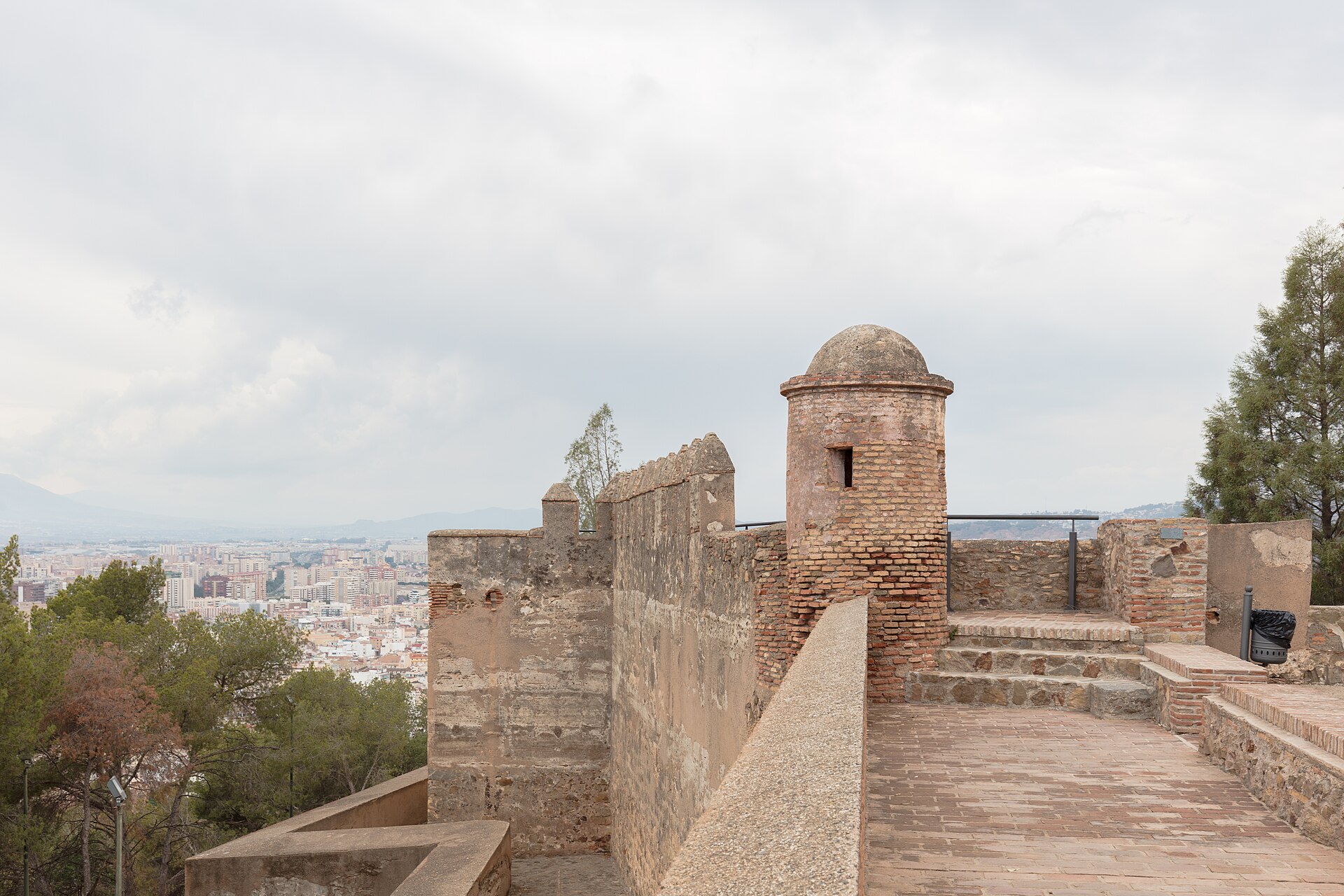
Insider tip: Skip the uphill slog in the heat — take bus 35 from Avenida de Cervantes (near the Paseo del Parque) up to the castle, then walk down through the Alcazaba afterwards. If you do walk up, use the shaded coracha path that connects the two monuments.
Cost: Covered by the €10 combined ticket (or €7 for Gibralfaro alone). Same hours as the Alcazaba. Free Sunday afternoons from 2pm.
3. Museo Picasso Málaga
Picasso was born in Málaga in 1881, and this museum — in the 16th-century Renaissance Palacio de Buenavista — holds roughly 200 works donated and loaned by his daughter-in-law Christine and grandson Bernard Ruiz-Picasso. It's a tight, well-curated run through his whole career rather than a greatest-hits wall, and the building itself is worth the ticket: Phoenician and Roman remains sit under glass in the basement, uncovered during the palace's restoration.
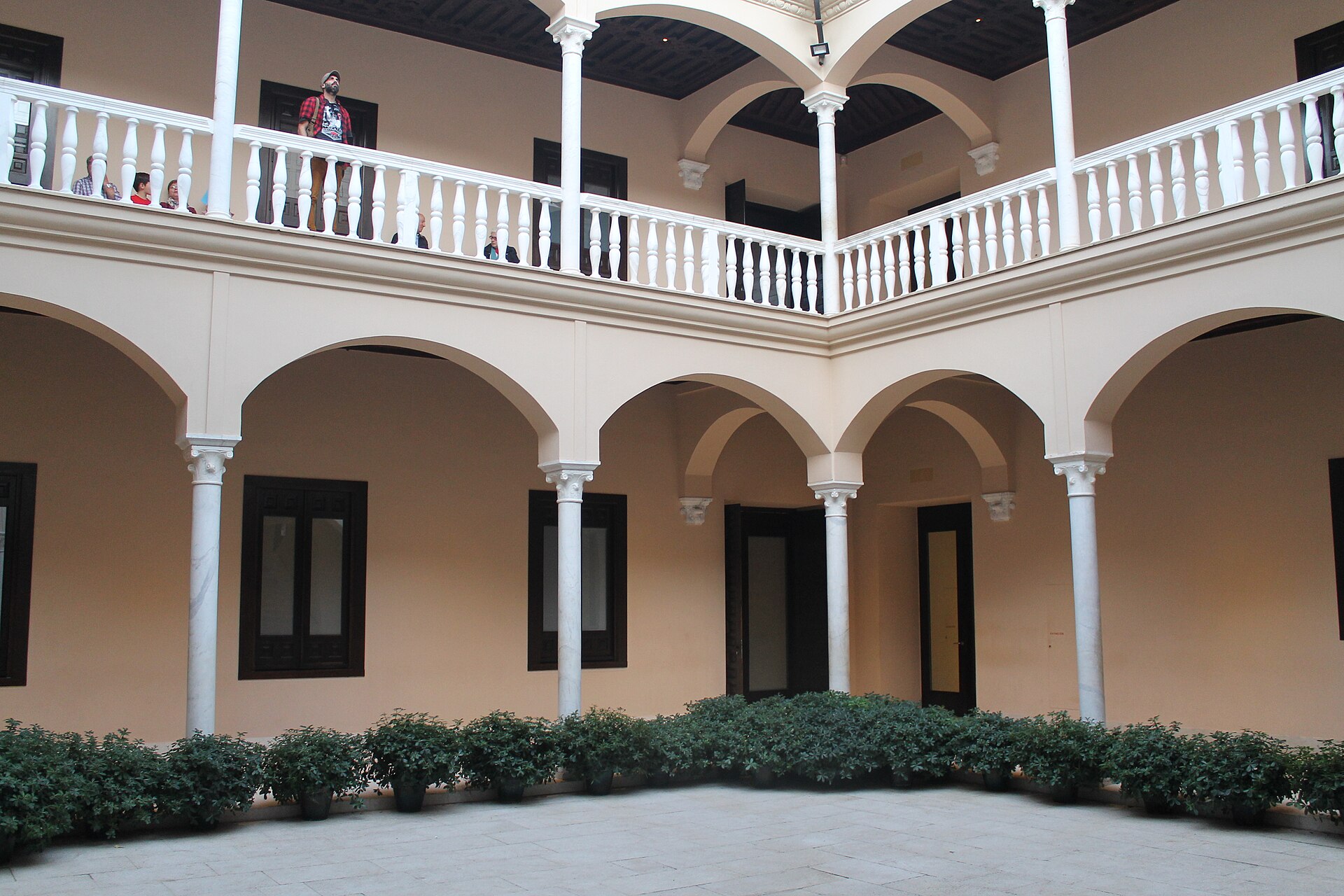
Insider tip: The last two hours every Sunday are free (5–7pm in summer, 4–6pm in winter), as are 28 February, 18 May, 27 September and 27 October — go then and skip the €13. Buy direct from the museum; third-party resellers pad the price by €15 or more.
Cost: €13 general, €11 reduced, under-17s free. Open 10am–7pm (to 8pm July–August, to 6pm November–February), last entry 30 minutes before close.
4. Málaga Cathedral (La Manquita)
Begun in 1528 on the site of the city's main mosque, the cathedral took over 200 years to build and still isn't finished — the south tower was never completed, which earned it the nickname La Manquita, "the one-armed lady." Inside it's a soaring Renaissance-Baroque hall with a pair of 18th-century organs and choir stalls carved by Pedro de Mena. The scale is the thing; few churches in Andalusia feel this tall.

Insider tip: The popular rooftop (cubiertas) tour has been closed for a major roof restoration since March 2024, with reopening now pushed to around mid-2027 — don't book a trip around it. For the best exterior view, cut through the orange-tree courtyard on the north side.
Cost: €10 general admission (€15 with a VR add-on). Open Monday–Friday 10am–8pm, Saturday 10am–6pm, Sunday 2–6pm; last entry 45 minutes before close.
5. Centre Pompidou Málaga
The first Pompidou outside France, opened in 2015 in a waterfront building topped by Daniel Buren's multicoloured glass cube — now a city landmark locals just call El Cubo. The collection rotates selections from the Paris Pompidou's modern and contemporary holdings: expect Frida Kahlo, Francis Bacon, Giacometti, and a strong line in 20th-century photography and video. It's compact enough for 60–90 minutes, and the city renewed its agreement to keep it open through 2034.

Insider tip: Entry is free every Sunday from 4pm. It's closed Tuesdays, which trips up a lot of visitors — plan museums for another day. Combine it with a walk along Muelle Uno right outside.
Cost: €7 for the permanent collection (€9 including temporary shows, reduced €4). Open 9:30am–8pm, closed Tuesdays.
6. Mercado Central de Atarazanas
Málaga's main food market, built in the 1870s inside the frame of a 14th-century Nasrid shipyard — the original marble horseshoe-arch gateway still stands as the market's entrance. The back wall is a vast stained-glass window depicting city landmarks. It's a working market: fishmongers, jamón counters, mountains of olives and dried fruit, and a handful of standing bars along the aisles where you order a plate and a glass of wine over the counter.

Insider tip: Go for lunch, not dinner — the market closes mid-afternoon and is shut on Sundays. Grab a stool at one of the market bars for a plate of fried boquerones or grilled prawns, €5–10, pulled straight from the stalls around you.
Cost: Free to enter. Tapas and a drink run about €8–15. Open mornings to roughly 3pm, Monday–Saturday.
7. Soho (SOHO Málaga street-art district)
The wedge of streets between the Alameda Principal and the Guadalmedina river, rebranded as Málaga's arts quarter through the MAUS project (Málaga Arte Urbano Soho). Big-name street artists painted building-sized murals here — D*Face, Obey (Shepard Fairey), ROA (whose giant black chameleon climbs a wall off Calle Tomás Heredia), and Pejac among them. Between the murals you'll find independent galleries, coffee roasters, and the Contemporary Art Centre (CAC Málaga), which is free.

Insider tip: The murals change as walls get repainted, so don't chase a specific one from an old photo — just wander Calle Tomás Heredia and the side streets off it. Pair it with the CAC Málaga (free, closed Mondays) and a coffee before heading to the port.
Cost: Free. The CAC Málaga contemporary art centre is also free entry.
8. Pedregalejo & El Palo beaches (for espetos)
The old fishing barrios east of the centre, where the beachfront chiringuitos grill the city's signature dish: espetos, sardines threaded onto a cane skewer and cooked over a wood fire built in a sand-filled boat hauled onto the sand. This is where locals eat on summer evenings, not the central city beach. Pedregalejo has a pedestrian promenade of low whitewashed houses; El Palo, just beyond, is scruffier and even more local.

Insider tip: Head to El Cabra in El Palo (Paseo Marítimo El Pedregal 17) for espetos and fried fish around €10 — it doesn't take reservations, so go early or expect a wait. A skewer of six to eight sardines runs €4–6 and is meant to be eaten with your fingers, no cutlery.
Cost: The beach is free; an espeto is €4–6, a full seafood lunch with wine about €20–25. Take bus 11 along the seafront from the centre (€1.40).
🗓️ How to Spend Three Days in Málaga
Three days is enough to see the headline sights on foot, with an afternoon left for the beach. This itinerary keeps walking to a minimum and times the museums around their free-entry hours where it helps.
Day 1: Moorish Málaga and the old town
Start at the Alcazaba at opening (9am, €10 combined ticket) before the heat and the queues. Walk the ramparts, then continue up the coracha path or the hill to Gibralfaro for the panorama — budget about 2.5 hours for both. Walk down into the centre for a market lunch at Atarazanas (€8–15). In the afternoon, tour the Cathedral (€10, about an hour), then lose the rest of the day in the old town's lanes — Calle Larios, Plaza de la Constitución, and a stop at El Pimpi bodega on Calle Granada for a glass of sweet Málaga wine (about €3). Dinner: tapas-crawl Calle Granada.
Day 2: Museums and the port
Morning at the Museo Picasso (€13, 1.5–2 hours), five minutes from Plaza de la Merced where you can see the house Picasso was born in (the Fundación Picasso Casa Natal, €3). Lunch in the centre, then walk down to the port. Spend the afternoon at the Centre Pompidou (€7; free from 4pm Sundays) and stroll Muelle Uno, the palm-lined harbour promenade, out to the La Farola lighthouse. End on La Malagueta beach, a 10-minute walk from the cathedral, for sunset and a drink.
Day 3: Soho, the coast, and espetos
Spend the morning in Soho hunting murals and the free CAC Málaga. If you want more art, the Carmen Thyssen Museum (€12, 19th-century Spanish painting in a restored palace, free Sundays from 4pm) is nearby. In the afternoon, take bus 11 east to Pedregalejo and El Palo for a long seafood lunch of espetos on the sand (€20–25). Those with a half-day to spare can instead take a day trip: the white town of Frigiliana or the Caminito del Rey cliff walk (book ahead, €10) are both doable from Málaga.
🧭 Essential Málaga Travel Tips
When is the best time to visit Málaga?
May, September, and the first half of October are the sweet spot: daytime highs of 24–26°C, warm sea, little rain, and far smaller crowds than midsummer. Málaga gets around 300 sunny days a year, so even winter is mild — January highs sit around 17°C, and the cafés stay open. Avoid August unless you specifically want the Feria de Málaga (15–22 August 2026), the city's huge summer fair, with flamenco and daytime crowds on Calle Larios and a nighttime fairground at Cortijo de Torres. August is also the hottest and priciest week, with city-centre temperatures of 33–35°C and the dry terral wind occasionally pushing past 40°C.
How do you get from Málaga airport to the city centre?
The cheapest and usually fastest option is the Cercanías C1 train: €1.80 one way, about 12 minutes to Málaga Centro-Alameda (or 8 minutes to the María Zambrano main station), running roughly every 20 minutes from around 5:20am to 11:30pm. The Line A express bus costs €4, takes about 20 minutes to the Paseo del Parque, and runs later into the night. A taxi to the centre runs roughly €20–28 on the meter in daytime. Be wary of late-night taxi quotes of €50–80 at the rank — insist on the meter, or take the train.
How do you get around Málaga?
The historic centre is small and almost entirely pedestrianised, so you'll walk most of it. For the beaches, Gibralfaro, or the botanical garden, use the EMT city buses: a single ride is €1.40, or buy a reusable bonobús (tarjeta transbordo) card for €1.90 and load 10 trips for €5. Málaga's metro runs to the university and western suburbs and is of little use to most visitors. For taxis and ride-hailing, Free Now and Cabify both operate in the city. There's no need to rent a car unless you're doing day trips into the mountains.
Is Málaga safe for tourists?
Málaga is a very safe city, with violent crime against visitors rare. The real risk is pickpocketing in crowds: Calle Larios, Plaza de la Merced, the cathedral area, and the Alcazaba ticket queue in high season, plus packed buses. Keep bags zipped and in front of you. Watch for tout-run bars off Plaza de la Merced that steer you inside and inflate the bill — check prices before you sit. On La Malagueta beach, don't leave phones or bags unattended on a towel while you swim. And buy monument tickets from official sites, not street resellers charging €15–25 over face value.
What should you eat in Málaga?
Start with espetos (grilled sardine skewers) at a beach chiringuito, and fritura malagueña, a plate of mixed fried fish — boquerones, baby squid, and rosada. Cold soups beat the heat: ajoblanco (almond and garlic) and porra antequerana (a thick tomato cream, like a heartier salmorejo). Order berenjenas con miel de caña (fried aubergine drizzled with cane honey) and a glass of sweet Málaga wine at El Pimpi (Calle Granada 40). For tapas, Casa Lola (Calle Granada 46) does croquetas and pinchos for €3.50–6, and Taberna La Campana (Calle Granada 19) is a standing fry-bar known for gambas al pil-pil (about €12). Finish with churros and thick hot chocolate at Casa Aranda, off the market on Calle Herrería del Rey.
🏨 Where to Stay in Málaga
Where you base yourself matters less than usual here, because the centre is so compact — but each neighbourhood has a different feel. Prices below are 2026 nightly rates for a double; they climb sharply in August and during Feria.
Budget (€18–100/night)
Soho and the streets near the María Zambrano station give the best value. Feel Hostels Soho Málaga has dorm beds from about €18 and private rooms from around €45, in the arts district a five-minute walk from the train. In the old town, family-run Hotel Carlos V on Calle Cister runs €60–90. Expect to pay the top of that range in peak summer.
Mid-range (€90–250/night)
The Centro Histórico is the base most people want — walkable to everything, though noisy around Plaza de la Merced on summer weekends. Hotel Molina Lario, right beside the cathedral with a rooftop pool, runs €110–200; Vincci Posada del Patio on Calle Alcazabilla, built over a stretch of the medieval city wall, is €130–220; Hotel MS Maestranza near the bullring is €90–160. Reckon on €100–160 in shoulder season, €150–250 at peak.
Luxury (€180–600+/night)
The grande dame is the Gran Hotel Miramar, a restored 1920s palace on the seafront Paseo de Reding, a 10-minute walk east of the cathedral — from about €250 in shoulder season, over €500 in August. On the port, the design-led Room Mate Valeria runs €180–320 with harbour views. Across the top tier, expect €300–600+ in peak season for a five-star room.
🎭 Beyond the Tourist Trail
When you've done the centre, three things reward the extra effort. The Jardín Botánico-Histórico La Concepción, 5km north of the city, is a 19th-century subtropical garden with giant ficus trees, bamboo groves, and a wisteria pergola — €5.20 entry, and a world away from the port crowds; take bus 2 or the hop-on tourist bus. Back in the centre, the quiet Lagunillas barrio, just north of Plaza de la Merced, has become a second, grittier street-art zone — painted by neighbourhood collectives rather than international names, and far less visited than Soho.
For a dated event worth planning around: the Málaga Film Festival (Festival de Málaga) runs each March and turns Calle Larios into a red carpet, with screenings of new Spanish cinema across the city's theatres. And if you're here in August, the Feria de Málaga (15–22 August 2026) is the real deal — not a tourist show but the city's own week-long party, split between a daytime fair in the old town and a nighttime fairground at the Cortijo de Torres with concerts running into the early hours.
❓ Málaga FAQ
How many days do you need in Málaga?
Three full days is ideal: one for the Alcazaba, Gibralfaro, and the old town, one for the Picasso Museum and the port, and one for Soho and the beaches. With only two days, drop the beach barrios and focus on the centre. Málaga also works as a one-day stop, in which case prioritise the Alcazaba and the Picasso Museum.
What is the best time of year to visit Málaga?
May, September, and early October offer warm, dry weather (24–26°C) without August's 33–35°C heat and peak prices. Winter is mild at around 17°C and good for sightseeing. Visit in August only if you want the Feria de Málaga (15–22 August 2026), the city's biggest festival.
What tickets should you book ahead for Málaga?
Book timed Museo Picasso tickets (€13) online in summer to skip the queue, and reserve the Caminito del Rey (€10) well ahead if you plan that day trip. The Alcazaba, Gibralfaro, cathedral, and Pompidou can all be bought on the day. Always buy from official sites, as resellers add €15–25.
How do you get from Málaga airport to the city?
Take the Cercanías C1 train for €1.80 — about 12 minutes to Málaga Centro-Alameda, running every 20 minutes or so. The Line A express bus is €4, and a daytime taxi is roughly €20–28. Avoid inflated late-night taxi quotes by taking the train or insisting on the meter.
Is Málaga worth visiting, or just the Costa del Sol beaches?
Málaga city is worth a dedicated trip in its own right. It has the best-preserved Moorish fortress in Spain (the Alcazaba), a major Picasso museum, 40-plus museums, a walkable old town, and its own beaches — all separate from the resort strip farther down the coast. Most visitors wish they'd given it more than a day.
What food is Málaga known for?
Málaga's signature dish is espetos — sardines grilled on skewers over beach fires, €4–6 a skewer in Pedregalejo and El Palo. Also try fritura malagueña (mixed fried fish), ajoblanco (cold almond soup), berenjenas con miel de caña (fried aubergine with cane honey), and the local sweet wine.
Where is the best area to stay in Málaga?
The Centro Histórico (old town) is best for first-timers — walkable to the cathedral, Picasso Museum, and tapas bars, with mid-range doubles around €110–200. Soho is cheaper and more creative; La Malagueta puts you on the beach; the port area has the best sea views.
❤️ Plan Your Málaga Trip with VoyaBear
Málaga rewards a plan that times the free museum hours, pairs the Alcazaba with Gibralfaro on one ticket, and leaves an evening for espetos on the sand. VoyaBear builds that plan for you — a personalised, day-by-day Málaga itinerary matched to your dates, your budget, and whether you're here for the art, the beaches, or the food. Tell us when you're going and we'll handle the sequencing, the tickets to pre-book, and the neighbourhood to stay in. Start planning your Málaga trip with VoyaBear today, and spend your time in the city, not on the logistics.
Want this as an actual itinerary?
VoyaBear turns a guide like this into a day-by-day plan built around how you travel.
Plan my trip free