Mérida 2026: The Complete Guide to Yucatán's White City
15 September 2026 · 14 min read
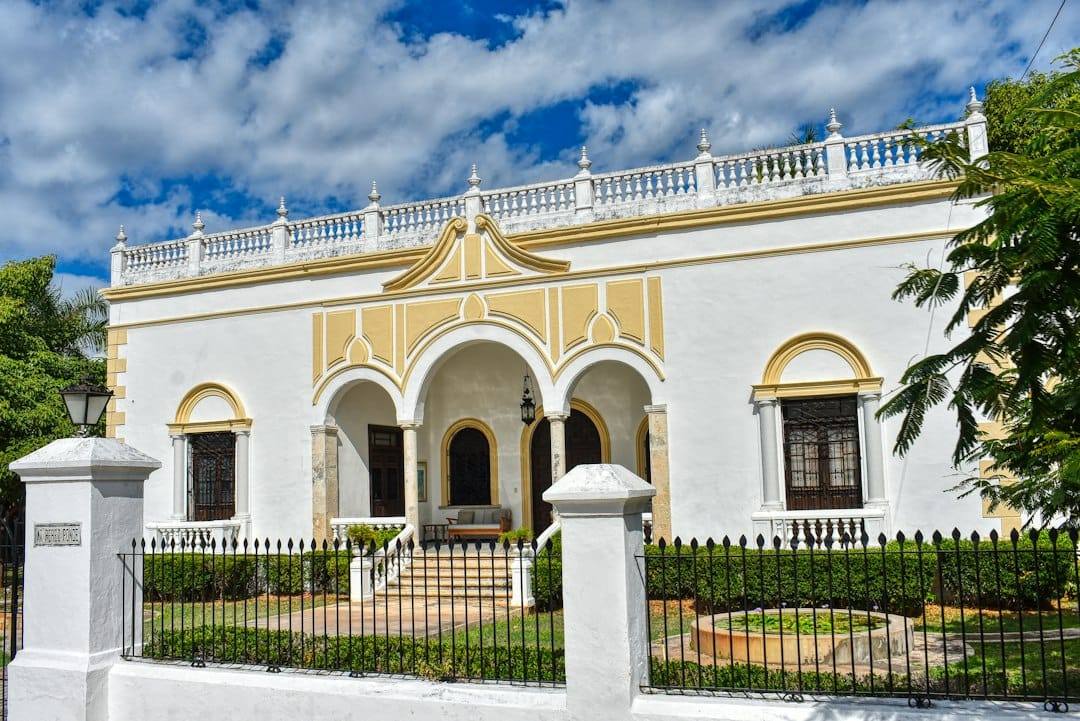
Mérida runs on a schedule most cities gave up on decades ago. On Monday nights the mayor's office clears Calle 62, sets out folding chairs in front of the Palacio Municipal, and a band plays jarana music while couples in embroidered terno dresses dance the Vaquería — for free, every week, and it has done so for years. That is the useful thing to understand about the capital of Yucatán before you book: this is a city of a million people that still behaves like a large town, where the culture happens on the street on a fixed calendar rather than behind a ticket booth.
It is also the safest large city in Mexico by most measures, which is why the retirees and remote workers keep arriving. What they get is a flat colonial grid of pale limestone buildings (hence the nickname La Ciudad Blanca, the White City), two UNESCO Maya sites within a two-hour drive, cenotes you can swim in by lunchtime, and Yucatecan food that tastes nothing like the Tex-Mex most visitors expect. The one non-negotiable: the heat. Mérida sits inland on a limestone shelf with no sea breeze and no shade to speak of, and from March through May the afternoons hit 38–41°C. Plan your days around that and the city opens up. Here is exactly how to spend three days here in 2026, with real prices, real place names, and the specific tips that save you time and pesos.
🏛️ Essential Experiences
Mérida's core sights cluster in two walkable zones: the Centro Histórico around the Plaza Grande, and the long boulevard of Paseo de Montejo running north from it. The two day-trip ruins sit outside the city and each deserve their own morning. Here are the seven that earn the time.
Catedral de San Ildefonso & the Plaza Grande
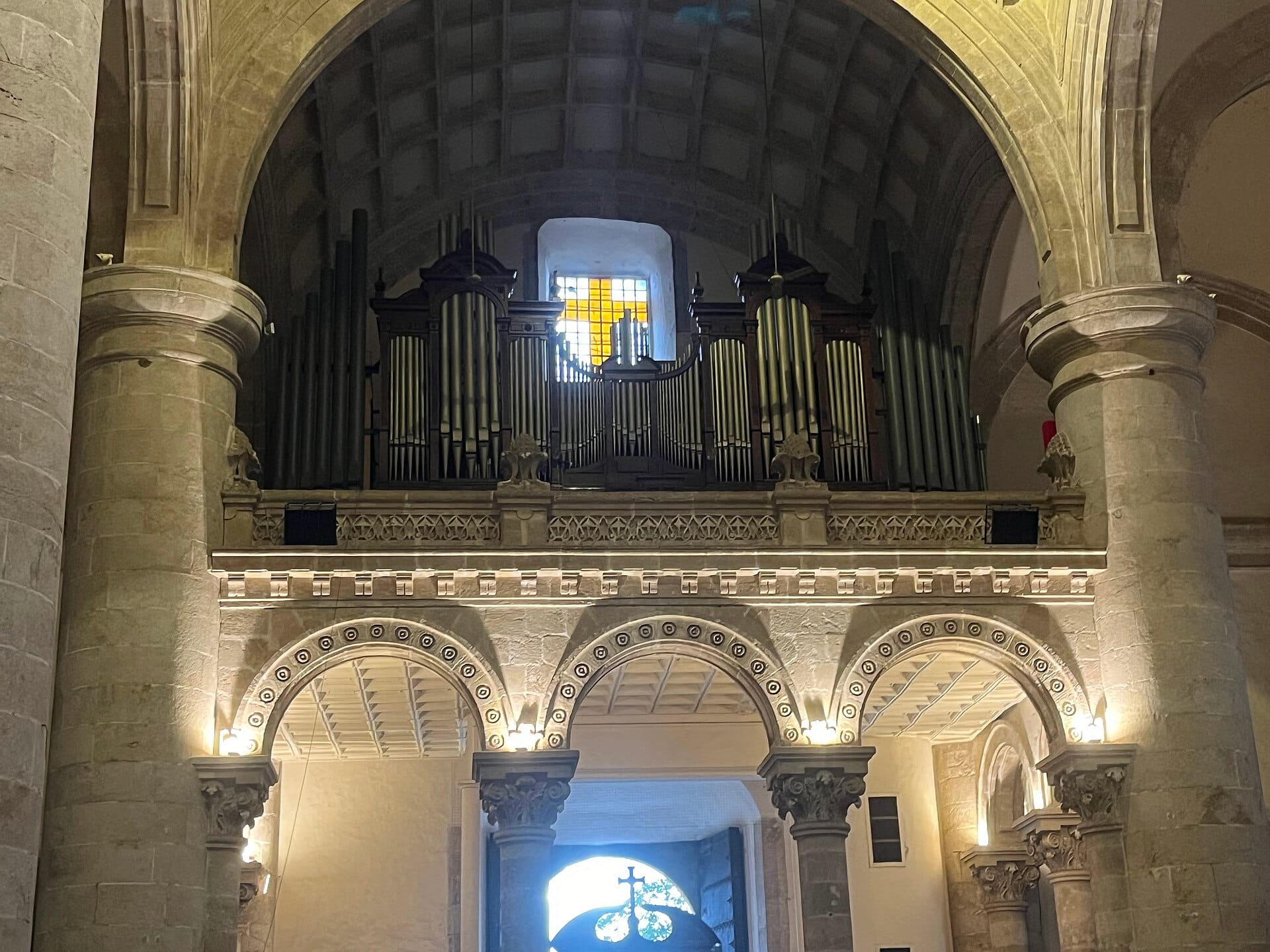
The cathedral on the east side of the Plaza Grande was built between 1561 and 1598, which makes it the first cathedral completed on the mainland of the Americas — the Spanish quarried its limestone straight from the dismantled Maya city of T'hó that stood on this exact spot. Step inside (entry is free) to see the Cristo de la Unidad, a 6.65-metre carved birch-wood Christ installed in 1967 and one of the tallest indoor Christ figures in the world. The interior is startlingly bare because most of the gold altarpieces were burned during the Mexican Revolution in 1915; what is left is austere and worth ten quiet minutes.
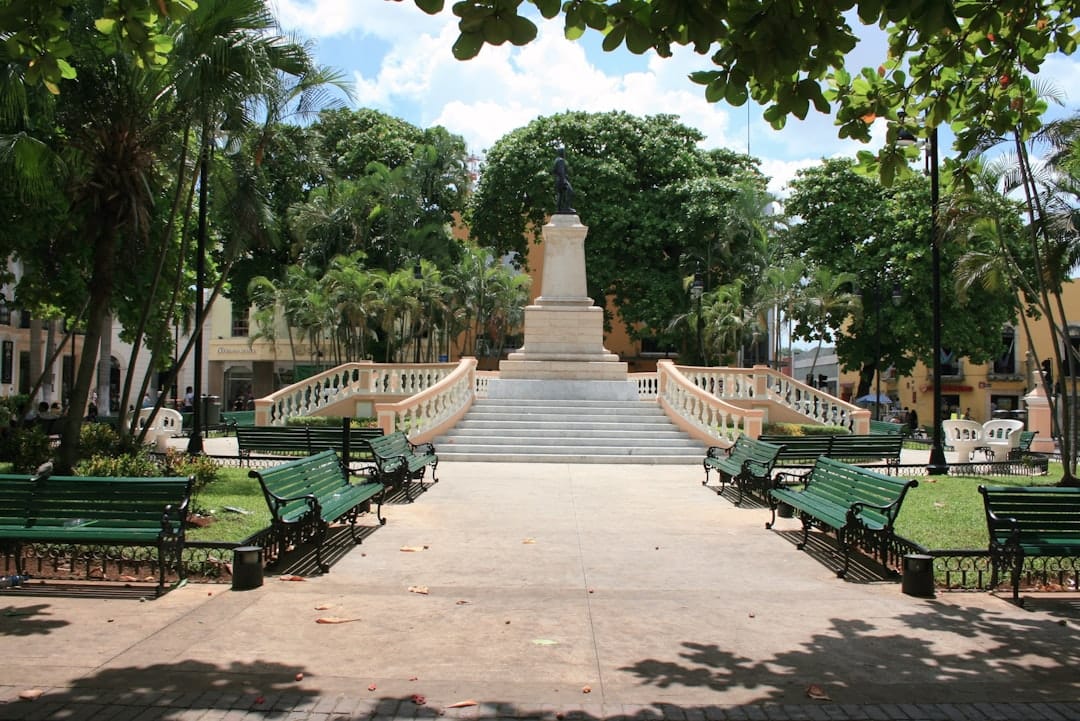
The Plaza Grande itself is the city's living room. Look for the white S-shaped double chairs facing each other — the sillas confidentes or "tú y yo" seats, designed so two people sit knee-to-knee. Insider tip: come back to the square at 8pm on a Sunday for Mérida en Domingo, when the surrounding streets close to traffic, food stalls appear, and the marquesita carts fire up. Skip the aggressive "free tour" touts who work the cathedral steps; the real free guided tours leave from the municipal tourist office in the Palacio Municipal on the plaza's west side. Cost: free.
Casa de Montejo
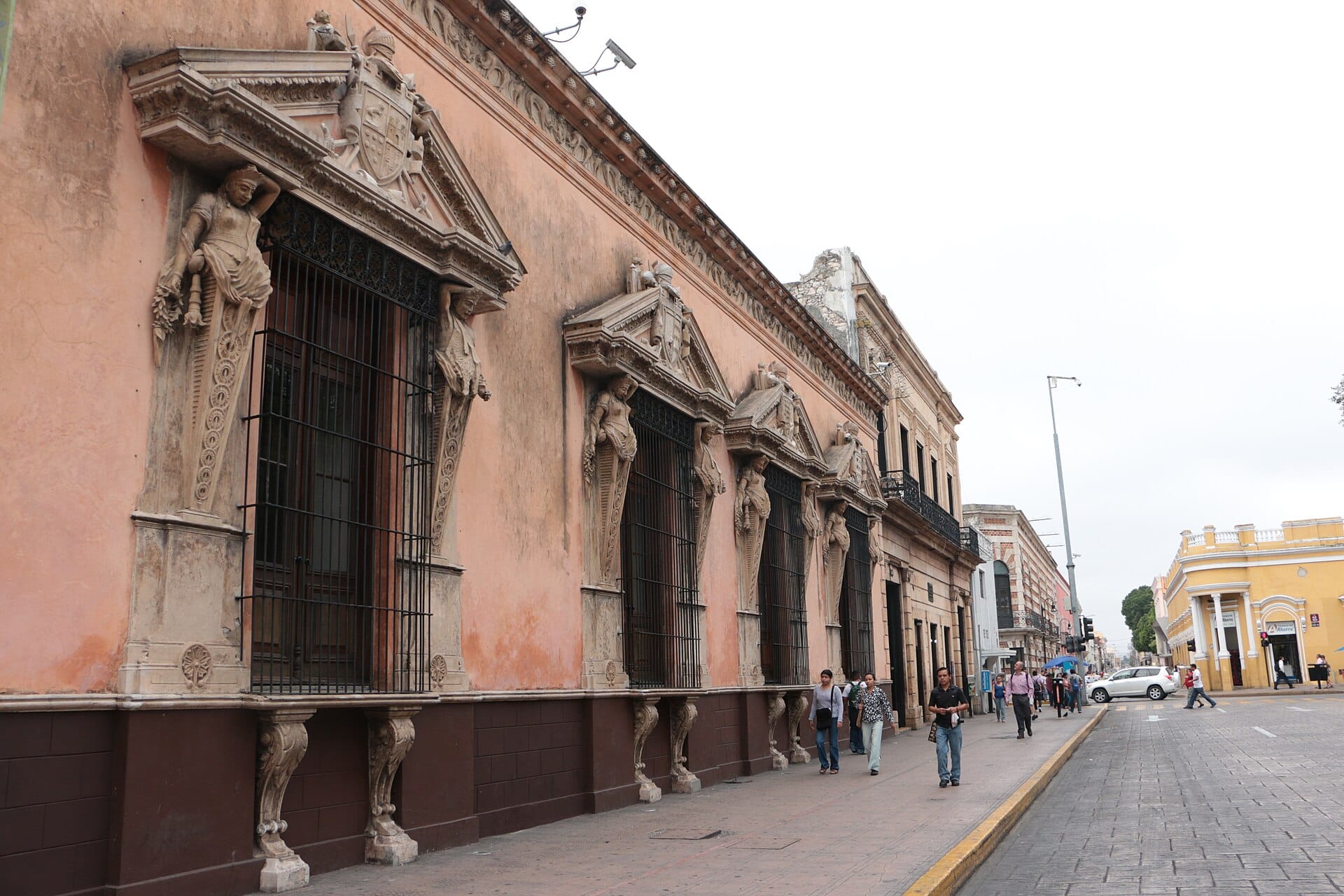
On the plaza's south side stands the oldest surviving house in Mérida, built between 1542 and 1549 for Francisco de Montejo, the conquistador who founded the city. The Plateresque stone facade is the reason to stop even if you go no further — carved Spanish soldiers stand on the heads of defeated Maya warriors, a piece of 16th-century propaganda hiding in plain sight above the door. Inside, the bank that owns it (Citibanamex) runs a free museum of restored 19th- and early-20th-century rooms furnished as a wealthy henequen family would have kept them.
Insider tip: it is open Tuesday to Saturday 11am–6pm and Sunday 11am–2pm, closed Mondays, and the free guided tours run at noon and 4pm (Tue–Sat) and noon on Sunday. Go on the guided tour — the period rooms mean little without the henequen-boom backstory. Fifteen minutes if you skim the facade, forty-five if you take the tour. Cost: free.
Paseo de Montejo & the Monumento a la Patria
Paseo de Montejo is Mérida's answer to the Champs-Élysées, laid out in the 1890s so the henequen (sisal) barons could show off the fortunes they made selling rope fibre to the world. The mansions lining it — some restored, some romantically crumbling — are the physical record of the "green gold" boom that briefly made Yucatán one of the richest states in Mexico. Walk it in the early morning or at dusk; there is almost no shade and midday is punishing.
The payoff at the northern end is the Monumento a la Patria, a 14-metre semicircular sculpture that the Colombian artist Rómulo Rozo hand-carved from local limestone over 11 years, finishing in 1956. It packs more than 300 figures into a Neo-Maya retelling of Mexican history — a central mestiza woman, two jaguar warriors, the eagle-and-serpent, the sacred ceiba tree. It sits on a busy roundabout, so cross with care. Insider tip: the light is best on the carved face in the late afternoon, and the fountains behind it run in the evening. Cost: free.
Palacio Cantón (Museo Regional de Antropología)
Halfway up Paseo de Montejo at Calle 43 is the grandest of the boom-era mansions, a Beaux-Arts palace built between 1904 and 1908 by the Italian architect Enrico Deserti for a general and former state governor. Since 1980 it has housed the Regional Anthropology Museum, and it is the best primer you can get before visiting the ruins — the collection walks you through Maya cranial shaping, jade burial masks, and the ceramics timeline that makes sense of what you will see standing at Uxmal and Chichén Itzá.
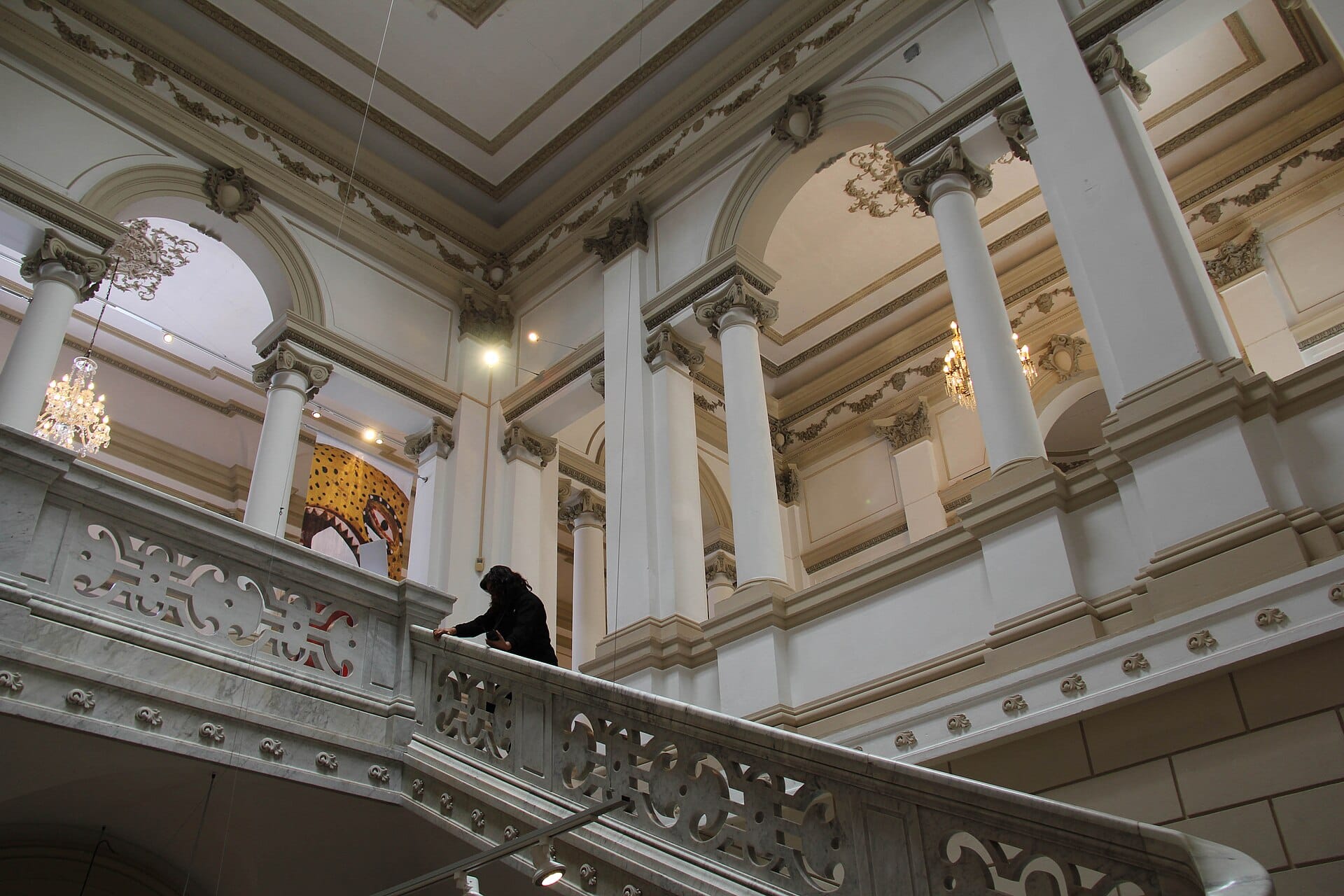
Insider tip: go here on day one, before the ruins, not after — the context is what makes the archaeology land. It is open Tuesday to Sunday 8am–4:30pm, closed Mondays. Cost: 90 pesos (about $5 / €4.50) for foreign adults.
Gran Museo del Mundo Maya
North of the centre near the Altabrisa district sits the city's flagship modern museum, a low building designed to echo a ceiba tree, holding more than 1,100 artifacts across permanent halls on Maya cosmology, daily life, and the meteorite impact at Chicxulub — which happened just off the Yucatán coast and wiped out the dinosaurs. It is more polished and more air-conditioned than the Palacio Cantón, and the two are complementary rather than redundant: the Palacio for the intimate colonial-mansion setting, the Gran Museo for the scale and the well-produced multimedia.
Insider tip: it is a 15-minute Uber from Centro (roughly 70–90 pesos), open Wednesday to Sunday 9am–5pm and closed Monday and Tuesday — the closure days trip up a lot of visitors, so check before you ride out. Yucatán residents get in free on Sundays, so expect it busier then. Cost: 150 pesos (about $8 / €7.50) for foreign adults.
Uxmal
If you visit one ruin from Mérida, make it Uxmal, 78km south on Highway 261 (about an hour by car). It is the finest example of Puuc-style Maya architecture — low, horizontal, and covered in intricate stone lattice and Chaac rain-god masks — and, crucially, it draws a fraction of Chichén Itzá's crowds because it is not on the Cancún day-tour circuit. The rounded Pyramid of the Magician dominates the entrance; behind it, the Nunnery Quadrangle and the long Governor's Palace show off the stonework at its best.
Insider tip: the site opens at 8am and you want to be there for it — by 11am the exposed plazas are an oven. You can still climb the Great Pyramid at the back for the best view over the jungle canopy, something Chichén Itzá no longer allows on its main pyramid. Getting there without a car: second-class buses run from the TAME terminal on Calle 69 in Centro. The evening video-mapping show has been suspended with no reopening date, so don't plan your day around it. Cost: 586 pesos total for foreigners (about $32 / €30), split between a federal INAH window and the state CULTUR window — bring cash for both.
Chichén Itzá
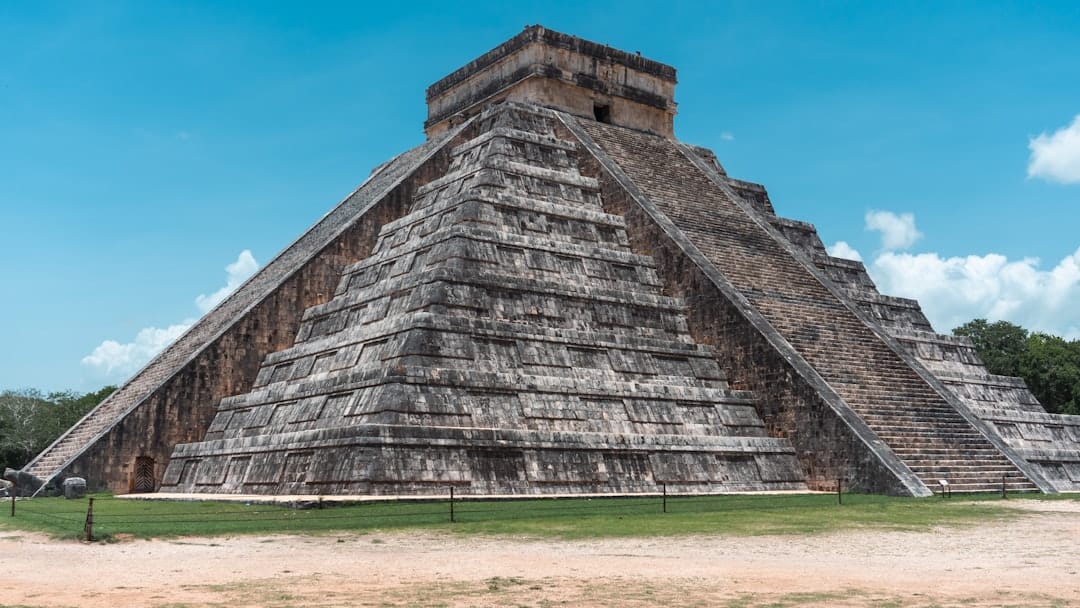
The famous one, roughly 120km east and about two hours by road, is one of the New Seven Wonders of the World and genuinely lives up to it — the 24-metre pyramid of El Castillo (the Temple of Kukulcán) is a physical calendar, its 365 steps and geometry engineered so that on the spring and autumn equinoxes the afternoon sun throws a serpent-shaped shadow slithering down the northern staircase. The adjacent Great Ball Court is the largest in Mesoamerica, with acoustics that carry a whisper the length of a football field.
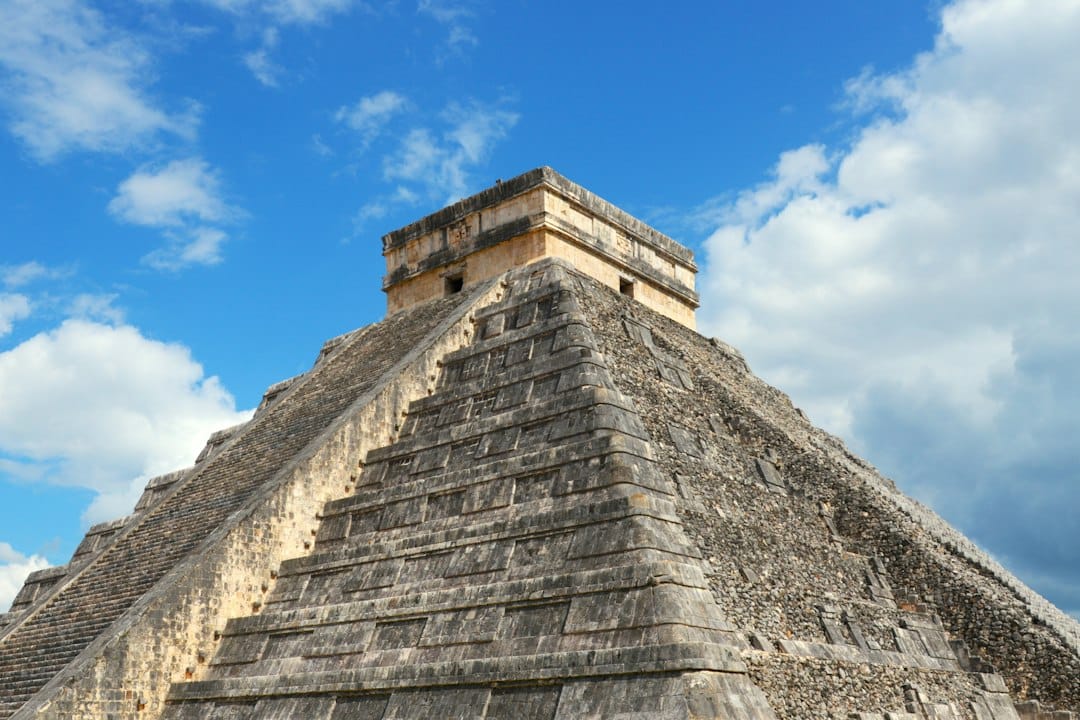
Insider tip: the enemy here is the tour buses from Cancún and Playa del Carmen, which start unloading around 10:30–11am. The site opens at 8am; be at the gate then, do El Castillo and the Ball Court first, and you will have an hour of relative calm before it becomes a market. Hundreds of souvenir vendors set up along the paths inside — that is normal, not a scam, but haggle hard. Last entry is 4pm, closing 5pm. Cost: 697 pesos total for foreigners (about $38 / €36), again split between INAH and CULTUR windows.
🗓️ A 3-Day Itinerary
Day 1 — The Centro on foot
Start at the Plaza Grande by 9am while it is still tolerable. Do the Catedral de San Ildefonso (free) and cross to the Casa de Montejo for the noon guided tour (free). Break for lunch out of the heat at La Chaya Maya in its colonial house on Calle 55 — order the cochinita pibil and a sopa de lima, roughly 250–350 pesos ($14–19 / €13–18) for two courses and a drink. In the cooler late afternoon, walk 20 minutes north up Calle 60 past the Parque Santa Lucía to the start of Paseo de Montejo, and time it so you reach the Palacio Cantón before it closes at 4:30pm (90 pesos). Finish with an evening stroll to the Monumento a la Patria as the light softens. If it is a Thursday, double back to Parque Santa Lucía for the 9pm Serenata. Day cost, roughly $25–35 per person excluding hotel.
Day 2 — Uxmal and the Puuc route
This is a car or organized-tour day. Leave Mérida by 7am to be at Uxmal for the 8am opening (586 pesos). Give it two to three hours, climbing the Great Pyramid before the heat peaks. On the way back, a self-driver can stop at the Choco-Story museum by the entrance or at one of the smaller Puuc sites like Kabah (a shared ticket covers several). Back in Mérida by mid-afternoon, rest through the hottest hours, then head to the Gran Museo del Mundo Maya if it is a Wednesday–Sunday (150 pesos, open till 5pm) to connect the dots on what you just saw. Dinner at Manjar Blanco on Calle 47 — Chef Miriam Peraza's traditional Yucatecan kitchen; expect 400–600 pesos ($22–33 / €20–31) a head with a drink. Day cost with a rental car, roughly $60–80 per person.
Day 3 — Cenotes at Homún, then the evening
Spend the morning underground. The village of Homún, about 45km southeast (55 minutes by car, or a colectivo from Centro plus a short mototaxi), is ringed with swimmable cenotes. Cenotes Santa Bárbara is the easy, well-run introduction: 250 pesos ($13 / €12) gets you into four cenotes — Cascabel, Chacksikín, Xooch', and Pool Cocoon — with life jackets and a 2km path you cover on foot, a rented bike, or a horse-drawn rail cart. Rinse off before you get in; sunscreen and repellent are banned in the water to protect the ecosystem. Back in the city by afternoon, cool down and then let the calendar decide your night: Monday means the Vaquería on the Plaza Grande at 9pm, Saturday the Noche Mexicana at the Remate de Paseo de Montejo, Sunday the car-free Biciruta and Mérida en Domingo. Cap it with a marquesita — a crisp rolled crepe filled with shredded Edam cheese and Nutella or cajeta, about 40–60 pesos from the carts around Santa Lucía or the Plaza Grande. Day cost, roughly $30–45 per person.
🧠 Essential Tips
When to go
The sweet spot is mid-November through February, when daytime highs sit around 26–32°C and the humidity eases. December and January are the coolest and the most pleasant for walking the grid all day. Avoid late March through May if you can — this is the genuinely brutal stretch, with April and May pushing 36–41°C and no rain for relief. The rainy season runs May–October, but the rain usually comes as a short, dramatic afternoon downpour that clears in an hour or two rather than an all-day washout, and hotel rates in June–September can run 40–60% below peak. Prices spike around December 23–January 6 and again during Semana Santa (Holy Week). If you want a festival, aim for early January and the Mérida Fest, a run of free outdoor concerts and events around the city's founding anniversary on January 6, or late October's Hanal Pixán, Yucatán's distinctive Day of the Dead.
Getting around
Manuel Crescencio Rejón airport (MID) is 8km south of Centro, 20–30 minutes out. The fixed-price official taxi from the arrivals booth runs 300–400 pesos ($15–20). The cheap option is the ADO airport bus to the CAME terminal downtown for roughly 20–30 pesos, then a short walk or taxi to your hotel. Uber and DiDi both work well in Mérida and are the locals' default — a cross-town ride is usually 50–120 pesos — but the taxi union keeps them off the airport curb, so on arrival you either take the official taxi or walk five minutes to the main road outside airport property to get picked up. In the Centro, walk: it is a flat, tight grid where even-numbered streets run one way and odd-numbered the other, and most sights are within 15 minutes of the plaza. For intercity trips, first-class ADO buses cover Chichén Itzá and Valladolid from the CAME terminal, while the cheaper second-class buses and colectivos to Uxmal, Homún, and Progreso leave from smaller terminals in the Centro.
Staying safe and comfortable
Mérida is consistently ranked among the safest cities in Mexico, and violent crime against tourists is rare — the honest hazard here is the climate, not the people. Carry water everywhere, wear a hat, and treat 12pm–4pm as indoor time from March to October; heat exhaustion sends more visitors sideways here than anything else. The petty annoyances to watch: street taxis without meters will quote inflated fares, so use the apps; at the Plaza Grande, men offering to take you to a "special festival happening today only" at a hammock or jewellery warehouse are working a commission, so decline. At Chichén Itzá the crush of vendors inside the site is legitimate but relentless — decide your price and stick to it. If you rent a car, the one-way grid downtown is confusing and parking is tight, so many visitors rent only for the ruin day trips and rely on apps in town. Tap water is not for drinking; hotels and restaurants use purified water.
What to eat
Yucatecan food is its own cuisine, shaped by Maya, Spanish, and Lebanese influences and often not spicy at the plate — the heat comes from the fiery habanero salsa served on the side. The essentials: cochinita pibil (pork marinated in achiote and sour orange, wrapped in banana leaf and slow-roasted), sopa de lima (turkey or chicken broth with lime and crisp tortilla strips), panuchos and salbutes (fried tortillas topped with turkey, pickled onion, and avocado), papadzules (egg tacos in a pumpkin-seed sauce), poc chuc (citrus-grilled pork), and queso relleno (a hollowed Edam cheese stuffed with spiced meat). For the cheapest authentic version, eat at the market: Mercado Santa Ana and Mercado Lucas de Gálvez both have stalls doing panuchos and cochinita for 100–140 pesos ($5–7) a person, and Taquería La Lupita inside Mercado Santiago was featured on Netflix's Salt, Fat, Acid, Heat. For castacán (crispy pork belly) tacos, Wayan'e is the local breakfast institution — about $5–8 for three tacos and a drink. Wash it down with agua de chaya (a Maya leafy-green drink) or a cold Montejo beer.
🏨 Accommodation Guide
Where you stay shapes the trip. Centro Histórico puts you inside the grid, steps from the plaza and the evening events, and holds the most options. Santiago and Santa Ana, the quieter barrios just north and west of the core, are where the restored-mansion B&Bs cluster around their own leafy plazas and markets. García Ginerés and the streets off Paseo de Montejo skew leafier and more upscale, good for cafés and slower mornings.
Budget ($15–40 / €14–37 per night)
Nómadas Hostel in the Centro is the long-running backpacker hub, with dorms, a pool, hammocks, and free salsa classes. For a private room on a budget, Hotel Trinidad on Calle 62 offers eccentric art-filled rooms with air conditioning from around $20–40. These are the range where you accept a small, simple room in exchange for an unbeatable location.
Mid-range ($75–180 / €70–170 per night)
This is Mérida's sweet spot, and it is largely boutique conversions of colonial houses. Hotel Julamis (Centro, Calle 53) wraps 14 rooms around a courtyard pool with breakfast included, roughly $75–140. Los Arcos B&B in Santa Ana is a six-room colonial property with a rooftop terrace, about $80–150. Casa Lecanda on Calle 47 is a refined seven-suite hotel with vaulted brick ceilings and original hexagonal tile floors, around $100–180. All deliver the plunge-pool-in-a-courtyard experience that makes the heat manageable.
Luxury ($150–450+ / €140–420+ per night)
Rosas & Xocolate on Paseo de Montejo is the design-led flagship — two pink mansions joined into a spa hotel with a well-regarded restaurant, roughly $200–350+. Casa del Balam near the top of Calle 60 is a more classic colonial-courtyard hotel around $150–280. For something singular, the restored henequen haciendas outside town — Hacienda Temozón Sur about an hour south, among others — run $360–450+ and trade city access for cenote pools, jungle grounds, and near-total quiet.
🎭 Beyond the Tourist Trail
Mérida's newest reason to linger is Parque La Plancha, a 42-hectare urban park built on a former railway yard just northeast of the Centro and opened at the end of 2023. It gave the city something it had always lacked — real green space with shaded walking paths, a skate area, playgrounds, an events forum, and the old railway buildings converted into cultural venues. Locals use it hardest in the early morning and after dark, when the temperature drops.
For the coast, two day trips pull in opposite directions. Progreso is the closest beach, 40km north and about 50 minutes on the Autoprogreso bus (around 28 pesos each way, leaving from the Calle 62 terminal between Calles 65 and 67). It is a working Gulf port with a broad malecón and a pier that runs some 6.5km out to sea — built that long because the water off this coast is too shallow for ships to dock closer. West of the city, Celestún (95km, about 1 hour 45 minutes) is a biosphere reserve where thousands of Caribbean flamingos gather from November through early March; a shared boat through the mangrove lagoon runs roughly 2,000–3,000 pesos per launch split among six to eight passengers, and mornings give the calmest water.
Back in town, follow the barrio calendar the way locals do. Tuesday nights bring "Remembranzas Musicales," an old-school danzón session in the Parque de Santiago, where couples who have been dancing for fifty years take the floor. Thursday's Serenata at Parque Santa Lucía (9pm) is the most established of the weekly free shows, mixing trova music, jarana dance, and poetry. None of it costs a peso, and it is the clearest window you'll get into everyday Yucatecan culture rather than the performed-for-tourists version.
❤️ Plan Your Mérida Trip with VoyaBear
Mérida rewards a plan built around its rhythms — the 8am ruin openings, the noon retreat from the heat, the specific night the barrio you're in comes alive. That is exactly the kind of trip VoyaBear is built to assemble. Tell us your dates, your budget, and whether you're here for the archaeology, the food, the cenotes, or all three, and we'll build you a personalized day-by-day Yucatán itinerary — sequencing Uxmal and Chichén Itzá so you never queue behind a Cancún tour bus, booking the right courtyard hotel for the season, and slotting in the cenotes and the coast without wasting an afternoon in the midday sun. Start planning your Mérida trip with VoyaBear today, and let us handle the logistics while you focus on the marquesitas.
Want this as an actual itinerary?
VoyaBear turns a guide like this into a day-by-day plan built around how you travel.
Plan my trip free