Montevideo 2026: The Complete Guide to Uruguay's Capital
4 October 2026 · 12 min read
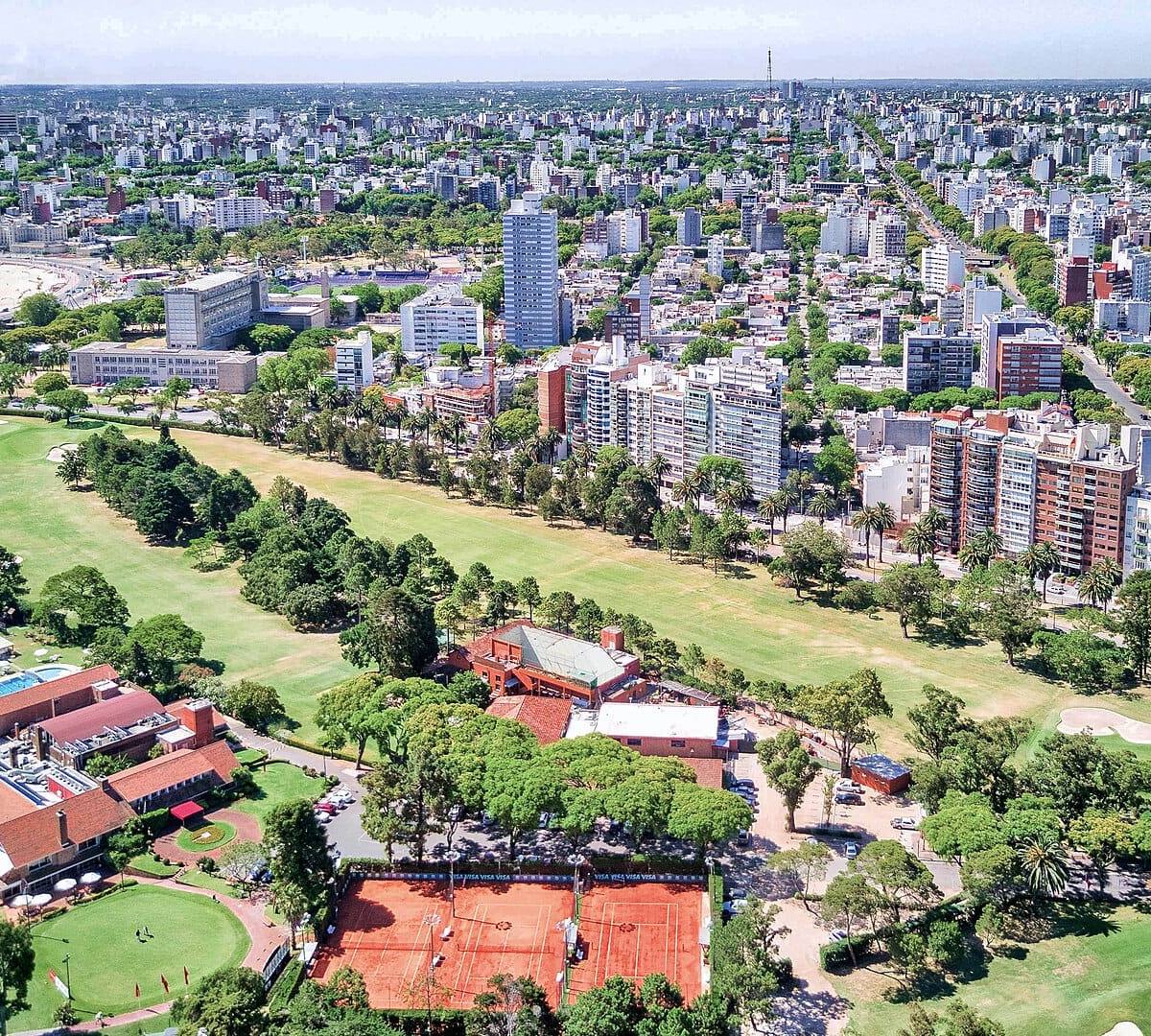
Montevideo does not shout. While Buenos Aires performs across the river, Uruguay's capital of roughly 1.3 million people runs a 22-kilometer coastal promenade where, on any given evening, half the city walks with a thermos of hot water under one arm and a gourd of mate in the opposite hand. That ritual — not a landmark — is the truest thing about the place. This is a city where a 1928 skyscraper, a 1930 World Cup stadium, and a Sunday flea market selling someone's grandmother's silverware all sit within a 40-minute walk, and where the national obsessions are grilled beef, football, and sitting by the water doing very little.
It is also, practically speaking, one of the easiest capitals in the Americas to travel. Uruguay consistently ranks among South America's safest countries, the center is flat and walkable, and through at least late 2026 foreign tourists get an automatic VAT discount of around 18–22% when paying restaurant bills with a foreign card. Spring (October–November) and autumn (March–April) are the sweet spots: mild weather, thinner crowds, and lower prices than the December–February beach-and-carnival rush. Here is how to spend three days here and actually understand the city, not just photograph it.
🏙️ Essential Experiences
Plaza Independencia & Palacio Salvo
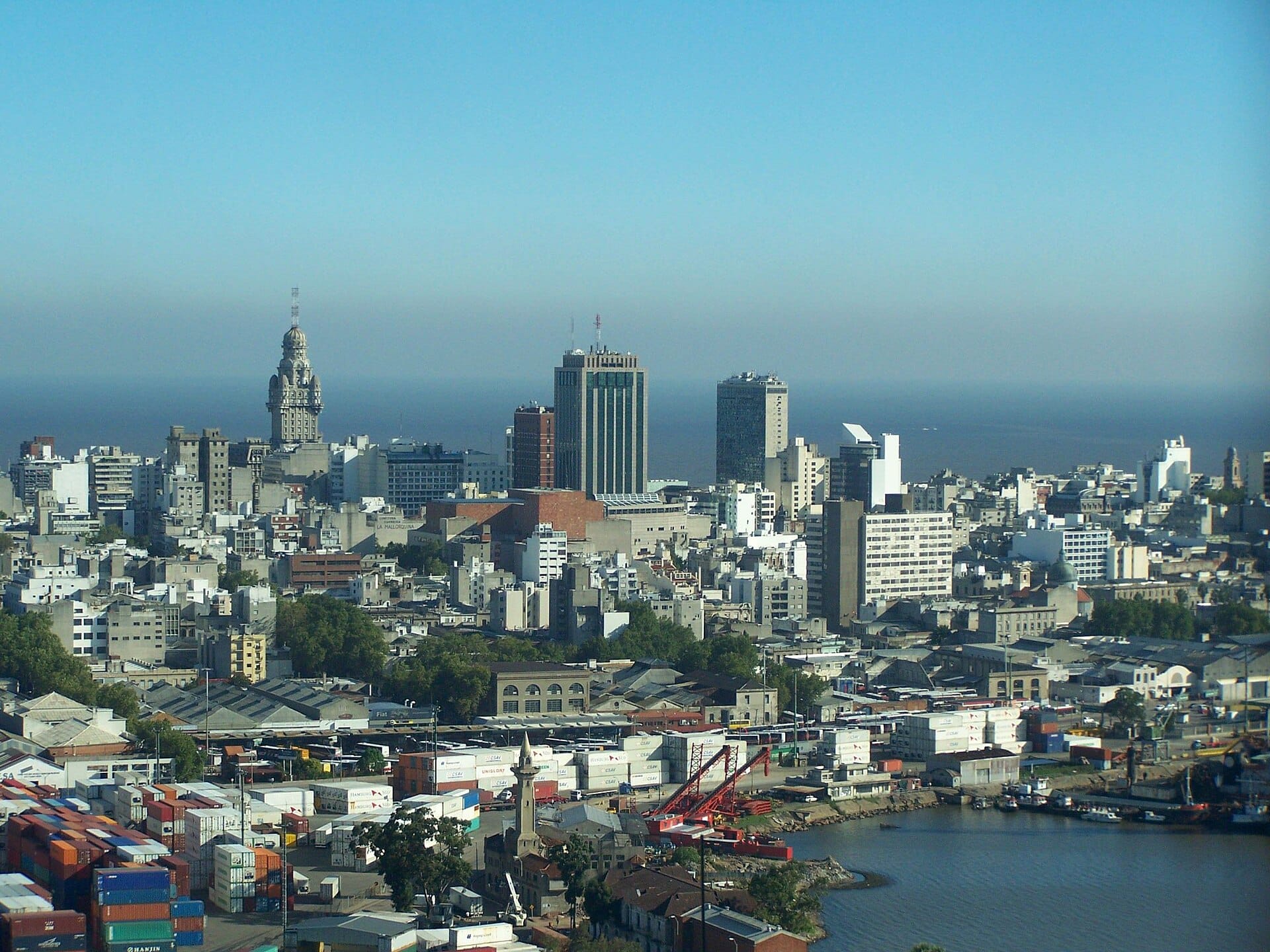
Start where the old city meets the new. Plaza Independencia is the hinge of Montevideo: on one side the Puerta de la Ciudadela, the lone surviving gate of the colonial fortress wall, and in the center the Artigas Mausoleum, where a 17-tonne bronze equestrian statue of national hero José Artigas stands over an underground granite chamber guarded by a motionless honor guard. Looming over it all is the Palacio Salvo, the 1928 tower by Italian architect Mario Palanti that was, briefly, the tallest building in South America at roughly 100 meters.
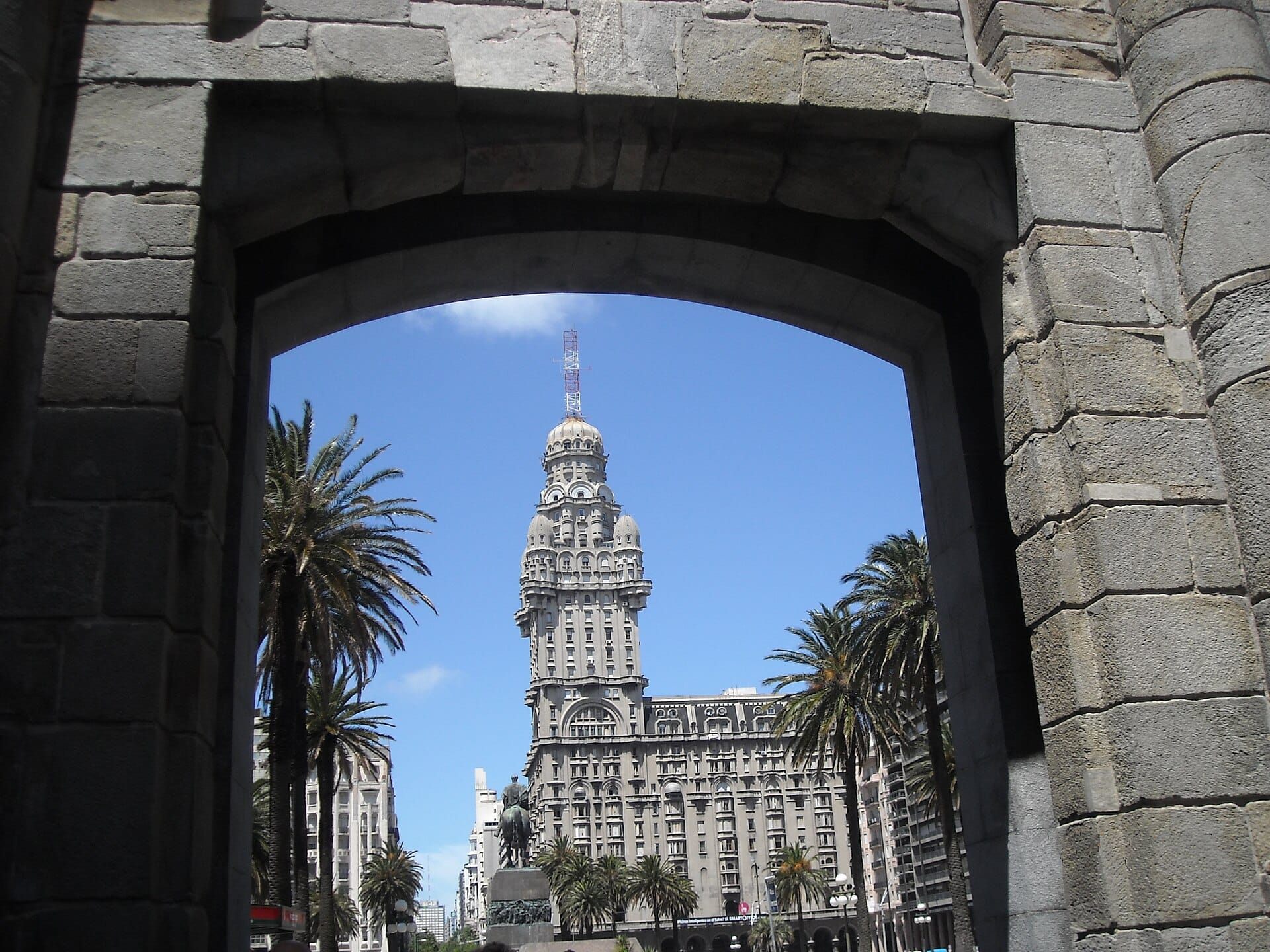
The building sits on the former site of the Confitería La Giralda, where the tango La Cumparsita was first performed in 1917, and its lower floors now hold the Museo del Tango. Insider tip: the standard self-guided museum visit is cheap, but book the official guided tour (about US$15.50, roughly 620 pesos / €14, one hour) ahead online if you want up the tower — it takes you to the open 11th-floor terrace and the closed top-floor viewpoint, neither of which is open to walk-ins, and slots sell out in summer. Go late afternoon so you catch the plaza lighting up as you come back down. Cost: the plaza and mausoleum are free; the mausoleum honor-guard change is worth timing.
Teatro Solís
Uruguay's grand opera house opened in 1856 and remains the country's flagship stage. From the outside it is a restrained neoclassical block with a colonnade of Corinthian columns and a checkerboard marble portico; inside it is all red velvet, gilt, and a horseshoe auditorium seating around 1,500. If there is a performance on during your visit, a ticket to the actual show is usually cheaper than a daytime tour and gets you into the room for real.
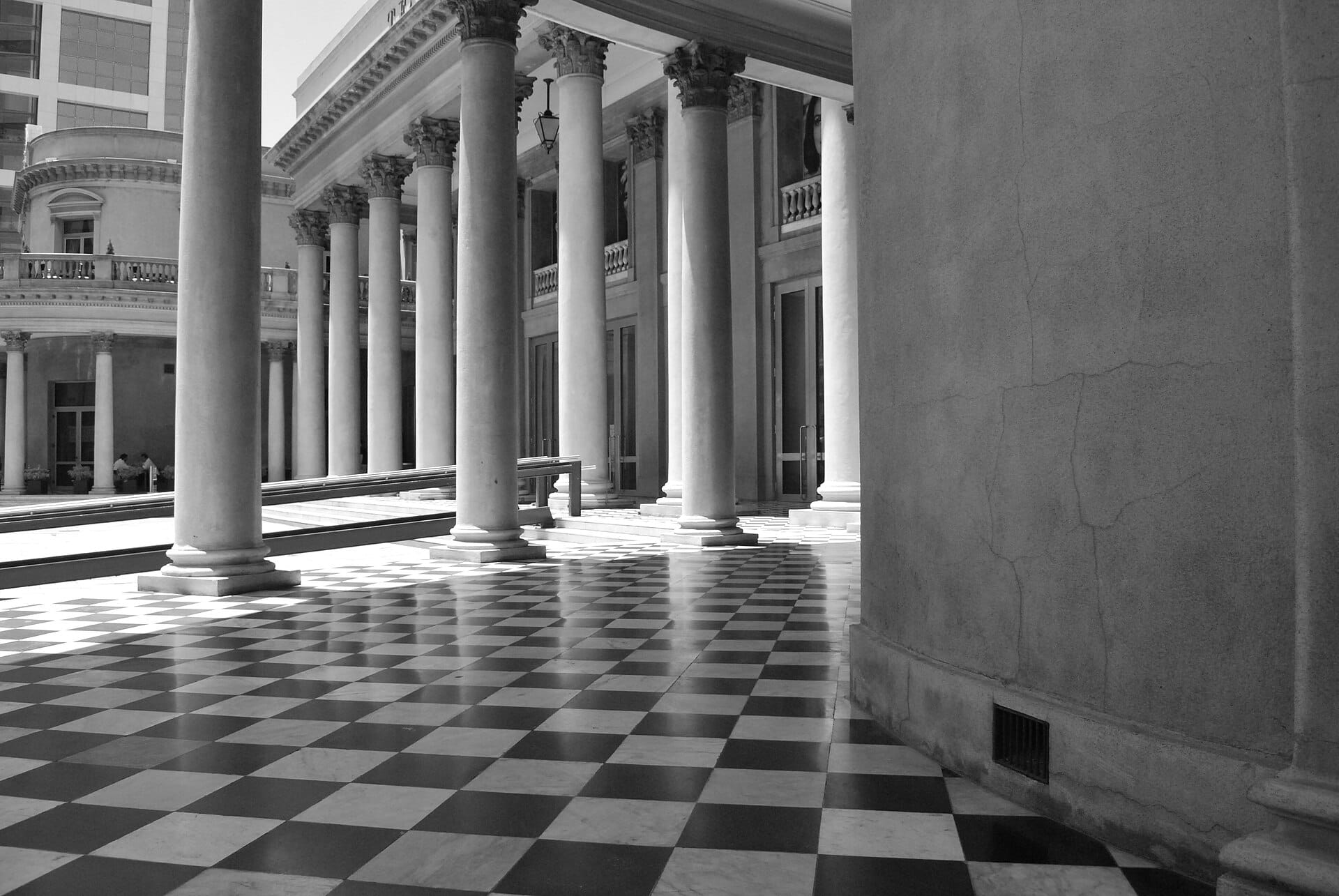
Insider tip: guided tours cost 400 pesos (about US$10 / €9) for foreigners and 200 pesos with a Uruguayan ID, and run in both Spanish and English — but you can wander the main foyer and hall on a free self-guided basis during opening hours, which is enough if you are short on time. Buses 407, 409, and 538 stop right outside. Cost: 400 pesos guided; free to see the foyer.
Mercado del Puerto
Behind the port, a wrought-iron market hall that opened in 1868 has become the city's temple of fire and beef. Under its glass-and-iron roof, a row of parrillas (grills) runs lunch service built around asado de tira, provoleta (grilled provolone), and whole racks of ribs cooked over wood coals. It is the most touristy meal in Montevideo, and worth doing once for the atmosphere and the theater of the grills.
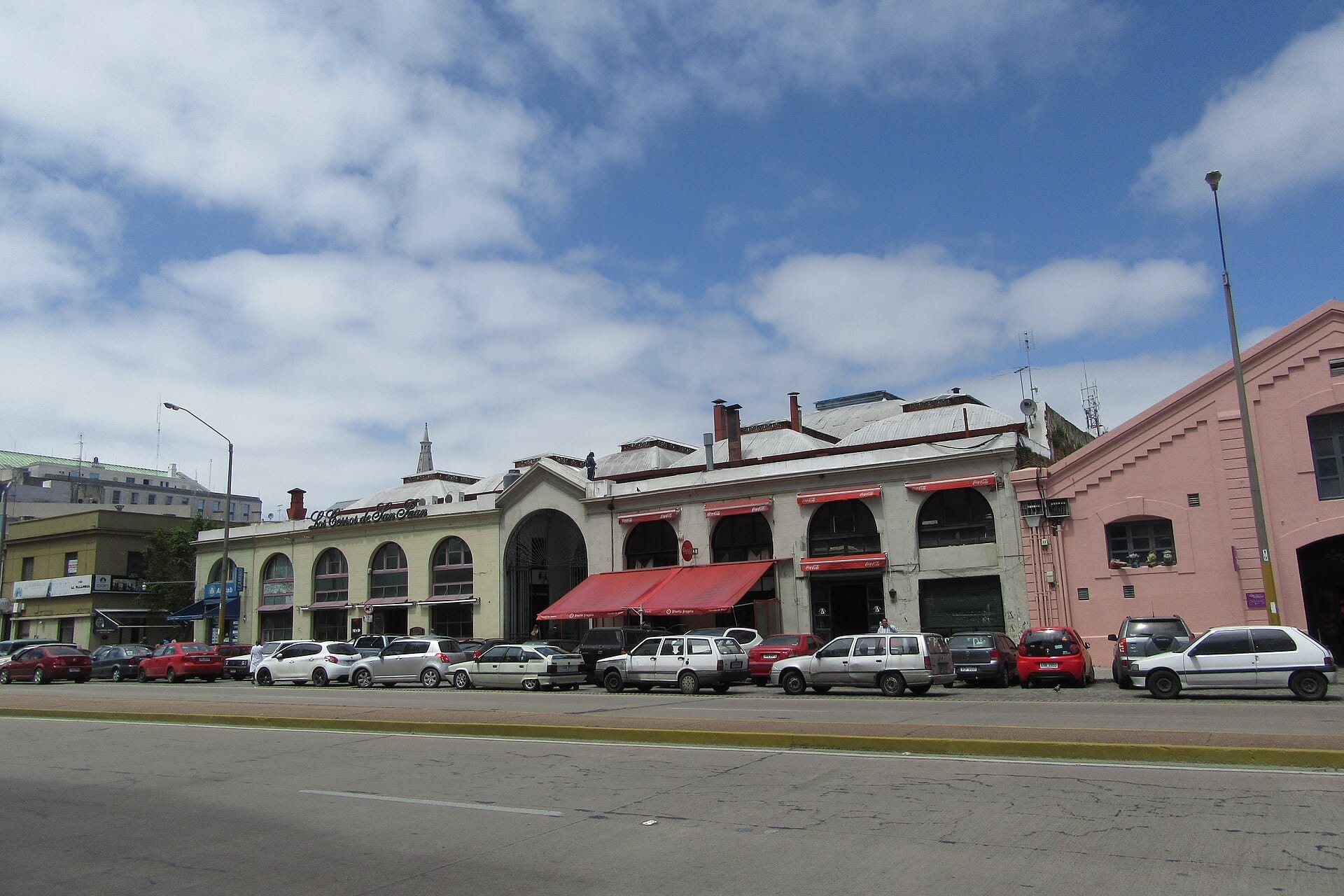
Insider tip: come at lunch (it is busiest and best around 12:30–2pm; many stalls wind down by late afternoon) and order a medio y medio — half still white wine, half sparkling — at Café Roldós, which has poured the drink here since 1886. For the same grilled food at half the price, skip the market dinner and eat at a neighborhood parrilla instead; locals do. Cost: free to enter; a full asado plate runs roughly US$25–40 / €23–37.
La Rambla & Playa Pocitos
The Rambla is the single most-used public space in Montevideo: an uninterrupted 22-kilometer waterfront promenade that curves from Ciudad Vieja past the downtown, Parque Rodó, Punta Carretas, and out along the beach barrios. It is where the city exercises, fishes, drinks mate, and watches the sun drop into the Río de la Plata — the river so wide here it reads as an ocean, with brownish water that is river, not sea.
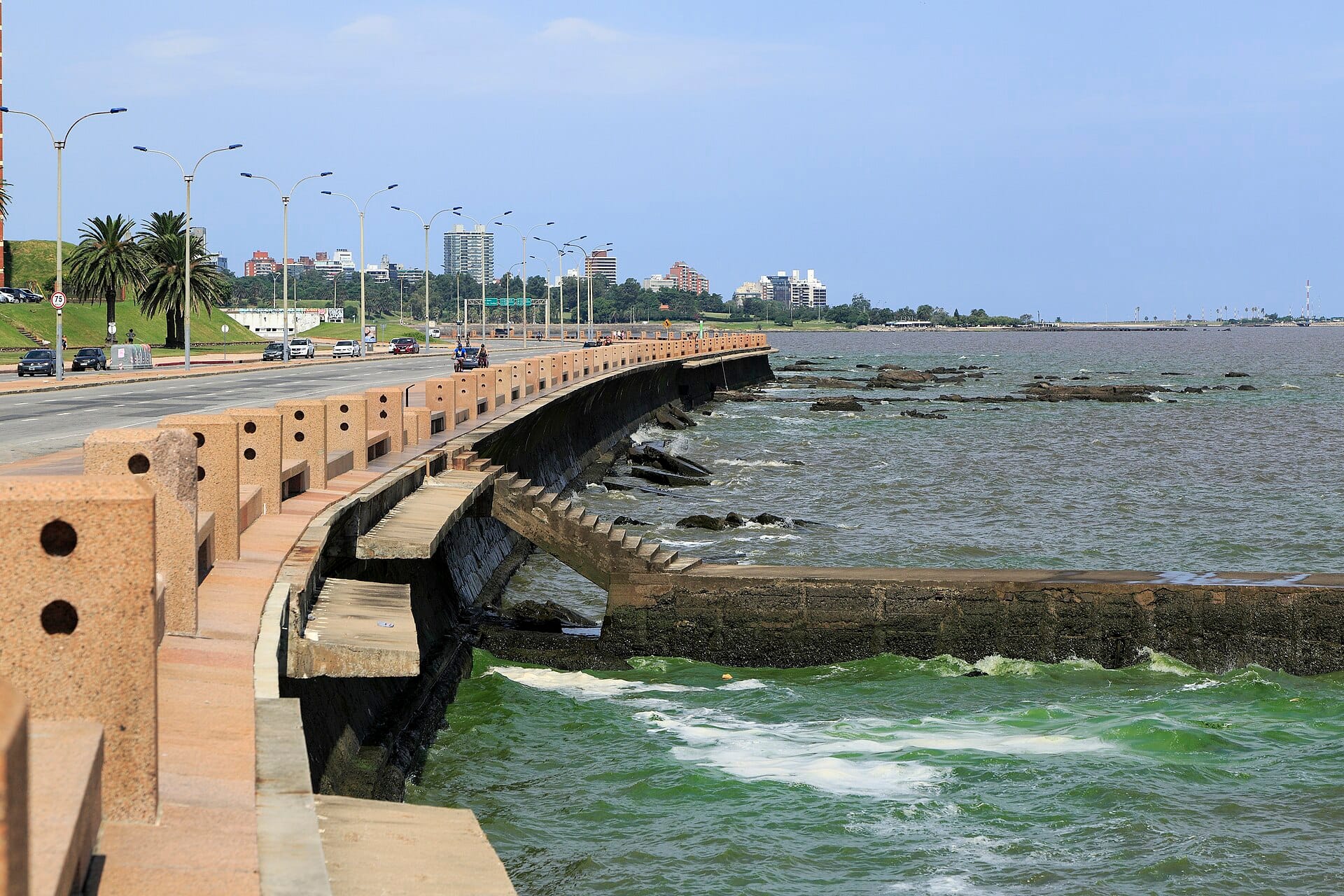
The best stretch for a first walk is Pocitos, where a two-kilometer crescent of sand sits right against apartment towers and the water is calm enough to wade in during summer. Insider tip: rent a bike or just time a slow walk for the hour before sunset, buy a chivito to go, and sit on the seawall — this is the local Sunday, and joining it costs nothing. Keep your phone in your pocket, not your hand, after dark on emptier sections. Cost: free.
Estadio Centenario & the Museo del Fútbol
If you care about football at all, this is a pilgrimage. The Estadio Centenario in Parque Batlle was built in 1930 to host the first-ever FIFA World Cup, and Uruguay won it here, beating Argentina 4–2 in the final. The stadium still hosts matches, and its Art Deco Torre de los Homenajes rises over the pitch. Inside is the Museo del Fútbol, with the shirts, balls, trophies, and photographs from 1930 and from Uruguay's second title in 1950.
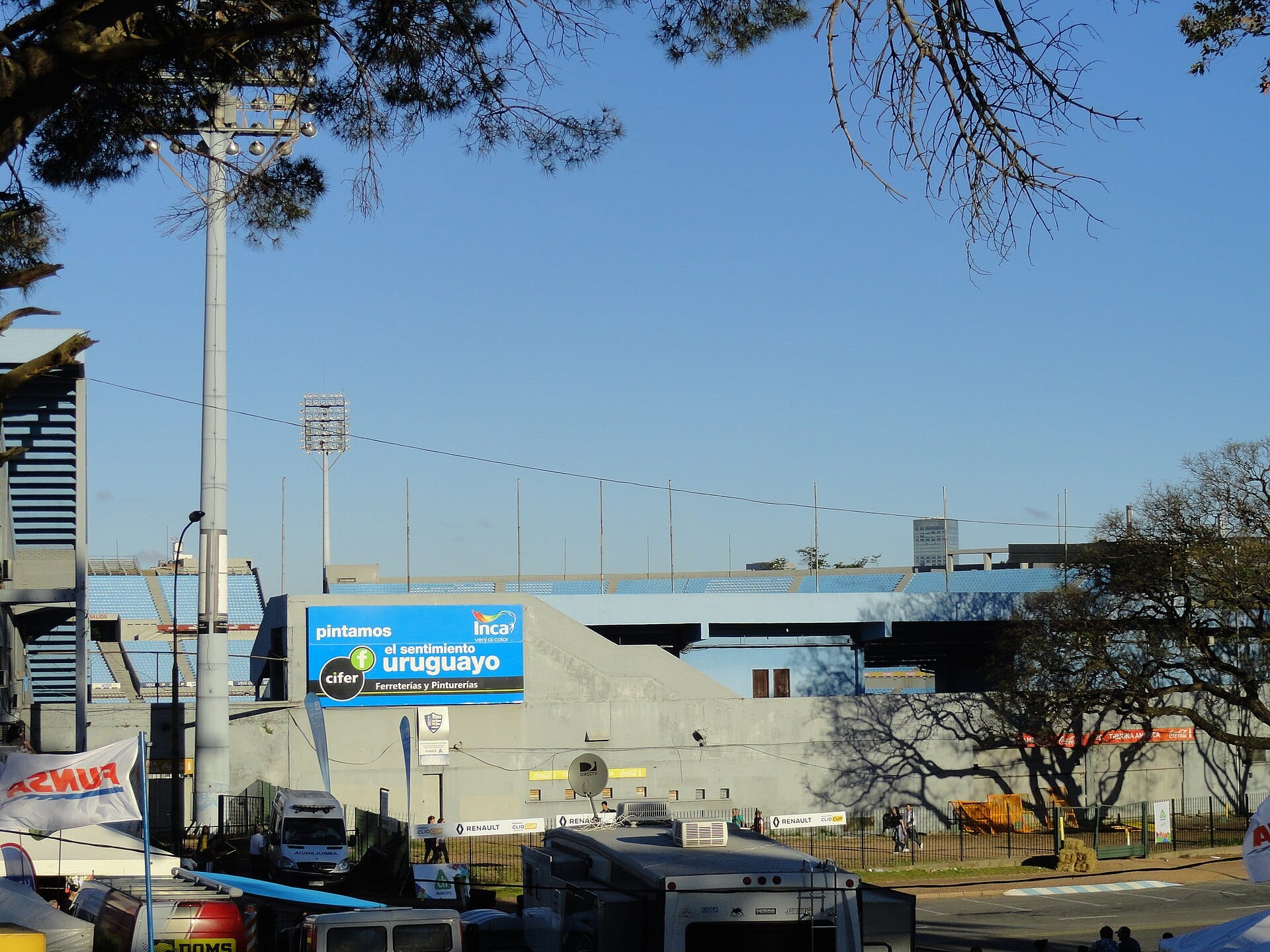
Insider tip: museum admission runs roughly 200–300 pesos (about US$5–7.50 / €5–7), and on non-match days the ticket usually lets you walk out into the stands and down toward pitch level — far better than the museum cases alone. If a Peñarol or Nacional match lands during your trip, that is the real experience; buy tickets through the club rather than from anyone outside the gates. Cost: around 200–300 pesos for the museum.
Museo Andes 1972
In a small space in Ciudad Vieja, this museum tells the story of Uruguayan Air Force Flight 571 — the plane carrying a rugby team that crashed in the Andes in 1972, where 16 survivors held out for 72 days before two of them walked out for help. It is a sober, carefully assembled collection of actual artifacts, letters, and fragments from the crash, with survivor testimony throughout. Interest surged again after the 2023 film Society of the Snow, and the museum is run with the cooperation of survivors and families.
Insider tip: entry is around 600 pesos (about US$15 / €14), and it is small enough to see properly in 45 minutes to an hour — go in the morning before Ciudad Vieja fills up, and read the English panels rather than rushing the objects. It is closed Sundays, so slot it into a weekday. Cost: about 600 pesos.
Feria de Tristán Narvaja
Every Sunday morning, the Cordón neighborhood's Tristán Narvaja street and its side lanes turn into a sprawling open-air market that has been a Sunday institution for more than 150 years. It is books, vinyl records, antiques, coins, live plants, hardware, secondhand clothing, and food, spread along the street and across blankets on the pavement, with a genuine local crowd rather than a tourist one.
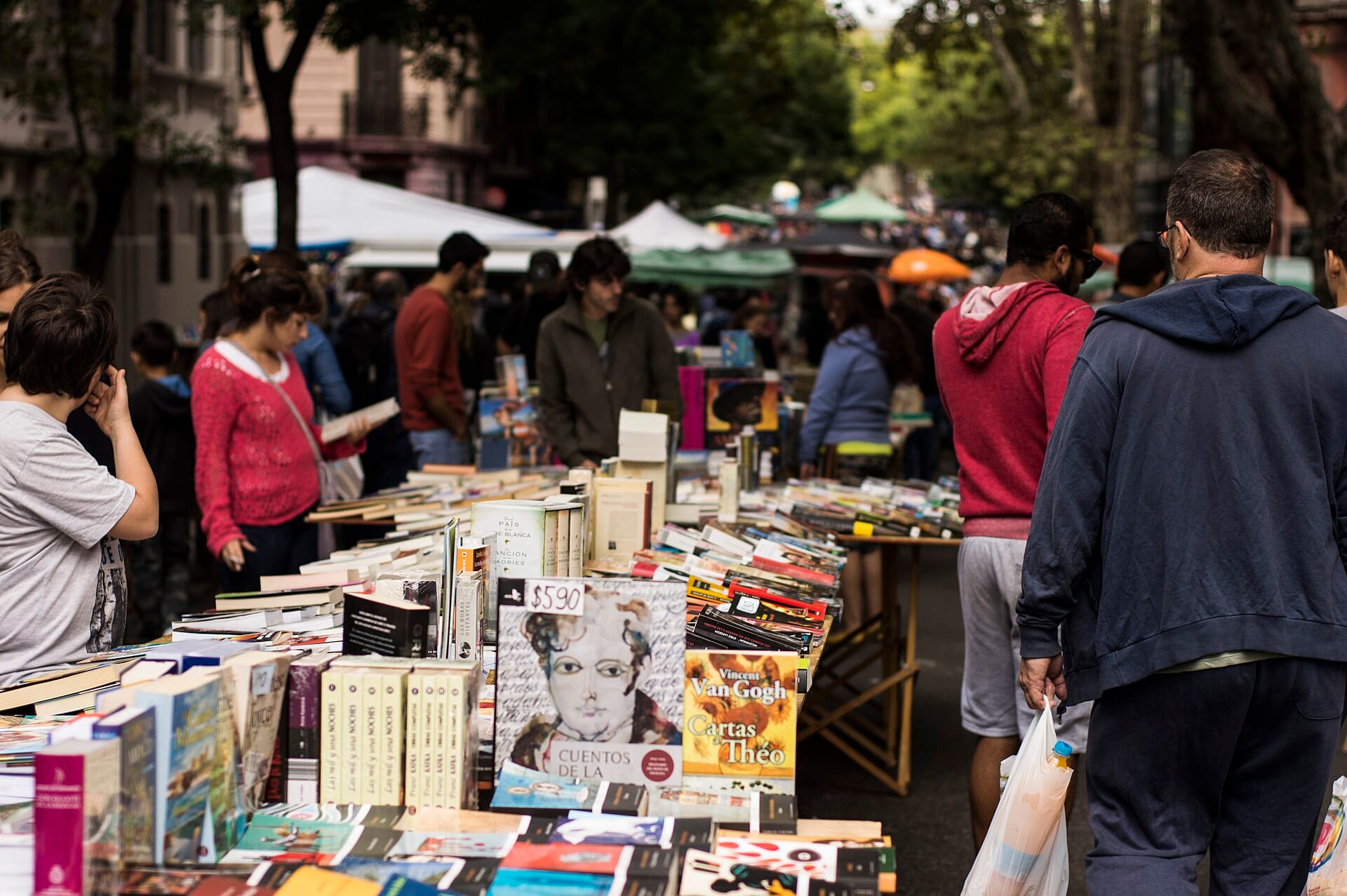
Insider tip: go early — it gets going around 9am and the best secondhand books and records are gone by noon, with stalls packing up by mid-afternoon. Bring cash in small notes, keep your bag in front of you in the crowds, and treat the quoted price as an opening offer. The food stalls at the far end are a cheap, excellent lunch. Cost: free to browse.
Mercado Agrícola de Montevideo (MAM)
Northeast of the center in the Goes neighborhood, the MAM is a cast-iron market hall from 1913 that reopened in 2013 after a full restoration. Where the Mercado del Puerto is grills for tourists, the MAM is where the city actually shops and eats: produce stands, butchers, a bakery, cheese and dulce de leche vendors, and a ring of small restaurants and cafés under the restored ironwork.
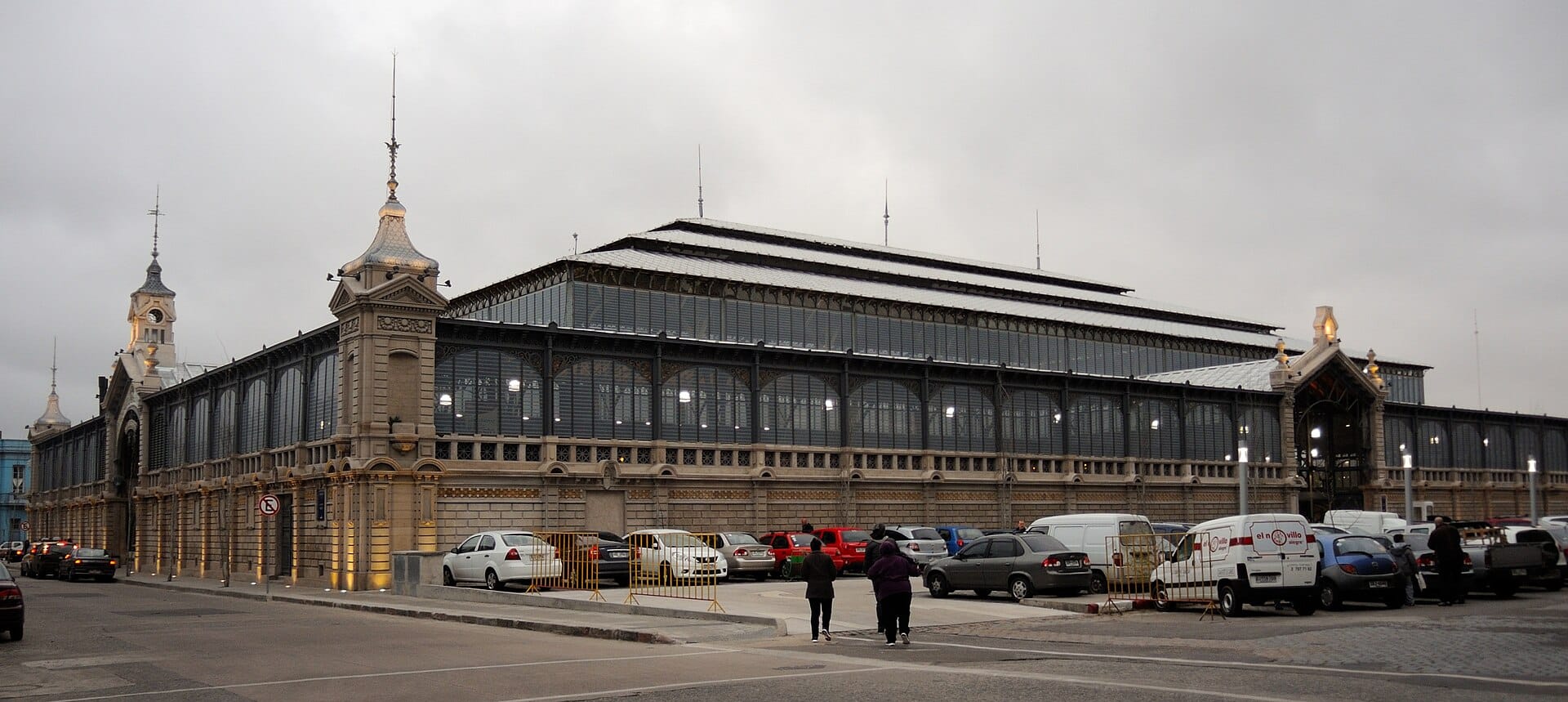
Insider tip: this is the smart place to buy mate gear and yerba, local olive oil, and dulce de leche to take home, and to eat a proper lunch at local prices rather than tourist ones. Come hungry and graze. It is a short taxi or bus ride from the center and pairs well with a visit that is not already packed with Ciudad Vieja sights. Cost: free to enter; lunch from around US$8–15 / €7–14.
🗓️ A 3-Day Itinerary
Day 1 — Ciudad Vieja and the old city
Begin at Plaza Independencia and the Palacio Salvo (book the tower tour for late afternoon). Walk west into Ciudad Vieja along the pedestrianized Calle Sarandí, stopping at the Museo Andes 1972 mid-morning (about 600 pesos) before it gets busy. Reach the Mercado del Puerto by 12:30pm for an asado lunch and a medio y medio at Café Roldós (US$25–40 / €23–37 for a full grill plate). In the afternoon, tour or self-visit Teatro Solís (400 pesos / free foyer), then walk the first stretch of the Rambla as the light softens. Total walking is modest — Ciudad Vieja is compact, maybe 3–4 km across the day. Approx. spend: US$45–65 / €41–59 per person including lunch and entries.
Day 2 — Parks, football, and the beach barrios
Head to Parque Batlle and the Estadio Centenario and Museo del Fútbol in the morning (200–300 pesos; allow 1.5 hours with the stands). Take a bus or 15-minute taxi to Pocitos for lunch — a chivito at Chivitería Marcos, a block from the beach, is the move (around US$10–14 / €9–13). Spend the afternoon on the Rambla: walk or rent a bike from Pocitos toward Punta Carretas, passing the Pocitos beach crescent. End with ice cream at Heladería del Abuelo (Orinoco 5052), where the Tannat-wine and yerba-mate flavors are worth the detour. Approx. spend: US$30–45 / €27–41 per person.
Day 3 — Markets, mate, and local life
If it is a Sunday, this is Feria de Tristán Narvaja day — get to Cordón by 9:30am. Any other day, go to the Mercado Agrícola (MAM) in Goes to shop and eat. Spend late morning at the Museo Nacional de Artes Visuales in Parque Rodó (free, and rarely crowded) for Uruguayan painting, then take a long, unhurried Rambla walk with a mate in hand like a local. Close the trip with dinner at a neighborhood parrilla in Pocitos or Punta Carretas rather than a tourist grill — try La Pulpería in Punta Carretas for asado at local prices. Approx. spend: US$30–50 / €27–45 per person.
🧠 Essential Tips
Best months to visit
Target October–November or March–April: daytime temperatures in the low-to-mid 20s°C, the Rambla at its best, and hotel prices well below peak. December to February is high summer — warm, busy, and the beach season, but also when prices and crowds peak. The outlier reason to come in summer is Carnaval: Montevideo runs the longest carnival in the world, roughly 40 nights from late January into early March, with the Desfile Inaugural parade down Avenida 18 de Julio and the Llamadas candombe drum parade along Calle Isla de Flores in the Barrio Sur. June–August is winter — cool, often grey, but the cheapest time and culturally active indoors.
Getting around
Montevideo has no metro; the network is all buses, and it is extensive and cheap. A single ride (común) costs about 46 pesos with an STM card or 56 pesos in cash — roughly US$1.15–1.40. Get the reloadable STM card for free at any Abitab outlet by showing your passport (Abitab is closed Sundays), then top it up as you go. For routes, the official Cómo Ir app (from the Intendencia de Montevideo) and Google Maps both give accurate, real-time bus directions. From Carrasco International Airport (MVD), a taxi or Uber into the center takes about 40 minutes and runs roughly US$40–50 by taxi (Uber is usually cheaper); the budget option is the COT or DM1 coaches to the Tres Cruces terminal for a few dollars. The whole center is flat and walkable, so you may use buses less than you expect.
Safety and money
Montevideo is one of the safest capitals in South America, and violent crime against tourists is rare. The real risk is petty theft — phone snatching and bag theft. Be most careful around the Tres Cruces bus terminal, in Ciudad Vieja after dark, and on quiet stretches of the Rambla at night; Ciudad Vieja in particular empties out on Sundays and after business hours, so it feels deserted and is best not wandered alone late. Keep your phone out of sight on the street. On money: carry some cash in pesos for buses and the markets, but cards are widely accepted, and paying restaurant bills with a foreign card triggers the automatic tax discount (around 18–22%) that applies to tourists through late 2026 — a real, worthwhile saving.
Food worth planning around
Beyond asado, the national sandwich is the chivito: thin churrasco steak with ham, bacon, mozzarella, lettuce, tomato, olives, and a fried egg — try it at Chivitería Marcos in Pocitos or the La Pasiva chain. Eat choripán (chorizo in bread) from a street grill, provoleta at any parrilla, and finish with dulce de leche in everything, flan at Jacinto (Sarandí 349) in Ciudad Vieja, or artisanal ice cream at Heladería del Abuelo. And learn the mate ritual: nearly everyone carries a thermos and gourd, and being offered a sip is a small act of inclusion — drink it, don't stir it, and pass it back.
🏨 Accommodation Guide
Budget (US$20–45 / €18–41 per night): Ciudad Vieja and Cordón have the city's hostels and simple guesthouses, with dorm beds and basic private rooms. Staying in Ciudad Vieja puts you walking distance from most of the day-one sights, with the caveat that the barrio is quiet at night and on Sundays. Cordón is more residential and lively, close to Tristán Narvaja.
Mid-range (US$70–140 / €64–128 per night): Pocitos and Punta Carretas are the sweet spot — modern, safe, near the beach and the Rambla, full of cafés and restaurants, and a short bus ride from the center. This is where most travelers should base themselves for a balance of comfort, safety, and access.
Luxury (US$200–380 / €182–346 per night): The standouts are the Sofitel Montevideo Casino Carrasco & Spa, a restored 1921 landmark on the beach in the leafy Carrasco district, and the Hyatt Centric Montevideo near Puerto del Buceo. For character over chain polish, the Alma Histórica Boutique Hotel occupies a restored mansion on a plaza in Ciudad Vieja. Carrasco is serene but far from the center; Ciudad Vieja and Pocitos keep you closer to the action.
🎭 Beyond the Tourist Trail
The thing most visitors miss is candombe — the Afro-Uruguayan drumming tradition, recognized by UNESCO, that is the living heartbeat of the Barrio Sur and Palermo neighborhoods just south of the center. On many Sunday evenings (and more often in the weeks around Carnaval), comparsas of drummers carrying three sizes of barrel drum — chico, repique, and piano — roll out of the neighborhood and march down the streets in a llamada, a rolling wall of rhythm that anyone can walk alongside for free. These are residential blocks, not a show staged for tourists, so go respectfully, follow the drums rather than getting ahead of them, and watch your belongings in the crowd. To understand what you are hearing, start at the Museo del Carnaval near the port, which lays out the history of candombe and the murga singing troupes before you catch the real thing in the street. It is the clearest window into the part of Montevideo's identity that the downtown landmarks don't explain.
❤️ Plan Your Montevideo Trip with VoyaBear
Montevideo rewards travelers who slow down to its pace — and that is exactly the kind of trip that is hard to assemble from a dozen open browser tabs. At VoyaBear, we build personalized, day-by-day itineraries around how you travel: whether you want the asado-and-football weekend, a slow Rambla-and-mate reset, or a Carnaval-season deep dive with the right nights at the right tablados. Tell us your dates, your budget, and your pace, and we'll turn this guide into a plan with the bookings, routes, and timing already sorted. Start planning your Uruguay trip with VoyaBear today.
Want this as an actual itinerary?
VoyaBear turns a guide like this into a day-by-day plan built around how you travel.
Plan my trip free