Nice 2026: The Complete Guide to France's French Riviera Capital
2 October 2026 · 11 min read
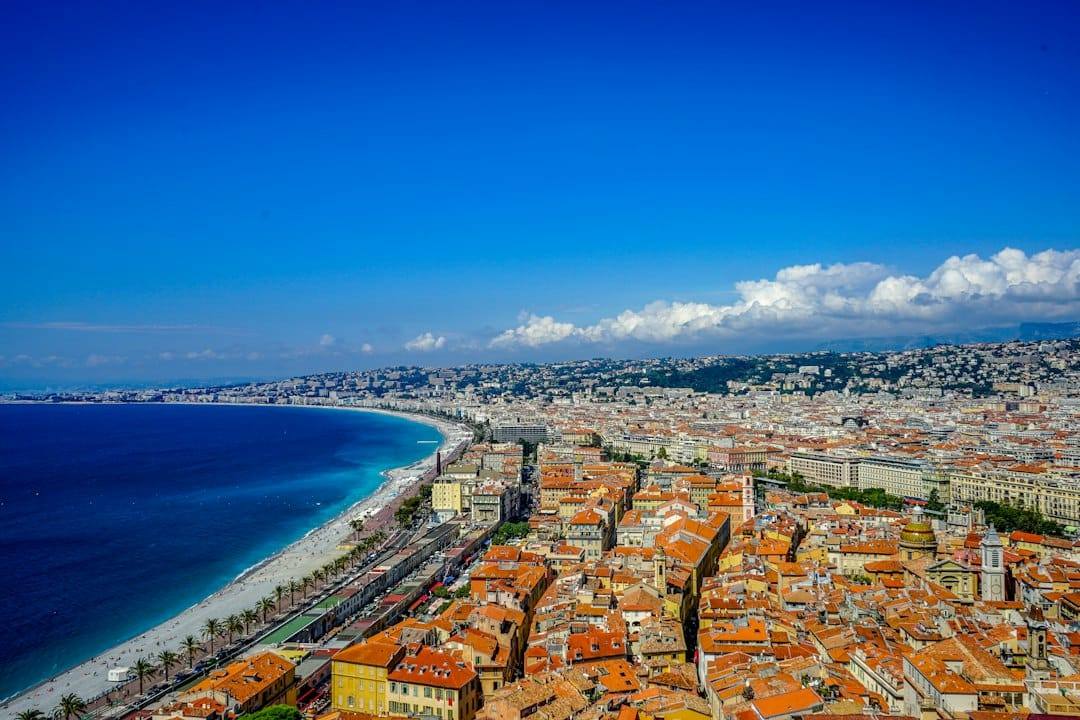
Nice is the city that convinced a generation of 19th-century English aristocrats to stop shivering through winter, and the 7-kilometre seafront they paid to build still carries their name: the Promenade des Anglais. Fly in today and you can be sitting on one of its blue chairs, 25 minutes after landing, for the price of a €1.70 tram ticket. That combination — a genuine Mediterranean capital with Roman ruins, three world-class museums and a Baroque old town, all reachable on a single tram line — is why Nice earns a trip rather than a day-stop on the way to Monaco.
Nice is France's fifth-largest city and its airport, Nice Côte d'Azur, is the busiest in the country outside Paris — which means cheap direct flights from most of Europe and a short, flat transfer into town. It is also the launch pad for the entire Riviera: the coastal train line threads Villefranche, Monaco and Menton in one direction and Cannes and Antibes in the other, all reachable on day trips.
One warning the postcards leave out: the beaches are pebbles, not sand. Large, round, ankle-rolling pebbles. Locals bring flat cushions and a pair of water shoes, and so should you. Here is how to do Nice properly in 2026, down to the tram fares, the socca stalls and which museum is shut this month.
🏙️ Essential Experiences
1. Colline du Château (Castle Hill)
There is no castle left on Castle Hill — Louis XIV demolished the fortress in 1706 — but the 92-metre bluff between the old town and the port gives you the single best view in Nice: the full curve of the Baie des Anges on one side, the working port on the other, and the terracotta roofs of Vieux Nice directly below. There is a man-made waterfall near the top and two cemeteries worth a quiet wander.
Insider tip: Skip the climb. There is a free elevator at the eastern end of the Promenade, by the Rauba Capeù war memorial, that lifts you most of the way up. Ride it to the top, then walk down through the park and you arrive straight into the old town. Go before 10am for soft light and empty viewpoints. Cost: free (elevator included).
2. Promenade des Anglais
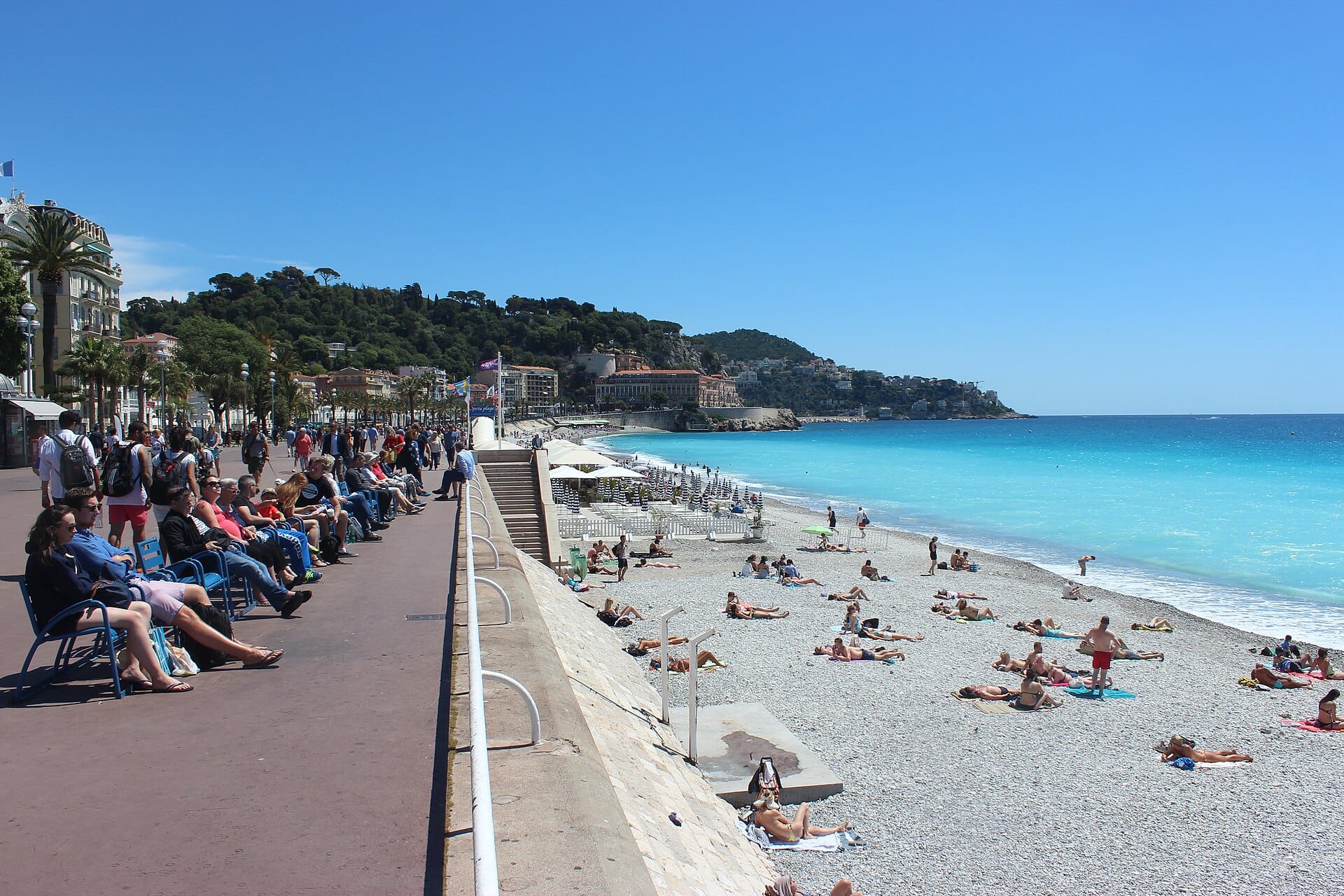
This is the spine of the city: a 7-kilometre palm-lined seafront running the whole length of the Baie des Anges, with the belle-époque Hotel Negresco (opened 1913) and the Art Deco Palais de la Méditerranée punctuating the walk. Joggers, rollerbladers and families with prams own it from dawn; the famous blue chairs (chaises bleues) are free to sit in and point at the sea.
Insider tip: The public beaches — like Plage des Ponchettes, below the old town — are free; the private beach clubs charge for loungers and are easy to skip. Walk the Promenade at either end of the day; midday in July it is a sun-blasted griddle. Those pebbles are brutal on bare feet, so pack water shoes. Cost: free.
3. Vieux Nice (The Old Town)
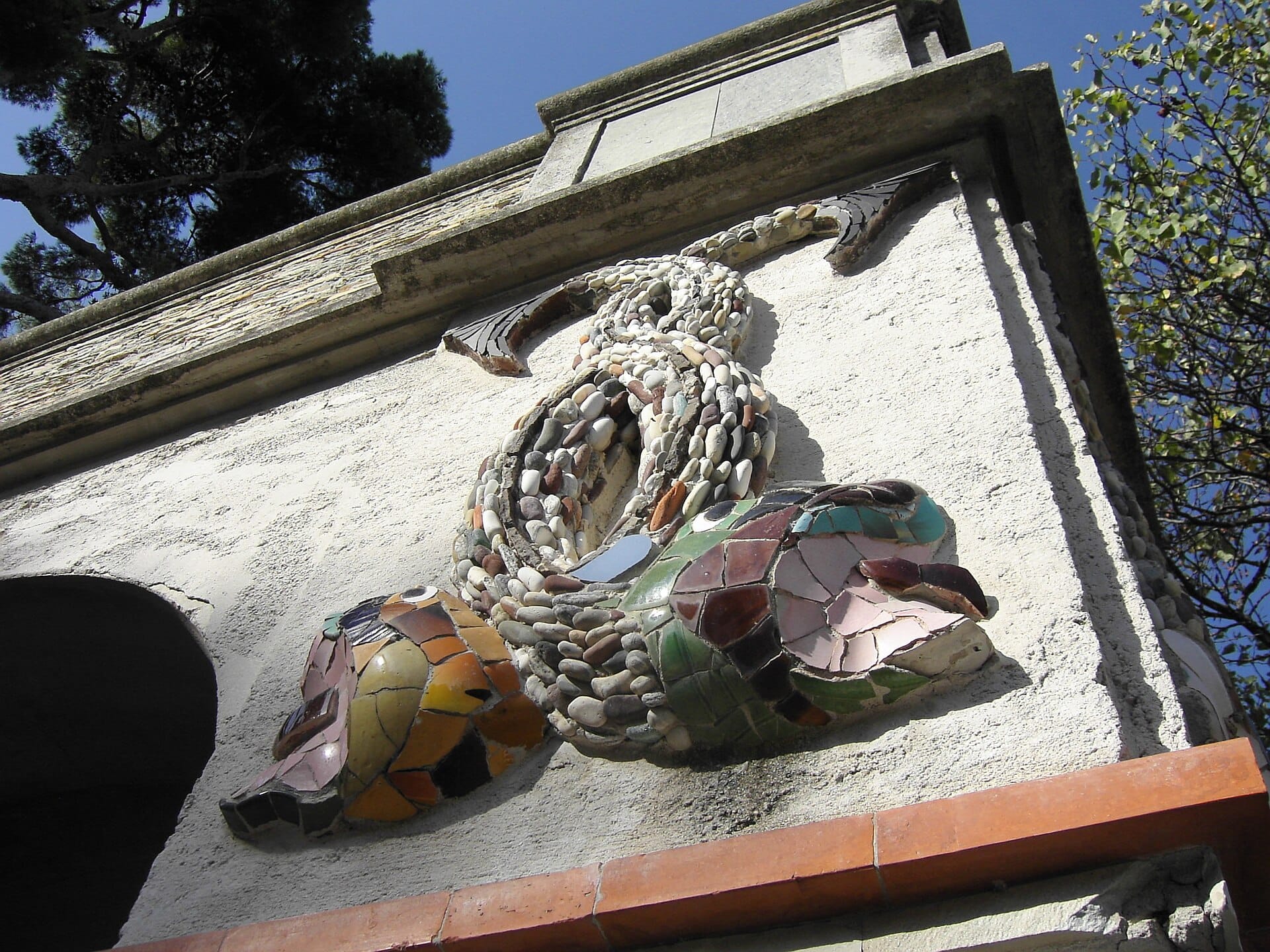
The old town is a dense knot of ochre-and-red Baroque alleys where washing still hangs between the shutters. Aim for Place Rossetti, home to the Cathédrale Sainte-Réparate and to Fenocchio, the gelato institution that stocks scores of flavours including oddities like tomato-basil, lavender and olive (a scoop runs about €3 / $3.40). Tucked in the lanes is the Palais Lascaris, a 17th-century Genoese-style palace with a collection of antique musical instruments.
Insider tip: Come before 10am or after the lunch rush — by midday the main lanes clog with tour groups. The Palais Lascaris is one of Nice's municipal museums, so it is covered by the €15 city museum pass rather than a separate ticket. Cost: wandering is free; gelato ~€3 / $3.40.
4. Cours Saleya Market
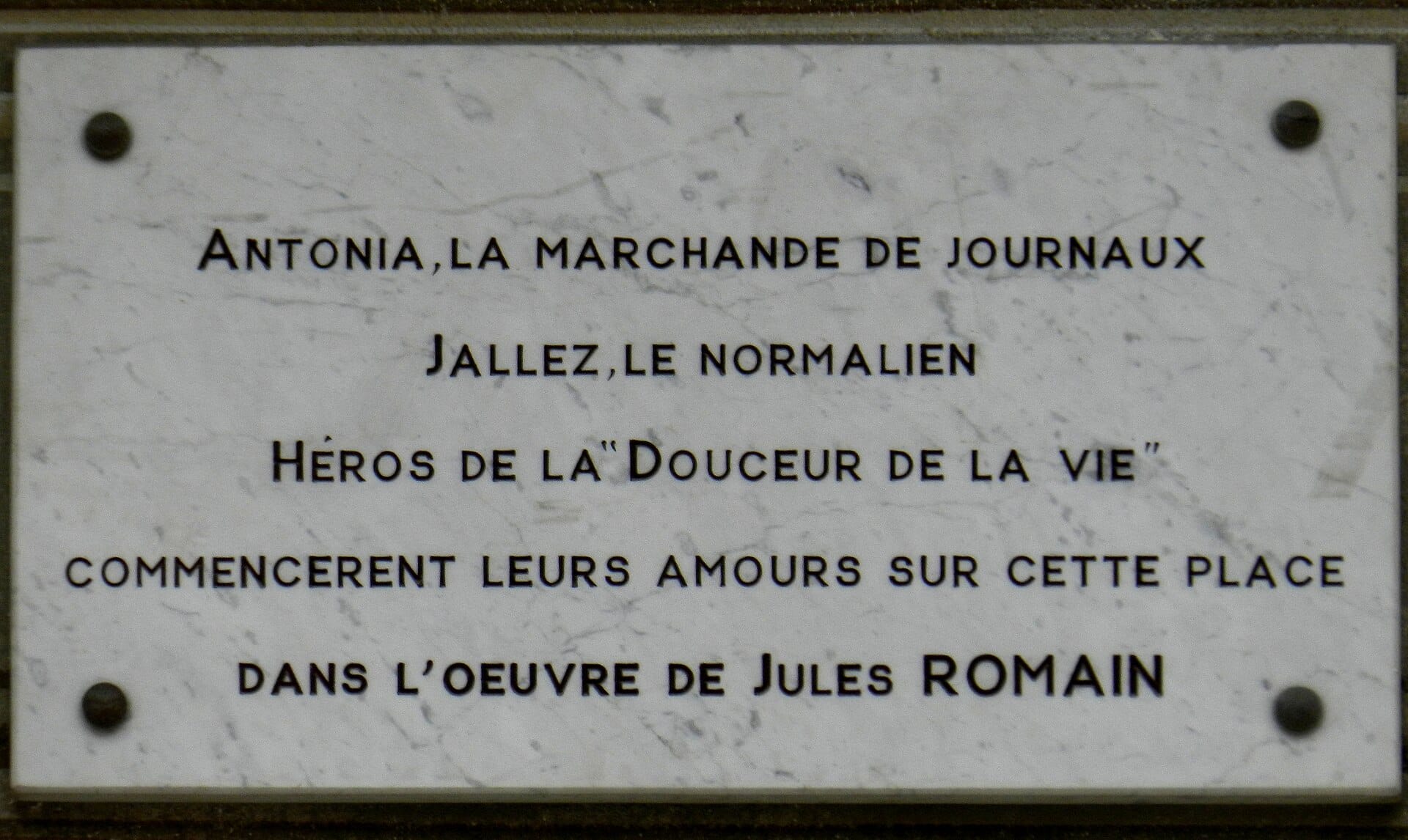
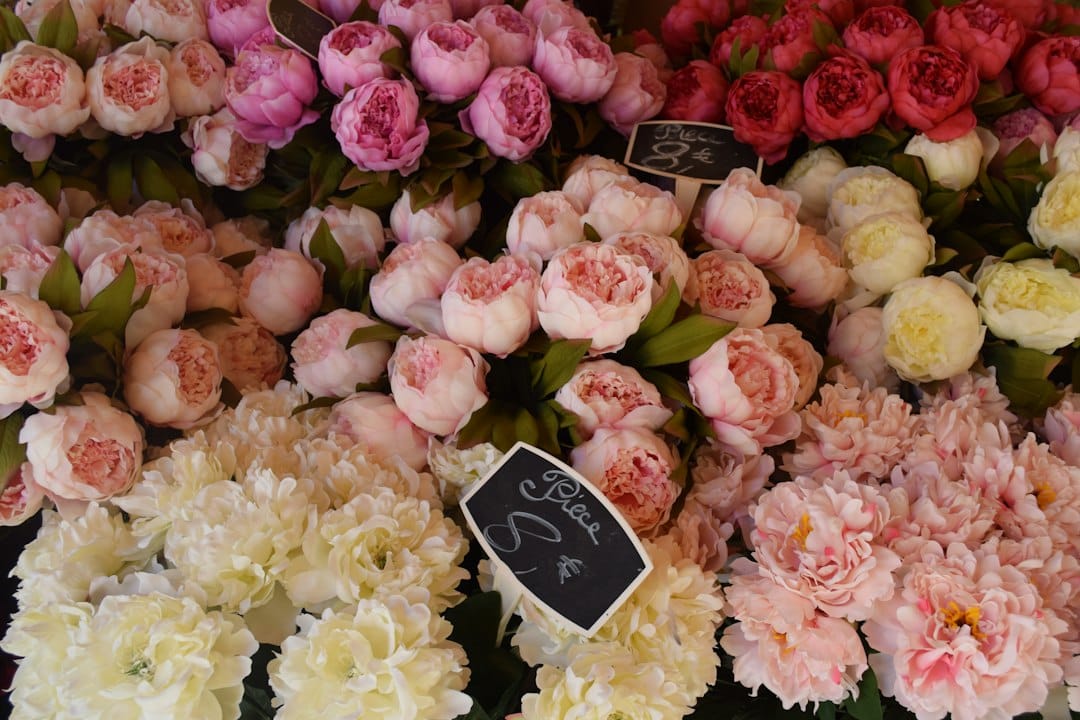
The long open square at the edge of the old town is Nice's best-known market. It runs a flower and produce market Tuesday to Sunday mornings, switches to a brocante (antiques) market on Mondays, and in summer the stalls give way to open-air dining in the evenings. This is also the easiest place to eat socca — the thin, blistered chickpea-flour pancake that is Nice's signature street food — straight off a vendor's wood-fired pan.
Insider tip: Arrive before 11am for the flowers and the best produce; by early afternoon the produce stalls pack up. Don't turn up on Monday expecting food — that's the antiques day. Buy socca and a slice of pissaladière (caramelised-onion and anchovy tart) and eat standing up like everyone else. Cost: free to browse; socca ~€3–4 / $3.40–4.50 a portion.
5. Place Masséna & Promenade du Paillon
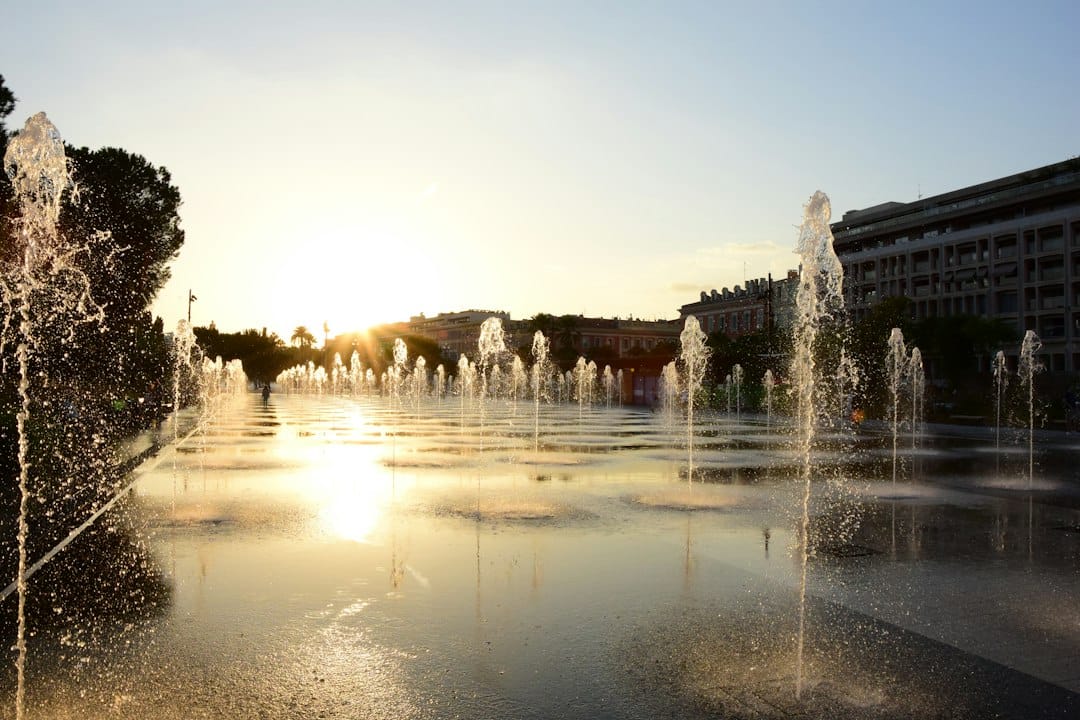
Nice's grand central square is unmistakable: red-ochre arcaded buildings in the Italian style, a black-and-white checkerboard pavement, and the Fontaine du Soleil crowned by a 7-metre marble Apollo. Above it stand the seven kneeling, illuminated resin figures of Jaume Plensa's Conversation à Nice, which glow and change colour after dark. Running inland from the square is the Promenade du Paillon, a green park with a ground-level "water mirror" (miroir d'eau) whose jets children sprint through all summer.
Insider tip: Come at dusk, when the Plensa figures light up and the square is at its best. Tram Line 1 crosses directly through Place Masséna, making it the natural hub for getting around. Cost: free.
6. Musée National Marc Chagall
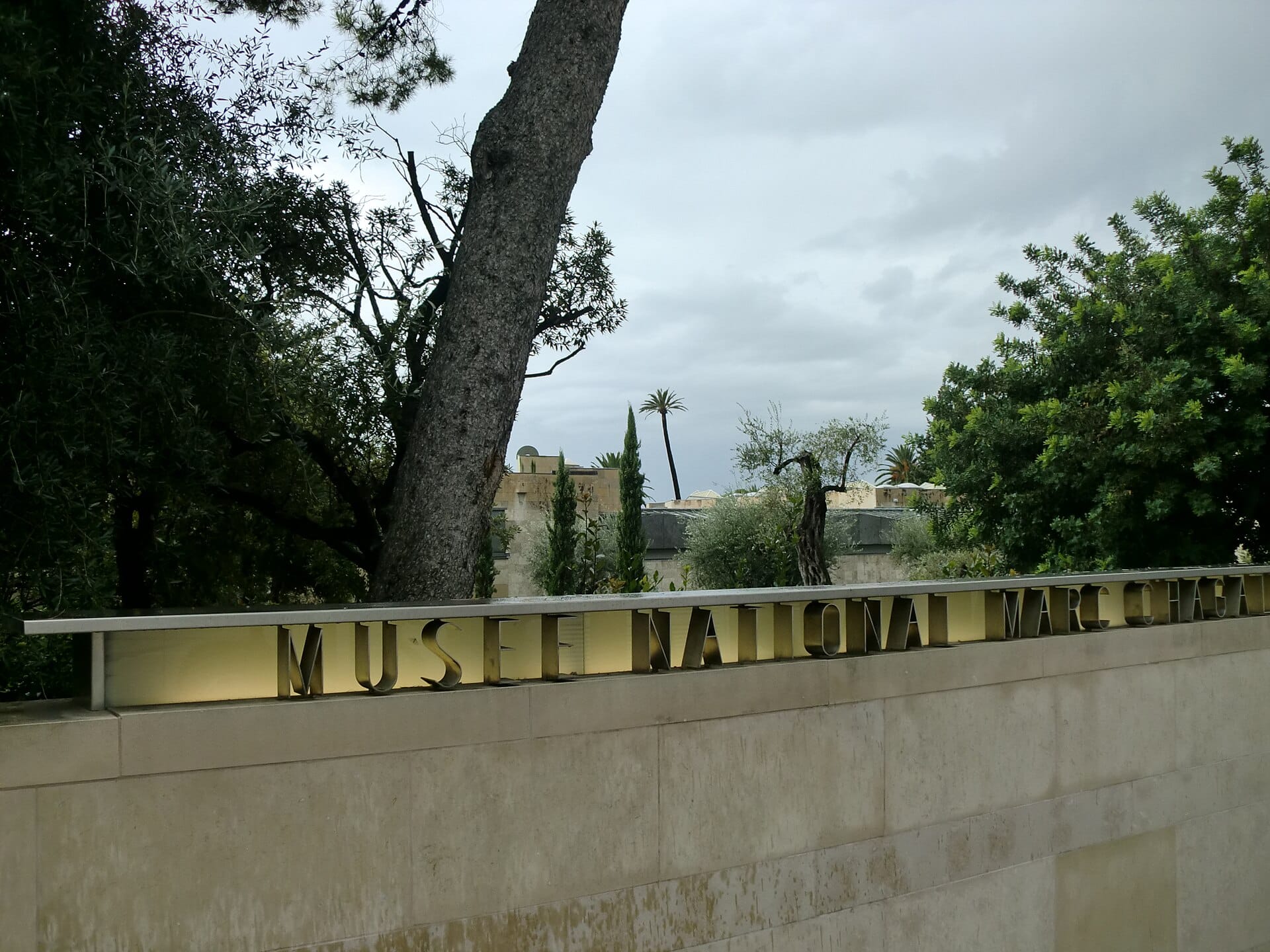
Up in the leafy Cimiez district sits the single best museum in Nice. It was purpose-built to house Chagall's Biblical Message — 17 large canvases of saturated blues and reds that the artist helped arrange himself, so the light and the hanging are exactly as he wanted. Don't rush past the small concert auditorium, where three deep-blue stained-glass windows by Chagall depict the creation of the world, or the mosaic reflected in the garden pool outside. It is smaller and calmer than the big-city galleries, and an hour is enough to do it justice.
Insider tip: It is closed on Tuesdays, and shuts for lunch (roughly 1pm–2:30pm), so go in the morning. Under-18s are free. From the centre it is about a 20-minute uphill walk or a short bus ride. Cost: €10 / $11 full, €8 / $9 reduced (Jan–Oct 2026); €12 during special exhibitions.
7. The Cimiez Hill: Matisse Museum, Roman Arena & Monastery
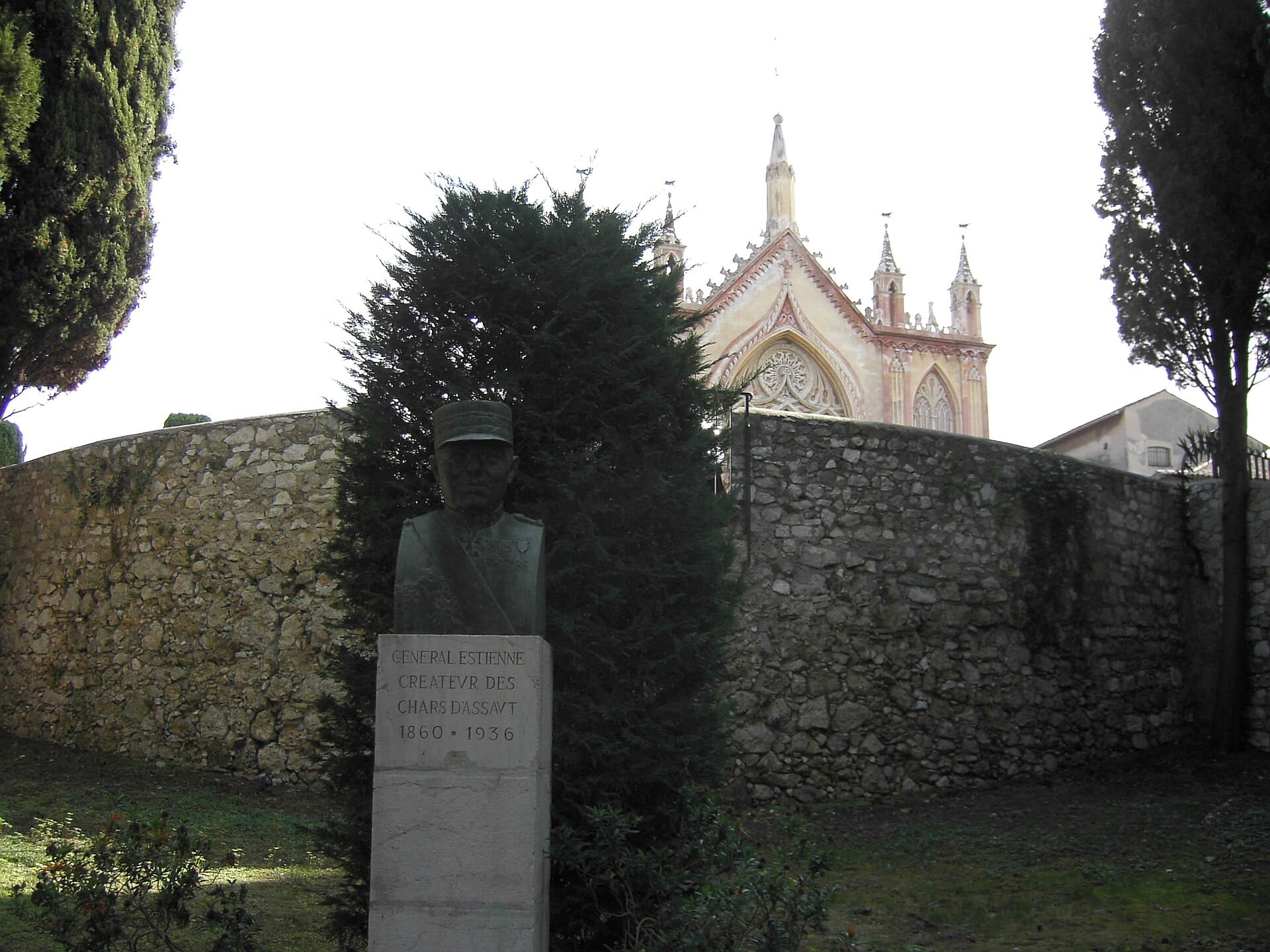
Henri Matisse lived in Nice for decades and is buried in the Cimiez cemetery. The Musée Matisse, in a 17th-century Genoese villa on the hill, holds a deep collection of his work. Around it sit the free Arènes de Cimiez — the ruins of a Roman amphitheatre and baths from when this was the Roman town of Cemenelum — and the Monastère de Cimiez, a working Franciscan monastery with formal gardens and sweeping views back over the city.
Insider tip (timely): The Matisse Museum is closed from 29 September to 20 October 2026 while it changes exhibitions, so if you're reading this in early October it's shut — but the Roman arena and the monastery gardens next door are open and free, and still make the hill worth the trip. When open, the museum is covered by the €15 municipal pass and closes Tuesdays. Cost: grounds free; museum via €15 / $17 four-day municipal pass.
8. Cathédrale Saint-Nicolas (Russian Orthodox Cathedral)
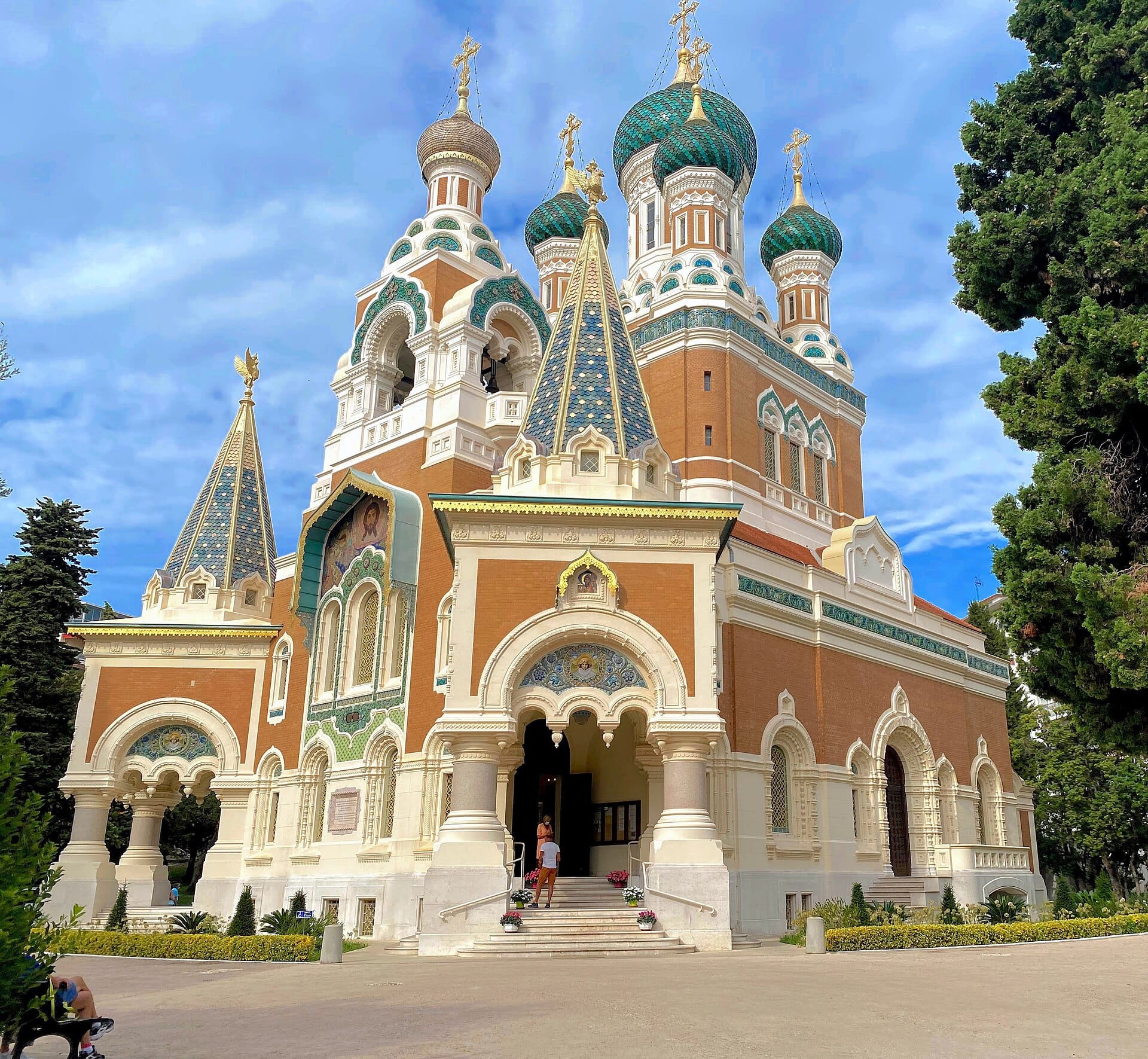
Built in 1912 for Nice's then-sizeable Russian community, this is the largest Russian Orthodox cathedral in Western Europe, and its six onion domes look transplanted straight from Moscow. The interior is a dense wall of icons, frescoes and gilt — a genuine surprise a 10-minute walk from the main train station.
Insider tip: It is an active place of worship with an enforced dress code — cover shoulders and knees, no shirtless visitors, hats off — or you'll be turned away at the door. Cost: €10 / $11 adults; under-12s free.
🗓️ A 3-Day Itinerary
Day 1 — Old Nice, the hill and the sea
Start at the Cours Saleya flower market before 10am, with socca and a slice of pissaladière for breakfast (~€5 / $5.60). Wander the lanes of Vieux Nice to Place Rossetti and grab a Fenocchio gelato. Late morning, ride the free elevator up Colline du Château for the bay view, then walk back down into town. Lunch: a pan bagnat — the tuna-and-egg sandwich built on salade niçoise — for about €7 / $8. Spend the afternoon on Plage des Ponchettes (free) or strolling the Promenade des Anglais, and finish at Place Masséna at dusk for the illuminated statues. Dinner in the old town: daube niçoise (slow beef-and-red-wine stew) runs about €18–22 / $20–25.
Day 2 — Cimiez and the museums
Head up to Cimiez (a 20-minute walk or short bus from the centre). Do the Marc Chagall Museum first thing (€10 / $11) while it's quiet, then the free Roman arena and Monastère de Cimiez gardens next door. If the Matisse Museum is open, pick up the €15 / $17 four-day municipal pass, which also covers MAMAC, the Masséna and the Beaux-Arts. In the afternoon, walk down to the Russian Orthodox Cathedral (€10 / $11). For dinner, head to the Port Lympia and eat socca at Chez Pipo (13 Rue Bavastro), a Nice institution going back to the 1920s — a portion is a few euros.
Day 3 — A Riviera day trip by train
Nice is the base for the whole coast. The regional train from Nice-Ville reaches Villefranche-sur-Mer in about 7 minutes (~€2 / $2.30) and Monaco in 22–25 minutes (€4–7 / $4.50–8). Prefer a hilltop village? Take bus 82 or 602 to Èze Village (about 40 minutes) and visit the Jardin Exotique d'Èze, a cliff-top cactus garden with a drop-dead coastal panorama (€7 / $8 in season). Get back to Nice in time for a last sunset on the Promenade.
🧠 Essential Tips
When to go
Target May–June or September–October: daytime highs sit in the comfortable low-to-mid 20s°C, the sea holds its summer warmth well into October, and both crowds and prices drop noticeably from the high-season peak. July and August push highs toward 27–30°C, fill every beach club and charge the year's top hotel rates. February is the wild card — the Carnaval de Nice ran 11 February to 1 March in 2026 under the theme "Vive la Reine!", with night parades and the famous Bataille de Fleurs (flower battle) on Place Masséna; grandstand tickets run roughly €5–€40 / $5.60–45. Winters are mild, with daytime highs around 13°C.
Getting around
From the airport, Tram Line 2 runs to the centre and the port in about 25–30 minutes for a single €1.70 / $1.90 ticket — ignore the €10 "airport" round-trip ticket, which is a tourist mark-up. A taxi to central Nice is a fixed ~€32 / $36. Within the city, the same €1.70 ticket works on all trams and buses; a 1-day pass is €7 / $8, a 7-day pass €20 / $23, and the reusable "La Carte" costs €2. Download the Lignes d'Azur app to buy and validate tickets on your phone — and remember to validate every time you board. For the coast, the TER regional trains from Nice-Ville (and the smaller Nice-Riquier station) run frequently along the Marseille–Ventimiglia line and are far faster than driving the corniches in summer traffic.
Staying safe
Nice is a generally safe city, but it has a real pickpocket problem in the predictable spots: Place Masséna, the Promenade des Anglais, Vieux Nice, and especially Tram 2 to and from the airport, where distracted travellers lose phones and passports. Keep bags zipped and in front of you on that tram. There are also reports of scooter bag-snatching along the seafront, so walk with your bag on the building side, not the road side. The outer residential districts (L'Ariane, Les Moulins, La Trinité) have nothing for tourists and are best skipped; the far western end of the Promenade and the area around the station are quiet and worth avoiding late at night.
What to eat
Nice has its own cuisine, cuisine nissarde, and it is worth seeking out the real versions: socca (try Chez Thérésa at 28 Rue Droite in the old town, or Chez Pipo near the port), pissaladière, salade niçoise (the authentic one has no cooked vegetables — no green beans, no potatoes), pan bagnat, petits farcis (stuffed vegetables) and daube niçoise, often served with pâtes au pistou or gnocchi. Socca is a mid-morning food — vendors fire it in batches and it's best eaten hot off the pan, so don't expect it at dinner. Wash the lot down with a chilled rosé de Provence, the regional default. Finish with a Fenocchio gelato on Place Rossetti.
🏨 Accommodation Guide
Budget (€60–110 / $68–125 a night): The Jean-Médecin area is the practical choice — central, on the tram line, surrounded by shops, with the city's cheapest hotels and hostels. It can be noisy, but you're a flat 10-minute walk from everything.
Mid-range (€140–250 / $160–280 a night): Stay in Vieux Nice for Baroque-alley atmosphere and the market on your doorstep, or around the Port Lympia for a more local, antique-shop neighbourhood with good transport but a longer walk to the beach.
Luxury (€350–500+ / $395–565+ a night): The Carré d'Or and the Promenade des Anglais are where the grand hotels sit, including the pink-domed Hotel Negresco (open since 1913) and the seafront Hyatt Regency Palais de la Méditerranée. You pay for the address and the sea view.
🎭 Beyond the Tourist Trail
Skip the Cours Saleya one morning and take Tram 1 north to the Marché de la Libération, near the old Gare du Sud. It's bigger, cheaper and far more local than the tourist market — this is where Niçois actually shop for fish, produce and cheese, Tuesday to Sunday mornings. The surrounding Libération quarter has become one of the city's more interesting food neighbourhoods.
For a different side of Nice, spend an evening around Place Garibaldi and the Port Lympia, where the restaurants and wine bars skew local rather than touristy. And if you have the legs for it, the walk up Mont Boron — the wooded headland east of the port — delivers a view back over the whole bay without the crowds of Castle Hill. For a dated highlight, time a February visit to the Carnaval de Nice, one of the world's oldest carnivals and the city's biggest event of the year.
❤️ Let VoyaBear Plan Your Nice Trip
Nice rewards a plan: knowing that the Matisse Museum is shut this month, that Tram 2 is the pickpockets' favourite, and that the flower market quits by lunchtime is the difference between a smooth trip and a frustrating one. VoyaBear builds personalised Nice itineraries around your dates, your budget and your pace — mapping the museums to their open days, folding in the right Riviera day trips, and booking the neighbourhood that actually fits you. Start planning your Nice trip with VoyaBear today and spend your time on the blue chairs, not on logistics.
Want this as an actual itinerary?
VoyaBear turns a guide like this into a day-by-day plan built around how you travel.
Plan my trip free