Puebla 2026: The Complete Guide to Mexico's Mole Capital
27 October 2026 · 20 min read

🌇 Puebla 2026: Mexico's UNESCO City of Mole and Talavera
Puebla sits two hours east of Mexico City, close enough for a day trip and far too good to rush as one. Founded by the Spanish in 1531 and now a UNESCO World Heritage site (listed in 1987), its 16th- and 17th-century grid holds roughly 70 churches, facades sheathed in hand-painted Talavera tiles, and the dish that may be Mexico's most famous: mole poblano, the dark sauce of chillies, chocolate and a couple of dozen other ingredients that was reputedly invented in a convent kitchen here. It is also where a smaller Mexican army beat the French on 5 May 1862 — the battle the whole world now misremembers as a drinking holiday.
At 2,162 metres, Puebla is high enough that evenings turn cool even in summer, and on a clear winter morning the Popocatepetl volcano smokes on the horizon. Fifteen minutes west, in Cholula, sits the largest pyramid on Earth by volume, with a yellow church built on top of it by the Spanish who never realised it was a pyramid at all. This guide covers what to actually do, what it costs in 2026, and how to string it together in three days.
💡 Quick Answer: Puebla at a Glance
The essentials for planning a Puebla trip, with 2026 prices.
- How many days? 2-3 days — two for the historic centre, one for Cholula and the surrounding villages.
- Best time to visit: November-February for clear skies and volcano views; late July-September for chiles en nogada; June-October brings afternoon rain.
- Book ahead: a mole tasting at El Mural de los Poblanos, and any room for Cinco de Mayo (May 3-6) or Day of the Dead (Nov 1-2), 3-4 weeks out.
- Airport to city: direct ADO / Estrella Roja bus from Mexico City airport, ~2 hours, 425-450 pesos (~$23), to Paseo Destino or CAPU.
- Getting around: the centre is walkable; use Uber or DiDi for everything else (zocalo to CAPU is 60-80 pesos).
- Daily budget: ~$30-45 budget, $60-90 mid-range, $100-150 comfortable — roughly 20-30% cheaper than Mexico City or San Miguel de Allende.
- Don't miss: the Capilla del Rosario, the Great Pyramid of Cholula, and a cemita at Mercado El Carmen.
- Top safety note: the centre is safe by day; after dark stick to lit plazas, use app-based rides, and take cash only from ATMs inside malls or banks.
🎭 The Best Things to Do in Puebla
Six sights earn a spot on any first visit. None of them are far apart — the first four are inside the walkable historic centre, and the pyramid is a short ride west.
1. The Capilla del Rosario
Tucked inside the Templo de Santo Domingo on 5 de Mayo, the Rosary Chapel is the one interior in Puebla that stops people mid-sentence. Finished in 1690, every surface — walls, columns, the dome — is smothered in gold leaf and carved stucco, an explosion of Mexican Baroque that colonial writers called the eighth wonder of the world and weren't entirely joking. It is small, so you take it in quickly, but it rewards standing still and letting your eyes climb.
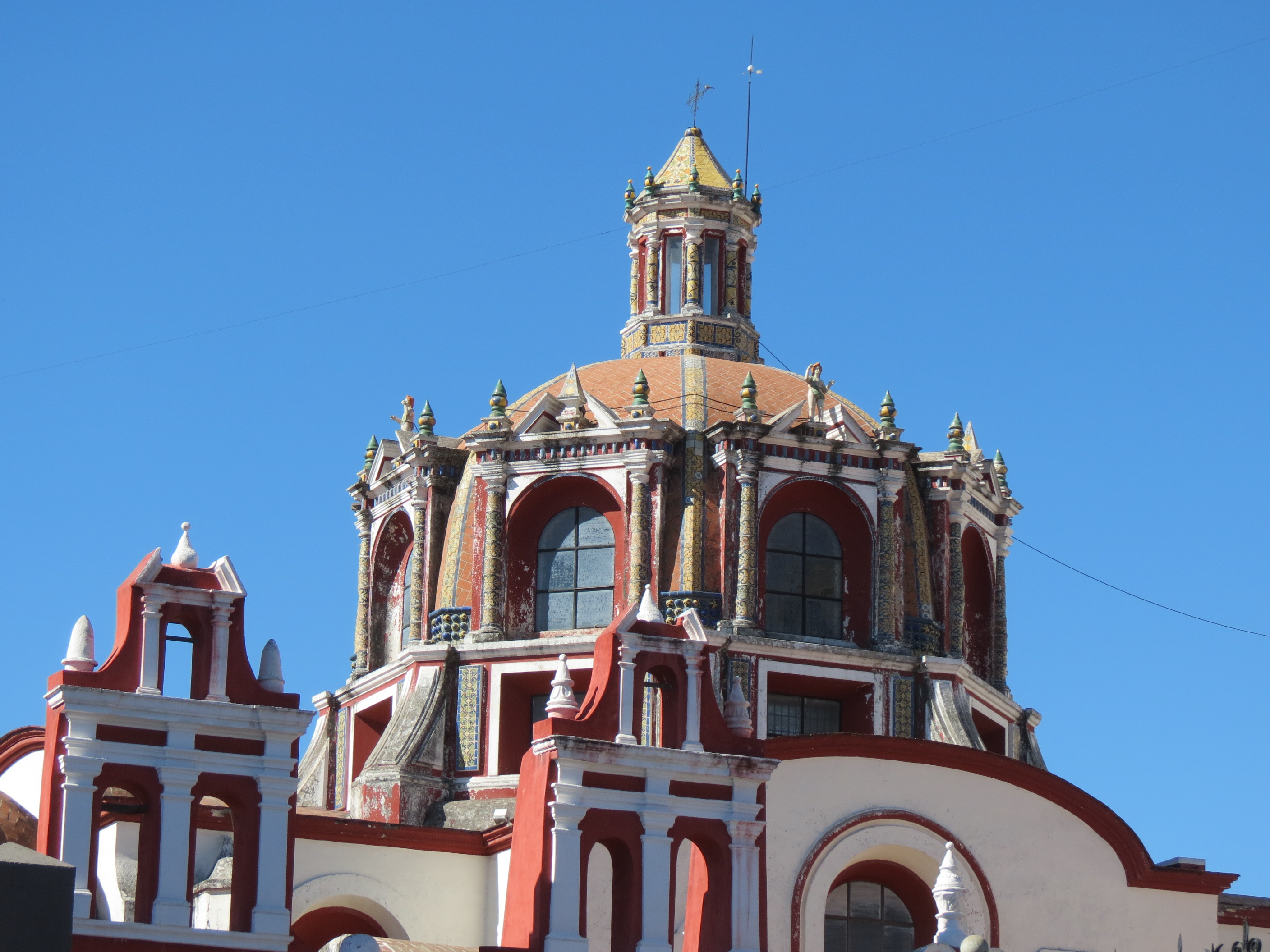
Cost: free. Insider tip: it is an active church, so cover your shoulders and knees, and come on a weekday morning when the light is good and the tour groups haven't arrived. Photography is allowed; tripods are not. Budget 30-45 minutes.
2. The Cathedral and the Zocalo
Puebla's cathedral was largely finished in 1649, and its two bell towers — 69 metres — are among the tallest in Mexico. The interior is cooler and more restrained than the Rosary Chapel, with a marble-and-onyx altar canopy by Manuel Tolsa. Outside, the arcaded Zocalo is the city's living room: shoeshine stands, balloon sellers, and some of the best people-watching in central Mexico over a coffee.

Cost: entering the cathedral is free. Insider tip: go first thing in the morning, when light pours in from the east through the nave, and before the Zocalo fills up. If the bell tower is open for climbs, the view over the tiled domes toward Popocatepetl is the best in the centre.
3. The Biblioteca Palafoxiana
Founded in 1646, the Palafoxiana is the oldest public library in the Americas and a UNESCO Memory of the World site. Three tiers of carved cedar and pine shelving hold around 45,000 volumes, including incunabula printed before 1500, under a barrel-vaulted ceiling picked out in gold. It is a working relic rather than a museum reconstruction, and it feels like it.
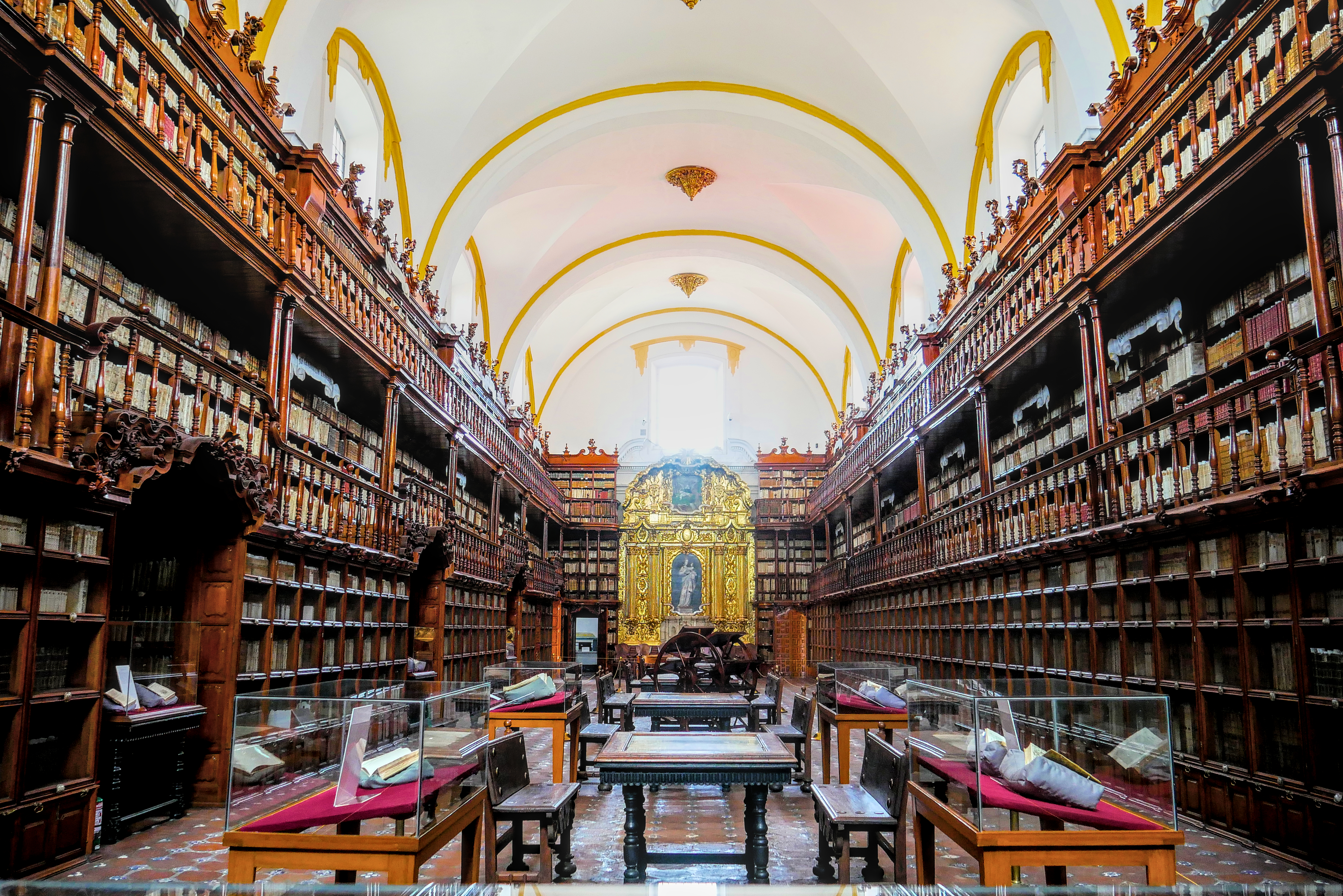
Cost: 65 pesos. Insider tip: it's on the upper floor of the Casa de Cultura at 5 Oriente 5, a block from the Zocalo, and it's easy to walk past the entrance. Allow 45-60 minutes, and look up — the detail is in the shelving crestwork and the ceiling.
4. The Museo Amparo
The best museum in the city, the Amparo runs from pre-Hispanic ceramics and stone through colonial painting to modern Mexican art, housed in two linked colonial buildings a few blocks south of the Zocalo. The pre-Columbian galleries alone — Olmec, Maya, Zapotec and more — justify the ticket, and the curation is genuinely world-class rather than dutiful.
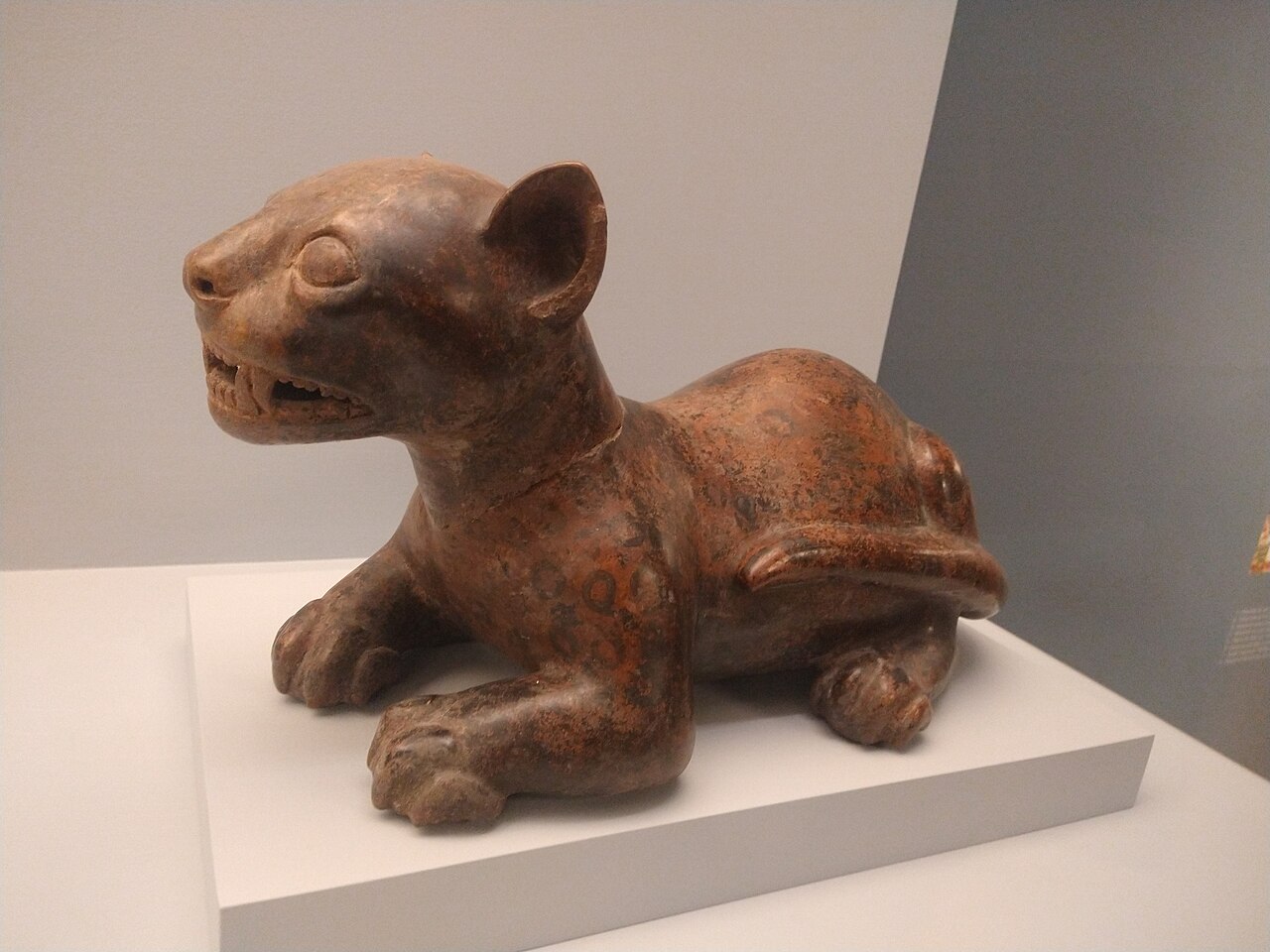
Cost: 65 pesos; free on Sundays. Insider tip: finish on the rooftop cafe. It looks straight across to the cathedral towers, and on a clear day Popocatepetl rises behind them — the best free-with-a-coffee view in Puebla. Budget 2-3 hours.
5. The Great Pyramid of Cholula
Fifteen minutes west, the Tlachihualtepetl is the largest pyramid on the planet by volume — wider at the base than Giza, though grassed over and so convincingly hill-like that the Spanish built the yellow Santuario de los Remedios on its summit in the 16th century without realising what lay beneath. You enter through a network of tunnels dug by archaeologists, then climb the hill to the church for a sweeping valley view.
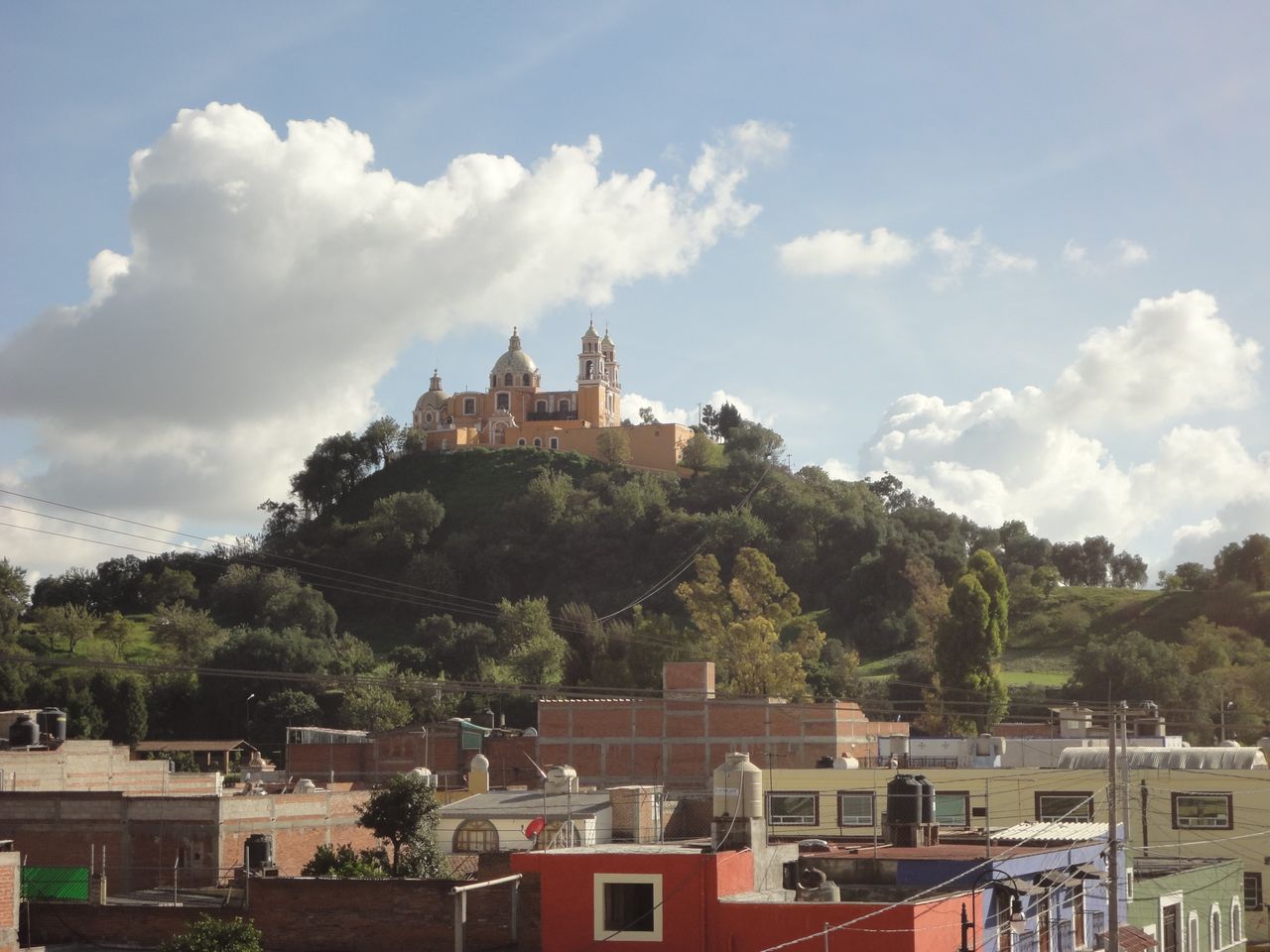
Cost: about 100 pesos (~$5) for the archaeological zone and tunnels; foreign visitors pay a higher INAH rate. The church on top is free. Insider tip: arrive 9-11 a.m. on a weekday, before the Puebla day-trip groups, and before cloud swallows the volcano. The tunnels are low and narrow — skip them if you're claustrophobic; the hill and church are the real payoff.
6. The Callejon de los Sapos
Eight blocks southeast of the Zocalo, the "Alley of the Toads" is Puebla's antiques and bohemian quarter: colour-washed colonial houses in ochre, cobalt and rose, galleries, cantinas, and furniture restorers. It's a good place to wander with no agenda, and the best street photography in the centre.
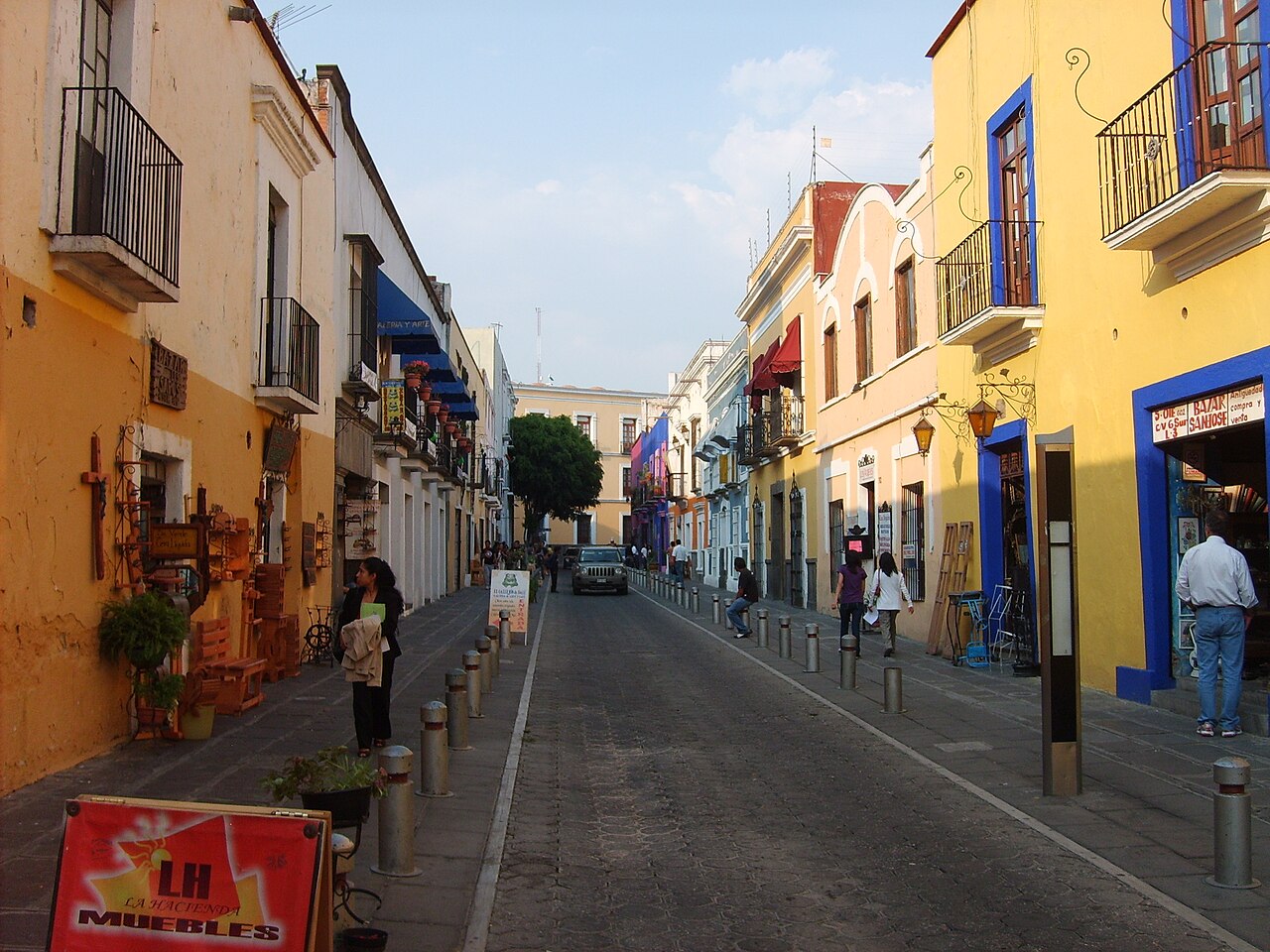
Cost: free to wander. Insider tip: come on a Sunday, when the open-air antique market sets up along Calle 6 Sur from about 9 a.m. to 2 p.m. Some pieces are genuinely old and priced accordingly; haggle politely, and don't expect to walk a serious antique through airport customs without paperwork.
With more time, three more are worth it. The Fuertes de Loreto y Guadalupe (60-85 pesos) on the Cerro de Guadalupe are where the 1862 battle was fought and where the Cinco de Mayo reenactment happens. The villages of Santa Maria Tonantzintla and San Francisco Acatepec (both free), reached by a 12-15 peso combi from 11 Poniente, have two of the most dazzling indigenous-Baroque church interiors in Mexico and a Talavera-tiled facade respectively. And the Estrella de Puebla, an 80-metre observation wheel in the modern Angelopolis district, costs about $5 for a slow 25-minute turn with mountain views on a clear evening.
📅 How to Spend Three Days in Puebla
Day 1: The Historic Centre
Start at the Zocalo and the cathedral early, while the light is good. Walk two blocks to the Biblioteca Palafoxiana (65 pesos), then north on 5 de Mayo to the Templo de Santo Domingo and the Capilla del Rosario (free). Break for lunch at Mercado El Carmen, where a cemita with papalo runs 60-80 pesos and a full meal 80-120. Spend the afternoon at the Museo Amparo (65 pesos) and finish on its rooftop. In the evening, walk the Callejon de los Sapos and the Calle de los Dulces (Calle 6 Oriente) for candied camotes. Total entry spend: roughly 130 pesos (the Capilla, cathedral and the alleys are all free).
Day 2: Cholula and the Villages
Take a colectivo or Uber to Cholula (8-80 pesos) and be at the Great Pyramid by 9 a.m. (~100 pesos) — tunnels first, then the hilltop church. Afterward, wander Cholula's main square and grab a mid-morning coffee with a volcano view. In the afternoon, a 12-15 peso combi from 11 Poniente runs to Santa Maria Tonantzintla and, two kilometres on, San Francisco Acatepec (both free). Back in Puebla, book ahead for dinner at El Mural de los Poblanos (mains 280-380 pesos) for a proper mole poblano, or chiles en nogada if it's August or September.
Day 3: Tiles, Forts and a Slower Pace
Take the free 30-minute tour at the Talavera Uriarte workshop (4 Poniente 911, weekdays) to see the tiles painted by hand, then buy a certified piece if you want one — look for the Regulatory Council seal, since plenty of "Talavera" on the street is mass-produced. Head up to the Fuertes de Loreto y Guadalupe (60-85 pesos; 50-70 pesos by Uber) for the Cinco de Mayo history and a city view. With a full third day, swap the forts for a trip to Atlixco, a flower-filled Pueblo Magico about 40 minutes south, or Africam Safari (adult 458 pesos), a drive-through wildlife park with the largest elephant herd in the Americas.
🧠 Essential Tips for Visiting Puebla
When is the best time to visit Puebla?
November to February is the sweet spot: dry, sunny days with highs of 20-22 C, cold-ish nights (lows 7-8 C at 2,162 metres), and the clearest views of Popocatepetl. March to May is warmer (24-27 C) and busier around Semana Santa. The rainy season runs June to October, with heavy but predictable storms usually between 3 and 6 p.m. — mornings stay sunny, so it's more manageable than it sounds, and hotels run 25-40% cheaper. Two dates are worth planning around: Cinco de Mayo (May 5; the battle reenactment at the forts runs roughly 9 a.m.-noon and is free — it falls on a Tuesday in 2026), and Day of the Dead (Nov 1-2), quieter and more intimate here than in Oaxaca. For chiles en nogada, come late July through September, with August and early September the safest window.
How do you get to and around Puebla?
From Mexico City, first-class ADO buses leave the TAPO terminal (Metro San Lazaro) every 10-30 minutes from 5 a.m., take about 2 hours, and cost 180-320 pesos; they arrive at CAPU, 4 km north of the Zocalo. Coming straight from Mexico City airport (AICM), ADO and Estrella Roja run direct buses from both terminals for about 425-450 pesos (~$23), arriving at Paseo Destino or CAPU in roughly 2 hours — buy at the terminal desks or online. Puebla's own airport, Hermanos Serdan (PBC), has only limited, mostly domestic flights. In the city, the historic centre is walkable; for everything else use Uber or DiDi (zocalo to CAPU is 60-80 pesos; to Cholula, 60-80 pesos), which are cheaper and safer than flagging a street taxi. City RUTA buses cost 10 pesos, and colectivos to Cholula leave from Calle 4 and 11 Poniente for 8-15 pesos.
Is Puebla safe for tourists?
Generally, yes — Puebla rates safer than most large Mexican cities, and violent crime is rarely aimed at visitors. The real risks are ordinary: pickpocketing in crowds, especially at El Parian market, Mercado 5 de Mayo, and the bus terminals, and overcharging by street taxis (use apps instead). The historic centre and the modern Angelopolis district are safe by day; after dark, stick to well-lit plazas, call an Uber rather than walking back through empty side streets, and avoid the poorly lit peripheral neighbourhoods on the city's northern and southeastern edges. Take cash only from ATMs inside malls or banks, not standalone street machines, and don't flash expensive watches when driving in Angelopolis. Finally, the tap water isn't safe to drink — use bottled, including for brushing teeth.
What should you eat in Puebla?
Puebla is arguably Mexico's most important food city, and two dishes were born here. Mole poblano — the brick-dark sauce of chillies, chocolate, nuts and spices over turkey or chicken — is the one to order at El Mural de los Poblanos or the long-running Fonda de Santa Clara (open since 1965). Chiles en nogada, a poblano chilli stuffed with picadillo under a cold walnut sauce and pomegranate seeds (the colours of the Mexican flag), appears only from late July to September. For street food, chase a cemita — a sesame roll piled with milanesa, avocado, stringy quesillo and the herb papalo, best at Mercado El Carmen for 60-80 pesos — and chalupas poblanas, little fried tortillas with salsa and shredded meat, 8-12 pesos each. Don't skip tacos arabes, spit-roasted pork folded into pita with chipotle, a Puebla invention from Lebanese immigrants. Finish on the Calle de los Dulces (Calle 6 Oriente) with camotes, the candied sweet-potato logs the city is known for.
🏨 Where to Stay in Puebla
Base yourself in the Centro Historico, within a 10-minute walk of the Zocalo — it puts every sight on this list within reach on foot. Angelopolis, to the southwest, is modern, mall-heavy and better for business travellers than sightseers.
Budget (250-500 pesos / ~$14-27 a night): hostels and simple guesthouses cluster near the CAPU terminal and around the centre; a dorm or basic private room in the historic core keeps you walking distance from the Zocalo. Expect clean and functional rather than charming at this price.
Mid-range (700-1,200 pesos / ~$38-66): the historic centre is full of restored colonial hotels and reliable chains — options like NH Puebla Centro Historico or boutique stays around Los Sapos give you courtyards, Talavera tiling and a location you can't beat. This is the sweet spot for most travellers.
Luxury (1,500-5,000 pesos / ~$82-275): Puebla punches above its weight here. La Purificadora (a Grupo Habita design hotel in a former water-bottling plant), Cartesiano Boutique & Wellness, Casa Reyna and Rosewood Puebla in the Barrio del Alto all sit in or beside the historic centre, and still cost a fraction of their equivalents in Mexico City.
❤️ Beyond the Tourist Trail
Once you've done the cathedral and the pyramid, Puebla rewards a slower second look. The Barrio del Artista, a small plaza north of the centre, is where local painters keep open studios — low-key, and a better souvenir than anything in the tile shops. The Analco neighbourhood, one of the city's oldest, has quietly filled with independent cafes and is where poblanos go when they want to avoid the tourists. In Cholula, climb to one of the rooftop bars around the main square for sunset: on a clear evening Popocatepetl turns pink above the church-dotted plain, and the drinks cost half what a Mexico City rooftop charges.
For a half-day out, Atlixco, a Pueblo Magico about 40 minutes south, is a flower-growing town with a cobbled centre and a hilltop viewpoint over the Popocatepetl plain, and it's warmer and lower than Puebla if you want a break from the altitude. And if you're here for Day of the Dead, the vigils at the Panteon Municipal on November 1-2 are smaller and more personal than the headline cemeteries elsewhere in Mexico.
❓ Puebla FAQ
How many days do you need in Puebla?
Two to three days. Two days cover the UNESCO historic centre and the Great Pyramid of Cholula; a third day lets you add Santa Maria Tonantzintla, the Talavera workshops, or a trip to Atlixco or Africam Safari. Most travellers visit as a 2-3 day add-on to Mexico City, which is about a 2-hour bus ride away.
What is the best time to visit Puebla?
November through February for clear, dry days with highs around 20-22 C and the best odds of seeing the Popocatepetl volcano. March to May is warmer (24-27 C). The rainy season runs June to October with near-daily afternoon storms. Visit in late July to September if you specifically want chiles en nogada.
How do you get from Mexico City to Puebla?
Take a first-class ADO bus from the TAPO terminal (Metro San Lazaro); it runs every 10-30 minutes from 5 a.m., takes about 2 hours, and costs 180-320 pesos. Direct ADO and Estrella Roja buses also leave both terminals of Mexico City airport (AICM) for about 425-450 pesos (~$23), arriving at Puebla's Paseo Destino or CAPU terminal in about 2 hours.
How much does it cost to enter the Great Pyramid of Cholula?
About 100 pesos (around $5) for the archaeological zone and its tunnels; foreign visitors pay a higher INAH rate. The site is open roughly 9 a.m. to 5 p.m. The Santuario de los Remedios church on top is free on a separate visit. Cholula is about 15 minutes from central Puebla by Uber (60-80 pesos) or colectivo (8-15 pesos).
Is Puebla safe for tourists?
Yes, broadly. Puebla's historic centre and Angelopolis are safe by day and rate better than many larger Mexican cities. Watch for pickpockets in El Parian, Mercado 5 de Mayo and bus terminals, avoid poorly lit peripheral neighbourhoods after dark, use Uber or DiDi at night, take cash only from ATMs inside malls or banks, and don't drink the tap water.
What food is Puebla famous for?
Puebla invented mole poblano (a dark chilli-chocolate sauce) and chiles en nogada (a poblano chilli in walnut sauce with pomegranate, in season late July-September). Also try cemitas (sesame-roll sandwiches with papalo herb, 60-80 pesos), chalupas poblanas (8-12 pesos each), and tacos arabes, the pita-wrapped pork taco that was created here.
Where should you stay in Puebla?
Stay in the Centro Historico, within a 10-minute walk of the zocalo. Budget rooms near the CAPU terminal run 250-400 pesos; mid-range hotels in the historic centre run 700-1,200 pesos; boutique and luxury hotels like La Purificadora, Cartesiano and Rosewood Puebla run 1,500-5,000 pesos a night.
Is Puebla worth visiting over just seeing Cholula?
Both, and they pair naturally. Puebla has the cathedral, the Capilla del Rosario, the Biblioteca Palafoxiana and the food; Cholula, 15 minutes away, has the Great Pyramid and the hilltop church with volcano views. Base yourself in Puebla and day-trip to Cholula rather than choosing one.
✨ Plan Your Puebla Trip with VoyaBear
Puebla packs a cathedral city, the world's largest pyramid, and two of Mexico's most famous dishes into a two-hour hop from the capital — but fitting it to your own pace, budget and taste still takes work. VoyaBear matches you to a travel personality and builds a personalised, day-by-day Puebla itinerary around what you actually care about, whether that's mole and markets or Baroque churches and volcano views. Start planning your Puebla trip with VoyaBear and turn this guide into a plan that's yours.
Want this as an actual itinerary?
VoyaBear turns a guide like this into a day-by-day plan built around how you travel.
Plan my trip free