San Miguel de Allende 2026: The Complete Guide
26 October 2026 · 20 min read

In July 2026, Travel + Leisure's readers handed San Miguel de Allende the top spot in their World's Best Awards — the #1 city on the planet, ahead of Tokyo, Rome and Paris, for the third year running. That is a lot of expectation to load onto a town of about 180,000 people in the Guanajuato highlands. The surprise is that it holds up. Founded in 1542 as a waystation on the silver route between Zacatecas and Mexico City, San Miguel is a UNESCO World Heritage city where the big attraction is simply the place itself: a grid of cobblestone streets in ochre, terracotta and rose, climbing toward a pink neo-Gothic church that looks like it was drawn by someone who had heard about European cathedrals but never actually seen one.
It sits at 1,870 meters (6,200 feet), so the light is sharp, the nights are cold half the year, and your first margarita will hit harder than you expect. There is no beach and no ancient pyramid — the draw is colonial architecture, a serious food-and-gallery scene, and the kind of walkable density that rewards wandering. Here is how to spend three days here without wasting them, with real prices, real place names and the tips that actually matter.
💡 Quick Answer: San Miguel de Allende at a Glance
The essentials, if you only read one section:
- How many days? Three. Two for the Centro, one for the hot springs or botanical garden.
- Best time to visit? October–November for dry weather, thinner crowds and lower rates. Avoid the Sep 20–Oct 1 fiestas and Semana Santa unless you booked months ahead.
- Book ahead: top restaurants (Zibu and the headline tables) and luxury hotels during the Sep fiestas, Semana Santa and Dec 20–Jan 6; rooms then run $200–600+.
- Airport to center: Querétaro (QRO) is closest at ~1.5 hrs; a private transfer is ~800–1,500 MXN ($45–85 / €41–78).
- Getting around: walk the Centro; use Uber (bus terminal to El Jardín ~80 MXN / $4.50 / €4.10) or local "Centro" buses at 8 MXN.
- Daily budget: ~$60–90 (€55–83) backpacker; ~$150–250 (€138–230) midrange; $450+ (€415+) luxury.
- Top safety note: very safe town; the real risk is twisting an ankle on the cobblestones — wear sturdy flats.
- Don't miss: sunset over the Parroquia from a Centro rooftop, and the La Gruta thermal pools.
🏙️ The Best Things to Do in San Miguel de Allende
1. La Parroquia de San Miguel Arcángel
This is the postcard, and it earns it. The pink sandstone spires were grafted onto a 17th-century church in the 1880s by a local mason, Zeferino Gutiérrez, who — the story goes — designed the neo-Gothic facade from postcards of French cathedrals. The result is one of a kind: Gothic silhouette, Mexican pink, surrounded by palm trees. Entry is free. Step inside for the quiet neoclassical interior, but the real move is to see it from outside at two moments: mid-morning when the stone glows warm, and at dusk when it is floodlit. Stand on the north side of El Jardín for the cleanest view, or go up to a rooftop bar.

2. El Jardín and the Centro Histórico
El Jardín (officially the Jardín Allende) is the town's main square, a formal plaza of hard-pruned laurel trees facing the Parroquia. It is free, it is the social center of gravity, and it is where you will keep ending up. Grab a bench, buy a paleta, and watch mariachis tune up in the late afternoon. From here the UNESCO-listed historic center fans out: duck into the Biblioteca Pública on Insurgentes (one of Mexico's oldest bilingual libraries, with a leafy café courtyard and murals), and walk Calle Aldama — the cobbled, bougainvillea-draped street just below the Parroquia that is the most photographed stretch in town. Budget nothing; budget an hour or three.

3. Templo de San Francisco and the colonial churches
San Miguel packs an improbable number of churches into a few blocks, and they are worth a slow loop. The Templo de San Francisco has an elaborate Churrigueresque facade carved in the late 1700s, topped by a later neoclassical tower. A block away, the Oratorio de San Felipe Neri hides a pink stone facade and a chapel (the Santa Casa de Loreto) modeled on the one in Italy. These are working churches, so entry is free; dress modestly and avoid wandering during Mass. Give it 45 minutes between the two.

4. Fábrica La Aurora
A cotton-textile mill that ran from 1902 until the 1990s, now the town's art-and-design hub — and a genuinely pleasant place to spend a couple of hours even if you are not buying. The brick-and-timber shells hold dozens of galleries, artists' studios, antique dealers, a couple of good cafés and design shops, with the industrial bones left intact. Entry is free and it is open daily; it is a 15–20 minute walk north of El Jardín (or a 50-peso Uber). Insider tip: come on a Saturday morning, when more studios are open and some artists are actually working. Leave the credit card at the hotel if you are weak-willed about ceramics.
5. El Charco del Ingenio
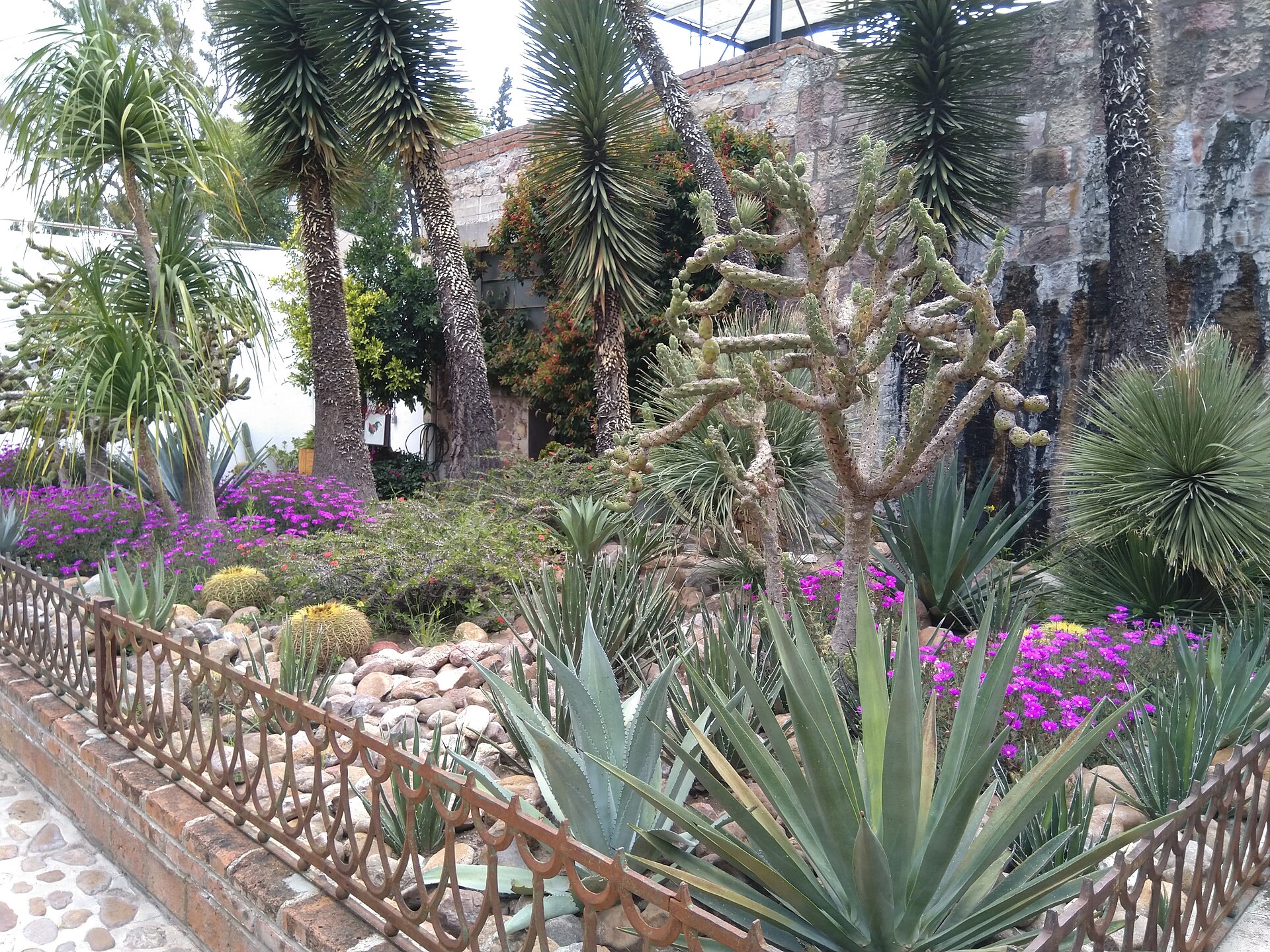
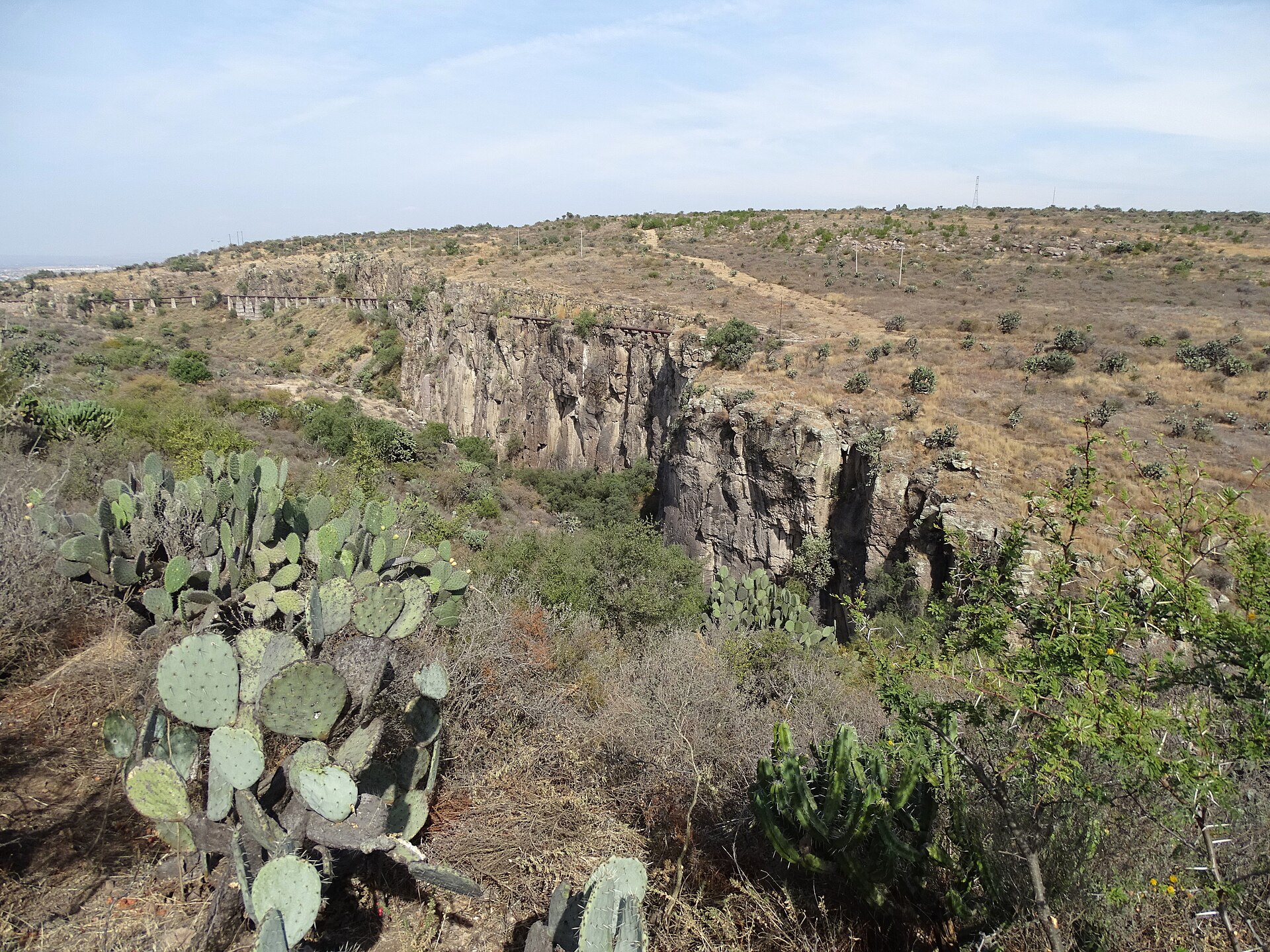
A botanical garden and nature reserve on the ridge above town, dedicated to Mexican cacti and succulents — including a conservatory of threatened species. Entry is 100 MXN (about $5.50 / €5). There are roughly 4 km of mostly dirt trails winding past a dammed reservoir and down into a dramatic canyon of the Río Laja, with big views back over the city. It is about 2 km east of the center, a steep-ish 25-minute walk or a short Uber. Go in the morning before the sun is high; bring water and a hat, because there is little shade and you are at altitude.
6. El Mirador
The classic viewpoint, a short uphill walk (or quick taxi) southeast of the center on the Salida a Querétaro. It is free, it is where everyone goes for sunset, and for once the crowd is right: the whole town fans out below with the Parroquia front and center, and the light at golden hour is genuinely worth the climb. Come 30–40 minutes before sundown to get a spot on the wall. There is a small café nearby if you want a beer with the view. Skip it at midday — it is just a car park with a panorama.

7. La Gruta hot springs and the Sanctuary of Atotonilco
The best half-day trip. La Gruta is a set of warm thermal pools about 20 minutes north of town, the signature feature being a low tunnel you wade through into a domed cave pool fed by a skylight of hot water. Admission is 250 MXN (about $13 / €12), cash or card; it is open Wednesday to Sunday, 7 AM to 5 PM (closed Monday and Tuesday). Go early — it fills up by late morning. Getting there: a taxi from town runs about 500 MXN each way, or take the hourly purple bus from El Portón (~20 MXN) and confirm with the driver it stops at La Gruta.
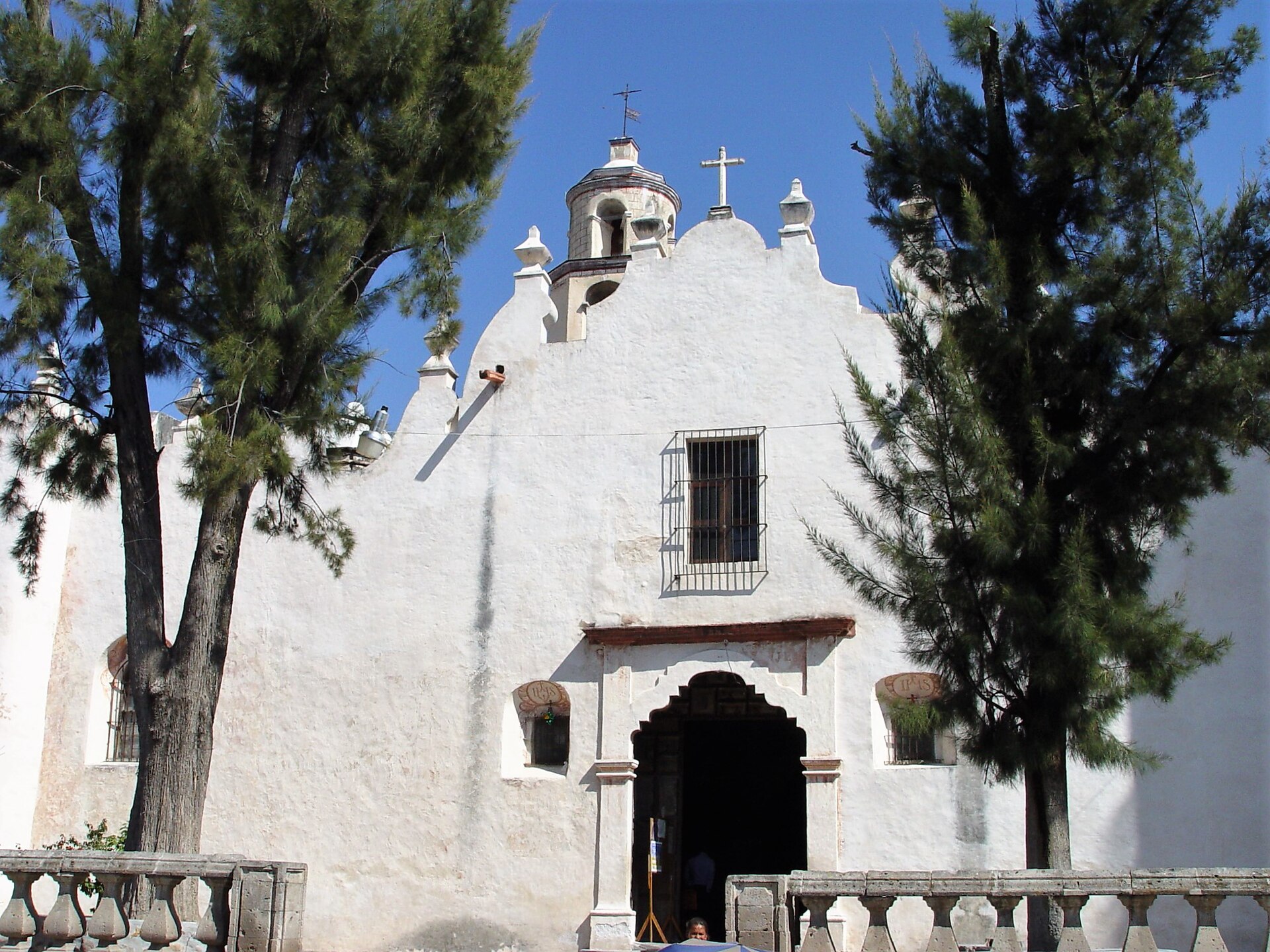
Just down the road is the Sanctuary of Atotonilco, a plain white 18th-century church that is a UNESCO World Heritage site and is nicknamed "the Sistine Chapel of Mexico": inside, nearly every surface is covered in folk-Baroque frescoes. Entry is free (donations welcome). Pair the two — frescoes first while you are dry, then the pools.
🗓️ How to Spend Three Days in San Miguel de Allende
Day 1: The Centro Histórico
Start with coffee and migas at a café on or near El Jardín, then walk the square and go into the Parroquia before the tour groups (before 10 AM). Spend the late morning wandering the Centro: the Biblioteca Pública, the Templo de San Francisco and the Oratorio, and Calle Aldama. Lunch at the Mercado Ignacio Ramírez — a food market running for over a century — where gorditas and a torta run about 60–100 MXN ($3.50–5.50 / €3–5). Spend the afternoon shopping the lanes, then take a sunset drink at a rooftop: Quince or La Posadita, side by side, both looking straight at the cathedral. Cocktails are about 180–260 MXN ($10–15). Dinner at Zibu for Mexican-Asian tacos, roughly $30–45 (€28–41) a head with drinks.
Day 2: Art, gardens and the viewpoint
Walk up to Fábrica La Aurora mid-morning (free), then browse the Mercado de Artesanías, the craft market stretching along a lane off Calle Reloj, for embroidered textiles, tin work and Talavera-style ceramics — haggle gently, expect to pay roughly half to two-thirds of the opening price. After lunch, Uber up to El Charco del Ingenio (100 MXN entry) and walk the canyon rim for an hour or two. End at El Mirador for sunset, then a relaxed dinner — La Parada for Peruvian ceviche (~$25 / €23 a head) or Hecho en México for its huitlacoche fondue. Cap the night with Andy's taco cart at Hidalgo and Insurgentes (opens 7 PM; al pastor tacos ~20 MXN each).
Day 3: Hot springs and frescoes
Get an early taxi to the Sanctuary of Atotonilco (free) to see the frescoes before the heat, then move to La Gruta for the morning (250 MXN) while the pools are still quiet — aim to arrive by 8–9 AM. Back in town by early afternoon for a long lunch, the Luna rooftop at Rosewood for a drink with the widest view in town, and whatever galleries or streets you skipped. If you would rather stay in town, swap this for a half-day in Colonia Guadalupe (see below) and a lavender latte at Lavanda. Total three-day spend, excluding your hotel: roughly $160–260 (€148–240) midrange.
🧠 Essential Tips for Visiting San Miguel de Allende
When is the best time to visit San Miguel de Allende?
October and November are the sweet spot: dry, sunny days around 23–24°C (73–75°F), clear skies, and noticeably lower hotel rates and crowds than the December and spring peaks. The dry season runs November to April (highs 22–28°C / 72–82°F, but cold nights down to 7–12°C / 45–54°F from December to February — pack a jacket). June to September is the rainy season: warm, green, and punctuated by short, heavy afternoon thunderstorms, usually between about 3 and 5 PM, with clear mornings. The town is busiest and priciest during Semana Santa (March 29–April 5, 2026), the San Miguel fiestas (Sep 20–Oct 1, climaxing in La Alborada), and Dec 20–Jan 6; book months ahead or come another week.
How do you get to and around San Miguel de Allende?
There is no airport in San Miguel. Querétaro (QRO) is closest at about 1.5 hours by car; León/Bajío (BJX) is about 1.75 hours; Mexico City (MEX) is 3.5–4 hours. A pre-booked private transfer from QRO or BJX runs roughly 800–1,500 MXN ($45–85). From Mexico City, skip the drive and take a Primera Plus or ETN bus from the Central del Norte terminal — about $41–44, roughly 3 hours 50 minutes, arriving at the Central de Autobuses on the west edge of town. From the bus terminal, an Uber or taxi to El Jardín is about 80 MXN ($4.50), or the local "Centro" bus is 8 MXN. In town, walk. Uber works well and is cheap; if you flag a street taxi, agree the fare before you get in, as they are not metered. The one non-negotiable: wear sturdy, flat shoes, because the cobblestones and uneven sidewalks are genuinely ankle-twisting.
Is San Miguel de Allende safe for tourists?
Yes — it is one of the safest tourist towns in Mexico, with a large resident expat community and a constant police presence around the Centro. Travel + Leisure readers voted it the #1 city in the world in 2026. Petty theft exists as anywhere, so keep an eye on your phone on crowded rooftops and during the fiestas. The genuine hazards are mundane: the cobblestones (ankles and camera gear), the 1,870 m altitude (hydrate, and go easy on alcohol your first night), the intense midday UV year-round, and unmetered taxis that may quote tourists high — agree a price or use Uber. Street drinking water is not potable; stick to bottled or filtered.
What should you eat in San Miguel de Allende?
San Miguel eats far above its weight. For a cheap, honest first meal, go to the Mercado Ignacio Ramírez for gorditas and tortas. For rooftops with a view of the Parroquia, Quince (sushi rolls and a mezcal-and-charcoal "Black Forest" cocktail) and the casual La Posadita (famous guacamole and frozen piña coladas) sit next to each other. For dinner, Zibu does Mexican-Asian fusion (bone-marrow and ribeye tacos) on the ground floor of the Live Aqua hotel; Bastardo is farm-to-table from a chef who cooked at Noma; La Parada is the go-to for Peruvian ceviche. Street food worth planning around: Andy's taco cart at Hidalgo and Insurgentes, open from 7 PM, for al pastor. Coffee: Lavanda for a lavender latte, El Café de la Mancha for a proper flat white, Ki'bok for cold brew on a rooftop.
🏨 Where to Stay in San Miguel de Allende
Stay in or within a short walk of the Centro Histórico if you can — being able to walk home from a rooftop at night is the whole point. Prices swing hard by season; the figures below are typical shoulder-season nightly rates, and expect them to double during Semana Santa, the September fiestas and the Christmas–New Year window.
Budget ($45–100 / €41–92): Guesthouses, B&Bs and a handful of hostels, mostly in Colonia San Antonio and Colonia Guadalupe, a 10–15 minute walk from El Jardín. These neighborhoods are cheaper, quieter and increasingly where the interesting cafés and murals are. Rainy-season rates (June–August) dip to the bottom of this range.
Mid-range ($120–280 / €110–258): Boutique hotels in converted colonial houses inside the Centro, many with small rooftop terraces and plunge pools. This is the sweet spot in San Miguel — courtyard character without the luxury markup. Book early for anything with a Parroquia view.
Luxury ($400–900+ / €370–830+): The headliners are Rosewood San Miguel de Allende (its Luna rooftop has the best panoramic view in town), Belmond Casa de Sierra Nevada (six restored mansions around the Centro), Hotel Matilda (contemporary, art-forward) and Live Aqua. During the September fiestas and Semana Santa these run $200–600+ and sell out months ahead.
🎭 Beyond the Tourist Trail
When the Centro feels too polished, walk 15 minutes to Colonia Guadalupe, the neighborhood that turned into San Miguel's street-art district. It started in 2013 when the mosaic artist Colleen Sorenson launched Muros en Blanco ("blank walls"), inviting Mexican and international muralists to paint houses and shopfronts with owners' permission — something flatly banned inside the UNESCO-protected Centro. The result is blocks of large-scale murals that keep changing, best seen on a slow morning wander; the trend has since spread into the San Rafael and San Antonio barrios. Cafés and galleries have followed the paint, so it is also a good place to eat and drink away from the plaza crowds.
For a dated event worth planning a trip around, aim for La Alborada on the night of September 28. In the early hours, neighborhood groups carry giant illuminated paper stars (xúchiles) into the main square; at 4 AM the main bell rings, mariachis play, and around 5 AM a full fireworks display erupts over the Parroquia as the crowd sings "Las Mañanitas" to San Miguel Arcángel. It is loud, smoky, deeply local, and unlike anything on the standard itinerary — just do not expect to sleep.
❓ San Miguel de Allende FAQ
How many days do you need in San Miguel de Allende?
Three days is the sweet spot. Two days cover the Centro Histórico, El Jardín, the Parroquia, Fábrica La Aurora and a rooftop sunset; a third day leaves room for the La Gruta hot springs and the Sanctuary of Atotonilco, or the El Charco del Ingenio botanical garden. The whole historic center is walkable, so you lose almost no time to transit.
What is the best time to visit San Miguel de Allende?
October and November give the best balance: dry, sunny days around 23–24°C (73–75°F), thinner crowds and lower hotel rates than the December and Semana Santa peaks. November through April is the dry season overall; June through September brings warm mornings and short afternoon thunderstorms, usually between about 3 and 5 PM.
How do you get from the airport to San Miguel de Allende?
Querétaro (QRO) is the closest airport, about 1.5 hours by car; León/Bajío (BJX) is about 1.75 hours. A pre-booked private transfer from either runs roughly 800–1,500 MXN ($45–85). From Mexico City (MEX, about 3.5–4 hours), a Primera Plus or ETN bus from the Central del Norte terminal costs about $41–44 and takes around 3 hours 50 minutes.
Is San Miguel de Allende safe for tourists?
Yes. San Miguel is one of Mexico's safest tourist towns, and Travel + Leisure readers voted it the #1 city in the world for 2026. The real hazards are practical: uneven cobblestones that twist ankles (wear sturdy shoes), the 1,870 m / 6,200 ft altitude, and unmetered street taxis that may overcharge. Agree a fare before getting in or use Uber.
How do you get around San Miguel de Allende?
On foot, mostly. The Centro Histórico is compact and walkable. Uber works well and is cheap; a ride from the bus terminal to El Jardín is about 80 MXN ($4.50). Local 'Centro' buses cost 8 MXN (about $0.45). Wear flat, sturdy shoes for the cobblestones.
What should you eat in San Miguel de Allende?
Start at the Mercado Ignacio Ramírez for gorditas and tortas, then work through the rooftops: sushi and the charcoal Black Forest cocktail at Quince, guacamole at La Posadita. Book Zibu for bone-marrow and ribeye tacos, hit Andy's taco cart (Hidalgo and Insurgentes, from 7 PM) for al pastor, and get a lavender latte at Lavanda.
What is San Miguel de Allende known for?
Its pink neo-Gothic Parroquia de San Miguel Arcángel, a UNESCO-listed colonial Centro Histórico founded in 1542 on the old silver route, a large arts and expat scene, and being named the #1 city in the world by Travel + Leisure's World's Best Awards for three straight years through 2026.
Where should you stay in San Miguel de Allende?
Stay in or near the Centro Histórico to walk everywhere. Budget guesthouses in Colonia San Antonio or Guadalupe run about $45–100 a night; boutique hotels in the center run roughly $120–280; and luxury names like Rosewood San Miguel de Allende, Belmond Casa de Sierra Nevada and Hotel Matilda run about $400–900+.
❤️ Plan Your San Miguel de Allende Trip with VoyaBear
San Miguel rewards a plan — which rooftop for sunset, which day for La Gruta before the crowds, how to dodge the fiesta-week price spikes. VoyaBear builds personalized day-by-day itineraries around exactly how you like to travel: your pace, your budget, your taste in tacos versus tasting menus. Tell us when you are going and what you are into, and we will map the Centro, the hot springs and the best-value week to come. Start planning your San Miguel de Allende trip with VoyaBear today, and travel like you have been here before.
Want this as an actual itinerary?
VoyaBear turns a guide like this into a day-by-day plan built around how you travel.
Plan my trip free