San Sebastián 2026: The Complete Guide to Spain's Basque Food Capital
14 September 2026 · 11 min read
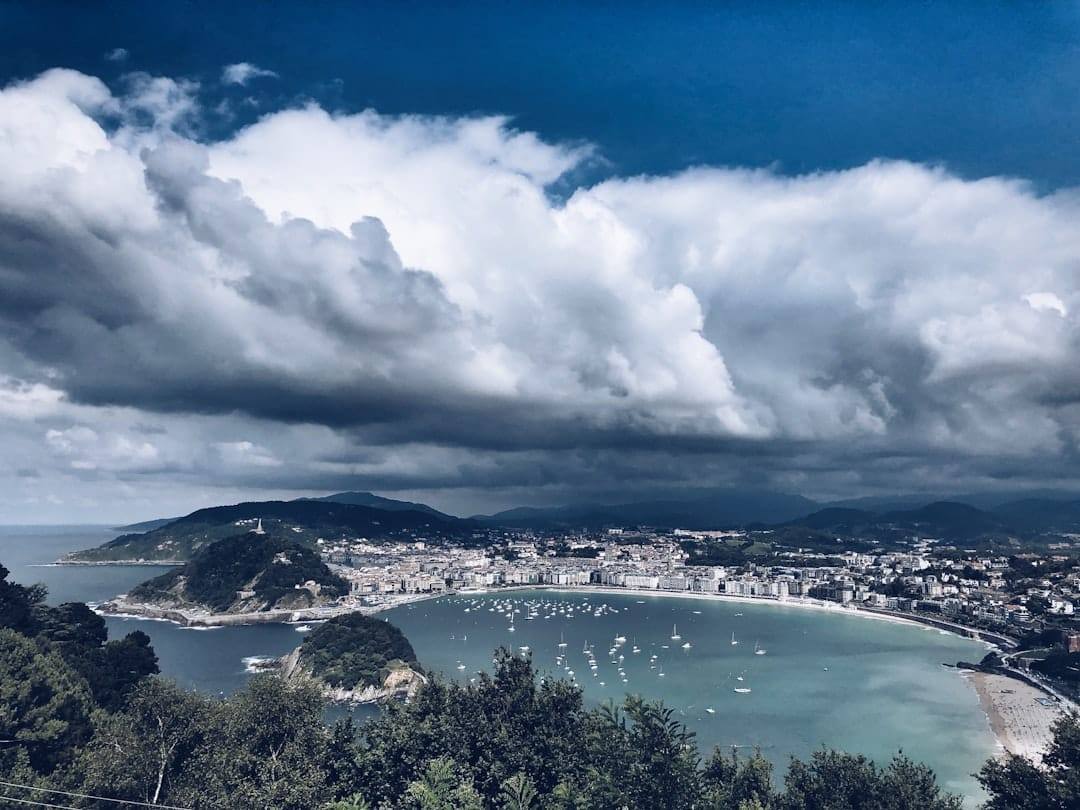
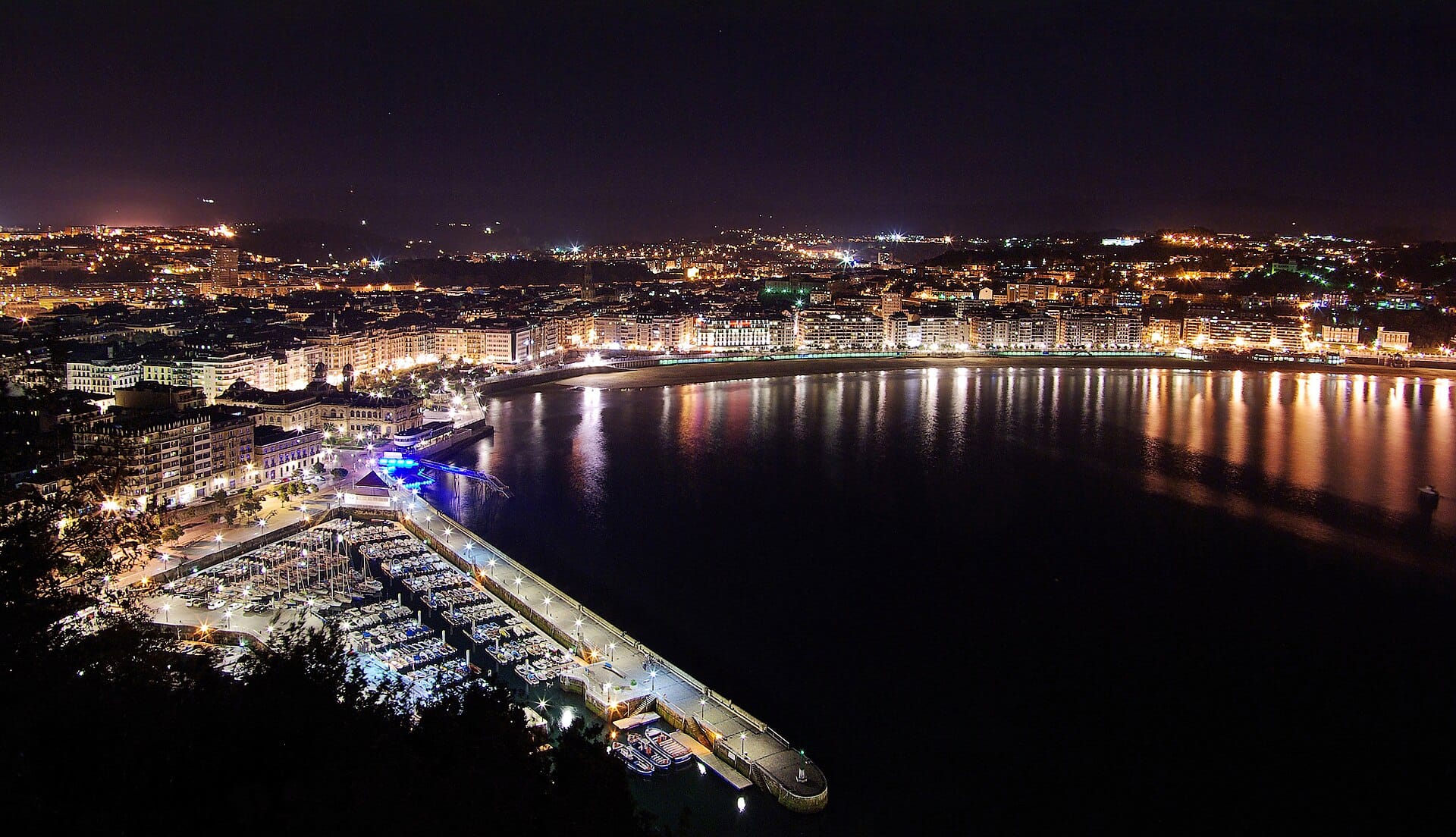
San Sebastián has more Michelin stars per square meter than almost anywhere on earth, and yet the meal you'll remember most costs about four euros and is eaten standing up. That's the honest tension of this Basque coastal city, called Donostia in Basque: three-star temples like Arzak and Akelarre share a small city with old-town bars where the entire ritual is elbowing to the counter, pointing at a plate of anchovies, and ordering a glass of txakoli poured from a great height. It sits on a near-perfect shell-shaped bay, backed by two green hills, an hour from the French border. In 2026 it remains compact enough to cross on foot in 40 minutes and serious enough about food to plan a whole trip around. Here's how to spend three days here without wasting a single meal.
🏙️ Essential Experiences
La Concha Beach and Promenade
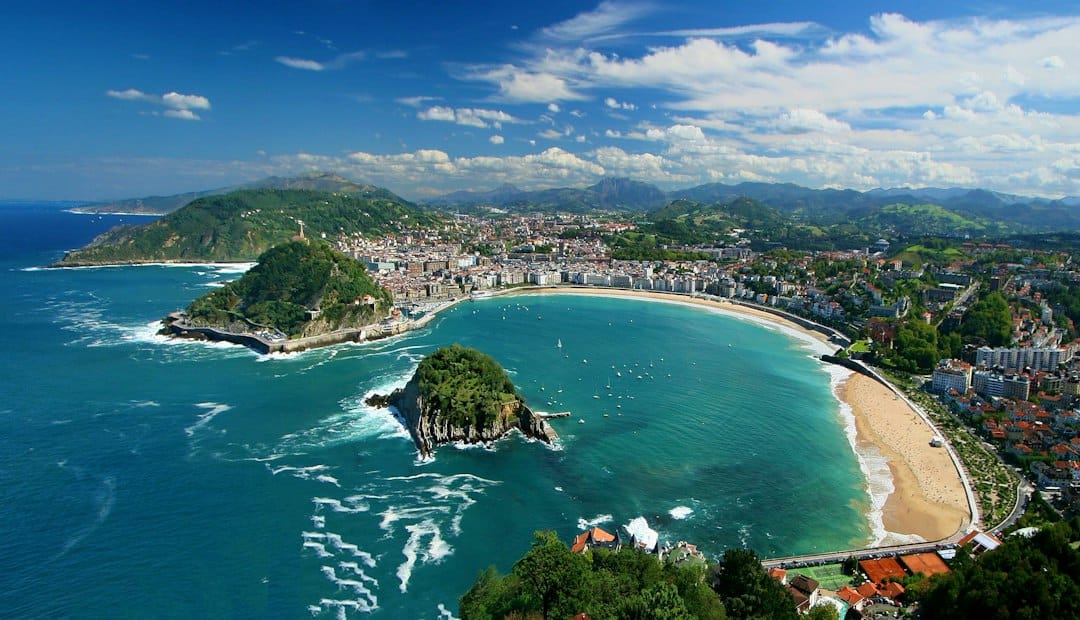
La Concha is the postcard, and for once the postcard undersells it: a 1.5-kilometer arc of pale sand wrapped around a bay so protected it barely has waves, with Santa Clara Island sitting in the middle like a cork in the bottle. The white wrought-iron railing along the promenade dates to the early 1900s and has become the city's unofficial logo. Walk the full curve from the city hall to Ondarreta beach at the western end; it takes about 25 minutes and costs nothing. In summer a small shuttle boat (the motora) runs to Santa Clara Island every half hour from 10am to 8pm, June through September, for €5 round trip. Insider tip: skip the crowded central stretch and set up on Ondarreta at the western end, which is quieter, family-friendly, and closer to the good sunset views. Cost: free.
Monte Igueldo and the Funicular
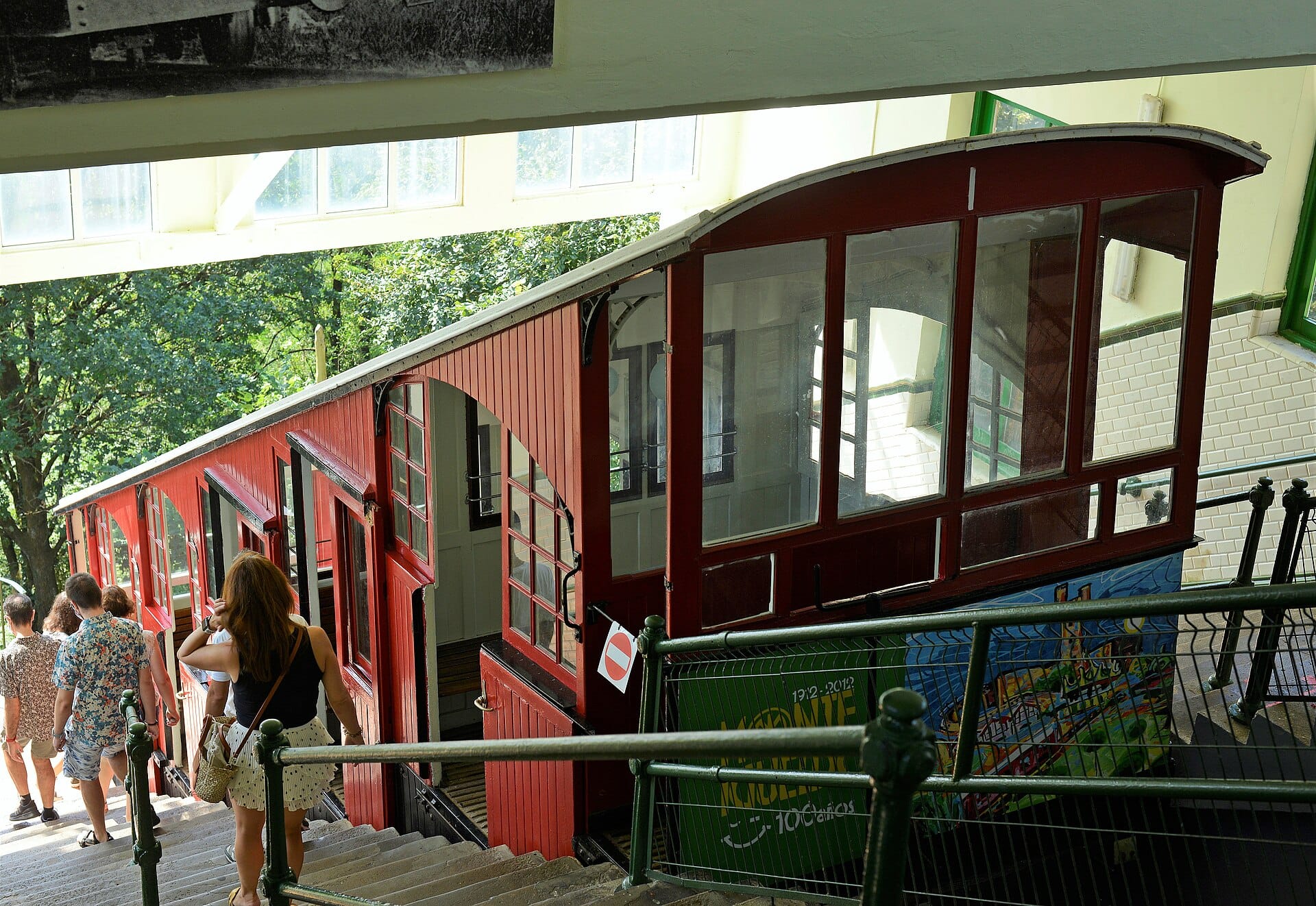
The best view of that shell-shaped bay is from the top of Monte Igueldo, the hill at the western end. You could hike it, but the point is the funicular — a wooden-carriage railway that has been grinding up the slope since 1912, making it one of the oldest in the Basque Country. A round-trip ticket is €4.75 (€3.30 one-way), and it runs 10:00–22:00 in summer, 11:00–18:00 in winter. At the top is a gloriously creaky, faded amusement park from another era, where a ride on the hand-cranked-feeling roller coaster costs a couple of euros and the whole thing looks like a film set. Insider tip: go up in the late afternoon so you catch the softer light over La Concha and can stay for sunset — this is the single best photo you'll take in the city. Cost: €4.75 funicular.
The Parte Vieja and Pintxo Bars
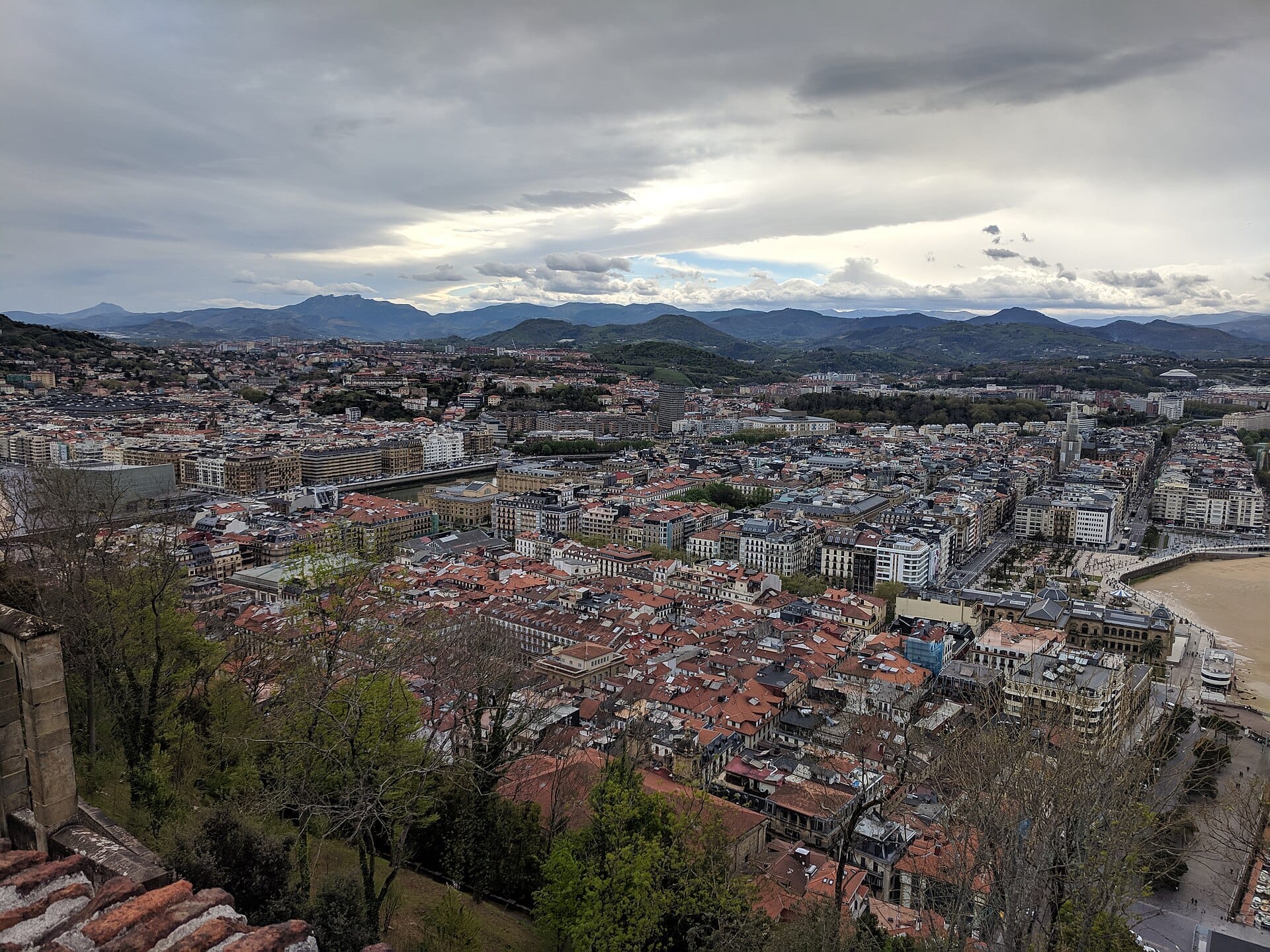
The Old Town (Parte Vieja) is a dense grid of stone streets behind the harbor, and its real function is to hold roughly a bar per doorway. Pintxos are the Basque answer to tapas — small, precise plates, some laid out on the counter, the best ones cooked to order from a short menu on the wall. The move is to have one or two at each bar and keep walking. Go to La Cuchara de San Telmo for slow-cooked veal cheek (carrillera) in red wine and seared foie gras, at €4–8 a plate, all made to order — there's nothing on the counter. Hit Ganbara for a heaping plate of wild mushrooms (setas) sautéed with a raw egg yolk on top, best in autumn. Order the gilda — a skewer of anchovy, olive, and pickled guindilla pepper that was invented in this city in the 1940s and is still the correct first bite of any crawl. Insider tip: eat early by local standards (7:30–8:30pm) before the 9pm crush, and never sit down expecting table service — you order at the bar and pay at the end on the honor system. Cost: €3–6 per pintxo, €2–4 a glass of txakoli.
Monte Urgull and Castillo de la Mota
Urgull is the other hill, rising straight out of the Old Town, and it's free. A 30–40 minute climb through wooded paths gets you to the Castillo de la Mota, a 12th-century fortress that guarded the city for 800 years and now holds the Casa de la Historia, a small museum on the city's past. Crowning the summit is the Sagrado Corazón, a stone Christ statue over 12 meters tall (24 meters with its base) that has watched over Donostia since 1950. Insider tip: the hill closes at night (open 8:00–21:00 May–September, until 19:30 in winter), so time your walk for the hour before sunset — you get the bay on one side, the Zurriola surf beach on the other, and far fewer people than on Igueldo. There's a small bar near the top for a well-earned drink. Cost: free.
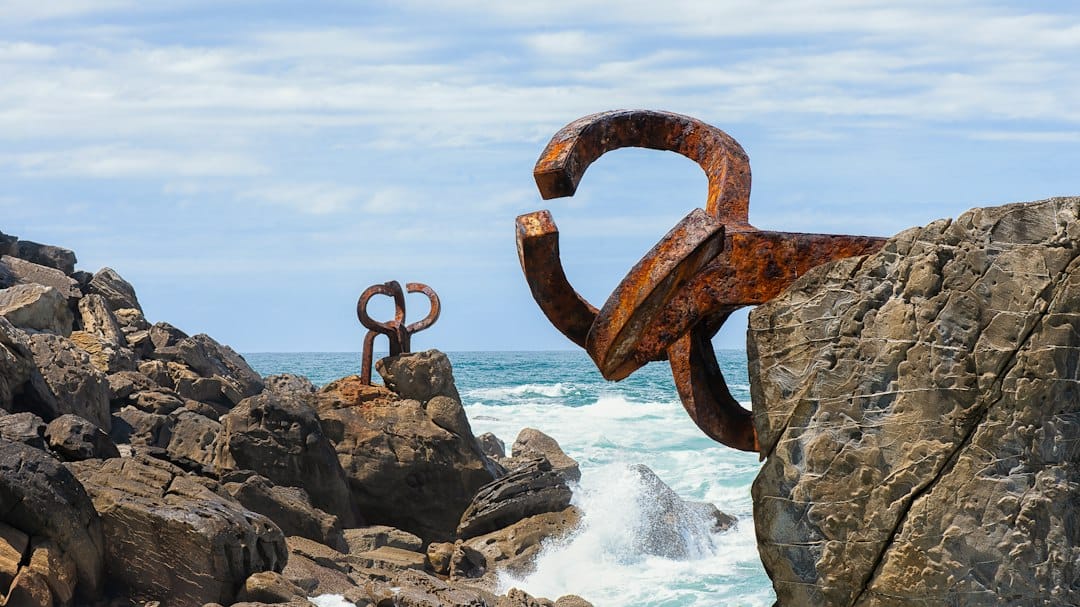
Peine del Viento (Comb of the Wind)
At the far western end of the bay, past Ondarreta, the promenade dead-ends at three rusted-steel claws bolted into the rocks where the sea slams in. This is the Peine del Viento, installed in 1977 by the Basque sculptor Eduardo Chillida in collaboration with the architect Luis Peña Ganchegui — arguably the city's most beloved piece of public art. The clever part is underfoot: Ganchegui built holes into the stone terrace so that on rough days seawater blasts up through them like geysers. Insider tip: come at high tide with any swell running (autumn and winter are best) — on a calm flat day the sculptures are still handsome but the whole point, the drama of steel versus Atlantic, is missing. Cost: free.
San Telmo Museoa
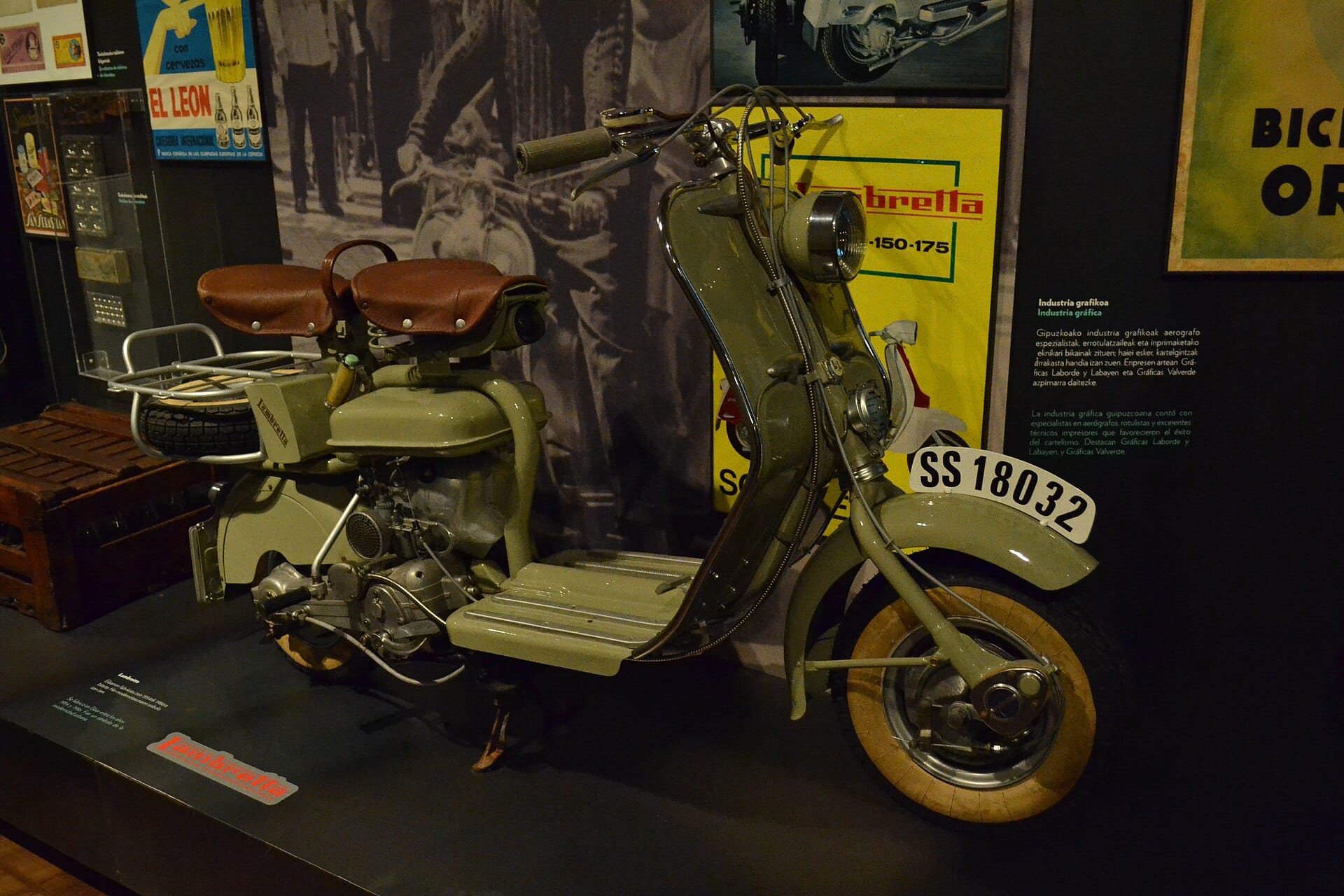
Tucked against the base of Monte Urgull in a 16th-century Dominican convent, San Telmo is the museum of Basque society and history — and the building itself is the draw, with a former church whose walls carry a series of monumental canvases by the Catalan painter Josep Maria Sert. The permanent collection walks you through Basque customs, the fishing and iron-working economy, and how the region got to now, which is useful context before you spend three days eating its food. General admission is €10, and it's free every Tuesday. Insider tip: it's closed Mondays, so don't make the classic mistake of building your one museum day around a Monday; pair it with the Urgull climb since they share a doorstep. Cost: €10, or free on Tuesdays.
Zurriola Beach and the Gros Neighborhood
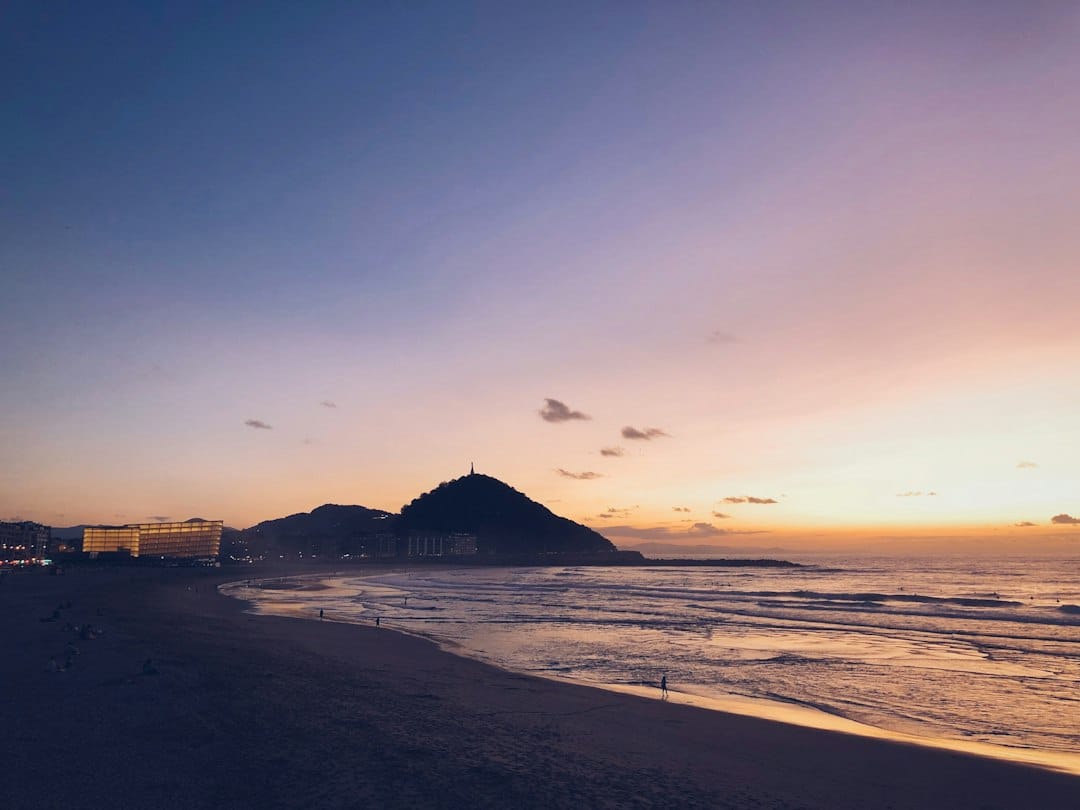
Cross the Zurriola bridge east of the Old Town and the water changes character completely. Zurriola beach faces the open Atlantic, so it actually gets waves, which makes it the city's surf beach and the reason the surrounding Gros neighborhood has a younger, scruffier energy than the belle-époque center. Several surf schools line the sand; a group lesson with board and wetsuit runs roughly €35–45. Even if you don't surf, Gros is where a lot of locals now eat, with a newer generation of pintxo bars that are less mobbed than the Old Town. Insider tip: summer brings gentle, beginner-friendly waves; the powerful swells arrive in autumn and winter and are for experienced surfers only. Cost: free to swim; ~€35–45 for a lesson.
🗓️ A 3-Day Itinerary
Day 1 — The Bay, the Old Town, the First Crawl
Start on the La Concha promenade with a slow walk from the city hall to Ondarreta (about 25 minutes), stopping to lean on the famous railing. Continue five minutes past Ondarreta to the Peine del Viento, then loop back into the center for a menú del día lunch (a three-course set lunch, €15–22) to line your stomach. In the afternoon, walk into the Parte Vieja and climb Monte Urgull for the late-day view (free, 30–40 minutes up). Come down as the bars are opening and start your first pintxo crawl: begin with a gilda and a glass of txakoli, then work through La Cuchara de San Telmo and Ganbara. Budget for the day: roughly €40–60 for food and drink, nothing for the sights.
Day 2 — Igueldo, the Museum, and Gros
Walk the promenade to the western end (or hop a local Dbus toward the Antiguo/Igueldo side) and ride the funicular up (€4.75 round trip) for the morning light over the bay. Back in town, spend the middle of the day at San Telmo Museoa (€10, free Tuesdays; closed Mondays) for the Basque-history grounding. In the afternoon cross to Zurriola beach in Gros — swim, watch the surfers, or take a lesson. Have dinner among the newer Gros pintxo bars, which take reservations more readily than the Old Town institutions. Budget: about €20 in tickets plus €40–60 for meals.
Day 3 — Beyond the City
Use your last day for a half-day trip. From January to April, book a lunch at a cider house (sagardotegi) in Astigarraga, 15 minutes out (see below). Outside that season, take the regional train or bus 30–40 minutes west to Getaria, a fishing village that produces the region's txakoli wine and is the birthplace of the fashion designer Cristóbal Balenciaga, whose museum sits above the port. Return to San Sebastián for a final, unhurried pintxo dinner and a nightcap of local cider. Budget: €35–50 for a cider-house set menu, or ~€10–15 in transport plus lunch for the Getaria option.
🧠 Essential Tips
Best Time to Visit
June through September is warmest and driest, and it's when the beaches, the boat to Santa Clara, and the whole city are at full tilt — but this coast is famously green because it rains, and even summer can throw a wet day at you. July brings the Jazzaldia, Spain's oldest jazz festival, with free concerts on the Kursaal terraces and by Zurriola beach and ticketed shows in the beautiful Plaza de la Trinidad. The 74th San Sebastián International Film Festival runs September 18–26, 2026, centered on the Kursaal, and turns the city into a red-carpet scene — great atmosphere, but book accommodation months ahead. For fewer crowds and lower prices, come in May, early June, or late September/October, when hotel rates drop noticeably and the food scene doesn't miss a beat.
Getting There and Around
San Sebastián's own airport (EAS) in Hondarribia is small, so most visitors fly into Bilbao (BIO) instead. From Bilbao airport, the direct PESA bus to San Sebastián costs €17.10 and takes about 75 minutes, running hourly. Once you're in the city, you barely need transport — it's walkable end to end — but the local Dbus network is cheap and easy: a single ride is €1.95 in cash to the driver. If you're staying several days, the rechargeable Mugi card drops the per-ride fare to well under a euro. There is no metro; buses and your own feet are the system.
Safety and Money
San Sebastián is one of Spain's safer cities, and violent crime against tourists is rare. The realistic risk is pickpocketing in exactly the crush you'll seek out — the packed pintxo bars of the Parte Vieja and the summer crowds on La Concha. Keep your phone and wallet in a front pocket while you're shoulder-to-shoulder at the bar, and don't leave a bag unwatched on the beach while you swim. Note the local rhythm: kitchens and shops close in the afternoon (roughly 2–5pm) and dinner service is late by other countries' standards, rarely busy before 9pm. Card payment is universal, but carry some cash for the smaller pintxo bars.
Food You Shouldn't Miss
Beyond the gilda, seek out these specifically: the txuleta, a huge charcoal-grilled bone-in aged beef rib eye that's the region's signature — Bar Néstor in the Old Town is famous for it, along with a tortilla so beloved that only two are made a day, at 1pm and 8pm, with a waiting list you join an hour early. Try Basque burnt cheesecake (the crackle-topped, custardy tarta de queso made famous at La Viña), bacalao (salt cod) done a dozen ways, and Idiazabal, the smoky local sheep's cheese, often served with quince paste and walnuts. Wash it down with txakoli, the slightly fizzy, bone-dry white poured from height to aerate it.
🏨 Accommodation Guide
Budget
The best-value beds are the small family-run pensiones in and around the Parte Vieja and the city center. Expect a private double room for roughly €80–110 a night in high summer (July–August) and less in the shoulder season; hostel dorm beds run around €35–50 in peak months. Look at spots like Pensión Amaiur in the Old Town or the pensions along the streets just behind the center — you trade space and a lobby for being able to roll out of bed and into the pintxo bars.
Mid-Range
A three-star double runs about €150–220 a night in summer and €100–180 in the shoulder season. Gros is the smart mid-range base — walkable to everything, on the surf beach, and generally a touch cheaper than the belle-époque center. Villa Soro, a restored 19th-century villa near the Ondarreta end, is a characterful boutique option if you want charm without full luxury pricing.
Luxury
Expect €250–450 and up per night in summer. The two grande-dame addresses are the Hotel María Cristina, the 1912 riverside landmark where film-festival stars stay, and the Hotel de Londres y de Inglaterra, planted directly on the La Concha promenade with beach views from the front rooms. For something more contemporary, the adults-only Lasala Plaza Hotel by the harbor has a rooftop terrace over the bay.
🎭 Beyond the Tourist Trail
The most Basque thing you can do near San Sebastián is go to a cider house during txotx season, roughly mid-January to late April. In the town of Astigarraga, 15 minutes from the center (reachable on the BU12/BU13 bus or a booked taxi), houses like Petritegi and Zapiain serve a fixed menu — chorizo cooked in cider, a runny salt-cod omelet, that enormous txuleta steak, and Idiazabal with quince and walnuts — for about €35–50. The ritual is the point: when someone shouts "txotx!" everyone lines up to catch a thin stream of cider straight from the open barrel into their glass. It's communal, loud, and completely unlike the polished pintxo bars in town.
For a quieter afternoon, skip the Old Town's busiest streets and eat in Gros instead, where the newer wave of pintxo bars caters more to locals than to tour groups. And if you have a spare morning, the working fishing village of Pasai Donibane (Pasajes), a short bus or ferry hop east, gives you a single narrow street of painted houses squeezed between a cliff and a harbor — the kind of place you'd never guess sits ten minutes from a world food capital.
❤️ Plan Your San Sebastián Trip with VoyaBear
The hard part of San Sebastián isn't finding good food — it's sequencing three days so you hit the right bars at the right hour, dodge the museum's Monday closure, and land in town during a festival you'd actually enjoy rather than one that triples your hotel bill. That's exactly what VoyaBear does. Tell us how many days you have, what you want to eat, and how much you want to walk, and we'll build a personalized San Sebastián itinerary around real opening hours, verified prices, and your pace — pintxo crawl routes included. Start planning your trip with VoyaBear today.
Want this as an actual itinerary?
VoyaBear turns a guide like this into a day-by-day plan built around how you travel.
Plan my trip free