Sarajevo 2026: The Complete Travel Guide
24 November 2026 · 19 min read

Sarajevo is a city where you can walk from a 1530s Ottoman bazaar to an Austro-Hungarian boulevard in about four minutes, cross the invisible line in the pavement that marks where "East" meets "West," and still see the pockmarks of a three-and-a-half-year siege on the apartment blocks. It is the capital of Bosnia and Herzegovina, home to roughly 275,000 people, ringed by green mountains that staged the 1984 Winter Olympics and, eight years later, hid the artillery that shelled the city below. In 2026 it is one of the best-value capitals in Europe: a thick Bosnian coffee costs about a euro, a plate of the country's best cevapi under five, and almost everything worth seeing sits inside a walkable square kilometre. This guide is built on checked 2026 prices and hours, not vibes.
💡 Quick Answer: Sarajevo at a Glance
The essentials for planning a trip, each answer self-contained:
- How many days: 2 to 3 days covers the Old Town, the siege history and the mountains.
- Best time to visit: May to June or September to October for mild weather; August for the Film Festival; winter for skiing.
- Book ahead: A guided Tunnel of Hope tour (around 30 to 60 KM with transfer) and ski-season hotels on Jahorina.
- Airport to centre: Centrotrans bus to Bascarsija, 5 KM one-way; taxi about 20 KM. Airport is 12 km out.
- Getting around: Walk the Old Town; trams/trolleybuses 1.60 KM at a kiosk, validate on board.
- Daily budget: Backpacker about 45 to 60 USD; midrange about 90 to 140 USD a day including a room.
- Currency: Convertible mark (KM/BAM), pegged at 1 EUR = 1.96 KM; carry cash, many sights are cash only.
- Top safety note: Very safe in the city; off paved roads in the hills, stick to marked, demined trails.
🏛️ The Best Things to Do in Sarajevo
Seven sights carry a first visit. They cluster tightly in and around Bascarsija, the Old Town, with two siege-era stops on the edges of the city.
1. Bascarsija and the Sebilj Fountain
Bascarsija is the Ottoman heart of Sarajevo, laid out in the 15th and 16th centuries as a bazaar of craft guilds, each alley once dedicated to a single trade: coppersmiths, goldsmiths, shoemakers. The coppersmiths are still hammering on Kazandziluk street, which is the one souvenir strip that is also a working workshop. At the centre sits the Sebilj, a domed wooden kiosk-fountain that has become the city's postcard image, usually buried under a carpet of pigeons. It costs nothing to stand here, and it is the obvious orientation point: nearly every walk in this guide starts or ends at the Sebilj.
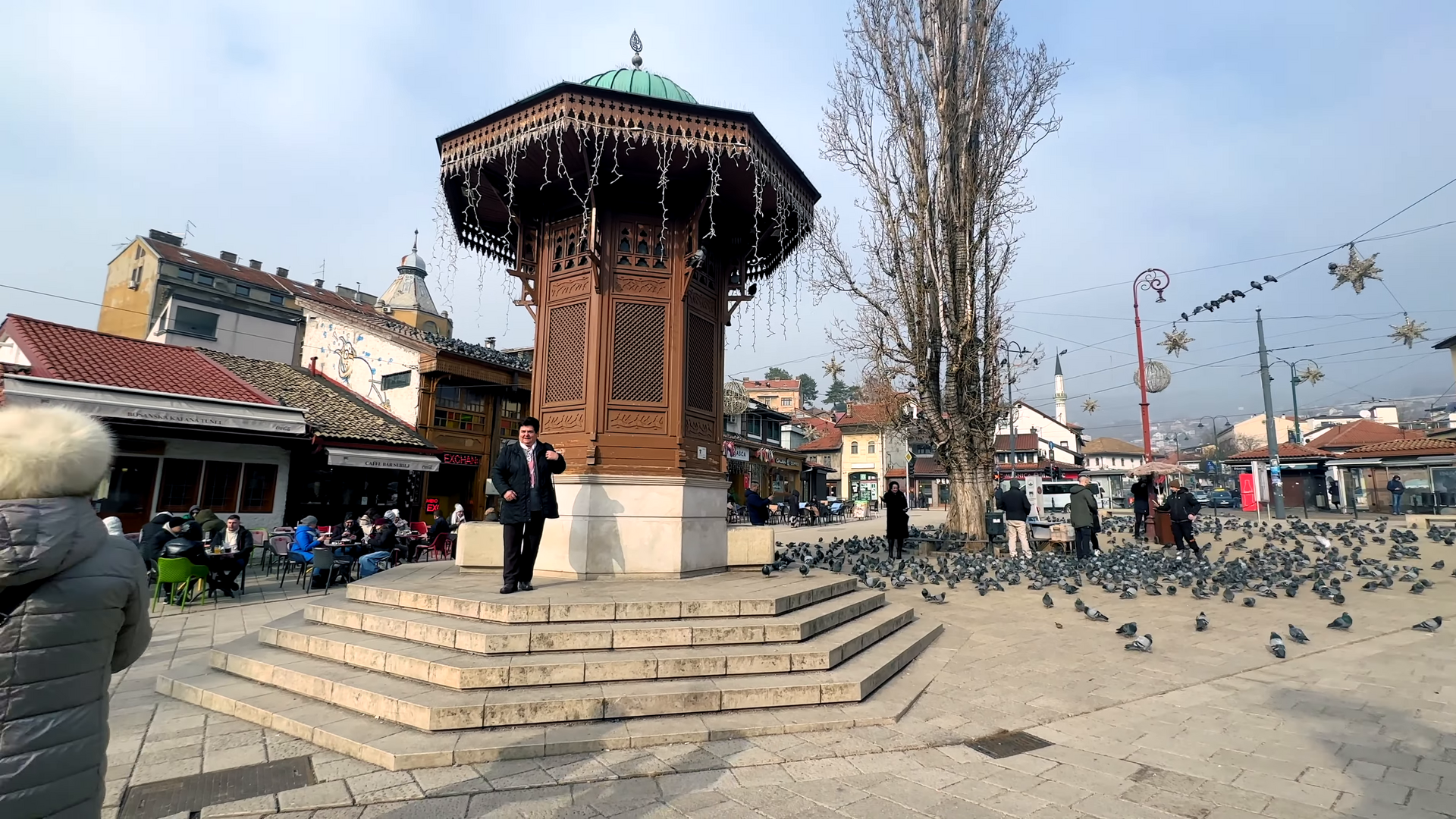
Insider tip: Find the Sarajevo Meeting of Cultures marker set into the pavement on Ferhadija street, a few minutes west. On one side the architecture is Ottoman; on the other, neighbouring Austro-Hungarian. Stand with a foot in each. Then look up at the Sahat Kula clock tower near the Gazi Husrev-beg complex, which still keeps lunar time, with sunset as the start of the new day, so its hands rarely match your phone.
2. Gazi Husrev-beg Mosque
Completed in 1531, this is the largest historical mosque in Bosnia and the finest Ottoman building in the country, funded by the Bosnian governor Gazi Husrev-beg and part of a complex that included a madrasa, a library and a public kitchen. The courtyard, with its ablution fountain under a wooden canopy, is free to enter and calm even when the bazaar outside is heaving.
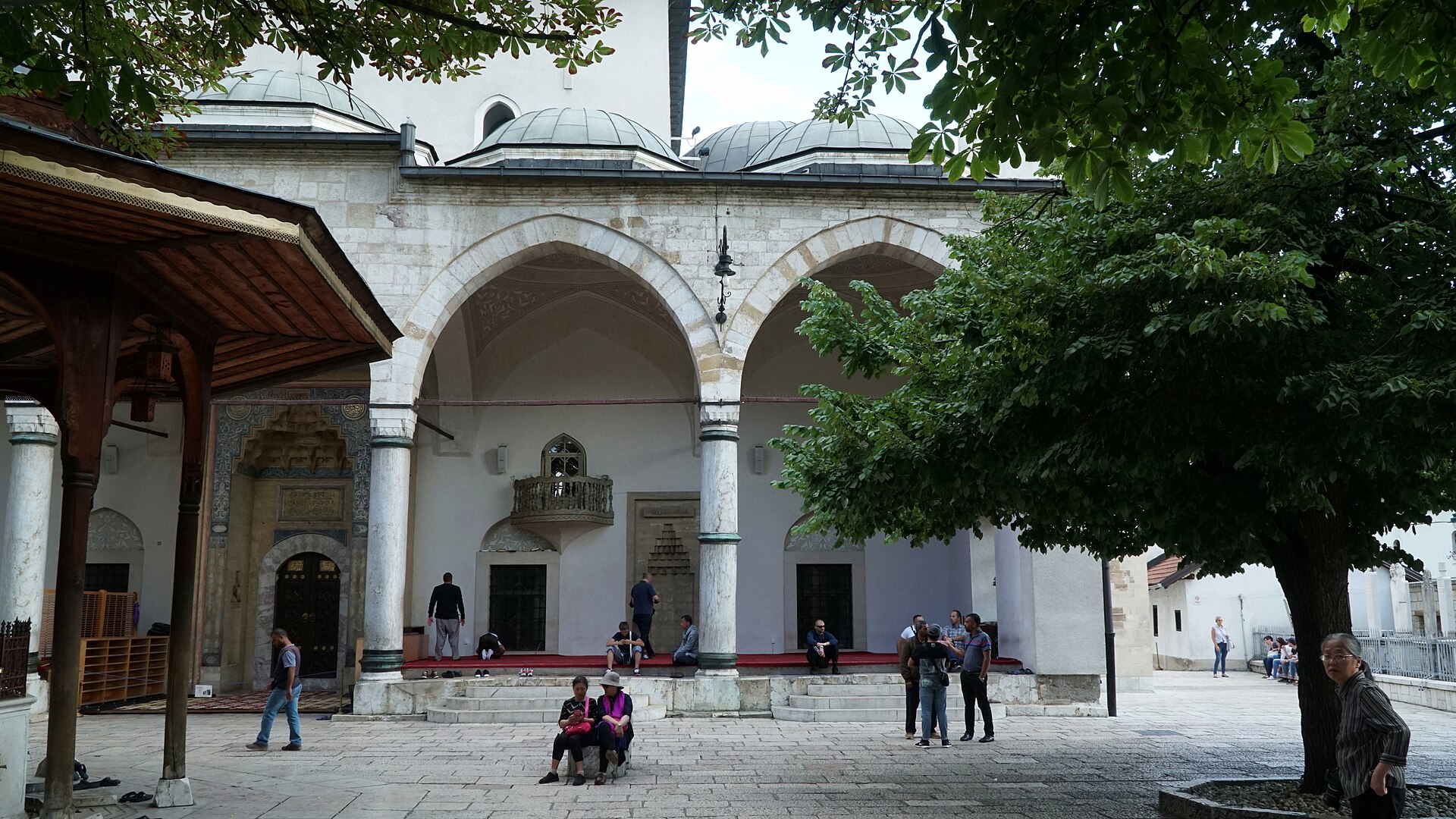
What it costs: Entry to the prayer hall is 5 KM (about 2.50 EUR / 2.75 USD), or 8 KM for a combined ticket that adds the historic madrasa across the street. It opens to visitors from 9:00, and reopens between prayer times. Dress respectfully; free head coverings and wraps are handed out at the door, so you do not need to bring your own. Come mid-morning before the tour groups land, and duck round the corner to Baklava Ducan afterwards.
3. Vijecnica (City Hall)
The most photographed building in Sarajevo is this striped pseudo-Moorish pile beside the Miljaka river, finished in 1896. It served for decades as the National and University Library until the night of 25 August 1992, when Serb shelling burned it and an estimated two million books with it. The restored building reopened in 2014 and is dazzling inside: a triple-height atrium under a stained-glass dome, with a basement exhibition on the city's history.
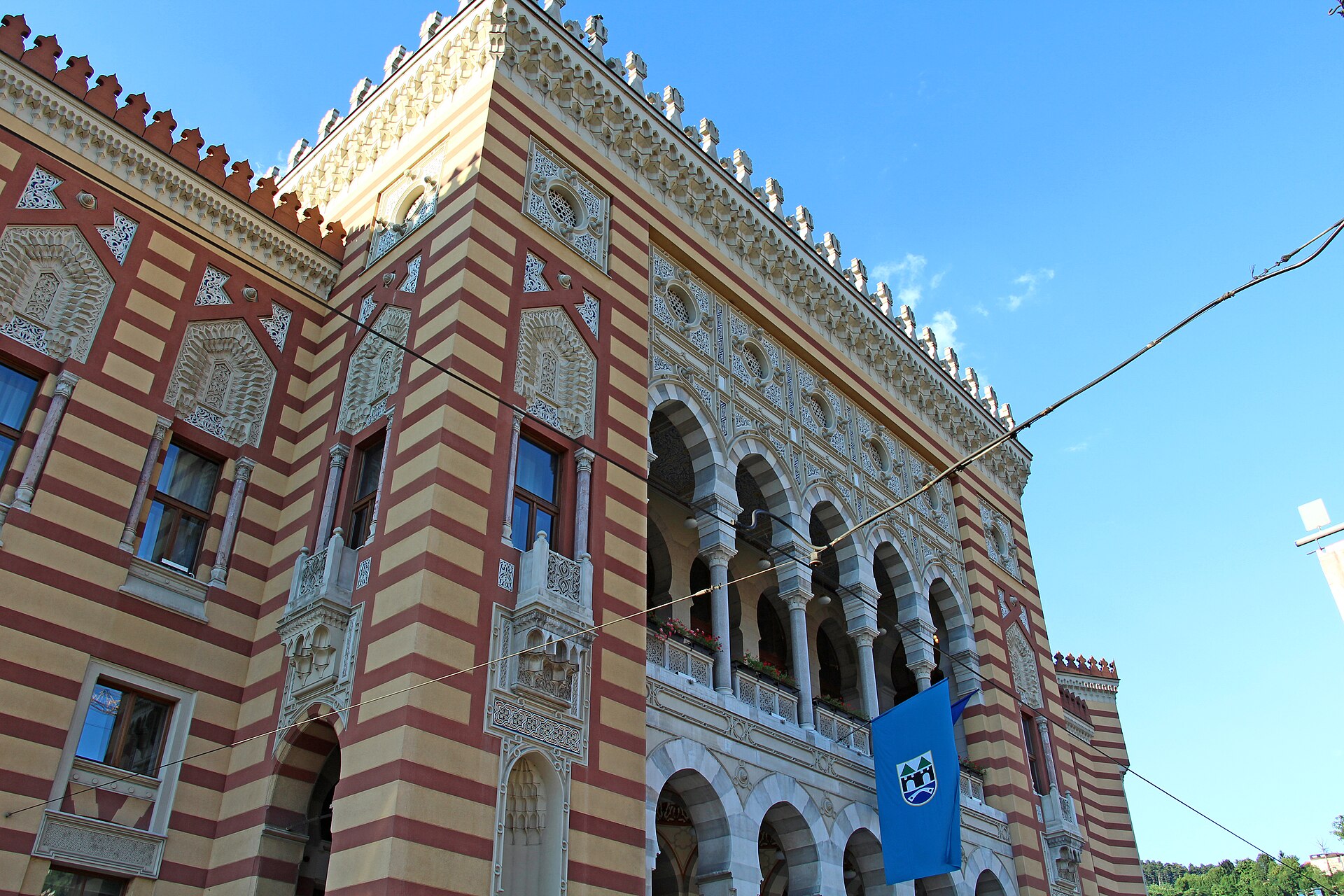
What it costs: Entry is 10 KM (5 EUR / 5.50 USD) and it is open daily 9:00 to 17:00. Budget around 30 minutes for the dome, the upper gallery ring and the basement. The interior is the whole point, so do not just photograph the outside and move on, which is the common mistake.
4. The Latin Bridge and the Spot That Started a World War
On 28 June 1914, on the corner by this modest Ottoman stone bridge, a 19-year-old Bosnian Serb named Gavrilo Princip shot Archduke Franz Ferdinand of Austria and his wife Sophie. Within six weeks Europe was at war. The bridge itself, four stone arches over the shallow Miljaka, is unremarkable to look at, which is rather the point: one of the most consequential events of the 20th century happened at an ordinary street corner.
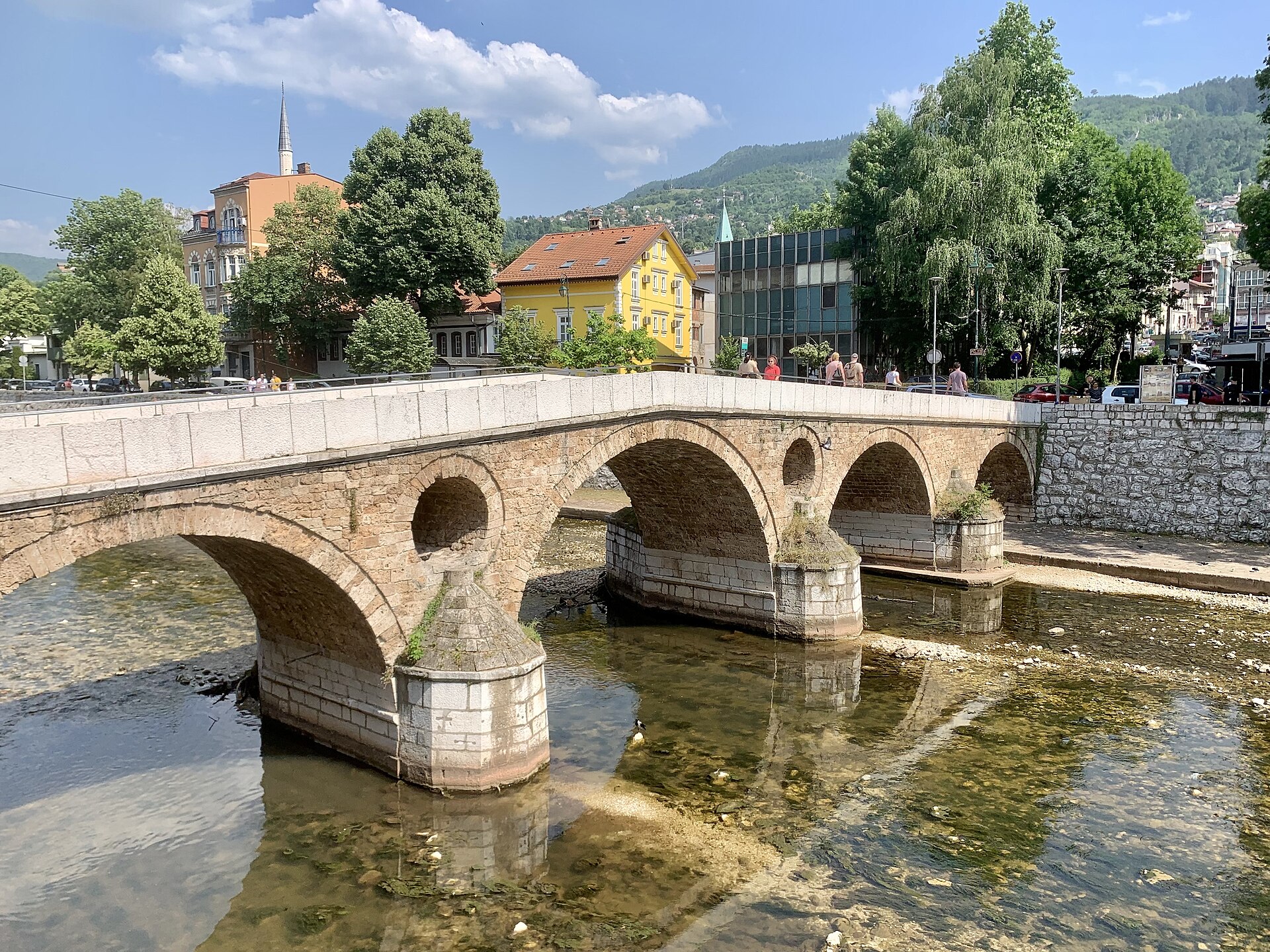
Insider tip: The small Museum Sarajevo 1878 to 1918 sits on the exact corner, in the building Princip fired from. It is tiny, inexpensive and worth 20 minutes for the primary-source newspapers and the plaque marking where he stood. Cross the bridge for the best photo angle back toward the museum.
5. The Tunnel of Hope
During the 1992 to 1996 siege, the longest siege of a capital in modern warfare, Sarajevo's only lifeline to the outside world was an 800-metre hand-dug tunnel under the airport runway, which the UN controlled. Food, weapons, fuel and people moved through a passage barely wide enough to stand in. A section survives beneath a family house in Butmir, now the Tunnel of Hope museum, with a short film of wartime footage and a stretch you can walk through, head bowed.
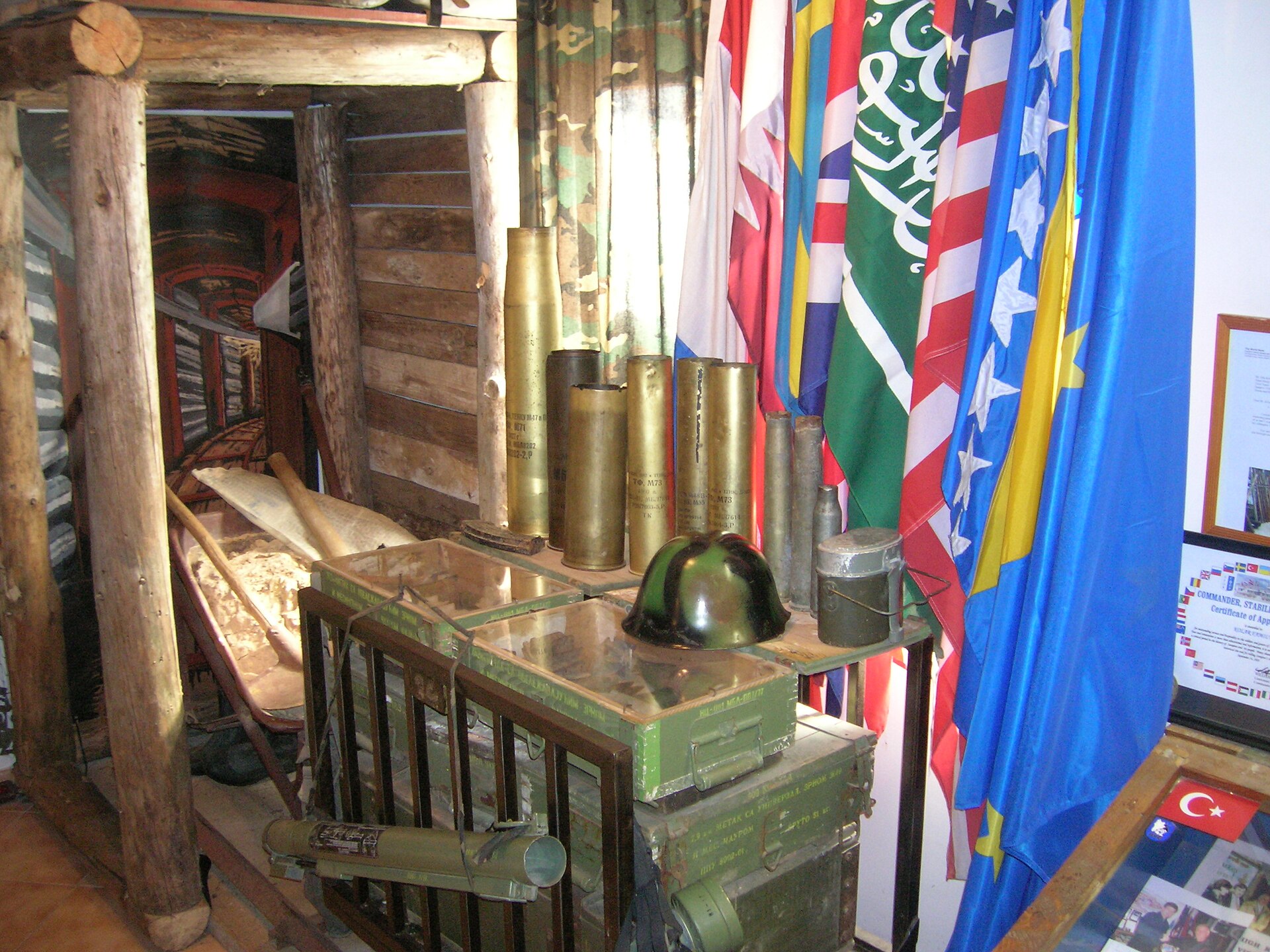
What it costs: 20 KM for adults (10 EUR / 11 USD), 8 KM students, free under 6, plus 3 KM for the audio guide. It is cash only, in KM. Hours are 08:30 to 17:00 (last entry 16:30) from April to October, and 09:00 to 16:00 (last entry 15:30) from November to March. It is at Tuneli 1 in Butmir, by the airport, about a 15-minute taxi from Bascarsija. A guided tour that includes hotel pickup and a local who lived through the siege is the way to do this one; the personal stories are the difference between a trench and a gut-punch.
6. The Yellow Fortress (Zuta Tabija)
This 18th-century artillery bastion sits on the hillside above the Old Town, and it is where locals go for sunset. The view runs straight down the valley over the red roofs, the river and a sea of slender minarets and cypress-dark cemeteries. It is free and open around the clock, and in the holy month of Ramadan a cannon is still fired from here to mark the breaking of the fast.
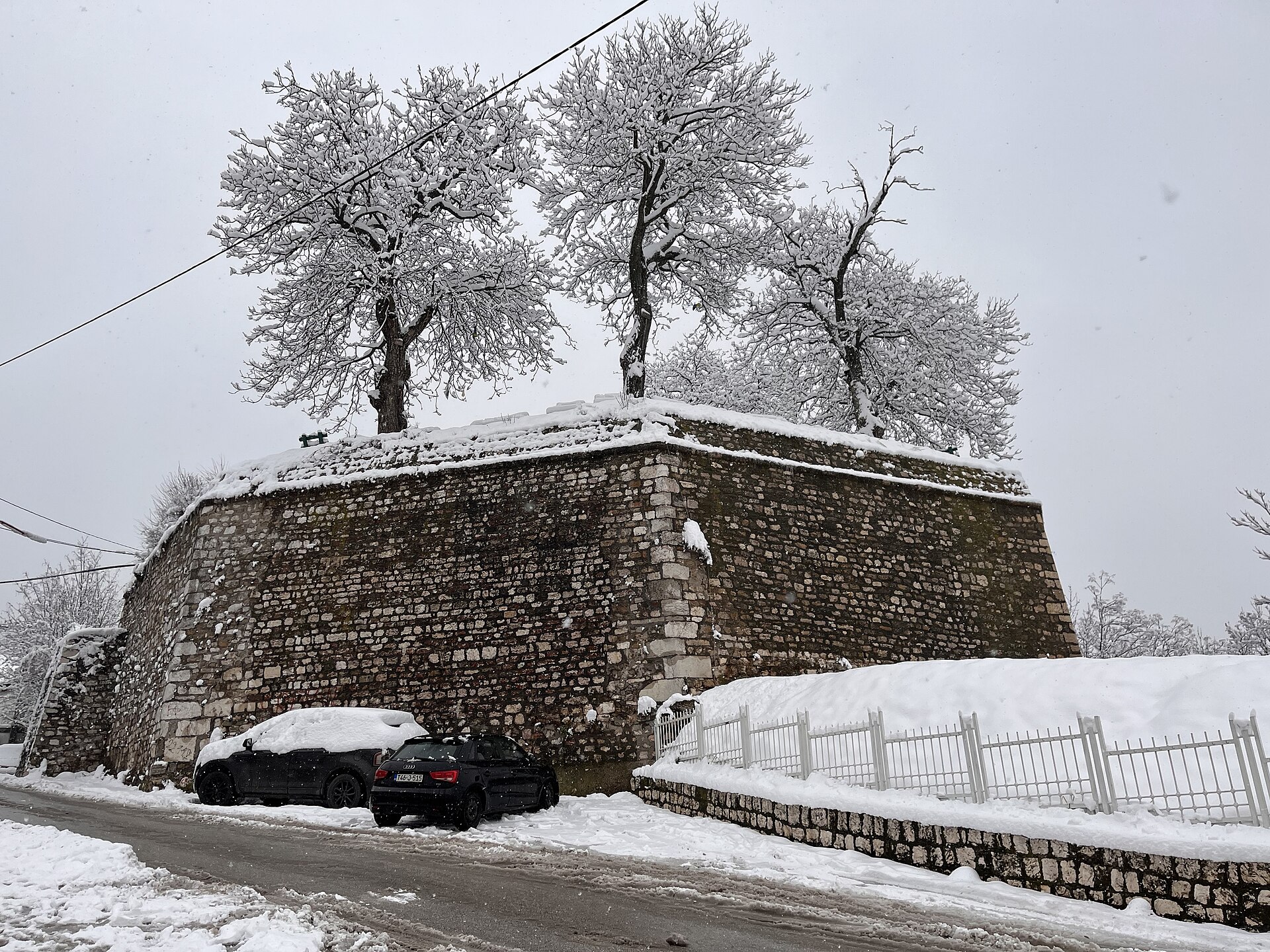
Insider tip: Arrive about an hour before sunset to claim a spot on the outer wall, because it fills fast with a young, friendly crowd. There is a small cafe at the top for a coffee, but grab a takeaway burek from a bakery in Vratnik on the walk up and eat it on the ramparts.
7. The Trebevic Cable Car
The cable car up Mount Trebevic first opened in 1959, was destroyed during the war, and reopened in 2018 after 26 years out of action. In under 10 minutes it lifts you from the edge of the Old Town to 1,160 metres, where the air is cooler and the whole city unfolds below. At the top you can walk the graffiti-covered concrete track of the abandoned 1984 Olympic bobsled run, which snakes down through the forest.
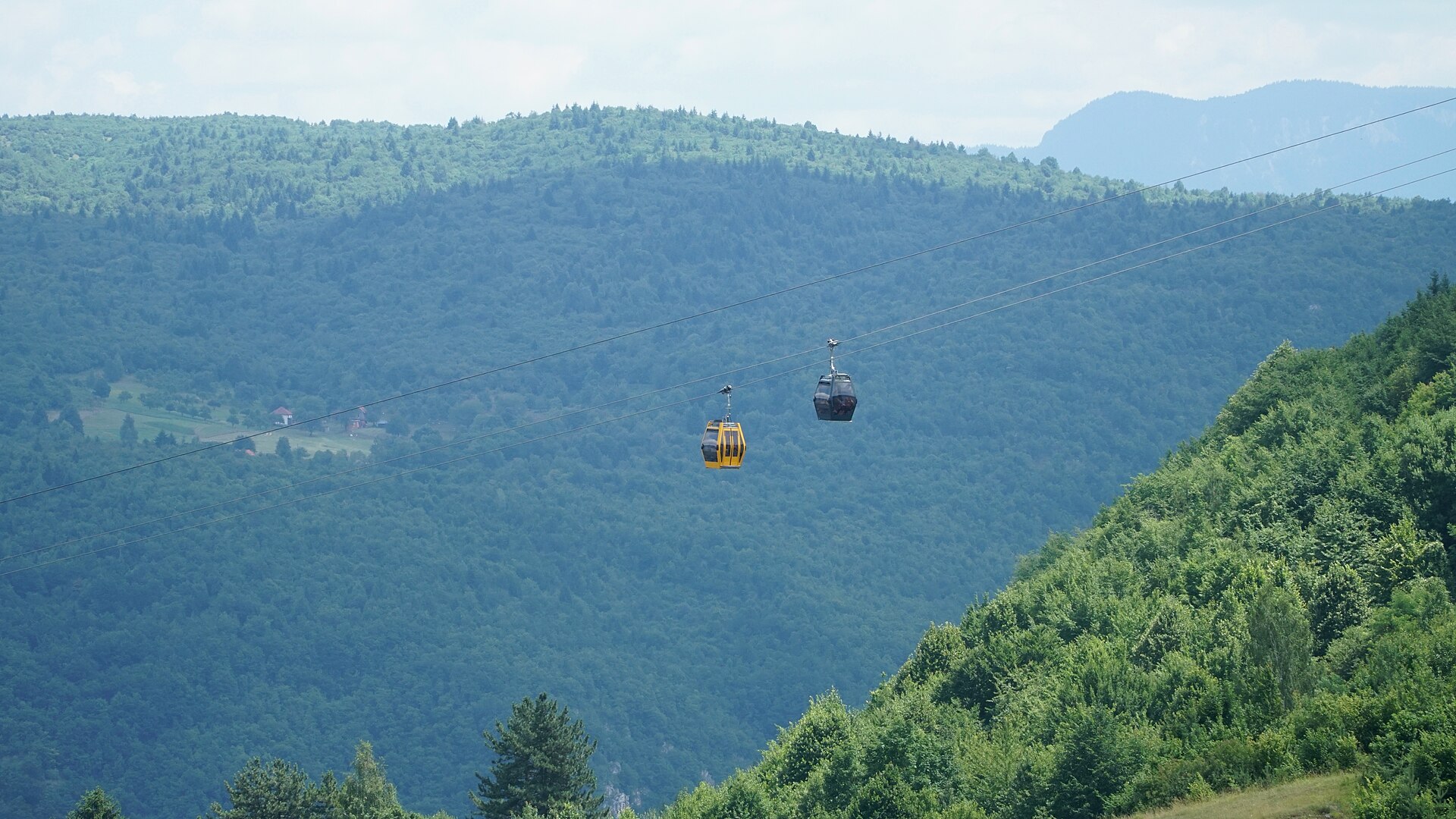
What it costs: A return ticket for visitors is 30 KM (15 EUR / 16.50 USD); children under 7 ride free. The lower station is in Bistrik, about a 10-minute walk from the Sebilj, so ignore Google Maps if it tries to route you to a taxi. It usually runs roughly 09:00 to 17:00 off-season and later in summer, but it closes for maintenance and weather, so check zicara.ba before you climb up. Catch one of the last cabins down; walking the hill after dark is a long, dark mistake.
📅 How to Spend Three Days in Sarajevo
This itinerary keeps walking to a minimum and clusters sights by area. Prices below are per person, in USD and EUR at 2026 rates.
Day 1: The Old Town
Start at the Sebilj with a Bosnian coffee (about 2 KM / 1 USD). Walk the bazaar alleys, then the Gazi Husrev-beg Mosque (5 KM) and the Meeting of Cultures line on Ferhadija. Lunch is cevapi at Cevabdzinica Zeljo (around 8 to 12 KM / 4 to 6 USD). Afternoon: Vijecnica (10 KM), a five-minute riverside walk away, then the Latin Bridge and the 1914 museum (around 4 KM) on the way back. Finish at the Yellow Fortress for sunset (free). Total spend excluding dinner: roughly 30 KM / 16 USD.
Day 2: The Siege and the Mountain
Morning: the Tunnel of Hope (20 KM, or 30 to 60 KM on a guided tour with transfer), which needs a taxi or tour van out to Butmir. Back in town, lunch, then the War Childhood Museum (15 KM / 8 USD) on Logavina street, a quietly devastating collection of objects and testimonies from children who grew up under siege, which won the Council of Europe Museum Prize in 2018. Late afternoon: ride the Trebevic cable car (30 KM return) and walk part of the bobsled track. Dinner with a view at Park Princeva, which looks straight down on Vijecnica.
Day 3: Slow Sarajevo and Beyond
Spend the morning on what you missed: the Gallery 11/07/95, a photographic memorial to the 8,372 victims of the Srebrenica genocide (around 12 KM), or the Sacred Heart Cathedral and the Markale market. In the afternoon, take tram 3 to Ilidza (1.60 KM) and walk or take a horse-drawn cart along the Velika Aleja avenue to the Vrelo Bosne springs, a cool, green park at the source of the river Bosna, about 30 minutes from the centre. It is where Sarajevans go to breathe.
🧠 Essential Tips for Visiting Sarajevo
When is the best time to visit Sarajevo?
Aim for late spring (May to June) or early autumn (September to October): mild days, cool evenings and fewer crowds than high summer. Sarajevo has a continental climate, so summers are hot and prone to afternoon storms (August is the hottest month) and winters are cold and snowy (January the coldest). Two dates reshape a trip. The Sarajevo Film Festival, founded in 1995 during the war and now the biggest in southeast Europe, runs for about eight days in the second half of August and fills every bed in town. And from roughly December to March, Jahorina and Bjelasnica, the 1984 Olympic ski mountains, are 30 to 60 minutes away and among the cheapest lift tickets in Europe.
How do you get around Sarajevo?
The Old Town is small and flat, so you will walk most of it. For longer trips the city runs trams and trolleybuses operated by GRAS: a single ticket is 1.60 KM from a kiosk or newsstand, or 1.80 KM from the driver, and you must validate it in the machine as you board or risk a fine. Tram 3 is the useful one, running from Bascarsija out to Ilidza. For door-to-door, a metered taxi starts around 1.50 KM plus roughly 1 KM per kilometre; call Sarajevo Taxi on 1515 rather than flagging one near tourist spots. Nextbike (first 30 minutes free daily) and Beebee e-scooters (0.99 KM to unlock, 0.20 KM a minute) cover the gaps.
Is Sarajevo safe for tourists?
Very. Sarajevo has low levels of violent crime and the Old Town is relaxed late into the evening. The realistic annoyances are petty: pickpockets working crowded trams and the Sebilj area, and unmetered taxis near the airport and bus station that quote inflated flat fares, so insist on the meter or settle the price before you get in. The one country-specific warning that actually matters: Bosnia still has uncleared landmines from the 1990s war in some rural and mountain areas. In the city you are completely fine; in the hills, on Trebevic, Igman or anywhere in the countryside, stay on paved roads and marked, demined trails and never wander off-path or into abandoned buildings.
What should you eat in Sarajevo?
Start with cevapi: small grilled fingers of minced beef, served five or ten to a portion inside a puffy somun flatbread with chopped raw onion and a dollop of kajmak (clotted-cream cheese). Cevabdzinica Zeljo in Bascarsija is the local benchmark; expect a queue and no frills. Other essentials: burek, a coil of flaky pastry filled with meat (the spinach or cheese versions are technically zeljanica and sirnica), sold by weight at bakeries; Bosnian coffee, served unfiltered in a copper dzezva with a cube of sugar and a square of rahat lokum, a ritual to linger over, not a caffeine hit to grab; and baklava to finish. For a sit-down dinner, Inat Kuca (the "House of Spite"), an Ottoman-era house moved brick by brick across the Miljaka to face City Hall, serves classic Bosnian dishes like dolma and Bosnian pot.
🏨 Where to Stay in Sarajevo
Pick the neighbourhood first; distances are small but character varies a lot.
- Budget (about 25 to 35 USD a night): Hostels cluster in and around Bascarsija and the wider Stari Grad (Old Town). Dorm beds and simple guesthouse rooms here put you steps from the bazaar. Balkan Han Hostel and similar family-run spots are reliable and central.
- Mid-range (about 60 to 95 USD): Small hotels in Bascarsija and along Ferhadija give you the Old Town on your doorstep; places like Hotel President offer a rooftop over the rooftops. Marijin Dvor, the modern centre near the museums and the Eternal Flame, is a quieter, better-connected alternative with more traffic and less atmosphere.
- Luxury (about 120 to 210 USD): The grande dame is Hotel Europe, a restored 1882 property on the edge of the Old Town. The Swissotel near the centre and the Courtyard by Marriott at Marijin Dvor cover the international-brand end.
For a quieter, cheaper base with a spa-town feel, Ilidza sits about 30 minutes out by tram 3 and near the Vrelo Bosne springs, trading atmosphere for value and calm.
🎭 Beyond the Tourist Trail
Most visitors never leave the Ottoman core, which means the rest of the city is quietly yours. A few specifics worth the detour:
- Kovaci and Vratnik: Climb the stepped lanes above Bascarsija into Vratnik, the old walled upper town. You pass the Kovaci cemetery, where Bosnia's wartime president Alija Izetbegovic is buried, and reach the White Fortress (Bijela Tabija) for a view with almost no one else in it.
- The abandoned bobsled track: Reached from the top of the Trebevic cable car, the 1984 Olympic bobsled and luge run is now a 1.3 km concrete ribbon covered in murals and graffiti, curving down through the trees. It is free, strange and one of the most photographed derelict structures in the Balkans.
- Sarajevska Pivara: The Sarajevo Brewery, which kept the city in beer (and, crucially, supplied drinking water from its natural spring) through the siege, runs a bar and a small museum in its handsome 19th-century red-brick premises across the river.
- Seasonal: If you land in the second half of August, the Sarajevo Film Festival turns the whole centre into an open-air cinema and street party; book accommodation months out. In deep winter, the mountains are a 40-minute bus ride and lift passes undercut almost anywhere in the Alps.
❓ Sarajevo FAQ
How many days do you need in Sarajevo?
Three days is the sweet spot. Two covers the Old Town, the mosque, City Hall and the Tunnel of Hope; a third lets you ride the Trebevic cable car, slow down over coffee and see a museum or two without rushing.
What is the best time to visit Sarajevo?
Late spring (May to June) and early autumn (September to October) give you mild weather and thinner crowds. Mid-to-late August brings the Sarajevo Film Festival; December to February is ski season on Jahorina and Bjelasnica, the 1984 Winter Olympic mountains.
How do you get from Sarajevo Airport to the city centre?
The Centrotrans airport bus runs to Bascarsija for 5 KM one-way (about 3 USD) or 8 KM return. A taxi is roughly 20 KM (about 11 USD), but insist on the meter or agree the price first. The airport is 12 km from the centre.
How much does the Tunnel of Hope cost and what are its hours?
Entry is 20 KM for adults (about 11 USD), 8 KM for students, free under 6, with a 3 KM audio guide. It is cash only in KM. Hours are 08:30 to 17:00 from April to October and 09:00 to 16:00 from November to March. It sits near the airport, about a 15-minute taxi from Bascarsija.
Is Sarajevo safe for tourists?
Yes. Violent crime against visitors is rare and the Old Town is comfortable to walk at night. Watch for pickpockets on crowded trams and unmetered airport taxis. The one country-specific rule: in the hills and countryside, stay on paved roads and marked, demined trails, as uncleared landmines from the 1990s war still exist off-path.
What should you eat in Sarajevo?
Cevapi (grilled minced-meat fingers in somun flatbread with raw onion) are the signature dish, best at Cevabdzinica Zeljo in Bascarsija. Add burek (meat-filled pastry), a copper dzezva of thick Bosnian coffee with a cube of rahat lokum, and baklava to finish.
How do you get around Sarajevo?
The Old Town is walkable end to end. For longer hops, trams and trolleybuses cost 1.60 KM from a kiosk or 1.80 KM from the driver; validate the ticket on board. Tram 3 links Bascarsija to Ilidza; Nextbike and Beebee e-scooters cover short rides.
Where should you stay in Sarajevo?
Bascarsija (the Old Town) is the best base for first-timers, walking distance to almost everything. Marijin Dvor is more central for museums and trams. Expect roughly 25 to 35 USD for a hostel bed, 60 to 95 USD for a mid-range double, and 120 to 210 USD for a luxury room.
❤️ Plan Your Sarajevo Trip with VoyaBear
Sarajevo rewards a plan that threads its history, its mountains and its coffee culture into the right order, without backtracking across the valley or missing the last cable car down. That is exactly what VoyaBear does. Tell it how long you have, what you are into (siege history, Ottoman architecture, skiing, slow food) and your budget, and it builds a day-by-day Sarajevo itinerary around real opening hours, real prices and real walking distances, the same checked facts this guide is built on. Start planning your trip with VoyaBear and let the bear sweat the logistics while you enjoy the coffee.
Want this as an actual itinerary?
VoyaBear turns a guide like this into a day-by-day plan built around how you travel.
Plan my trip free