Sofia 2026: The Complete Guide to Bulgaria's Capital
27 November 2026 · 19 min read

Sofia spent decades as the European capital nobody could place on a map, and in 2026 that works in your favour. On 1 January the country swapped the lev for the euro, so your money now reads in familiar figures, and those figures are still the lowest of any EU capital: a single metro ticket costs 0.80 euro, a proper sit-down dinner about 12. The city sits on a high plain at 550m with the 2,290m wall of Mount Vitosha filling the southern skyline, close enough that locals ski in the morning and are back at their desks by lunch. Below that mountain is a compact centre where a 4th-century Roman rotunda, an Ottoman mosque, a Sephardic synagogue and a gold-domed Orthodox cathedral all stand within a ten-minute walk of each other.
💡 Quick Answer: Sofia at a Glance
The essentials before you book, all prices for 2026.
- How many days? Two days for the centre, three if you add Rila Monastery or Mount Vitosha.
- Best time to visit: May-June and September-October for mild weather and fewer crowds; December-March for skiing on Vitosha.
- Book ahead: Almost nothing needs booking. Boyana Church sells tickets on site only (about 6 euro); reserve a Rila Monastery day tour (about 35 euro) the day before.
- Airport to centre: Metro line M4 from Terminal 2, 0.80 euro, about 30 minutes to Serdika.
- Getting around: A single ticket is 0.80 euro, a one-day all-lines ticket 2 euro; tap a contactless card at metro gates and on board.
- Daily budget: Around 45 euro backpacking, 130 euro mid-range, 300 euro-plus at the top end.
- Top safety note: Use only OK Supertrans taxis and ignore drivers who approach you at the airport.
- Currency: The euro, since January 2026; cards are accepted almost everywhere.
🏙️ The Best Things to Do in Sofia
1. Alexander Nevsky Cathedral
This is the postcard, and for once the postcard earns it. The neo-Byzantine cathedral was built between 1882 and 1912 as a memorial to the roughly 200,000 Russian, Bulgarian, Ukrainian, Finnish and Romanian soldiers who died freeing Bulgaria from Ottoman rule, and its gilded central dome throws light across half the city on a clear morning. The main hall is free to enter; you pay a small fee to go down into the crypt, which holds one of Europe's best collections of Orthodox icons, some dating to the 9th century.

Insider tip: Come at opening (the square is emptiest before 09:00) or at sunset, when the low light turns the dome properly gold. Dress modestly, shoulders and knees covered, and note that photography inside the main hall officially requires a paid permit from the desk. Behind the cathedral, the open-air antiques market sells Soviet medals, old cameras and genuine icons alongside the usual fakes.
2. The Rotunda of St George and Serdica's Roman ruins
Tucked in a courtyard behind the Presidency and a Sheraton hotel, the Rotunda of St George is the oldest building in Sofia, a round red-brick church the Romans put up in the 4th century. It still holds services, and three layers of frescoes survive inside, the earliest from the 10th century under later Ottoman plaster. Step out and you are standing on Serdica, the Roman city Emperor Constantine liked so much he reportedly called it "my Rome". Excavated streets, baths and an amphitheatre's foundations sit in the open air and under the glass floors around Serdika metro station.
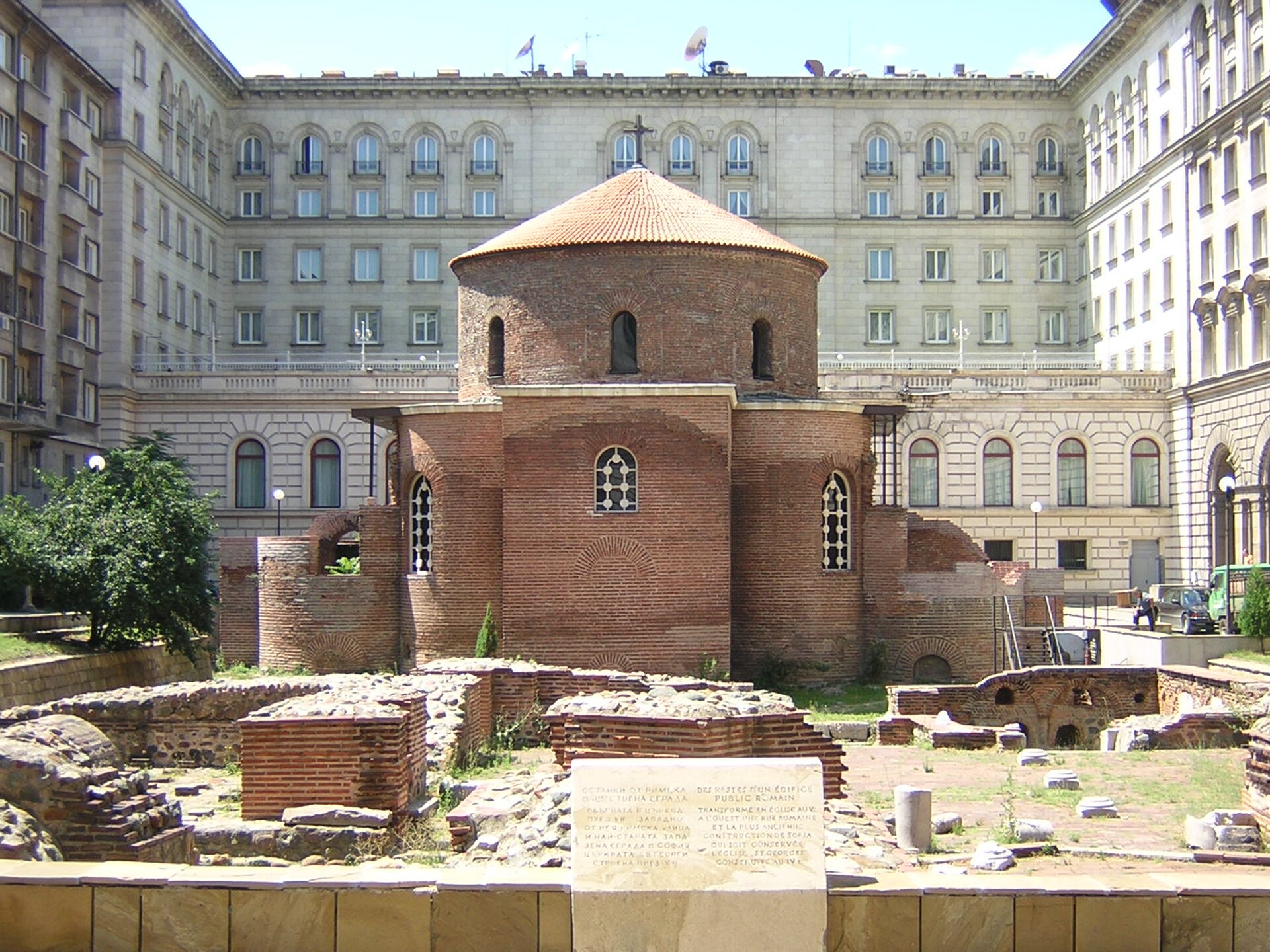
Insider tip: The rotunda is easy to walk straight past, because it is hemmed in by government buildings; aim for the courtyard off Saborna Street. The Roman ruins at the Largo are free and never close, so they make a good first stop straight off the airport metro.
3. Boyana Church
On the lower slopes of Vitosha, 8km from the centre, Boyana Church is small enough to miss and important enough to be a UNESCO World Heritage Site. Its draw is a set of frescoes painted in 1259 by an unknown master whose realistic faces and three-dimensional figures predate the Italian Renaissance by decades. Only nine visitors go in at a time, for ten strictly enforced minutes, which is exactly long enough and keeps the humidity down.
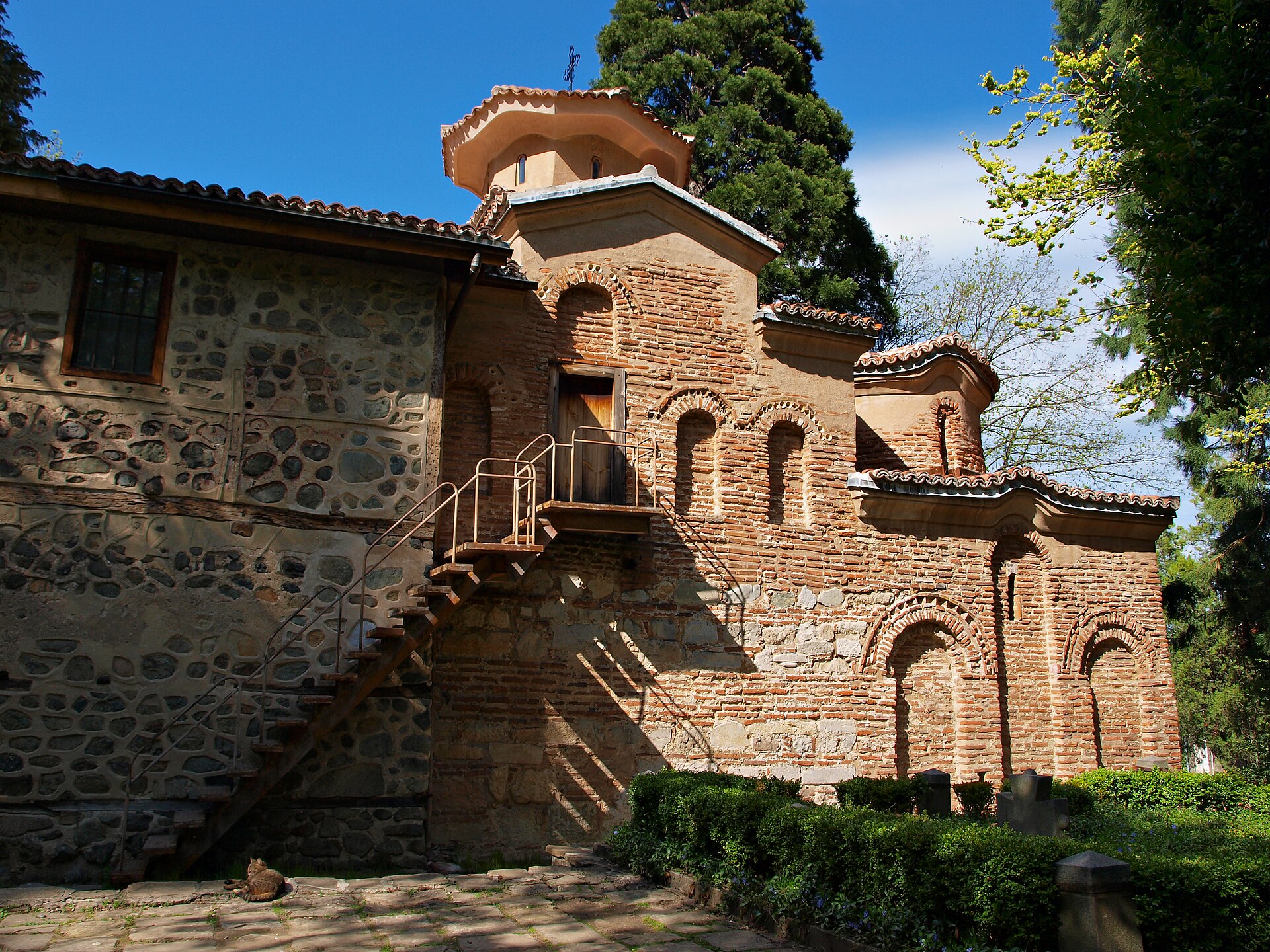
Insider tip: Tickets (12 leva, about 6 euro) are sold at the on-site desk only, with no online booking, so arrive early on summer weekends. Pair it with the National History Museum, a 15-minute walk away in the former communist government residence, whose Thracian gold is the real reason to make the trip out here. Bus 64 from the Hladilnika metro area drops you close to both.
4. The Square of Tolerance: mosque, synagogue and cathedral
Within about 300 metres of each other stand the Banya Bashi Mosque, the Sofia Synagogue, the Orthodox Sveta Nedelya Church and the Catholic cathedral, a cluster locals call the Square of Tolerance. The mosque, designed by the Ottoman architect Mimar Sinan and finished in 1566, is Sofia's only working mosque and sits over natural hot springs; you can still see steam rising from vents nearby. The Sofia Synagogue, opened in 1909, is one of the largest Sephardic synagogues in Europe and hangs a two-tonne brass chandelier under its octagonal dome.

Insider tip: The mineral springs between the mosque and the restored Central Mineral Baths are free and drinkable, and you will see residents filling five-litre bottles at the public taps. Bring an empty bottle; the water comes out of the ground at 37C and tastes faintly of minerals.
5. Vitosha Boulevard and the city-centre core
Vitosha Boulevard, "Vitoshka" to everyone who lives here, is the pedestrian spine of the centre, running from the hulking National Palace of Culture (NDK, the largest congress centre in southeast Europe, opened in 1981) toward the old town, with the mountain framed dead ahead. It is where Sofia does its people-watching: pavement cafes, a Serdika II mall's worth of shops, and some of the best rakia bars in the city. The side streets off it, around Solunska and Tsar Shishman, hold the independent coffee shops and wine bars.

Insider tip: The NDK park fountains are a local meeting point and the steps are a fine spot for a cheap takeaway banitsa. Note that the yellow trams cross the centre but not the boulevard itself, which is car-free; if your feet give out, trams 1 and 7 cover the parallel streets.
6. Mount Vitosha
Few capitals have a 2,290m mountain inside the city limits. Vitosha's highest point, Cherni Vrah ("Black Peak"), is a genuine summit reachable on foot from the Aleko hut, and the lower trails pass the Boyana Waterfall and the surreal "Stone Rivers", kilometre-long runs of granite boulders. In winter the Aleko area has ski runs; in summer it is Sofia's hiking and paragliding playground.

Insider tip: Public transport gets you most of the way: metro line M2 to Vitosha, then tram 10, then bus 66 to Aleko, or bus 64 to Boyana for the waterfall, all on the standard 0.80 euro ticket. The chairlifts and the Simeonovo gondola have been closed on and off for years over a land dispute, so check skivitosha.com before counting on a lift up, and go on a weekday to dodge the weekend crowds.
7. Rila Monastery (day trip)
The single best thing you can do from Sofia is leave it for a day. Rila Monastery, 120km south in the Rila mountains, is the spiritual heart of Bulgaria: founded in the 10th century, rebuilt in the 19th after a fire, and wrapped in candy-striped arcades over vivid exterior frescoes that pull your eye in every direction. The courtyard and main church are free; small fees apply for the museum, which keeps Rafail's Cross, a wooden crucifix one monk spent 12 years carving with scores of biblical scenes and hundreds of tiny figures.

Insider tip: There is no longer a scheduled public bus, so take an organised day tour (about 35 euro, often combined with Boyana Church) or a booked shuttle (about 30 euro). Go early; the tour buses arrive mid-morning, and the courtyard is at its most photogenic and quietest before 10:00. The monastery bakery sells warm, fist-sized mekitsi doughnuts.
🗓️ How to Spend Three Days in Sofia
Day 1: The historic core on foot
Start at the Serdica Roman ruins (free) straight off the metro, then walk five minutes to the Rotunda of St George. Cross to the Square of Tolerance for the mosque, synagogue and the mineral-water taps, then head up to Alexander Nevsky Cathedral and its crypt. Lunch at Divaka near the centre (a clay-pot sach runs about 12 euro). Spend the afternoon strolling Vitosha Boulevard to the NDK, and finish with rakia and small plates at a bar off Tsar Shishman. Total walking is under 5km, all flat.
Day 2: Boyana, the museum and the mountain's foot
Take bus 64 toward Boyana (about 30 minutes, 0.80 euro) for the Boyana Church frescoes, then walk to the National History Museum for the Thracian gold (budget two hours). In the afternoon, carry on up to Boyana Waterfall for an easy 90-minute return walk, or head back into town for the Central Market Hall and the grittier Zhenski Pazar produce market. Dinner at Manastirska Magernitsa, which cooks from an old monastery recipe book, around 20-25 euro a head with wine.
Day 3: Rila Monastery or a Vitosha hike
Choose your landscape. Either join a Rila Monastery day tour (about 35 euro, roughly 09:00 to 18:00, often with a stop at the Stob earth pyramids or Boyana), or spend the day on Mount Vitosha: metro to Vitosha, tram 10, bus 66 to Aleko, and hike up to Cherni Vrah (about 2 hours each way, 0.80 euro to get there). Back in the city, end with dinner and the sunset view from a rooftop bar on Vitosha Boulevard.
✅ Essential Sofia Travel Tips
When is the best time to visit Sofia?
Aim for May and June or September and October. Daytime highs sit around 20-25C, the lindens on the boulevards are in leaf or turning, and both hotel prices and crowds drop off from the July-August peak, when highs reach about 28C. Winter is cold, with January lows around -5C and reliable snow that opens the Vitosha ski runs from roughly December to March. Spring can be wet (June is the rainiest month), so pack a light layer whatever the forecast.
How do you get around Sofia?
The centre is walkable, and the metro, trams and buses cover the rest cheaply. A single 30-minute ticket is 0.80 euro, a one-day all-lines ticket is 2 euro, and you can tap a contactless bank card at metro gates and on board buses and trams, which is far simpler than buying paper tickets. The main east-west line (M1/M4) and the north-south M2 cross at the central Serdika station. From the airport, metro M4 leaves from Terminal 2 and reaches the centre in about half an hour; if you land at Terminal 1, take the free shuttle to Terminal 2 first.
Is Sofia safe for tourists?
Yes, broadly. Violent crime against visitors is rare and the centre feels relaxed late into the evening. The real nuisances are taxi overcharging and pickpockets. For taxis, use OK Supertrans (look for the phone number 9732121 and the name in Cyrillic on the door; the official daytime rate is about 0.79 lev per kilometre) and book at the marked desk inside airport arrivals rather than accepting anyone who approaches you in the terminal, which is the single most common scam. Watch your bag on crowded trams and at the Zhenski Pazar market, and ignore the three-cup "shell game" you may see near the centre.
What should you eat in Sofia?
Bulgarian food is Balkan comfort cooking: grilled meat, white cheese, yoghurt and garden vegetables. Start the day with banitsa, a coil of filo pastry filled with salty sirene cheese, from a bakery such as Hlebar (about 2.50 euro). Order shopska salad (tomato, cucumber, raw onion and a snowdrift of grated white cheese), tarator (a cold cucumber-and-yoghurt soup, excellent in summer, about 3 euro at Supa Star), and kebapche or kyufte off the grill. For a full sit-down spread of the classics, Hadjidraganovite Kashti cooks in four restored 19th-century houses. Drink rakia, the fruit brandy locals treat as a national sport, and a glass of Bulgarian Melnik or Mavrud red.
🏨 Where to Stay in Sofia
Sofia's accommodation is a bargain by EU standards, and the centre is small enough that you can stay almost anywhere within the inner ring and still walk to the sights.
Budget
Hostels cluster near the centre and Vitosha Boulevard, with dorm beds around 15-20 euro and simple private doubles from about 45 euro. Hostel Mostel, in a grand old building near the centre, is a long-running favourite and throws in breakfast and a vegetarian dinner; 5 Vintage Guest House is another reliable cheap pick just off Vitoshka.
Mid-range
Expect 70-120 euro a night for a boutique hotel or a central apartment. Art 'Otel and Design Hotel 36 sit in the thick of the Vitoshka cafe scene, while Crystal Palace Boutique Hotel in quieter, upscale Oborishte puts you a short walk from the cathedral with an underground garage if you are driving.
Luxury
The top end runs roughly 150-300 euro, a fraction of what the same standard costs in western Europe. The Hyatt Regency Sofia overlooks the Nevsky cathedral square and has the city's best rooftop bar; the InterContinental Sofia and the grand old Sofia Balkan Palace (the former Sheraton, built over the Serdica ruins) are the other blue-chip choices, all in Oborishte or on the central Largo.
🎭 Beyond the Tourist Trail
Most visitors never leave the Largo-to-cathedral strip, which is a shame, because Sofia’s character lives in its edges. The run worth seeking out is Tsar Shishman Street and the Oborishte quarter just east of the centre, where independent wine bars, small galleries and the specialty coffee the city has quietly got good at fill a row of early-20th-century townhouses. For nightlife on a student budget, the bars around Studentski Grad go loud and late.
For a free, genuinely useful orientation, the Free Sofia Tour leaves daily from the Palace of Justice and is run by locals who will point you at the things guidebooks skip. Time your trip around late May and you catch the Sofia Music Weeks festival; come in early December and the city garden in front of the National Theatre turns into a modest but cheerful Christmas market with mulled wine and grilled sausage. And if you have an extra half-day, the Central Sofia Cemetery and the sprawling, decaying grandeur of the former communist Party House tell more of the 20th-century story than any museum.
❓ Sofia FAQ
How many days do you need in Sofia?
Two full days cover central Sofia's cathedrals, Roman ruins and museums at a walkable pace. Add a third day for a trip out of the city, either Boyana Church plus the National History Museum, a half-day hike on Mount Vitosha, or a full day at Rila Monastery two hours south.
What is the best time to visit Sofia?
May to June and September to October are the best months: daytime highs around 20-25C, thinner crowds and lower prices than midsummer. July and August are warm (around 28C) and busiest, while December to March is cold and snowy and the season for skiing on Mount Vitosha.
How do you get from Sofia Airport to the city centre?
Take metro line M4, which has its terminus at Terminal 2, straight into town. A single ticket is 0.80 euro and the central Serdika station is about 12 stops away. An official OK Supertrans taxi, booked at the desk inside arrivals, costs roughly 13 euro.
Is Sofia safe for tourists?
Sofia is one of Europe's safer capitals for visitors, with violent crime against tourists rare. The main risks are pickpockets on busy trams and taxi drivers who overcharge: use only OK Supertrans cabs (phone number 9732121 on the door) and book at the official airport desk rather than accepting touts.
What should you eat in Sofia?
Try banitsa (a cheese-filled filo pastry eaten for breakfast), shopska salad (tomato, cucumber and grated white cheese), tarator (cold cucumber-and-yoghurt soup), and grilled kebapche. Wash it down with rakia, the local fruit brandy. Divaka and Manastirska Magernitsa serve classic Bulgarian cooking in the centre.
Do you need to book Boyana Church in advance?
No. Boyana Church sells tickets only at the on-site desk (12 leva, about 6 euro), and visits inside are capped at nine people for ten minutes to protect the 13th-century frescoes. Arrive early in peak season to avoid a wait, and combine it with the nearby National History Museum.
Is Sofia expensive?
No. Sofia is among the cheapest capital cities in the EU even after Bulgaria adopted the euro in January 2026. A hostel dorm runs about 15-20 euro, a sit-down meal around 10-14 euro, a single transport ticket 0.80 euro, and a day's all-in budget travel costs roughly 45 euro.
What is the best area to stay in Sofia?
Stay in the city centre or Oborishte to walk to the main sights. The centre, around Vitosha Boulevard, puts you among shops and restaurants; Oborishte, next to Alexander Nevsky Cathedral, is quieter and holds most of the five-star hotels. Both sit on or near the metro.
❤️ Plan Your Sofia Trip with VoyaBear
Sofia rewards a traveller who knows which ten minutes at the cathedral matter, which bus climbs Vitosha, and which day to save for Rila. That is exactly what VoyaBear builds for you: tell it how long you have, what you like and how you like to move, and it turns this guide into a personalised, day-by-day Sofia itinerary with the timings, costs and routes already worked out. Start planning your trip to Sofia with VoyaBear and let the bear handle the logistics while you concentrate on the rakia.
Want this as an actual itinerary?
VoyaBear turns a guide like this into a day-by-day plan built around how you travel.
Plan my trip free