Tokyo 2026: The Complete Guide to Japan's Capital
10 August 2026 · 11 min read
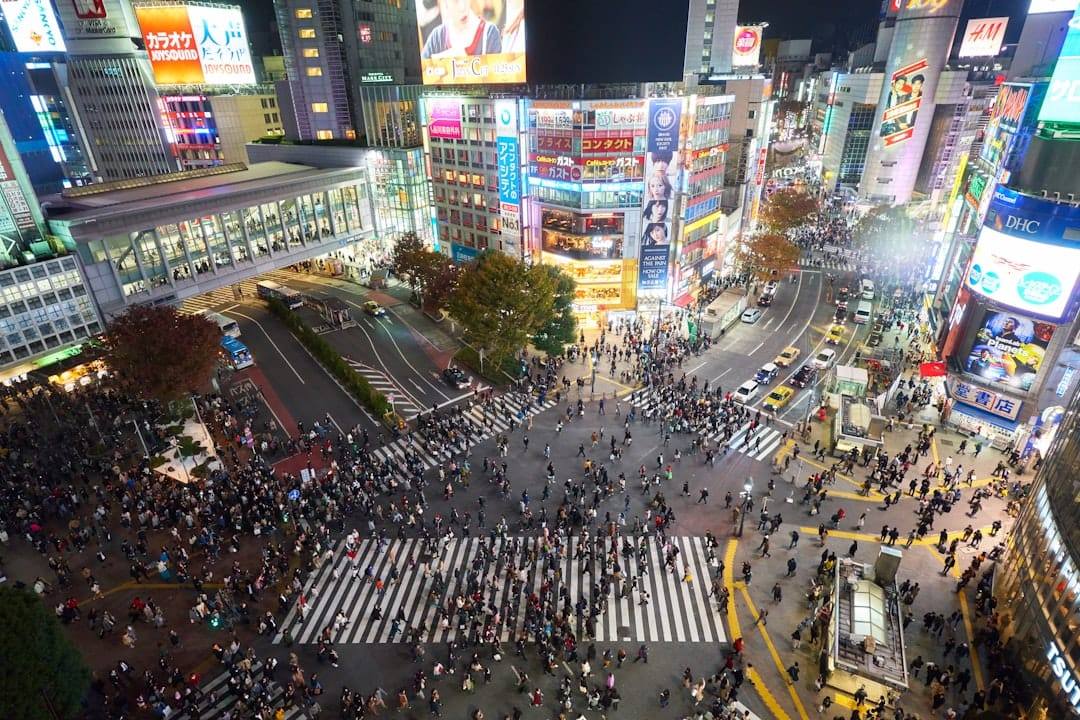
Tokyo is a city where a 1,400-year-old temple sits a fifteen-minute train ride from a barefoot digital art museum, and where the world's busiest pedestrian crossing funnels up to 3,000 people across the tarmac on a single light change. In September 2025 the Park Hyatt in Shinjuku — the hotel from Lost in Translation — reopened after a 19-month renovation, and teamLab Planets in Toyosu confirmed it will keep its doors open through the end of 2027 rather than closing in 2023 as first planned. Both are reasons 2026 is a good year to go. What makes Tokyo work as a trip is not any single sight but the machine underneath it: trains that arrive to the second, a tap-to-ride IC card that works on almost everything, and neighborhoods distinct enough that you can eat conveyor-belt sushi for breakfast in Tsukiji and stand 229 metres above Shibuya by sunset. This guide covers what to actually do, what it costs in 2026, and where to skip the queue.
🎭 Essential Experiences
Senso-ji Temple, Asakusa
Tokyo's oldest temple, founded in 645, anchors the old-town district of Asakusa. You enter through the Kaminarimon ("Thunder Gate") and its 700-kilogram red paper lantern, then walk Nakamise-dori, a 250-metre shopping street of stalls selling ningyo-yaki cakes and rice crackers, to the main hall. Entry to the temple and grounds is free. The main hall (Hondo) is open 06:00–17:00 (from 06:30 October–March), but the grounds never close.
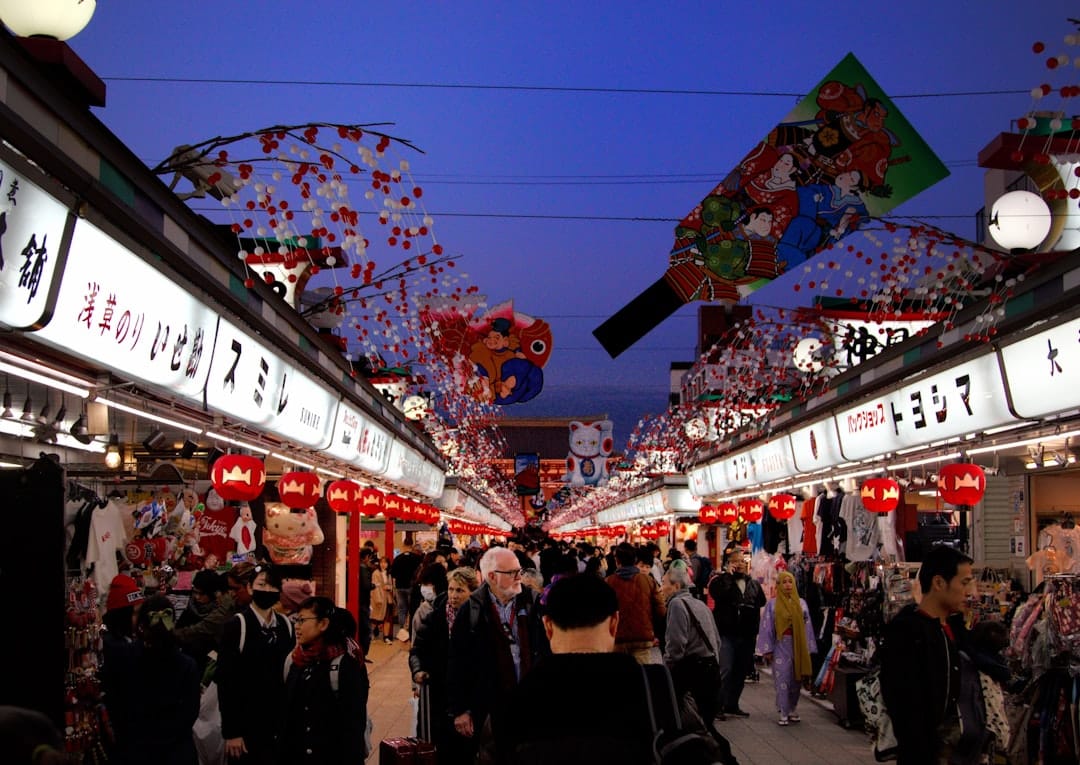
Insider tip: Come at 07:00 before the tour buses and Nakamise vendors roll up their shutters — you get the five-story pagoda and the empty approach almost to yourself, and the light is better for photos. Draw an omikuji fortune for ¥100 (about $0.70); if you pull "bad luck," tie it to the metal rack to leave it behind, as locals do. Asakusa Station is served by the Ginza, Asakusa and Tobu lines.
teamLab Planets, Toyosu
This is not a museum you look at — you wade through it, barefoot, sometimes in knee-deep water. teamLab Planets is a sequence of immersive digital rooms: a hall of hanging mirrored orbs, a floor of projected koi that burst into flowers when you touch them, and a warm-water room where light patterns swim past your shins. Adult admission starts at ¥3,600 (about $24 / €22), timed-entry and frequently sold out, so book online days ahead. It runs roughly 08:00–22:00 (hours shift by date, last entry one hour before close) and is confirmed open through the end of 2027.
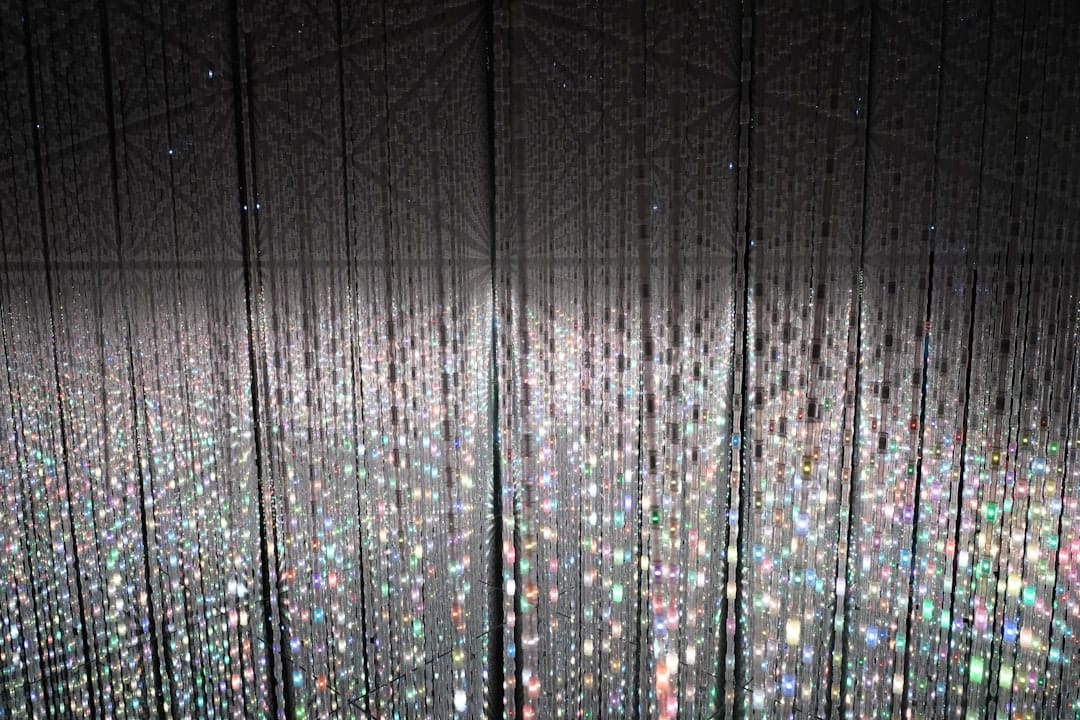
Insider tip: Wear shorts or clothes you can roll above the knee — you will walk through water, and the venue lends coverups for anyone in a skirt, which slows you down. It is one minute on foot from Shin-Toyosu Station on the Yurikamome line. Go for the first slot of the day to beat both crowds and the midday heat in the queue.
Tokyo Skytree, Sumida
At 634 metres, Skytree is the tallest tower in Japan and the second-tallest structure on earth. The Tembo Deck at 350 metres has a glass floor panel you can stand on; the Tembo Galleria at 450 metres is a spiralling glass tube that climbs another 100 metres. Advance adult tickets for the 350-metre deck are ¥1,800 on weekdays and ¥2,100 on weekends and holidays (about $12–14); the combo ticket for both decks is ¥2,700 weekday / ¥3,100 weekend (about $18–21).
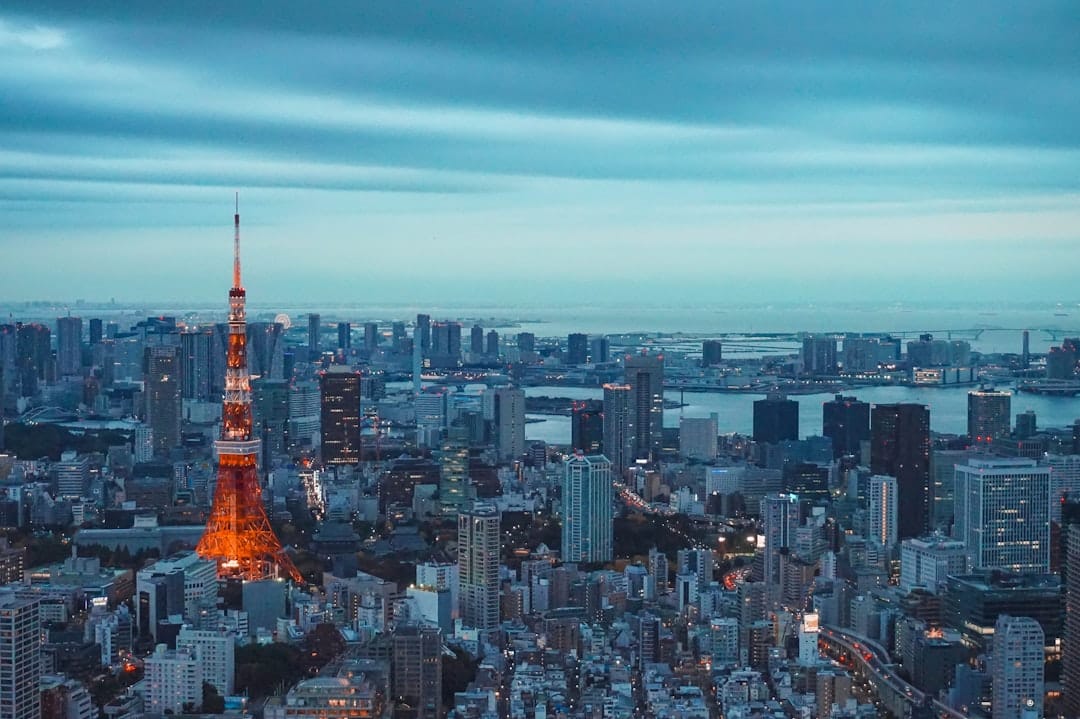
Insider tip: On a clear day between November and February you can see Mount Fuji, 100 kilometres southwest, best in the hour before sunset. Skip the 450-metre Galleria upgrade unless the visibility is genuinely excellent — the 350-metre deck already gives you the whole city. It sits directly above Tokyo Skytree Station (Tobu) and Oshiage Station.
Shibuya Sky
The open-air rooftop of Shibuya Scramble Square puts you 229 metres above the Shibuya Scramble Crossing, with nothing but a glass barrier between you and the sprawl. It is the best sunset viewpoint in central Tokyo because the deck faces west toward the Shinjuku skyscrapers and, on clear evenings, Mount Fuji. Tickets are ¥2,500 online / ¥2,600 at the door (about $17). Open 10:00–22:30, last entry 21:20.
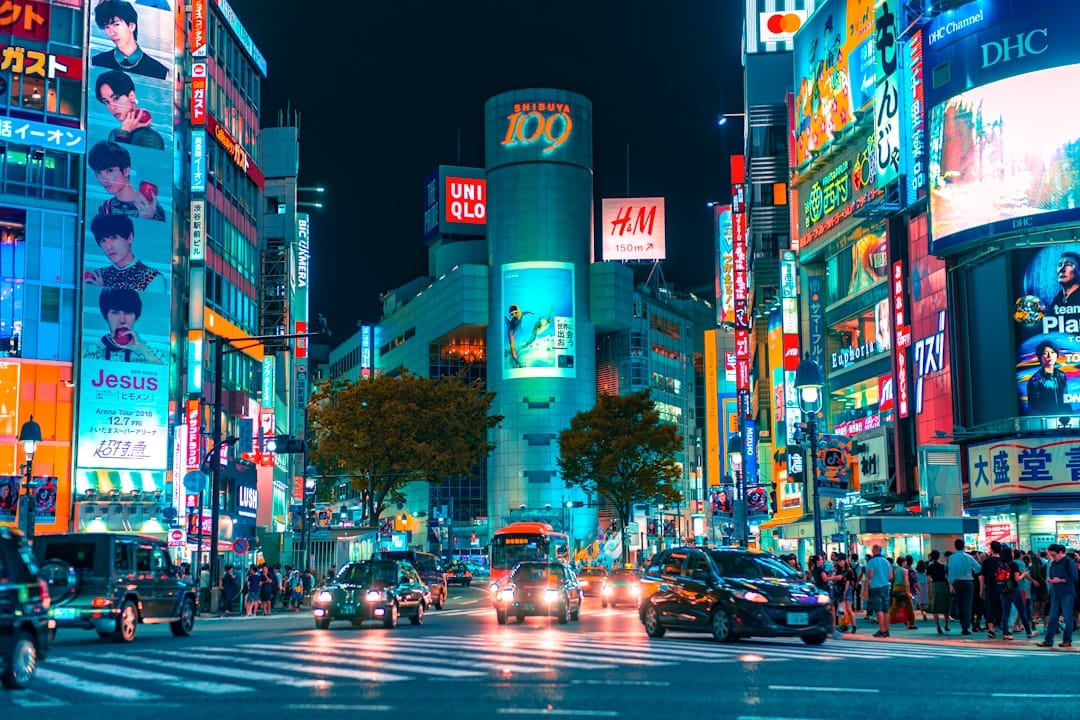
Insider tip: Book the timed slot roughly 40 minutes before sunset so you catch both the golden light and the city switching on. The corner "Sky Edge" photo spot draws a line — head there first, then wander. Down at street level, the second-floor window of the Starbucks in Tsutaya overlooks the crossing for the price of a coffee if you don't want to pay for the deck.
Meiji Jingu, Harajuku
A Shinto shrine dedicated to Emperor Meiji, set inside a 70-hectare forest of 100,000 donated trees that was planted from scratch a century ago and now feels genuinely wild. You walk under towering wooden torii gates on gravel paths, and the traffic noise of Harajuku vanishes within two minutes. Entry to the shrine grounds is free, open sunrise to sunset with no closing days. The separate Inner Garden (Gyoen) costs ¥500 and is worth it in mid-June when the irises bloom.
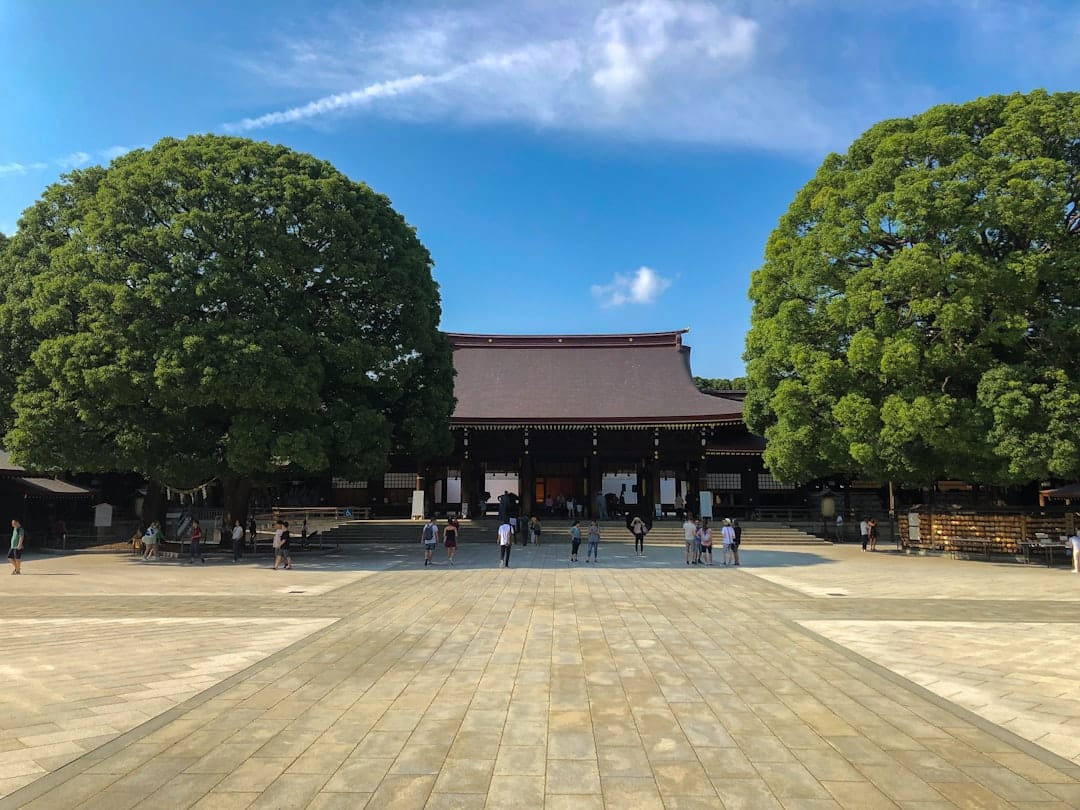
Insider tip: Arrive right at opening on a weekend and you have a real chance of seeing a traditional Shinto wedding procession cross the main courtyard. It is a two-minute walk from Harajuku Station, which means you can pair the calm of the shrine with the chaos of Takeshita-dori's crepe stands and vintage shops directly across the tracks.
Shinjuku Gyoen
The best garden in central Tokyo, and the one to prioritise if you get exactly one. Shinjuku Gyoen blends three styles in 58 hectares: a formal French parterre, an English landscape lawn, and a traditional Japanese garden with a teahouse and koi ponds. Admission is ¥500 (about $3.30 / €3). Open 09:00–18:00 from mid-March to end of September (until 19:00 from 11 June to 31 July), and 09:00–16:30 in winter; closed Mondays.
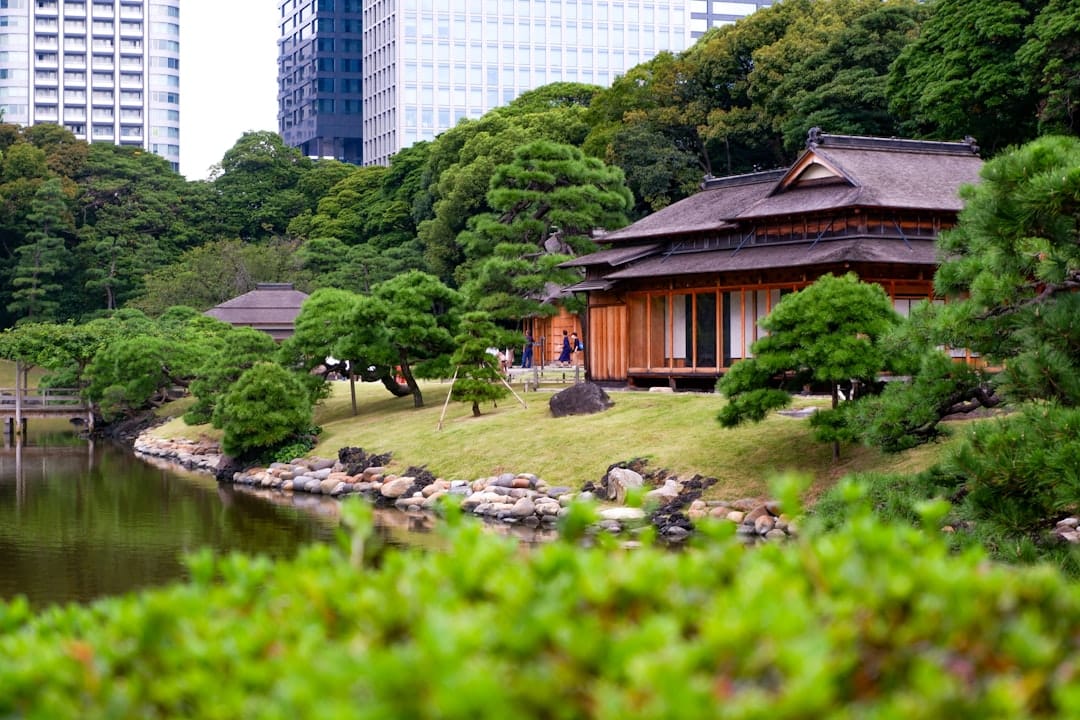
Insider tip: This is one of Tokyo's premier cherry-blossom spots in late March and early April because it holds over a dozen sakura varieties that bloom in sequence, stretching the season to nearly a month — later than the parks that peak in a single week. Unlike Ueno and Yoyogi, alcohol is banned inside, so it stays a picnic ground rather than a party. Enter from the Shinjuku-gyoemmae gate (Marunouchi line), the quietest of the three.
Tokyo National Museum, Ueno
Japan's oldest and largest museum holds the deepest collection of Japanese art and artifacts anywhere — samurai armour, 700-year-old swords, ukiyo-e woodblock prints, and Buddhist sculpture, spread across several buildings in Ueno Park. General adult admission is ¥1,000 (about $6.70 / €6); open 09:30–17:00, until 20:00 on Fridays and Saturdays, closed Mondays.
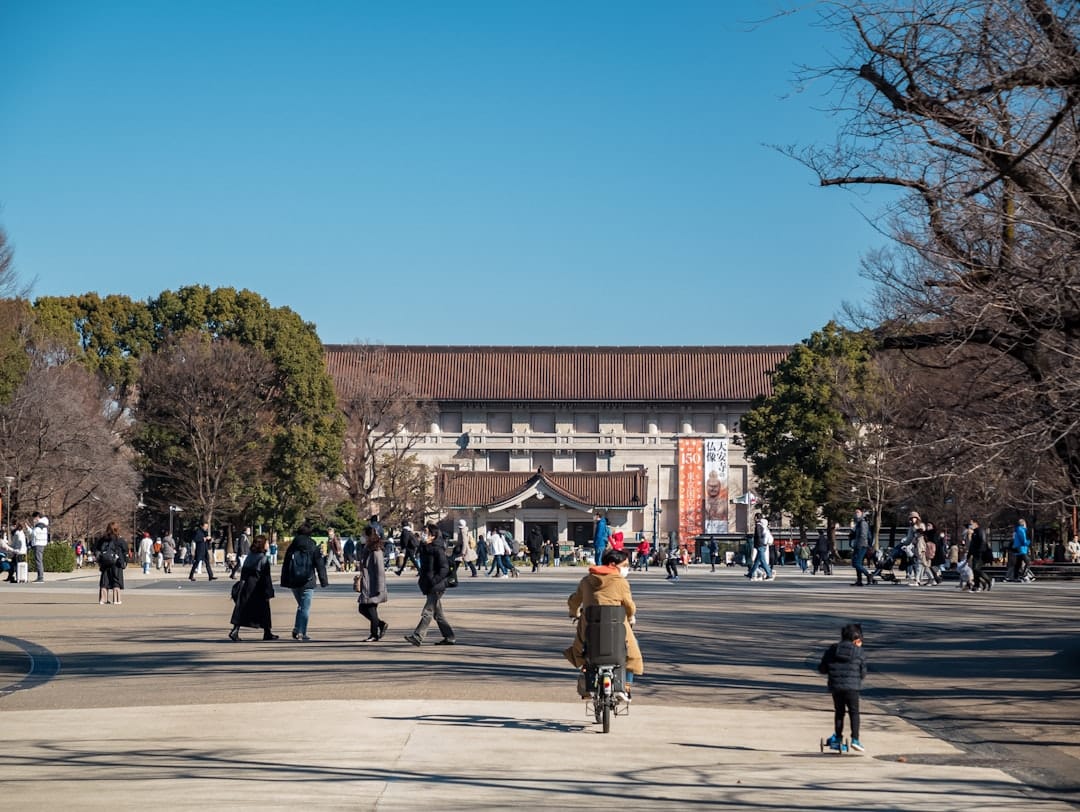
Insider tip: Go straight to the Honkan (Japanese Gallery) and the Gallery of Horyuji Treasures rather than trying to see all six buildings — two hours here beats a rushed four. The surrounding Ueno Park is free and packs in a zoo, several other museums, and Tokyo's rowdiest cherry-blossom viewing, so build the museum into a half-day in the park.
Tsukiji Outer Market
The famous tuna auction moved to Toyosu in 2018, but the Outer Market (Jogai Shijo) stayed put in Tsukiji and is the better food experience for a visitor: dozens of narrow lanes of stalls selling grilled scallops, fresh uni, tamagoyaki, and knives. Grilled tamagoyaki skewers run about ¥100–150 (roughly $1) from stalls like Yamacho and Marutake; a fatty-tuna sushi set at a counter runs ¥2,000–4,000.
Insider tip: Arrive between 08:00 and 10:00 — most stalls open around 08:00 and many sell out and shut by early afternoon, so this is a breakfast, not a lunch. Bring cash; a lot of the small vendors still don't take cards. Tsukiji Station (Hibiya line) and Tsukijishijo Station (Oedo line) both drop you at the edge.
🗓️ A Three-Day Itinerary
This routes you by geography so you're not crossing the city twice a day. Distances are covered on Tokyo's subway and the JR Yamanote loop; nothing below is more than a 25-minute ride.
Day 1 — Old Tokyo: Asakusa, Skytree, Ueno
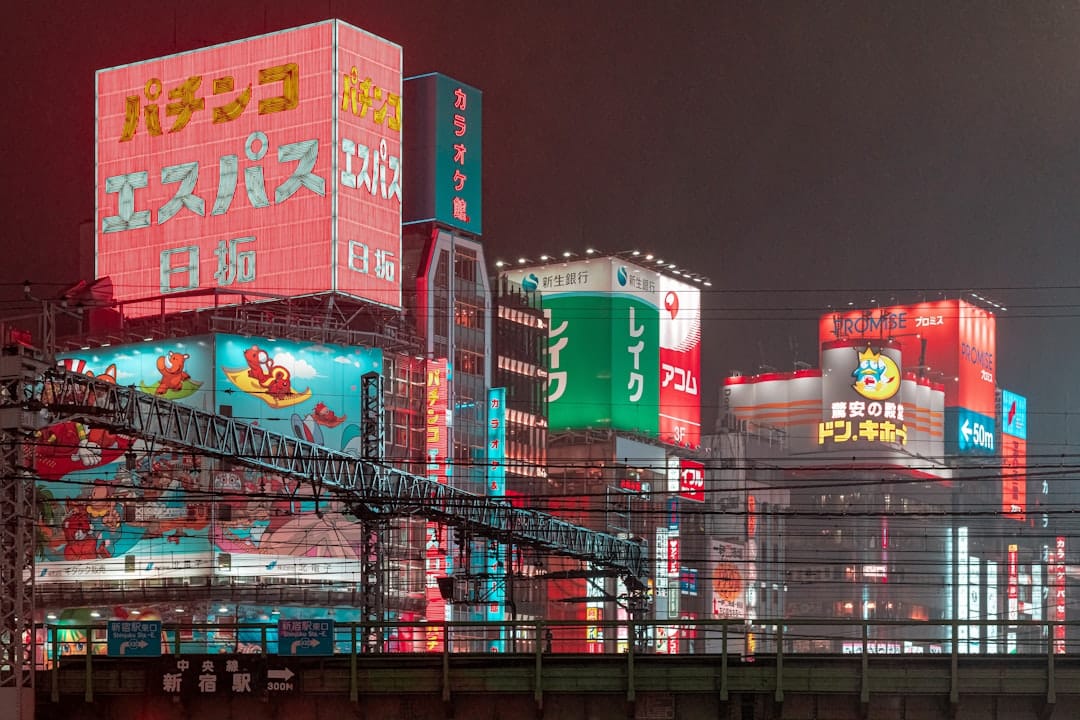
Start at Senso-ji at 07:00 while it's empty (free). Walk 20 minutes across the Sumida River — or one stop on the Tobu line — to Tokyo Skytree for the mid-morning view (¥1,800 / about $12). Ride the Ginza line to Ueno for lunch and the Tokyo National Museum (¥1,000 / about $6.70), then wander Ueno Park. In the evening, take the Yamanote loop to Akihabara for the electric-town neon and a bowl of ramen. Rough transit cost for the day: about ¥700 ($4.70) on an IC card.
Day 2 — Modern Tokyo: Toyosu, Shibuya, Shinjuku
Book the first slot at teamLab Planets in Toyosu (¥3,600 / about $24), 90 minutes inside. Take the Yurikamome and then the subway to Shibuya for lunch and the Scramble Crossing; say hello to the Hachiko dog statue outside the station. Time a late-afternoon Shibuya Sky slot for sunset (¥2,500 / about $17). Finish in Shinjuku: eat yakitori under the tracks in Omoide Yokocho (skewers ¥150–400 each), then have one drink in the tiny bars of Golden Gai (expect a ¥500–1,000 cover charge per bar).
Day 3 — Green Tokyo: Harajuku, Meiji, Shinjuku Gyoen
Open the day at Meiji Jingu (free) before the crowds, then cross to Takeshita-dori in Harajuku for the crepe stands and cross Omotesando, Tokyo's tree-lined luxury boulevard. After lunch, spend the afternoon slowly in Shinjuku Gyoen (¥500 / about $3.30). If you have energy left, this is the day to add Shibuya Sky if you missed it, or head to Kuramae (see below) for coffee. Transit for the day is minimal — most of it is walkable — roughly ¥400 ($2.70).
🧠 Essential Tips
When to go
The two best windows are late March to early April for cherry blossoms — Shinjuku Gyoen, Ueno Park and the Meguro River are the marquee spots — and November for autumn foliage, when the ginkgo avenue at Meiji Jingu Gaien turns gold and the weather is dry and mild. Avoid mid-June to mid-July, the rainy season (tsuyu), and August, which is hot and humid at 33–35°C with high tourist prices. Winter (December–February) is cold but clear, quiet, and the cheapest time to fly, with the bonus of the best Mount Fuji visibility from the observation decks.
Getting from the airport
From Narita, the Keisei Skyliner is the fastest option: ¥2,470 (about $16), roughly 41 minutes to Nippori and 44 to Keisei-Ueno, where you connect to the Yamanote loop. From Haneda, which is much closer, the Keikyu Line or Tokyo Monorail reaches central Tokyo in around 15–30 minutes for ¥300–500. Both airports sell the Welcome Suica card on arrival.
Getting around
Buy a Suica or Pasmo IC card and tap through every gate — the base Tokyo Metro fare is ¥180 and rides are distance-based. Tourists arriving at the airport can get a Welcome Suica (no deposit, valid 28 days) or load Suica straight onto an iPhone or Android via Apple/Google Wallet, which sidesteps the physical-card shortage. If you'll ride the subway heavily, the tourist-only Tokyo Subway Ticket gives unlimited Tokyo Metro and Toei rides for 24/48/72 hours at ¥1,000 / ¥1,500 / ¥2,000 (about $6.70–13), but note it does not cover the JR Yamanote line. For routing, Google Maps is excellent in Tokyo; locals lean on Yahoo! Japan Transit or the Japan Transit Planner (Jorudan) apps, which show exact platforms and the cheapest transfers.
Staying safe
Tokyo is one of the safest major cities on earth — violent crime against tourists is rare and you can ride the last train without worry. The one scam worth naming is the "bottakuri" rip-off bar: touts in Kabukicho (the nightlife district behind Shinjuku's east side), and increasingly around Shibuya and Roppongi, lure foreigners into bars that then present a padded bill for tens of thousands of yen. Tokyo police issued fresh warnings about it through 2026 as tourist numbers surged. The rule is simple: never follow a street tout to a bar, and don't enter a place that won't show prices upfront. Otherwise, carry cash (many small restaurants are cash-only) and note that eating while walking is considered rude.
What to eat
Beyond Tsukiji, chase the specialists. For ramen, Afuri does a light yuzu-shio broth (bowls around ¥1,200) and Ichiran serves tonkotsu in solo booths. For sushi, a standing counter like a Uogashi Nihon-Ichi branch gets you fresh nigiri from ¥100–300 a piece without a reservation. Try monjayaki, a runny savoury pancake you grill yourself, in the Tsukishima district's Monja Street; tonkatsu (breaded pork cutlet) at a specialist like Butagumi; and grilled unagi eel over rice. Convenience stores — 7-Eleven, Lawson, FamilyMart — are genuinely good for a ¥500 breakfast: the egg salad sandwich and onigiri rice balls are a Tokyo institution, not a compromise.
🏨 Accommodation Guide
Budget (¥3,000–8,000 / about $20–55 a night): Base yourself in Asakusa or Kuramae for old-town character and easy temple access. Nui Hostel & Bar Lounge in Kuramae is a design-led hostel with a well-known ground-floor café; the Khaosan chain runs several clean, social hostels around Asakusa. Dorm beds sit at the low end of that range, private pods at the top.
Mid-range (¥15,000–35,000 / about $100–235 a night): Shinjuku and Shibuya put you on the JR loop with endless food at street level. Hotel Gracery Shinjuku sits in Kabukicho with a life-sized Godzilla head on its terrace; the Mimaru brand offers apartment-style rooms with kitchenettes that suit families or longer stays. Book two to three months ahead for spring and autumn.
Luxury (¥60,000+ / about $400+ a night): The reborn Park Hyatt Tokyo in Shinjuku (reopened September 2025) still runs the New York Grill on the 52nd floor. In Otemachi, Aman Tokyo occupies the top six floors of a tower with a soaring stone-and-paper lobby, and Hoshinoya Tokyo is a modern ryokan with tatami floors and a rooftop hot-spring bath. The Peninsula Tokyo in Marunouchi is the pick for proximity to the Imperial Palace and Ginza.
❤️ Beyond the Tourist Trail
Kuramae, a few stops from Asakusa, has been dubbed "Tokyo's Brooklyn" for good reason: it's a low-rise grid of independent coffee roasters, leather and stationery workshops, and riverside cafés, best explored on foot on a weekday afternoon. Shimokitazawa, west of Shibuya on the Keio and Odakyu lines, is the vintage-clothing and live-music district — a warren of thrift shops, tiny theatres and record stores with no chain-store gloss. For a slower pace, Yanaka in the northeast survived the war and the bubble largely intact: wooden houses, a sprawling old cemetery, and the Yanaka Ginza shopping street where you can buy a menchi-katsu croquette for ¥250 and eat it on the "sunset stairs."
For a dated event, aim for the Sumida River Fireworks Festival on the last Saturday of July, when roughly 20,000 shells launch over the water near Asakusa and Skytree to a crowd approaching a million — arrive by mid-afternoon to claim a riverbank spot. In mid-May, the Sanja Matsuri at Senso-ji fills Asakusa's streets with portable shrines and traditional processions over three days.
Plan your Tokyo trip with VoyaBear
Tokyo rewards a plan — the timed-entry tickets, the sunset slots, the neighborhoods routed so you're not backtracking across a city of 14 million people. VoyaBear builds personalised, day-by-day itineraries around exactly how you like to travel: your pace, your budget, and whether you're chasing cherry blossoms, sushi counters, or teamLab's water rooms. Tell us when you're going and what you want out of Tokyo, and we'll handle the logistics so you can spend your time eating, wandering, and looking up. Start planning your trip at VoyaBear today.
Want this as an actual itinerary?
VoyaBear turns a guide like this into a day-by-day plan built around how you travel.
Plan my trip free