Varanasi 2026: The Complete Guide to India's Holy City on the Ganges
18 September 2026 · 11 min read
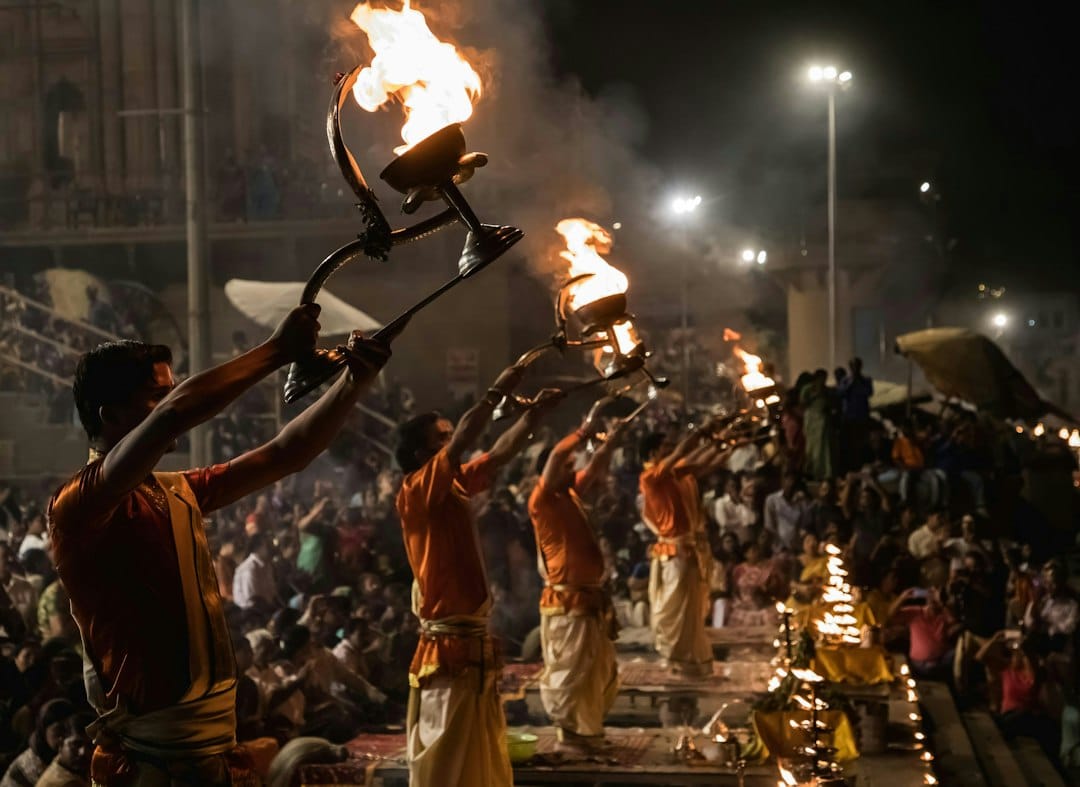
Varanasi does not ease you in. Step off the lane at Dashashwamedh Ghat at dusk and you are shoulder to shoulder with pilgrims, cows, marigold sellers and priests swinging seven-tiered brass lamps over the Ganges while temple bells hammer the air. This is one of the oldest continuously lived-in cities on earth — settled for roughly 3,000 years — and it runs on a logic older than tourism. In December 2021 that ancient core got a modern jolt: the Kashi Vishwanath Dham corridor opened, clearing a warren of houses to link the golden-spired temple directly to the river and pushing daily visitor numbers into the hundreds of thousands. The result in 2026 is a city that is both easier to navigate and more crowded than it has been in living memory. Come for the ghats at sunrise, the cremation fires at Manikarnika, and the Buddha's first sermon site 10 km up the road — but come knowing Varanasi rewards patience and punishes the person in a hurry.
🎭 Essential Experiences
1. The Ganga Aarti at Dashashwamedh Ghat
Every evening, on a stone platform at Dashashwamedh Ghat, young priests in matching robes perform the Ganga Aarti — a choreographed fire ritual of conch blasts, incense, and flaming multi-tiered lamps offered to the river. It lasts about 45 minutes and starts around 6:45 PM in summer and 5:45 PM in winter (it shifts with sunset). Watching from the steps is free. The catch is the crowd: in winter the ghat is packed solid by 5:15 PM, so arrive 30–45 minutes early or you will be watching the backs of a thousand heads.
Insider tip: The best seat is on the water. A shared boat runs about ₹80–150 per person (roughly $1–2 / €1–2) and gives you an unobstructed, elbow-free view of the whole platform lit up from the river. Book it in the afternoon rather than at 6 PM, when walk-up prices jump 20–40%. Skip the "VIP chair" touts on the steps — you are paying a premium to sit behind the priests.
2. A Sunrise Boat Ride Along the Ghats
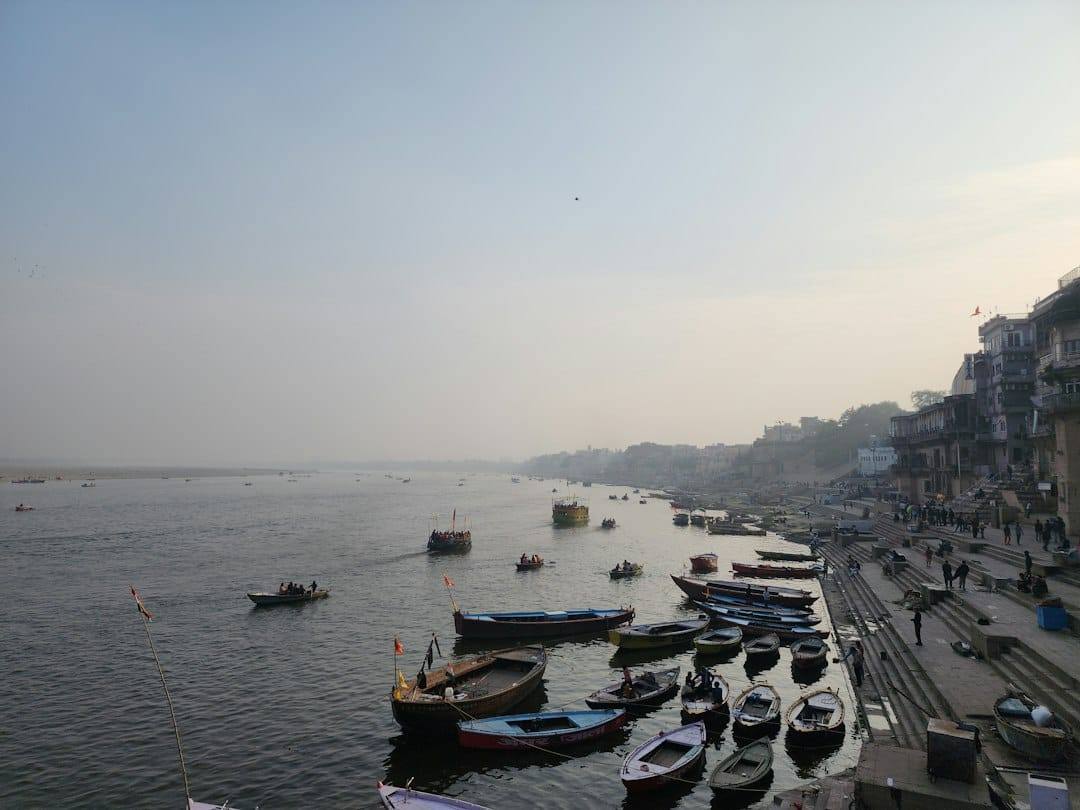
The single best thing you can do in Varanasi costs almost nothing. Hire a rowboat before dawn and drift south to north past the full sweep of some 80 ghats as the sun comes up behind them — pilgrims performing sun salutations in the river, dhobi-wallahs beating laundry on stone, sadhus, buffalo, and the smoke already rising from the cremation ghats. The light between roughly 5:30 and 7 AM is the reason photographers keep coming back.
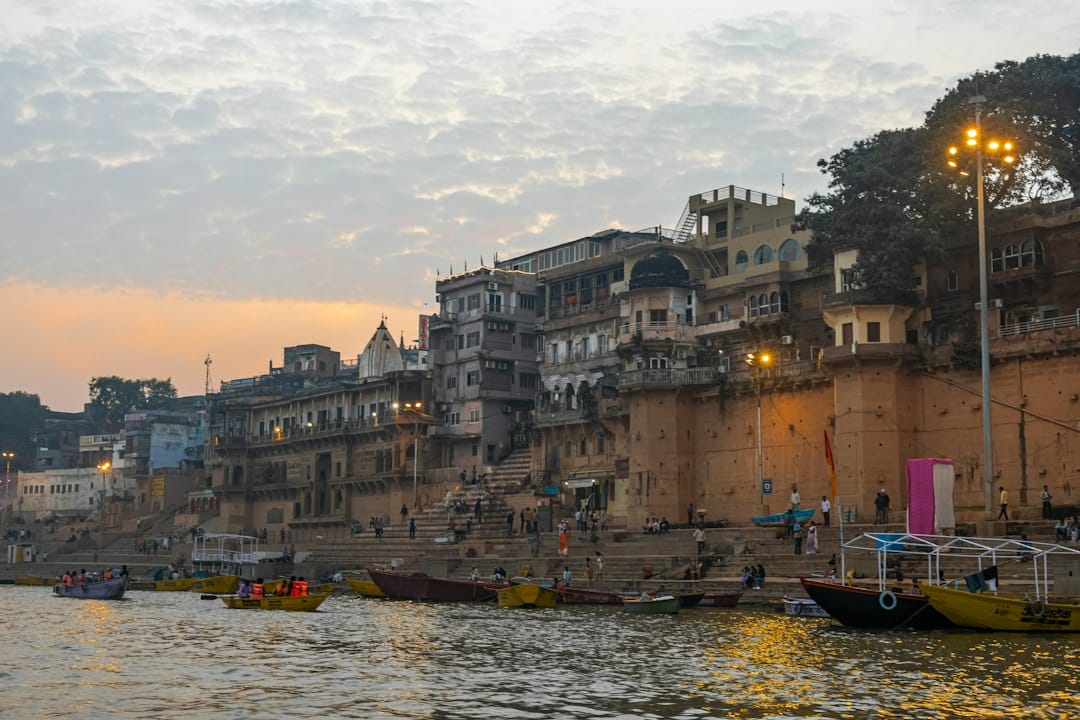
Insider tip: Board 30–45 minutes before sunrise (earlier in winter, when fog can delay things). A shared boat is ₹80–150 per person; a private rowboat for one to four people runs ₹1,800–2,400 (about $20–27 / €19–25) for roughly an hour. Insist on a hand-rowed boat, not a motorboat — the diesel racket ruins the one experience you came for, and rowboats can hug the steps. Agree the price and route before you push off.
3. Kashi Vishwanath Temple and the Dham Corridor
The holiest of the twelve Jyotirlinga shrines to Shiva, Kashi Vishwanath is the spiritual engine of the whole city. General darshan is free, with the temple open from around 3 AM (the Mangala Aarti wake-up ritual) until roughly 11 PM. Since the 2021 corridor opened, a broad marble plaza now connects the temple to the Ganges, so you can walk from the river straight to the queue instead of getting lost in the old lanes.
Insider tip: Phones, cameras and all electronics are banned inside — use the free lockers at the corridor entrance rather than arguing at the gate. Free-queue waits can top an hour at peak times; a Sugam Darshan priority ticket (around ₹300, about $3.40 / €3.10, booked at shrikashivishwanath.org) buys you a faster line. Go for the 3 AM Mangala Aarti if you can get the advance ticket — the temple is at its quietest and most atmospheric before the city wakes.
4. Manikarnika Ghat, the Cremation Ground
Manikarnika is the main burning ghat, where Hindus cremate their dead around the clock in the belief that dying in Kashi and being cremated here breaks the cycle of rebirth. Pyres burn day and night; families carry shrouded bodies down through the lanes; the "eternal flame" used to light them is said to have burned for centuries. It is not a spectacle laid on for visitors — it is a working funeral ground — and watching quietly from a respectful distance is one of the most honest encounters with mortality you will ever have.
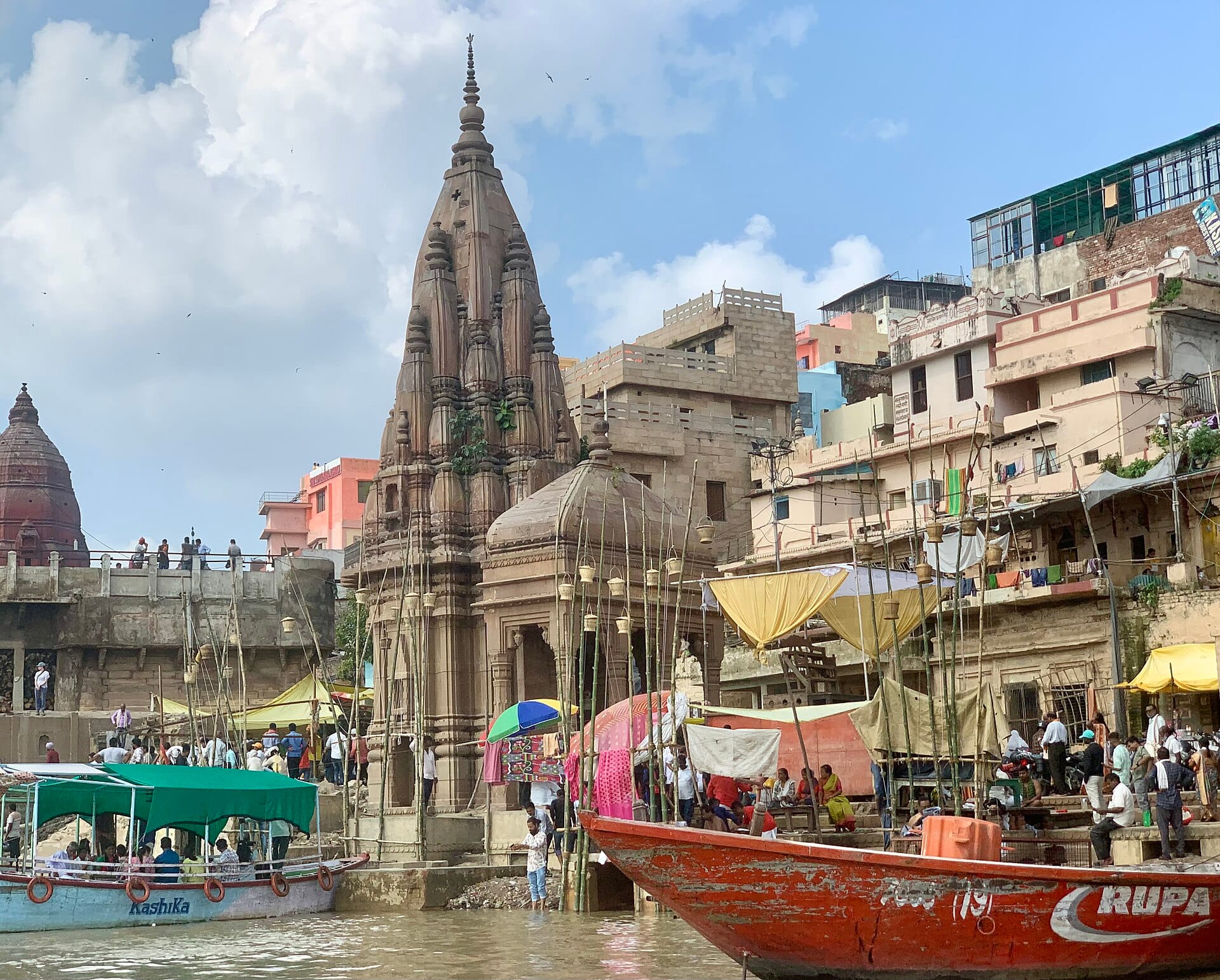
Insider tip: Do not photograph the cremations — it is deeply disrespectful and locals will (rightly) confront you. Ignore the common scam in which a "volunteer" leads you to a viewing balcony and then demands a large "donation" of wood "for poor widows"; there is no obligation to pay, and the money rarely goes where they claim. View it from a boat or from the ghat's edge, and leave the grieving families alone.
5. Sarnath, Where the Buddha First Taught
Ten kilometres and about a 30-minute drive northeast of the ghats, Sarnath is where the Buddha delivered his first sermon after enlightenment — one of Buddhism's four great pilgrimage sites. The centrepiece is the Dhamek Stupa, a 43-metre cylinder of brick and carved stone marking the spot, surrounded by the excavated ruins of ancient monasteries.
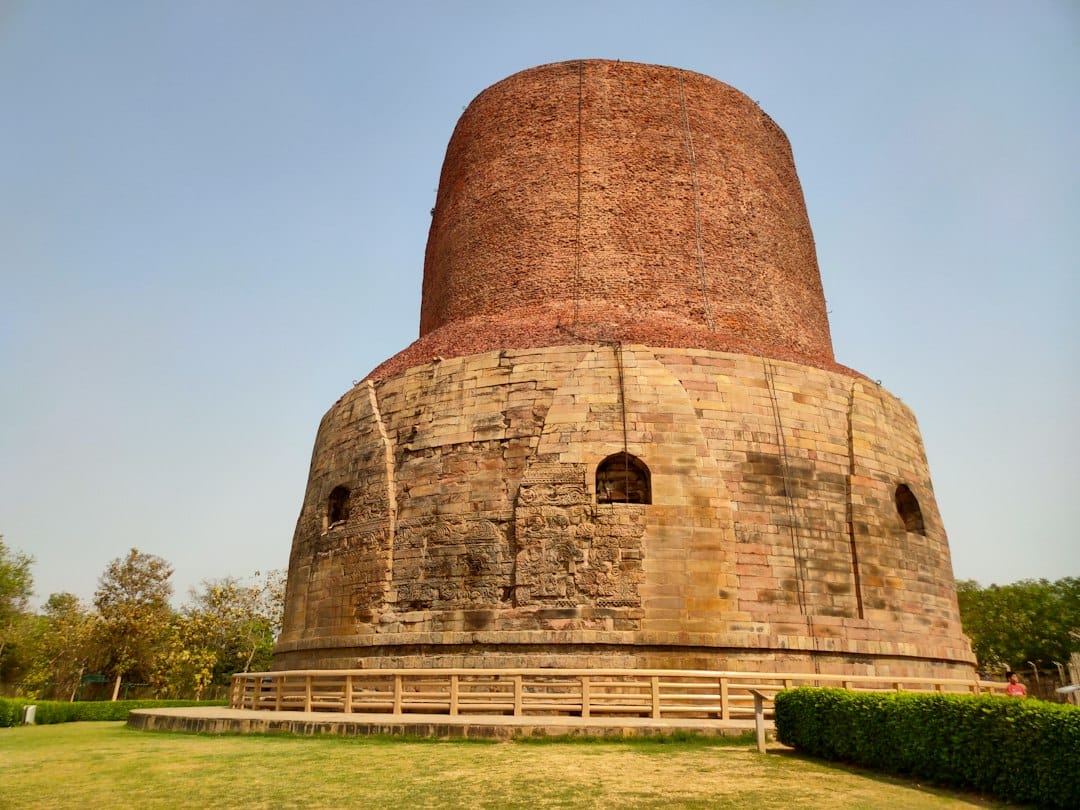
Insider tip: The stupa grounds (open roughly 6 AM–6 PM) cost about ₹100 for foreign visitors ($1.15 / €1), ₹5–25 for Indians. But the real reason to come is next door: the Sarnath Archaeological Museum (₹5 Indians / ₹100 foreigners, 9 AM–5 PM, closed Fridays) holds the original Lion Capital of Ashoka — the four-lion sculpture that is India's national emblem, printed on every banknote. Don't visit on a Friday and expect the museum, and buy the combo site-plus-museum ticket to save a second queue.
6. Assi Ghat and Subah-e-Banaras
At the quieter southern end of the riverfront, Assi Ghat is where the Assi stream meets the Ganges and where Varanasi feels almost calm. It is the base for Subah-e-Banaras, the city's morning ceremony: Vedic chanting, classical music, and a public yoga session on the ghat steps as the sun rises, free to attend. Many travellers find it more moving than the evening spectacle downstream precisely because it isn't a crush.
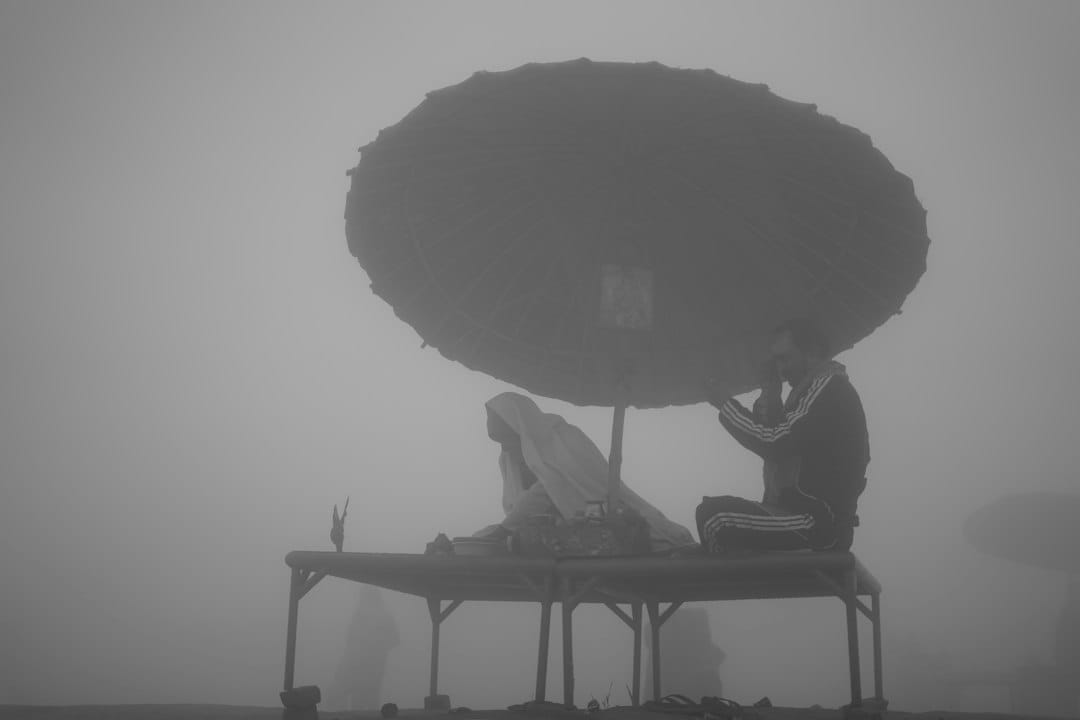
Insider tip: The morning programme starts around 5:00 AM in summer and 5:30 AM in winter; a ₹50–100 donation is appreciated but never required. Assi is also the student-and-café district, thanks to nearby Banaras Hindu University — it's the best base if you want riverside mornings without the central-ghat chaos, and a good place to actually sit down for a coffee.
7. Ramnagar Fort, Across the River
On the eastern bank of the Ganges, about 14 km from the centre, this 18th-century sandstone fort is still the residence of the former royal family of Banaras. Built by Maharaja Balwant Singh from creamy Chunar sandstone, its Durbar Hall is now a gloriously eccentric museum of vintage American cars, ivory work, medieval weapons, palanquins, and a working astronomical clock that tracks the year, month, week, day and astrological data.
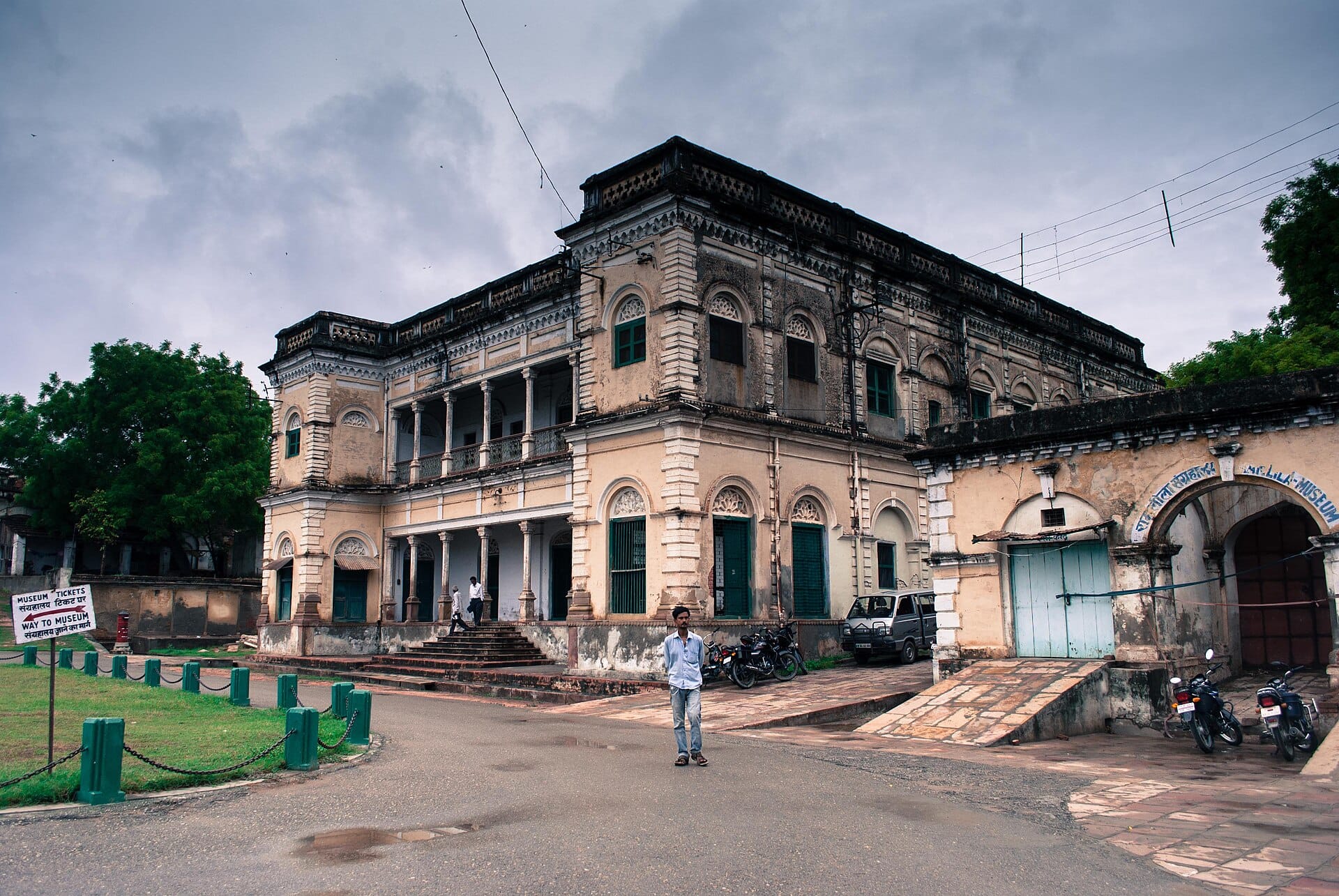
Insider tip: Entry is about ₹20 for Indians and ₹150 for foreigners ($1.70 / €1.55), open 10 AM–5 PM. Come in October if your dates allow: Ramnagar hosts a famous month-long Ramlila, a 200-year-old cycle of open-air Ramayana plays staged across the town, drawing crowds who follow the drama from set to set. The fort is faded and dusty — that's the charm; treat it as a time capsule, not a polished palace.
8. New Vishwanath Temple at Banaras Hindu University
For a complete change of pace, head into the leafy campus of Banaras Hindu University, where the New Vishwanath Temple (also called the Birla Temple) stands about 1.7 km inside the main gate. Funded by the industrialist Birla family — foundation laid in 1931, completed in 1966 — it is built almost entirely of marble and claims one of the tallest temple towers in India at roughly 77 metres.
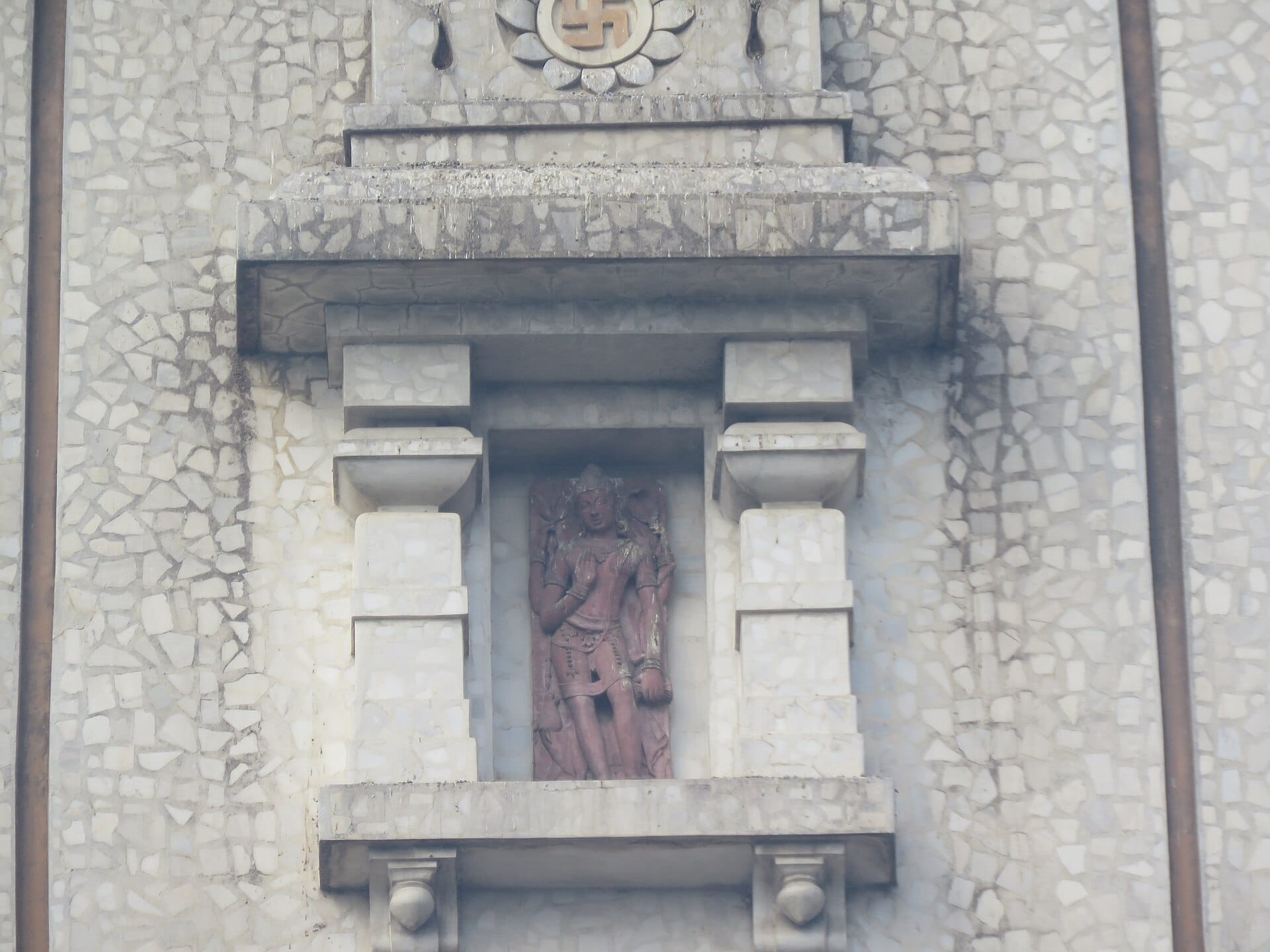
Insider tip: Unlike the old temple, this one is open to everyone regardless of faith, calm, and photograph-friendly. The entire text of the Bhagavad Gita and other scriptures is inscribed on its inner marble walls. Pair it with a walk around the BHU campus — one of Asia's largest residential universities and a genuine break from the intensity of the ghats.
🗓️ A 3-Day Itinerary
Day 1 — The Ghats, Front to Back
Start before dawn with a sunrise boat ride (₹80–150 shared / ₹1,800–2,400 private) from Dashashwamedh, drifting north past Manikarnika. Back on land by 7:30 AM, walk into the lanes for kachori sabzi breakfast at Ram Bhandar in Chowk (open 6:30–11 AM, roughly ₹40–60). Mid-morning, join the free Kashi Vishwanath queue or a ₹300 Sugam Darshan; store your phone in the lockers first. Spend the hot afternoon resting or in a café near Assi. Return to Dashashwamedh for the evening Ganga Aarti — in your seat by 5:15 PM in winter, 6:15 PM in summer. Total spend beyond meals and stay: roughly ₹500–2,700 ($6–31 / €5–28) depending on private vs shared boat.
Day 2 — Sarnath and the Old City
Take a cab or auto to Sarnath (10 km, 30 min; a round-trip AC cab with waiting starts around ₹2,000). Spend the morning at the Dhamek Stupa and, crucially, the Archaeological Museum for the Lion Capital of Ashoka — but not on a Friday, when the museum closes. Back in the city for lunch, hunt down tamatar chaat and golgappe at Kashi Chaat Bhandar near Godowlia. Afternoon: a slow walk through the old lanes around Vishwanath Gali, ending with a thick, clay-cup lassi at Blue Lassi in Kachori Gali near Manikarnika (about ₹60–120). Evening at Assi Ghat for its quieter Sandhya (dusk) aarti.
Day 3 — Fort, Campus, and Farewells
Cross to Ramnagar Fort in the morning (₹20/₹150, 10 AM–5 PM) for the vintage cars and astronomical clock. On the way back, visit the marble New Vishwanath Temple inside BHU and stroll the campus. Save the afternoon for shopping: Varanasi is the home of Banarasi silk, and genuine handloom saris and scarves are woven in the Muslim weaving neighbourhoods around Madanpura and Lallapura. Buy from a fixed-price government emporium or a weaver co-op if you can't tell real silk from powerloom polyester. Close the trip with an early-evening Subah-e-Banaras-style sit on the steps and a Banarasi paan to chew on the walk home.
🧠 Essential Tips
When to Go
The sweet spot is October to March, when daytime temperatures sit around a pleasant 15–27°C and mornings on the river are cool and clear. April to June is brutal — highs push past 40–45°C and the stone ghats radiate heat like a griddle. July to September is monsoon: the Ganges swells and floods the lower ghats, boat rides get suspended when the current runs high, and the aarti platforms sometimes move up the steps. The showpiece date is Dev Deepawali — falling on 24 November 2026 — when the entire ghat-line is lit with more than a million oil lamps and close to a hundred thousand pilgrims descend. Book accommodation weeks ahead for it.
Getting In and Around
Flights land at Lal Bahadur Shastri International Airport (VNS), about 25 km from the ghats. A prepaid AC taxi to the Dashashwamedh/Godowlia area runs roughly ₹800–950 (about $10 / €9.50) and takes 40–55 minutes. Varanasi has no metro. Both Ola and Uber operate for cabs and autos, and are the easiest way to avoid haggling. For short hops, shared autos and e-rickshaws are cheap, but note that vehicles cannot enter the ghat lanes — Godowlia Crossing is the closest drop point, and from there it's a walk down into the old city on foot. Wear shoes you don't mind getting dirty.
Staying Safe and Un-scammed
Varanasi is generally safe for the crimes tourists worry about, but it runs on small hustles. The recurring ones: the "free" boat or guide that ends in an aggressive fee; the Manikarnika "wood donation for widows" pitch; silk shops selling powerloom polyester as pure Banarasi silk; and boatmen quoting one price and demanding another mid-river. Fixes are simple — agree every price in writing or clearly up front, don't accept unsolicited "help" into a temple or ghat, and buy silk from fixed-price outlets. Solo women should expect stares and take normal precautions, especially in the crush around the evening aarti where pickpocketing and groping both happen. Keep valuables zipped and in front of you.
Eating Well
Varanasi is a vegetarian street-food city and one of India's best. Beyond the spots above, chase malaiyo — a saffron-and-pistachio milk foam sold only on winter mornings (November–February) around Chowk, gone by mid-morning. Get proper Banarasi paan at Keshav Paan Bhandar near Ravidas Gate, hot jalebi at Madhur Jalpan, and the lentil-stuffed kachori with spiced potato sabzi that locals eat for breakfast. Eat where there's a queue of locals and high turnover, stick to freshly fried or piping-hot items, and drink bottled or filtered water only.
🏨 Accommodation Guide
Budget (₹500–1,500 / $6–17 / €5–16 a night): Base yourself around Assi Ghat and Bhelupur at the southern end. It's the backpacker-and-student quarter, walkable to the river, full of cafés, and calmer than the centre. Guesthouses and hostels here are plentiful and cheap.
Mid-range (₹1,500–4,000 / $17–45 / €16–42 a night): Stay near Dashashwamedh, Godowlia, or Lahori Tola to be within walking distance of the main aarti and the Vishwanath corridor. You trade quiet for location — these lanes are the beating heart of the old city, and you'll wake to temple bells whether you like it or not.
Luxury (₹15,000+ / $170+ / €160+ a night): The standout is BrijRama Palace, a restored 18th-century riverfront haveli on Darbhanga Ghat reached by its own boat, with rooms typically from around $340 a night. For a quieter, garden-estate feel away from the river, the Taj Nadesar Palace in the Cantonment sits on a colonial-era property surrounded by mango orchards. The Cantonment (Cantt) area in general suits families and anyone with heavy luggage — wider roads, bigger hotels, easy airport and station transfers — at the cost of a drive to the ghats.
❤️ Beyond the Tourist Trail
Give the weaving districts a proper afternoon. Madanpura and Lallapura are the neighbourhoods where Banarasi silk is actually made on handlooms in family workshops; ask politely and many weavers will let you watch the brocade being woven, thread by gold thread — a slow craft the powerlooms are steadily undercutting. For a spiritual experience without the corridor crowds, seek out the smaller riverfront temples and the Nepali Temple (Kathwala Temple) near Lalita Ghat, a wooden pagoda-style shrine built by a Nepali king, with intricate carvings and none of the queues.
If your visit lands in autumn, plan around Ramlila at Ramnagar (staged for a month around September–October across the town, not on a single stage) and, above all, Dev Deepawali on 24 November 2026, the most spectacular night of the Varanasi year, when the ghats become a single unbroken line of lamplight. Book a boat and a room early — the whole city fills.
🐻 Plan Your Varanasi Trip with VoyaBear
Varanasi rewards travellers who know when to arrive at the ghat, which boatman to trust, and which Friday not to visit a museum — the kind of specifics that turn a chaotic day into a great one. That's exactly what VoyaBear builds for you: personalized, day-by-day itineraries matched to your dates, budget, and pace, with the aarti timings, temple queues, and food stops already sorted. Tell us when you're going and we'll map the perfect trip. Start planning your Varanasi adventure with VoyaBear today.
Want this as an actual itinerary?
VoyaBear turns a guide like this into a day-by-day plan built around how you travel.
Plan my trip free