Vilnius 2026: The Complete Guide to Lithuania's Baroque Capital
23 September 2026 · 12 min read
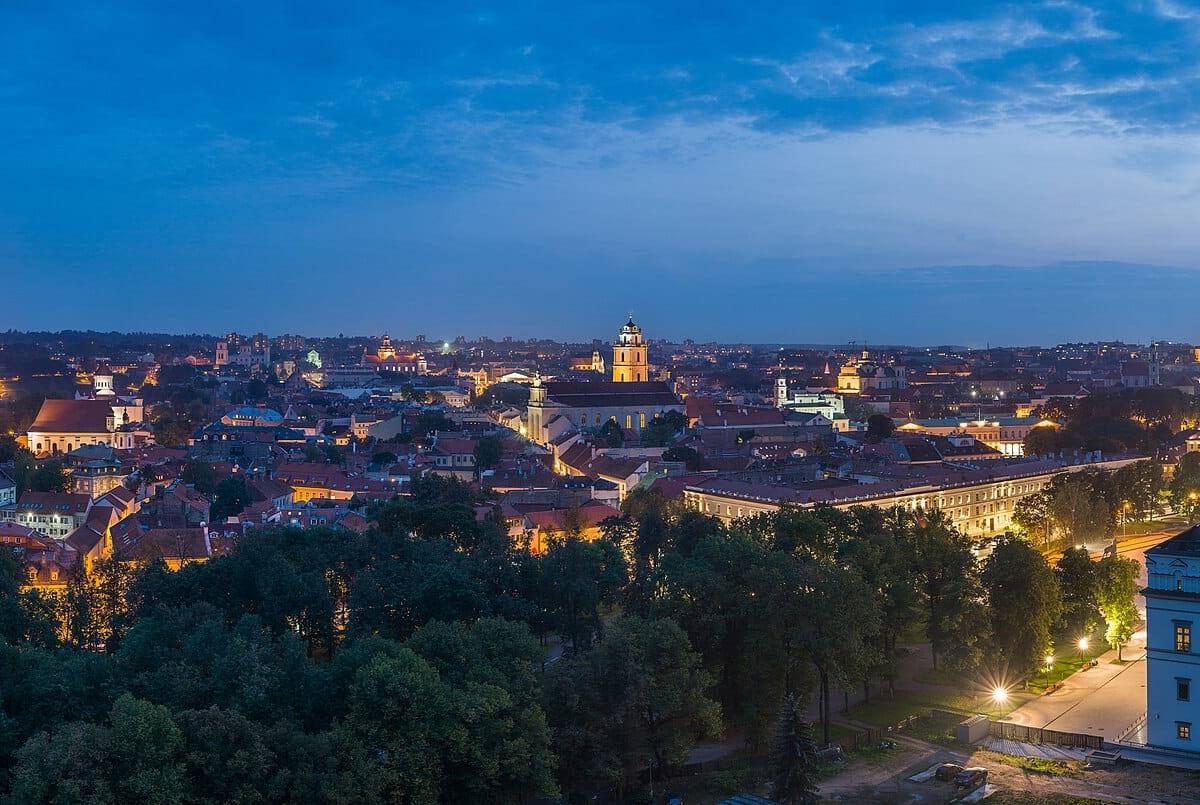
Vilnius has the largest surviving old town in Central and Eastern Europe — about 3.6 square kilometres of Baroque churches, Gothic brick, and courtyards that connect in ways no map fully explains. It is also small enough that you can walk from the cathedral to a self-declared artists' republic in fifteen minutes, and cheap enough that a plate of dumplings and a beer costs less than a cinema ticket back home. Lithuania joined the euro in 2015, so there's no currency math beyond the exchange rate (about €1 = $1.14 in September 2026), and the whole compact centre is walkable, which is the single most useful thing to know before you arrive.
What makes it worth a trip in 2026 is that it hasn't been sanded down for tourists yet. You'll share the Old Town with Lithuanians going to work, students spilling out of Vilnius University, and the occasional stag party that got the memo about cheap beer. This guide sticks to specific places, real prices, and the kind of detail you'd want from a friend who actually walked the routes — where to climb, what to eat, which museum will wreck you emotionally, and how to get to a lake castle for the price of a coffee.
🏙️ Essential Experiences
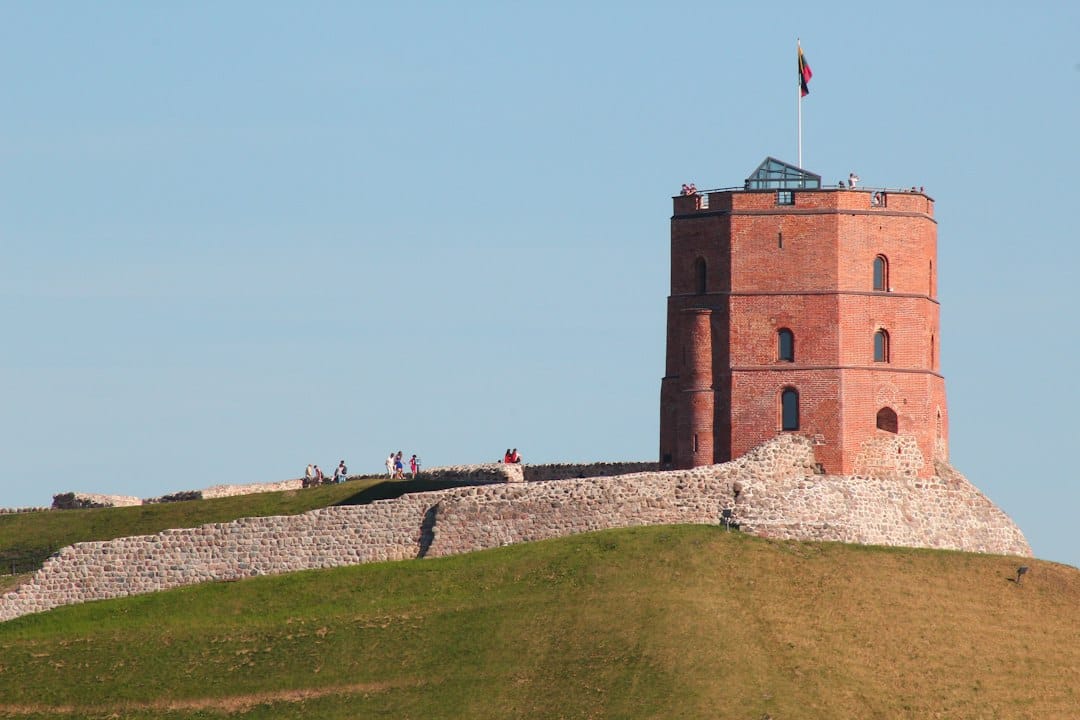
Gediminas' Tower and Castle Hill
The red-brick octagonal tower on the hill is what ends up on every Vilnius postcard, and for once the cliché earns it: the observation deck at the top gives you the full sweep of the Old Town's terracotta roofs and church spires in one 360-degree turn. The tower is the last standing piece of the Upper Castle, and inside are exhibits on the castle's history, Baltic armour, and the 1989 Baltic Way — the human chain that stretched across three countries. Entry is €8 (about $9) for adults, €4 for students and seniors, open daily 10:00–20:00.
Insider tip: There's a funicular on the west side of the hill (€2 one-way, €3 return) that saves you the steep climb, but it has been unreliable — it was out of service for stretches through 2025, so don't build your plan around it. The path up is short and paved; the real move is timing. Come about an hour before sunset when the low light turns the rooftops copper and the day-trip crowds have thinned.
Vilnius Cathedral and Cathedral Square
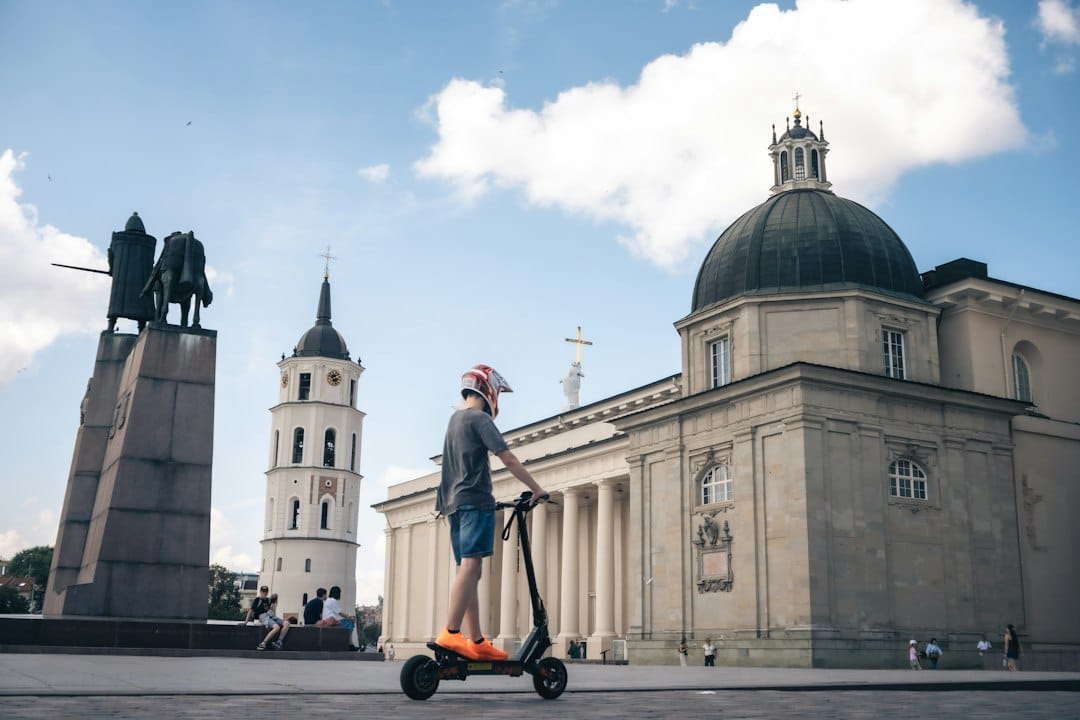
The Cathedral looks less like a cathedral and more like a Greek temple that wandered north — a white neoclassical facade with six columns, fronting a wide-open square that functions as the city's living room. Entry to the cathedral is free. The separate bell tower — 52 metres, or 57 with the cross on top, and one of the oldest in the Old Town — can be climbed for €6 (€4 for students and seniors) and gives you a lower, closer view of the square than Gediminas' Tower does. Underneath the cathedral are the crypts, the oldest fresco in Lithuania among them, accessible only by guided tour booked in advance.
Insider tip: Find the "Stebuklas" tile in the square — a single paving stone marked with the word (it means "miracle"), set where the 1989 Baltic Way human chain began. Locals turn around on it three times and make a wish. It's easy to walk right over; look on the square between the cathedral and the bell tower, roughly in line with the tower's edge.
The Gate of Dawn (Aušros Vartai)
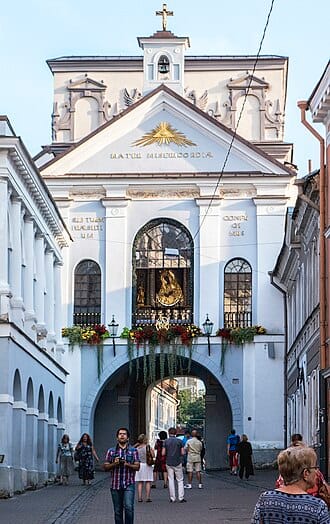
This is the only surviving gate of the nine that once punctured the city wall, and it holds one of the most venerated Catholic shrines in the region: the Chapel of the Gate of Dawn, with its gilded image of the Madonna, Our Lady of the Gate of Dawn. Pilgrims come from across Poland and Lithuania to pray beneath it. You approach through the archway on Aušros Vartų gatvė, and the chapel is directly above the gate. Entry is free.
Insider tip: Climb the stairs (through the adjacent doorway) into the chapel itself rather than just craning your neck from the street below — most day-trippers miss that you can go up. Go early, before 9:00, when it's quiet and you can actually hear the Mass rather than shuffling through with a tour group.
Church of St. Anne and the Bernardine ensemble
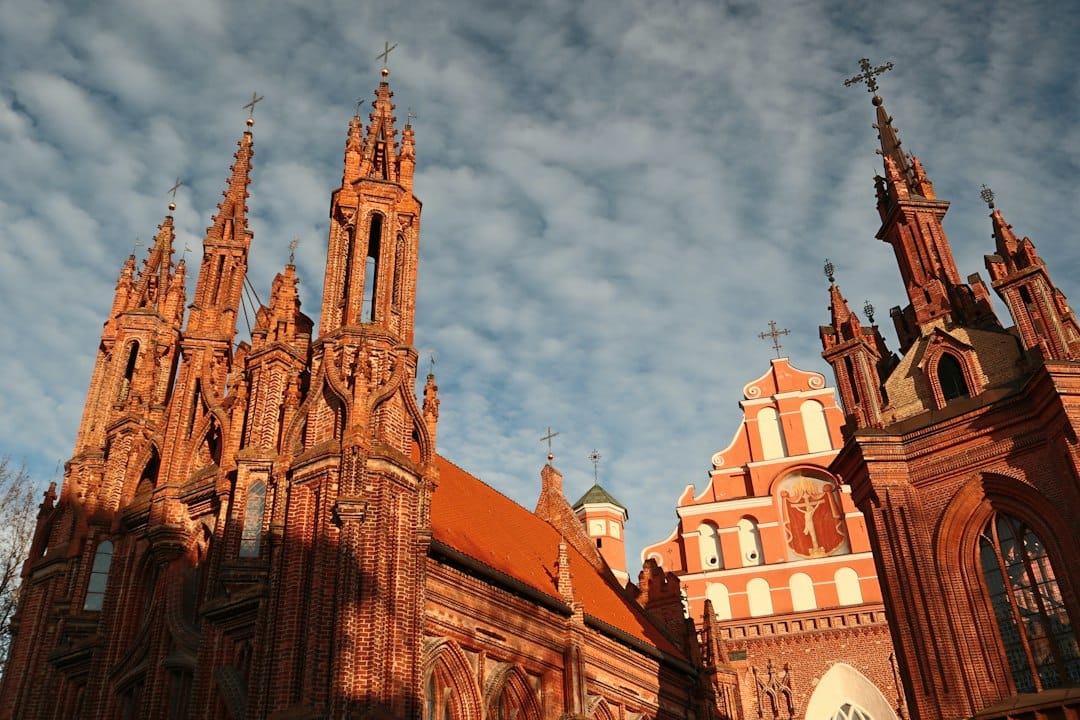
St. Anne's is the finest Gothic building in Lithuania and possibly the most photogenic brick in the country — a flamboyant late-Gothic facade built from roughly 33 different shapes of red brick, all slender pinnacles and vertical drama. The legend, repeated by every guide because it's a good one, is that Napoleon saw it in 1812 and wanted to carry it back to Paris in the palm of his hand. Behind it looms the larger, darker Bernardine Church. Both are free to enter.
Insider tip: The best photograph is from across the street in the morning, when the east-facing facade catches direct sun and the brick glows. Then walk two minutes into the Bernardine Gardens behind the churches — a free park along the Vilnia river with a good café and a clear view back at the whole ensemble.
Užupis, the republic that declared itself
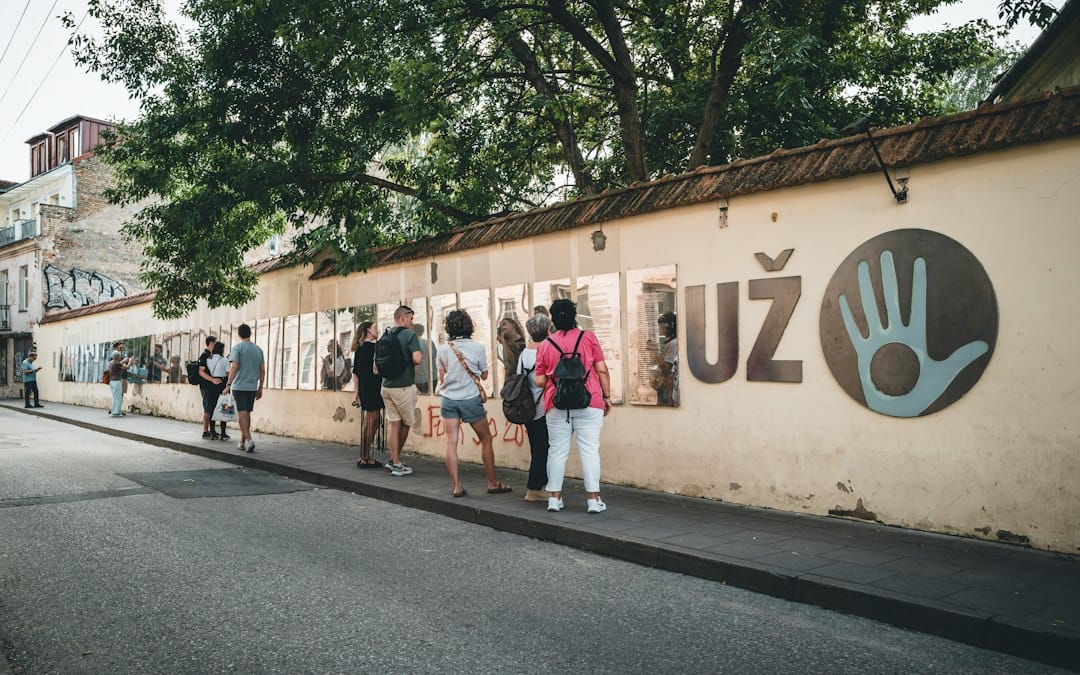
Across a small bridge over the Vilnia sits Užupis, a neighbourhood that declared itself an independent republic on 1 April 1997 — April Fools' Day, which tells you the tone. It has its own constitution, president, and (on Independence Day) border guards who stamp passports. The constitution is mounted on mirrored metal plaques along Paupio gatvė, translated into dozens of languages, and it is worth reading in full. Article highlights: "A dog has the right to be a dog," "Everyone has the right to be happy," and "Everyone has the right to make mistakes." Wandering it is free.
Insider tip: Find the Angel of Užupis, the bronze trumpeting figure on a column in the main square — it's the neighbourhood's symbol and your orientation point. Then don't rush off. Užupis has the highest concentration of small galleries, courtyard bars, and artist studios in the city, and it rewards an hour of aimless drifting more than any checklist.
MO Museum
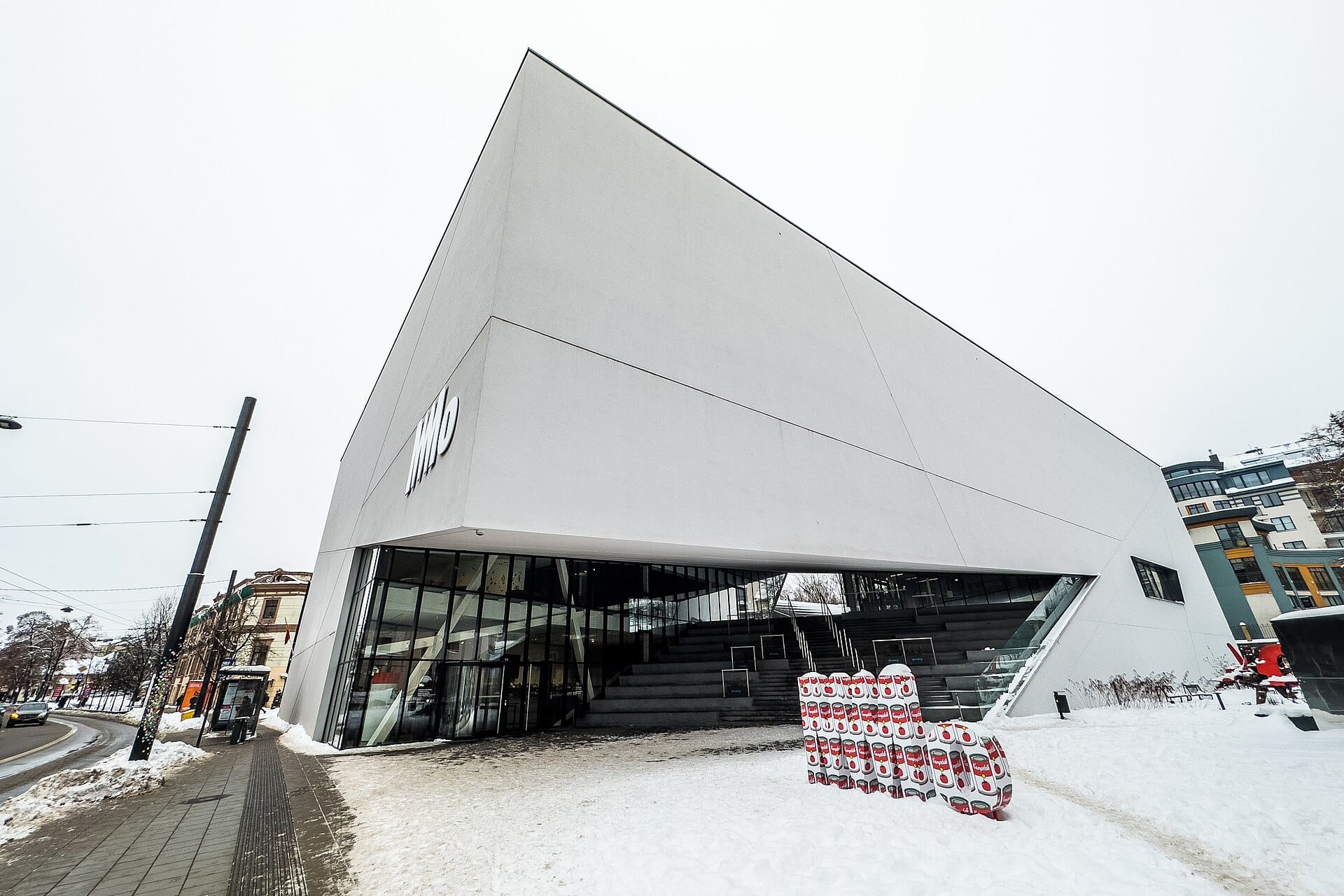
MO is the private modern-art museum that gave Vilnius a genuine architectural landmark: a sharp white geometric building designed by Studio Libeskind (yes, the Daniel Libeskind of Berlin's Jewish Museum and Ground Zero). It opened in 2018 and holds a 5,000-plus-piece collection of Lithuanian modern and contemporary art, shown in rotating exhibitions rather than a fixed hang. Standard admission is €11 (about $13), €6 for students. It's at Pylimo gatvė 17, open daily 10:00–20:00, closed Tuesdays.
Insider tip: The outdoor staircase that cuts through the building leads to a rooftop terrace with a view over the Old Town rooftops — free, and open even when you're not paying to go inside. The ground-floor café and bookshop are also worth a stop if the day's exhibition doesn't grab you.
Museum of Occupations and Freedom Fights (the former KGB building)
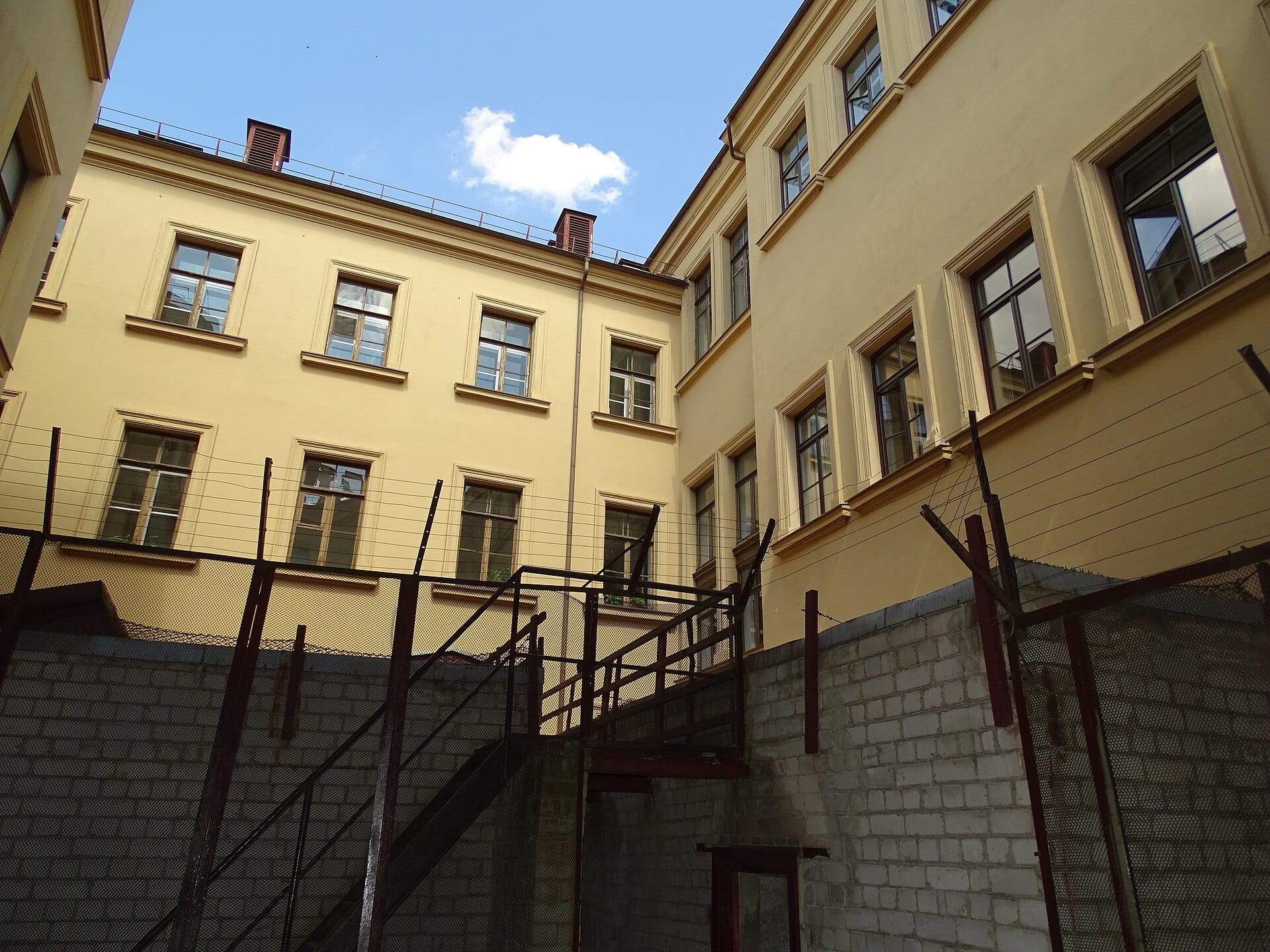
This is the hard one, and the one you shouldn't skip. Housed in the actual former KGB headquarters on Aukų gatvė 2A, the museum preserves the basement prison where Lithuanians were held, interrogated, and executed under Soviet rule. You walk through the cells, the padded isolation room, and the execution chamber, which is left much as it was. It's sober, unsentimental, and it reframes everything cheerful you'll have seen elsewhere in the city. Admission is €6 (about $7), €3 for students. Open Wednesday to Saturday (Wed–Fri 10:00–18:00, Sat 10:00–17:00), closed Monday and Tuesday.
Insider tip: Rent the audio guide — the cells have little signage, and without context the rooms don't explain themselves. Outside on the building's stone base are carved the names of people killed here; read a few before you go in.
Trakai Island Castle (the easy day trip)
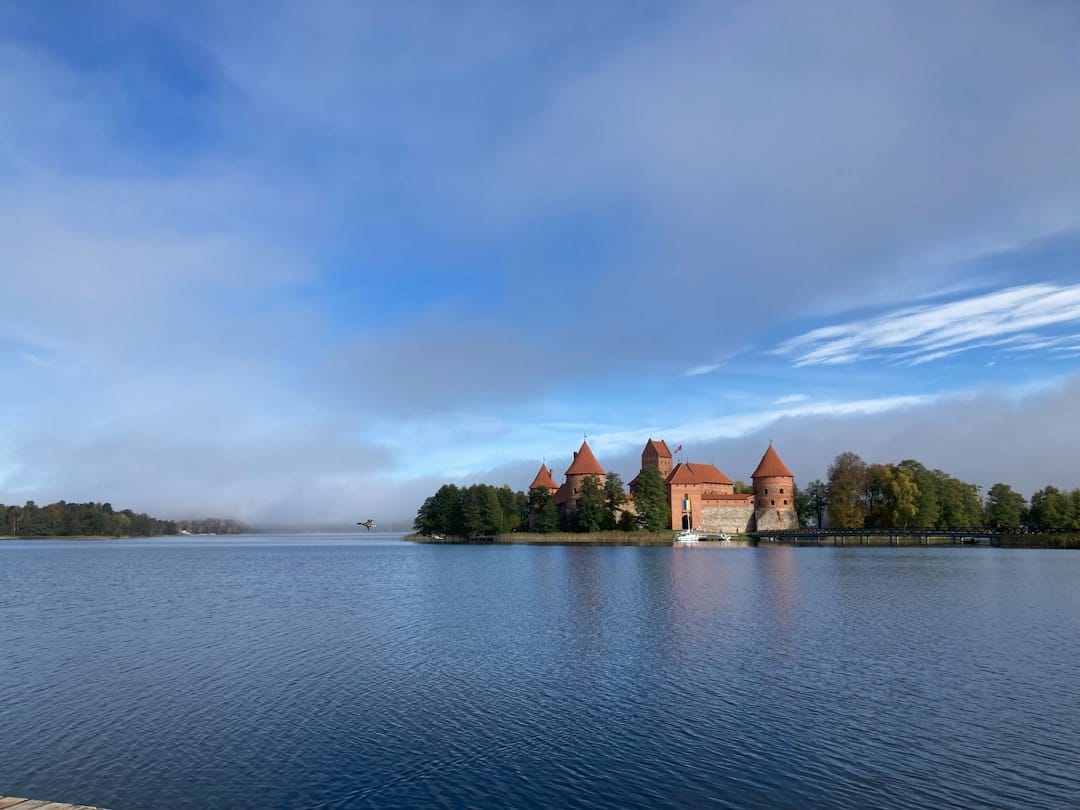
Twenty-eight kilometres west of Vilnius, a red-brick Gothic castle sits on its own island in Lake Galvė, connected to shore by a wooden footbridge. It was the seat of the Grand Duchy of Lithuania in the 14th and 15th centuries, and today it's a museum you can walk through, courtyards, towers, and all. Adult entry is €12 (about $14), €6 for children and students. Summer hours are daily 10:00–19:00; from September to May it closes on Mondays.
Insider tip: Take the train from Vilnius Central Station — €1.50 (about $1.70) each way, roughly 30 minutes, running every one to two hours — rather than an organised tour that charges ten times as much for the same castle. And eat kibinai while you're there: crescent-shaped pastries stuffed with mutton and onion, a specialty of Trakai's Karaim community. Senoji Kibininė has been making them for decades; expect €1.50–2.50 (about $1.70–2.90) each.
🗓️ A 3-Day Itinerary
Day 1 — The Old Town spine
Start at Cathedral Square by 9:00, before the tour groups. See the cathedral (free), find the Stebuklas tile, then walk up to Gediminas' Tower (€8) for the orientation view — the whole day's route laid out below you. Come down and walk south along Pilies gatvė, the Old Town's main artery, stopping for lunch at Grey (Pilies g. 2) where a plate of cepelinai runs around €10 ($11). Continue to the Gate of Dawn (free) at the southern end. Loop back via Vilnius University's courtyards. Total walking is about 4 km, all flat except the hill. Dinner at Šnekutis for cepelinai and local beer, under €15 ($17) a head.
Day 2 — Art, history, and the republic
Morning at the MO Museum (€11) when it opens at 10:00. From there it's a 15-minute walk to the Museum of Occupations and Freedom Fights (€6) — do this second, because it's heavy and you'll want the afternoon to decompress. Grab a quick lunch at Halės Turgus, the covered market on Pylimo g. 58 (open since 1906), where stalls sell potato pancakes and cold beet soup for a few euros. Spend the late afternoon crossing into Užupis: read the constitution on Paupio g., find the Angel, and settle into a courtyard bar. Dinner in Užupis or back across the river. Walking: about 5 km.
Day 3 — Trakai and a slower finish
Catch a morning train from Vilnius Central to Trakai (€1.50, ~30 min). Walk the lakeside to the castle (€12), tour the island fortress, and have kibinai at Senoji Kibininė for lunch (€1.50–2.50 each). Trains back run through the afternoon. Back in Vilnius, use the last evening for what you skipped: the St. Anne's and Bernardine complex in golden light, a climb up the cathedral bell tower (€6), or the Bernardine Gardens with a drink. Budget for the day: roughly €25–35 ($29–40) including transport, entry, and food.
🧠 Essential Tips
When to go
June through August is peak: daytime highs around 22–24°C, and daylight that stretches past 22:00 in June, which makes the long café evenings that define a Vilnius summer. It's also the busiest and priciest stretch, and July brings the most rain of any month. The sweet spot is May and September — mild, uncrowded, and cheaper on flights and hotels. If you want the single most Lithuanian experience, come for Kaziuko mugė (St. Casimir's Fair) on the weekend nearest 4 March: a huge folk-craft market that fills Gediminas Avenue and Cathedral Square with woven verba palms, gingerbread hearts, and roughly half a million visitors. Winter is properly cold (below freezing, often snowy), but the Christmas market on Cathedral Square is one of the prettiest in the Baltics.
Getting in from the airport
Vilnius Airport (VNO) is about 6 km from the centre, and the cheapest way in is almost comically good: a train runs to Vilnius Central Station in 8 minutes for €0.90 (about $1). It doesn't run frequently — roughly 16 departures a day — so check the schedule. If the timing's off, bus 88 or 3G covers the same route in about 20 minutes for €0.90. A Bolt (the ride-hailing app locals actually use, more than Uber) to the Old Town runs roughly €7–12 depending on time of day.
Getting around
You'll walk almost everywhere in the centre. For anything beyond it, the JUDU public transport network runs buses and trolleybuses; buy tickets in the JUDU or Trafi app, or tap a Vilniečio kortelė travel card. A 30-minute single ticket is €1.00, a 60-minute ticket €1.25, a 1-day ticket €7.50, and a 3-day ticket €13.50. Tickets bought from the driver cost more, so use the app. Trafi is also the app locals use to plan routes and call a Bolt in one place.
Safety and scams
Vilnius is one of the safer European capitals, and violent crime against tourists is rare. The realistic risks are small: pickpocketing in the busiest Old Town stretches (Pilies gatvė, the Christmas and Kaziukas markets) and overcharging taxis hailed on the street near the cathedral or bus station. Skip street taxis entirely and use Bolt, where the fare is fixed in the app. The other classic is the "friendly" bar invitation near tourist zones that ends in a wildly inflated bill — if someone approaches you on the street to recommend a specific bar, don't follow. Tap water is safe to drink.
Food worth planning around
The national dish is cepelinai — zeppelin-shaped potato dumplings stuffed with minced meat, drowned in sour cream and bacon, and heavy enough to end a day. In summer, order šaltibarščiai, the electric-pink cold beet soup made with kefir and served with a side of hot potatoes; it looks alarming and tastes great. Also seek out kepta duona (deep-fried black rye sticks with garlic, the perfect beer snack) and kibinai (the Trakai pastries). Reliable spots: Šnekutis for traditional food and Lithuanian craft beer at low prices, Grey on Pilies g. 2 for a sit-down version, Pinavija bakery at Vilniaus g. 21 for kibinai and cakes, and Halės Turgus market for cheap, honest plates among the produce stalls.
🏨 Accommodation Guide
Budget — from about €20–45 ($23–51) a night
Hostels cluster around the Old Town and the train station. Dorm beds start near €20 and private budget doubles run to about €45. The area around Gedimino Avenue and the station gives you the best value while staying a 10–15 minute walk from the sights. Look at options like Old Town Trio for a central hostel-style stay, or budget guesthouses in Naujamiestis, the large district just west of the Old Town where prices drop and the tram-adjacent location keeps you connected.
Mid-range — about €90–160 ($103–182) a night
This is the sweet spot in Vilnius, where mid-range money buys hotels with real character. Artagonist Art Hotel sits in a 15th-century building right on Pilies gatvė in the heart of the Old Town. The AC Hotel by Marriott on Gedimino Avenue is a reliable modern option a short walk from Cathedral Square. Staying in Senamiestis (the Old Town) itself puts every attraction at your feet, though a few streets get loud at night; Užupis and neighbouring Paupys are quieter and more atmospheric but have fewer rooms.
Luxury — about €220–450 ($250–515) a night
At the top end, Hotel PACAI occupies a restored 17th-century Baroque palace on Didžioji gatvė in the Old Town — the kind of place with vaulted ceilings and a courtyard restaurant. Stikliai Hotel, a Relais & Châteaux property tucked into the former Jewish quarter, is the other classic splurge. Both put you inside the Old Town, so you're paying for location as much as luxury, and in a city this walkable that location is the whole point.
🎭 Beyond the Tourist Trail
When you've done the Old Town, head to Paupys, the riverside district just past Užupis that has quietly become the city's design corner. Its centrepiece is Paupys Market (Paupio Turgus), a modern food hall with stalls doing everything from ramen to natural wine, popular with locals who wouldn't be caught dead in a Pilies gatvė tourist restaurant. Walk it in the evening and you'll see the actual Vilnius that lives here.
For something stranger, cross the river to Šnipiškės — specifically the pocket nicknamed "the Vilnius Brooklyn," where wooden pre-war houses sit in the shadow of glass office towers, a jarring, photogenic collision of old and new. And if you're here in late summer, ask about the Vilnius City Fiesta and the open-studio weekends in Užupis, when artists throw their workshops open to the public. For a green escape, the pine forests and Neris riverbanks of Vingis Park — the city's largest — are a 20-minute walk from the centre and where locals run, cycle, and picnic all summer.
❤️ Plan Your Vilnius Trip with VoyaBear
Vilnius rewards people who wander, but the logistics — which train to Trakai, when the KGB museum is open, whether the funicular is running this week — are exactly the kind of thing that eats a morning. That's where VoyaBear comes in. Tell us how long you're staying, what you're into (Gothic churches, Soviet history, cold beet soup, all of it), and how you like to travel, and we'll build you a day-by-day Vilnius itinerary with real places, real prices, and routes that actually make sense on foot. Start planning your trip at VoyaBear and spend your time in the city, not on the spreadsheet.
Want this as an actual itinerary?
VoyaBear turns a guide like this into a day-by-day plan built around how you travel.
Plan my trip free