Zagreb 2026: The Complete Guide to Croatia's Capital
8 October 2026 · 14 min read
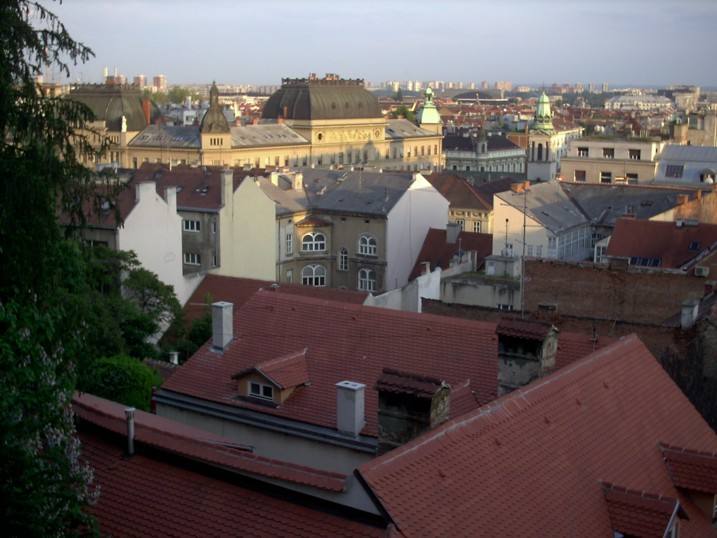
Most people treat Zagreb as a layover — a night before the bus to the coast, a shrug on the way to Plitvice. That is a mistake you can fix. Croatia's capital is a compact Austro-Hungarian city of roughly 770,000 people where you can hear a cannon fired at noon, ride the world's shortest public-transport funicular, and eat a plate of cheese-filled štrukli that costs less than a cocktail in Split. In December 2025, after nearly five years of post-earthquake repairs, the Gothic cathedral reopened its doors — so 2026 is the first year in half a decade you can see the city's single most famous interior without a wall of scaffolding in the way. The streets are flat, the trams are blue, the coffee culture is a competitive sport, and almost nobody is in a hurry.
Here is how to spend three days here without wasting a single one of them.
🏙️ Essential Experiences
Dolac Market — the city's stomach since 1930
Two minutes uphill from the main square sits Dolac, the open-air farmers' market that has fed Zagreb since 1930. The upper level is a field of red parasols — the tržnice zagreb umbrella is such a local icon that they sell miniature versions as souvenirs — where farmers from surrounding villages sell fruit, vegetables, and homemade cheese and cream. A flower market spreads out in front. Downstairs, under cover, are the butchers and fishmongers. Come hungry and buy a tub of sir i vrhnje (fresh curd cheese and sour cream) to eat with bread; it is the most Zagreb breakfast there is.
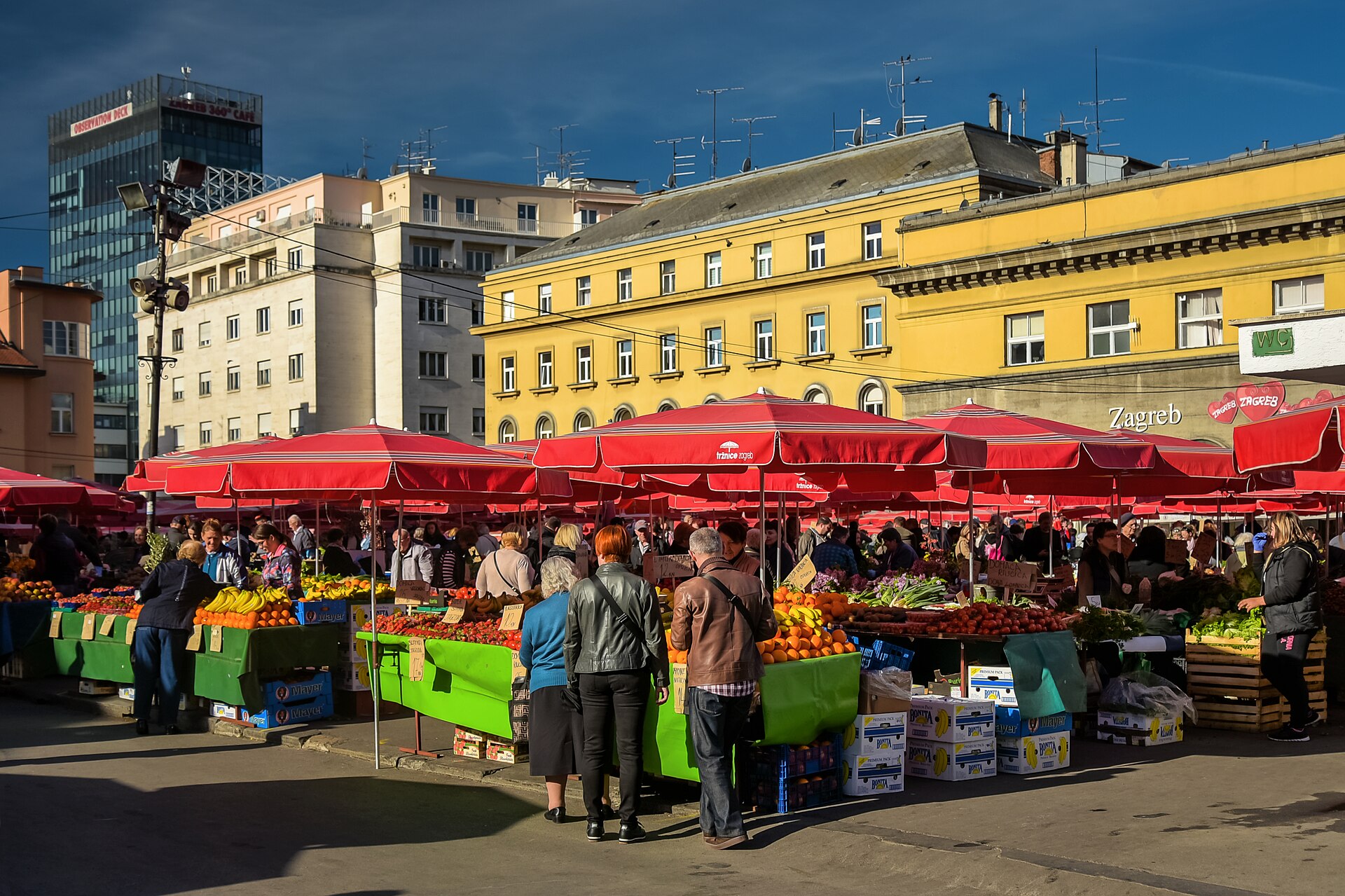
Insider tip: Go before 9am. Dolac trades daily from around 6–7am and the best produce and the real local crowd are gone by mid-morning; by early afternoon (it winds down roughly 2–3pm, earlier on Sundays) you are mostly looking at empty crates. Wandering costs nothing — bring small cash for what you eat.
Zagreb Cathedral — newly reopened after the 2020 earthquake
The twin-spired Cathedral of the Assumption on Kaptol was battered by the March 2020 earthquake that cracked the old city; the top of one spire snapped off and the building was closed for repairs for almost five years. It reopened to the public in December 2025 and hosted midnight Mass that Christmas, which means 2026 is the first year in a long time you can actually walk into Croatia's largest and most important church. The neo-Gothic interior — ribbed vaults, a soaring choir, stained glass filtering colored light onto the stone — is the reason to come.
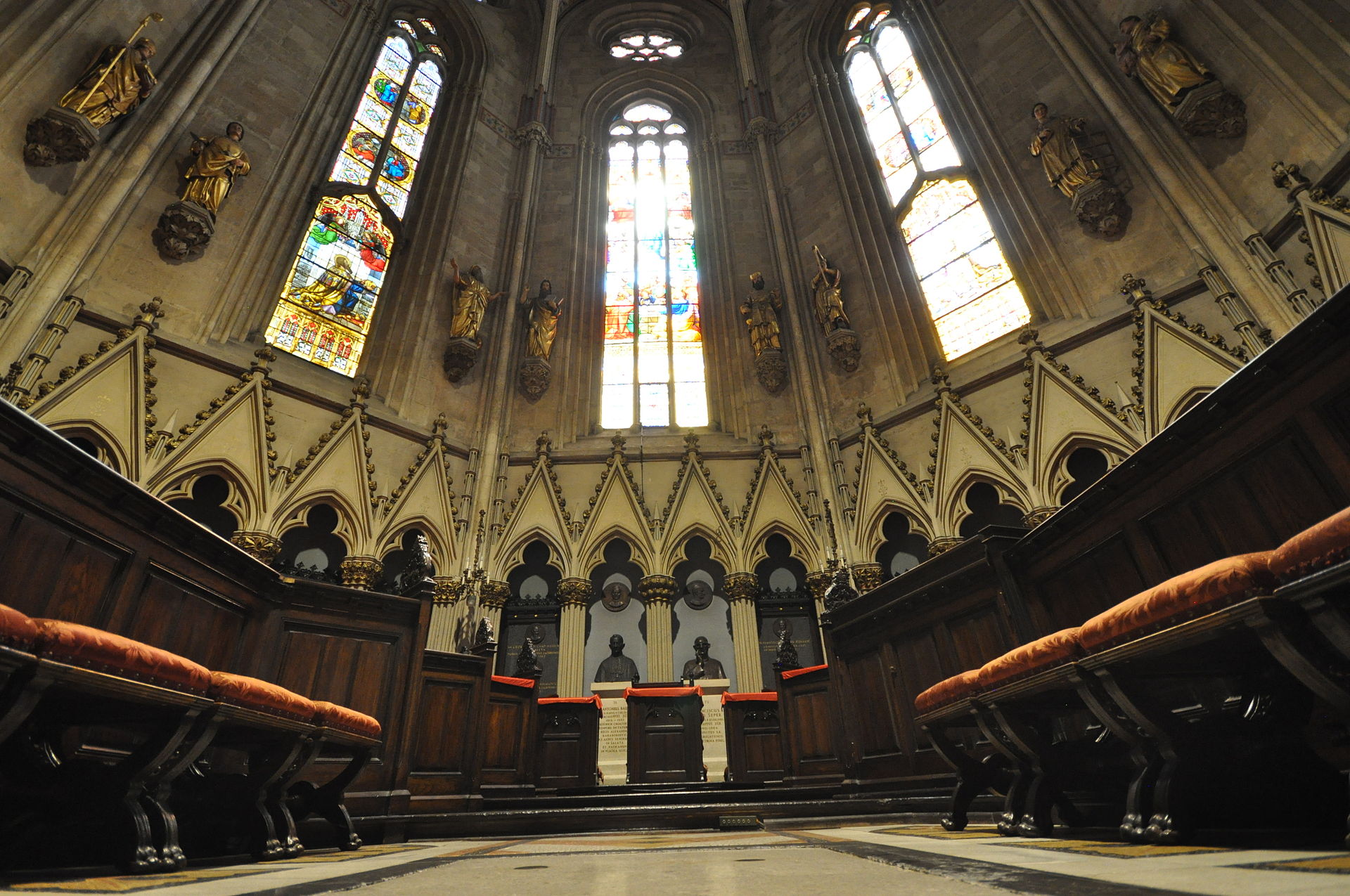
Insider tip: Restoration isn't finished — the next phase targets the exterior, so expect the towers to be partly clad in scaffolding or shortened through 2026. Don't come for the postcard façade; come for the interior, which is free to enter. Dress modestly (shoulders and knees covered) and keep quiet during services.
St Mark's Church — the roof that is the whole point
You do not visit St Mark's Church in the Upper Town for the inside — the 13th-century church mostly keeps its doors shut outside Mass. You come for the roof. Added during architect Herman Bollé's restoration in the 1880s, its glazed tiles form two coats of arms: on the left, the combined emblems of the Triune Kingdom of Croatia, Dalmatia and Slavonia; on the right, the white-castle crest of the City of Zagreb. It is the most photographed object in the country and it sits on a quiet square flanked by the Croatian Parliament (Sabor) and the government palace.
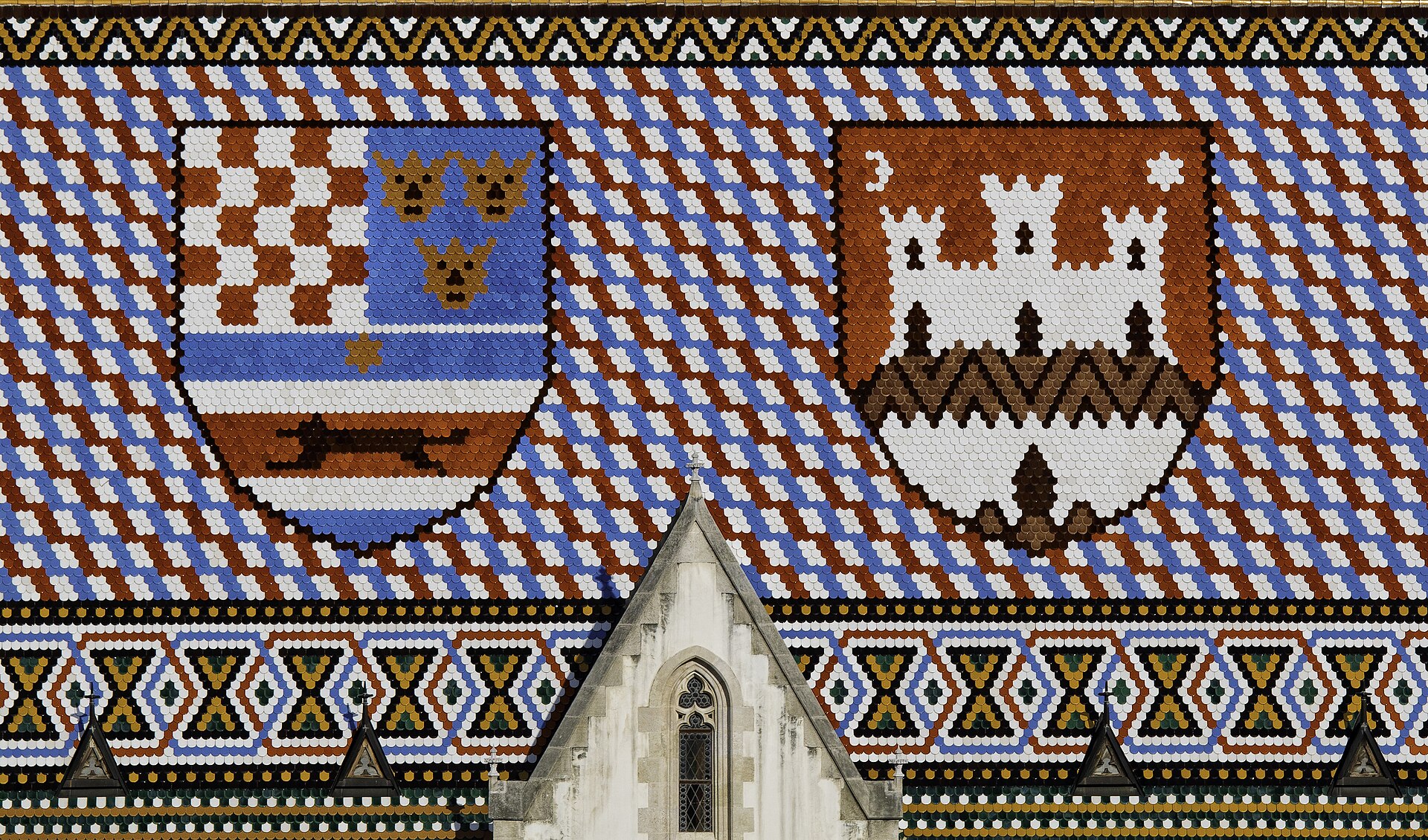
Insider tip: The square is small and the roof is steep, so the whole thing is hard to fit in one frame from ground level. Stand at the far (south) corner by Ćirilometodska street for the cleanest shot, and come mid-morning when the sun is on the tiles rather than behind them. It costs nothing to look, which is the correct price.
Lotrščak Tower & the Grič Cannon — fired every single day at noon
The squat white Lotrščak Tower has guarded the southern edge of the Upper Town since the 13th century. Every day at exactly 12:00, a cannon is fired from its top window across the city — a tradition kept up for about a hundred years, and locals genuinely use it to check their watches. Climb the four floors for one of the best views over the red rooftops and the cathedral; the staircase is narrow and the reward at the top is worth the puff.
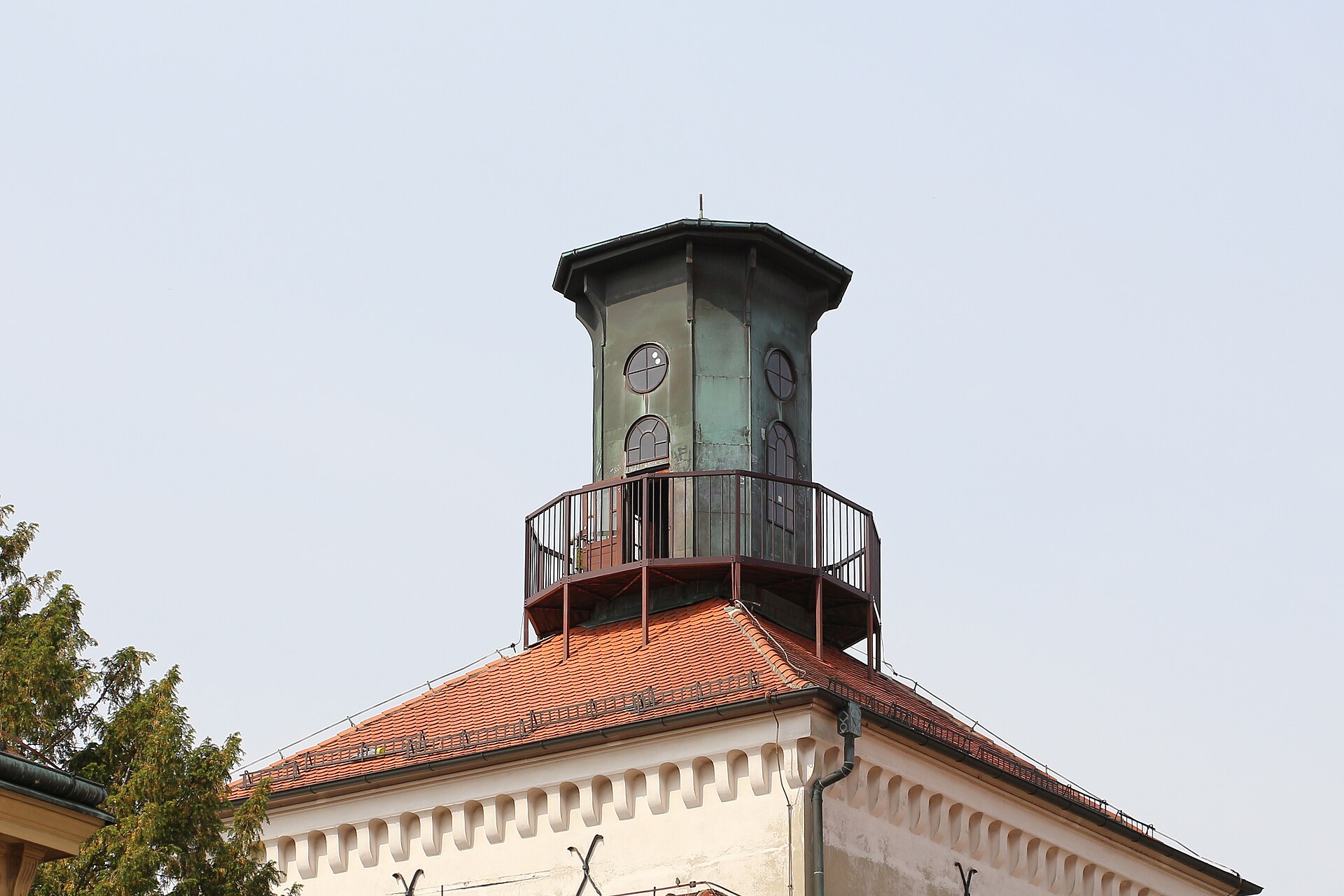
Insider tip: Be at the base a few minutes before noon if you want to hear the Grič cannon — but don't stand directly under the firing window unless you enjoy a heart attack; it is genuinely loud. Climbing the tower costs about €3; it's open roughly 9am–7pm (from 10am weekends). Skip the climb if you're short on time and just ride the funicular up for the view instead.
Museum of Broken Relationships — the best small museum in Croatia
Steps from St Mark's, this museum does one thing and does it perfectly: it displays objects donated by strangers from failed relationships, each with a short written story. A wedding dress stuffed in a jar. An axe used to chop up an ex's furniture. A garden gnome. The belt a woman found in her car. It started as a traveling art project by two Zagreb artists and won the European Museum of the Year's Kenneth Hudson Award in 2011; it is funny, devastating, and over in about an hour.
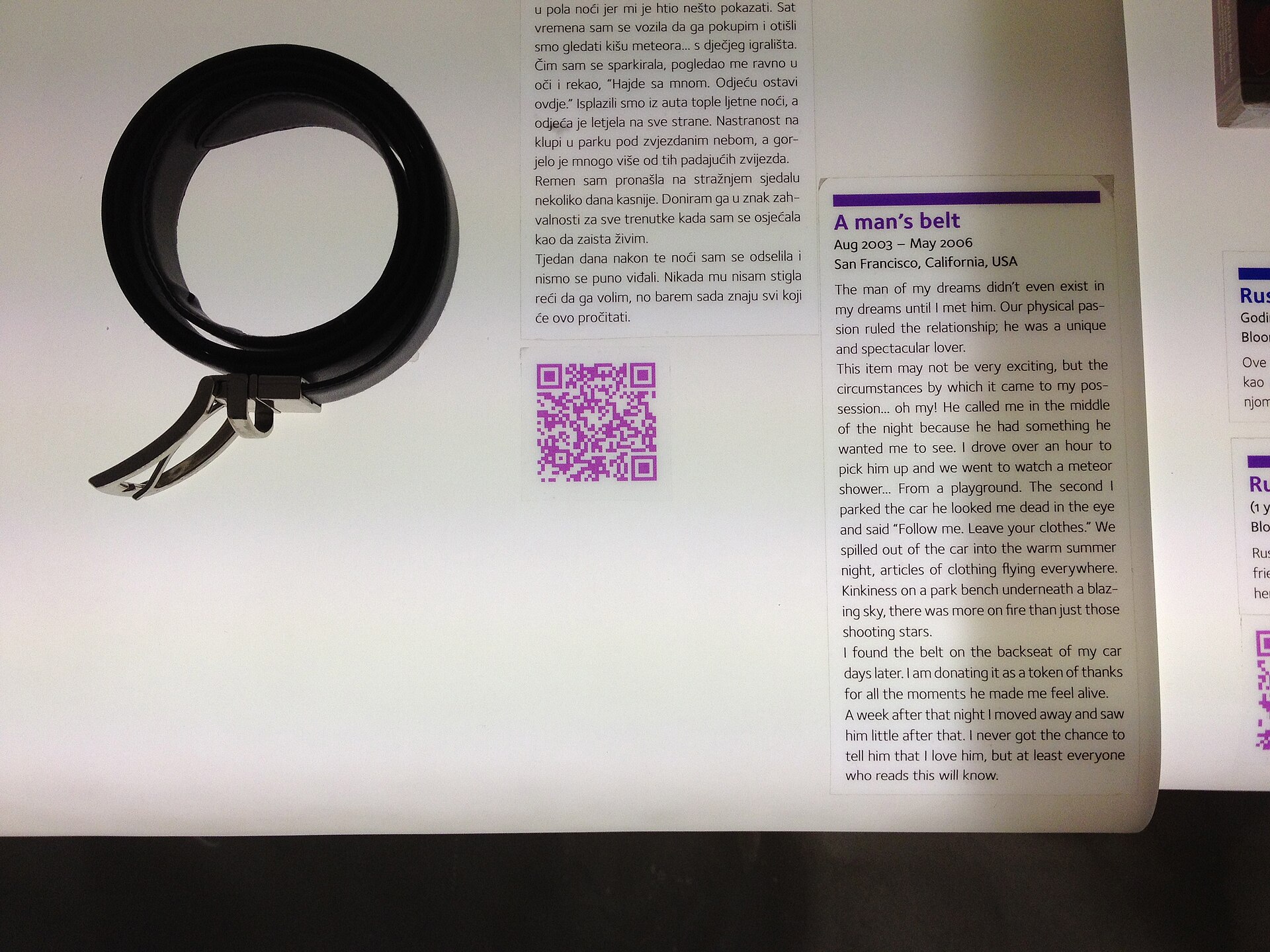
Insider tip: Entry is €7 (€5.50 reduced for students, seniors 65+, and visitors with disabilities), open daily 9am–9pm in winter and until 10pm from June to September. Don't rush the reading — the objects are nothing, the captions are everything. The gift shop's "bad memories eraser" is the one souvenir here worth buying.
Mirogoj Cemetery — a cathedral of arcades for the dead
Mirogoj is routinely ranked among Europe's most beautiful cemeteries, and for once the ranking is right. Designed by architect Herman Bollé and opened in 1876, its entrance is a long run of ivy-covered neo-Renaissance arcades topped with cupolas — a monumental colonnade where Croatia's writers, politicians and the first president are buried side by side regardless of faith. It is free, peaceful, and almost tourist-free.
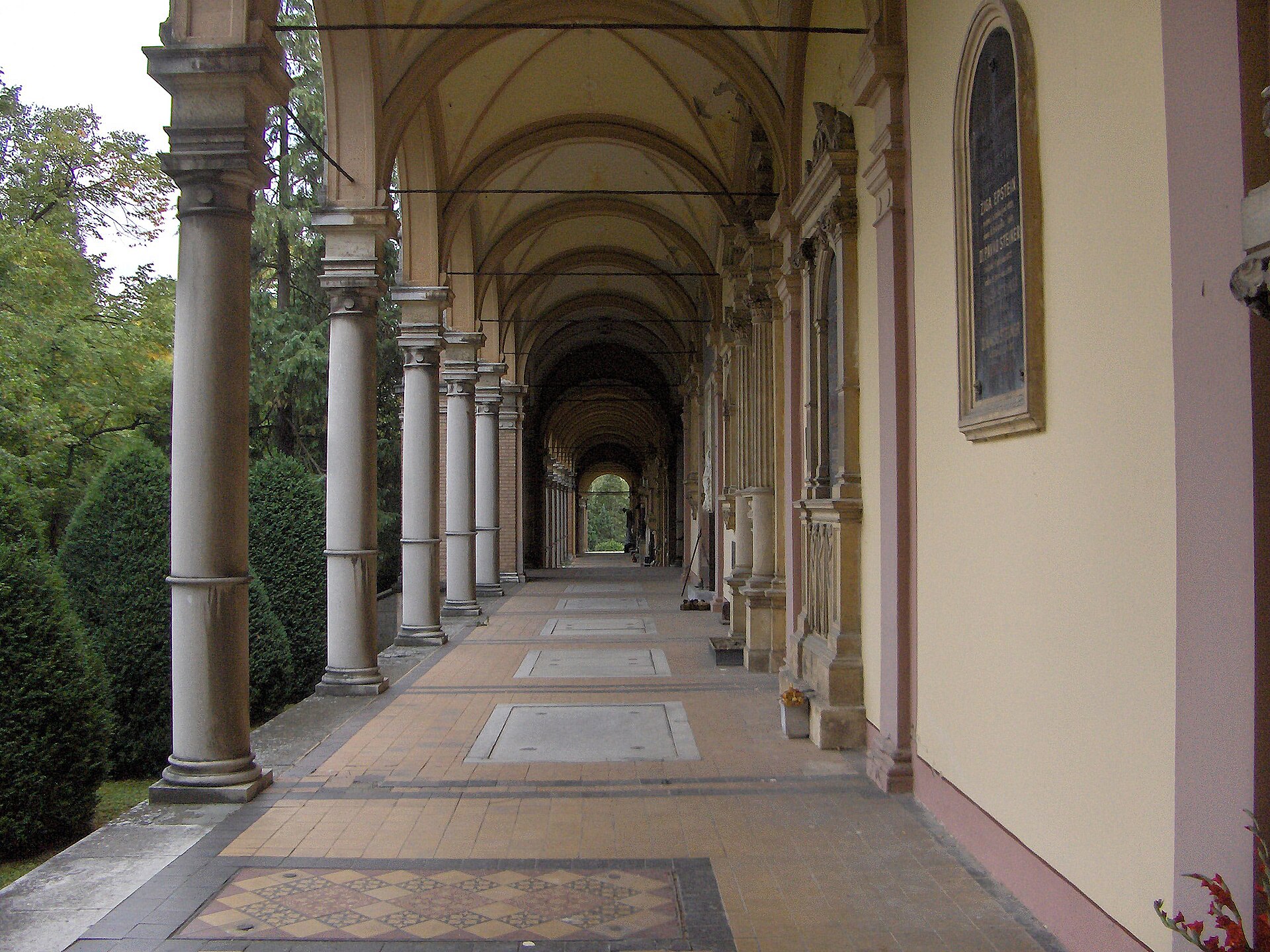
Insider tip: Take bus No. 106 from the terminal right beside the cathedral — it's about a 15-minute ride and the same ZET ticket works. Avoid visiting on 1 November (All Saints' Day), when half the city comes to lay candles and the place is packed; any other day you'll have the arcades nearly to yourself.
Ban Jelačić Square — the beating center and the city's living room
Everything in Zagreb is measured from Ban Jelačić Square (Trg bana Josipa Jelačića), the pedestrian plaza where the trams converge and the equestrian statue of the 19th-century ban points his sword. The local phrase for meeting someone is ispod sata — "under the clock" — referring to the free-standing clock on the square's east side, the default rendezvous point for the whole city. Grab a coffee at one of the surrounding terraces and watch Zagreb go by; people-watching here is a legitimate activity.
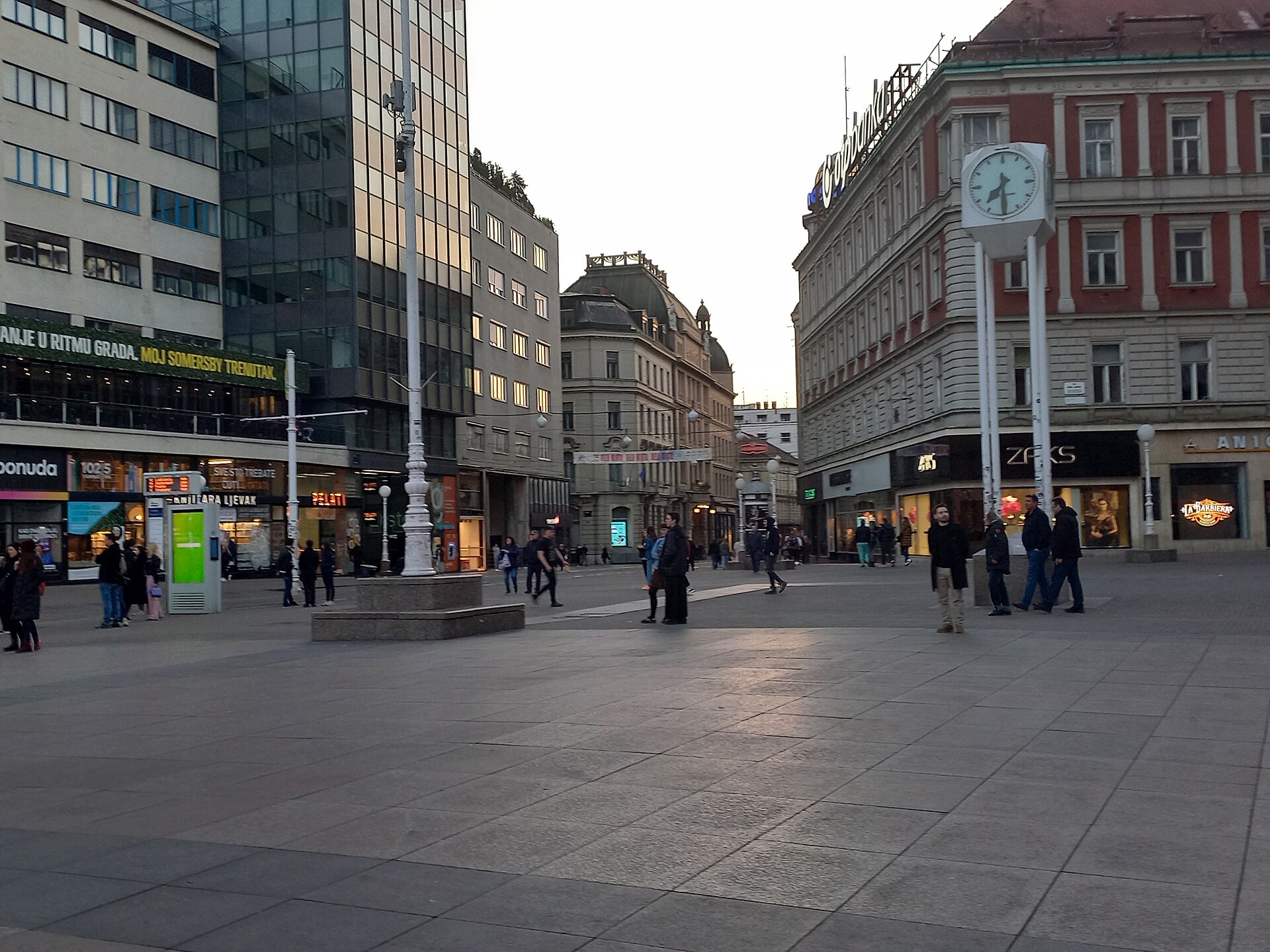
Insider tip: Saturday late morning is špica — the weekly ritual where dressed-up locals parade between the square and Cvjetni trg (Flower Square) to drink coffee and be seen. Plant yourself on a terrace around 11am to watch the most Zagreb thing that exists. The square itself is free; a coffee runs €2–3.
🗓️ A 3-Day Itinerary
Day 1 — Upper and Lower Town, the greatest hits
Start under the clock on Ban Jelačić Square, then walk two minutes up to Dolac Market for breakfast — a burek (flaky filled pastry) and that tub of cheese and cream will run about €4 ($4.30). Walk five minutes to Zagreb Cathedral (free) on Kaptol. Loop back and up through the Stone Gate (Kamenita vrata), the last surviving medieval town gate, now a tiny candle-lit shrine built around a painting of the Virgin that survived a 1731 fire. Time your morning so you're at Lotrščak Tower for the noon cannon, climb it (€3 / $3.25), then cut across to St Mark's Square for the roof and the Museum of Broken Relationships (€7 / $7.55). Ride the funicular back down to Ilica street (€0.66 / $0.71, 64 seconds). Dinner: La Štruk on Skalinska, where a plate of baked štrukli is about €7–9 ($7.50–9.70). Total day, excl. lodging: roughly €30–40 ($32–43) per person.
Day 2 — the Green Horseshoe and the museums
The Lower Town (Donji Grad) is laid out around the "Lenuci Horseshoe," a U of leafy squares and grand 19th-century buildings. Stroll Zrinjevac park with its plane trees and bandstand, past the mustard-yellow Art Pavilion and down to King Tomislav Square in front of the main train station. Pick one serious museum: the Mimara Museum or the Museum of Arts and Crafts, each roughly €5–8 ($5.50–8.60). Break for coffee on Cvjetni trg, then wander up Tkalčićeva, the car-free street of bars and cafés that runs along a filled-in stream bed. Dinner at Vinodol — order purica s mlincima (roast turkey with mlinci pasta sheets), the signature dish of the region, around €14–18 ($15–19). Total, excl. lodging: about €35–50 ($38–54).
Day 3 — Mirogoj and a slower pace
Take bus No. 106 from beside the cathedral to Mirogoj Cemetery (free; ticket €0.53 / $0.57 each way) and spend an hour in the arcades. Back in town, choose your afternoon by season: in warm months, tram out to Jarun Lake for a swim, a lakeside walk, or a cycle (free, a world away from the Old Town); in cooler months, cross the Sava river to the Museum of Contemporary Art in Novi Zagreb (around €7 / $7.55), whose indoor slide by artist Carsten Höller is a genuinely good time. End with coffee and cake at an old-school spot like Vallis Aurea near the funicular for a plate of ajngemahtec if you're still hungry. Total, excl. lodging: about €20–35 ($22–38).
🧠 Essential Tips
Best months to visit
Aim for May–June or September. Late spring brings daytime highs around 22–26°C, full café terraces, and the Strossmartre arts festival on the Upper Town promenade; September gives you the same mild weather with the summer crowds gone. Avoid August if you want the city at full tilt — it gets hot (regularly above 30°C) and, more importantly, Zagreb empties out as locals head for the coast, so a chunk of restaurants and bars simply close. The wild card is December: Zagreb's Advent was voted Best Christmas Market in Europe three years running (2016, 2017 and 2018) by European Best Destinations, and the whole center fills with stalls, mulled wine and an ice rink. It's magic but it is cold and busy — book ahead.
Getting in from the airport
Franjo Tuđman Airport (ZAG) is about 17 km southeast of the center. The cheapest reliable option is the Pleso Prijevoz airport bus to the main bus station (Autobusni kolodvor): €9 one way, roughly 35–40 minutes, departing about every half hour from 6:00 to 22:30. A Bolt ride to the center typically runs €15–25 depending on traffic and time. Avoid grabbing an unmetered taxi off the rank — airport taxi overcharging is the single most common rip-off here.
Getting around
The historic core is walkable end to end in 20 minutes, so you'll mostly use the ZET tram and bus network for longer hops (Mirogoj, Jarun, the Sava). Buy tickets at any Tisak kiosk, where a 30-minute ticket is €0.53, a 90-minute ticket €1.33, and a full-day ticket €3.98 — all cheaper than buying from the driver (€0.80 and €1.99). Validate your ticket in the machine the moment you board; inspectors check at random and an unvalidated ticket is treated as no ticket at all, with an on-the-spot fine. For doors-to-door, locals use Bolt far more than Uber, and it's cheap by Western European standards.
Safety and the small print
Zagreb is one of the safer European capitals and violent crime against visitors is rare. The real risks are mundane: pickpockets working crowded trams and the packed Advent stalls in December, and the airport-taxi overcharging already mentioned. Tap water is clean and good — don't waste money on bottled. Croatia uses the euro (since 2023) and is in the Schengen zone, so there's no separate currency to change. Cards are accepted almost everywhere, but keep a few euros in coins for the market and the kiosk.
What and where to eat
Zagreb's food is Central European comfort cooking, not Dalmatian seafood. The dish to try is štrukli — dough parcels filled with fresh cheese, baked or boiled — and the place to try it is La Štruk on Skalinska, which does little else. For a proper sit-down meal, order the zagrebački odrezak (a veal cutlet stuffed with ham and cheese, then breaded and fried) at an old-school gostionica like Gostionica Ficlek, or the purica s mlincima at Vinodol. For a cheap, authentic lunch, chase the cabbage-stew-and-meatball combos at a canteen-style spot and finish with knedle sa šljivama, plum dumplings, when they're in season.
🏨 Accommodation Guide
Stay in the Lower Town (Donji Grad) or around Ban Jelačić Square and Kaptol — it's flat, central, and puts you within a 10-minute walk of almost everything in this guide.
Budget (€15–50 / $16–54 a night): Hostel beds and simple private rooms cluster in the Lower Town and near Britanski trg. Swanky Mint Hostel, in a converted 19th-century textile-dye factory off Ilica, is the long-running backpacker favorite with a courtyard bar; Main Square Hostel on Kaptol puts you steps from Dolac. Dorms sit at the low end of the range, private rooms toward the top.
Mid-range (€70–130 / $76–140 a night): Small design hotels and serviced apartments dominate this bracket. Hotel 9 in the Lower Town and the Garden Hotel near the cathedral are dependable central picks; booking a month ahead keeps you at the bottom of the range outside December.
Luxury (€150–300 / $160–325 a night): The icon is the Esplanade Zagreb, a 1925 hotel built for Orient Express passengers beside the train station — Art Deco ballrooms, serious service, and a famous štrukli on the restaurant menu. The Amadria Park Hotel Capital and the Sheraton round out the top tier. Rates spike hardest during Advent, so lock December in early.
🎭 Beyond the Tourist Trail
When you've done the Upper Town, head east to Martićeva Street and the Kvaternik Square (Kvatrić) neighborhood, a 15-minute walk from the center where the city's independent bistros, specialty coffee roasters and natural-wine bars have quietly concentrated — it's where young Zagreb actually eats and drinks, with none of the Tkalčićeva markup. On Sunday mornings, the Britanski trg (British Square) antiques and flea market is the place to dig through old Yugoslav cameras, vinyl and bric-a-brac while the stallholders drink their coffee.
For a dated seasonal event worth planning around: in summer (roughly June to September) the Strossmartre festival takes over the leafy Strossmayer Promenade below Lotrščak Tower — live music, art stalls and a strung-up canopy of umbrellas, with the Grič cannon still booming at noon over the whole thing. And if you're here in early June, keep an eye out for Cest is d'Best, Zagreb's long-running street-performance festival that fills the Lower Town with buskers and acrobats.
❤️ Plan Your Zagreb Trip with VoyaBear
Three days is enough to fall for Zagreb — and enough to realize how much more sits a short train ride away, from Plitvice's waterfalls to the hilltop villages of Zagorje. Don't spend your trip stitching tram times and opening hours together by hand. VoyaBear builds personalized, day-by-day itineraries around how you travel — your pace, your budget, your appetite for cannon fire at noon — with real places, real costs, and no filler. Tell us when you're going and what you're into, and we'll hand you a plan you can actually follow. Start planning your Croatia trip with VoyaBear today, and spend your time in Zagreb eating štrukli, not reading timetables.
Want this as an actual itinerary?
VoyaBear turns a guide like this into a day-by-day plan built around how you travel.
Plan my trip free