
Algeria
Africa
Algeria is a country in North Africa known for its rich history, diverse culture, and stunning landscapes.
70/10
60
Mar-May, Sep-Nov
Arabic, Berber
Why Visit
To explore ancient ruins and experience vibrant local culture.
Must Try
1. Try traditional Algerian couscous 2. Explore the ancient Roman ruins of Timgad 3. Take a camel ride in the Sahara Desert
Insider Tip
Try bargaining at local markets for a unique shopping experience.
Must-Try Food
Couscous, Tagine, Brik, Makroud, Chakhchoukha
Top Cities in Algeria
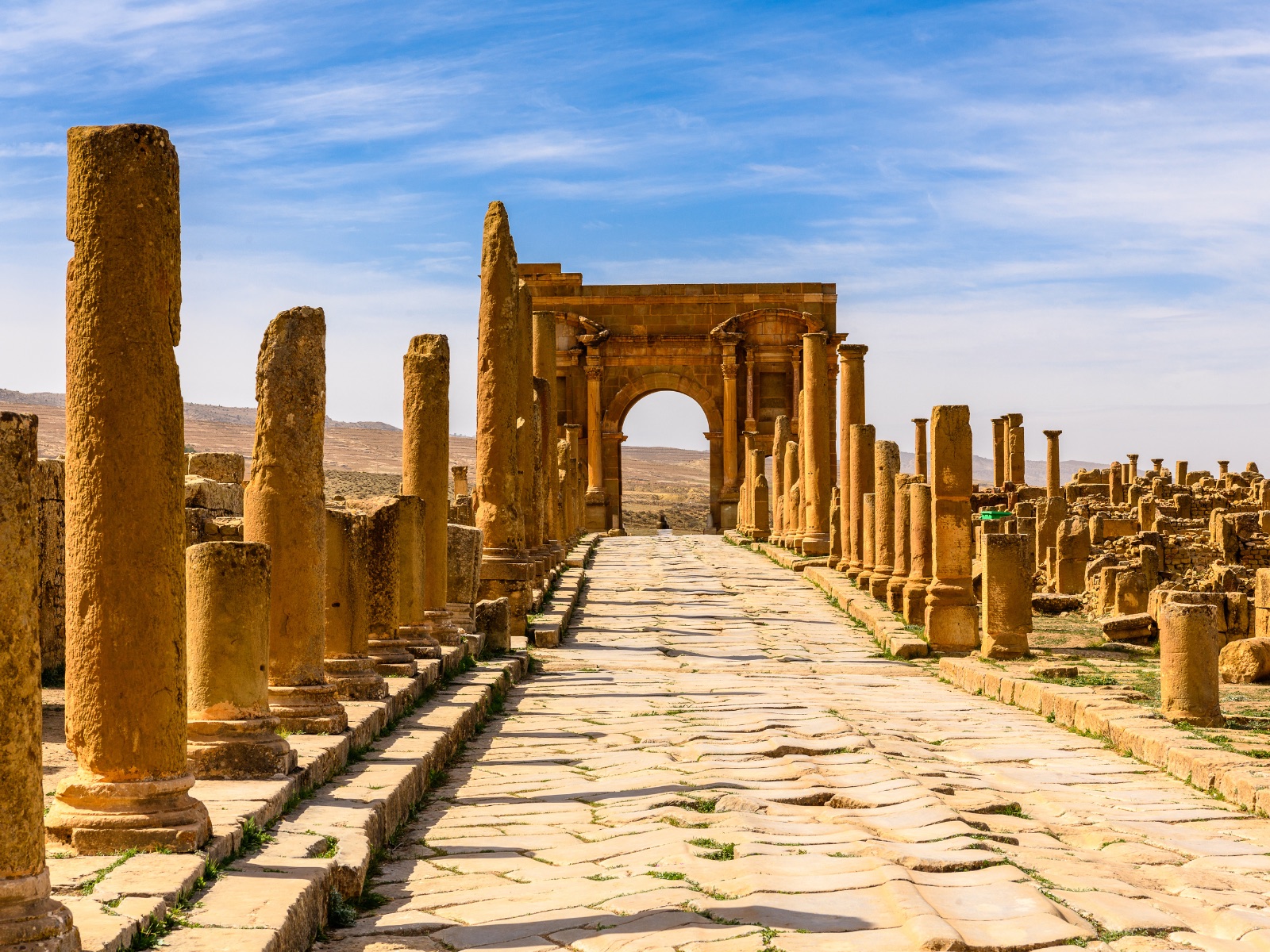
Timgad
Timgad is a small town in Algeria, known for its remarkable Roman ruins, which are neatly arranged in a grid pattern that was once the pinnacle of Roman urban planning. Founded in the 100s AD, the site includes the well-preserved remains of temples, a theater, and an impressive arch that speak to its historical significance as a colonial outpost. The ruins are a UNESCO World Heritage Site, attracting visitors who want to experience the scale of Roman architecture in the heart of the Sahara. Despite its grandeur, the town itself is modest, with few amenities and a population that is largely focused on the preservation of its history.

Algiers
Algiers, the capital of Algeria, is a city built on the slopes of the Tell Atlas, where white-washed buildings cling precariously to the hillsides. The Casbah, a UNESCO World Heritage site, showcases a labyrinth of narrow streets and historic architecture that tells the story of its turbulent past. This juxtaposition of history and modernity reveals itself as locals bustle through the markets and cafes, while the Mediterranean Sea glimmers just beyond. Visitors often come for the Jardin d'Essai du Hamma, a botanical garden that serves as a peaceful escape from the urban chaos. However, don't expect a neatly packaged tourist experience; this city is more about engaging with its untamed spirit than checking off a list of attractions.

Illizi
Illizi is the main entry point for Tassili n'Ajjer National Park, a UNESCO World Heritage site famous for its prehistoric rock art and striking landscapes. The park itself is home to ancient carvings and dramatic sandstone formations that attract hikers and archaeologists alike, stretching across a vast area where the Sahara meets unique geological features. Illizi has a small population primarily consisting of those who work in tourism or support services for visitors to the park. While the city itself is not remarkable, its proximity to the park is what draws people in, with guided tours often leaving directly from here to explore the impressive outdoor gallery of art. The only reason tourists come generally is to see the rock art and the surreal landscapes of the national park.
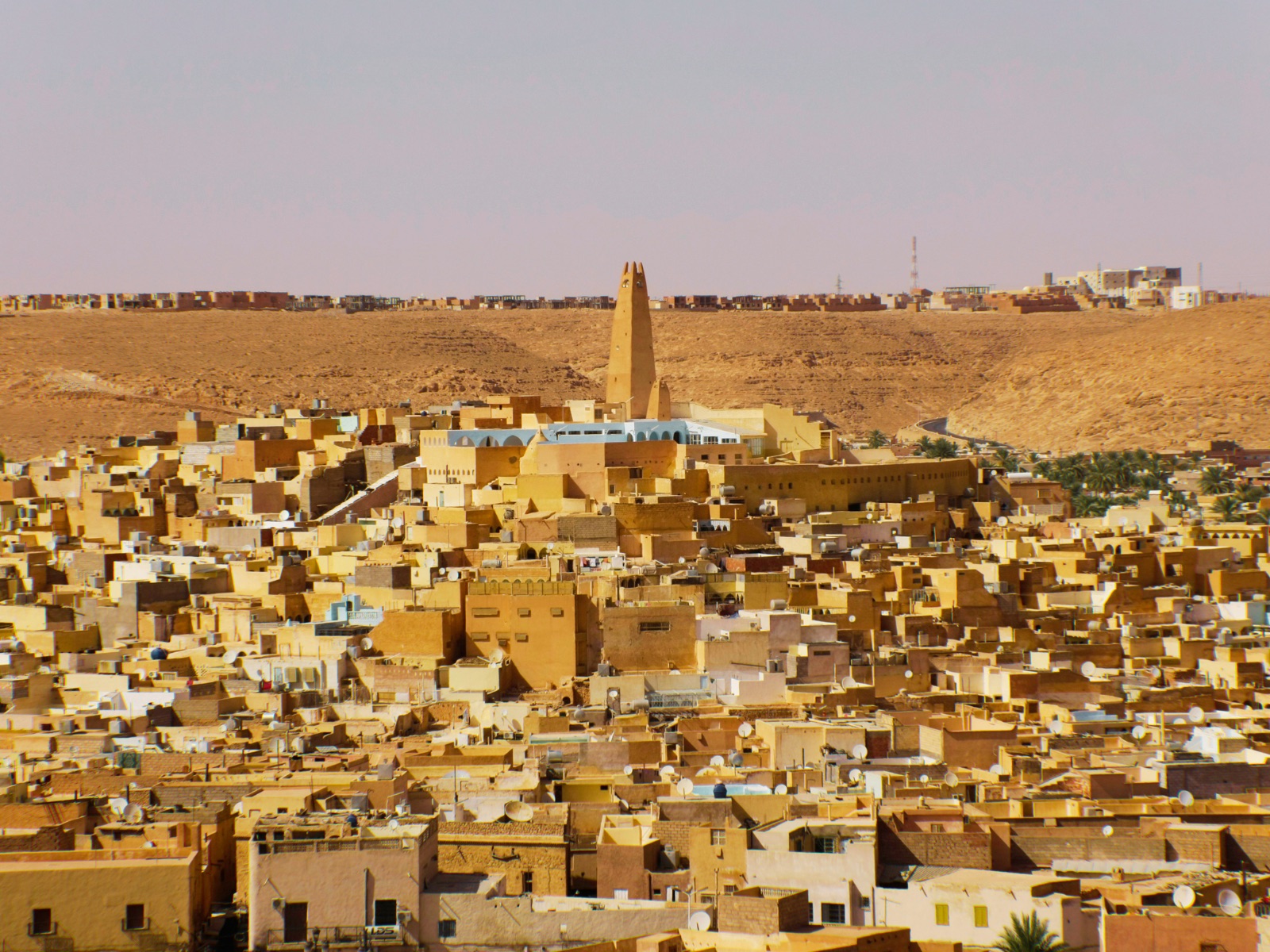
Ghardaïa
Ghardaïa is a Saharan city known for its distinctive Mozabite architecture and cultural life, which is deeply rooted in the traditions of the Berber people. The Old Town is a UNESCO World Heritage site, characterized by its terraced buildings, narrow streets, and colors, all of which enhance the feeling of stepping back in time. The city is also a center of Ibadi Islam, influencing the local customs and social structure. Despite the surrounding desert, Ghardaïa thrives with greenery and is part of a larger oasis system that supports agriculture and sustains its population. Visitors come primarily for the unique architecture and the rich cultural heritage, often exploring the lively souks and engaging with the local community.
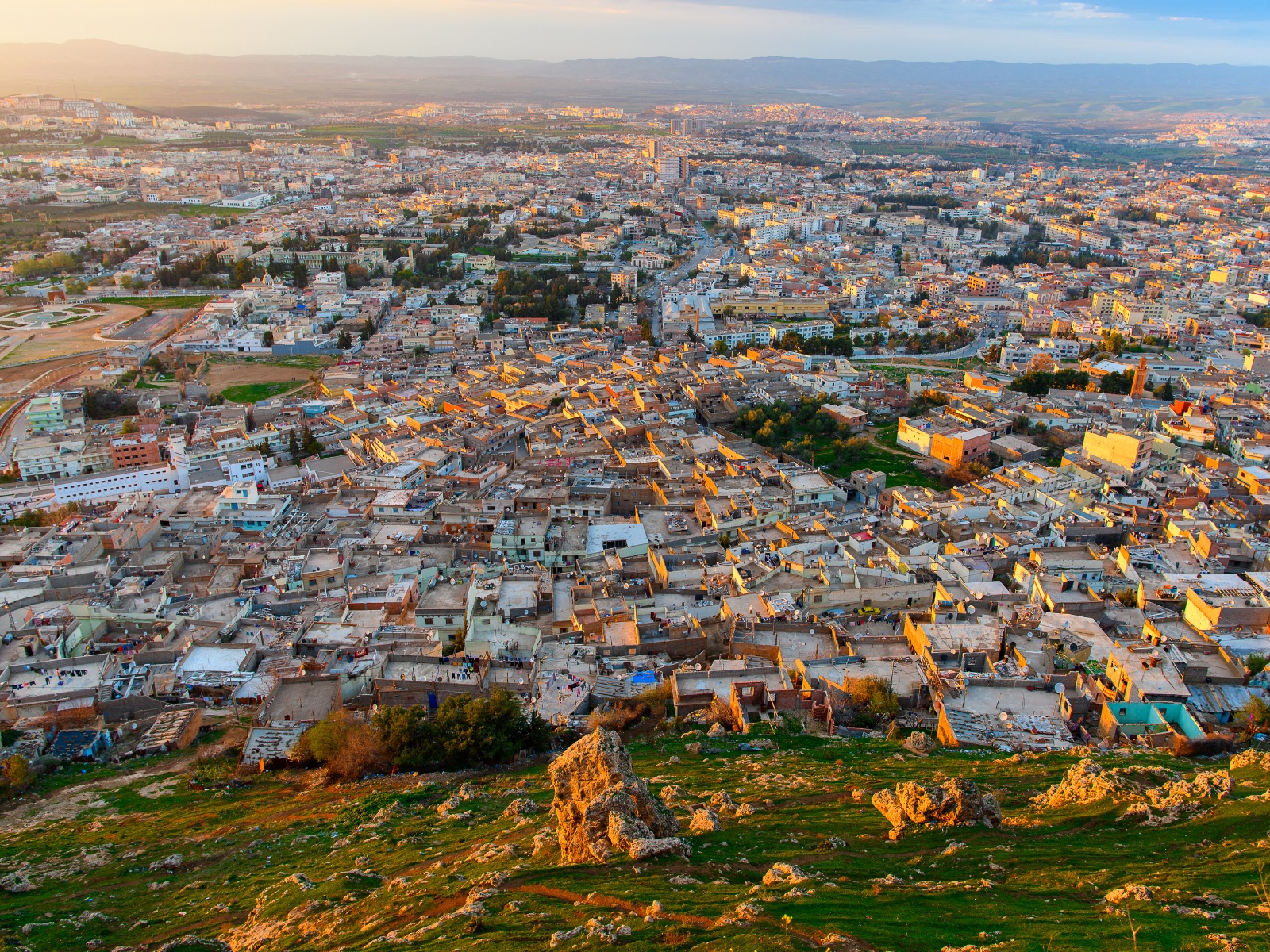
Tlemcen
Tlemcen, a medium-sized city in Algeria, is shaped by its rich Andalusian heritage and historical significance. The architecture here shows a blend of influences from various cultures, evidenced by the intricate patterns of the Great Mosque and the ruins of the Palace of El Mechouar. These attractions draw in visitors looking to explore the traces of the Almohad dynasty and the city's role in the Mudejar style. Although Tlemcen's charm lies in its historical depth and cultural fusion, many find the public transport system just adequate for getting around, which can be a bit inconvenient. People come for the historical sites and to experience its unique blend of cultures in the heart of Algeria.

Tamanrasset
Tamanrasset, situated at the foot of the Hoggar Mountains, is the gateway to the Sahara and the home of Ahaggar National Park. This small town serves as a base for travelers seeking the unique desert landscapes and rich cultural experiences of the region. Its population is a mix of Tuareg people and other communities, which influences the local markets and traditions. The mountains, with peaks that soar over 2,700 meters, offer striking views that have inspired artists and explorers alike. Most visitors come to embark on treks into the surrounding park or to experience the local culture, but be prepared for a lack of modern conveniences. The town itself is simple, with a few basic amenities, and its charm lies in the stark beauty of the landscape rather than urban comforts.
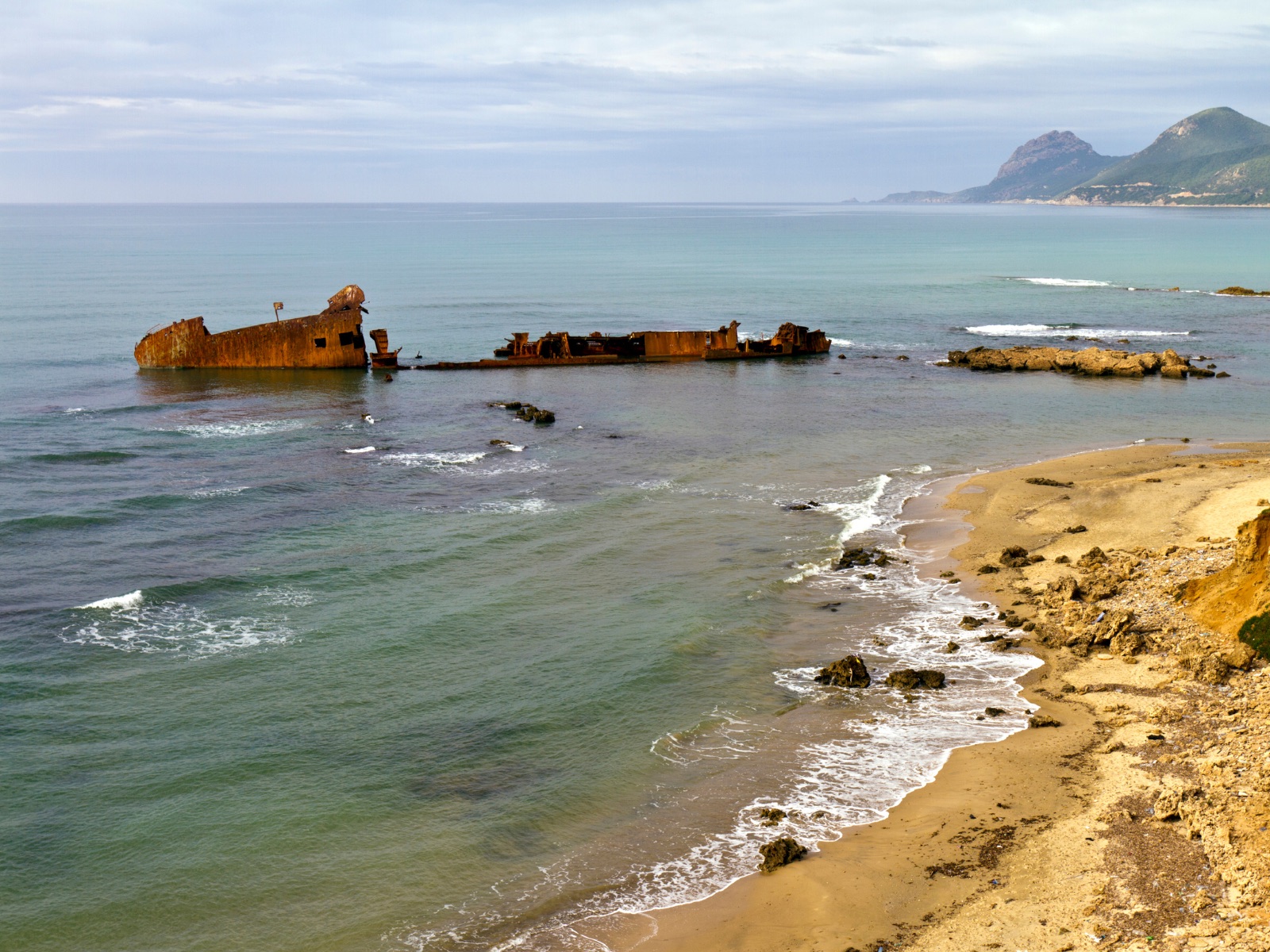
Annaba
Annaba, Algeria's coastal gem, is defined by its Mediterranean coastline and significant historical legacy. The city has been inhabited since ancient times, with ruins from the Roman city of Hippo Regius still standing as a testament to its rich past. As a large port city, it has developed into a modern center where locals enjoy the beaches, and tourists marvel at the impressive architecture, including the Basilica of St. Augustine. You'll find that many people come for the warm waters and soft sands, which can easily get crowded in the sunniest months. Annaba also offers a juxtaposition of historic sites and contemporary urban life, with its lively markets and cafes peppering the waterfront, making it an interesting place to explore.

Setif
Setif is a medium-sized city in northern Algeria, known for its Roman ruins and historic significance as the ancient Sitifis. The city holds an impressive collection of archaeological sites, including the Beni Hammad Fort, a UNESCO World Heritage site located about an hour to the east. Setif's central square is home to a lively local market that attracts both residents and visitors alike, with fresh produce and traditional crafts on display. The combination of its rich history and atmosphere makes it a unique cultural destination, drawing students and tourists interested in exploring Algeria's past and present. People come to Setif to experience the Roman ruins and the market scene, both of which are central to understanding the city's character.

Oran
Oran is Algeria's second-largest city and a key port, located on the Mediterranean coast. Founded in the 10th century, it has a mixture of Spanish, Ottoman, and French influences visible in its architecture, particularly in the historic Casbah district. The city’s waterfront is lined with beaches and lively promenades, while the music scene, especially Raï, represents a vital part of its culture and draws visitors keen on experiencing local sounds. The markets and cafes add to the atmosphere but can also make it hard to see everything in a day. People come for the music and the coastal charm, finding both in abundance at local venues and festivals.

El Tarf
El Tarf, a medium-sized city in Algeria, serves as the gateway to El Kala National Park, a UNESCO Biosphere Reserve known for its rich biodiversity. This city features sprawling landscapes that include forests, wetlands, and coastal areas, which draw nature enthusiasts looking to experience various habitats. The region is home to a mix of local urban life and natural scenery, with visitors often heading to the nearby beach at El Kala for relaxation after exploring the park. The wildlife here is equally diverse, with chances to spot rare birds and other species in their natural settings. People come for the opportunity to hike through the park's many trails and witness the array of flora and fauna on display.

Skikda
Skikda, a coastal city in northeastern Algeria, has its roots in the port that dates back to Roman times when it was known as Rusicada. Today, the town features both a busy harbor and a series of Mediterranean beaches that attract visitors from surrounding regions. The waterfront is lined with cafes and eateries offering fresh seafood, while the nearby ruins of the ancient city add a historical layer for those who venture beyond the beach. Skikda's population swells during the summer months with locals and tourists alike, making the coastal scene a significant draw. People come for the combination of sun, sea, and the chance to sample the local cuisine, especially the seafood dishes that are a hallmark of the region.

Bejaia
Bejaia, a coastal city in Algeria, serves as a gateway to the Kabylie mountains and is known for its mix of Mediterranean beaches and Kabyle culture. Its port has long been a vital hub, contributing to a diverse history that attracts visitors. The city is characterized by its waterfront, where local life intertwines with the waves, and the surrounding mountains that offer hiking opportunities. Despite the beautiful scenery, Bejaia is more of a stopover for most, with the beaches and local cuisine drawing in visitors rather than a broad array of tourist activities. Travelers come for the fresh seafood and the chance to explore the nearby natural landscapes.