
Angola
Africa
Angola is a country in Southern Africa known for its diverse landscapes, from sandy beaches to lush rainforests.
65/10
75
May-Sep
Portuguese
Why Visit
Experience the natural beauty and wildlife of Angola.
Must Try
1. Try traditional Angolan cuisine 2. Explore the diverse wildlife on a safari 3. Visit the historic city of Luanda
Insider Tip
Make sure to try the local cuisine for a truly authentic experience.
Must-Try Food
Muamba de galinha, Calulu, Funje
Top Cities in Angola
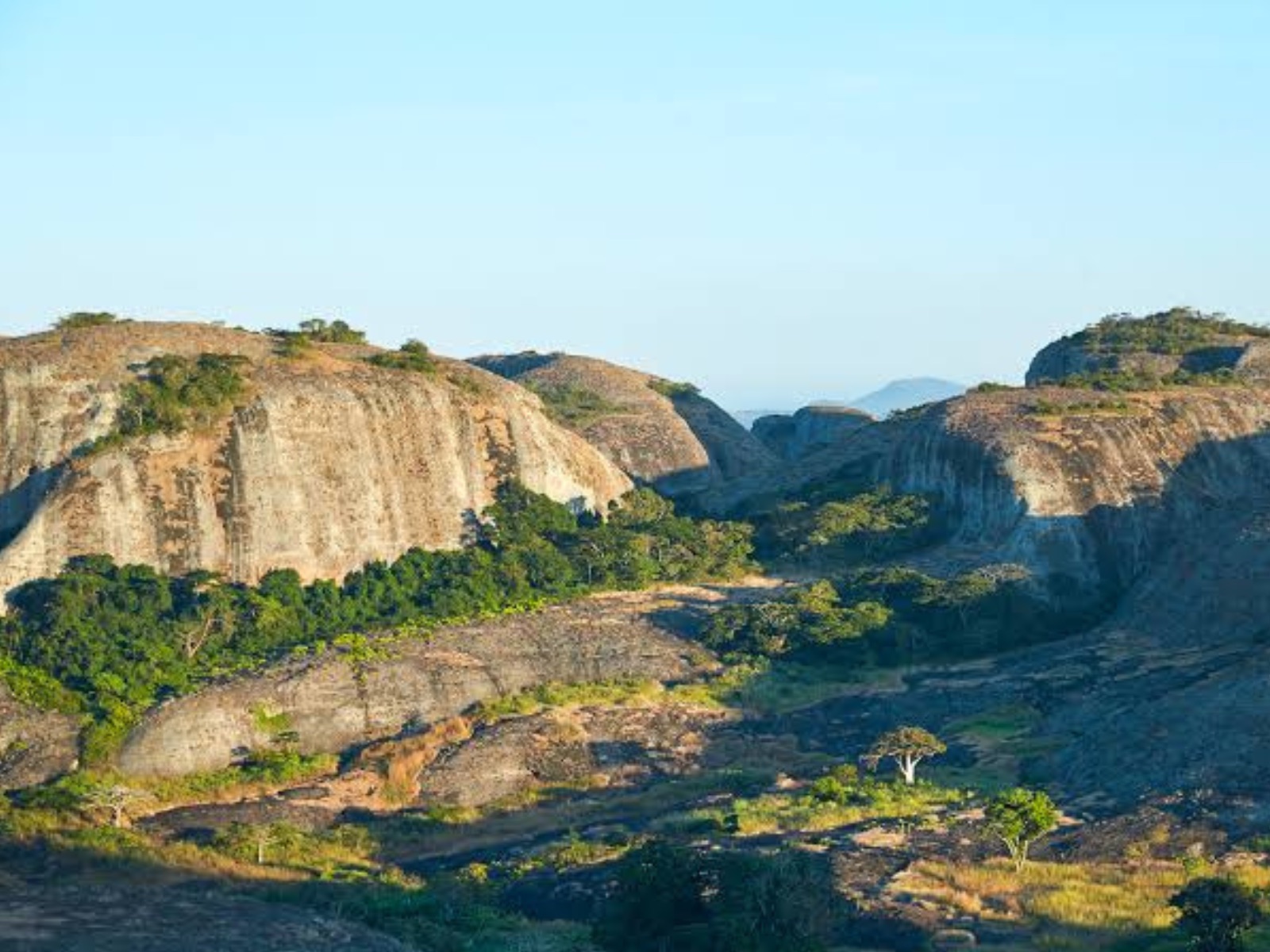
Malanje
Malanje is a medium-sized city in Angola known for its historic landmarks and natural beauty, particularly the Kalandula Falls and the unique black stones of Pungo Andongo. Its rich cultural heritage is visible in the colonial architecture that still stands, while the surrounding nature includes Cangandala National Park, which offers a glimpse into Angola's diverse wildlife and ecosystems. However, the city's appeal lies in its mix of history and outdoor attractions, which draws visitors looking for both cultural exploration and natural experiences. Many come specifically for the dramatic landscapes and impressive waterfalls that the region showcases, making it a noteworthy stop for nature lovers and history buffs alike.

Lubango
Lubango is a mountain town in Angola, perched in the Serra da Chela mountains and shaped by its dramatic landscape. The Tundavala Gap nearby offers striking views that can seriously provoke vertigo, and it draws visitors for that reason. The town itself features a blend of Angolan and Portuguese influences, visible in its architecture and local culture, yet its size means you get a more intimate feel. It serves as a gateway to surrounding natural wonders, though many local attractions exist just out of reach due to limited public transport. People come primarily for the scenery and the chance to explore the sights of the region, though you might need a good pair of hiking boots to make the most of it.

Cuito Cuanavale
Cuito Cuanavale is best known as the site of a major Cold War battle, specifically the 1987-1988 conflict between Angolan government forces and UNITA rebels, backed by South Africa. This historic significance is combined with its rural surroundings, characterized by vast savannah and wildlife, drawing attention to both its military past and natural beauty. The remnants of the battle can be explored, and visitors may spot elephants or hippos in the nearby river systems. While the area is small and lacks extensive tourist infrastructure, the landscape offers a unique glimpse into a pivotal moment in African history alongside rich biodiversity, making it a point of interest for history buffs and nature enthusiasts alike.

Benguela
Benguela is a historic coastal city in Angola, known for its colonial architecture that dates back to the Portuguese era. The streets are lined with well-preserved buildings, most notably the Church of the Holy Spirit, which serves as a fine example of the local baroque style. With beautiful beaches like Praia da Caota nearby, the city becomes a weekend retreat for those escaping Luanda, which is about a six-hour drive to the north. Its cultural heritage is celebrated in various festivals, while the low-key atmosphere shows a part of Angola that contrasts with the capital. Many come to enjoy the relaxed beach scene and the local cuisine, particularly fresh seafood served at waterfront restaurants.

Luanda
Luanda is Angola's sprawling capital and a major port city, shaped by its location along the Atlantic coast. The oil boom redefined its skyline, transforming it into a mix of modern high-rises and colonial architecture, but the infrastructure struggles to keep up. The Kwanza River flows through the city, leading to beaches and Mussulo Island, where locals and visitors alike try to escape the urban chaos. However, the city's charm is underscored by its challenges, including a public transport system that is more of a suggestion than a reliable option. People come for the unique blend of culture and coastal beauty, but often find themselves caught in the city's contradictions.

Huambo
Huambo, a medium-sized city in Angola, was once a significant railway hub, with its historic railways connecting the region to other key cities. This legacy has shaped its development, leading to a blend of colonial architecture and local markets with activity. Huambo's cooler climate and lush surroundings make it an appealing destination for those looking to escape the more arid regions of the country. The city is often a stop for visitors looking to explore the nearby Humpata plateau or the beautiful Serra da Chela mountains, but it is the markets that truly draw locals and tourists alike, offering a taste of Angolan culture and community life.

Lobito
Lobito is a port city on Angola's coast, known for its scenic bay and beaches. The city was built around its deep-water port, which supports fishing and a growing tourism industry, attracting visitors to its sandy shores and maritime activities. The waterfront promenade features a mix of lively restaurants and shops, while the nearby beaches, such as Praia da Caota, offer various water sports and relaxation. Lobito's heritage as a former colonial trading hub is evident in its architecture, though much of the city is still developing and modernizing. Most tourists come for the beach, making it a popular getaway for Angolans and international visitors alike, though you'll notice the limited public transport options right away.

Cabinda
Cabinda is an Angolan coastal city that exists as an enclave, separated from the rest of the country by a strip of the Democratic Republic of the Congo. Its economy is heavily influenced by its significant oil reserves, which draw workers and investment, while the surrounding tropical forests create a striking contrast to the industrial sector. The city center features a mix of Colonial-era buildings and modern infrastructure, but the natural landscape just outside offers opportunities for exploration and relaxation. Visitors often come for the unique combination of coastal scenery and rich biodiversity, though many may find themselves searching for activities once the allure of the forests wears off.