Australia
Australia
Australia is a country of contrasts, from its stunning beaches and vibrant cities to its unique wildlife and vast Outback. Whether you're looking to relax on the Gold Coast, explore the Great Barrier Reef, or cuddle a koala, Australia has something for everyone. Don't miss the chance to experience the laid-back Aussie lifestyle and immerse yourself in the country's rich indigenous culture.
52.57/10
70
Sep-Nov
English
Why Visit
Home to the Great Barrier Reef, the world's largest coral reef system.
Must Try
1. Visit the Great Barrier Reef 2. Explore Uluru-Kata Tjuta National Park 3. Experience Sydney Opera House
Insider Tip
Travel during the shoulder seasons for fewer crowds and better prices.
Must-Try Food
Pavlova, Vegemite on toast, Meat pie, Lamington, Barramundi
Top Cities in Australia

Port Campbell
Port Campbell is a small coastal village on the Great Ocean Road, drawing visitors for its proximity to some of Australia's most famous natural landmarks. The Twelve Apostles, a collection of limestone stacks rising from the southern ocean, are the main attraction, while the nearby Loch Ard Gorge tells a shipwreck story with dramatic cliffs and sea caves. The town itself is quaint, with a jetty for fishing and a few eateries, but it exists primarily to serve tourists eager to see the geological wonders that line the coast. If you're in the area, the Great Ocean Road is the reason to be here, but don't expect much else: when the sun sets on the cliffs, the village is quiet enough to hear the waves.
Purnululu National Park
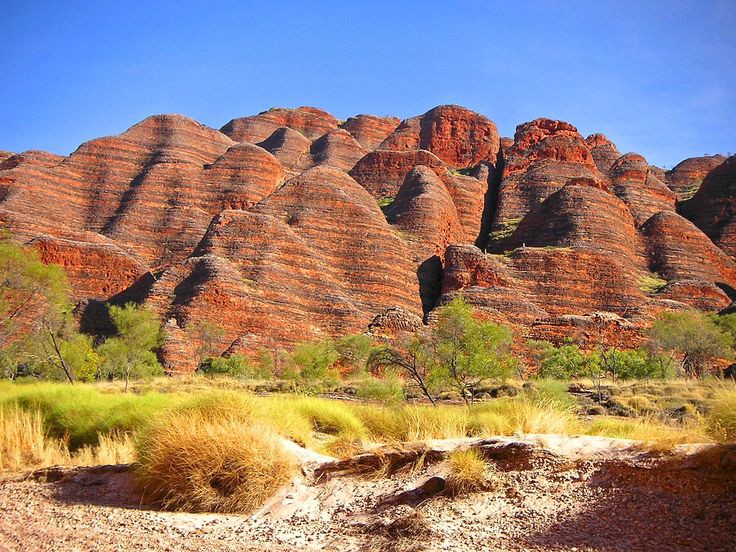
Purnululu National Park in Western Australia is renowned for the Bungle Bungle Range, a striking geological formation of beehive-shaped sandstone domes. Visitors are drawn to this UNESCO World Heritage site to explore its unique landscapes and Aboriginal cultural significance. The park is a remote destination, accessed by a rugged 4WD track, and offers camping facilities for those wishing to experience its natural beauty overnight. Hiking trails such as the Echidna Chasm and Cathedral Gorge provide opportunities to appreciate the park's dramatic scenery. The region's remoteness means that amenities are limited, so visitors should come prepared.

Sydney
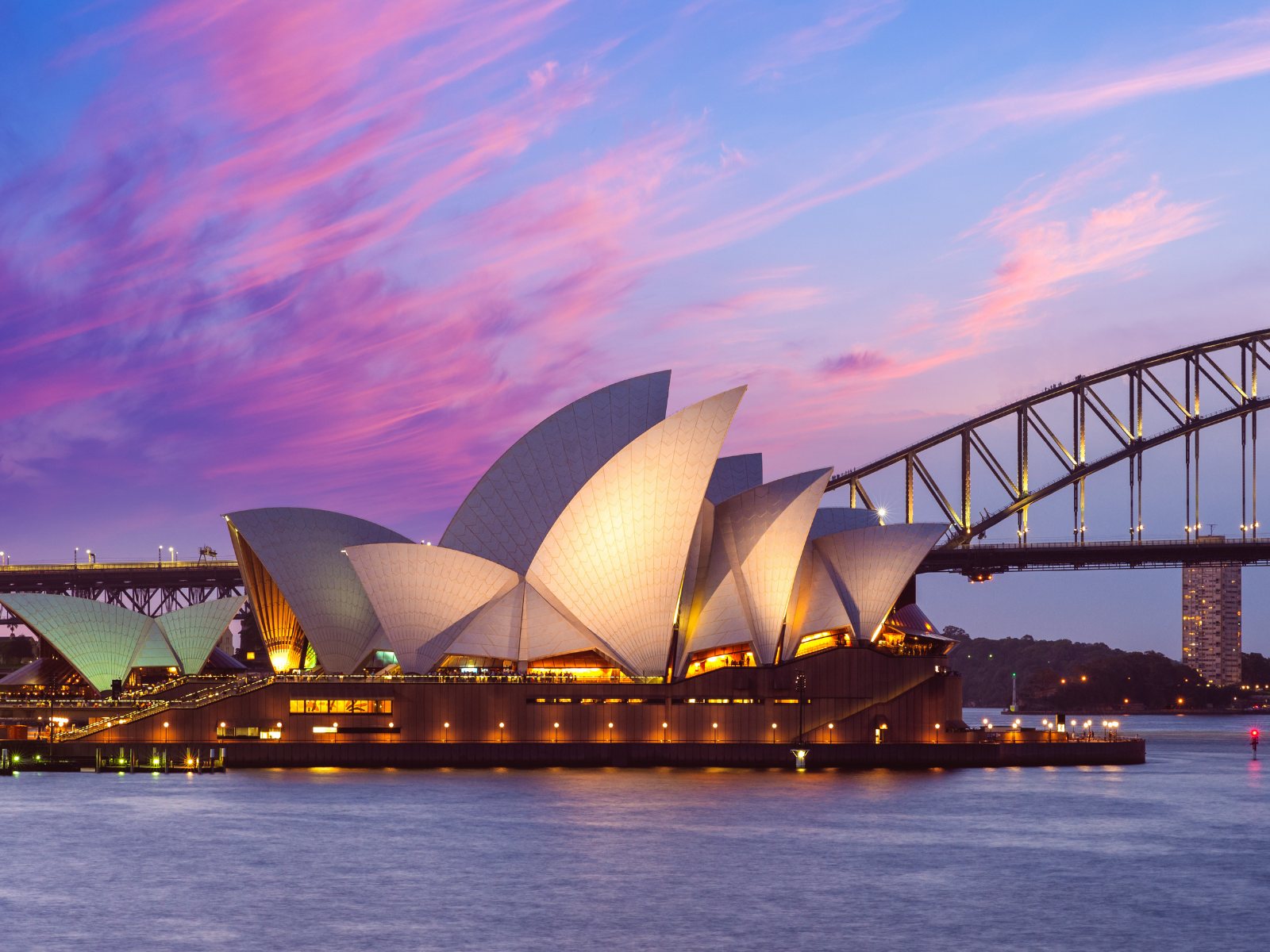
Sydney is built around its harbour, where the iconic Opera House and the Harbour Bridge define the skyline. This geographical feature dominates the city’s character, shaping its culture, transport, and even leisure activities. Beaches like Bondi and Coogee are just as crucial, attracting both locals and tourists who prefer sunbathing to cityscapes. The city is a hub with a large population that thrives on tourism, resulting in a atmosphere that can sometimes feel overwhelming, especially in popular areas. Most visitors come for the coastal walks and the chance to take in the views, but be prepared for prices that make you question whether that latte was really worth it.

Yulara
Yulara is a small desert town built almost entirely for visitors of Uluru, the iconic sandstone monolith that dominates the landscape. The town exists to service the thousands who flock each year to witness the sun setting behind Uluru or to explore its base on foot, where the red rock reveals tales of the local Anangu culture. The surrounding area offers other attractions like Kata Tjuta, Kings Canyon, and various art centers showcasing Indigenous art and culture. Not much happens outside the tourist season, making it feel a little isolated. It’s a place where the vast Australian outback meets spirituality and where visitors are reminded to respect the sacred land.

Cairns
Cairns is Australia's gateway to the Great Barrier Reef, and this is the reason for pretty much everything else. The city thrives on tourism, with visitors flocking to the reef, which is just a boat ride away, and the result is a landscape filled with tour operators, markets, and plenty of restaurants catering to travelers who are often wearing flip-flops. The waterfront features a lagoon that offers a swimming alternative to the reef, while the Cairns Botanic Gardens showcase tropical flora that thrives in the area's humidity. Beyond its touristy side, residents enjoy a laid-back lifestyle that revolves around the coastal environment, with services and facilities that cater to the steady influx of visitors. Most people come for the diving and snorkeling experiences, but they leave with a tan and a few souvenirs from the night markets.

Whitsunday Islands
The Whitsunday Islands are a collection of 74 islands off the coast of Queensland, known primarily for their unique geography and natural beauty. The highlight is Whitehaven Beach, famous for its fine, white silica sand and crystal-clear waters, which make it a go-to spot for tourists looking for pristine beaches and some of the best sailing in Australia. Most visitors arrive by boat or helicopter, and the islands are home to resorts that cater to holidaymakers, while residents are few and far between. The islands are a popular base for exploring the Great Barrier Reef, which is just a boat ride away, and if you're expecting urban conveniences or public transport, you might want to recalibrate your expectations, as they are quite limited here.
Katoomba
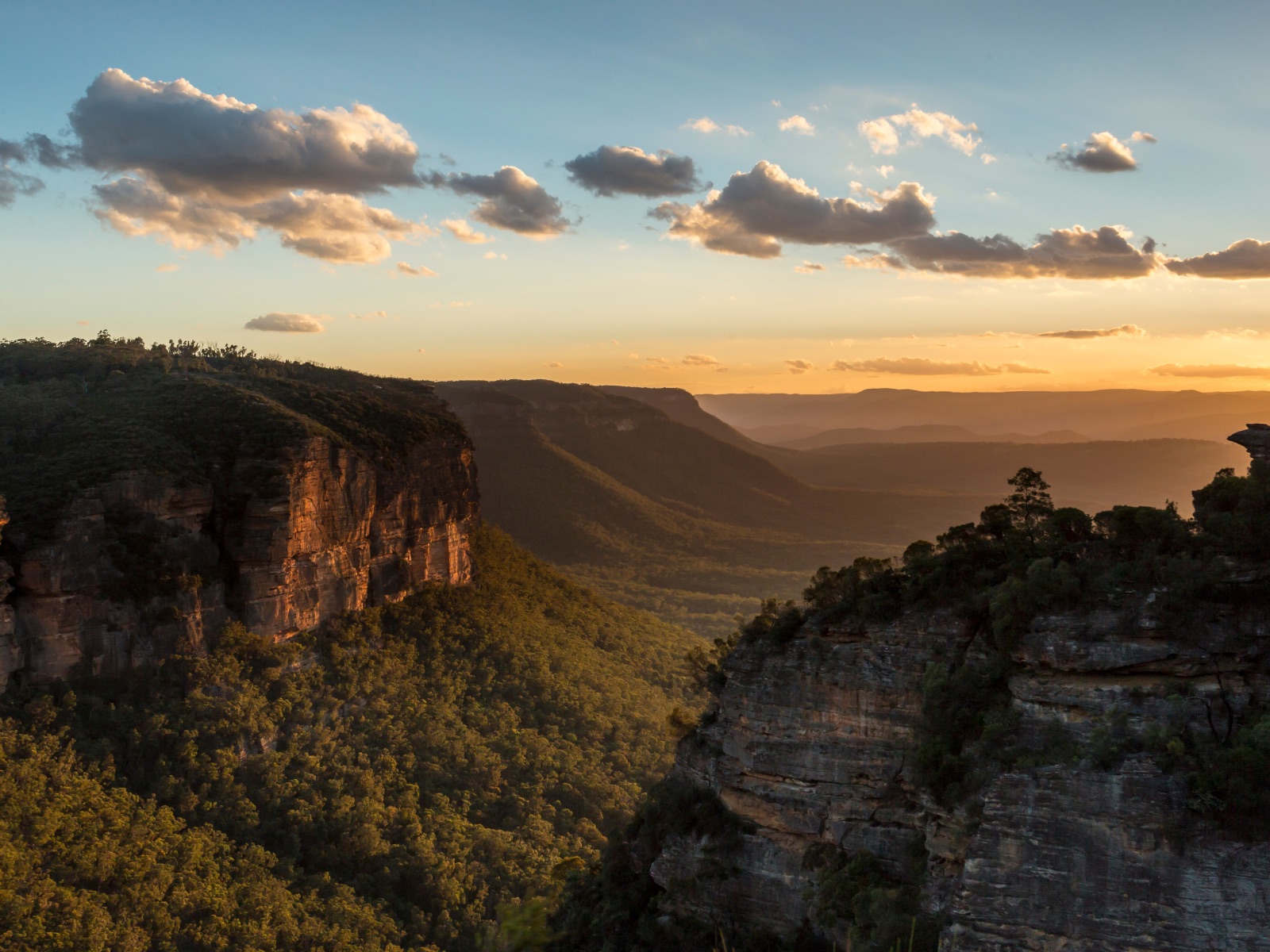
Katoomba is the gateway to the Blue Mountains, an area famous for its dramatic scenery and the iconic Three Sisters rock formation. The town is small, but its location means visitors can easily access hiking trails, lookouts, and the valleys that define the landscape. Katoomba's charm lies in its combination of nature and old-world mountain town feel, with antique shops and cafes lining the main street. The nearby Jenolan Caves attract those interested in underground wonders, while the surrounding wilderness is home to various wildlife. People come primarily to explore the natural beauty and enjoy outdoor activities like bushwalking and rock climbing, with ample opportunities to photograph the landscapes.
Jabiru
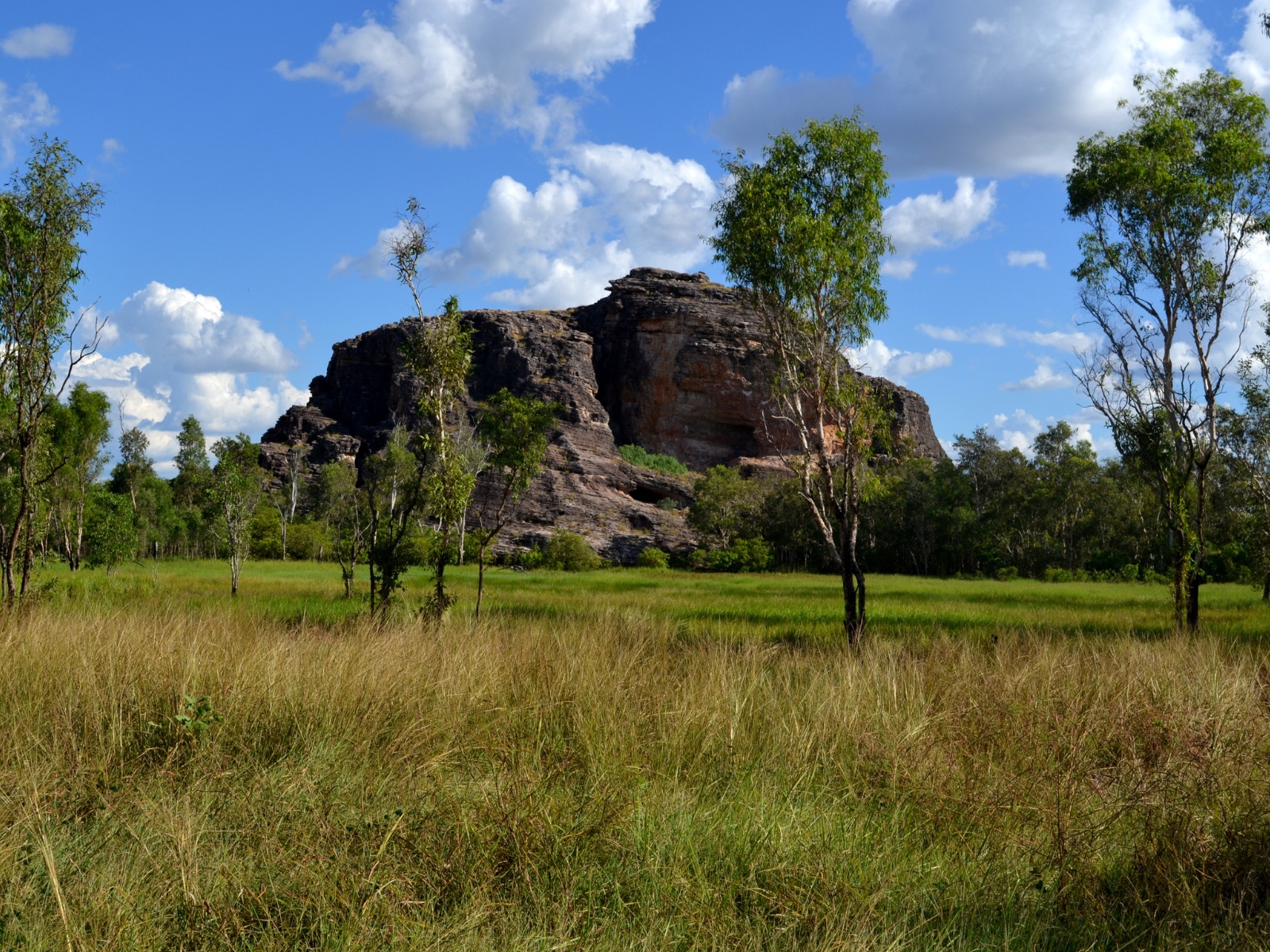
Jabiru is the gateway to Kakadu National Park, a UNESCO World Heritage site known for its remarkable biodiversity and rich Indigenous culture. The town itself is small and primarily serves as a base for visitors heading into the vastness of Kakadu, which offers everything from wetlands to rock art galleries. Most of Jabiru's economy revolves around tourism, with hotels, cafes, and tour operators catering to those seeking to explore the park. The landscape outside the town is dominated by geological formations and diverse wildlife, while Jabiru contains some of the basic amenities you might need before heading into the wilderness. Most people come here for the chance to see the ancient rock art and unique ecosystems of Kakadu, not for the nightlife or dining options in town.

Airlie Beach
Airlie Beach is the party gateway to the Whitsunday Islands, known for its nightlife and proximity to some of Australia's most coastal scenery. This small town serves as a launching point for boat trips to heart-shaped reefs and secluded beaches, with the Whitsunday Great Walk offering a more land-based approach to the area's natural beauty. The public transport options are limited, so many visitors end up making friends with the local taxis or embracing the joys of walking. People come for the spectacular sailing trips, particularly those eager to explore the nearby islands and indulge in sun-soaked beach days.

Hervey Bay
Hervey Bay, a coastal city in Queensland, is essentially the gateway to K'gari (Fraser Island), the largest sand island in the world. This connection has shaped its identity as a laid-back destination for families and nature lovers, famous for its whale watching during migration season. The waterfront is lined with parks and cafes, and a relaxed atmosphere permeates daily life, which is punctuated by the busy ferry traffic to K'gari. Beyond the beaches and the occasional dolphin sighting, the city serves as a base for eco-friendly tourism, with several green initiatives underway. However, most visitors are drawn by the opportunity to see humpback whales up close, making it a prime spot for marine enthusiasts.

Tasmania
Tasmania, the island state of Australia, is shaped by its rugged coastlines and rich history, with the Port Arthur Historic Site being a major cultural draw. Once a notorious penal colony, Port Arthur is surrounded by eerie ruins and scenery, making it a favourite for both history buffs and nature lovers. The capital city, Hobart, features the Salamanca Market and the towering Mount Wellington, while Freycinet National Park offers coastal views and walking trails. The island's diverse ecosystems support a range of wildlife, adding to its appeal for outdoor enthusiasts who appreciate both the serenity and the unspoiled landscapes. People come for the unique blend of history, culture, and nature on display here, with many specifically seeking the haunting yet beautiful remnants of its colonial past at Port Arthur.

Kuranda
Kuranda is a small village in Queensland, Australia, set high in the rainforest-covered mountains and famously accessed by the scenic railway or cableway. The lush surroundings are part of the Wet Tropics World Heritage Area, contributing to the area's distinct biodiversity and attracting visitors seeking both adventure and relaxation. The main attraction is Kuranda Village itself, known for its markets, where you can find everything from local crafts to kangaroo jerky. However, the real pull is the surrounding nature, which seems to offer endless opportunities for hiking, wildlife spotting, and appreciating tropical flora. Don't expect nightlife or extensive urban amenities here; it's all about the natural beauty and the occasional koala sighting.

Melbourne
Melbourne is Australia's cultural capital, shaped by its coastal location and a history of immigration that enriches its arts scene. The city's layout is a mix of Victorian architecture and modern design, with narrow laneways filled with coffee shops, street art, and hidden galleries, all while experiencing a fickle climate that can make you question your wardrobe choices. The Yarra River winds through, providing scenic views and access to the Royal Botanic Gardens, while the National Gallery of Victoria showcases a vast collection of art. Tourists flock to St. Kilda Beach for its sunsets and the Melbourne Star for a bird’s-eye view of this sprawling urban landscape. The Twelve Apostles along the Great Ocean Road are a popular day trip for good reason, even if getting there takes longer than expected. People visit for the coffee culture, arts, and nightlife, which are enough to keep even the most discerning traveler occupied.

Ballarat
Ballarat emerged during the gold rush of the 1850s, and much of its character is built on that wealth. The result is a city packed with Victorian architecture, from the grand public buildings to the ornate shops lining Lydiard Street. Sovereign Hill is the star attraction, where you can pan for gold and watch history come to life with actors in period costume. This history gives way to a more contemporary vibe, with a growing arts scene represented in galleries and festivals that draw students and art enthusiasts alike. While most visitors come for the gold rush heritage, many also stay for the art, the gardens, and the atmosphere that mixes the past with a lively present.

Brisbane
Brisbane, Australia's third-largest city, is shaped by the meandering Brisbane River that runs through its heart. This river has defined its layout, creating a city that sprawls out towards the coast and features a mix of parks, cultural venues, and residential areas. The South Bank Parklands, built on the site of the 1988 World Expo, host a man-made beach and a collection of restaurants and markets that draw both locals and tourists. The city's subtropical climate allows for outdoor living, and Mount Coot-tha Lookout provides views that remind visitors just how much this city loves its greenery. People come for a taste of wildlife at the Lone Pine Koala Sanctuary, where cuddly koalas are the main attraction, and for the arts scene, including the Queensland Art Gallery that showcases Australian and international works.

Torquay
Torquay is Australia's surf capital, known for its beaches and coastal attractions. The town is famous for its surf culture, drawing both locals and visitors to its waves, while the scenic coastline features spots like Meadfoot and Babbacombe beaches. The Babbacombe Cliff Railway provides a practical way to navigate the steep cliffs to the water, and the area is dotted with family-friendly attractions such as the Babbacombe Model Village and Living Coasts. Beyond surfing, there are historical sites like Torre Abbey and the Torquay Museum, which add to its appeal. Visitors often come for the beaches, surf lessons, and the lively harbour scene, making it a popular holiday destination.

Perth
Perth is Australia’s most isolated capital city, sitting on the southwestern coast and surrounded by ocean and desert. This geographical quirk has shaped its personality: a place where the sun shines almost daily, prompting a beach culture that draws locals and tourists alike to Cottesloe Beach and Scarborough Beach. Its broad skyline features everything from modern skyscrapers to historic buildings like Fremantle Prison, while Kings Park offers a vast green escape with views over the Swan River. The city is home to a compact cultural scene centered around the Perth Cultural Centre, which includes the Art Gallery of Western Australia, and AQWA showcases marine life unique to Western Australia. People come for the combination of outdoor living, beaches, and a laid-back vibe that makes it a popular getaway for those seeking sunshine and sand.
Darwin
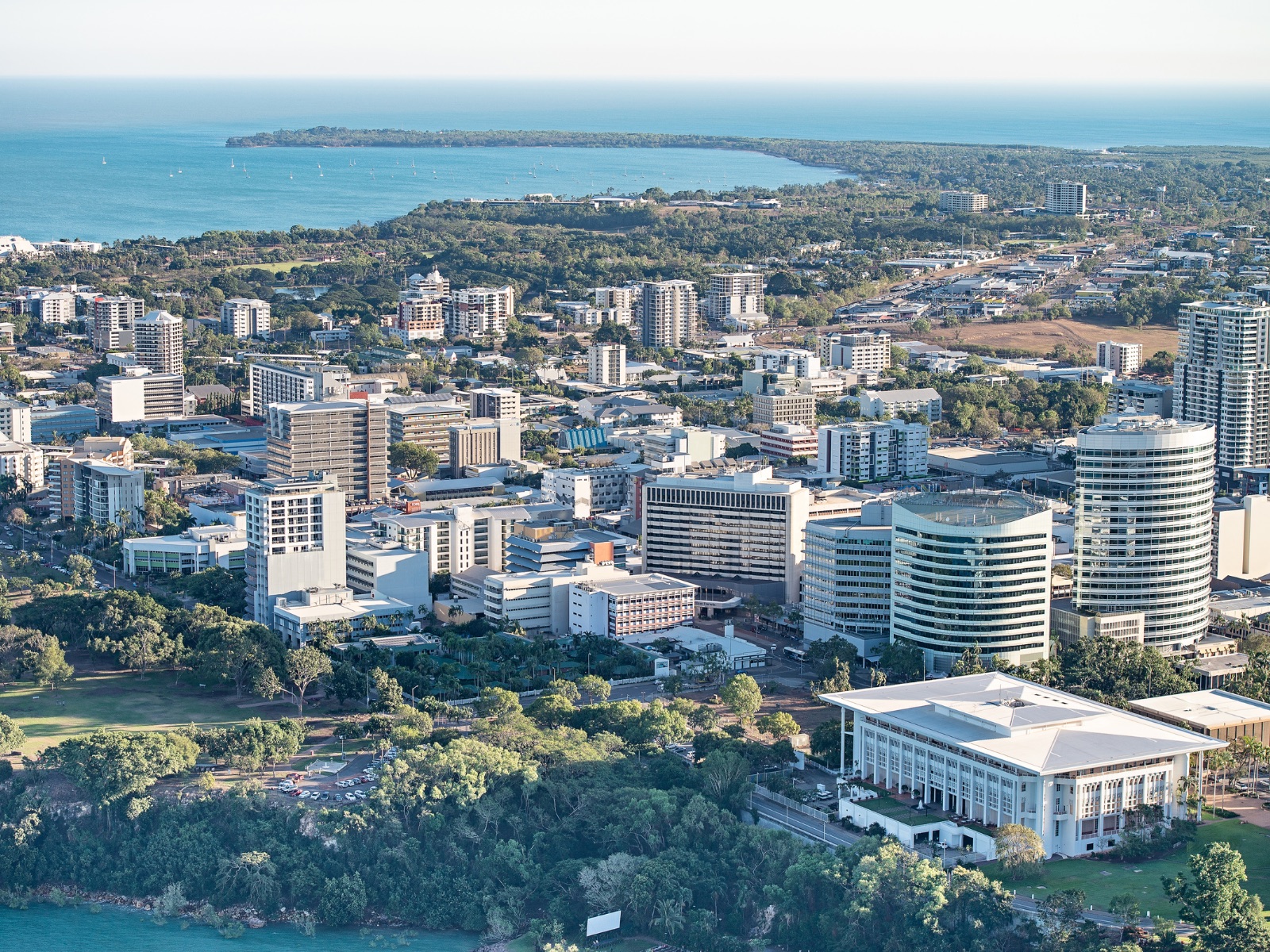
Darwin, located in Australia's Northern Territory, is a coastal city that serves as a gateway to remarkable national parks like Litchfield and Kakadu. The place is shaped by its tropical climate, which brings both sweltering heat and the occasional lurking crocodile, making outdoor adventures an exhilarating affair. The city's compact size means that much of the action is centralized around the waterfront, where you can find markets, restaurants, and sunset views over the Timor Sea. Most tourists come for the nearby parks and outdoor experiences, but if you're in town for the city itself, you'll quickly notice that the public transport is not up to par, leading to plenty of walking and the occasional taxi ride in the heat of the day.

Adelaide
Adelaide, Australia's fifth-largest city, is a planned metropolis known for its neat grid layout and proximity to wine country. This orderly arrangement means you'll find public parks and gardens at regular intervals, along with a coastline featuring popular spots like Glenelg and Semaphore Beach. The city has a relaxed pace, something that is immediately noticeable when you see the locals strolling through the Adelaide Botanic Garden or enjoying a picnic at Mount Lofty Summit. It’s the gateway to the Barossa Valley wine region, where vineyards stretch into the horizon and tasting rooms invite you in for a sip. People come for the festivals and food scene, as well as the chance to explore nearby Kangaroo Island and the Adelaide Hills, where nature meets German heritage in Hahndorf.

Broome
Broome, a coastal town in Western Australia, is primarily known for Cable Beach, where the red sand meets the turquoise water. The town's history is tied to the pearling industry, which shaped its development and brought a diverse population, including many Indigenous Australians, to the area. Nowadays, the beach is the central attraction, drawing visitors not just for sunbathing but also for the sunsets, which are the highlight for most who visit. Beyond the beach, the town features a laid-back vibe, with some old buildings left over from its pearling past and a few galleries and markets. However, outside of peak tourist seasons, it can feel quite empty, making it less appealing for those looking for a atmosphere.