Brazil
South America
Brazil is a vibrant country with diverse landscapes, from the Amazon rainforest to beautiful beaches like Copacabana. The country is also known for its rich culture, including samba music and dance, delicious cuisine, and colorful festivals like Carnival. Whether you're exploring the bustling cities or relaxing on the sandy shores, Brazil offers a unique and unforgettable experience for travelers. "From the bustling cities to the beautiful beaches, Brazil is a country full of vibrant culture and stunning landscapes."
33.9/10
45
May-Sep
Portuguese
Why Visit
Home to the Amazon Rainforest, the largest tropical rainforest in the world.
Must Try
1. Visit the Amazon Rainforest 2. Experience Carnival in Rio de Janeiro 3. Try traditional Brazilian feijoada
Insider Tip
Learn some basic Portuguese phrases to enhance your interactions with locals and show respect for the culture.
Must-Try Food
Feijoada, Pão de queijo, Brigadeiro
Top Cities in Brazil

Rio de Janeiro
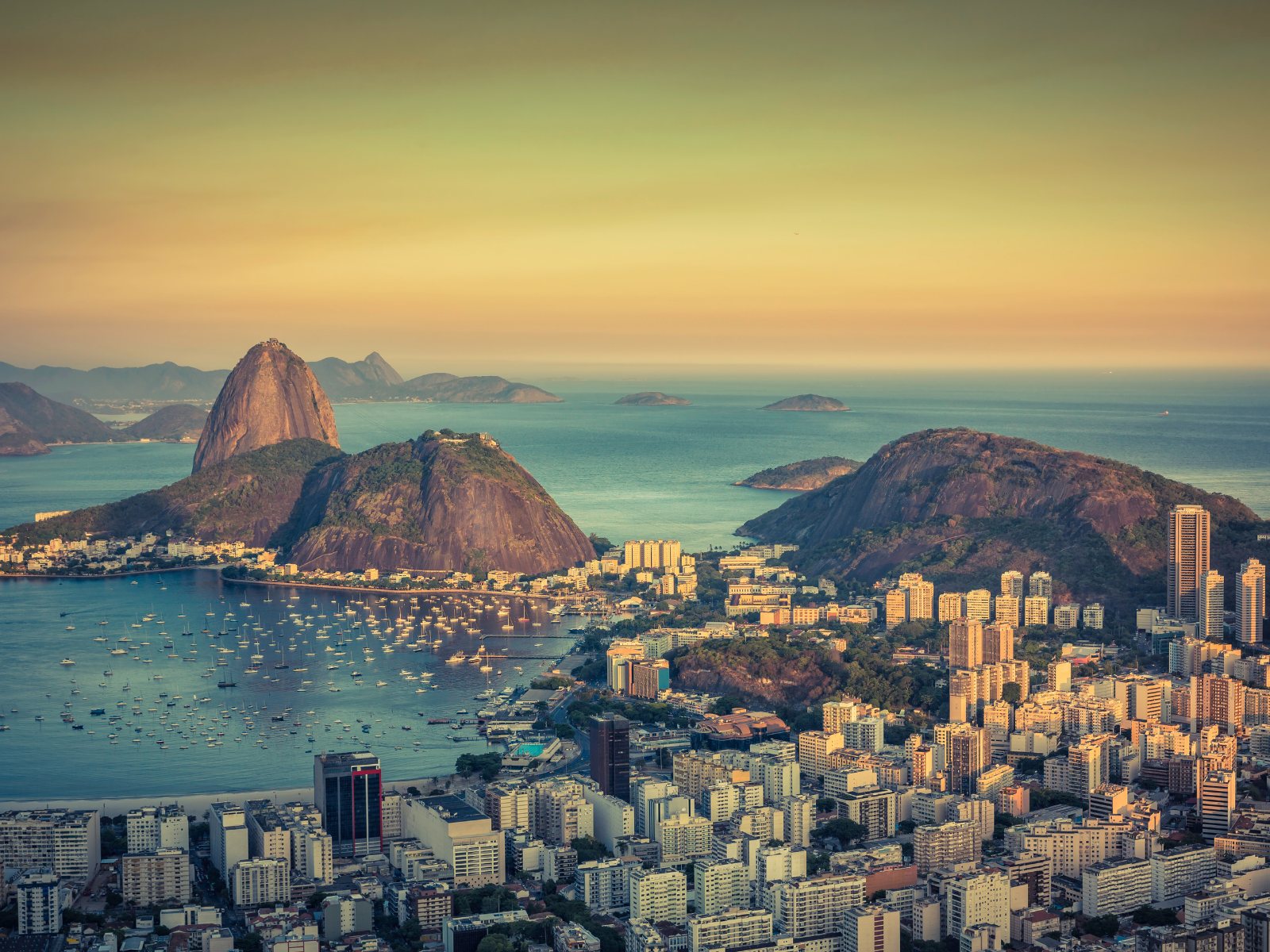
Rio de Janeiro, a Brazilian coastal city known for its dramatic topography shaped by mountains and beaches, offers a striking mix of urban life and natural beauty. The iconic Christ the Redeemer statue towers over the city, with Sugarloaf Mountain providing panoramic views that attract millions. The city is home to lively neighborhoods and renowned cultural sites, from the grand Royal Portuguese Reading Room to the cutting-edge Museum of Tomorrow. The lush Tijuca National Park brings greenery to the heart of the city, while Copacabana's beach draws sun-seekers year-round. People come for the culture, the festivals like Carnaval, and of course, the views that seem to be on a constant loop of Instagram updates. Just remember, amidst the beauty, it’s wise to keep your street smarts on.

Salvador
Salvador is Brazil's cultural capital and a large coastal city known for its strong Afro-Brazilian heritage. The historic Pelourinho district showcases colonial architecture and street life, while music fills the air from every corner, with rhythms that can make anyone tap their feet. The city's rich history is reflected in various sites, such as the Museu de Arte Sacra and the Forte de Santo Antônio da Barra. The coastal area is home to beautiful beaches like Praia de Stella Maris, where locals and tourists alike go to soak up the sun. Salvador's public transport is quite good, making it easier to navigate through this colorful city. Visitors typically come for the lively atmosphere, diverse culinary offerings, and the chance to experience traditional music and dance, all of which are at the heart of Salvador's identity.

Praia do Forte
Praia do Forte is a small coastal village in Brazil's Bahia state, renowned for its beautiful beaches and ecological attractions. Visitors often explore the TAMAR Project, a sea turtle conservation center located right on the beach. The village's main street, Alameda do Sol, is lined with shops and restaurants offering local Bahian cuisine, such as moqueca and acarajé. The nearby Sapiranga Reserve offers trails through Atlantic rainforest, ideal for nature enthusiasts. Praia do Forte is also home to the ruins of the Garcia D'Ávila Castle, a historical site that dates back to the 16th century.

Fernando de Noronha
Fernando de Noronha is a small archipelago off the northeast coast of Brazil, known for its strict preservation rules and limited visitor numbers. The island's landscapes are shaped by volcanic origins, featuring beaches and rich marine life, especially at Baia do Sancho, which is often cited as one of the best beaches in the world. The local economy relies heavily on eco-tourism as visitors flock to dive, snorkel, and soak in the natural beauty, making every moment feel exclusive. However, the island's limited infrastructure can make it feel remote, with just a few basic amenities, as a large part of it is designated as a national park to protect its delicate ecosystem.

Recife
Recife is a large coastal city in Brazil, known for its unique mix of urban culture and natural beauty, shaped by the confluence of the Capibaribe River and the Atlantic Ocean. The city's identity is heavily influenced by its cultural scene, with landmarks such as the Instituto Ricardo Brennand and the Teatro de Santa Isabel showcasing art and performance. The annual Recife Carnaval attracts thousands, cementing its status as a lively cultural hub. While the old colonial architecture and modern structures coexist, it's the bridges, over 50 of them, that give the city its characteristic view, making every journey a bit more adventurous. The beaches are just the cherry on top, as people mainly come to experience the culture and history of the region, not just the sand and surf.

Manaus
Manaus is a large city at the heart of the Amazon rainforest, where the urban jungle collides with the actual jungle. Its development stems from the rubber boom in the late 19th century, which saw an influx of wealth and architecture that stands in stark contrast to the surrounding greenery. The city is marked by its Mercado Municipal Adolpho Lisboa and the Teatro Amazonas, a leftover from its rubber wealth days. Now, Manaus serves as a major gateway for Amazonian adventures, with visitors drawn to the nearby rainforest, the Amazon River, and attractions like Praia de Ponta Negra. But while it’s a urban center, the wild is always just a short trip away, challenging those who prefer their holidays without the sound of howler monkeys.

Sao Paulo
São Paulo, the largest city in Brazil and a powerhouse of finance and culture, is defined by its size and diversity. The city's rapid growth was fueled by waves of immigrants, making it a hub for gastronomy, arts, and business, where former workers' quarters now host fine dining and contemporary galleries. The Pinacoteca do Estado showcases Brazilian art, while the Municipal Market is where you can find the legendary mortadella sandwich. The sprawling urban landscape features skyscrapers, neighborhoods like Liberdade with its Japanese influence, and green spaces such as the São Paulo Botanical Garden, though its sheer scale can be overwhelming. Most visitors come to experience the unique culinary scene, which is as diverse as the city itself, with food from every corner of the globe.