
Egypt
Africa
Egypt is a country of unrivaled history and culture, with iconic landmarks such as the pyramids and Sphinx. The vibrant markets, delicious cuisine, and beautiful beaches along the Red Sea make it a must-visit destination for any traveler.
52.71/10
35
Oct-Mar
Arabic
Why Visit
Home to the ancient pyramids of Giza
Must Try
1. Visit the Pyramids of Giza 2. Explore the temples of Luxor 3. Take a Nile River cruise
Insider Tip
Stay hydrated and carry a refillable water bottle.
Must-Try Food
Koshari, Ful Medames, Mahshi, Molokhia, Hawawshi
Top Cities in Egypt

Giza
Giza is home to the Pyramids, the last of the Seven Wonders of the Ancient World, standing resolutely on the Giza Plateau near Cairo. This area has been a center for ancient burial sites and monumental constructions for thousands of years, shaping the landscape and culture of the region. The Great Pyramid of Giza, built for Pharaoh Khufu, draws visitors from around the globe, while the Great Sphinx stands guard, a marvel of engineering and artistry. The proximity to modern Cairo brings an interesting contrast, with markets and contemporary life blending with ancient history. Despite its touristy reputation, Giza is not just about the pyramids; it offers insight into a local culture, with food stalls, local guides, and a sense of daily Egyptian life. However, most visitors come primarily for the pyramids and the historical significance they represent.

Luxor
Luxor, the ancient Thebes, is often called the world's largest open-air museum, where a remarkable concentration of temples and tombs makes history inescapable. The most famous highlights include the Karnak Temple, which takes up a staggering 100 acres, and the Valley of the Kings, which holds the final resting places of pharaohs including Tutankhamun. The city’s layout is heavily influenced by its rich history, with the Nile flowing alongside, setting the stage for temples like Luxor Temple and the funerary temple of Medinet Habu. The Colossi of Memnon, massive statues guarding the entrance to a mortuary temple, stand as a reminder of the grandeur that once was. While the riverside Corniche offers a leisurely promenade, the modern city is primarily a hub for tourists heading to these ancient sites, making it a center for those eager to immerse themselves in Egyptian history.

Cairo
Cairo, a sprawling metropolis along the Nile, is shaped by its historical depth, which is most evident in the Islamic architecture that fills the cityscape. The long history of successive dynasties has left a footprint of mosques, palaces, and markets, all competing for your attention, with the Salah El-Din Citadel and the Mosque of Muhammad Ali as prominent examples. The streets buzz with life, especially in places like Khan El Khalili Bazaar, where traders hawk their wares alongside the constant chatter of locals. While it has a modern public transport system, navigating Cairo can feel chaotic. People visit primarily for the ancient sites and culture, with the pyramids at Giza just a short trip away, reminding everyone that history is never far from the present.

Saqqara
Saqqara, a focal point of ancient Egyptian burial practices, is home to the Step Pyramid of Djoser, which is the world's oldest colossal stone building. This site marks the transition from simple burial mounds to more complex structures and provides a fascinating glimpse into the early development of pyramid construction. The Necropolis, with its array of mastabas, including those of prominent figures like Nefer and Ti, showcases the evolution of funerary architecture. While many visit for the Step Pyramid, the surrounding mastabas offer significant insight into the lives and beliefs of ancient Egyptians. It’s an essential stop for anyone looking to understand the historical context of the more famous pyramids around Giza, which were built later but have overshadowed Saqqara’s significance in the architectural timeline of Egypt.

Alexandria
Alexandria, Egypt's second-largest city, was founded by Alexander the Great and has spent centuries as a cultural hub. It sits along the Mediterranean coast, where the ancient library once housed the world's knowledge, now symbolized by the modern Bibliotheca Alexandrina. The city's layered history is evident in the Roman Amphitheatre, the Citadel of Qaitbay, and the Catacombs of Kom el Shoqafa, all attracting visitors in search of heritage and sun. The coastline offers a mix of Corniche and tranquil beaches, but be prepared for a bit of a walk to get from one highlight to another. Tourists come primarily for the historical sites and the breezy seaside vibe, which is a refreshing change from the more frantic pace of Cairo.

Aswan
Aswan, on the Nile, is known for its ancient temples and as a gateway to Nubian culture, with a significant influence from the nearby Aswan High Dam. The dam not only changed how the river behaves but also created Lake Nasser, which altered the local ecosystem and tourism patterns. Visitors flock to the Temple of Philae, relocated to an island to avoid flooding, while the Unfinished Obelisk showcases the ambitious but thwarted plans of ancient stonecutters. The city’s souk offers a glimpse into contemporary life and a range of handicrafts that might just be better than the temples. People actually come for the river views and the historical sites that pepper the area, proving that ancient history still draws a crowd amidst the modern hustle.

Bawiti
Bawiti is the main town in the Bahariya Oasis, a small but significant hub that serves as a gateway to the Black and White Deserts. This oasis is well-known for its ancient ruins, including the Temple of Ain El-Muftella and the nearby tombs dating back to the 26th dynasty. Bawiti's architecture reflects its history, with mud-brick houses and palm groves dotting the landscape. The natural beauty surrounding the town is both dramatic and otherworldly, attracting visitors seeking a quiet retreat from the hustle of larger cities. The main reason people actually come here is to explore the unique desert landscapes and to witness the ancient history that sits right at their doorstep.
Sharm El Sheikh
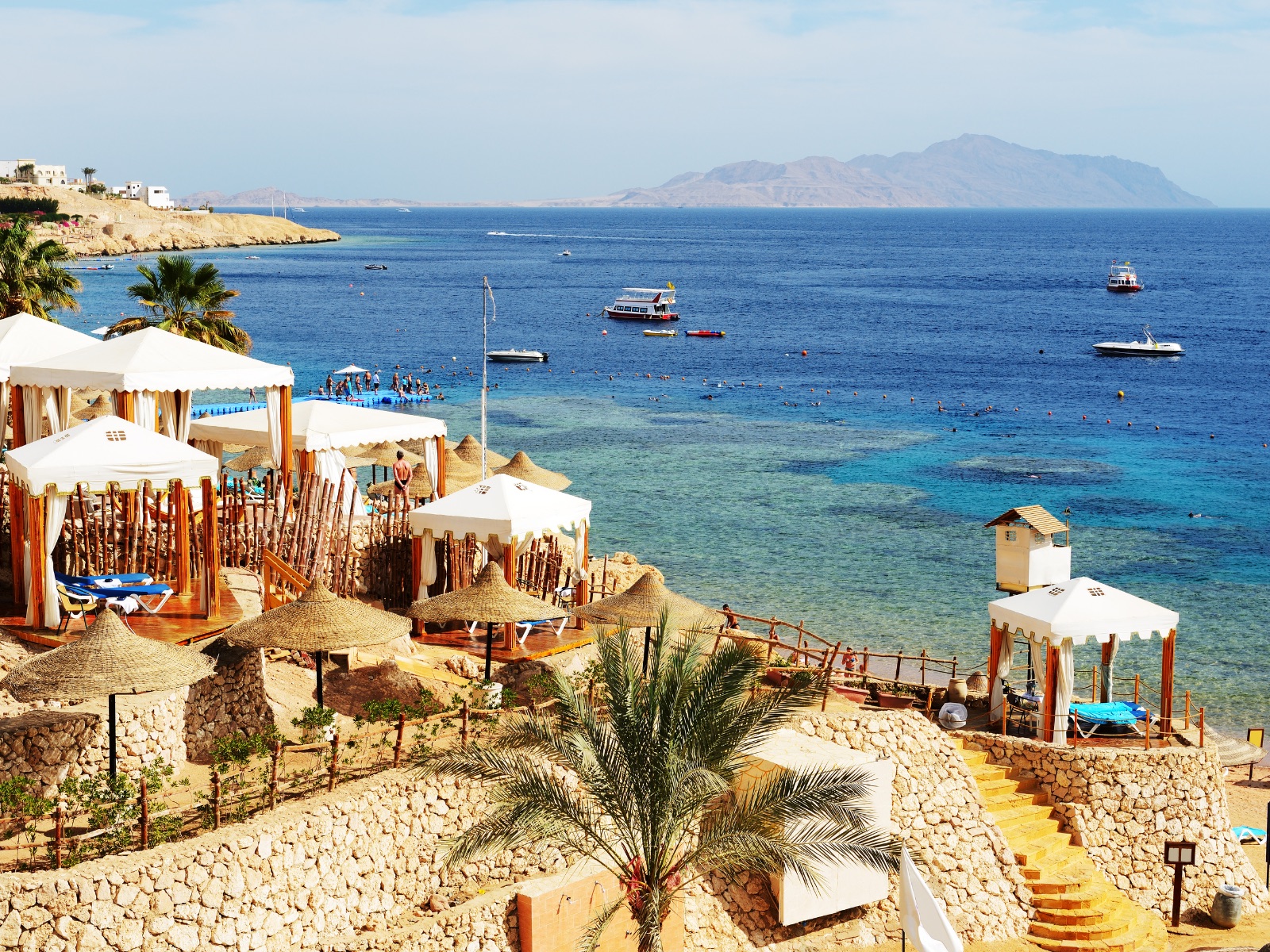
Sharm El Sheikh is Egypt's premier diving destination, thanks to its location on the Red Sea, where coral reefs attract underwater enthusiasts from around the world. The city's development was driven by its coastline and accessibility to the Ras Mohammed National Park, known for its marine biodiversity. Luxury resorts line the beaches, while the Khan El Khalili Bazaar adds a taste of local culture, drawing visitors who want to shop for souvenirs or sample traditional cuisine. Despite its tourist focus, the city has a surprisingly limited connection to the surrounding area, leading many to spend their days confined to resorts and the nearby attractions.

Hurghada
Hurghada is a resort town on the Red Sea, which means it's part of one of Egypt's most tourist-friendly coastlines. It started as a small fishing village and evolved into a sprawling beach destination marked by long stretches of sand and all-inclusive resorts. The nearby coral reefs make it a popular spot for diving and snorkeling, attracting visitors who sometimes forget that there's more than just sunbathing involved. The Citadel hints at the area's historical depth, but most tourists come for the beaches and the nightlife that has blossomed around them. Expect a mix of locals and holidaymakers, especially during peak seasons, when the population swells as if someone inflated a beach ball.
El Qoseir
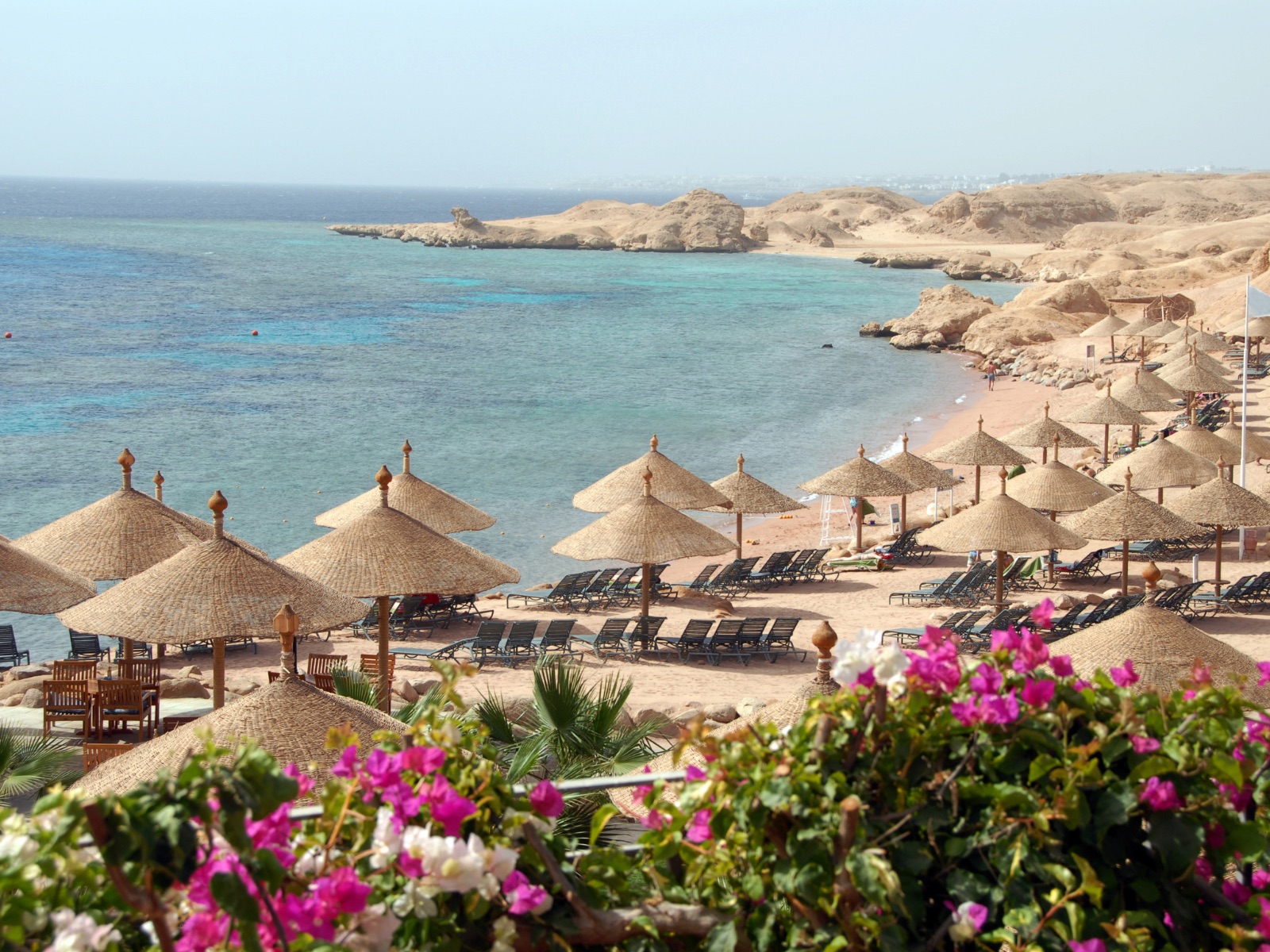
El Qoseir, a small coastal town on the Red Sea, has a long history marked by its Ottoman-era architecture and its position as a trading port. This history is visible in the narrow streets and stone buildings that still hold their character despite the encroachment of modernity. The town also doubles as a beach destination, with coral reefs just offshore that attract divers and snorkelers. The main draw for visitors is the chance to explore these underwater worlds, as well as the peaceful atmosphere that comes with being a lesser-known spot compared to other Egyptian resorts. If you're looking for a place to relax and take in some history, this is where to do it without the noise of bigger tourist crowds.