Finland
Europe
Finland is known for its stunning natural landscapes, including thousands of lakes, forests, and the Northern Lights.
75.3/10
70
May-Sep
Finnish, Swedish
Why Visit
Home to the stunning Northern Lights.
Must Try
1. Visit the Santa Claus Village in Rovaniemi 2. Experience the Northern Lights 3. Enjoy a traditional Finnish sauna
Insider Tip
Explore the sauna culture; visit a traditional smoke sauna for an authentic experience.
Must-Try Food
Karjalanpiirakka, Salmiakki, Kalakukko
Top Cities in Finland

Rovaniemi
Rovaniemi, famously sitting right on the Arctic Circle, is both a tourist hub and the official hometown of Santa Claus. The city was rebuilt after World War II, resulting in a mix of modern architecture and nature that surrounds the urban area, from the Lumberjack's Candle Bridge to the Koivusaari Nature Trail. It’s a place where you can explore Finnish culture at various museums, including the Rovaniemi Local History Museum and the Rovaniemi Art Museum, or embrace winter activities like snowmobiling and reindeer sleigh rides. Most people come for the Santa Claus Village and the chance to witness the Northern Lights, which many visitors hope will appear at least once during their stay.

Helsinki
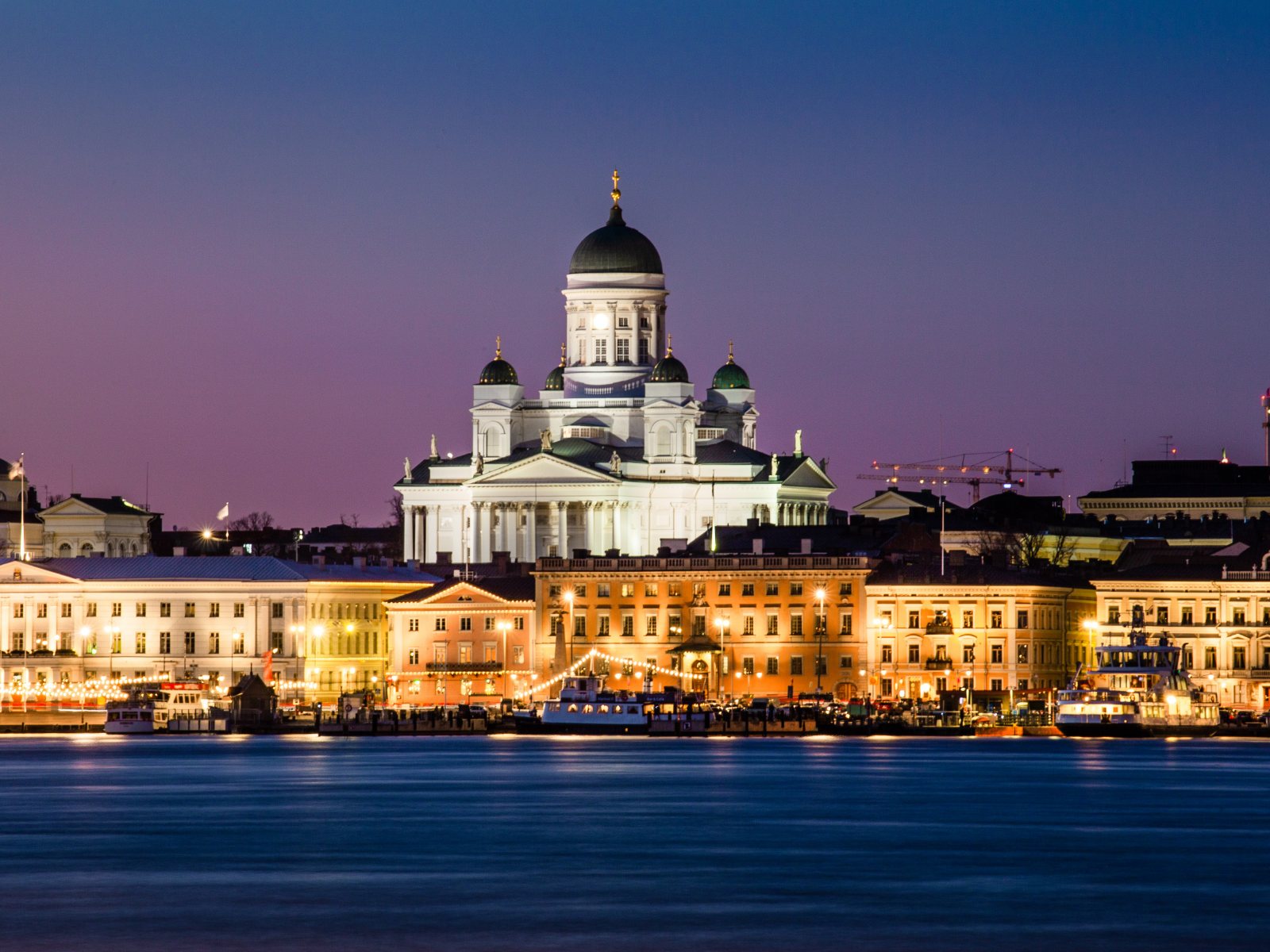
Helsinki sits at the intersection of land and sea, with a waterfront that shapes its character. The city is designed with a minimalist aesthetic in mind, notably visible in its architecture and public spaces, which emphasize functionality and simplicity. The market at Kauppatori is a social hub, where locals gather to sell fresh produce and tourists come to sample traditional Finnish delicacies. The impressive Senate Square frames the stately Helsinki Cathedral, while the Uspenski Cathedral offers a striking contrast with its ornate Russian design. This cultural capital is home to numerous museums, including the Ateneum and the National Museum of Finland, making it a destination for art lovers. People visit for the combination of sea views, modern design, and a firm belief that a sauna is essential to daily life.

Kirkkonummi
Kirkkonummi, bordered by the Gulf of Finland and just half an hour from Helsinki, is a unique blend of countryside charm and coastal convenience. A notable landmark is Hvitträsk, a historic house and artist's retreat, which gives visitors a reason to come. The area is known for its extensive green spaces and forested areas, making it a popular spot for walking and outdoor activities. Residents enjoy the quieter pace of life, but the public transport options are limited, making car travel more practical. The town's coastal line is dotted with small beaches, perfect for a picnic, even if you have to plan ahead to get there, as nothing runs on a schedule here.

Espoo
Espoo, Finland's second largest city, is an extension of Helsinki, known for its blend of modern architecture and green spaces. A large part of the city is made up of beautifully designed districts such as Tapiola, which represents Alvar Aalto's vision of a garden city and integrates nature into urban living. The city also contains the Espoo Museum of Modern Art, which showcases contemporary works and adds to the cultural fabric. With Oittaa Recreation Area and Villa Elfvik Nature House, residents and visitors alike can enjoy the outdoors without venturing far. The presence of Aalto University contributes to a youthful atmosphere, ensuring that the local population has a mix of students, professionals, and families. People come for the combination of nature and modern art in a city that manages to keep things low-key and practical.