
Iran
Asia
Iran is a country in the Middle East known for its rich history, beautiful architecture, and diverse landscapes.
70/10
40
March to May and September to November
Persian
Why Visit
Experience ancient Persian culture, explore stunning desert landscapes, and interact with friendly locals.
Must Try
1. Try traditional Persian kebabs 2. Visit a tea house for a taste of Iranian hospitality 3. Explore the bazaars for unique souvenirs
Insider Tip
Try the local street food for an authentic taste of Iran's culinary delights.
Must-Try Food
Chelo Kebab, Tahchin, Ghormeh Sabzi
Top Cities in Iran
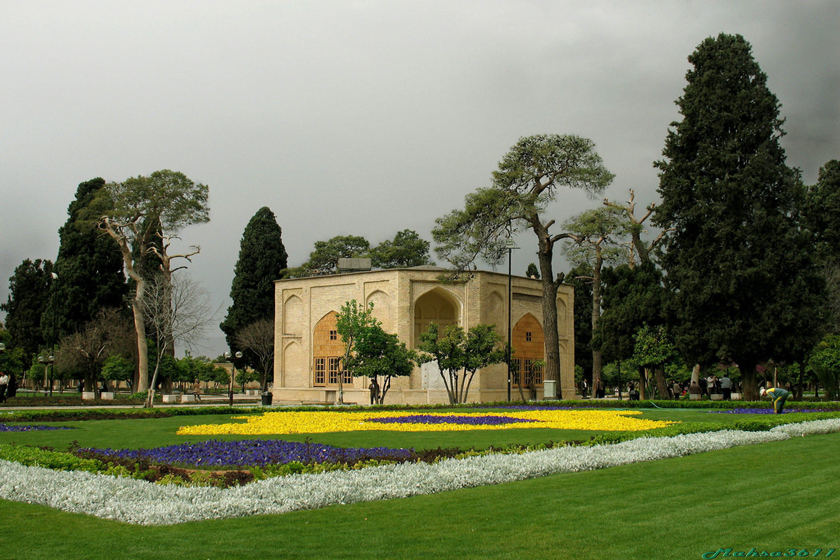
Shiraz
Shiraz, located in southern Iran, is renowned for its historical landmarks and cultural significance. Known as the city of poets, it is home to the tombs of Hafez and Saadi, attracting literature enthusiasts from around the world. The city's architecture is highlighted by the Nasir al-Mulk Mosque, famous for its vibrant stained glass windows. Shiraz is also a gateway to the ancient ruins of Persepolis, a UNESCO World Heritage Site. The Vakil Bazaar offers a glimpse into traditional Persian commerce, with its labyrinth of shops selling spices, carpets, and local crafts. Visitors often enjoy the local dish, Faloodeh, in the Eram Garden, a classic example of Persian garden design.
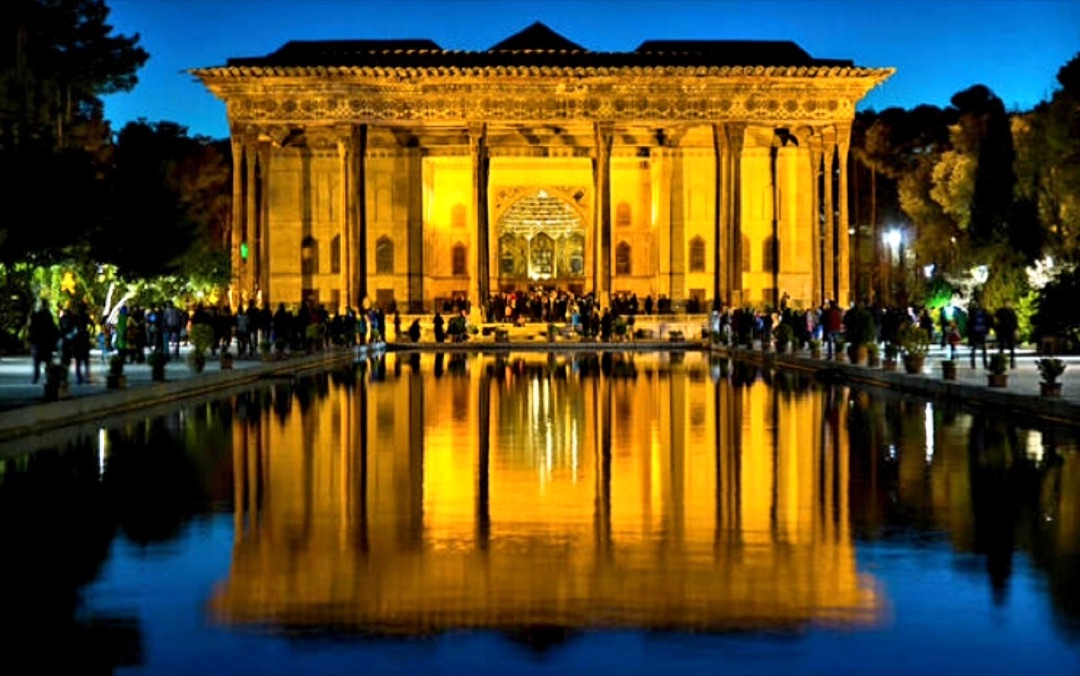
Isfahan
Isfahan, located in central Iran, is renowned for its Persian architecture and historical sites. Visitors often explore Naqsh-e Jahan Square, a UNESCO World Heritage site, which is surrounded by the Imam Mosque, Sheikh Lotfollah Mosque, and the Ali Qapu Palace. The city's Armenian Quarter, New Julfa, is home to the Vank Cathedral, showcasing a unique blend of Armenian and Persian design. Isfahan's Si-o-se-pol Bridge is a popular spot for evening strolls. The city is also known for its traditional Persian dishes, such as Beryani, often enjoyed in local eateries. Isfahan is a significant educational center, hosting several universities.

Mashhad
Mashhad is Iran's second-largest city and a major pilgrimage site centered around the Imam Reza shrine, which attracts millions of visitors each year. This religious significance shapes the city's identity, influencing everything from its bazaars to the many museums dedicated to art and history. The architectural styles range from modern to historic, with notable sites including the Goharshad Mosque and the Nader Shah Museum. Daily life here is a blend of spirituality and commerce, with locals and tourists navigating the crowded streets and stalls near the shrine. The presence of Ferdowsi University adds a lively student atmosphere, while parks and recreational areas like Torghabeh offer a respite from the city's busyness. People come to Mashhad primarily for its religious sites and the rich cultural experience surrounding them.

Tehran
Tehran, a large city with a population of over eight million, thrives under the shadow of the Alborz mountains. The city’s layout is a mix of modernist architecture and traditional Persian elements, yet it’s the cultural institutions that define it: the Treasury of National Jewels holds a dazzling collection of royal artifacts, while the Golestan Palace reflects the Qajar dynasty's opulence. Most people visit for the museums, bazaars, and the mix of cuisines that fill the streets. However, with public transit rated poorly, the sprawling layout means you may find yourself doing a lot of walking, or a lot of haggling for a taxi. Add in a few steep hills, and you’ll quickly realize those mountain views come with a price.