
Ireland
Europe
Ireland is a country known for its rich cultural heritage, stunning natural landscapes, and friendly locals.
52.29/10
65
May-Sep
Irish, English
Why Visit
Home to the Cliffs of Moher, one of the most stunning coastal landscapes in the world.
Must Try
1. Visit the Cliffs of Moher 2. Explore the Ring of Kerry 3. Experience a traditional Irish pub session
Insider Tip
Explore the lesser-known villages and coastal paths for a more authentic Irish experience.
Must-Try Food
Irish stew, Boxty, Colcannon
Top Cities in Ireland
Killarney
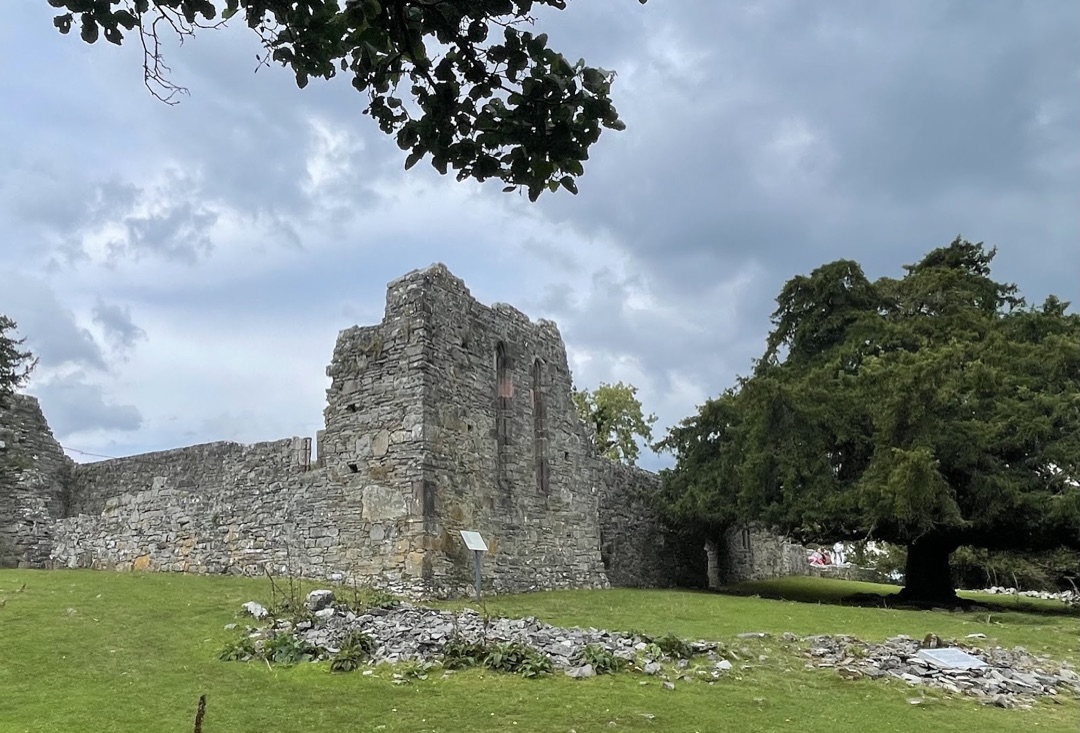
Killarney is a small town in County Kerry, Ireland, renowned for its natural beauty and historical sites. Visitors flock to Killarney National Park, home to the stunning Lakes of Killarney and the 15th-century Ross Castle. The town itself is a gateway to the Ring of Kerry, a scenic drive that offers views of mountains, lakes, and coastal landscapes. Killarney's main street, High Street, is lined with pubs and shops offering local crafts and traditional Irish music. Dining in Killarney often includes local favorites like Irish stew and fresh seafood. The town can be quite busy with tourists, especially in the summer months.

County Clare
County Clare is best known for the Cliffs of Moher, towering 214 meters over the Atlantic and stretching for eight kilometers along the coast. These dramatic cliffs attract over a million visitors a year, primarily for the views and the chance to witness the raw power of the ocean. The region is also home to lush green countryside, dotted with ancient stone structures and traditional music sessions in the local pubs. Still, the area is not just about nature; it has a rich cultural history, with the town of Ennis serving as a hub for the arts and local traditions. Expect a mix of tourists drawn by the scenery and locals who prefer the quieter corners away from the main attractions, where the wind can be as strong as the tales told by the storytellers that roam the countryside.

Bushmills
Bushmills is a small village in Northern Ireland, most famous for its whiskey distillery, which is the oldest licensed distillery in the world. The village has turned this claim to fame into a tourist draw, with visitors often stopping in for tastings or tours as if they were a pilgrimage. The proximity to the Giant's Causeway further enhances its appeal, drawing in day-trippers who marvel at the remarkable hexagonal basalt columns formed by ancient volcanic activity. While the distillery and coastline are the main attractions, the village itself is quite small, with a population that enjoys the mix of tourists and locals. Despite its focus on whiskey, visitors come to soak in the dramatic coastal scenery and to experience a taste of local culture, as well as the occasional historic pub that may serve something stronger than soda water.

Cong
Cong is a small village in County Mayo, famous for its historic abbey and the luxurious Ashford Castle. The abbey dates back to the 12th century and serves as a reminder of the area’s medieval past, drawing visitors interested in Irish history. Ashford Castle, once the home of the Guinness family, has been transformed into a high-end hotel, attracting those who prefer their history served with a side of luxury. The surrounding landscapes offer scenic views of lakes and woodlands, making it a pleasant place to explore at a leisurely pace. Ultimately, people come for the combination of history and beautiful natural scenery, whether they are wandering through the abbey ruins or enjoying a stroll near the castle.

Galway
Galway is a coastal city known for its arts scene and a history that stretches back to its medieval roots. The heart of the city is its streets filled with shops, pubs, and live music, which attract both locals and tourists eager for a taste of Irish culture. The atmosphere has a certain charm enhanced by Galway’s proximity to the Atlantic, leading to a unique mix of traditional Irish music and contemporary art. The city is also home to Galway Harbour, a gateway to the Aran Islands and known for its fresh seafood markets. Despite the lively chaos, it becomes quieter along the waterfront as the sun sets, reminding visitors that there is calm amongst the noise. People come for the festivals, particularly the Galway International Arts Festival, which draws crowds every summer to celebrate theatre, music, and visual arts.

Dublin
Dublin's identity is shaped by its long history as a capital and a hub of creativity, where literature and politics intertwine. The River Liffey slices through the city, and its banks host a blend of Georgian architecture and modern buildings, with a notable focus on its literary past, producing figures like Joyce and Beckett. Areas like Temple Bar provide a lively contrast to the tranquil expanses of Phoenix Park, and the city's heart is thrumming with students from Trinity College, along with a healthy mix of tourists and locals. People come to walk through history at Kilmainham Gaol, explore the National Gallery of Ireland, and of course, to enjoy a pint in one of its many pubs, all while engaging in a conversation that never seems to end.

Cork
Cork is Ireland's second largest city, lying at the mouth of the River Lee and built on a series of islands and hills, which means the terrain is never quite flat. This layout gives the city its distinctive character, with narrow streets, steep slopes, and a mix of old and new architecture. The locals are generally friendly, and there is a distinct sense of pride in being Corkonians, differentiating themselves from Dubliners. Visitors come primarily for the food scene, especially the English Market, which offers a variety of local produce, gourmet goods, and an atmosphere that draws both tourists and locals. The cultural offerings include the Cork Opera House and a number of galleries, while historical sites like Blarney Castle invite visitors to engage with local lore, and of course, kiss the stone if you're feeling brave.