
Italy
Europe
Italy is known for its rich history, art, culture, and delicious cuisine.
52.87/10
65
Apr-Jun, Sep-Oct
Italian
Why Visit
Home to unparalleled art and history, including the Vatican and the Colosseum.
Must Try
1. Authentic Neapolitan Pizza 2. Gelato 3. Explore the Amalfi Coast
Insider Tip
Travel during the off-peak season to enjoy fewer crowds and lower prices.
Must-Try Food
Pizza, Pasta, Gelato
Top Cities in Italy

Rome
Rome, a city steeped in layers of history and famous for its ancient ruins, is built around the remnants of an empire that once spanned continents. The Colosseum and Roman Forum dominate the landscape, serving as a reminder of the grandeur that once was, while St. Peter's Basilica and the Vatican pull in visitors from around the globe who are curious about the interplay of art and religion. The squares like Piazza Navona and the Trevi Fountain draw crowds, while Trastevere offers a different vibe with its lively streets and local eateries. The culinary scene is a major draw as well, with carbs in the form of pasta and pizza available at every turn, ensuring no one goes hungry. Whether you're marveling at the Sistine Chapel or simply enjoying the street life, it's the rich history and food that keep people coming back.

Agrigento
Agrigento, a small city on Sicily's southern coast, is perhaps best known for the Valley of the Temples, an impressive collection of ancient Greek ruins that give it a UNESCO World Heritage status. These well-preserved temples date back to the 5th century BC and dominate the landscape, drawing visitors eager to bask in their historical significance while taking in the surrounding scenery. The city itself is a maze of narrow streets and buildings, but its real draw lies in the archaeological sites nearby. Many tourists come specifically to wander among the pillars of the Temple of Concordia or to enjoy the dramatic coastal views from Scala dei Turchi, a white limestone cliff that looks like it might have been photoshopped into the landscape.
Ravenna
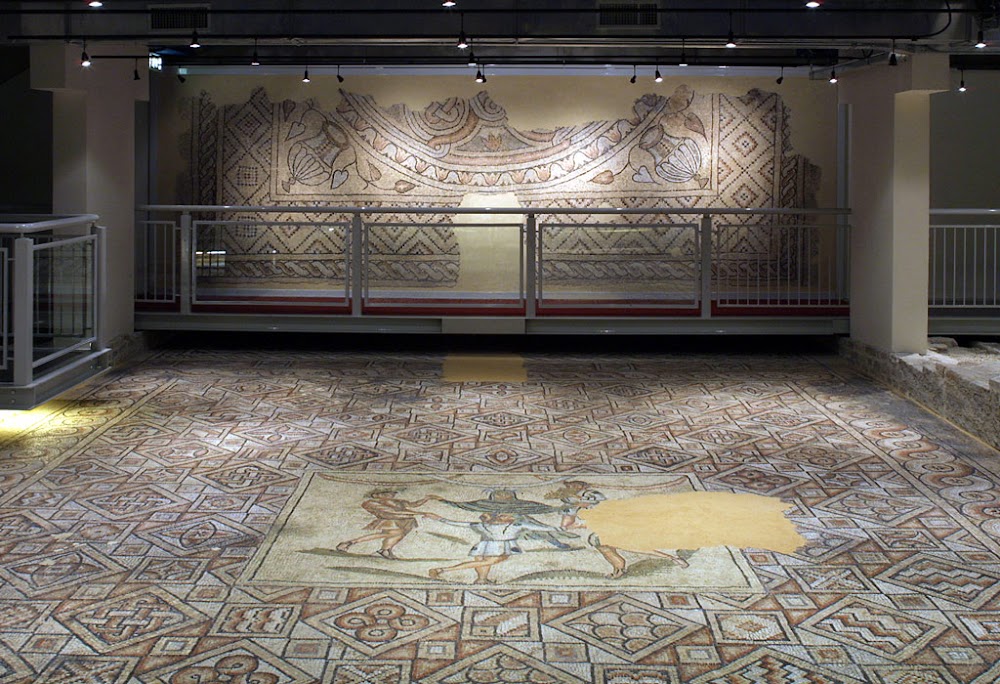
Ravenna, located in the Emilia-Romagna region of Italy, is renowned for its exquisite early Christian and Byzantine mosaics, which adorn its eight UNESCO World Heritage Sites. Visitors flock to see the Basilica di San Vitale and the Mausoleum of Galla Placidia, both showcasing intricate mosaic artistry. The city is also the final resting place of the poet Dante Alighieri, with his tomb located near the Basilica di San Francesco. Ravenna's historic center is a pedestrian-friendly area with charming streets like Via Cavour, offering a glimpse into its past. Despite its cultural allure, Ravenna is not a major tourist hub, making it a quieter destination for those interested in art and history.

Pompeii
Pompeii is the archaeological site of an ancient Roman city that was preserved under volcanic ash after the eruption of Mount Vesuvius in AD 79. The extraordinary preservation means you can walk through the streets of a city, complete with homes, shops, and even a brothel. The Forum of Pompeii served as the heart of civic life, while the House of the Vettii and the House of the Faun showcase elaborate frescoes and mosaics that reveal daily life and the artistic tastes of the era. While many visitors come for the history, the experience is often underscored by a certain eeriness, especially when you reach the Garden of the Fugitives, where casts of victims remain as a haunting reminder of the disaster. The archaeology park is expansive enough to draw several hours of exploration, making it a unique interplay of history and human tragedy.

Venice
Venice is a city built on water, with over 400 bridges connecting a network of islands in a lagoon. This unique arrangement stems from its historical role as a maritime power, leading to a layout that prioritizes canals over roads, and the result is the iconic gondolas gliding silently past centuries-old architecture. The city is famous for its landmarks like Piazza San Marco and the Rialto Bridge, but it also has a delightful mess of narrow streets and hidden squares. Tourists flock here primarily for the art, history, and the chance to experience a place where cars are completely unnecessary, and the biggest traffic jam is just a gaggle of tourists trying to take the perfect photo of a sunset over the Grand Canal.

Florence
Florence, the heart of the Renaissance, is a city built around art and architecture in a compact medieval layout. The iconic dome of the Florence Cathedral dominates the skyline, while the Uffizi Gallery and the Bargello Museum hold some of the finest collections of Italian masterpieces, attracting millions each year. Narrow streets lead to the Ponte Vecchio, a medieval bridge lined with shops, and the lively Mercato Centrale offers local culinary delights. The city's rich history is palpable in its churches and museums, reflecting centuries of creativity and cultural achievement. While the crowds can be overwhelming, the draw remains clear: people come to experience the unparalleled artistic heritage and the street life that makes Florence tick.

Taormina
Taormina, perched on a cliff in Sicily, is dominated by its ancient Greek theatre, which offers views of the sea that make it a magnet for tourists. This small town has a history that stretches back to Hellenistic times, and its winding streets are lined with medieval buildings and upscale shops catering to visitors. The town can feel like it exists in a tourist bubble, especially around the lively piazzas where you'll find plenty of cafes but not much local life outside the busy season. While the theatre and the nearby Isola Bella attract crowds with their beauty, the real charm lies in wandering the alleys and taking in the mix of cultures that have left their mark here. People come for the historical sites and the coastal views, but it’s the atmosphere that keeps them lingering.

Syracuse
Syracuse, Sicily, is defined by its ancient Greek heritage, specifically the Neapolis Archaeological Park, which houses the remains of a theatre and a vast array of ruins that tell a story of its powerful past. The city's layout is a mix of ancient streets and baroque charm, particularly on the island of Ortigia, where the Cathedral of Syracuse sits on the site of an ancient temple. The blend of cultures is palpable, with locals and tourists alike navigating the narrow lanes lined with shops and restaurants. Most visitors come for the history and the well-preserved relics of the past, with the archaeological park being a primary draw.

Matera
Matera is an ancient city in southern Italy, known for its Sassi, a complex of cave dwellings carved into limestone that date back thousands of years. This unique architecture creates a visual, with homes and churches literally built into the rock face, observable from various vantage points. The city's history has shaped not just its buildings but also its culture, attracting artists and tourists drawn to its cinematic qualities, often serving as a backdrop for films. Despite its historical significance and scenery, many visitors come primarily for the Crypt of Original Sin, which houses frescoes that showcase the area's religious heritage and artistry, making it a central point of interest in the city.

Positano
Positano is a small town on the Amalfi Coast, famous for its steeply stacked houses that resemble a colorful staircase leading down to the Mediterranean. Originally a fishing village, it transformed into a tourist hotspot thanks to its coastal scenery and the allure of Italian dolce vita. The winding streets are full of boutiques and cafes, while the beaches, like Spiaggia Grande and Fornillo, draw sun-seekers from around the globe. Visitors come for the views and to explore the famed Path of the Gods, which offers a glimpse of the region's rugged beauty. Though its appearance might suggest a lifestyle of leisure, it can get crowded, especially in peak season, with many tourists eager to capture the perfect Instagram shot.

Noto
Noto is a small town in Sicily known for its grand Baroque architecture, built largely after the 1693 earthquake that flattened much of the area. The reconstruction resulted in a wealth of impressive buildings, including the Cathedral of San Nicolò, which dominates the town's skyline with its dramatic facade. Today, Noto is a UNESCO World Heritage Site that attracts visitors for its well-preserved streets and cultural significance, ensuring a steady parade of tourists. The surrounding areas include the Riserva Naturale Cavagrande del Cassibile, adding a dash of natural beauty to the historic allure and making Noto a stop for those looking to delve into Sicilian history and architecture.

Verona
Verona, a city shaped by its Roman history and its association with Shakespeare, is best known for the Arena, an impressive Roman amphitheater that still hosts performances today. The city’s layout reflects its heritage, with ancient streets leading to Juliet's House, where tourists line up for a photo with a bronze statue of her. The mixture of medieval and Renaissance architecture, from the Gothic Scaliger Tombs to the Basilica di Santa Anastasia, creates a visual story of its past. Beyond the romance and ruins, Verona is a working city with a population that enjoys its public squares and art scene. Visitors come primarily for the Arena and the annual opera festival, which draws crowds eager for an evening of culture under the stars.

Milan
Milan's economy is driven by fashion and finance, making it one of the most important cities in Italy. The Duomo di Milano dominates the skyline, a cathedral that took nearly six centuries to complete, showcasing an architecture that is both intricate and imposing. The city is a cultural hub, home to the renowned Teatro alla Scala and the impressive Sforza Castle, which reflects its historical significance. Art lovers will appreciate the Brera Art Gallery, while the local parks, such as Giardini Pubblici Indro Montanelli, offer a respite from the city's hustle. People visit for the shopping, particularly in the Galleria Vittorio Emanuele II, where the beautiful architecture is only overshadowed by the prices of the boutiques.

Pisa
Pisa is defined by its leaning tower, the result of a flawed foundation during construction in the 12th century. This architectural mishap became a global icon, drawing tourists who come to capture the perfect photo and then explore the surrounding historic area. The city's layout features a series of peaceful streets radiating from the Piazza dei Miracoli, where the tower, cathedral, and baptistery sit, complemented by the quieter charms of neighborhoods like San Francesco and Santa Maria. While many rush through the main attractions, the local museums and churches offer a deeper glimpse into Pisa's medieval past, though most visitors still leave after a quick snapshot of the tower and little else.

Naples
Naples, with its sprawling urban landscape and chaotic streets, channels centuries of history into a city quite unlike any other. The intense vibrancy stems from its rich past, think ancient ruins mingling with everyday life, particularly around the Naples National Archaeological Museum, where treasures from Pompeii and Herculaneum showcase the city’s role in the Roman Empire. The Spanish Quarters, with their narrow alleys and markets, are a world away from the seafront views at Castel dell'Ovo, where tourists can contemplate how often they've lost track of time in a pizzeria. Locals, fiercely proud of their city's culinary heritage, might argue that the pizza here is a religion, and they'll likely pull you into it, whether you want to or not. In case you were wondering, people actually come for the pizza, with a side of chaos.

Cinque Terre
Cinque Terre consists of five colorful villages stacked along the cliffs of the Italian Riviera. The rugged coastline has limited development and is primarily accessed by train or footpaths, leading to a unique combination of views and cramped streets. Each village has its own character, from the pastel facades of Manarola to the terraced vineyards of Corniglia. While the villages are small, they attract hordes of tourists who come for the hiking trails connecting them and the fresh seafood served on almost every corner. Many visitors come specifically to experience the beautiful views from the Sentiero Azzurro trail, which connects all five villages, although expect those views to come with plenty of company.
Modena
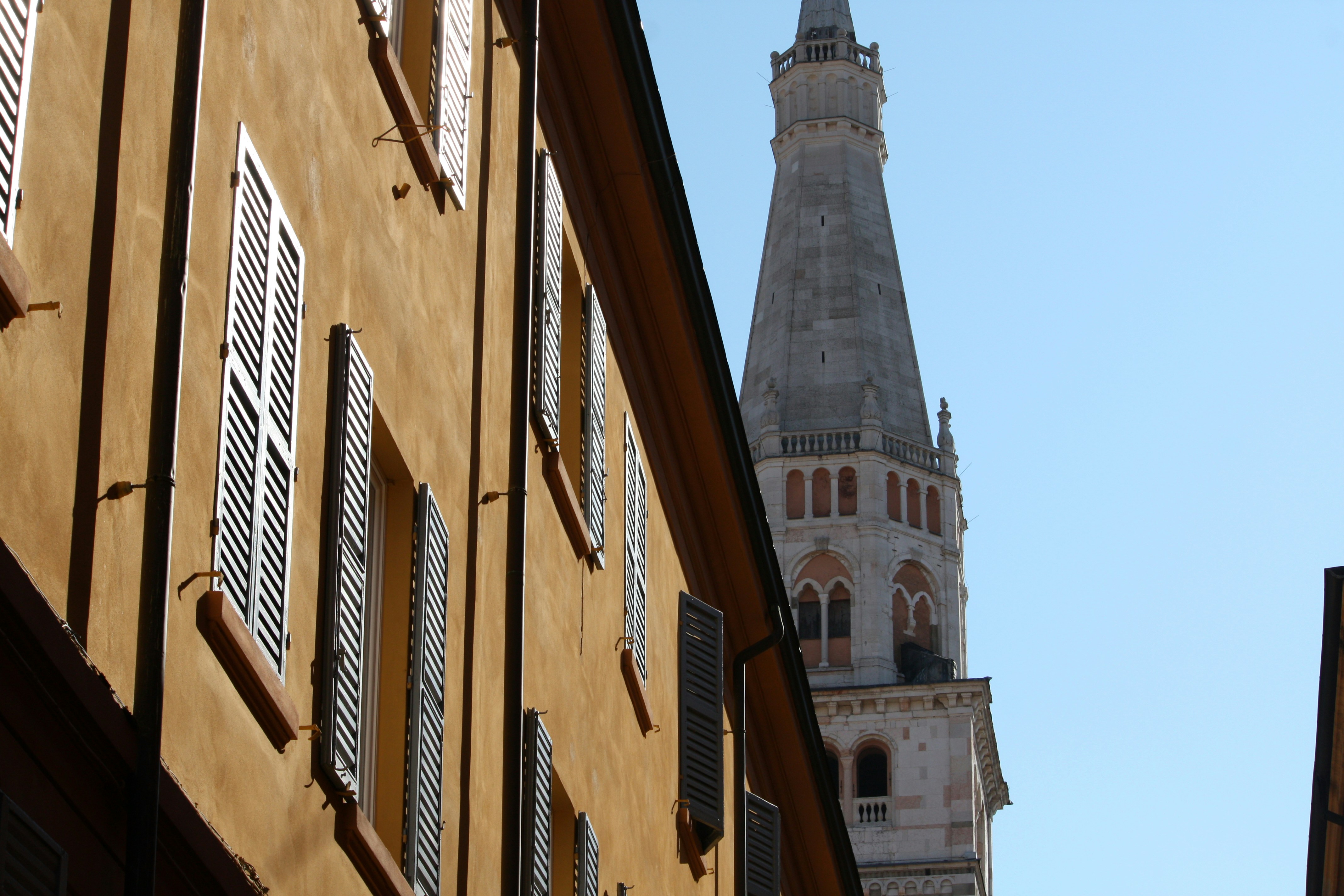
Modena, located in the Emilia-Romagna region of Italy, is renowned for its culinary heritage and automotive legacy. Visitors often explore the Enzo Ferrari Museum and the iconic Modena Cathedral, a UNESCO World Heritage site. The city is famous for its balsamic vinegar, with tastings available at local acetaia. Via Emilia, a main thoroughfare, offers a glimpse into the local lifestyle with its shops and cafes. Modena is also home to Osteria Francescana, a three-Michelin-starred restaurant by chef Massimo Bottura. The city is relatively flat, making it easy to navigate by bike or on foot.

Piazza Armerina
Piazza Armerina is a small town in Sicily, best known for the Villa Romana del Casale, which houses some of the most intricate Roman mosaics still in existence. This elaborate villa, built in the fourth century, showcases the artistic prowess of its time with scenes ranging from hunting to everyday life, attracting both history buffs and casual tourists. The town itself features a mix of narrow streets and baroque architecture, but much of its character comes from the UNESCO World Heritage site's spectacular mosaics. Visitors primarily come to gape at these ancient artworks and enjoy the historical atmosphere, although beyond the villa, the cultural offerings are limited, leaving some to wonder what else they can do here.

Palermo
Palermo is the capital of Sicily and a city that has changed hands more times than a hot potato. Its history as a crossroads of different cultures is visible in its streets, from the Arabs to the Normans to the Spanish, each leaving their mark on the architecture and food. The result is a mix of styles, with the grand Palermo Cathedral and Monreale Cathedral standing side by side with the street life of the Mercato di Ballarò, where locals haggle for fresh produce and street food. The remnants of its past are everywhere, but much of the city has a working-class feel, making it a lively place to explore. Tourists primarily come for the food markets and the historical sites, especially the unique Cappella Palatina, which is famous for its intricate mosaics.

Turin
Turin, Italy's automotive capital, has a rich history that intertwines with its industrial roots. The city emerged as a hub for Fiat in the early 20th century, shaping its skyline with modernist architecture alongside baroque masterpieces. It is home to the famous Museo Egizio, one of the world's top Egyptian museums, which attracts visitors looking to explore ancient history. The elegant piazzas and royal residences, like Palazzo Madama and the Royal Gardens, reflect its past as a royal capital while offering a more tranquil atmosphere compared to other Italian cities. Even the local coffee culture has a refined touch, making it a place where people stop to savor life at their own pace rather than rush through it. People come for the rich culinary scene, particularly the iconic aperitivo culture that makes every evening delightful.