Montenegro
Europe
Montenegro, a small country in the Balkans, is known for its stunning natural beauty and outdoor adventure opportunities.
64.23/10
65
May-Sep
Montenegrin
Why Visit
Stunning natural landscapes with diverse national parks and beautiful coastline.
Must Try
1. Visit the Bay of Kotor 2. Explore Durmitor National Park 3. Discover the old town of Kotor
Insider Tip
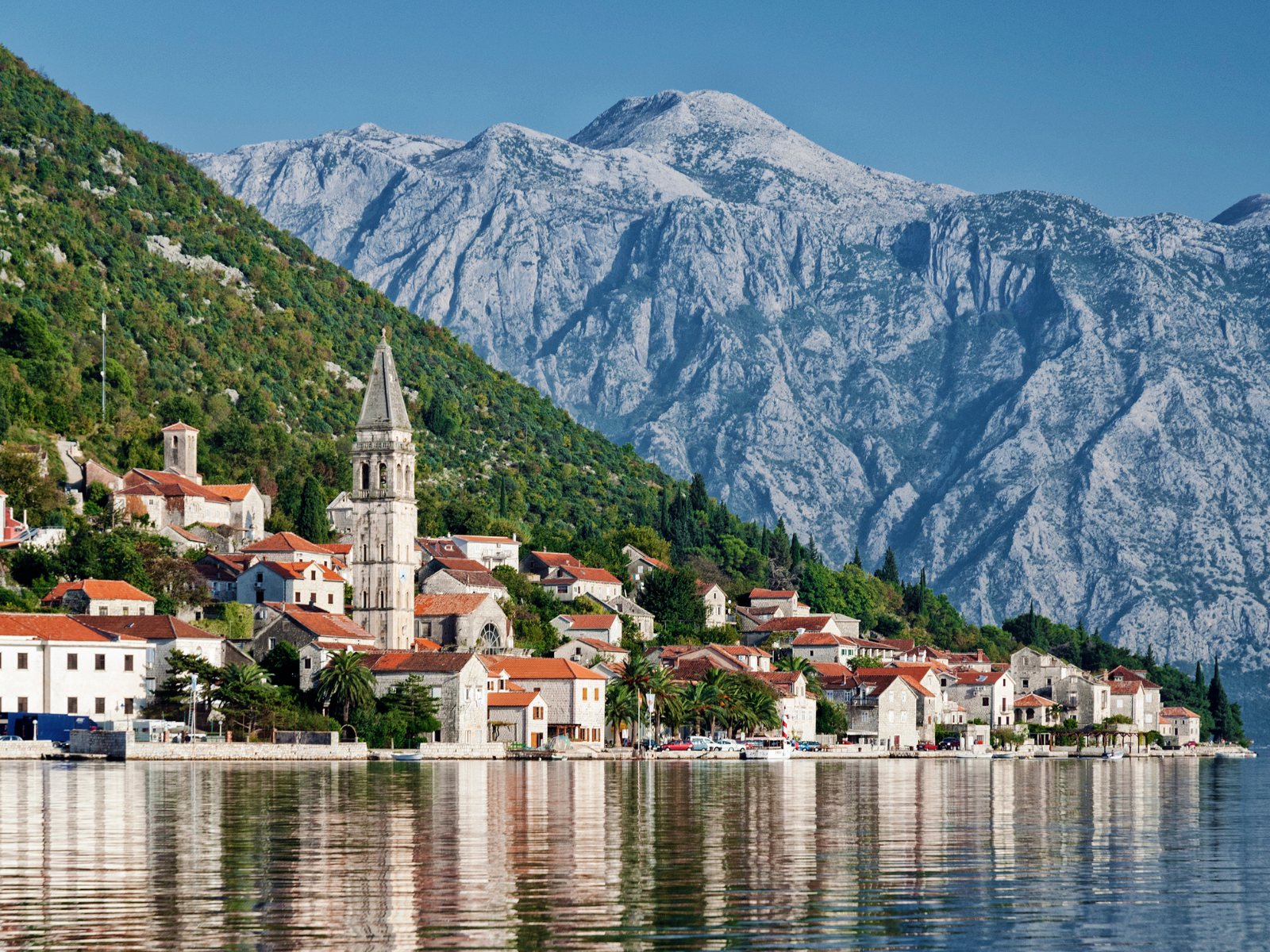
Explore the lesser-known coastal villages like Perast and Kotor for stunning views and authentic local experiences.
Must-Try Food
Njeguški pršut, Kačamak, Cicvara, Lamb cooked under a sač, Ćevapi
Top Cities in Montenegro

Bar
Bar is a coastal city on the Adriatic with a rich maritime history, known for its blend of beautiful beaches and ancient ruins. The seafront promenade stretches a few kilometers, lined with cafes and restaurants where you can enjoy a meal while staring at the sea, though the view is often overshadowed by the mountains rising from the coast. The historical Old Town features the remains of Stari Bar, a medieval fortress that requires a steep walk uphill. King Nikola's Palace is also a notable highlight, providing a glimpse into the city's royal past. Most visitors come for the sunbathing on beaches like Sutomore or for the ferry links to Italy, which make it a convenient stop in Montenegro's coastal tourism circuit.

Virpazar
Virpazar is a small Montenegrin village perched on the edge of Lake Skadar, which is the largest lake in the Balkans and a national park. The village is a hub for boat trips into the lake's tranquil waters, where birdwatchers can find a wealth of species, including the rare Dalmatian pelican. The surrounding hills and vineyards add to its charm, though don't expect a town or a wide array of restaurants; it's mostly geared towards those looking for calm and nature. The main attraction is the lake itself, drawing visitors for its serene landscapes and the chance to escape the chaos of city life, if that's what you're after.

Podgorica
Podgorica, the capital of Montenegro, is a surprisingly green city that lies at the confluence of two rivers and is surrounded by hills. The city’s layout reflects its historical layers: remnants of the Ottoman Empire sit alongside modernist architecture and post-war constructions. While the center has its share of cafes and shops, much of the action takes place in the surrounding nature, where residents escape to Gorica Hill and the banks of the Moraca River. The National Theatre of Montenegro and the Montenegrin History Museum offer cultural insights, but the main draw is the relaxed pace of life. Most visitors come to experience that mix of urban and natural settings, with a hint of Montenegrin history and cuisine, although it's not typically a destination of tourism.