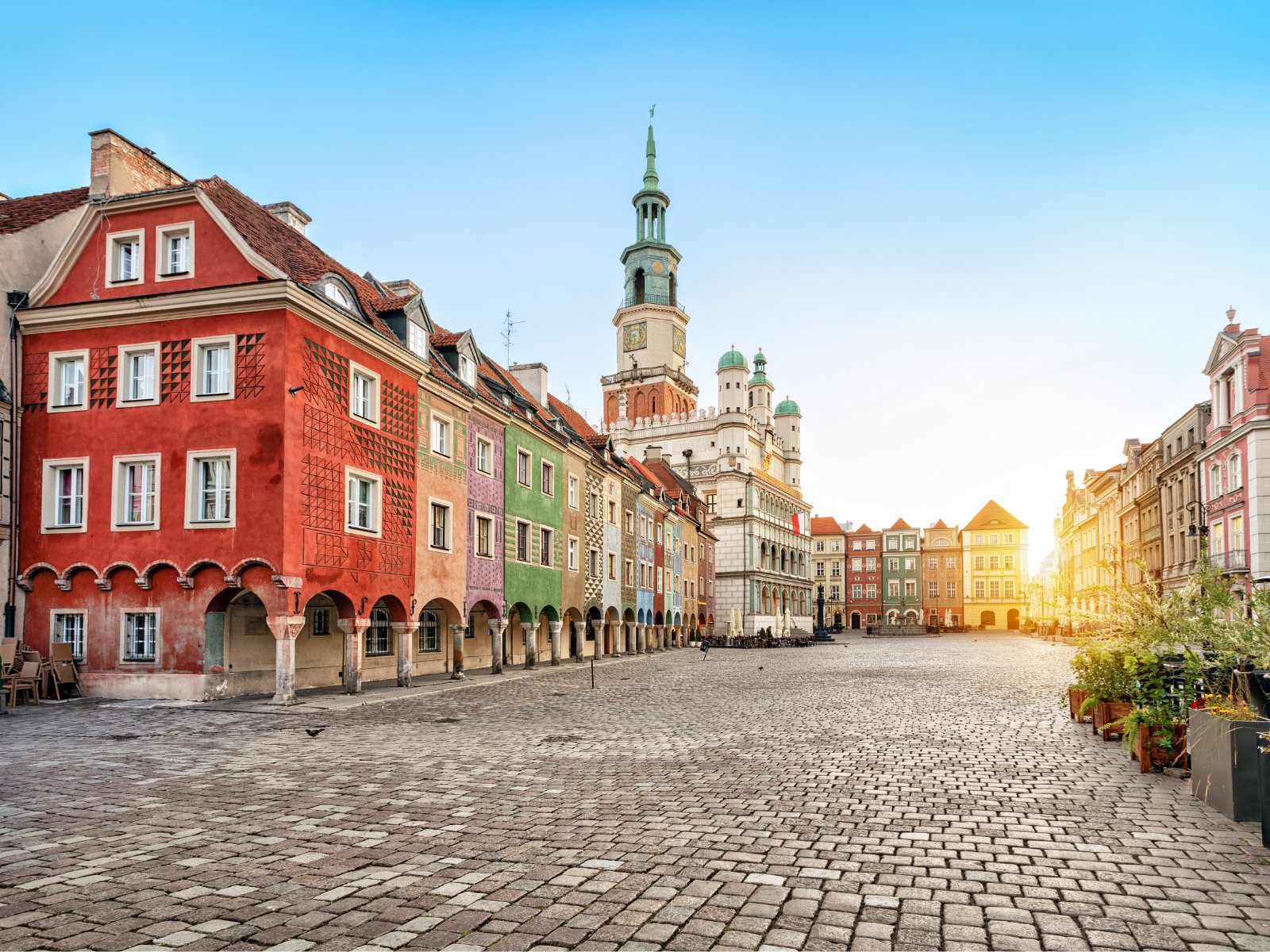
Poland
Europe
Poland is a country in Central Europe known for its rich history, stunning architecture, and beautiful natural landscapes.
71.07/10
35
May-Sep
Polish
Why Visit
Rich cultural heritage with stunning architecture and historical sites
Must Try
1. Visit the historic city of Kraków and explore Wawel Castle 2. Experience the beauty of the Tatra Mountains and Zakopane 3. Taste traditional Polish cuisine, especially pierogi and bigos
Insider Tip
Try local street food in Gdańsk for an authentic taste of Polish cuisine.
Must-Try Food
Pierogi, Bigos, Zurek, Kielbasa, Placki ziemniaczane
Top Cities in Poland
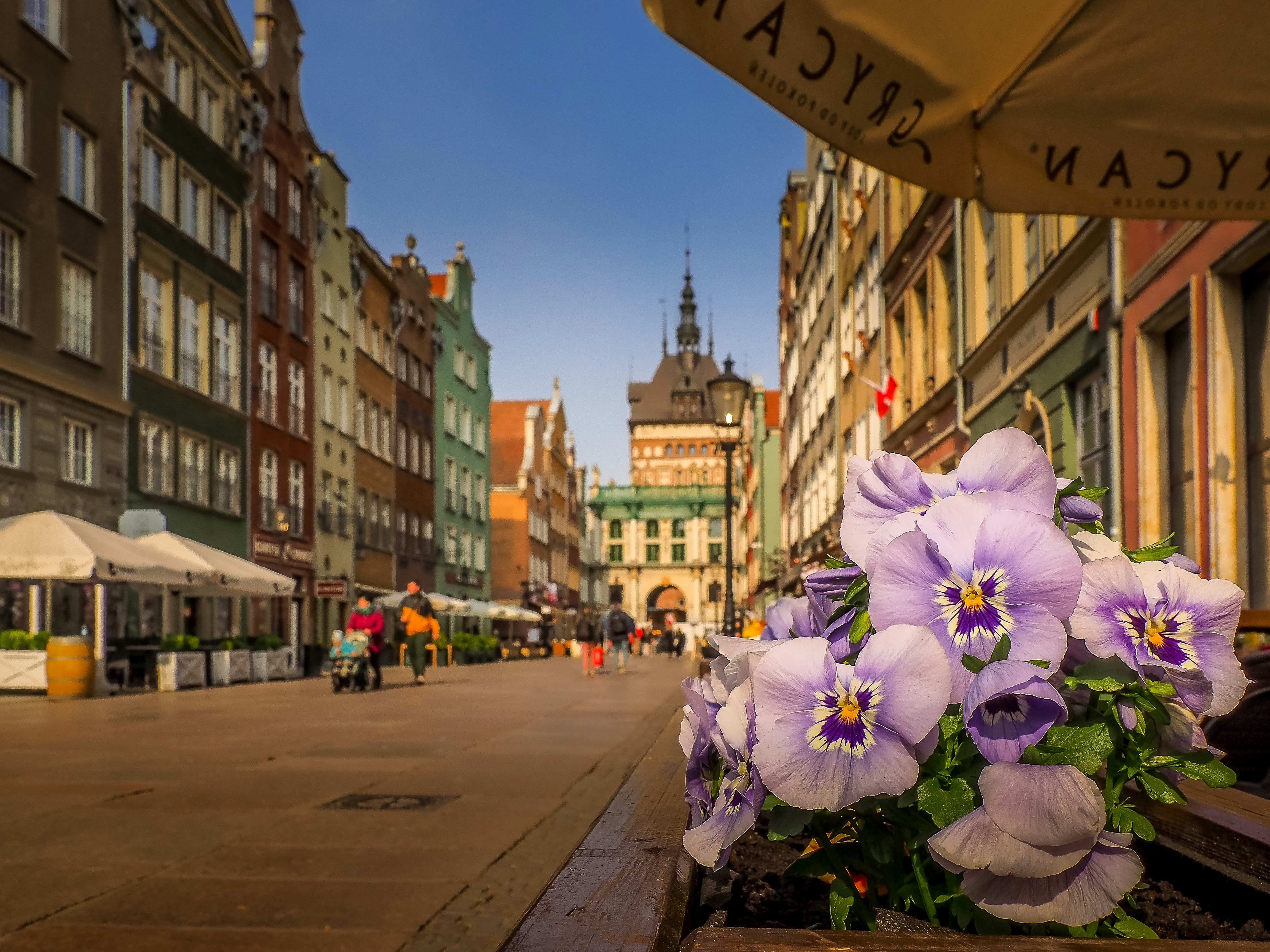
Gdańsk
Gdańsk is a coastal city in northern Poland, known for its significant role in maritime trade and history. The city is famous for its reconstructed Old Town, featuring landmarks like the Gothic-style St. Mary's Church and the Golden Gate. Visitors often explore the European Solidarity Centre, which commemorates the Solidarity movement. The Long Market is a popular spot for dining and shopping, where you can try local delicacies like pierogi. Gdańsk's location on the Baltic Sea makes it a gateway to nearby beaches, although the weather can be unpredictable.

Krakow
Krakow is Poland's cultural capital, famous for its medieval core and university scene. The historic centre, a UNESCO World Heritage site, features the Cloth Hall as a focal point, surrounded by a mix of Gothic, Renaissance, and Baroque architecture. The city is home to numerous institutions, art galleries, and cafes, making it a lively place for both locals and tourists. Students from the nearby Jagiellonian University add a youthful energy to the cobblestone streets, and the city's rich history is visible in landmarks such as Wawel Castle and the Kazimierz district. People come for the historical sites, arts scene, and easily accessible day trips to the Tatra Mountains.

Białowieża
Białowieża is a small village in eastern Poland, renowned for its proximity to Białowieża Forest, one of Europe's last primeval forests. This UNESCO World Heritage site is home to the European bison and offers visitors a unique opportunity to explore unspoiled nature. The village itself features the Białowieża National Park Museum, which provides insights into the region's natural history. Visitors often explore the Tsar's Palace Park, a remnant of the Russian imperial presence. The village's quiet streets and wooden architecture reflect its rural character. Białowieża is primarily visited for its natural attractions rather than urban amenities.

Oświęcim
Oświęcim, best known for being the site of the Auschwitz-Birkenau Memorial and Museum, is a town marked by its complex history. This memorial draws visitors from around the world, turning a place synonymous with tragedy into a site of remembrance and education. The town itself features an array of historical sites, including the Oświęcim Castle and the Jewish Museum and Synagogue, which highlight the cultural heritage that existed before the war. While many come to reflect on the past, Oświęcim also offers parks and recreational facilities, blending its somber historical narrative with everyday life. The quiet streets stand in stark contrast to the heavy historical weight they carry, providing a space for contemplation and learning amid the bustle of modernity.

Warsaw
Warsaw, Poland's capital, is a city rebuilt after World War II, which left it in ruins. The reconstruction effort was not just physical but cultural as well, with a modern skyline rising alongside meticulously restored historic sites, such as the Old Town Market Square and the Wilanów Palace. This blend of past and present is apparent everywhere, from the Fryderyk Chopin Monument in Łazienki Park to the contemporary exhibitions at the Zachęta National Gallery of Art. The student population at Warsaw University adds to the city's energy, while the Vistula River provides a scenic outlet for a river cruise or a leisurely stroll along its banks. People come for a mix of history, art, and the chance to understand a city defined by its resilience and ambition.