Portugal
Europe
Portugal is known for its rich history, stunning beaches, and vibrant culture.
67.68/10
65
Apr-Jun
Portuguese
Why Visit
Home to some of the best beaches in Europe
Must Try
1. Pastéis de Nata 2. Bacalhau à Brás 3. Fado Music
Insider Tip
Explore local markets for authentic food and unique souvenirs.
Must-Try Food
Bacalhau à Brás, Pastéis de Nata, Francesinha
Top Cities in Portugal

Sintra
Just a thirty-minute train ride from Lisbon, Sintra is best known for its collection of Romanticist palaces and castles that sit atop a hilly landscape. The Moorish Castle and the National Palace of Sintra dominate the skyline, while the extravagant Quinta da Regaleira entices visitors with its intricate architecture and mysterious gardens. The town’s historical center is a blend of narrow streets, quaint shops and eateries, and tourists who flock here for the enchanting sights. Sintra's lush mountains provide a green backdrop and plenty of hiking opportunities, but the real reason people visit is to marvel at the whimsical palaces that look like they've sprung from a storybook, which inevitably leads to crowds and the occasional traffic jam in its narrow streets.

Lisbon
Lisbon, Portugal's hilly capital, sits at the mouth of the Tagus River with a skyline shaped by its seven hills. The city's unique azulejos, or decorative ceramic tiles, add color to its narrow, winding streets, which are filled with old trams and miradouros that offer scenic views. Its cultural scene is diverse; from the contemporary art at the Museum of Art, Architecture and Technology to classical performances at the São Carlos National Theatre, there's always something happening. Many visitors come specifically for the seafood and the nightlife found in Bairro Alto, where it’s easy to lose track of time and your sense of moderation. However, the steep inclines are a reminder that in Lisbon, even your legs get a workout while you explore.

Porto
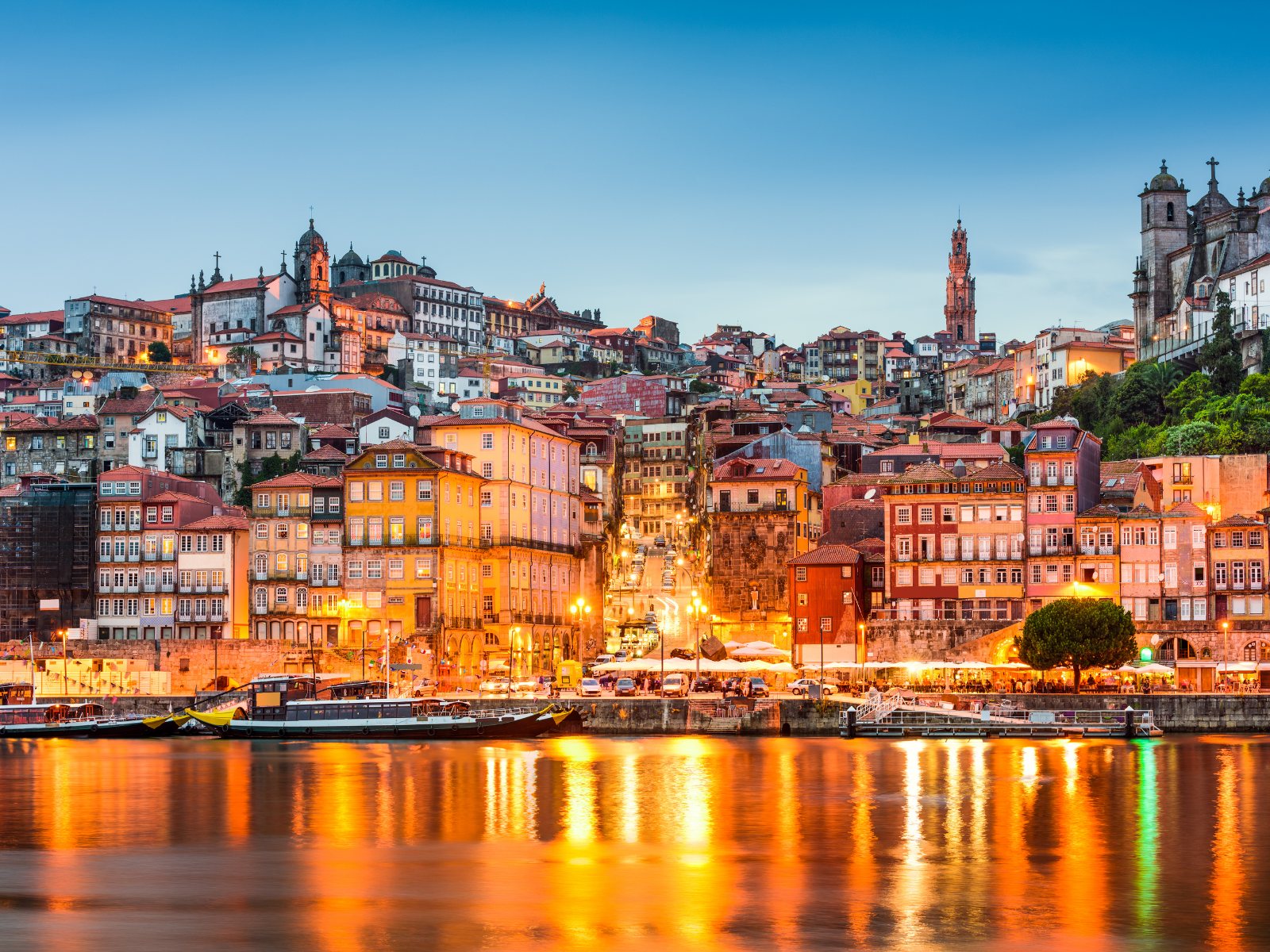
Porto, Portugal's second city, is built around its riverside location at the mouth of the Douro River. The whole place is a UNESCO World Heritage Site thanks to its historic architecture, which includes the baroque Church of São Francisco and the ornate Livraria Lello, a bookstore so that it has a queue of eager book lovers snaking out the door. This city is known for wine, specifically port, and the wine cellars across the river in Vila Nova de Gaia are where most visitors find themselves sampling the local produce. The cultural scene includes everything from Fado shows to the modern Casa da Música. While it's not as big as Lisbon, it compensates with its steep hills, which are a workout for anyone trying to explore without a taxi. People come for the port wine, the riverside views and the architecture that makes them feel like they’ve walked into a postcard, even if they have to climb a few hills to see it all.

Funchal
Funchal, the capital of Madeira, is a city shaped by its location on a steep slope overlooking the Atlantic Ocean. Originally a fishing village, it has grown into a hub connected by narrow streets and beautiful gardens, with the Jardim Botânico and Palheiro Gardens being standout attractions. The city is also famed for Madeira wine, with several wineries offering tours just a short drive from the town centre. Visitors come to Funchal for the combination of coastal views, markets like Mercado dos Lavradores, and pleasant weather that attracts tourists year-round. The city features a harbor where cruise ships frequently dock, giving it a lively atmosphere throughout the year as travelers disembark to explore its winding streets and botanical wonders.

Faro
Faro, the capital of the Algarve region, is a small city that has managed to maintain a sense of history amidst its role as a tourist hub. The Old Town, encircled by ancient city walls, is where you’ll find the Faro Cathedral and cobbled streets full of cafes and shops. The city is also the gateway to beaches and the Ria Formosa Natural Park, which attracts birdwatchers and nature enthusiasts alike. Though it serves many as a launchpad for the surrounding coastline, most visitors will find themselves wandering through the Mercado Municipal or relaxing by the marina, where boats bob gently in the breeze. People come here primarily for the beaches and the mix of culture and relaxation unique to southern Portugal.