
Spain
Europe
Spain is known for its rich history, stunning beaches, and vibrant culture.
63.26/10
65
Apr-Jun
Spanish
Why Visit
Home to the Sagrada Família, an architectural masterpiece by Antoni Gaudí.
Must Try
1. Tapas 2. Flamenco 3. Paella
Insider Tip
Try to learn a few basic Spanish phrases. It can enhance your experience and interactions with locals.
Must-Try Food
Paella, Tapas, Gazpacho
Top Cities in Spain

Granada
Granada's defining feature is the Alhambra, a sprawling Moorish palace and fortress complex perched on a hillside with views of the Sierra Nevada mountains. This UNESCO World Heritage site brings in tourists from all over the world, and with good reason, as it captures a pivotal moment in Islamic architecture. The city itself is a mix of narrow winding streets in the Albayzín district and lively tapas bars, with the Royal Chapel sitting conveniently nearby as another nod to its diverse history. However, much of what tourists see revolves around the Alhambra, and the locals sometimes wonder what happened to the rest of their city in the frenzy. Visitors come primarily to experience the Alhambra and its gardens, along with a taste of the street life that surrounds it.
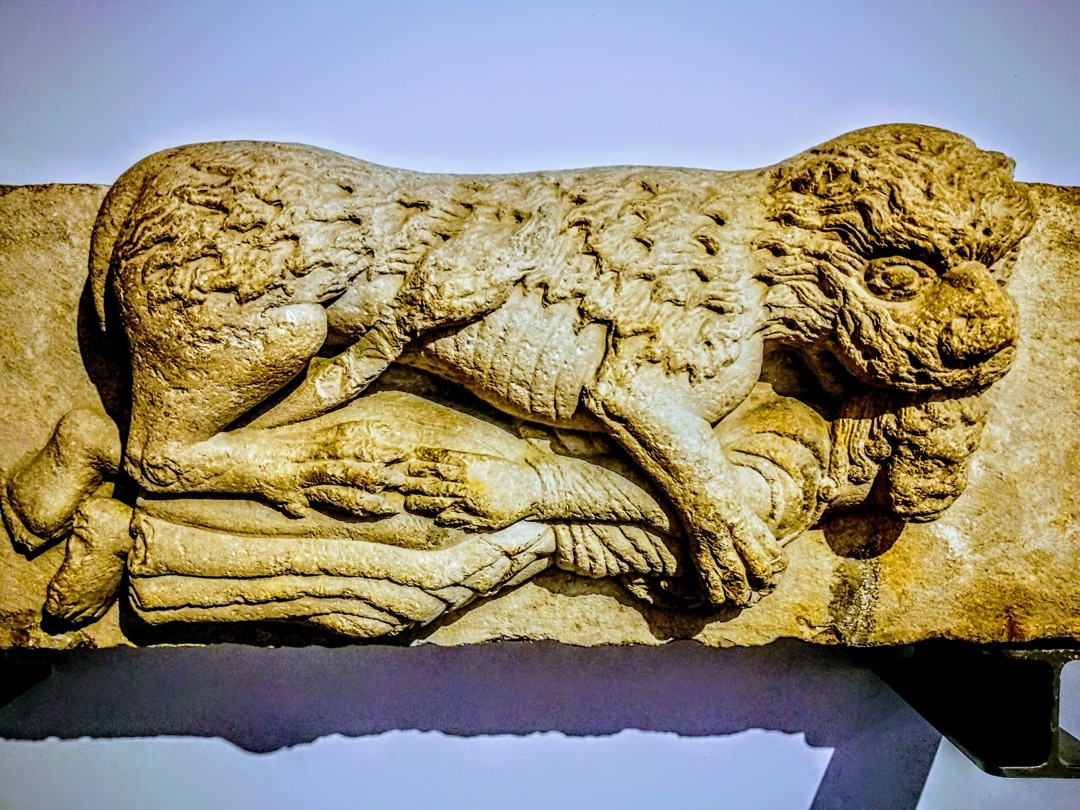
Girona
Girona is a historic city in Catalonia, known for its well-preserved medieval architecture and vibrant cultural scene. The city is famous for the Girona Cathedral, which features an impressive Gothic nave, and the colorful houses along the Onyar River. Visitors often explore the narrow streets of the Jewish Quarter, El Call, and enjoy local cuisine at Plaça de la Independència. Girona is also a popular destination for cycling enthusiasts due to its proximity to the Pyrenees. A true observation: the city is quieter than nearby Barcelona, offering a more relaxed pace for exploration.

Barcelona
Barcelona is defined by its architecture, largely thanks to Antoni Gaudí's Sagrada Familia, which has been under construction since 1882 and might just outlast your patience. This coastal city combines modernist landmarks with historic sites like Santa Maria del Mar and the Gothic Quarter, presenting a blend of the old and the new that delights both tourists and locals alike. Each neighborhood has its own character, from the La Boqueria Market to the serene Parc de la Ciutadella, where you can find some peace amid the crowds. While the city caters to those seeking sun, culture, and tapas, many come specifically for the unique chance to see Gaudí's masterpieces up close or to relax on the sandy beaches after a day of sightseeing.

Cordoba
Cordoba, a city of Moorish heritage, is defined by its iconic Mezquita, a mosque-cathedral that reflects the complex religious history of the area. This architectural marvel draws visitors and architects alike, with its red and white arches, an extensive history, and a former life as a place of worship for both Muslims and Christians. The surrounding old town is a tangle of narrow streets, where you can find beautiful patios and the well-preserved Palacio de Viana among others. However, once you step outside the historic centre, the city transforms into a more modern place, with all the amenities and distractions of contemporary life. People come primarily to admire the Mezquita and explore its fascinating past, but be prepared for the heat; summer temperatures often push well into the high thirties Celsius.

Seville
Seville is the capital of Andalusia, where the Moorish influence left a architectural legacy, most notably the Alcazar and the Giralda. This city of flamenco and orange trees thrives on culture, with performances around every corner, particularly in the neighborhoods of Triana and Santa Cruz. Visitors often come for the Plaza España, a semi-circular brick structure that showcases the regional tiles of Spain, which has become a popular spot for photos and leisurely walks. Beyond the historic center, the Seville Bullring and the Metropol Parasol offer a mix of tradition and modernity, while the warmth of the sun is a constant reminder that you're in southern Spain. The city's rhythm is palpable, especially during the Spring Fair when the streets come alive with music and dance. It's a place where the past is inseparable from the present, as the heat and passion of flamenco fill the air.

Madrid
Madrid, Spain's capital, is a sprawling city built around its royal history and cultural treasures. The Paseo del Arte connects major museums, including the Museo del Prado, which houses some of the biggest names in European art. This connection is not just a series of galleries; it reflects the city's status as a cultural hub that attracts visitors keen on both the arts and the nightlife. The central Plaza Mayor, surrounded by historic architecture, serves as a social focal point, while areas like Gran Vía represent the city's modern commercial heart. A city of nearly four million residents who enjoy a late-night culture, Madrid pulsates with energy, though it’s best navigated with a good map, as the maze of streets can lead you astray. People come for the world-class art and the lively tapas scene, which may result in a few extra calories and late-night regrets.

Santiago de Compostela
Santiago de Compostela is the final stop on the Camino de Santiago pilgrimage, drawing in thousands of walkers who expect to see something special at the end of their trek. That something is the Cathedral of Santiago, an impressive piece of Romanesque architecture that dominates the city and serves as the resting place of St. James. The medieval streets surrounding it are a maze, full of cafés, hostels and the odd souvenir shop, catering to both pilgrims and students at the nearby university. While tourism keeps it lively, the city also has a genuine academic spirit, with many residents unbothered by the sudden influx of visitors. The city's historic charm is very much alive, but do be prepared for groups of tourists who might be more interested in their selfie sticks than the spirituality of the place.

Toledo
Toledo, a compact medieval city squeezed onto a hill, has a history defined by its role as the former capital of Spain and its diverse cultural heritage. The Alcázar dominates the skyline, overlooking a maze of narrow streets that wind past the Synagogue of Santa María la Blanca and the Monastery of San Juan de los Reyes. This historical layering attracts visitors to its ancient architecture and sprawling views, with the city’s layout giving an impression of the past's physical weight. Most people come for the views from the Mirador del Valle, which offer a panorama of the entire city, showcasing its rich historical architecture and the Tagus River flowing around it.

Valencia
Valencia, Spain's third-largest city, is defined by its unique blend of historical architecture and striking modern structures, most notably the City of Arts and Sciences. This sprawling complex of futuristic buildings houses museums, an aquarium, and an opera house, making it the centerpiece of cultural life. The old town showcases a wealth of historical sites, such as the Valencia Cathedral and the Torres de Serranos, while the Central Market offers local produce and traditional fare. The coastal location means you can easily shift from art to beach, however, many who visit do so primarily for the lively street life, festivals, and a taste of paella, which is what people actually come for.

Salamanca
Salamanca is home to one of the oldest universities in the world, established in 1218, which gives the city its unique character as a blend of timeless history and youthful energy. The golden sandstone buildings, including the remarkable Salamanca Cathedral and the University, create a cohesive skyline that reflects centuries of architectural development. The streets teem with students, especially around the Plaza Mayor, where cafes buzz with life and conversation. The Art Nouveau and Art Deco Museum offers a glimpse into a different era, contrasting with the historical landmarks that dominate the city. Visitors come primarily for the academic atmosphere and the historic sites that can be explored on foot in a compact area, making it easy to soak in the culture day or night.

Santa Cruz de Tenerife
Santa Cruz de Tenerife, the capital of the Canary Islands, is known for its lively beaches and striking historical architecture. The city was shaped by the Spanish colonial period, a fact evident in its mixed architectural styles, including the neoclassical Plaza de España and the modern Auditorio de Tenerife, resembling a giant wave. The harbor has long influenced its growth, attracting visitors and residents alike. Each February, the city transforms for Carnival, a celebration famous for its extravagant costumes and parades that draw crowds from around the world. Though it has a sizable population, the city feels relatively accessible, and its coastal views blend seamlessly with urban life, making it a popular stop for those seeking both culture and sun. People come here primarily for the Carnival and the diverse events throughout the year.

Elciego
Elciego is a small town in Spain's Rioja Alavesa region, famous for its wineries and a striking piece of avant-garde architecture: the Marqués de Riscal Hotel. The town's wine production defines its character, with traditional vineyards surrounding the area and wine tourism forming a key part of local life. The hotel, designed by Frank Gehry, has put Elciego on the map, drawing visitors who come to appreciate its unique design and the surrounding wine culture. Beyond the hotel, the town still holds onto its historic charm with narrow streets and a few traditional buildings, but it is the wine that truly draws people here for tasting experiences and tours.

Bilbao
Bilbao's transformation from a gritty industrial port to a design-forward cultural hub started with the arrival of the Guggenheim Museum in 1997, which not only reshaped the city skyline but also its economic future. The striking modern architecture of Frank Gehry's museum sparked a wave of redevelopment, leading to sleek waterfront promenades and stylish new buildings. In the shadow of this iconic structure, you’ll find a mix of historic and contemporary elements, from the narrow streets of Casco Viejo to the shiny Euskalduna Bridge. The city is a center for arts, with a thriving local food scene symbolized by La Ribera Market, while the famous Athletic Club Museum showcases the city's deep love for football. Visitors come for the unique blend of old and new, and quite possibly to see what all the Guggenheim fuss is about.

Zaragoza
Zaragoza is a practical Spanish city known for its Roman roots, with a history that goes back to Caesaraugusta. The city showcases its past through a mix of architecture, including the Basilica de Nuestra Señora del Pilar and the Aljafería Palace, which stands as a testament to the Moorish influence. This blend creates a unique environment where locals and tourists enjoy a atmosphere without overwhelming crowds. The Expo 2008 site and the Parque Grande José Antonio Labordeta offer space for leisure, while the streets around La Seo Cathedral and the Zaragoza Museum remind visitors of its lively urban character. Most visitors come for the tapas and the chance to experience a more local side of Spain, away from the typical tourist spots.

San Sebastian
San Sebastian, the Basque culinary capital, is set against a coastal backdrop where the Bay of Biscay meets a city that takes food seriously. Pintxos bars line the streets, and the city is known for its excellent seafood and Michelin-starred restaurants, which keeps both locals and visitors delightfully well-fed. The city's layout radiates from the old town, where narrow streets lead to the beach and the iconic La Concha bay. San Sebastian also has a culture shaped by film festivals and traditional Basque customs, although the annual influx of tourists during the summer can make it feel a little bit crowded. People come for the excellent food and beautiful beaches, though if you're after peace and quiet, you might want to consider dining on a weekday instead of the weekend.
Mundaka
Mundaka is a small coastal town on the northern coast of Spain, known primarily for its top-notch surfing conditions at Mundaka Beach. The town's layout features a harbor, where colorful fishing boats bob alongside cafes serving local seafood. This connection to the sea shapes much of the daily life here, with a mix of surfers, fishermen, and visitors soaking up the sun. The Gorliz Lighthouse is a notable landmark nearby, but the town itself isn't much for sightseeing beyond the beach and water activities. In short, the surf draws people in, and the waves keep them coming back.