Sweden
Europe
Sweden is known for its stunning natural landscapes, including forests, lakes, and mountains, making it a great destination for outdoor enthusiasts.
51.92/10
80
Jun-Aug
Swedish
Why Visit
Home to the stunning Northern Lights.
Must Try
1. Explore the archipelago of Stockholm 2. Visit the Vasa Museum 3. Experience the Northern Lights in Swedish Lapland
Insider Tip
Explore the lesser-known archipelagos for stunning views and fewer crowds.
Must-Try Food
Meatballs, Herring, Gravlax, Crayfish, Prinsesstårta
Top Cities in Sweden

Stockholm
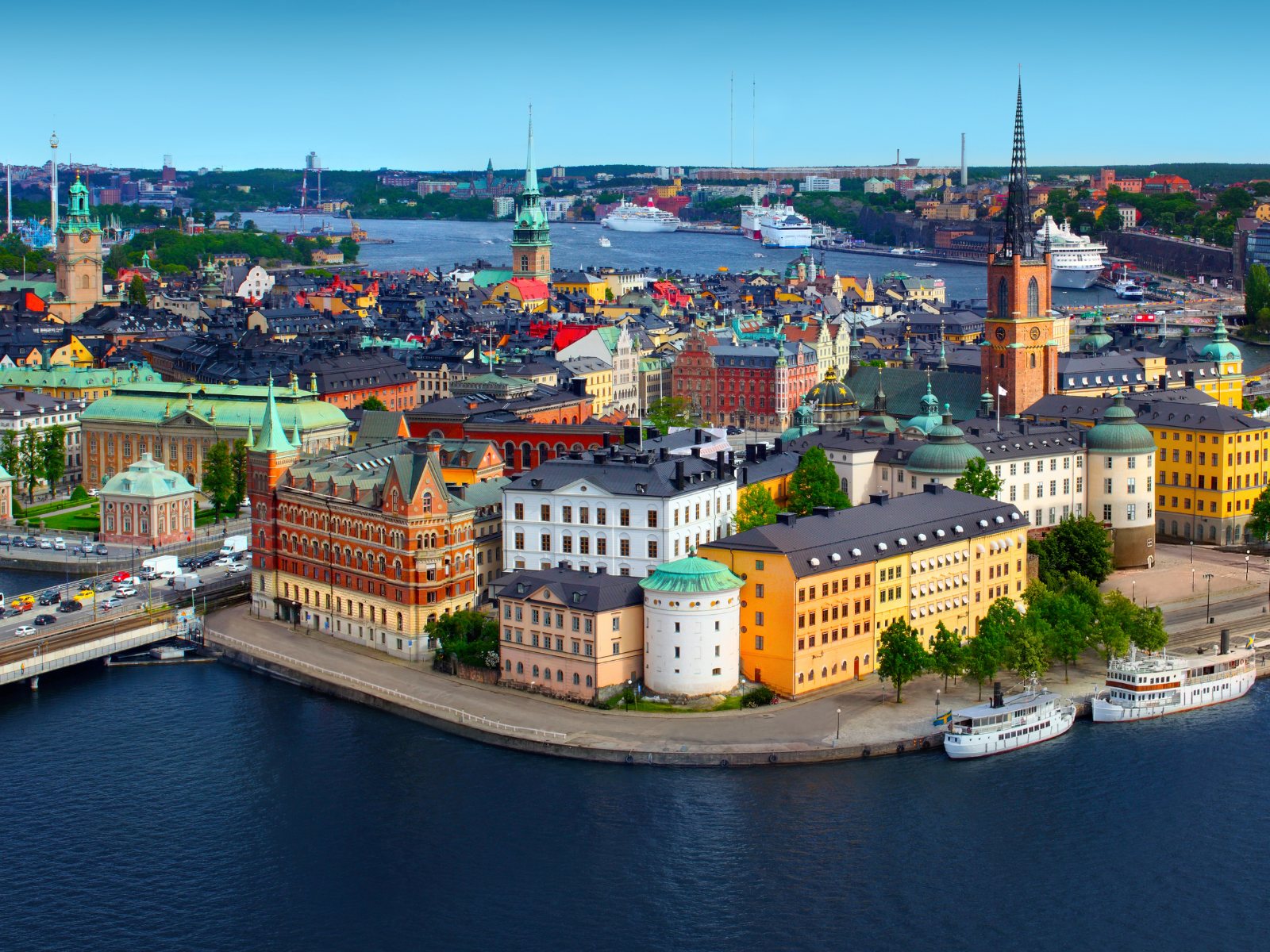
Stockholm is built on 14 islands connected by over 50 bridges, with Lake Mälaren and the Baltic Sea shaping its layout. The city's extensive waterways and green spaces are a direct result of its geography, influencing where people live, work, and play. The historic centre, Gamla Stan, contrasts with the modernity of Södermalm and Norrmalm, which host trendy shops and restaurants that draw locals and tourists alike. The Vasa Museum, with its well-preserved 17th-century ship, stands out as a key attraction, alongside the city's beautiful parks and the renowned Stockholm Archipelago just a ferry ride away. People come primarily for the rich blend of history, culture, and natural beauty that the city uniquely offers.

Harads
Harads is known for its unique treehouse hotels, which sit high in the forests of Swedish Lapland. This small village draws visitors seeking a tranquil escape and the chance to view the Northern Lights. The treehouses, each with individual designs, overlook serene landscapes and are part of a broader push towards eco-tourism. Beyond the accommodations, Harads offers outdoor activities like hiking and fishing, although it can feel more remote than other destinations in Sweden. Most travelers come for the unusual lodging experience and the chance to marvel at the auroras, but be prepared for limited local amenities.

Kiruna
Kiruna, a small town in northern Sweden, is built around iron ore mining, which has shaped its growth and character. As the largest town in Swedish Lapland, it serves as a base for Arctic adventures, drawing visitors seeking the Northern Lights and the famous Icehotel, made entirely of ice and snow. The Sami culture is interwoven into the town's identity, with local experiences offering insights into their traditions and lifestyles. However, much of Kiruna's charm lies outside the town itself, in the surrounding wilderness, where the stark beauty of the Arctic landscape beckons travelers. Despite its mining roots, Kiruna is primarily a getaway for nature enthusiasts and those looking for unique winter experiences, rather than a urban centre.

Uppsala
Home to Sweden's oldest university, Uppsala has a long academic history that shapes its identity. The university and its sprawling campuses dominate the city, giving it a youthful vibe, while the surrounding streets are filled with well-preserved historical architecture, including the impressive Uppsala Cathedral and the cobbled lanes of Uppsala Old Town. In this medium-sized city, the botanical garden offers a green escape amid the scholarly bustle, and the Stadsträdgården serves as a social hub for students and locals alike. Though often with activity, the real draw for visitors is the chance to wander through a city steeped in tradition and academic achievement, where the past and present coexist in a relatively compact area.

Gothenburg
Gothenburg, Sweden's second-largest city, is defined by its role as a major port and its design-forward culture. The city was founded in the seventeenth century with canals inspired by Amsterdam, leading to a layout that still reflects its maritime past. This port influence brings a relaxed atmosphere, where you'll find locals mingling in parks like Slottsskogen or enjoying fresh seafood at the Fish Church. The city's cultural scene thrives in places like Göteborgs Konsthall and the Röhsska Museum of Design and Craft, showcasing design from both classic and contemporary perspectives. People visit for the Archipelago Tour, which offers views of the coastal islands and a taste of the surrounding nature, making the journey worthwhile.