Turkey
Asia
Turkey is a country that bridges the gap between Europe and Asia, offering a rich tapestry of culture and stunning natural landscapes.
58.74/10
50
Apr-Jun
Turkish
Why Visit
Rich cultural heritage blending East and West
Must Try
1. Visit Hagia Sophia 2. Explore Cappadocia 3. Enjoy a traditional Turkish bath
Insider Tip
Try to learn a few basic Turkish phrases to enhance your interactions with locals.
Must-Try Food
Kebab, Baklava, Manti
Top Cities in Turkey

Istanbul
Istanbul is the city where Europe meets Asia, straddling the Bosphorus Strait and offering a mix of cultures that has evolved over centuries. The Hagia Sophia, originally a cathedral, then a mosque, and now a museum, embodies this blend of histories, while the Grand Bazaar showcases the chaos of commerce that has flourished here since the Ottoman Empire. The city's architecture ranges from the intricate tile work of the Blue Mosque to the opulence of Dolmabahçe Palace, reflecting its diverse past. With a population of over 15 million, the streets are a tapestry of locals and tourists alike, all navigating the lively markets and historical sites. People primarily come for the rich history and to explore its famed culinary scene, from street food to fine dining, which is almost as complicated as the city's layout.

Pamukkale
Pamukkale, known for its travertine terraces, is a small Turkish town where mineral-rich thermal waters create white limestone formations that have attracted visitors for centuries. The Pamukkale Hierapolis Archaeological Site adds a historical layer, with ancient ruins set against this surreal landscape, making it a popular destination for tourists seeking both relaxation and history. The local mud baths in Karahayit offer a chance to slather yourself in mineral-rich mud, if that’s your idea of a good time. However, beyond the terraces and baths, the rest of the town is rather straightforward, with limited options for entertainment. Most people come to see the travertines and take the obligatory photo that will make your friends question the reality of your vacation.

Antalya
A large Turkish coastal city that combines sun, sand, and history, making it a popular choice for tourists seeking both relaxation and culture. The presence of ancient ruins like Perge and Termessos prompts many to explore beyond the beach resorts, while the old town of Kaleici features narrow, winding streets and architecture dating back to the Roman Empire. Visitors often flock to iconic sites such as Hadrian's Gate and the Antalya Archaeological Museum, but the main draw remains the beaches lining the Mediterranean coast, where sunbathing often takes precedence over sightseeing. While the city maintains its historical charm, expect a mix of resort life and remnants of the past, which may leave some yearning for a deeper immersion in Turkey's cultural heritage without the nearby umbrella drinks.

Cappadocia
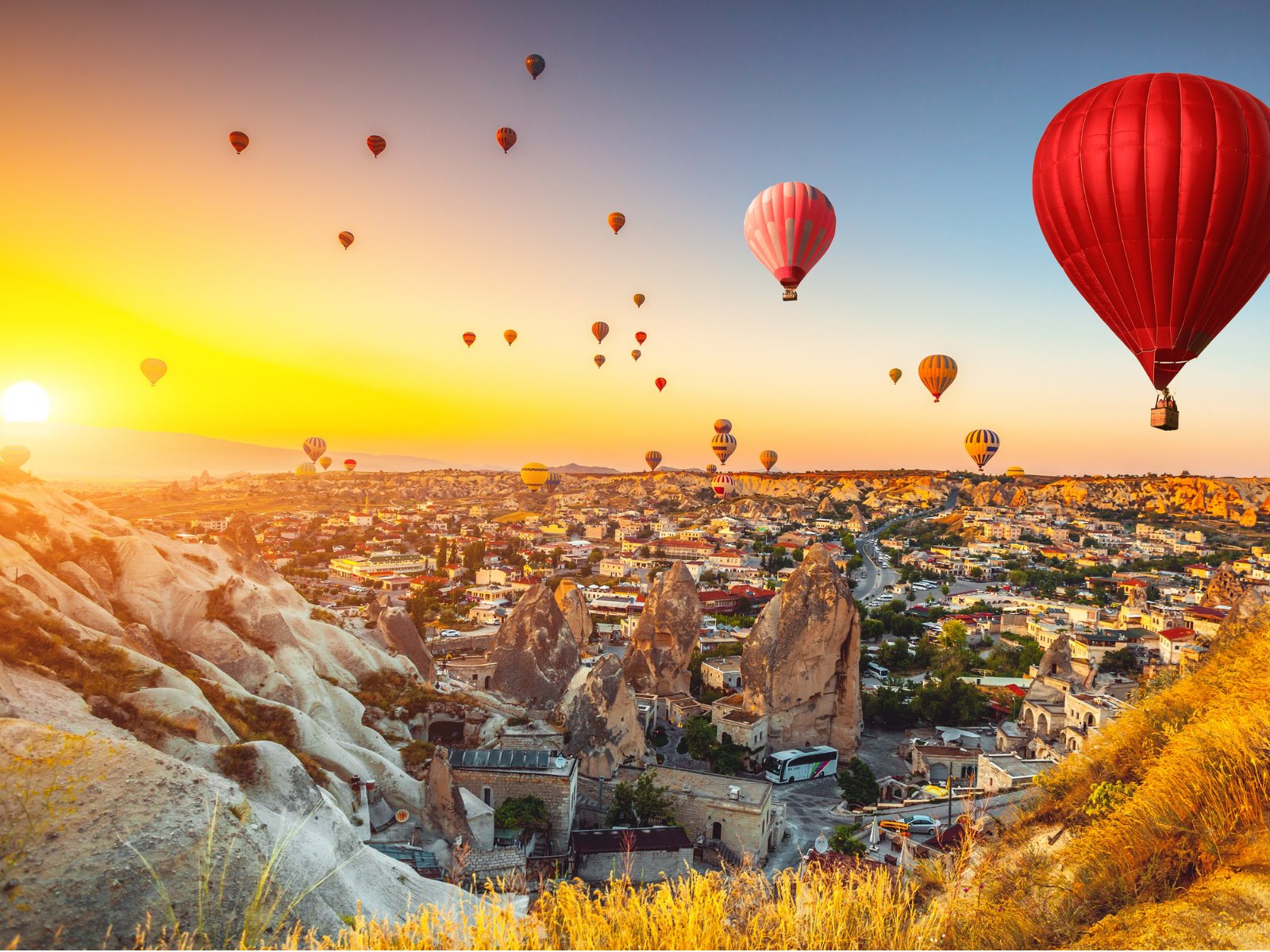
Cappadocia is a small region in central Turkey known for its surreal landscapes shaped by volcanic rock erosion. The Fairy Chimneys, perched in valleys like Love Valley and Pasabag, create a whimsical skyline that draws tourists seeking both nature and adventure. The area has a rich history, with cave dwellings and rock-cut churches scattered throughout, particularly around the Zelve Open-Air Museum and Uçhisar Castle. The pottery town of Avanos showcases traditional crafts, where visitors can try their hand at the wheel. Most people come for the hot air balloon rides at sunrise, which offer a unique view of the otherworldly terrain below. Just don’t expect much in the way of public transport, you may find yourself hiking or relying on a tour group to get around.

Alanya
Alanya, a medium-sized coastal city on Turkey's southern coast, is well-known for its sandy beaches and historical significance, primarily due to Alanya Castle, a fortress dating back to the Seljuk period that dominates the skyline. The castle offers panoramic views of the Mediterranean and is a short walk from the harbor area, where you’ll find plenty of restaurants and shops catering to tourists. The city is built around the old town, Kaleici, which features narrow streets and historic buildings that reflect its diverse past. Despite the influx of tourists, Alanya maintains a local atmosphere. People come for the combination of sunbathing on golden sands and exploring this rich history, making it a solid choice for those who want both relaxation and a bit of cultural immersion.

Mugla
Mugla is a coastal province in Turkey, drawing attention for its beaches and the lively resort towns of Bodrum and Fethiye. The area is marked by a rugged coastline dotted with hidden coves and several ancient ruins, which offer a glimpse into its rich history as a region once inhabited by the Lycians and the Romans. The local economy thrives on tourism, attracting visitors who come for summer sun and the crystal-clear waters of the Aegean Sea. However, once you leave the main attractions, you might find a more subdued atmosphere in other towns like Datca and Marmaris, where you can escape the tourist bustle. The main draw for many is the excellent beach clubs and the opportunity for water sports, especially around Olu Deniz, famous for its blue lagoon and paragliding activities, perfect for anyone looking to make their vacation a splash.

Denizli
Denizli is the gateway to Pamukkale's famous thermal pools, where the white terraces form from mineral-rich waters that have drawn visitors for centuries. This practical city has its own attractions, including a clock tower that ticks away during peaceful afternoons and a state theater that provides modern entertainment. Beyond the thermal wonders, you can explore Goncali Canyon and Honaz Waterfall, both inviting those who enjoy nature's handiwork. However, the city's character is built around its role as a base for excursions to Pamukkale, with most tourists making the short trip for the geology and not the nightlife. For many, the real thrill lies in taking a dip in those white thermal pools, while the city itself is often just a backdrop to the main event.

Fethiye
Fethiye is a coastal city of Turkey, famously positioned along the turquoise Aegean coast. The local geography is defined by a mountainous backdrop, with the Babadag Mountain providing a thrill for paragliders eager to dive into the Blue Lagoon below. This area is a hub for tourists seeking both adventure and relaxation, with the nearby Lycian Rock Tombs serving as a reminder of its ancient history. The Fish Market draws locals and visitors alike for fresh seafood dishes, while the likes of Saklıkent Gorge and Butterfly Valley offer outdoor escapades. It is worth noting that Fethiye is not just about sunbathing; it hosts an array of historical sites such as the Tlos Ancient City and the ghost town of Kayaköy, which are compelling draws for history enthusiasts, even if they're not quite as lively as the beach. Most travelers come for the combination of beautiful landscapes and the chance to jump off a mountain while strapped to a stranger.

Dalyan
Dalyan, a small town on Turkey's southwestern coast, is defined by the Dalyan River that cuts through it, connecting the ancient Kaunos city and the famous Iztuzu Beach. The town's layout is shaped by both the river and the Lycian rock tombs carved into the cliffs, which dominate the skyline and are a testament to the area's rich history. Tourists flock here primarily for the mud baths and the soft sands of Iztuzu Beach, where loggerhead turtles can often be spotted laying eggs in the summer. Beyond its tourist attractions, Dalyan is also a place where local life continues, though you might need a little patience to figure out the public transport, which is less than reliable.

Bodrum
Bodrum is a coastal city on the Aegean Sea, known for its blend of ancient history and modern tourism, built around a natural harbor. The remains of the Mausoleum of Halicarnassus, one of the Seven Wonders of the Ancient World, once dominated the area, and its legacy shapes the tourist experience today. Visitors flock to see Bodrum Castle, built from the stones of the mausoleum, and the well-preserved amphitheatre, which dates back to the Hellenistic period. The city is a hub for nightlife and pleasure yachts, but the ancient ruins remind you that it's not all cocktails and dancing, it's a place where history mingles with the hustle of modern holidaymakers, all while keeping a keen eye on the sunbathers. People come primarily for the beaches, nightlife, and opportunities to sail along the coastline.

Marmaris
Marmaris is a resort-heavy port city on Turkey's southwestern coast, combining a marina with a backdrop of pine-clad mountains. The city’s identity is tied to its beaches and nightlife, drawing in summer crowds eager for sun, sea, and the chance to escape their homes for a while. Marmaris Castle stands guard over the harbor, a reminder of its historical significance, while Marmaris Old Town offers a maze of narrow streets filled with shops and eateries. Cleopatra's Beach and the nearby Cleopatra Island are iconic spots for sunbathing and swimming, but they often get crowded enough that you might think you've stumbled into an outdoor concert rather than a beach. People come primarily for the sun and sandy shores, but be prepared for the lively atmosphere that comes with it.

Ankara
Ankara, Turkey's political capital, is defined by its role as the administrative heart of the country, a title it earned in 1923 when the capital moved from Istanbul. Its layout reflects this, with wide avenues that seem to lead nowhere in particular and government buildings dominating the skyline. Despite the serious tone set by politics, the city has a cultural side that attracts visitors: the Museum of Anatolian Civilizations showcases artifacts from various eras, while the Kocatepe Mosque towers over the skyline as one of the largest mosques in the country. The city also features historical sites like Ankara Castle and Hamamonu Historic Area, providing a glimpse into its past. People visit Ankara to experience its unique blend of history and modernity, with a side of bureaucratic charm that can be a bit overwhelming for newcomers.