Cairo 2026: The Complete Guide to Egypt's Capital and the New Grand Egyptian Museum
5 August 2026 · 11 min read
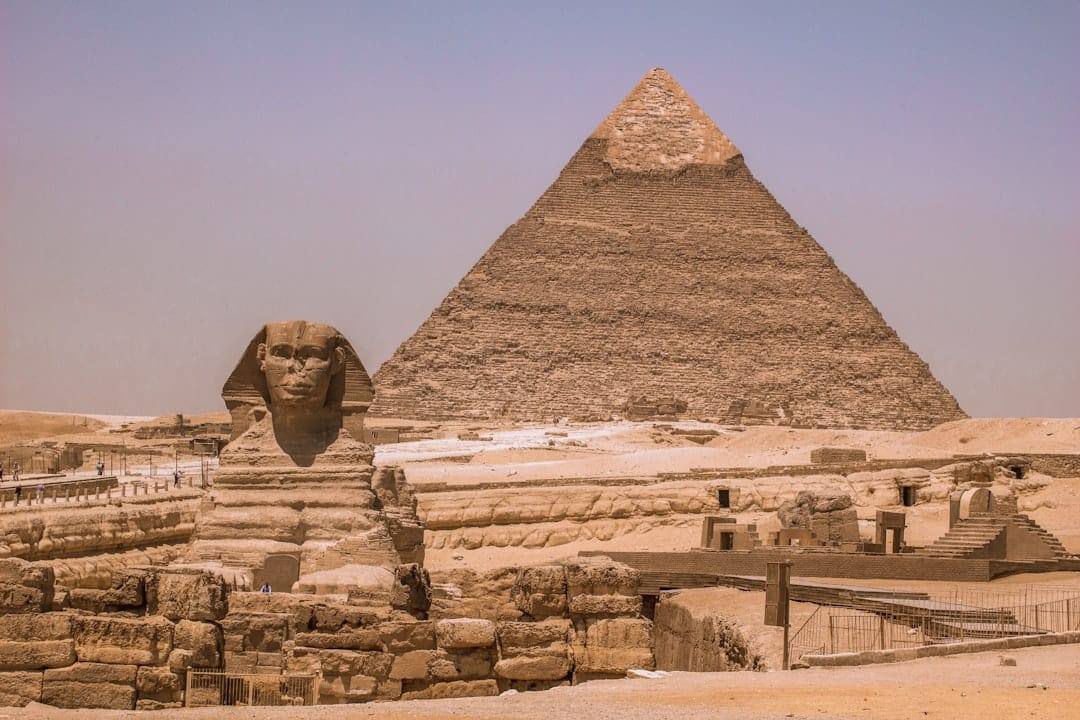
For a century, seeing Tutankhamun's golden mask meant elbowing through a cramped, un-air-conditioned gallery in the old museum on Tahrir Square. That era is over. In November 2025 the Grand Egyptian Museum opened in full beside the Giza plateau, and for the first time in history all 5,000-plus objects from Tut's tomb sit under one roof, two kilometres from the pyramids they were buried to honour. That single change reorders a Cairo trip: you can now stand at the foot of the Great Pyramid in the morning and walk through the boy king's complete burial hoard the same afternoon. This is the guide to doing it well — with real prices, real opening hours, and the specific tips that separate a smooth visit from a sweaty, over-charged one.
Cairo is loud, dusty, roughly 22 million people deep, and completely worth the friction. Below are the experiences that earn your time, a three-day plan that actually works around the traffic, and the practical details — metro fares, airport transfers, which koshari counter to trust — that make the difference on the ground.
🏛️ Essential Experiences
The Grand Egyptian Museum (GEM)
This is the reason to come to Cairo in 2026. Twelve galleries hold more than 100,000 artefacts across 5,000 years, but the headline is the Tutankhamun collection — every one of the 5,000+ items from his tomb displayed together for the first time since Howard Carter opened it in 1922, including the solid-gold funerary mask, the nested shrines, the chariots and the throne. Before you even reach the galleries, the Grand Staircase climbs six levels past monumental statuary, anchored by an 11-metre, 83-tonne colossus of Ramesses II, with the pyramids framed through the glass wall at the top.
What to do: Give it a minimum of three hours, ideally four. Start at the Grand Staircase, then go straight to the Tutankhamun galleries before tour groups pool there mid-morning. Insider tip: foreigners must book a timed-entry slot online in advance at tickets.gem.eg — on-site walk-up sales have effectively ended, and the first 9:00 slot is the quietest. Cost: roughly 1,450–1,700 EGP for foreign adults (about $29–34 / €25–29), which includes the Tutankhamun galleries with no separate ticket. Payment is card-only.
The Pyramids of Giza and the Great Sphinx
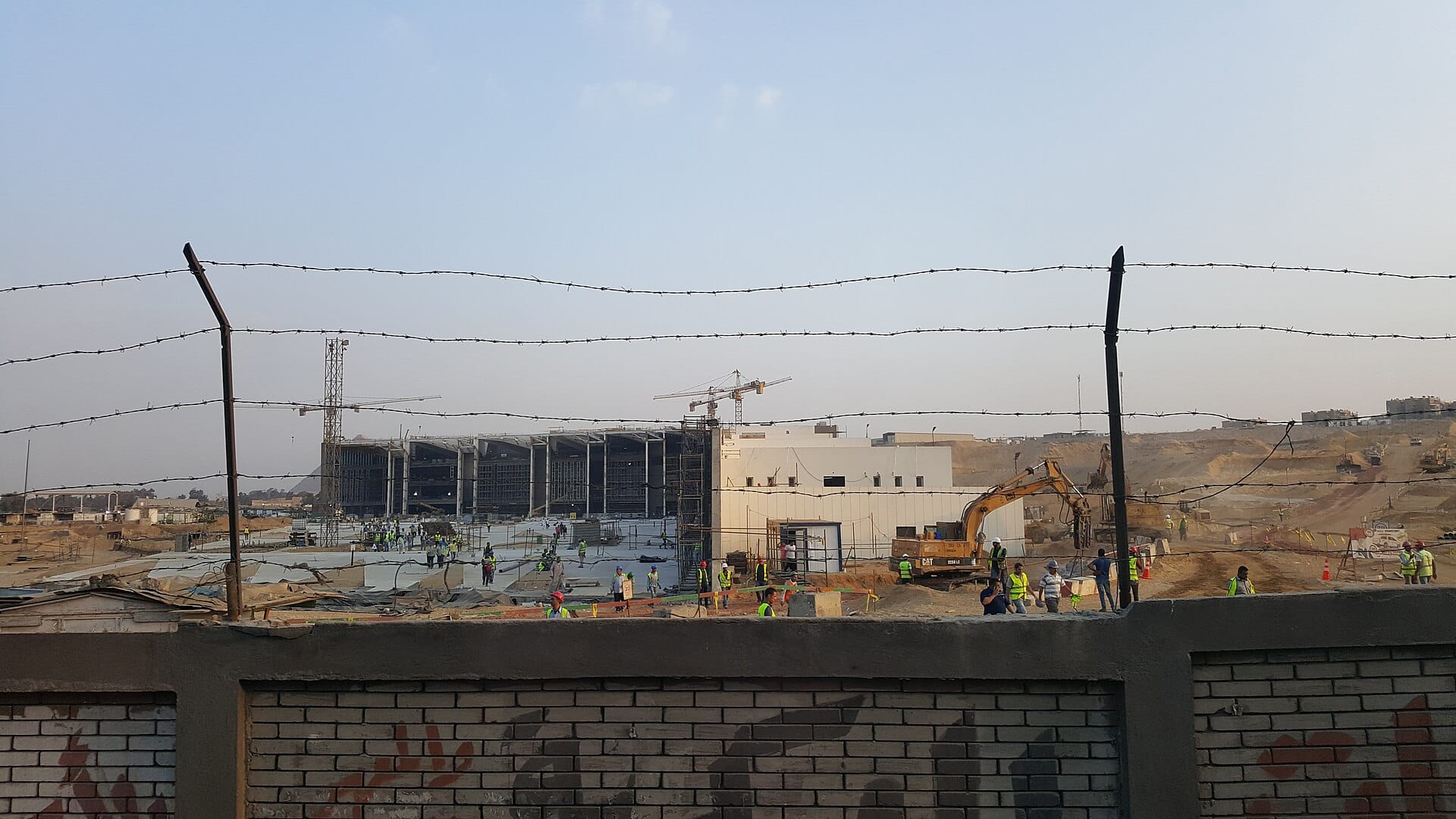
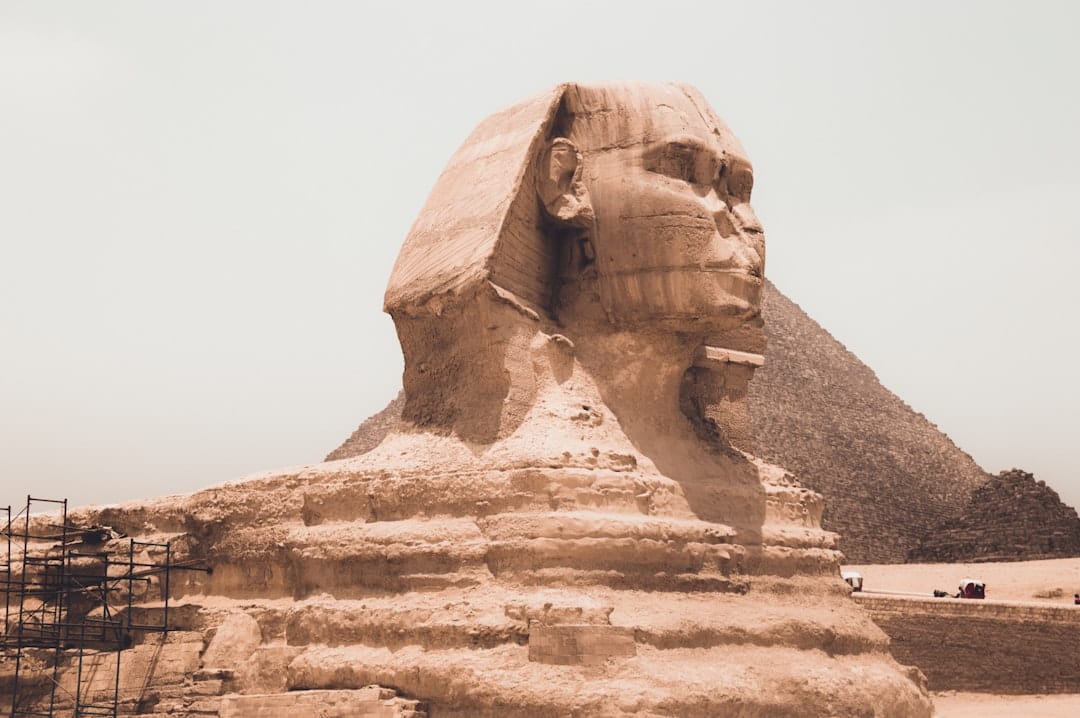
Forty-five centuries old and still the only surviving wonder of the ancient world. The Great Pyramid of Khufu, the slightly higher-looking Khafre (it sits on raised bedrock and keeps its limestone cap), and Menkaure form the skyline; the Sphinx crouches below on the eastern edge, staring down the Nile Valley.
What to do: Enter through the main gate near the Mena House rather than the Sphinx gate to start at the top of the plateau and walk downhill. Going inside the Great Pyramid is a hot, low, cramped climb up a narrow shaft to an empty granite chamber — do it for the story, not the view. Insider tip: arrive at opening (around 7:00–8:00) to beat both the heat and the camel touts; the panorama point beyond the third pyramid gives the classic all-three shot with far fewer people. Agree any camel or horse price in writing before you mount, or simply decline — this is the single most common hustle here. Cost: plateau entry 700 EGP (about $14 / €12), which includes the Sphinx enclosure; the Great Pyramid interior is a separate ticket from around 1,000 EGP (about $20 / €17), and Khafre's interior 750 EGP. Card-only at the gate.
The Egyptian Museum, Tahrir Square
Don't write off the original. With Tutankhamun's treasures gone to GEM and the royal mummies moved across town, the 1902 museum on Tahrir has thinned out — but that's exactly what makes it pleasant now. Its terracotta halls still hold around 170,000 objects, and the crowds have followed the gold to Giza, so you get the Tanis silver, the Fayum mummy portraits, the animal mummies and rooms of statuary in relative calm.
What to do: Focus on the ground-floor Old Kingdom statues and the Tanis jewellery upstairs. Insider tip: the building itself is the artefact — go for the faded, gaslit-museum atmosphere you won't find in GEM's glass-and-stone galleries, and pair it with a walk around Tahrir. Cost: 550 EGP for foreign adults (about $11 / €9.50).
The National Museum of Egyptian Civilization (NMEC)
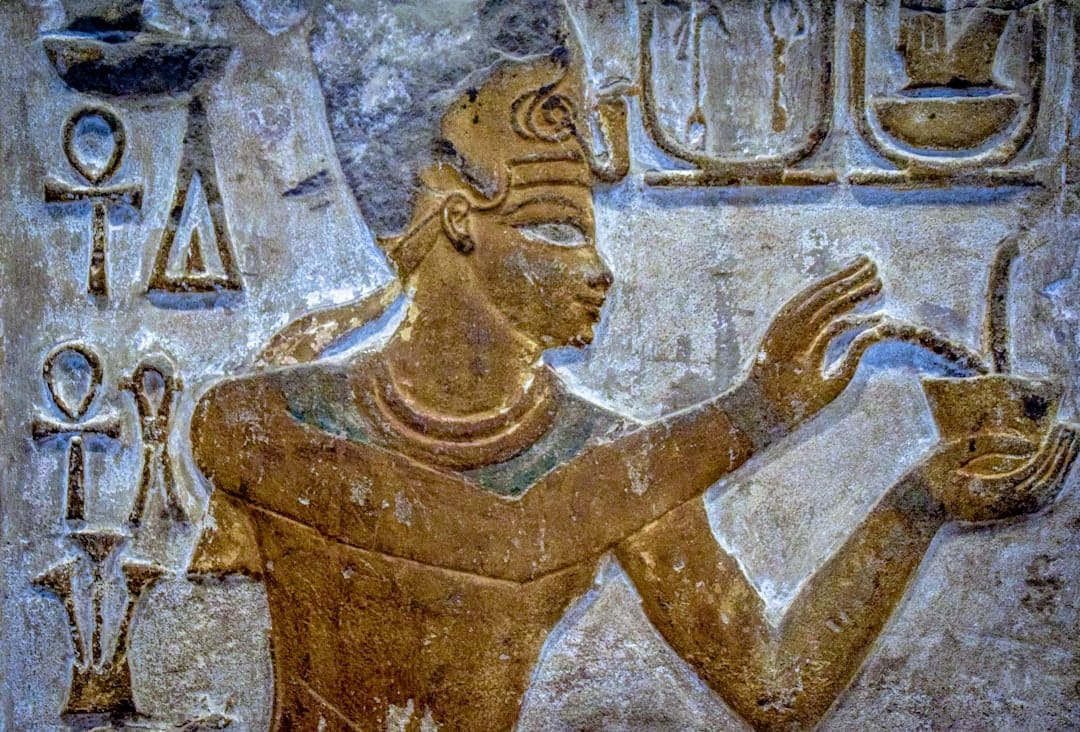
In Fustat, Old Cairo, this is where the pharaohs actually rest. The Royal Mummies Hall holds the 22 kings and queens — 18 kings and 4 queens, among them Ramesses II, Hatshepsut and Seqenenre Tao — that were paraded across the city in the 2021 Pharaohs' Golden Parade. The darkened, climate-controlled hall is deliberately reverent: dim light, no photography, the faces of rulers who died three thousand years ago a foot from yours.
What to do: Go straight down to the Royal Mummies Hall first, then work back up through the main civilization gallery that traces Egypt from prehistory to today. Insider tip: it's calmer in the afternoon once the morning museum crowds have burned out at GEM, and the lakeside setting outside is a good place to decompress. Cost: 550 EGP for foreign adults (about $11 / €9.50), Royal Mummies Hall included.
The Citadel of Saladin and the Muhammad Ali Mosque
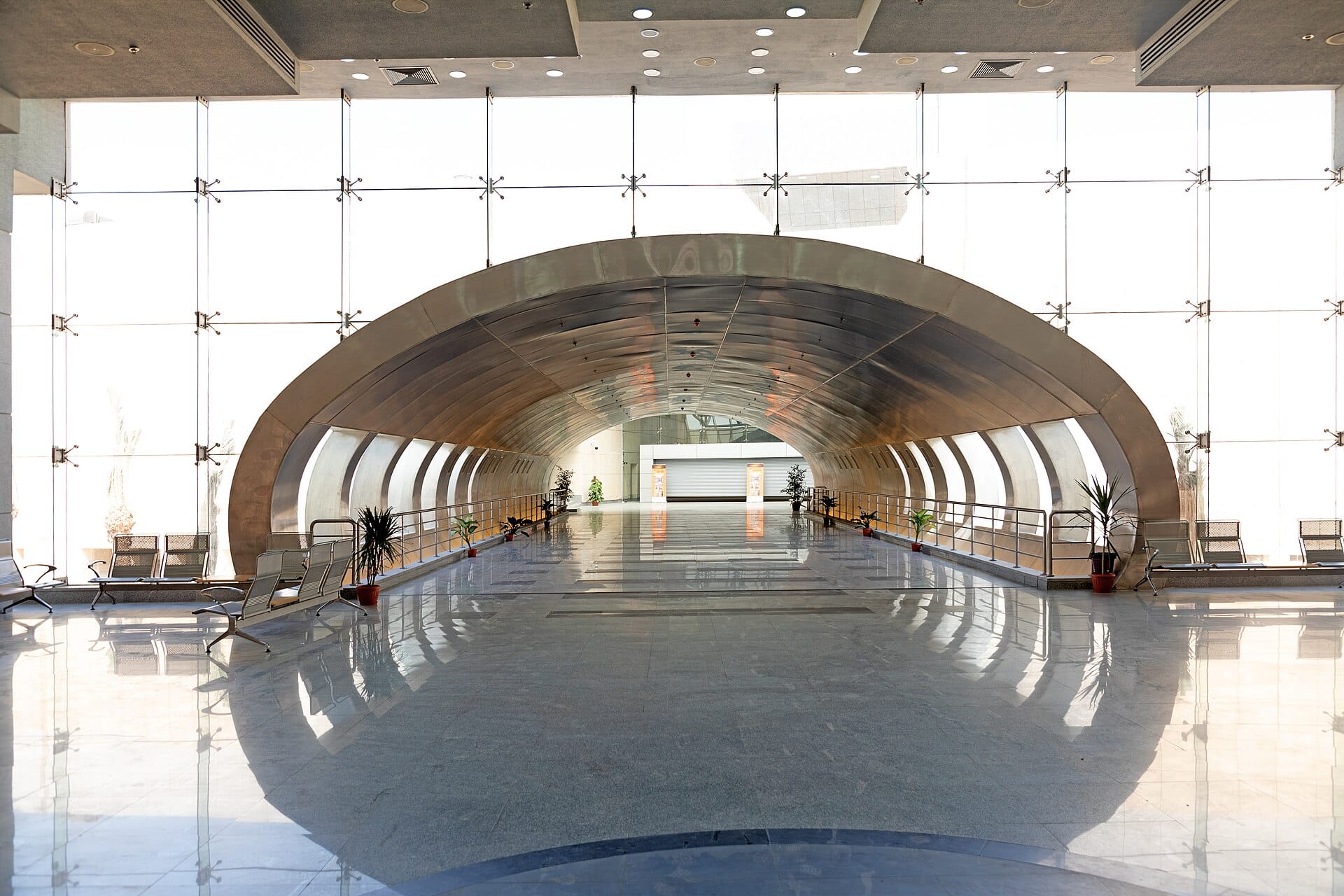
Saladin fortified this limestone spur in 1176, and for nearly 700 years it was the seat of Egyptian power. The showpiece is the Muhammad Ali Mosque — the "Alabaster Mosque" — an Ottoman-style pile finished in 1848 with twin 84-metre minarets and a cascade of domes, sitting on the highest point in the old city.
What to do: Beyond the mosque, the ticket covers the medieval towers and several museums; budget three to four hours. Insider tip: go late afternoon — the terrace outside the mosque gives the widest view in Cairo, all the way to the Giza pyramids on a clear, low-smog day. Dress modestly (shoulders and knees covered), women should carry a headscarf, and everyone removes their shoes inside, so bring socks. Cost: 550 EGP for foreign adults (about $11 / €9.50); open daily 08:00–17:00, last entry 16:00.
Khan el-Khalili and Al-Muizz Street
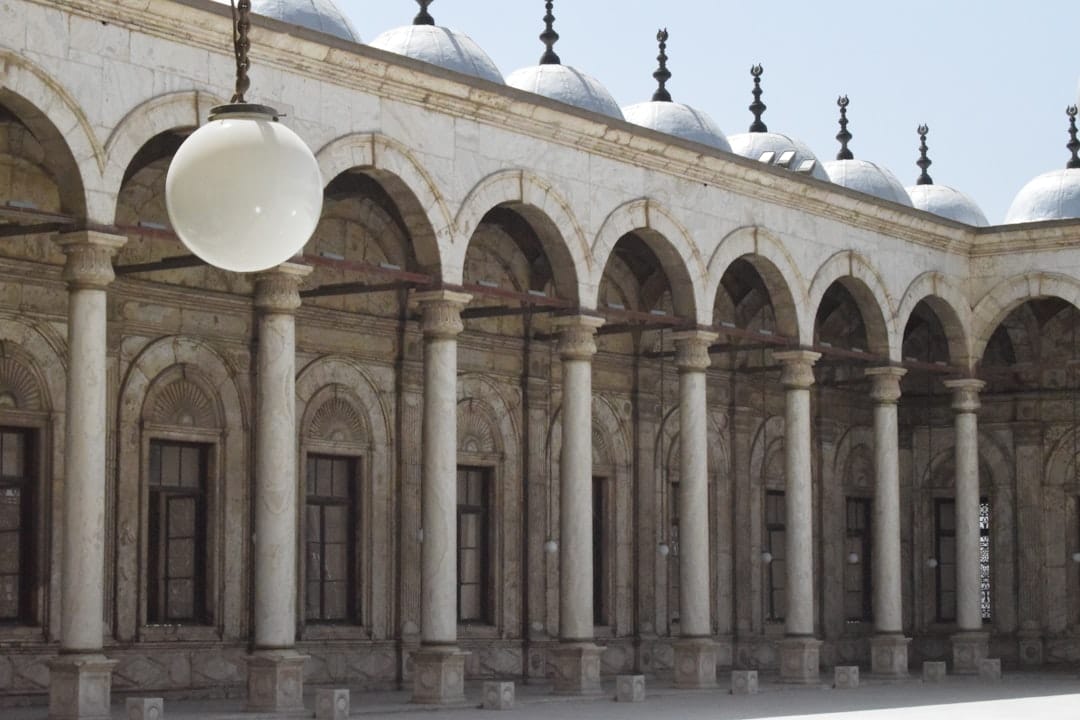
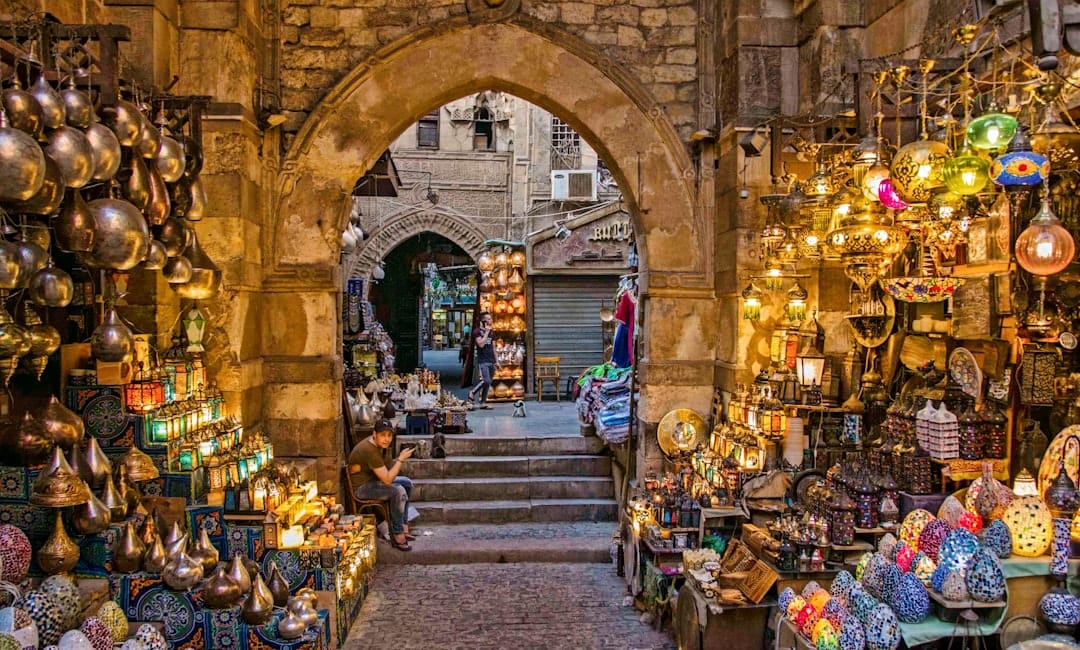
The Khan has been a marketplace since 1382, and it's still a working bazaar, not a museum of one — coppersmiths, spice sellers, gold merchants and lantern makers packed into a warren of alleys off Al-Hussein Square. One street over, Al-Muizz li-Din Allah Street is an open-air museum of medieval Islamic architecture, lined with Mamluk mosques, madrasas and merchant houses, and largely pedestrianised and floodlit after dark.
What to do: Haggle hard — start at roughly a third of the opening price — for lamps, inlaid boxes and spices, then stop for mint tea at El Fishawy, the café that's been pouring in the same alley for over two centuries. Insider tip: come at dusk when the day-trip tour buses have left, the temperature drops and Al-Muizz lights up; walk it north to south from Bab al-Futuh toward Bab Zuweila. Entry to the streets and the Khan is free. Cost: free to wander; individual historic mosques may ask a small ticket or donation.
Coptic Cairo and the Hanging Church
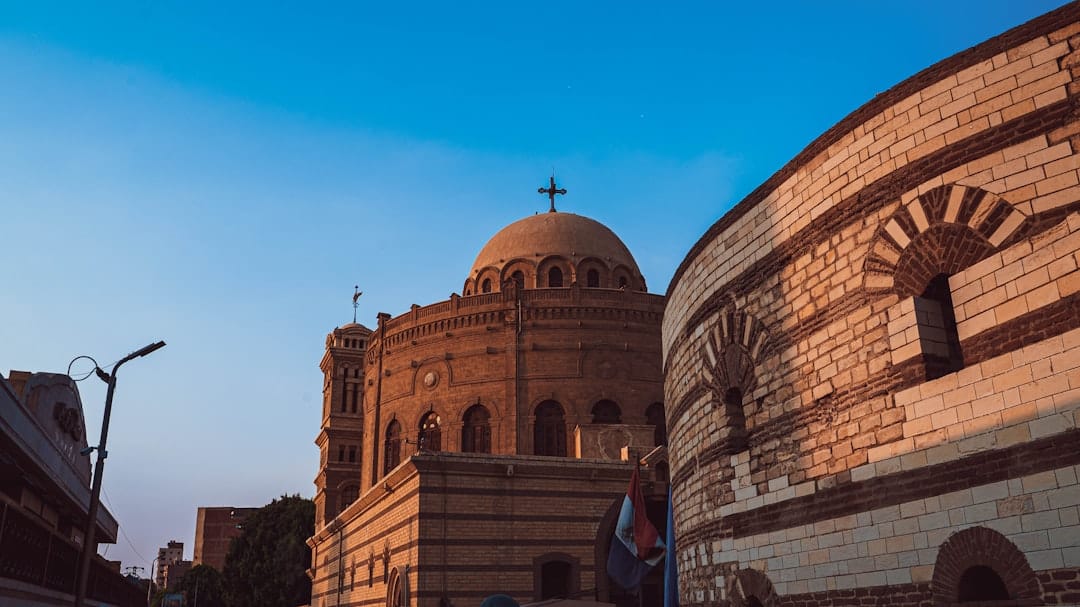
Tucked inside the Roman walls of Babylon Fortress, this compact quarter is where Egypt's Christian history is densest. The Hanging Church (Al-Muallaqa), suspended over a Roman gatehouse since around the 7th century, has a wooden ark-shaped ceiling and a marble pulpit on thirteen pillars. Steps away sit the Ben Ezra Synagogue — where the medieval Geniza documents were found — and the Church of St. Sergius, said to shelter the Holy Family during their flight into Egypt.
What to do: The lanes are narrow, shaded and blessedly car-free, so this is the one part of central Cairo you can genuinely stroll. Insider tip: the Coptic Museum next door (280 EGP, about $5.50 / €4.80) holds the finest collection of Coptic art anywhere and is quiet even at midday; dress modestly as these are active places of worship. Cost: the churches and the quarter are free to enter; the Coptic Museum is 280 EGP.
🗓️ A Three-Day Itinerary
Day 1 — Giza: pyramids in the morning, GEM in the afternoon
Start at the plateau at opening, around 7:30–8:00, while it's cool and the light is low (700 EGP entry, plus ~1,000 EGP if you're going inside Khufu). Spend two to three hours walking down from the Great Pyramid to the Sphinx, then decline the camel touts and grab an early lunch near the Mena House. In the afternoon, cross to the Grand Egyptian Museum (about 1,450–1,700 EGP, pre-booked timed slot) and give the Tutankhamun galleries and Grand Staircase a solid three hours. If you're staying in Giza, walk back for sunset pyramid views; otherwise a Careem back downtown runs roughly 200–350 EGP (about $4–7). Total spend, entries plus transport: around $65–75 per person.
Day 2 — Islamic Cairo: Citadel, medieval streets, the bazaar
Open the day at the Citadel of Saladin (550 EGP) for the Muhammad Ali Mosque and the panorama, allowing three hours. Take a Careem (roughly 60–100 EGP across town) down to Al-Muizz Street and walk the medieval mile of mosques and madrasas, ducking into Khan el-Khalili for shopping and a mint tea at El Fishawy. Stay into the evening — Al-Muizz is at its best floodlit and cooler after dark. Dinner of hawawshi and grilled meat nearby. Total spend: around $18–25 per person, mostly the Citadel ticket.
Day 3 — Old Cairo and the mummies
Ride Metro Line 1 to Mar Girgis station (10 EGP) and step out directly into Coptic Cairo: the Hanging Church, Ben Ezra Synagogue and the Coptic Museum (280 EGP). It's a walkable, car-free morning. After lunch, head to the nearby National Museum of Egyptian Civilization (550 EGP) in Fustat for the Royal Mummies Hall — the quiet, reverent counterpoint to GEM's spectacle. End at Al-Azhar Park for sunset over the Islamic Cairo skyline. Total spend, entries plus metro: around $18–24 per person.
🧠 Essential Tips
Best months to visit
Come between October and April, when daytime highs sit at a comfortable 19–26°C. November and March are the sweet spot. Avoid summer (June–August), when highs run 33–40°C and the pyramids offer no shade, and be aware of the khamsin — hot, dust-laden desert winds that blow intermittently from March into May and can turn the sky brown for a day or two. During Ramadan, many sites cut their hours (the Citadel closes at 15:00), so check the calendar before you book.
Getting in from the airport
Cairo International (CAI) is about 20 km northeast of downtown, typically 45 minutes to an hour in traffic. The cleanest option is to open Uber or Careem — the two apps locals actually use — and request a car from the app rather than negotiating with the airport taxi rank; expect roughly 200–400 EGP (about $4–8) depending on time of day and destination. If you take a white-and-black street taxi, agree a firm price before you get in, because the meter conversation rarely ends well.
Getting around the city
The Cairo Metro is fast, cheap and skips the legendary traffic. Fares are distance-tiered: 10 EGP for up to 9 stations, 12 EGP up to 16, 15 EGP up to 23, and 20 EGP beyond that (roughly $0.20–0.40). The first two carriages of every train are women-only, which women travelling alone may prefer at rush hour. For everything off the metro grid, Careem and Uber are reliable, priced up front and far less hassle than flagging a cab — a cross-town ride is usually 60–150 EGP.
Safety and the usual hustles
Cairo is generally safe for visitors; the risks are to your wallet and your patience, not your person. At Giza specifically, expect persistent camel- and horse-ride touts and self-appointed "guides" who materialise beside you and then demand baksheesh — a firm, repeated "la, shukran" (no, thank you) works, and you should never hand over a ticket, phone or camera to a stranger who offers to "help." Agree every price up front, carry small notes for tips and restrooms, and use the ride apps to avoid taxi haggling. Solo women may encounter some street harassment; the women-only metro carriages and modest dress reduce it.
What to eat
Egypt's national dish is koshari — rice, lentils, macaroni and chickpeas under fried onions and a sharp tomato-vinegar sauce — and the temple of it is Abou Tarek downtown, where a bowl runs 30–70 EGP (about $0.60–1.40). Start mornings like a Cairene with ful medames (slow-stewed fava beans) and ta'ameya, the Egyptian falafel made from fava beans rather than chickpeas, greener and fluffier inside (15–40 EGP each). Track down hawawshi, spiced minced meat baked into baladi bread — El Refaay is a name locals trust — and molokhia, the garlicky green jute-leaf stew (60–140 EGP). Finish with om ali, a warm pastry-and-milk pudding with nuts and raisins, or flaky feteer meshaltet. For atmosphere over cuisine, mint tea and a shisha at El Fishawy in the Khan is the classic Cairo pause.
🏨 Accommodation Guide
Budget
Downtown, near Tahrir, puts you within walking distance of the old museum and on the metro line. Dahab Hostel, a rooftop institution off Talaat Harb, has dorm beds from around $8 and private rooms from about $25. Out in Giza, guesthouses like Guardian Guest House ($25–40) trade central location for a pyramid out the window — you'll be a Careem ride from the rest of the city, but you wake up to Khufu.
Mid-range
Zamalek, the leafy Nile island, is the sanest base in the city: tree-lined streets, galleries, bookshops and the best restaurant density in Cairo. The Longchamps Hotel ($45–70) is a long-running Zamalek favourite; Horus House ($35–55) is another. Expect calm, greenery and a short bridge hop to downtown.
Luxury
For a landmark stay, the Marriott Mena House in Giza ($200–350) has served travellers since 1869 and puts the Great Pyramid directly outside pool-side rooms. On Zamalek, the Sofitel Cairo Nile El Gezirah ($130–200) occupies the island's northern tip with Nile views on three sides, while the Four Seasons Nile Plaza and Kempinski Nile ($150–220) anchor the Garden City riverfront. Choose Giza for pyramids-from-bed; choose the Nile hotels for the city, the river and easy dinners.
🎭 Beyond the Tourist Trail
Al-Azhar Park is the smartest sunset in Cairo. Built on a former rubble mound and opened in 2005, its formal gardens sit high above the medieval city, with the Citadel, the minaret-studded skyline and, on a clear evening, the pyramids all laid out below — for a small entry fee of around 50 EGP. Down in Fustat, Darb 1718 is a contemporary arts centre among the potters' workshops, running exhibitions and concerts that show a Cairo far removed from the pharaonic circuit. Art-minded travellers should also wander Zamalek's independent galleries and the revived Downtown scene around the restored Kodak Passageway, where old commercial arcades have been reborn as cafés and studios. And if you have a spare evening at the pyramids, the Giza Sound and Light Show — however gloriously dated — projects the plateau's history onto the monuments after dark, best watched from a rooftop in the village below rather than the pricey official seating.
❤️ Plan Your Cairo Trip with VoyaBear
Cairo rewards planning more than almost any city on earth: the timed GEM slots, the pyramid opening hour, the traffic windows between neighbourhoods, the Ramadan closures. VoyaBear builds personalised, day-by-day Cairo itineraries around exactly how you travel — how many museums you can take before your eyes glaze, whether you want the 7 a.m. pyramid start or a slow morning, which neighbourhood to base yourself in. Tell us your dates and your pace, and we'll handle the logistics so you spend your time in front of Tutankhamun's mask, not in a queue. Start planning your trip to Cairo with VoyaBear today.
Want this as an actual itinerary?
VoyaBear turns a guide like this into a day-by-day plan built around how you travel.
Plan my trip free