Dublin 2026: The Complete Travel Guide to Ireland's Capital
14 November 2026 · 19 min read

Dublin rewards walkers. The old core sits in a tight bend of the River Liffey, and you can cross from Trinity College to the Guinness Storehouse on foot in about 35 minutes, passing a medieval cathedral, a Viking-foundation castle and a working whiskey distillery on the way. It is a capital city you can read in a long weekend, built at a scale that lets you stumble into a trad session, a 1,200-year-old book and a pint poured properly all in one afternoon. What follows is grounded in 2026 prices and opening hours, checked against the venues themselves, so you can plan rather than guess.
💡 Quick Answer: Dublin at a Glance
The essentials before you book anything.
- How many days do you need? Three full days covers the headline sights, the main museums and one neighbourhood beyond the centre without rushing.
- Best time to visit? May, September and early October for mild weather and lighter crowds; summer is warmest but priciest.
- What to book ahead? Kilmainham Gaol (adult €8, releases dates 28 days out and sells out), the Book of Kells (from €21.50, timed entry) and the Guinness Storehouse (from ~€26, timed slots).
- Airport to city? The Airlink 747 is gone. Take Dublin Express (from €9 online, 25–45 min) or Aircoach (from €6), or local bus 16/41 for €2 with a Leap Card.
- Getting around? A TFI Leap Card: €2 flat fare gives 90 minutes across bus, Luas tram and DART train.
- Rough daily budget? Around €120–€180 per person mid-range, including a mid-range hotel split, food, a couple of attractions and a few pints.
- A pint of Guinness? Roughly €7–€9 in the city, towards the top of that in Temple Bar.
- Top safety note? Petty theft, not violence, is the risk. Watch bags and phones around O'Connell Street, Temple Bar at night and on packed buses.
🏙️ The Best Things to Do in Dublin
Eight sights worth your time, what to actually do at each, and the one tip that changes the visit.
1. The Book of Kells and Trinity College Old Library
The Book of Kells is a lavishly illuminated Latin gospel manuscript made by monks around 800 AD, and Trinity College has displayed it since the 17th century. You see two open volumes under glass in a dim, climate-controlled room, then climb to the Long Room of the Old Library, a 65-metre barrel-vaulted hall lined with marble busts and old leather spines. Standard self-guided entry starts at €21.50 and includes the Book, the Long Room and a digital exhibition, with roughly 90 minutes the right amount of time.
Insider tip: entry is timed and walk-up is not guaranteed in peak season, so book the earliest morning slot online for the quietest room. Note that the Long Room's shelves are partly bare during an ongoing conservation project, so manage expectations if you came for the floor-to-ceiling books.

2. The Guinness Storehouse
Ireland's most-visited paid attraction is a seven-floor tour through the brewing of Guinness, set in a 1904 fermentation building shaped like a giant pint glass. You learn the roles of water, barley, hops and yeast, can take a short pour-your-own masterclass at the Guinness Academy, and finish in the Gravity Bar on the seventh floor, which has 360-degree views over the city and where you redeem the free pint included with entry. Standard tickets start around €26 and rise to €30–€36 on peak summer weekends under dynamic pricing. It sits at St James's Gate, Dublin 8, about a 25-minute walk or a short Luas red-line hop from the centre.
Insider tip: book a timed slot online for the lowest price and to skip the queue, and go for the first slot at 9:30am or after 3:30pm to reach the Gravity Bar before the crush. You can nurse that pint as long as you like up there.

3. Kilmainham Gaol
This is the single most affecting stop in Dublin. The former prison held leaders of most major Irish rebellions, and 14 of the 1916 Easter Rising leaders were executed in its yard, making it central to the story of Irish independence. Access is by guided tour only, lasts about an hour, and ends with a free-roam of the museum. At €8 for an adult (€4 student, €6 senior, under-12s free) it is also the best-value serious attraction in the city.
Insider tip: this is the one you must plan around. Tickets go on sale online up to 28 days ahead, with new dates released at midnight Irish time, and summer slots vanish fast. Book the moment your date opens. It is a 10-minute walk from the Guinness Storehouse, so pair the two.

4. Dublin Castle
Less a fairytale castle than 800 years of layered power, from a 13th-century Norman fortress to the seat of British rule until 1922 and now the venue for Irish presidential inaugurations. The self-guided ticket (€8 adult) covers the State Apartments, including St Patrick's Hall and the Throne Room. The €12 guided tour adds the Medieval Undercroft, where you stand among original Viking and Norman foundations and the old castle moat. Open daily 9:45am to 5:45pm, last admission 5:15pm.
Insider tip: pay the extra €4 for the guided tour. The Undercroft is reached by stairs only and is accessible solely on the guided version, and it is the most memorable part. The castle's Dubh Linn Garden and the Chester Beatty library next door are both free.

5. EPIC The Irish Emigration Museum
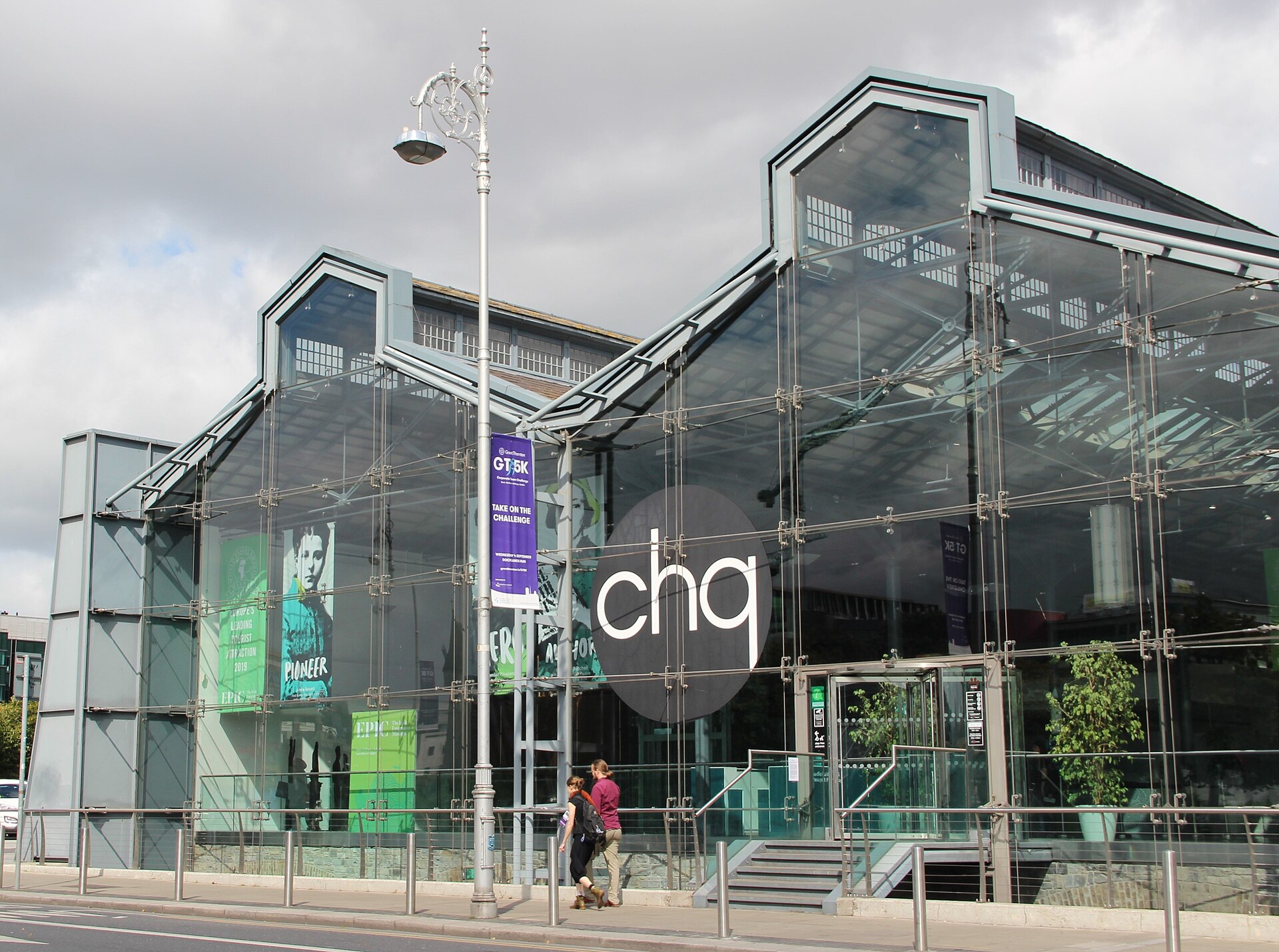
Repeatedly voted Europe's leading tourist attraction, EPIC tells the story of the 10 million people who left Ireland and shaped the wider world. It is fully digital across 20 galleries in the vaulted cellars of the 1820 CHQ building on the Docklands, with no original artefacts, which makes it unusually engaging for children and skeptics alike. Adult entry is €22 online or €24 on the day, and a visit runs about 90 minutes. Connolly Station is a five-minute walk away.
Insider tip: pick up the free "passport" at the entrance and get it stamped in each gallery; it turns a walk-through into a hunt and keeps kids moving. If you have Irish ancestry, the on-site Irish Family History Centre can help you trace it.
6. St Patrick's Cathedral
Ireland's largest cathedral, founded in 1191 beside a well where St Patrick is said to have baptised converts. Jonathan Swift, author of Gulliver's Travels, was Dean here from 1713 until his death in 1745 and is buried in the nave. Look for the Door of Reconciliation, through which a 1492 truce gave English the phrase "to chance your arm." Adult admission is €11.50 and includes an audio guide; tourist hours are Monday to Saturday 9:30am to 5pm.
Insider tip: if a service is on you can enter free as a worshipper, and the choir, which dates to 1432, is worth timing your visit around. Choral evensong is typically sung during term; check the cathedral's music schedule.

7. National Museum of Ireland – Archaeology
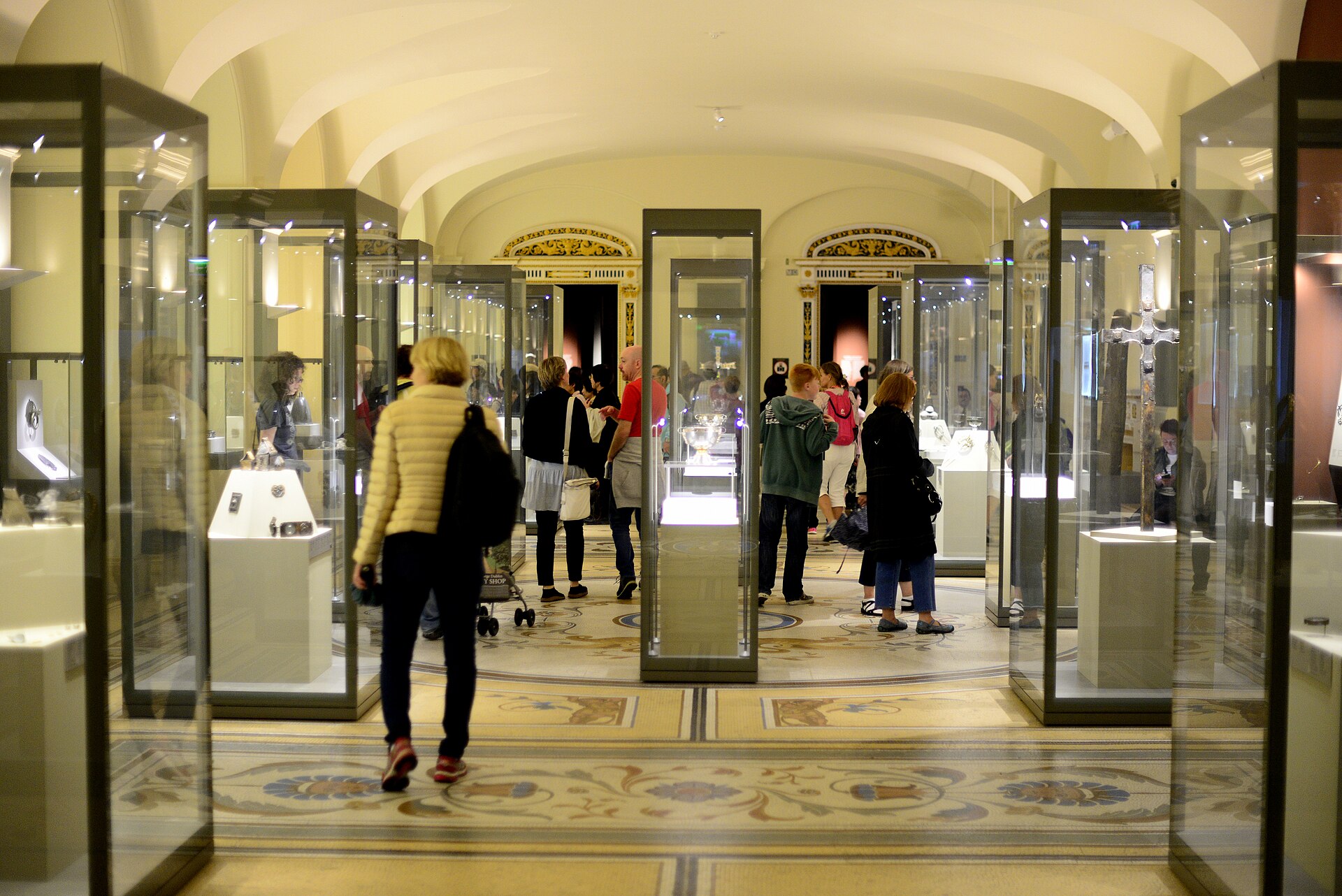
The best free thing to do in Dublin. On Kildare Street, this is where Ireland keeps its treasures: the 8th-century Ardagh Chalice, the Tara Brooch, hoards of Bronze Age gold, and the Iron Age "bog bodies," human remains naturally preserved in peat for over 2,000 years. The Viking gallery draws on Dublin's own excavations. Admission is free, open Tuesday to Saturday 10am to 5pm and Sunday 2pm to 5pm, closed Mondays.
Insider tip: the bog bodies are displayed in low-lit individual chambers that some find intense; the labels explain the Iron Age context well, so read before you look. Budget an hour minimum. The museum's Decorative Arts branch at Collins Barracks is also free if you want more.
8. Phoenix Park
At 707 hectares (1,750 acres), Phoenix Park is one of the largest enclosed urban parks in Europe, more than twice the size of New York's Central Park. A herd of around 400 wild fallow deer has roamed here since the 1660s and you can often see them grazing near the Fifteen Acres in the late afternoon. Inside the walls sit Dublin Zoo (opened 1831), Áras an Uachtaráin (the president's residence, built 1754), the 35-metre Papal Cross from John Paul II's 1979 mass, and the 62-metre Wellington Monument, the tallest obelisk in Europe. The park is free and open year-round.
Insider tip: rent a bike or walk in from the Parkgate Street entrance near Heuston Station. Go at dusk for the deer, keep your distance and never feed them, and skip the car; parking fills and the park is best on foot or two wheels.

🗓️ How to Spend Three Days in Dublin
A walkable, verified itinerary that keeps backtracking to a minimum.
Day 1: The Old City and a Pint at the Source
Start at Trinity College for your pre-booked 9:30am Book of Kells slot, then walk 10 minutes to Dublin Castle (€8–€12) for the State Apartments and Undercroft. Lunch in the medieval lanes around Christ Church, then continue west to the Guinness Storehouse (from €26) for a mid-afternoon slot and that Gravity Bar pint. From there it is a 10-minute walk to Kilmainham Gaol (€8) for a late-afternoon tour. Evening: dinner and a trad session in the city centre. Walking total: roughly 5–6 km, all flat.
Day 2: Museums, the Georgian Core and the Docklands
Begin free at the National Museum of Ireland – Archaeology on Kildare Street when it opens at 10am, then stroll the Georgian squares around Merrion Square and St Stephen's Green. After lunch, head east to the EPIC museum (€22) in the Docklands, a 20-minute walk or short tram ride along the Liffey. Finish at St Patrick's Cathedral (€11.50) if time allows, or save it for Day 3. Evening: the restaurants and bars of South William Street, quieter and better than Temple Bar.
Day 3: Green Space and a Neighbourhood
Spend the morning in Phoenix Park (free): walk or cycle to the Papal Cross, look for deer, and visit Dublin Zoo if travelling with kids (adult tickets around €24). In the afternoon, cross to Stoneybatter and Smithfield (D7) for coffee on Manor Street and a proper pint. If the weather turns, swap in the free Chester Beatty library or the National Gallery. Evening: a trad session at The Cobblestone to end on the city's best live music.
🧠 Essential Dublin Travel Tips
When is the best time to visit Dublin?
Target May, September or early October: temperatures of 10–13°C, long or lengthening days, and noticeably fewer crowds and lower hotel prices than summer. July is the warmest and driest month on average (around 15°C) but brings peak prices and school-holiday crowds. For the cheapest trip accept short days and unreliable weather in January, February or November. Around St Patrick's Day (17 March) the city is at its most festive but flights and rooms spike; book months ahead or avoid it. Rain is possible in any month, so pack a waterproof layer whenever you come.
How do you get around Dublin?
Buy a TFI Leap Card and tap on. The adult flat fare is €2 and buys 90 minutes of travel across Dublin Bus, the Luas tram and the DART suburban train. The central sights are walkable, so you may only need transit for Kilmainham, Phoenix Park or the airport. The Luas has two lines (red and green) that do not fully interconnect, so check which one serves your stop. Google Maps and the free TFI Live app both give reliable real-time departures.
How do you get from Dublin Airport to the city?
The old Airlink 747 and 757 express buses have ceased permanently, so ignore outdated guides that mention them. Your best options are Dublin Express (routes 782/784, from €9 one-way online, 25–45 minutes to Temple Bar, Trinity or Heuston) and Aircoach (from €6 online). The cheapest route is a local TFI bus such as the 16 or the 24-hour 41 for €2 with a Leap Card, though it makes many stops. A taxi to the centre runs roughly €30–€45 and is metered. There is no rail link directly from the airport.
Is Dublin safe for tourists?
Dublin is generally safe, and the real risk is petty theft, not violence. Pickpocketing and phone-snatching happen around O'Connell Street, Henry Street, Temple Bar at night and on crowded buses, so keep your phone off the table and your bag zipped and in front of you. The north inner city around parts of O'Connell Street and the quays can feel edgy late at night; it is walkable but stay aware after the pubs empty. Standard scams are low-level: overpriced "tourist" pubs and the occasional distraction team. Emergency number is 112 or 999.
What should you eat in Dublin?
Dublin's traditional food is hearty and pub-based. Try Irish stew or beef-and-Guinness stew at The Brazen Head, which claims to be Ireland's oldest pub. Order coddle, the city's own sausage-and-bacon stew, at The Hairy Lemon on Stephen Street or at the old-school Gravediggers (Kavanagh's) by Glasnevin Cemetery. Have boxty (a potato pancake) at Gallagher's Boxty House in Temple Bar. For fish and chips, join the queue at Leo Burdock near Christ Church on Werburgh Street, a Dublin chipper going since around 1913. And a full Irish breakfast at least once sets you up for a day of walking.
🏨 Where to Stay in Dublin
Dublin accommodation is expensive and books up; reserve early. All prices are approximate 2026 nightly rates and swing hard with season and events.
Budget
Expect €65–€100 for a hostel dorm bed in peak season. Generator Dublin in Smithfield and Jacobs Inn near Connolly Station are reliable, social and well-placed. Smithfield (D7) puts you a short Luas ride from the centre for noticeably less money, and next to some of the best pubs in the city.
Mid-range
Budget €180–€260 a night for a three- or four-star double. The streets around St Stephen's Green and South William Street are the sweet spot: central, safe and walkable to almost everything, without Temple Bar's noise. Reliable chains like the Clayton and Maldron hotels sit in this band. Temple Bar itself is central but loud and pricey for what you get.
Luxury
From €400–€500+ a night. The Shelbourne on St Stephen's Green has been Dublin's grand hotel since 1824 and is where the Irish constitution was drafted in 1922. The Merrion, set in four Georgian townhouses opposite Government Buildings, and The Westbury off Grafton Street are the other top choices for location and service.
🎭 Beyond the Tourist Trail: Stoneybatter and a Real Trad Session
Ten minutes northwest of the Four Courts, Stoneybatter and Smithfield (postcode D7) are where Dublin feels lived-in rather than visited. Once the road out to the cattle markets, the area is now a tight grid of redbrick cottages, independent coffee roasters and delis along Manor Street, and it sits on the edge of Phoenix Park. It has become the city's most talked-about neighbourhood without turning into a theme park.
The anchor is The Cobblestone at 77 King Street North in Smithfield, which calls itself "a drinking pub with a music problem." Genuine traditional music sessions run on Monday, Tuesday, Saturday and Sunday, played by musicians for each other rather than for a stag party, and the back room hosts dancing and classes. Pair it with a pint and a plate at L. Mulligan Grocer, a gastropub with a deep Irish craft-beer list, or the unpretentious Walsh's on Manor Street for one of the better pints of Guinness in the city. This is the Dublin that Temple Bar is selling a cartoon of.
❓ Dublin FAQ
How many days do you need in Dublin?
Three full days is ideal. It lets you cover the main sights (Book of Kells, Guinness Storehouse, Kilmainham Gaol, Dublin Castle), the free National Museum and EPIC, plus one neighbourhood like Stoneybatter, without rushing. Two days works if you prioritise ruthlessly; four lets you add a day trip to Howth, Glendalough or the Cliffs of Moher.
What is the best time of year to visit Dublin?
May, September and early October offer the best balance of mild weather (10–13°C), longer days and fewer crowds. July is warmest at around 15°C but busiest and most expensive. Expect rain in any season and pack accordingly.
What should you book in advance for Dublin?
Book Kilmainham Gaol (€8) as early as possible, as tickets release 28 days ahead and sell out. Pre-book timed slots for the Book of Kells (from €21.50) and the Guinness Storehouse (from about €26) too, especially in summer, for the lowest price and to skip queues.
How do you get from Dublin Airport to the city centre?
The Airlink 747 no longer runs. Take Dublin Express (from €9 online, 25–45 minutes), Aircoach (from €6), or a local bus like the 16 or 41 for €2 with a Leap Card. A metered taxi costs roughly €30–€45. There is no direct train from the airport.
Is Dublin expensive to visit?
Yes, relatively. Mid-range hotels run €180–€260 a night, a pint of Guinness is €7–€9, and a restaurant main is €22–€35. You can cut costs with free attractions (the National Museum, Phoenix Park, Chester Beatty), a €2 Leap Card fare, and staying in Smithfield rather than Temple Bar.
What food is Dublin known for?
Irish stew, coddle (a sausage and bacon stew unique to Dublin), boxty (potato pancakes), fish and chips, and the full Irish breakfast. Wash it down with a properly poured pint of Guinness, which many insist tastes better in Dublin than anywhere else.
Is the Book of Kells worth it?
Yes, for the manuscript itself and the Long Room of the Old Library, though at €21.50 and with timed entry it is one of Dublin's pricier sights. Book an early slot to avoid crowds, and note the Long Room shelves are partly bare during conservation work.
Do you need a car in Dublin?
No. The centre is compact and walkable, and the €2 Leap Card fare covers bus, Luas and DART for anything further. A car is only worth it for day trips beyond the city, and parking in the centre is expensive and limited.
❤️ Plan Your Perfect Dublin Trip with VoyaBear
Dublin rewards a plan: the right Kilmainham slot, a Guinness booking before the summer crush, and an evening pointed at Stoneybatter instead of a Temple Bar tourist trap. VoyaBear builds that plan for you. Tell it how many days you have, what you care about and your budget, and it maps a day-by-day Dublin itinerary around real opening hours, walking distances and your pace, then adapts when the Irish weather does what it does. Start planning your Dublin trip with VoyaBear and spend less time in queues and more time in the pub.
Want this as an actual itinerary?
VoyaBear turns a guide like this into a day-by-day plan built around how you travel.
Plan my trip free