Helsinki 2026: The Complete Guide to Finland's Capital
12 November 2026 · 20 min read

Helsinki rewards the traveller who slows down. Finland's capital is small enough to cross on foot in half an hour, yet it packs in a church blasted out of solid granite, a UNESCO sea fortress a 15-minute ferry ride offshore, and a sauna culture so central that the city has public saunas where you sweat, then jump straight into the Baltic. It is clean, quietly confident, and refreshingly unhurried: locals queue for cinnamon buns, not selfies.
This guide is built on checked 2026 prices and opening hours, a tested three-day route, and the specifics that actually matter: which ferry, which ticket, which bowl of salmon soup. Helsinki is compact but not throwaway. Give it three days and it opens up.
💡 Quick Answer: Helsinki at a Glance
Everything a first-timer needs in one glance, with 2026 prices.
- How many days? Three. Two for the centre and Suomenlinna, a third for the Design District, sauna and a local neighbourhood.
- Best time to visit? June to August for white nights and festivals; December for the Senate Square Christmas Market and January's Lux Helsinki lights.
- Book ahead? Loyly sauna (from 29 euros for two hours) sells out on weekend evenings; most sights, including Suomenlinna, need no booking.
- Airport to centre? The I or P train, about 30 minutes, on an HSL ABC ticket (4.50 euros app / 4.80 euros contactless).
- Getting around? The HSL app for trams, metro and the Suomenlinna ferry; a single AB ticket is 3.30 euros and covers 80-90 minutes.
- Daily budget? Roughly 120-180 euros mid-range; 60-80 euros if you cook, walk and stick to free sights.
- Top safety note? Very safe overall; just watch pricey Market Square stalls and use a taxi app instead of hailing unmarked cars.
🏙️ The Best Things to Do in Helsinki
Eight sights that earn the trip, from an island fortress to a church carved into bedrock. Distances are short: with one exception, everything below is walkable or a short tram ride from Market Square.
Suomenlinna Sea Fortress

Built by the Swedes from 1748 across six interlinked islands, Suomenlinna is a UNESCO World Heritage site and the single best half-day in Helsinki. You walk grassy ramparts, peer into the dry dock still used for wooden-ship repairs, crawl through the dark King's Gate tunnels, and watch container ships slide past the old cannon line. It is also a living neighbourhood: around 800 people live here year-round.
What to do: Follow the blue signposted 'Blue Route' from the main quay to King's Gate, about 1.5 km, then loop back along the southern bastions. Pack a picnic or eat at Cafe Vanille near the bridge.
Insider tip: Skip the pricey tourist ferry. The public HSL ferry from Market Square is covered by a normal 3.30-euro AB ticket, runs year-round, and takes 15 minutes; in summer it leaves several times an hour. Go on the first morning boat to have the ramparts almost to yourself.
Cost: Free to roam. Ferry 3.30 euros each way on an AB ticket. The Suomenlinna Museum and other island museums charge separately if you want them.
Senate Square and Helsinki Cathedral

The chalk-white, green-domed Helsinki Cathedral is the city's postcard, and the neoclassical Senate Square below it, designed by Carl Ludvig Engel and finished in 1852, is the grandest open space in Finland. The flight of steps up to the cathedral doubles as the city's living room: students sprawl on them in summer, and the Christmas Market fills the square in December.
What to do: Climb the steps for the harbour view, then step inside the austere Lutheran interior, deliberately plain after the facade. The statue of Tsar Alexander II stands in the middle of the square.
Insider tip: The cathedral introduced a visitor charge for tourists, roughly an 8-euro suggested donation from September to May and about 10 euros in summer, so time your visit around a free service, or simply enjoy it from the steps, which stay free and give the best photo anyway.
Cost: The square is free; cathedral entry around 8-10 euros for tourists outside services.
Uspenski Cathedral
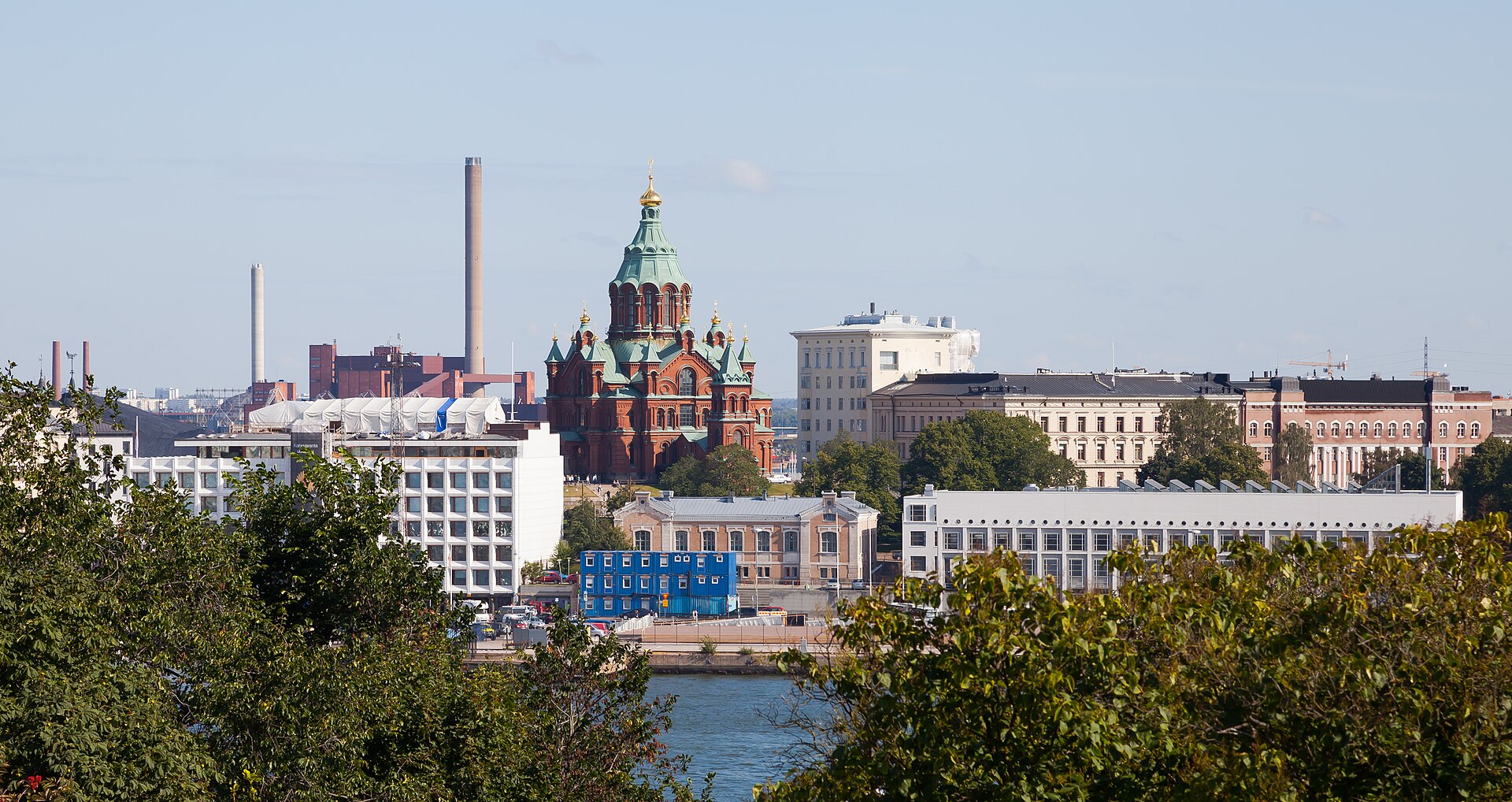
A five-minute walk across the harbour on the Katajanokka peninsula, Uspenski is the largest Orthodox cathedral in Western Europe: red brick, 13 golden onion domes for Christ and the apostles, and a dim, incense-heavy interior gleaming with icons and gold. It is a complete tonal shift from the white Lutheran cathedral and well worth the short detour uphill.
What to do: Go inside for the iconostasis and the quiet, then walk the terrace behind it for one of the best free skyline views in the city.
Insider tip: It is closed on Mondays. Entry is 5 euros, but it is free during services and the surrounding Katajanokka streets, full of Art Nouveau apartment blocks, are a lovely, tourist-free wander afterwards.
Cost: 5 euros for adults, free for under-18s and during services. Open Tue-Fri 10:00-18:00, Sat 10:00-15:00, Sun 13:00-16:00.
Temppeliaukio (the Rock Church)

Opened in 1969, Temppeliaukio is a Lutheran church quarried straight out of a granite outcrop by architect brothers Timo and Tuomo Suomalainen. The walls are raw blasted rock, the ceiling a shallow copper dome ringed by 180 skylight beams, and the acoustics are so good it doubles as one of Helsinki's best concert venues. It sounds gimmicky and is genuinely moving.
What to do: Sit for ten minutes and listen; the natural light and stone make it worth more than a quick photo. Check the noticeboard for evening concerts.
Insider tip: It is a working church, so it closes to visitors during services and weddings, and hours shift week to week. Arrive right at opening (around 10:00) before the tour groups and cruise crowds roll in mid-morning.
Cost: 3 euros entry. It is a 10-minute walk from the centre, in the Toolo district.
Oodi Central Library

Finns take libraries seriously, and Oodi, opened in 2018 facing the Parliament House, is their statement of intent: a sweeping timber-and-glass building that locals voted their own. The top floor, a bright white 'book heaven' under an undulating ceiling, is the showpiece, but the middle floor hides 3D printers, sewing machines, recording studios and gaming rooms that anyone can use.
What to do: Ride to the third floor for the reading room and the balcony overlooking Kansalaistori square, then browse the maker spaces below to see a public library reimagined.
Insider tip: It is completely free, warm, and open late (until 21:00 on weekdays), which makes it the perfect refuge on a cold or rainy afternoon, with proper toilets and a cafe.
Cost: Free. Toolonlahdenkatu 4, across from Parliament. Open Mon-Fri 8:00-21:00, weekends 10:00-20:00.
Market Square and the Old Market Hall
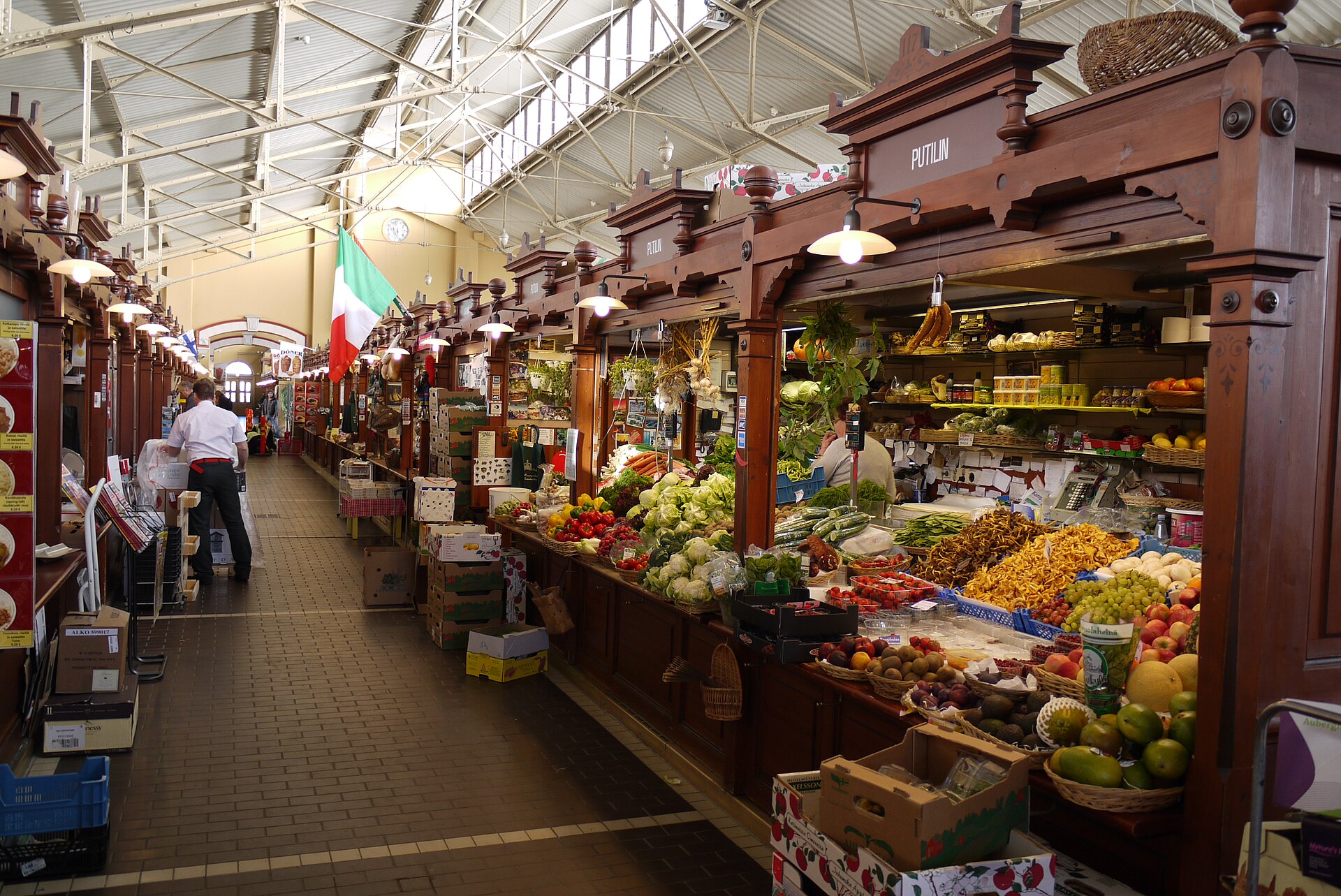
Kauppatori, the open-air Market Square on the South Harbour, is where Helsinki meets the sea: berry stalls, souvenir tents, and summer griddles frying muikku (tiny whole vendace) for 6-10 euros a portion. But the real prize is 100 metres west, the Old Market Hall (Vanha Kauppahalli) of 1889, a warm brick-and-timber hall of smoked fish, cheese, reindeer salami and sit-down counters.
What to do: Have a bowl of salmon soup at Story or Soppakeittio inside the hall, then graze the stalls for Karelian pies and liquorice.
Insider tip: Eat in the Old Market Hall, not the outdoor square. The hall's salmon soup (10-15 euros) is better and cheaper than the harbour stalls, which quietly charge a tourist premium.
Cost: Free to browse; salmon soup 10-15 euros, Karelian pies from under a euro.
Loyly and Helsinki's public saunas
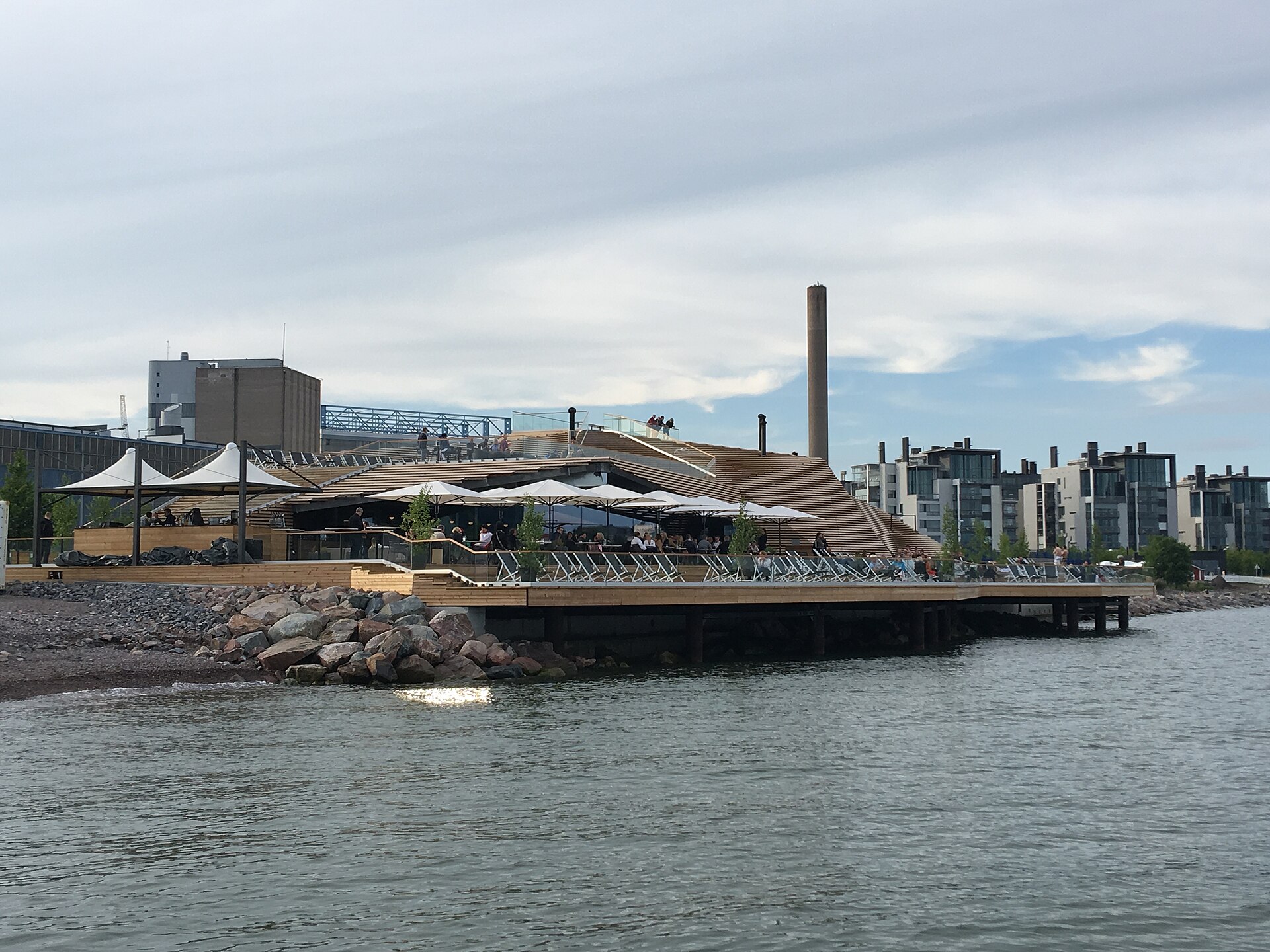
Finland has more saunas than cars, and the sauna is a social institution, not a spa add-on. Loyly, an architect-designed wedge of sloping timber on the Hernesaari shore, is the easiest place for visitors to try it properly: wood-heated and smoke saunas, a terrace bar, and a ladder straight down into the Baltic for the cold plunge, even through a hole in winter ice.
What to do: Book a two-hour session, alternate hot sauna with a cold-sea dip, and end with a drink on the terrace at sunset. Swimwear is required in all shared areas here.
Insider tip: Weekend evening slots sell out days ahead, so book online in advance. For something cheaper and central, Allas Sea Pool by Market Square (around 17-25 euros) has saunas and heated and Baltic-seawater pools; for a free, locally run option, the volunteer Sompasauna is clothing-optional and donation-based.
Cost: Loyly from 29 euros for two hours, including towel, seat cover and toiletries; extra hours 12 euros. Hernesaarenkatu 4.
The Sibelius Monument

In a seafront park in Toolo stands Eila Hiltunen's 1967 tribute to composer Jean Sibelius: 600 hollow steel pipes welded into a wave that looks like an abstract pipe organ, with a separate cast of the composer's face scowling from a nearby rock. It caused an uproar when unveiled, and it remains one of the city's most photographed pieces of public art.
What to do: Walk the shoreline path from the centre (about 25 minutes) or take tram 2; on a breezy day you can sometimes hear the pipes hum.
Insider tip: Combine it with Cafe Regatta, a tiny red waterside cottage a short walk away on Merikannontie, for a cinnamon bun by the sea and a lakeside bonfire you can toast sausages over.
Cost: Free, outdoors, open any time.
🗓️ How to Spend Three Days in Helsinki
A tested route that keeps walking short and saves the island and the sauna for the days they shine. Costs are per person, excluding meals unless noted.
Day 1: The compact centre
Start at Senate Square and Helsinki Cathedral (9:00, before the crowds), then walk 5 minutes to Uspenski Cathedral (5 euros) and its free terrace view. Drop down to the Old Market Hall for a salmon-soup lunch (10-15 euros). Spend the afternoon on the Esplanadi park promenade and the shops along Pohjoisesplanadi, then walk 10 minutes to Oodi library (free) and the Parliament. Finish with dinner in Kamppi or Punavuori. Total transit: on foot. Paid sights: about 5 euros.
Day 2: Suomenlinna and sauna
Catch the 9:00-ish ferry from Market Square to Suomenlinna (3.30 euros), and give the islands three to four hours on the Blue Route. Back by early afternoon, grab a coffee at the Market Square, then head to Loyly or Allas Sea Pool for a late-afternoon sauna and sea dip (29 euros / around 17-25 euros; book Loyly ahead). Dinner in the Design District around Punavuori. Transit: 6.60 euros ferry return plus a tram to Hernesaari. Paid: roughly 30-40 euros.
Day 3: Art, rock and neighbourhoods
Open with the Rock Church (Temppeliaukio, 3 euros) at 10:00, then choose your art: Amos Rex (20 euros online) for its underground domed galleries, or the Ateneum (23 euros) for Finnish classics. Walk or tram up to the Sibelius Monument and Cafe Regatta for a seaside cinnamon bun. In the afternoon, cross to Kallio for its secondhand shops, cheap eats and the Hakaniemi Market Hall. Transit: a couple of tram rides, about 6-7 euros. Paid sights: 23-26 euros.
🧠 Essential Helsinki Travel Tips
When is the best time to visit Helsinki?
Summer (June-August) is peak: temperatures of 18-25 degrees C, 'white nights' when the sun barely sets in June, outdoor swimming at Hietaranta beach, and festivals including Midsummer (late June) and Flow Festival (mid-August at Suvilahti). It is also the busiest and priciest stretch. Winter (December-February) is cold (minus 5 to 0 degrees C) and dark, with about six hours of daylight, but it delivers the Senate Square Christmas Market, January's Lux Helsinki light-art festival, and sauna-and-ice-swim culture at its best. Spring peaks with Vappu (May Day) on 1 May, a riotous citywide picnic; autumn brings the red-gold 'ruska' foliage in late September and Helsinki Design Week in September. For the best balance of weather and lower prices, aim for late August or early September.
How do you get around Helsinki?
The centre is flat and walkable, so you may barely need transport. When you do, everything, trams, metro, buses, local trains and the Suomenlinna ferry, runs on one HSL system. A single AB-zone ticket is 3.30 euros in the HSL app or on an HSL card (3.50 euros tapping a contactless bank card) and is valid for 80-90 minutes, transfers included. The app locals use is the HSL app: buy and show tickets on your phone. From the airport (zone C), you need an ABC ticket, 4.50 euros in the app, for the I or P train, which reaches Central Station in about 30 minutes. Trams 2 and 4 are scenic, cheap ways to loop past most sights. For taxis, book through an app such as Bolt or Yango rather than hailing one.
Is Helsinki safe for tourists?
Helsinki is consistently ranked among the safest capital cities in the world, and violent crime against visitors is rare. The realistic risks are minor: opportunistic pickpocketing on crowded summer trams and around Market Square, and overpriced stalls, the open-air Kauppatori berry and souvenir tents charge noticeably more than the Old Market Hall, so buy your salmon soup and snacks in the hall. Avoid unmarked 'taxis' touting outside bars and use an app instead. In winter, the genuine hazard is ice: pavements can be glassy, so wear grippy soles or clip-on crampons. Tap water is excellent and free everywhere, so skip the bottled stuff.
What and where should you eat in Helsinki?
Finnish food is seasonal and unfussy. Must-tries: lohikeitto (creamy salmon soup, 10-15 euros), karjalanpiirakka (rye-crust Karelian pies with egg butter, under a euro to 3 euros), poronkaristys (sauteed reindeer with mash and lingonberry, mostly autumn and winter), leipajuusto (squeaky cheese with cloudberry jam), and korvapuusti (cardamom cinnamon buns, 3-4 euros; Cafe Ekberg on Bulevardi does a classic). The Old Market Hall on the South Harbour and the more local Hakaniemi Market Hall are the best one-stop spots. To save money, look for 'lounas' signs: weekday lunch sets run 12-18 euros and are the best value in the city. In February, catch a Runeberg torte, an almond-and-rum pastry eaten around the 5th.
🏨 Where to Stay in Helsinki
Helsinki's centre is small, so almost anywhere central puts you within a 20-minute walk of the harbour. Prices are high by European standards and spike in summer; the ranges below are typical 2026 nightly rates for a double.
Budget (roughly 70-120 euros, or 30-45 euros a dorm bed): Base yourself near the railway station or in lively Kallio, a former working-class district now full of cheap eats and bars. Hostels such as CheapSleep Helsinki and The Yard, and self-service Omena hotels, keep costs down. You trade frills for location.
Mid-range (roughly 130-220 euros): The Kluuvi and Kamppi areas around the centre are ideal. Reliable options include the many central Scandic hotels, design-led spots like Hotel F6 and Lilla Roberts, and GLO Kluuvi. Stylish Punavuori, the heart of the Design District, is quieter and full of cafes.
Luxury (roughly 280-500-plus euros): The grande dame is Hotel Kamp on Pohjoisesplanadi, overlooking the Esplanadi park. For something characterful, Hotel Katajanokka occupies a converted 19th-century prison near Uspenski Cathedral, and the newer Hotel Maria brings contemporary five-star polish to the centre.
❤️ Beyond the Tourist Trail
Once you have ticked off the harbour sights, Helsinki's quieter side is where it clicks. Kallio, a short tram ride north, is the city's most characterful neighbourhood: secondhand shops along Helsinginkatu, dive bars and natural-wine spots, the Hakaniemi Market Hall for an unpretentious lunch, and the striking functionalist Kallio Church on the hill.
In summer, skip the mainland and hop a cheap municipal ferry to Vallisaari, a former military island opened to the public in 2016, with overgrown fortifications and trails, or to Pihlajasaari for a swim. For design, the Design District around Punavuori and Korkeavuorenkatu gathers more than 200 members, studios, galleries and the Design Museum, across a walkable cluster of streets; pick up the free map and wander.
Time your visit to a dated event and the city transforms: Lux Helsinki turns the dark January streets into a light-art trail over five nights, Vappu (1 May) floods the parks with picnics and student caps, and Slush (November) fills the Expo centre with thousands of founders and investors. Even Helsinki Day on 12 June brings free concerts and open courtyards across town.
❓ Helsinki FAQ
How many days do you need in Helsinki?
Three days is the sweet spot. Two days cover the compact centre, Suomenlinna and one sauna; a third day gives you the Design District, a market-hall lunch and a neighbourhood like Kallio or Toolo without rushing. Add a fourth day if you want a boat trip or a side-trip to Porvoo or across to Tallinn.
What is the best time to visit Helsinki?
June to August for long, bright days, outdoor swimming and festivals like Flow (mid-August). December brings the Senate Square Christmas Market and, in January, the Lux Helsinki light festival. Summer has the best weather (18-25 degrees C) but the highest prices; late August and September trade a little warmth for thinner crowds.
How do you get from Helsinki Airport to the city centre?
Take the I or P commuter train from a platform directly under the terminal. It reaches Helsinki Central Station in about 30 minutes. You need an HSL ABC ticket, which costs 4.50 euros in the HSL app or 4.80 euros tapping a contactless card, and is valid for 90 minutes. A taxi runs roughly 45-55 euros.
Do you need to book Suomenlinna tickets in advance?
No. The ferry to Suomenlinna leaves from Market Square and is covered by a normal HSL AB ticket (3.30 euros), the same ticket you use for trams. The island fortress itself is free to wander; you only pay if you enter one of the paid museums. Just turn up at the pier.
Is Helsinki safe for tourists?
Very. Helsinki is one of Europe's safest capitals, with low violent crime and tap water you can drink anywhere. The main annoyances are opportunistic pickpocketing on summer trams and at Market Square, and souvenir and berry stalls there charging more than the Old Market Hall. Use a taxi app rather than hailing an unmarked car, and wear grippy soles in winter.
What food is Helsinki known for?
Creamy salmon soup (lohikeitto), Karelian rice pies (karjalanpiirakka) with egg butter, sauteed reindeer (poronkaristys), and cardamom-heavy cinnamon buns (korvapuusti). The Old Market Hall on the South Harbour is the best single place to try them, with salmon soup at 10-15 euros a bowl.
How much does a day in Helsinki cost?
Helsinki is not cheap. A mid-range day runs roughly 120-180 euros per person: a weekday lunch set (lounas) at 12-18 euros, a market-hall dinner, one paid sight or sauna at 20-29 euros, and public transport at a few euros. Budget travellers can keep it near 60-80 euros by cooking, walking and sticking to the free sights.
Is Helsinki walkable, and do you need public transport?
The centre is flat and walkable end to end in about 30 minutes, so most sights need no transport at all. You will want HSL for the Suomenlinna ferry, the airport train, and trips out to the Sibelius Monument or Kallio. A single AB ticket is 3.30 euros; a day ticket is worth it only if you ride four or more times.
🧳 Plan Your Helsinki Trip with VoyaBear
Helsinki is compact, but the details, which ferry, which HSL ticket, which sauna to book and when, are what make or break a short trip. VoyaBear builds the whole thing around you: tell it how many days you have, your budget and whether you are here for design, saunas or the archipelago, and it turns this guide into a personalised day-by-day itinerary with routes, opening hours and bookings already lined up. Start planning your Helsinki trip with VoyaBear and spend less time on logistics and more time on the sauna terrace.
Want this as an actual itinerary?
VoyaBear turns a guide like this into a day-by-day plan built around how you travel.
Plan my trip free