Lima 2026: The Complete Guide to Peru's Capital
24 October 2026 · 20 min read

In June 2025, Maido in Miraflores was named the best restaurant on the planet by the World's 50 Best Restaurants list — the second time a Lima kitchen has taken the top spot. That is not a fluke of marketing. Lima is the only capital in the Americas that turns up, year after year, with multiple restaurants in the world's top ten, and it does so in a city most people only ever see as a one-night layover on the way to Machu Picchu. That is the mistake. Lima is a 10-million-person coastal sprawl built on 1,500-year-old adobe pyramids, wrapped in a gray winter fog the locals call the garúa, and fed by the cold Humboldt Current that makes its ceviche the best you will ever eat. Give it three days.
Getting here got easier, too: the new Jorge Chávez International Airport terminal opened on June 1, 2025 (the first departure flew to Atlanta), sharply expanding capacity and finally giving one of South America's busiest hubs the space it needed. Here is how to spend your time once you land.
💡 Quick Answer: Lima at a Glance
The essentials for planning a Lima trip in 2026, if you only read one section:
- How many days do you need? Three full days covers the museums, the historic center, Miraflores, Barranco, and a half-day at Pachacamac.
- Best time to visit? December to March for sun and beach weather (~24°C/75°F); the rest of the year sits under the gray garúa fog but stays dry and mild (~18–20°C).
- What to book ahead? Tables at the top restaurants. Central opens reservations ~3 months out and fills in days; Maido (~US$200/€185 per head) and Kjolle (~US$130/€120) need 2–6 weeks.
- Airport to the center? A licensed airport taxi to Miraflores runs about S/60–95 (US$20–30/€19–28); the Airport Express bus starts around S/15 (US$4–6).
- Getting around? Use the Uber, Cabify, DiDi or inDrive apps — never a hailed street taxi. The Metropolitano busway (~S/3.20 a ride, plus a ~S/5 rechargeable card) connects Barranco, Miraflores, San Isidro and the center.
- Rough daily budget? Around US$45–70 (€42–65) for budget travelers, US$90–150 (€83–139) mid-range, and US$200+ (€185+) for luxury, before splurge dinners.
- Top safety note? Stick to Miraflores, Barranco and San Isidro, keep your phone out of sight on the street, and take an app ride after dark rather than walking in the historic center.
🏛️ The Best Things to Do in Lima
Museo Larco — the collection that makes sense of Peru
If you do one museum in Lima, do this one. The Museo Larco sits inside an 18th-century viceroyal mansion in Pueblo Libre, built over a 7th-century pyramid, its white walls buried under magenta bougainvillea. Inside are more than 45,000 pre-Columbian pieces, including the famous gold-and-turquoise funerary ornaments and the sala erótica, a separate gallery of frank Moche ceramics that everyone pretends not to make a beeline for. Unusually, you can walk through the storage vaults and see tens of thousands of unglamorous pots stacked on shelves — the real scale of the collection.
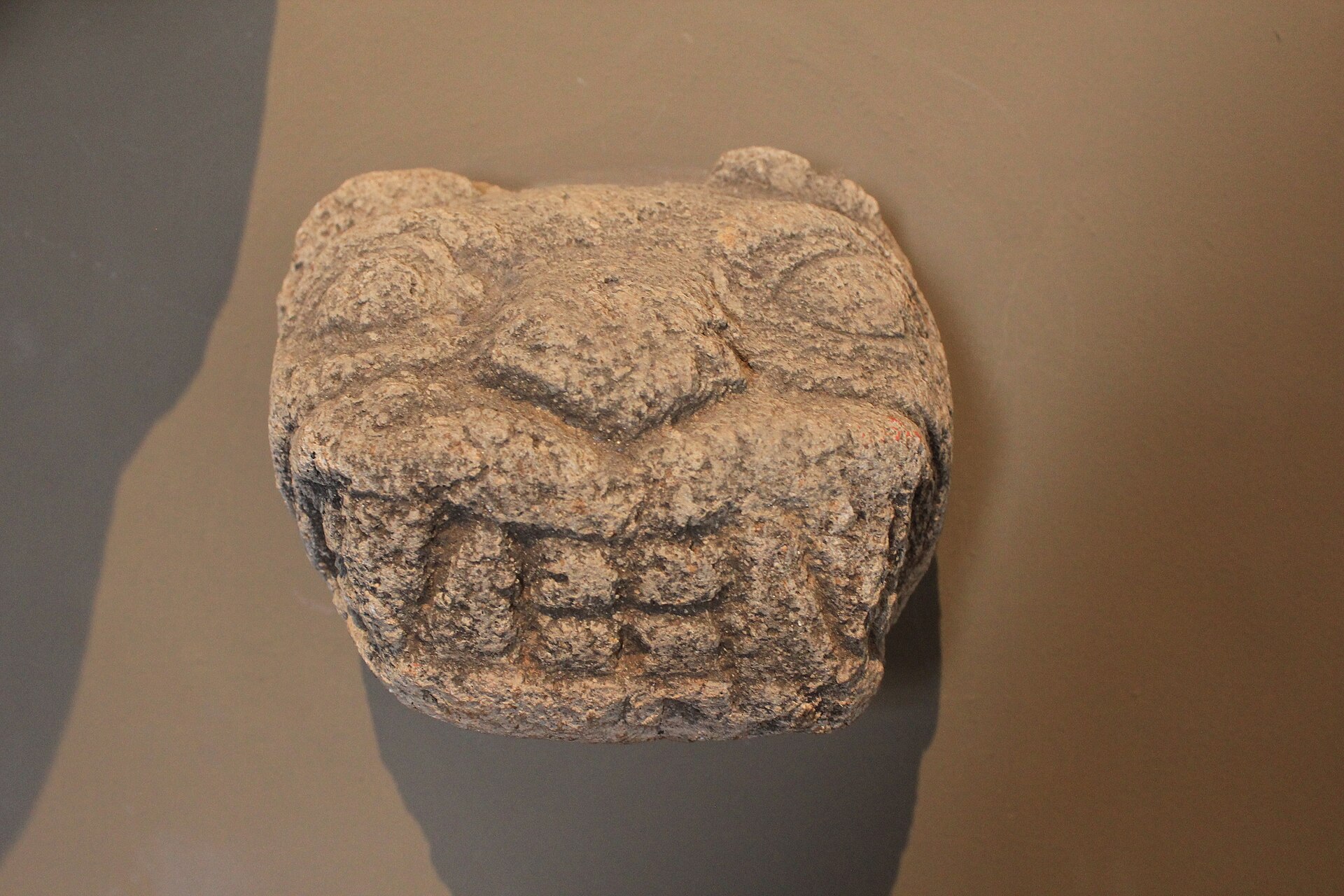
Insider tip: Buy the ticket online for S/45 instead of S/50 at the door (about US$13/€12), and time your visit for late afternoon — it's open daily 9:00 a.m. to 7:00 p.m., and the Café del Museo on the garden terrace is a genuinely good spot for lunch or a pisco sour among the ruins, not the usual sad museum café. Address: Av. Simón Bolívar 1515, Pueblo Libre.
Huaca Pucllana — an adobe pyramid in the middle of Miraflores
Three blocks from the designer shops of Miraflores, a 25-meter clay pyramid rises out of a residential grid. Huaca Pucllana was a ceremonial and administrative center of the Lima culture around 500 AD, built from millions of hand-made adobe bricks stood on end like books on a shelf — a technique that has let it ride out centuries of earthquakes. You can only enter on a guided walk, which is the point: the guide explains the burials and offerings archaeologists are still pulling out of it.

Insider tip: Daytime entry is S/12 (about US$3/€3) with a guide included; it's closed Tuesdays and runs 9:00 a.m.–5:00 p.m. But come for the night tour instead (Wed–Sun, 7:00–10:00 p.m., S/15/€3.70), when the floodlit walls look extraordinary. Book a table at the on-site restaurant, Huaca Pucllana, and you'll eat lomo saltado with the illuminated pyramid filling the window.
Plaza Mayor and the San Francisco catacombs — the colonial core
Lima's historic center is a UNESCO World Heritage Site, and its heart is the Plaza Mayor, framed by the mustard-yellow Government Palace, the Archbishop's Palace with its carved wooden balconies, and the Cathedral where conquistador Francisco Pizarro's remains lie. A few blocks away, the 17th-century Basilica and Convent of San Francisco hides the real draw underground: catacombs holding the bones of an estimated 25,000 people, skulls and femurs arranged in geometric patterns in brick-lined pits.

Insider tip: The San Francisco catacombs are visited only on a ~30-minute guided tour (general admission around S/20/US$5/€5), and photography is banned underground — put the phone away and actually look. Go in the morning when the center is at its liveliest and safest; after dark it empties out and you'll want an Uber back to Miraflores rather than a walk.
The Miraflores Malecón — Lima's clifftop promenade
The Malecón is a 10-kilometer ribbon of clifftop parks running above the Pacific through Miraflores, and it's where the city comes to run, walk dogs, and watch paragliders launch straight off the cliff edge at Parque Raimondi. Stop at the Parque del Amor, a Gaudí-style mosaic park built around a giant sculpture of a kissing couple, then walk south to Larcomar, a shopping and restaurant complex carved into the cliff face with the ocean below the terraces.

Insider tip: Walking the Malecón is free, and it's the one Lima activity best saved for sunset — the gray daytime fog often lifts just enough for the sun to drop into the Pacific. A tandem paragliding flight off the cliffs runs around US$70–90 (€65–83) for roughly 10–15 minutes if you want the view from above.
Barranco and the Puente de los Suspiros — the bohemian quarter
Barranco is Lima's artist district: a compact grid of 19th-century mansions painted mustard, teal and crimson, covered in murals, and packed with galleries, bars and some of the city's best restaurants. The symbolic center is the Puente de los Suspiros (Bridge of Sighs), a small wooden footbridge from 1876; the tradition is to cross it for the first time holding your breath and make a wish. Just off it sits MATE, the museum of fashion photographer Mario Testino, housed in a restored republican mansion.
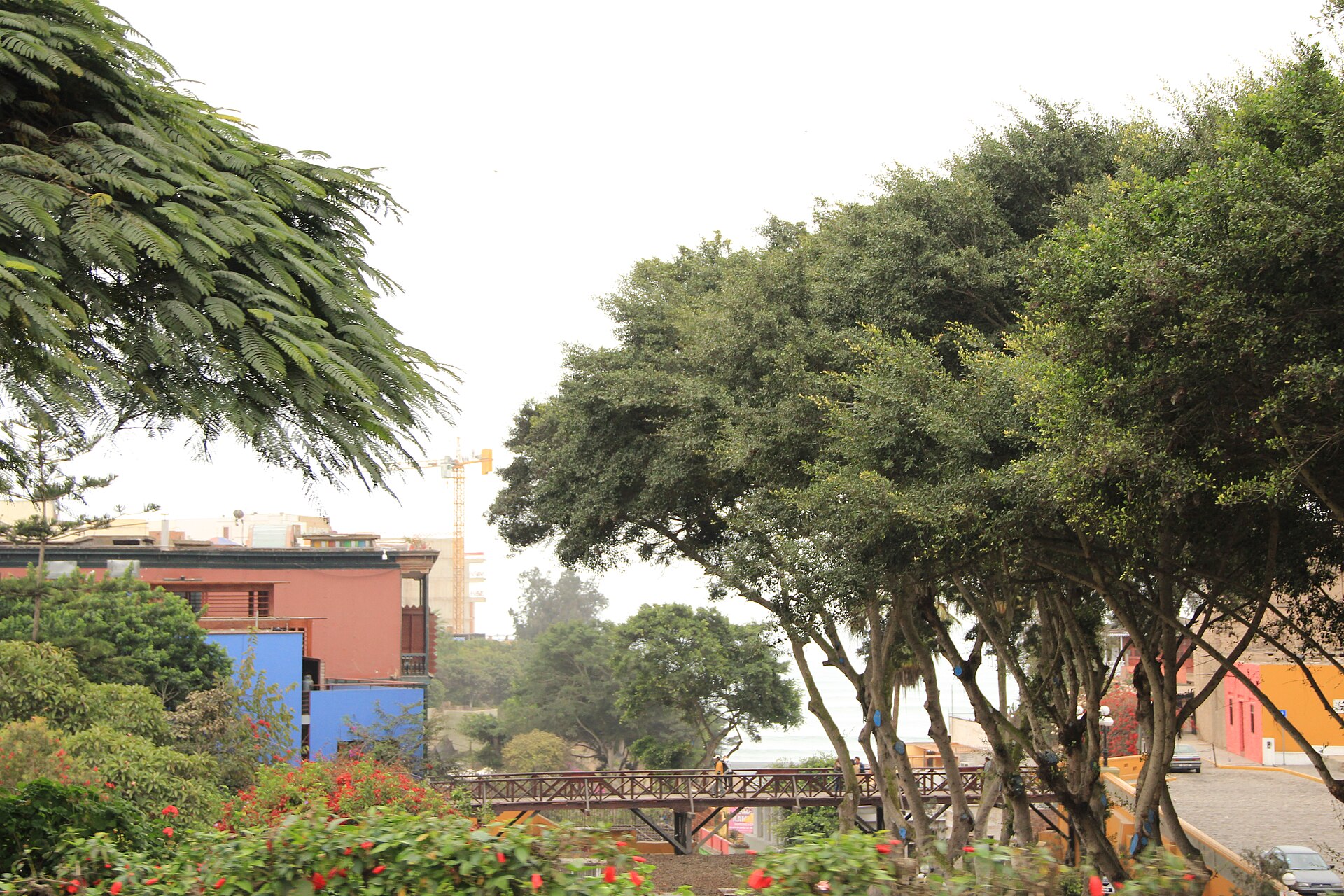
Insider tip: Come in the late afternoon, walk the bridge, then stay for dinner — Barranco is where Virgilio Martínez's Central (Av. Pedro de Osma 301) now sits, and the neighborhood's bars pour the city's best pisco sours. For dessert, find a street cart selling picarones, the pumpkin-and-sweet-potato doughnut rings drizzled with fig syrup.
Circuito Mágico del Agua — the record-breaking fountain park
In the Parque de la Reserva, a 10-minute taxi from Miraflores toward the center, sits the Circuito Mágico del Agua — a complex of 13 illuminated, choreographed fountains that holds a Guinness World Record as the largest fountain complex in a public park. The centerpiece Fuente de la Fantasía shoots water up to 80 meters and doubles as a screen for a music-and-laser show after dark. It's touristy, it's unapologetic, and at the price it's one of the best-value hours in the city.
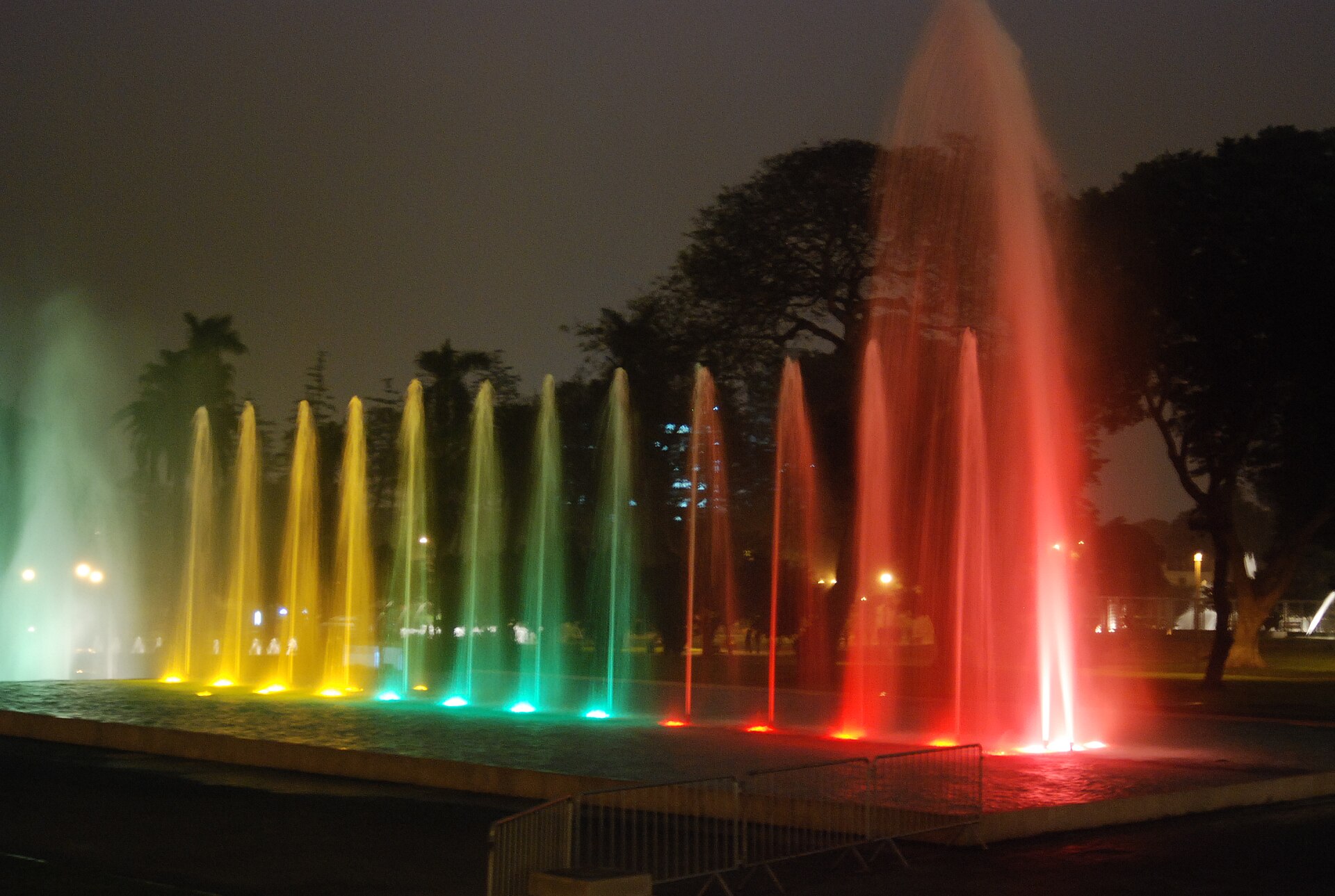
Insider tip: Entry is just S/4 (about US$1/€1), but the hours are the catch — it's open Wednesday to Sunday, 3:00 to 10:00 p.m. only, closed Monday and Tuesday. Arrive around 30 minutes before sunset so you see the fountains in daylight and then lit up; the laser show on the Fuente de la Fantasía runs at 7:15, 8:15 and 9:30 p.m.
Pachacamac — a pilgrimage city older than the Inca
Thirty kilometers south of Miraflores, Pachacamac was a sacred pilgrimage site for roughly 1,000 years before the Spanish arrived — a sprawling complex of adobe and stone temples dedicated to the creator god who gave the place its name, later absorbed and expanded by the Inca. The highlights are the stepped Templo del Sol and the Acllawasi (House of the Chosen Women), with the Pacific visible beyond the dunes. The on-site museum, opened in 2016, is worth 30–45 minutes first for context.

Insider tip: A taxi or app ride from Miraflores runs about S/60–100 (US$17–28/€16–26) each way and takes 45–60 minutes; agree a wait-and-return fare, since ride apps are scarce out there. A half-day small-group tour with transport, entry and a guide runs US$35–50 (€32–46) and is the easier option. Bring a hat and water — there's no shade and the site is large.
🗓️ How to Spend Three Days in Lima
Day 1 — Miraflores and the coast
Start slow in Miraflores. Walk Parque Kennedy (you'll meet its famous resident cats), then take a mid-morning guided tour of Huaca Pucllana before the day heats up. Walk 20 minutes west to the Malecón, follow the clifftop south through the Parque del Amor to Larcomar for lunch with an ocean view. Spend the afternoon at the beach or browsing, then head to the Circuito Mágico del Agua (a ~15-minute, ~S/20/US$5 ride) to catch the fountains at dusk. Dinner: a classic cevichería like La Mar (lunch-only, so save it for Day 2) or an evening table somewhere in Miraflores.
Day 2 — History and the center
Taxi to Pueblo Libre for the Museo Larco at opening (about S/20/US$5 from Miraflores, 20 minutes), then continue to the historic center: Plaza Mayor, the Cathedral, and the San Francisco catacombs. Have lunch near the plaza — this is the moment for ceviche at a proper cevichería, as Peruvians eat it at midday when the fish is freshest. Return to Miraflores or Barranco before dark by Uber. Evening in Barranco: walk the Puente de los Suspiros at golden hour and settle in for dinner and pisco sours.
Day 3 — Ruins and a long lunch
Head south in the morning to Pachacamac (half-day tour or a round-trip taxi), back by early afternoon. Use the rest of the day for the meal you booked weeks ago — Central, Maido or Kjolle — or, if you skipped the tasting menus, a relaxed afternoon in San Isidro's El Olivar olive grove and the Huaca Huallamarca pyramid, followed by anticuchos (grilled beef-heart skewers) from a street grill as the sun goes down.
🧠 Essential Tips for Visiting Lima
When is the best time to visit Lima?
Lima has two faces. From December to March it's summer: clear skies, daytime temperatures around 24°C (75°F), and the beaches and surf breaks at their best, with February the hottest and most humid. From roughly May to November the city sits under the garúa, a persistent coastal fog that keeps skies gray and temperatures around 18–20°C (mid-60s°F) — though it almost never actually rains. Winter (June–August) is peak season anyway, because that's when most travelers are passing through on their way to Machu Picchu, so expect higher hotel prices and booked-up restaurants. For sun and lower prices, aim for the April–May or September–November shoulders. Time it for Peru's Independence Day (July 28–29) or the October Señor de los Milagros processions, when much of the city dresses in purple and turrón de Doña Pepa appears on every corner.
How do you get around Lima?
Lima sprawls and its traffic is genuinely bad, so plan around it. For door-to-door trips, use a ride-hailing app — Uber, Cabify, DiDi or inDrive — which locals rely on and which removes the fare-haggling and safety risk of street taxis. For longer north–south runs, the Metropolitano bus rapid-transit line runs in a dedicated lane from Chorrillos through Barranco, Miraflores and San Isidro to the historic center; a ride is about S/3.20 and you'll first need to buy a rechargeable card for around S/5 from a station machine (bring exact change — they don't give any). From the new Jorge Chávez airport in Callao, roughly 10–15 km and 45–75 minutes from Miraflores depending on traffic, book a licensed taxi at the arrivals counter (S/60–95/US$20–30/€19–28) or take the Airport Express bus from around S/15.
Is Lima safe for tourists?
Lima is safe enough with normal big-city sense, and the three districts you'll spend most time in — Miraflores, Barranco and San Isidro — are the safest and best-patrolled. The real risks are opportunistic: phone-snatching and pickpocketing. Don't walk down the street with your phone out (check the map inside a café), keep your bag in front of you, carry little cash, and don't flag taxis on the street — order an app ride or have your hotel call one. The historic center is fine by day but empties and gets sketchier after dark, so take an Uber back rather than walking. Avoid wandering Callao, around the airport, on foot. Change money only at official casas de cambio, and watch for counterfeit notes.
What should you eat in Lima?
Lima is the reason "Peruvian food" is a global phenomenon. Start with ceviche — raw fish cured in lime leche de tigre with onion, chili and sweet potato — eaten at lunch at a proper cevichería like Gastón Acurio's La Mar in Miraflores (no reservations, go early). Work through lomo saltado (stir-fried beef with soy, a legacy of Lima's deep Chinese-Peruvian chifa tradition), ají de gallina (creamy chili chicken), anticuchos (beef-heart skewers from street grills), and causa (layered chilled potato terrine). At the top end, the tasting-menu giants are Central (~US$250/€230, book ~3 months ahead), Maido (~US$200/€185, the 2025 World's Best) and Pía León's Kjolle (~US$130/€120). Wash it down with a pisco sour or a glass of bright-purple chicha morada.
🏨 Where to Stay in Lima
Base yourself in Miraflores if it's your first visit: it's the safest, most walkable district, packed with hotels, restaurants and the clifftop Malecón, and it has the most options at every price. Barranco is the move for a more creative, nightlife-leaning stay, and it tends to run 15–20% cheaper than comparable Miraflores properties. San Isidro is the leafy, upscale financial district — quieter, more residential, good for a calmer or business-oriented trip.
Budget travelers will find hostel dorm beds around US$12–25 (€11–23) and private hostel doubles around US$35–55, most of them clustered in Miraflores and Barranco; Pariwana and Kokopelli are long-running backpacker favorites. Mid-range three-star hotels in Miraflores run roughly US$60–100 (€55–93) a night, with Barranco boutiques around US$70–120. For luxury, five-star hotels in Miraflores and San Isidro run US$180–350 (€167–324) — the Belmond Miraflores Park on the Malecón and the grand, canary-yellow Country Club Lima Hotel in San Isidro (around US$200–320) are the standouts, while Hotel B, a Relais & Châteaux belle-époque mansion in Barranco, is the design-lover's pick.
🎭 Beyond the Tourist Trail
When you've done the headline sights, Lima rewards going one block further. Skip the glossy supermarkets and spend a morning in the Mercado de Surquillo No. 1, across the expressway from Miraflores, where the city's top chefs buy their fish, unfamiliar Amazonian fruit and dozens of native potato varieties — several stalls will turn a kilo of the morning's catch into ceviche on the spot. In Barranco, the clifftop Bajada de los Baños is a cobbled path that drops from the Puente de los Suspiros toward the sea, lined with old fishermen's houses and far quieter than the bridge above it.
For a neighborhood with no tourist infrastructure at all, the inland district of Pueblo Libre — beyond the Museo Larco — is where limeños go for old-school criollo cooking; the Antigua Taberna Queirolo, pouring its own pisco since 1880, is the anchor. And if you're here between late August and November, watch for the hills around the city turning briefly green: the garúa fog feeds the lomas, seasonal fog-oasis ecosystems like the Lomas de Lúcumo an hour south, where wildflowers bloom out of what is, the rest of the year, pure desert.
❓ Lima FAQ
How many days do you need in Lima?
Three full days is the sweet spot: enough for the major museums, the colonial historic center, the Miraflores and Barranco districts, and a half-day trip to the Pachacamac ruins, without feeling rushed. With only one day, prioritize the Museo Larco, a Miraflores Malecón walk and a cevichería lunch.
What is the best time of year to visit Lima?
December to March is Lima's sunny summer (around 24°C/75°F) and the best time for clear skies and beaches. From May to November the city sits under the gray garúa fog at around 18–20°C, but it rarely rains; June to August is peak season because of Machu Picchu travelers. April–May and September–November offer the best balance of decent weather and lower prices.
Do you need to book Lima's top restaurants in advance?
Yes. Central releases reservations about three months ahead and fills within days, so book it the moment your trip is confirmed. Maido (around US$200/€185 per person) and Kjolle (around US$130/€120) typically need two to six weeks' notice, and longer in the June–September high season.
How do you get from Lima airport to Miraflores?
The new Jorge Chávez terminal is about 10–15 km from Miraflores, a 45–75 minute drive depending on traffic. A licensed taxi booked at the arrivals counter costs roughly S/60–95 (US$20–30/€19–28); ride-hailing apps run a bit less; and the Airport Express bus is the cheapest option from around S/15. Avoid unlicensed drivers who approach you curbside.
Is Lima safe for tourists?
Yes, with normal precautions. Miraflores, Barranco and San Isidro are the safest districts and where most visitors stay. The main risks are phone-snatching and pickpocketing, so keep your phone out of sight on the street, carry little cash, use ride-hailing apps instead of street taxis, and take a taxi rather than walking in the historic center after dark.
What food is Lima famous for?
Ceviche above all — raw fish cured in lime leche de tigre, eaten at lunch. Lima is also known for lomo saltado (soy-stir-fried beef from its Chinese-Peruvian chifa tradition), ají de gallina, anticuchos, and causa, plus the pisco sour. It's a world gastronomic capital: Maido was named the World's Best Restaurant in 2025, and Central and Kjolle rank among the global top tier.
How much does it cost to visit Lima?
Budget travelers can manage on about US$45–70 (€42–65) a day, mid-range on US$90–150 (€83–139), and luxury from US$200 (€185) upward, before blowout tasting-menu dinners. Attractions are cheap: the Museo Larco is S/45 online (~US$13), Huaca Pucllana S/12, the San Francisco catacombs around S/20, and the Magic Water Circuit just S/4.
Is Lima worth visiting, or just a stopover for Machu Picchu?
It's worth staying for its own sake. Lima is one of the world's great food cities, with pre-Columbian pyramids inside modern neighborhoods, a UNESCO colonial center, a dramatic clifftop coast and the bohemian art district of Barranco. Three days here is a highlight of a Peru trip, not a layover to endure.
❤️ Plan Your Lima Trip with VoyaBear
Lima rewards a plan: tables booked weeks out, museums timed around the fog, and a route that doesn't waste hours in traffic. That's exactly what VoyaBear does. Tell us how long you've got, what you want to eat, and how hard you want to push, and we'll build a personalized, day-by-day Lima itinerary around real opening hours, real prices and the dinner reservations that actually matter — then carry it straight through to Cusco and Machu Picchu. Start planning your Peru trip with VoyaBear today, and spend your three days in Lima eating, not Googling.
Want this as an actual itinerary?
VoyaBear turns a guide like this into a day-by-day plan built around how you travel.
Plan my trip free