Madrid 2026: The Complete Guide to Spain's Capital
21 October 2026 · 21 min read

Madrid doesn't have a beach, a canal, or a headline cathedral, and it spends zero energy apologizing for it. What it has instead is the densest concentration of world-class painting on the planet — the Prado, Reina Sofía and Thyssen-Bornemisza sit within a ten-minute walk of one another — a dinner clock set two hours later than yours, and a tradition of staying out until the Metro reopens at 6am. In 2026 the city is riding the 300th anniversary of Sobrino de Botín, certified by Guinness as the oldest restaurant in the world, which hit the mark in 2025 and is still roasting suckling pig in the same wood-fired oven. This is a guide to doing Madrid properly: which museum ticket is free and when, what the squid sandwich actually costs, and how to get from the airport to the center without overpaying.
💡 Quick Answer: Madrid at a Glance
The essentials for planning a Madrid trip in 2026, pulled straight from the detail below.
- How many days do you need? Three full days covers the big three museums, the Royal Palace, Retiro and the old center without rushing.
- Best time to visit? May and October — roughly 15–28°C and walkable. Skip July–August, when it hits 35–40°C.
- What to book ahead? Timed tickets for the Prado (€15), Reina Sofía (€12) and Royal Palace (€18); a table at Sobrino de Botín if you want the cochinillo.
- Airport to center? Cercanías C-1 train from Terminal 4 to Atocha/Sol is €2.60; the 24-hour Exprés Aeropuerto bus (Line 203) is €5 cash; an official flat-fare taxi inside the M-30 ring is €30–33.
- Getting around? Buy a €2.50 reusable Tarjeta Multi card and load a 10-trip Metrobús ticket for €12.20 (about €1.22 a ride).
- Daily budget? Around €90–120 a day mid-range (hostel-to-3-star bed, two museums, tapas and a couple of cañas); €40–60 if you're careful.
- Top safety note? Violent crime is rare; pickpockets are not. Guard your bag on the Metro, in Puerta del Sol and at El Rastro, and ignore anyone pressing a sprig of rosemary into your hand.
- Free museum hours? The Prado is free the last two hours daily; Reina Sofía is free most evenings 19:00–21:00 and closed Tuesdays.
🎭 The Best Things to Do in Madrid
Museo del Prado — the Spanish painting canon in one building
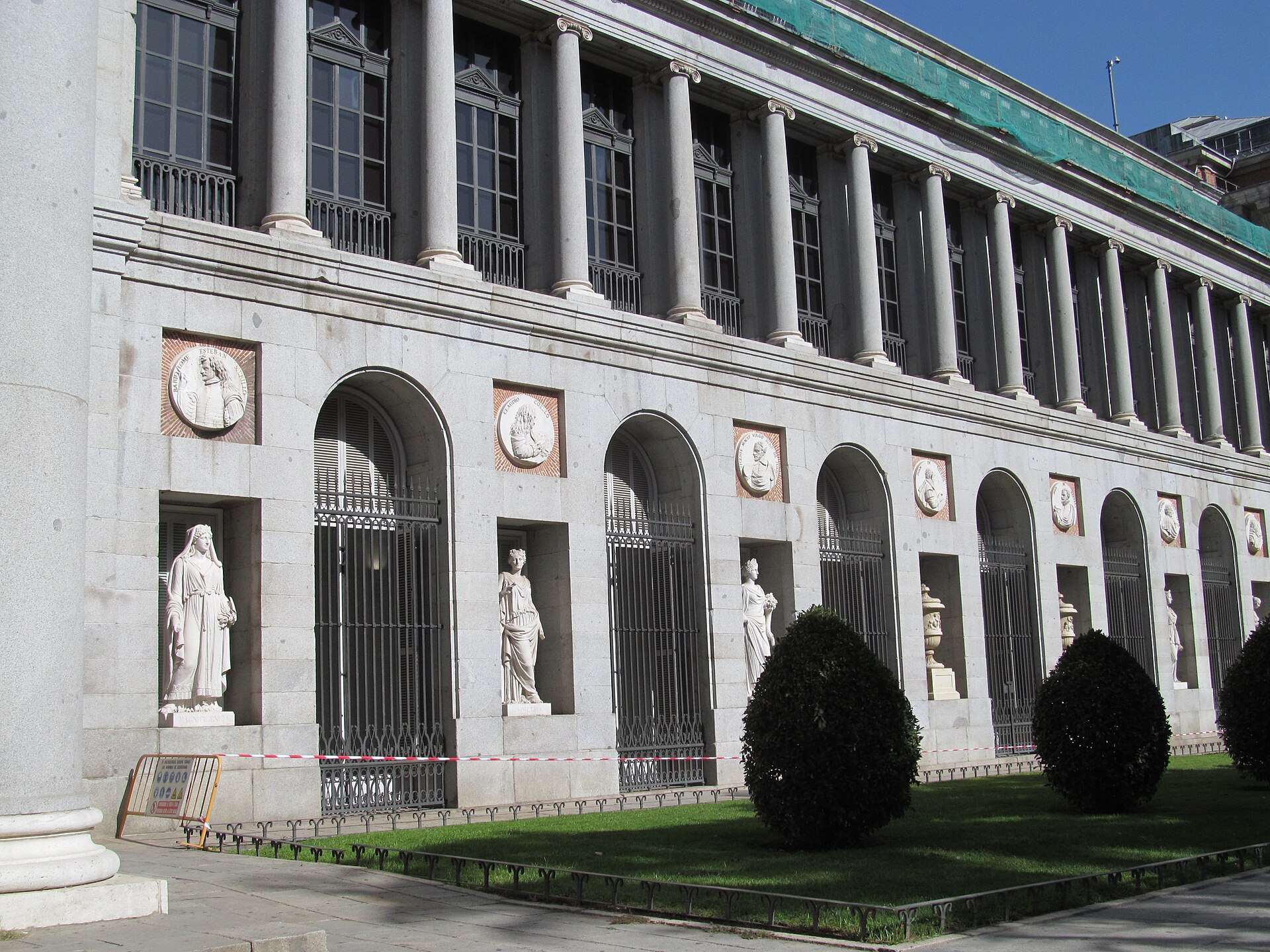
The Prado is the point of Madrid for a lot of people, and it earns it: Velázquez's Las Meninas, two floors of Goya including the Black Paintings, El Greco, and Bosch's Garden of Earthly Delights, all under one roof. Full admission is €15, open Monday to Saturday 10:00–20:00 and Sunday 10:00–19:00. The crucial detail: entry is free for the last two hours every day (Monday–Saturday 18:00–20:00, Sunday 17:00–19:00). The free window is no secret, so the line builds about 45 minutes before — queue early and head straight to Velázquez in Room 012 while everyone else clusters at the entrance. Two hours is enough for the greatest hits; don't try to see all 1,700 works on display.
Museo Reina Sofía — stand in front of Guernica
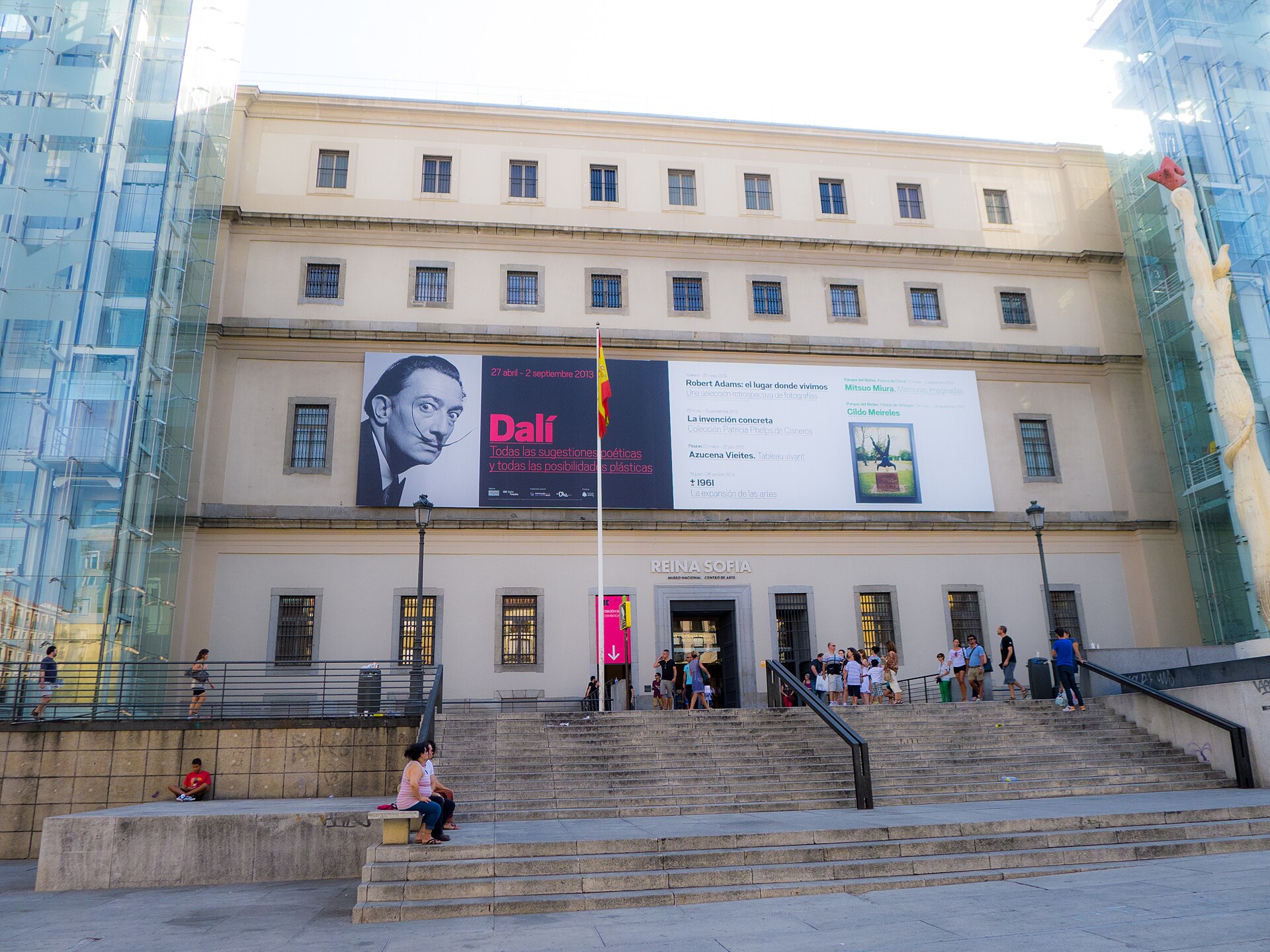
The Reina Sofía holds Picasso's Guernica, and seeing the canvas in person — it's 3.5 by 7.8 meters, bigger than photos ever suggest — is worth the trip on its own. The collection runs through Dalí, Miró and 20th-century Spanish art inside the former Sabatini hospital, with glass elevators bolted to the outside. Admission is €12, open Monday and Wednesday–Saturday 10:00–21:00, Sunday 10:00–14:30, and closed Tuesdays — the single most common Madrid planning mistake. It's free Monday and Wednesday–Saturday 19:00–21:00 and Sunday 12:30–14:30. Go in the free evening slot; Guernica's room (206) stays busy but the rest empties out.
Royal Palace of Madrid — 3,400 rooms, and you'll see about 50
The Palacio Real is the largest functioning royal palace in Western Europe by floor area — 3,418 rooms — though the Spanish royals don't live here; they use it for ceremonies. The tour runs through the Throne Room with its Tiepolo ceiling, the Royal Armoury and the Stradivarius string quartet. Tickets are €18 (reduced €9). Hours shift by season: October–March it's Monday–Saturday 10:00–18:00 and Sunday 10:00–16:00; April–September it closes an hour later on weekdays. EU residents get in free on late weekday afternoons, so bring ID if that's you. Time your visit for the changing of the guard, a full ceremony with mounted soldiers on the first Wednesday of most months (11:00–14:00), free to watch from the courtyard.

Parque del Retiro — the city's backyard, plus a glass palace
El Retiro is 125 hectares of former royal gardens, free and open daily, and it's where Madrid exhales. Rent a rowboat on the Estanque Grande and paddle under the monument to Alfonso XII, or walk fifteen minutes south to the Palacio de Cristal, an 1887 glass-and-iron greenhouse that now hosts free contemporary-art installations run by the Reina Sofía. The park and the neighboring Paseo del Prado were jointly named a UNESCO World Heritage Site in 2021. Come on a Sunday late morning and you'll catch drum circles near the lake and the Bosque del Recuerdo memorial grove. The rose garden (La Rosaleda) peaks in May.

Plaza Mayor & Puerta del Sol — the historic core
Plaza Mayor is a fully enclosed 17th-century square ringed by red-ochre arcades, with Philip III on horseback in the middle and the frescoed Casa de la Panadería on the north side. It has hosted coronations, bullfights and executions; today it hosts overpriced terrace cafés — admire the square, drink elsewhere. Duck under the Arco de Cuchilleros to reach the old tabernas. Five minutes east is Puerta del Sol, Spain's literal Kilometre Zero (the point all national roads measure from, marked by a plaque in the pavement), the bronze bear-and-strawberry-tree statue (El Oso y el Madroño), and the clock whose chimes ring in the New Year with twelve grapes.

Temple of Debod — an Egyptian temple at sunset
This is a genuine 2nd-century-BC Egyptian temple that Egypt gave to Spain in 1968 for helping rescue monuments threatened by the Aswan High Dam. It now sits on a hill near Plaza de España, reflected in a shallow pool, and entry is free. Opening hours are Tuesday–Sunday 10:00–20:00 in winter (last entry 19:30) and 10:00–19:00 in summer (15 June–15 September); it's closed Mondays. The real reason to come is sunset — the hill faces west over the Casa de Campo, the stone glows, and half of Madrid shows up with a bottle of wine. Arrive 30 minutes before dusk to claim a spot on the wall.

Mercado de San Miguel — a market built for grazing
The San Miguel is a restored 1916 iron-and-glass market steps from Plaza Mayor, and it stopped being a produce market long ago — now it's wall-to-wall gourmet tapas stalls: Iberian ham cut to order, oysters, croquetas, vermouth on tap. It's touristy and not cheap (€3–6 per tapa), but the quality is high and it's the fastest way to taste a dozen things in one stop. Go mid-afternoon or very late to avoid the 8pm crush, order a caña (small draft beer, €2–3), and treat it as a standing snack rather than dinner. For cheaper, more local tapas, walk ten minutes to Calle Cava Baja in La Latina.

Santiago Bernabéu — Real Madrid's reinvented stadium
Even if you don't follow football, the Bernabéu is worth it in 2026: the stadium reopened after a multi-year, billion-euro-plus rebuild with a retractable roof and a wraparound metal shell. The self-guided Bernabéu Tour takes you pitchside, into the dressing room and through the trophy room stacked with Champions League cups. Tickets run from about €25 through booking partners (the official site lists them from €35); children 5–13 from €19. Hours are Monday–Saturday 9:30–19:00 and Sunday/holidays 10:00–18:30, with last entry 90 minutes before closing. On match days the tour doesn't run, so check the fixture list first. Metro Line 10 drops you at Santiago Bernabéu station.

🗓️ How to Spend Three Days in Madrid
Day 1 — The art triangle and the old center
Start at the Prado at opening (10:00) before the tour groups land; give it two hours and focus on Velázquez and Goya (€15). Walk ten minutes up the Paseo del Prado to the Thyssen-Bornemisza (€14; free Mondays 12:00–16:00) for the one collection that fills the gaps the other two leave — Impressionists, Hoppers, early modernism. Lunch on a menú del día near Huertas (€13–16 for three courses and wine). Afternoon: wander up to Puerta del Sol and Plaza Mayor (free), grab a bocadillo de calamares — a fried-squid sandwich, €3.50–4.50 — at one of the bars on Calle Botoneras just off the square. End at Chocolatería San Ginés (open 24 hours, serving churros since 1894) for churros con chocolate, about €5.
Day 2 — Royal Madrid and the park
Begin at the Royal Palace at 10:00 (€18); 90 minutes inside, then see the neighboring Almudena Cathedral (free). Walk down to the Temple of Debod (free) for the view, then cut across to Gran Vía for lunch and a look at the Metropolis and Carrión buildings. Spend the afternoon in Parque del Retiro (free): rowboat on the lake, the Palacio de Cristal, and a coffee at a kiosk. As the sun drops, circle back to the Temple of Debod hill for sunset, then dinner in La Latina — tapas along Calle Cava Baja, budgeting €20–30 a head with drinks.
Day 3 — Markets, football and neighborhoods
If it's Sunday, start at El Rastro (free), the open-air flea market that has sprawled across La Latina every Sunday since the 1740s, 9:00–15:00. Otherwise do the Mercado de San Miguel for a tapas breakfast. Late morning, Metro Line 10 to the Santiago Bernabéu tour (from €25). Afternoon: explore Malasaña and Chueca — vintage shops, specialty coffee, Plaza del Dos de Mayo — or the multicultural streets of Lavapiés. Book a late dinner (Madrid eats at 21:00–22:00) at Sobrino de Botín for roast suckling pig (cochinillo, around €28–30) in the world's oldest restaurant; reserve well ahead.
🧠 Essential Madrid Travel Tips
When is the best time to visit Madrid?
May and October are the sweet spots. May brings 20–28°C, the Retiro rose garden in bloom and the week-long San Isidro festival around 15 May (concerts, traditional dress, and bullfighting at Las Ventas) — though hotel prices peak alongside it. October delivers ideal 15–22°C walking weather and amber light in Retiro. Avoid July and August, when Madrid regularly hits 35–40°C, locals flee to the coast and whole restaurants shut — the upside is that hotels drop 30–50% and the museums are air-conditioned and quiet. Winter is cheap and crisp (5–12°C) with Christmas markets in Plaza Mayor.
How do you get around Madrid?
The Metro is clean, fast and runs 06:00–01:30 across a dozen color-coded lines. You can't use contactless cards or paper singles — you need a reusable Tarjeta Multi card, which costs €2.50 and lasts ten years. Load it with a single Zone A ride (€1.50–2.00 depending on distance) or, better, a 10-trip Metrobús ticket for €12.20 (about €1.22 per ride) that also works on city buses. The center is genuinely walkable — most sights above are within a 25-minute stroll of Puerta del Sol. For routing, locals use Google Maps and Citymapper; the EMT Madrid app tracks buses live, and FreeNow hails official taxis with upfront fares.
How do you get from Madrid Airport to the city?
Adolfo Suárez Madrid–Barajas is well connected. Cheapest is the Cercanías C-1 train from Terminal 4 to Atocha, Sol and Chamartín, €2.60, about every 30 minutes. From any terminal, the Exprés Aeropuerto bus (Line 203) runs 24 hours, costs €5 paid in cash to the driver, and reaches Atocha in 25–40 minutes (it terminates at Plaza de Cibeles overnight, 23:30–06:00). The Metro (Line 8) connects the terminals to Nuevos Ministerios but adds a €3 airport supplement on top of the fare, roughly €4.50–5 total. Official white taxis charge a flat €30–33 to anywhere inside the M-30 ring road — agree it's the fixed fare before you set off.
Is Madrid safe for tourists?
Madrid is one of Europe's safer big cities, with low violent crime, and walking the center at night is fine. Pickpocketing is the real risk, concentrated in Puerta del Sol, Gran Vía, the Metro (especially Line 1 and Sol station), Plaza Mayor and El Rastro. Keep your phone off café tables and your bag zipped and in front of you on crowded platforms. Know two specific scams: the rosemary sprig — women near Plaza Mayor and the Almudena Cathedral who press a sprig into your hand, "read" your palm, then demand money — and the shell/cup game set up near the Royal Palace and Retiro, which is always rigged. Decline both and keep walking.
What should you eat in Madrid?
Madrid's signature dish is cocido madrileño, a slow-cooked chickpea, vegetable and meat stew served in courses — broth first, then the chickpeas and meats — a winter institution. The street classic is the bocadillo de calamares, a fried-squid baguette eaten standing near Plaza Mayor (try El Brillante near Atocha for a less touristy version). Do a tapas crawl on Calle Cava Baja in La Latina, and note that unlike in some Spanish cities, Madrid tapas usually aren't free with a drink. Finish with churros con chocolate at San Ginés. For a proper sit-down, Sobrino de Botín (founded 1725) does cochinillo asado — roast suckling pig — in a wood oven that has been lit for three centuries.
🏨 Where to Stay in Madrid
Stay inside the center if you can — Madrid rewards walking, and the neighborhoods each have a distinct flavor. Sol/Centro is the most convenient and the noisiest; Malasaña and Chueca are young, nightlife-heavy and full of good food; La Latina is medieval streets and tapas; Salamanca is quiet, upscale and a bit sterile after dark. Prices below are typical 2026 nightly rates and jump 30–50% during San Isidro, Pride and Christmas.
Budget (hostels, under about €90)
Generator Madrid near Sol has dorm beds from around €30 and a rooftop; TOC Hostel in Malasaña runs from about €28. Both are central, social and clean. For a private budget room, look at small hostales (the Spanish term for a simple guesthouse, not a backpacker hostel) around Huertas in the €70–95 range.
Mid-range (about €110–220)
Hotel Plaza Mayor in La Latina (3★, ~€110) puts you on the edge of the old center; Hotel Catalonia Las Cortes near Sol (4★, ~€160) sits in an 18th-century palace; Only YOU Boutique Hotel (4★, ~€180) anchors the Chueca scene. Expect €120–200 a night for a solid four-star in Malasaña or Centro.
Luxury (€300+)
The grande dame is the Mandarin Oriental Ritz by the Prado (from ~€700), reopened after a top-to-bottom restoration. Four Seasons Madrid in the Centro Canalejas complex steps from Puerta del Sol runs from ~€600, and Rosewood Villa Magna on the Salamanca shopping mile from ~€550. For boutique luxury at a gentler price, Hotel Único Madrid in Salamanca is around €350.
❤️ Beyond the Tourist Trail
Most visitors never leave the Prado-to-Palace corridor, which means the city's best texture is a short Metro ride away. Lavapiés, just south of the center, is Madrid's most multicultural quarter — Senegalese and Indian restaurants, dense street art, and the Tabacalera, a former tobacco factory turned sprawling free art space. In Arganzuela, Matadero Madrid is a 1920s slaughterhouse rebuilt into one of Europe's largest cultural centers, with cinema, design exhibitions and a bar, flanked by the Madrid Río park along the Manzanares river — rentable bikes, a beach-less "beach" of fountains in summer, and skyline views back toward the Royal Palace.
For something seasonal, time a visit to late May for San Isidro, or come in summer for Veranos de la Villa, the open-air festival of concerts and outdoor cinema that runs July–August and gives you a reason to be out after the heat breaks. And on any Sunday, the vermouth hour (la hora del vermut) before lunch — a small glass of house vermouth on tap with an olive, around €3 — is the most Madrid thing you can do that isn't in a guidebook. The best are in La Latina's old tabernas, many pouring vermut de grifo from barrels older than most of the bars around them.
❓ Madrid FAQ
How many days do you need in Madrid?
Three full days is the sweet spot: one for the art triangle (Prado, Reina Sofía, Thyssen) and old center, one for the Royal Palace, Temple of Debod and Retiro, and one for markets, the Bernabéu and outer neighborhoods like Malasaña and Lavapiés. Two days works if you prioritize ruthlessly; a fourth day lets you add a day trip to Toledo or El Escorial.
When is the best time to visit Madrid?
May and October are ideal, with mild 15–28°C weather and walkable streets. May adds the San Isidro festival around 15 May but comes with peak hotel prices. Avoid July and August, when temperatures reach 35–40°C, though hotels drop 30–50% in those months and the museums stay cool and uncrowded.
Which Madrid museums are free, and when?
The Prado (normally €15) is free for the last two hours daily — Monday–Saturday 18:00–20:00 and Sunday 17:00–19:00. The Reina Sofía (€12) is free Monday and Wednesday–Saturday 19:00–21:00 and Sunday 12:30–14:30, and is closed Tuesdays. The Thyssen-Bornemisza (€14) is free on Mondays 12:00–16:00 for its permanent collection.
How do you get from Madrid airport to the city center?
The Cercanías C-1 train from Terminal 4 to Atocha and Sol costs €2.60. The 24-hour Exprés Aeropuerto bus (Line 203) is €5 cash and reaches Atocha in 25–40 minutes. The Metro Line 8 costs about €4.50–5 including a €3 airport supplement. An official flat-fare taxi to anywhere inside the M-30 ring road is €30–33.
Do you need to book Madrid attractions in advance?
Book timed tickets online for the Prado (€15), Reina Sofía (€12) and Royal Palace (€18) to skip the ticket line, especially on weekends and during the free-entry windows. The Bernabéu Tour (from €25) and a dinner table at Sobrino de Botín should also be reserved ahead. Plaza Mayor, Puerta del Sol, the Temple of Debod and Retiro Park are all free and need no booking.
What food is Madrid known for?
Madrid's defining dish is cocido madrileño, a chickpea-and-meat stew served in courses. Street staples are the bocadillo de calamares (fried-squid sandwich, €3.50–4.50) near Plaza Mayor and churros con chocolate (about €5) at the 24-hour Chocolatería San Ginés. For a splurge, Sobrino de Botín — founded in 1725 and the world's oldest restaurant — serves roast suckling pig for around €28–30.
Is Madrid safe for tourists?
Yes. Madrid has low violent crime and is safe to walk at night, but pickpocketing is common in Puerta del Sol, Gran Vía, Plaza Mayor, El Rastro and on the Metro. Watch your bag in crowds and ignore the rosemary-sprig and shell-game scams run near Plaza Mayor and the Royal Palace.
What's the best area to stay in Madrid?
Sol/Centro is best for first-timers who want to walk everywhere (4-star rooms ~€160–280); Malasaña and Chueca suit nightlife and food lovers (~€120–230); La Latina offers medieval streets and tapas (~€100–220); and Salamanca is quiet and upscale (~€220–380). Staying inside the center saves transit time since most sights are within a 25-minute walk of Puerta del Sol.
🐻 Plan Your Madrid Trip with VoyaBear
Madrid rewards travelers who get the details right — the free museum hour, the Tuesday the Reina Sofía is closed, the Sunday vermouth, the right dinner reservation. VoyaBear builds personalized day-by-day itineraries around exactly those details: your pace, your budget, your taste for art versus tapas versus football, with the opening hours and ticket prices already checked. Tell us when you're going and what you're into, and we'll map your perfect Madrid trip — free museum windows and sunset at Debod included. Start planning with VoyaBear today.
Want this as an actual itinerary?
VoyaBear turns a guide like this into a day-by-day plan built around how you travel.
Plan my trip free